Filmy Fern
Hymenophyllum rufescens
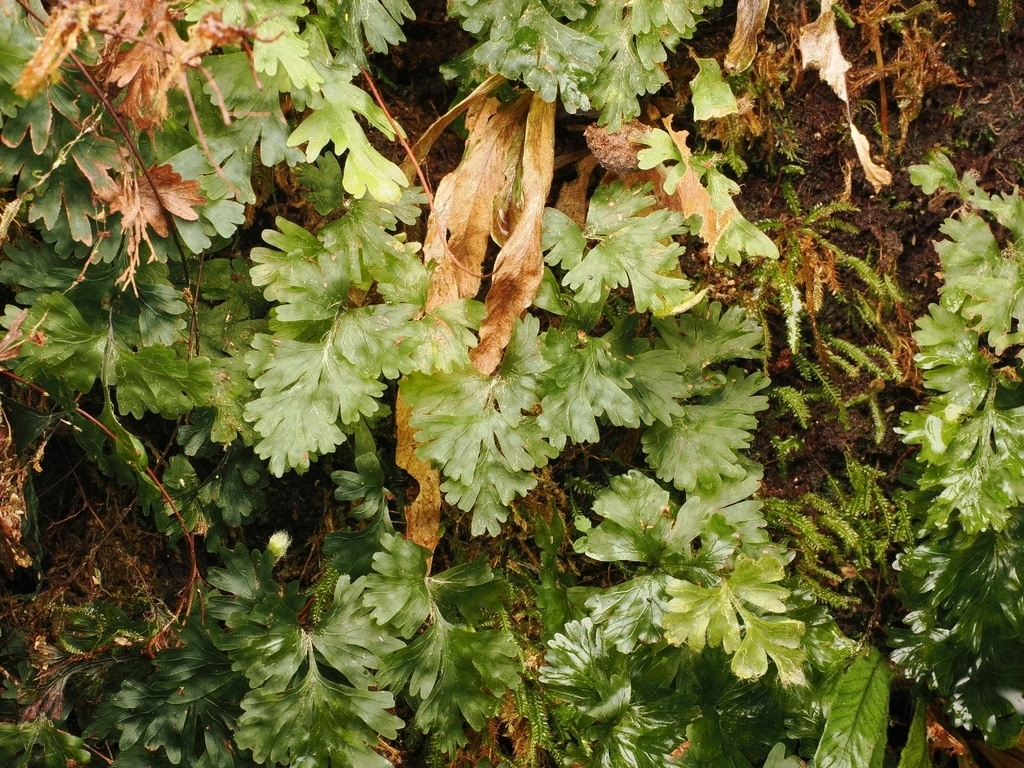
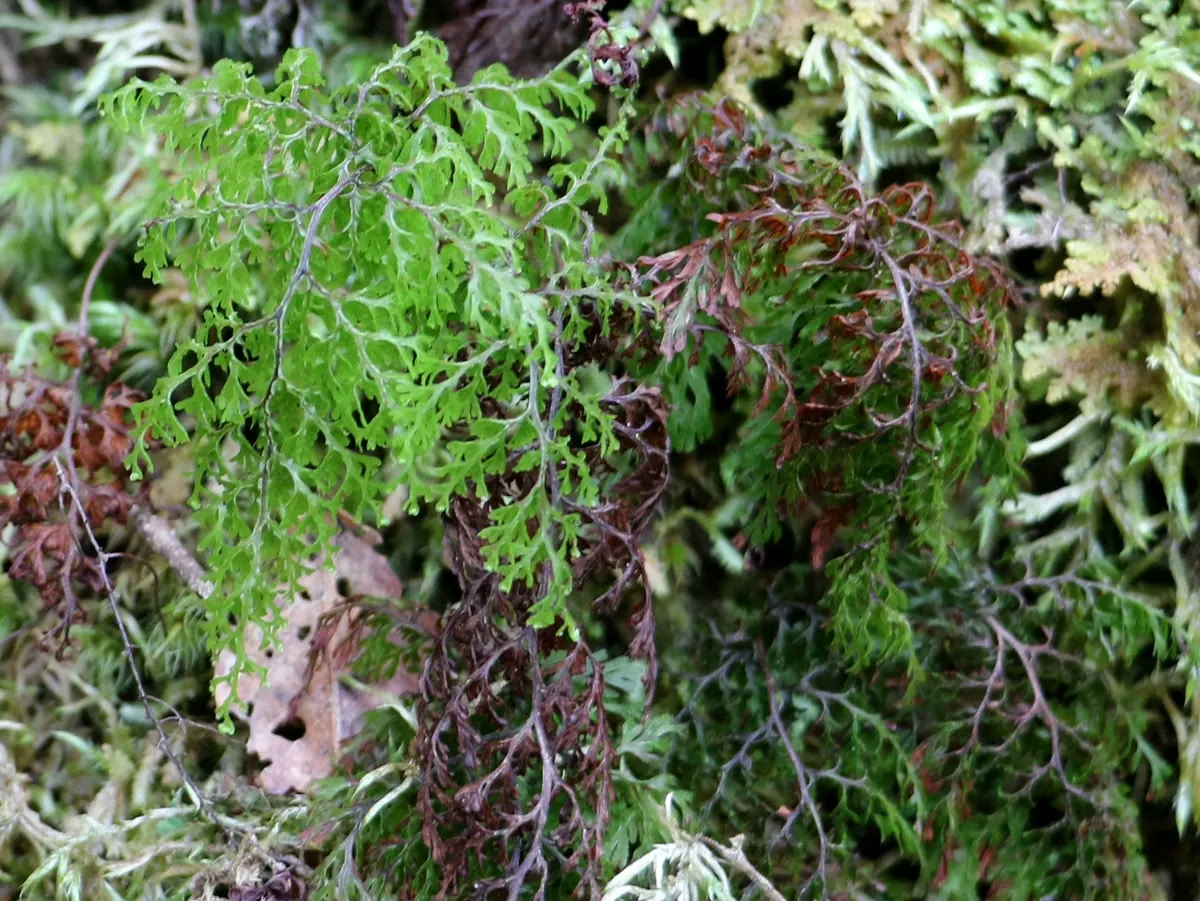
Hymenophyllum rufescens is an endemic filmy fern with small triangular fronds covered in pale brown to reddish hairs. It grows on damp forest surfaces, including rocks, rotting wood and tree roots.
Identification
This low-growing fern forms diffuse patches from thin, creeping rhizomes. Its small frond blades are triangular, commonly shorter than their stalks, and are covered on both surfaces with long, curly pale brown to reddish hairs.
The stalks are slender and brittle. Spore clusters occur near the tips of the frond segments and are partly sunken into the blade.
Quick facts
| Scientific Name | Hymenophyllum rufescens |
|---|---|
| Former name | Mecodium rufescens |
| Family | Hymenophyllaceae |
| Frond shape | Small and triangular |
| Growth | Creeping patches on forest surfaces |
| Reproduction | Spores in terminal sori |
| National status | Not Threatened (2023) |
| Height | Fronds 2.5-13 cm long in the modern Flora account |
| Water Needs | Damp forest surfaces are recorded; a cultivation watering schedule is not given |
| Light | Sheltered root caves, overhangs and forest surfaces in the wild |
| Spread | Diffuse patches from slender creeping rhizomes |
| Frost Tolerance | Minimum tolerated temperature is not documented |
| Salt Tolerance | Salt tolerance is not documented |
| Growth Rate | Annual extension is not quantified in the cited accounts |
| Lifespan | Rhizomatous filmy fern |
Natural range
Flora records this endemic fern in the North and South Islands and Stewart Island/Rakiura. It is uncommon in North Island montane areas, while in the South Island it occurs mainly west of the divide.
| City | Climate Suitability |
|---|---|
| Auckland | Not assessed |
| Wellington | Not assessed |
| Christchurch | Not assessed |
Habitat and distribution
The fern grows in podocarp, beech and broadleaved forest on rocks, banks, rotten logs, stumps, roots and the bases of tree trunks. Flora has not recorded it on tree-fern trunks.
Known elevations range from about 60 m in the lower Buller Gorge to 1,250 m in the North Island, with an outlying South Island population near Dunedin.
Natural growing conditions
It is terrestrial or a low epiphyte, commonly found around roots, damp rock faces and rotting wood. These recorded forest substrates do not amount to a tested cultivation method for the species.
Planting considerations
Flora describes the surfaces on which this fern grows, including roots and rotten logs, but does not give a species-specific planting protocol. Its long creeping rhizome forms diffuse patches rather than a woody shrub.
Growth and ecology
Slender rhizomes creep across forest surfaces, with fine pale-brown hairs clustered near the stalk bases. The fern can grow on tree roots, stumps or rocks and as a low epiphyte on trunks.
Observing the fronds
Look for small triangular blades with abundant curly reddish to pale-brown hairs and stalks at least as long as the blades. The hairs are densest near the blade base and central axis.
Garden context
The fern’s documented habitats include damp forest roots, rock faces and rotting wood. The cited Flora and NZPCN accounts do not report garden trials or a tested method for establishing this species.
Spores and fronds
As a fern it produces spores rather than flowers. Several sori can occur on each primary pinna, near the ends of segments, with protective flaps whose margins are entire or slightly toothed.
Growth form
The rhizomes and stalks are thin and rather brittle, while the fronds form diffuse creeping patches. The cited botanical profiles do not specify a pruning method for this small filmy fern.
How to Grow Filmy Fern (Hymenophyllum rufescens)
Spores and cultivation limits
NZ Plant Conservation Network describes this fern as difficult to propagate and advises leaving wild plants undisturbed. Its species account contains no tested spore-sowing recipe or transplanting method. The thin, brittle rhizomes creep over their substrate to form diffuse patches, so the visible patch may contain fragile connections extending beyond an individual frond.
Root caves and damp overhangs
Natural plants often occupy the bases of tree trunks, cavities among roots and overhanging roots. Holes in rotting logs, damp rock faces and spaces among boulders are also recorded. In the North Island the species is montane to subalpine; in the western South Island it descends almost to sea level. That regional difference matters when comparing observations from separate sites.
Recognising the reddish foliage
Fronds range in colour from reddish yellow-green to dark red-green. Their blades are distinctly triangular, with long, curling hairs that become denser towards the blade base and central axis. The leaf stalk is generally as long as, or longer than, the blade. These characters are useful when identifying a patch before any cultivation observations are attributed to it.
Separating similar filmy ferns
Hymenophyllum flabellatum can occur beside this species, and intermediate plants have been interpreted as possible hybrids. The smaller triangular blade and its conspicuous curled, often reddish hairs support identification of Hymenophyllum rufescens. Fertile structures sit at the ends of the leaf segments, partly recessed into the blade, with smooth or minutely toothed covering flaps.
Plant health
The cited profiles do not list species-specific pest or disease treatments. Curly pale brown or reddish hairs on both frond surfaces are normal features used to distinguish this fern.
Naming and classification
Thomas Kirk described Hymenophyllum rufescens in 1879. The name means reddish and refers to the hairs. Mecodium rufescens is a former combination listed by Flora of New Zealand.
Distinguishing Fan Fern
Compared with Hymenophyllum flabellatum, this species usually has smaller, more densely hairy triangular blades. Intermediate plants occur where their ranges meet, but Flora says whether these are hybrids remains unclear.
Other New Zealand filmy ferns
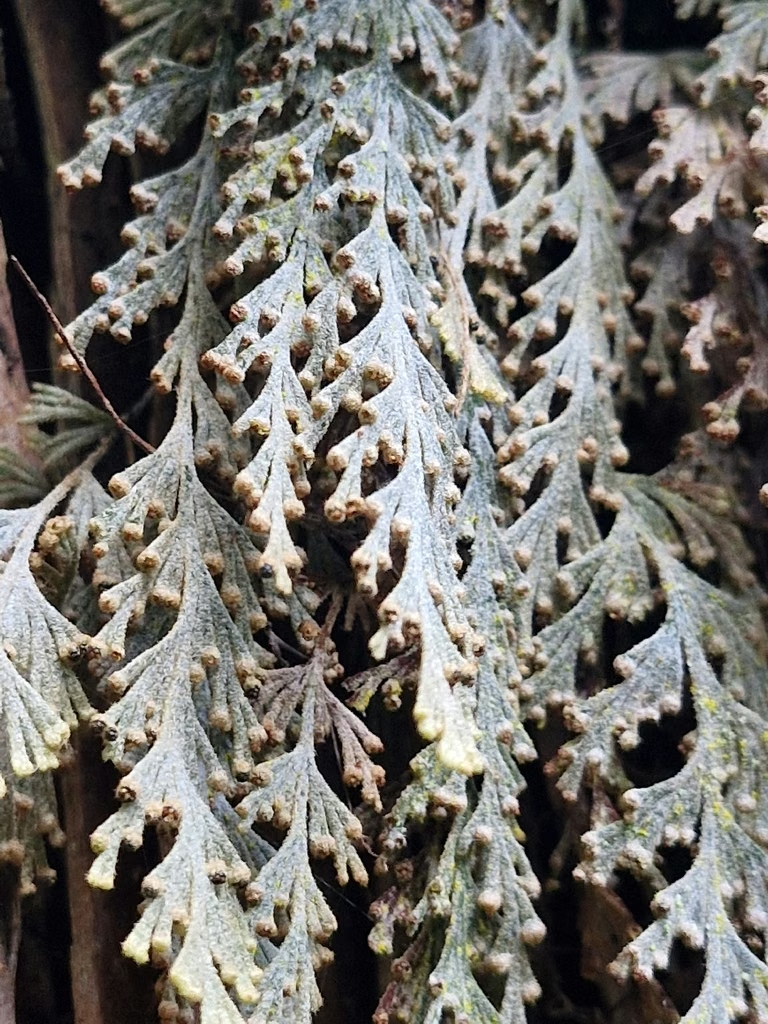
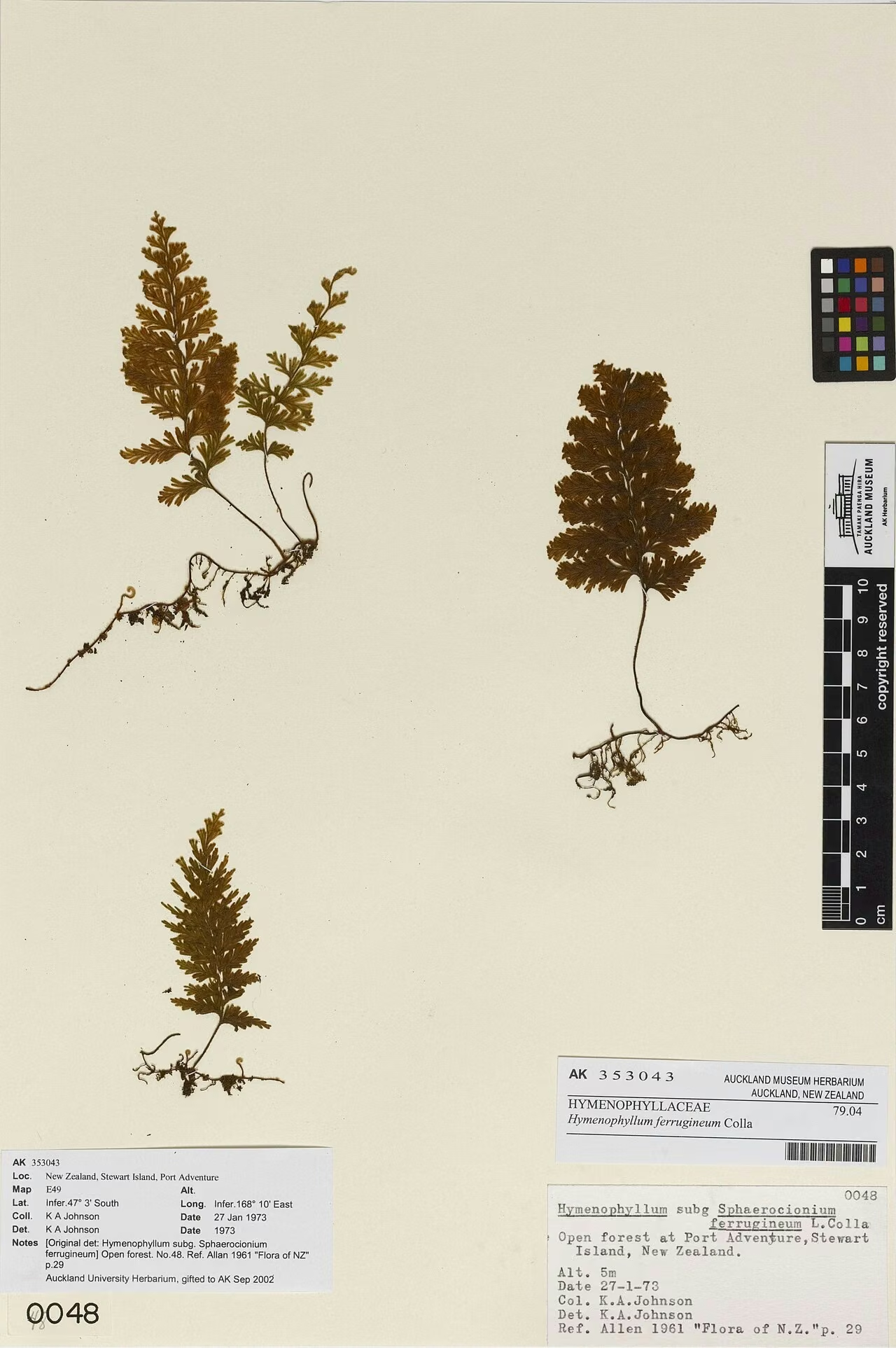
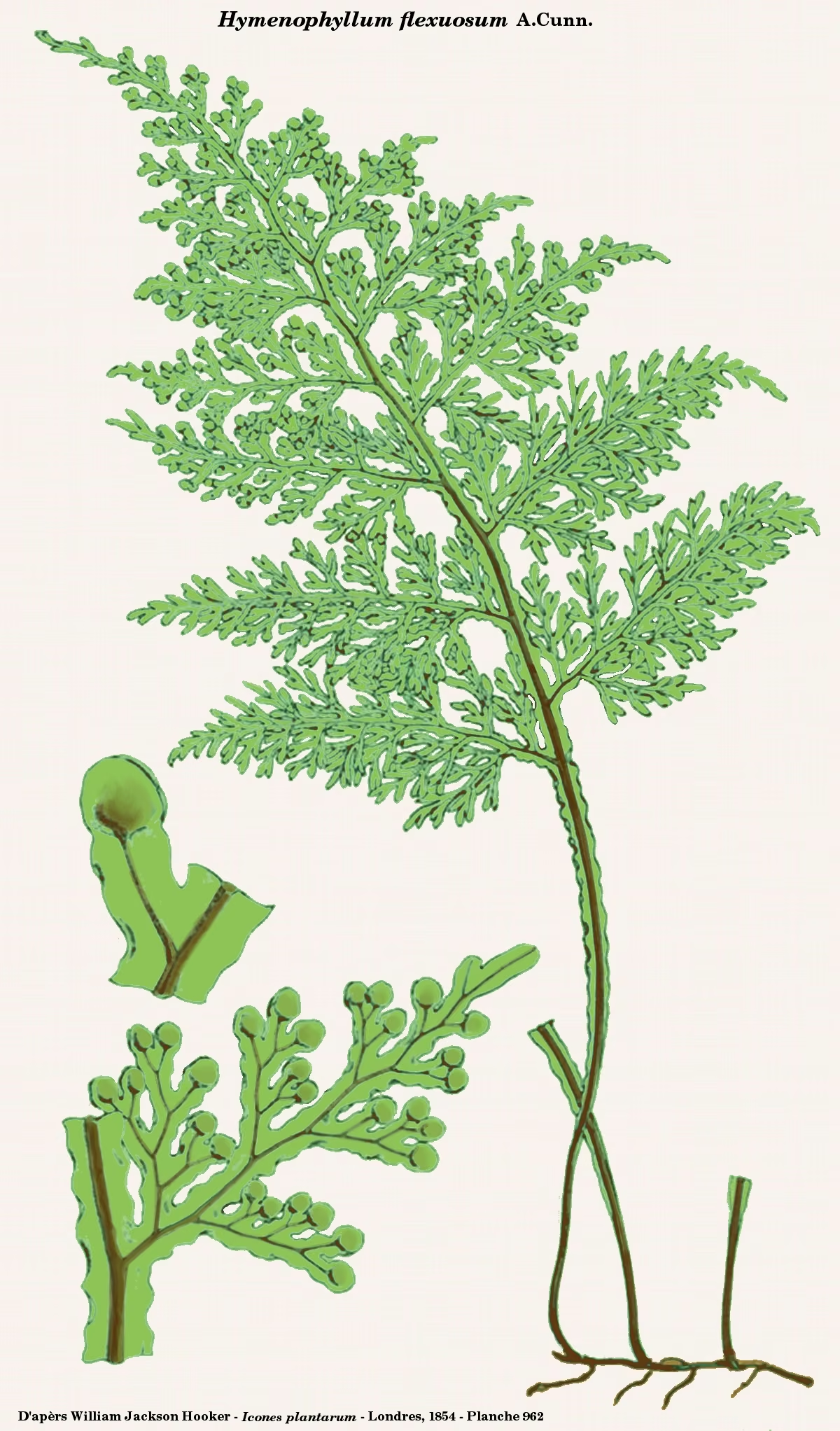
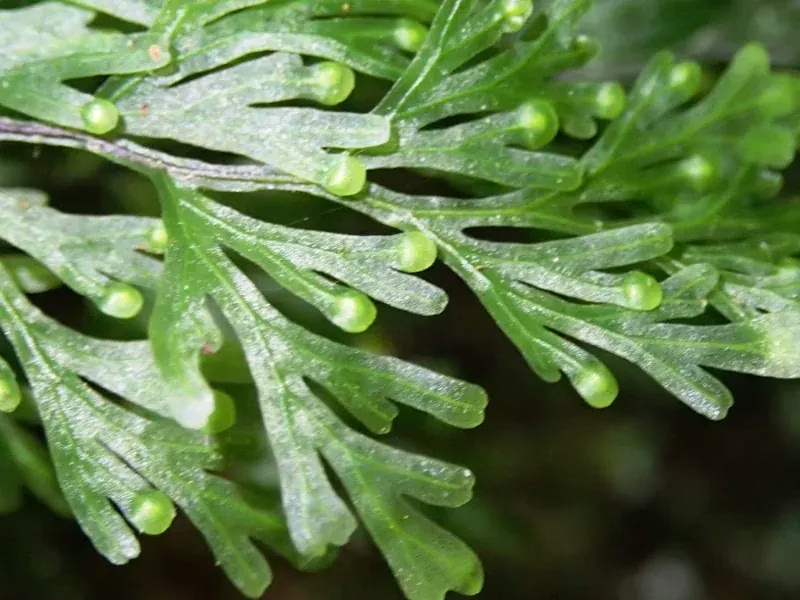
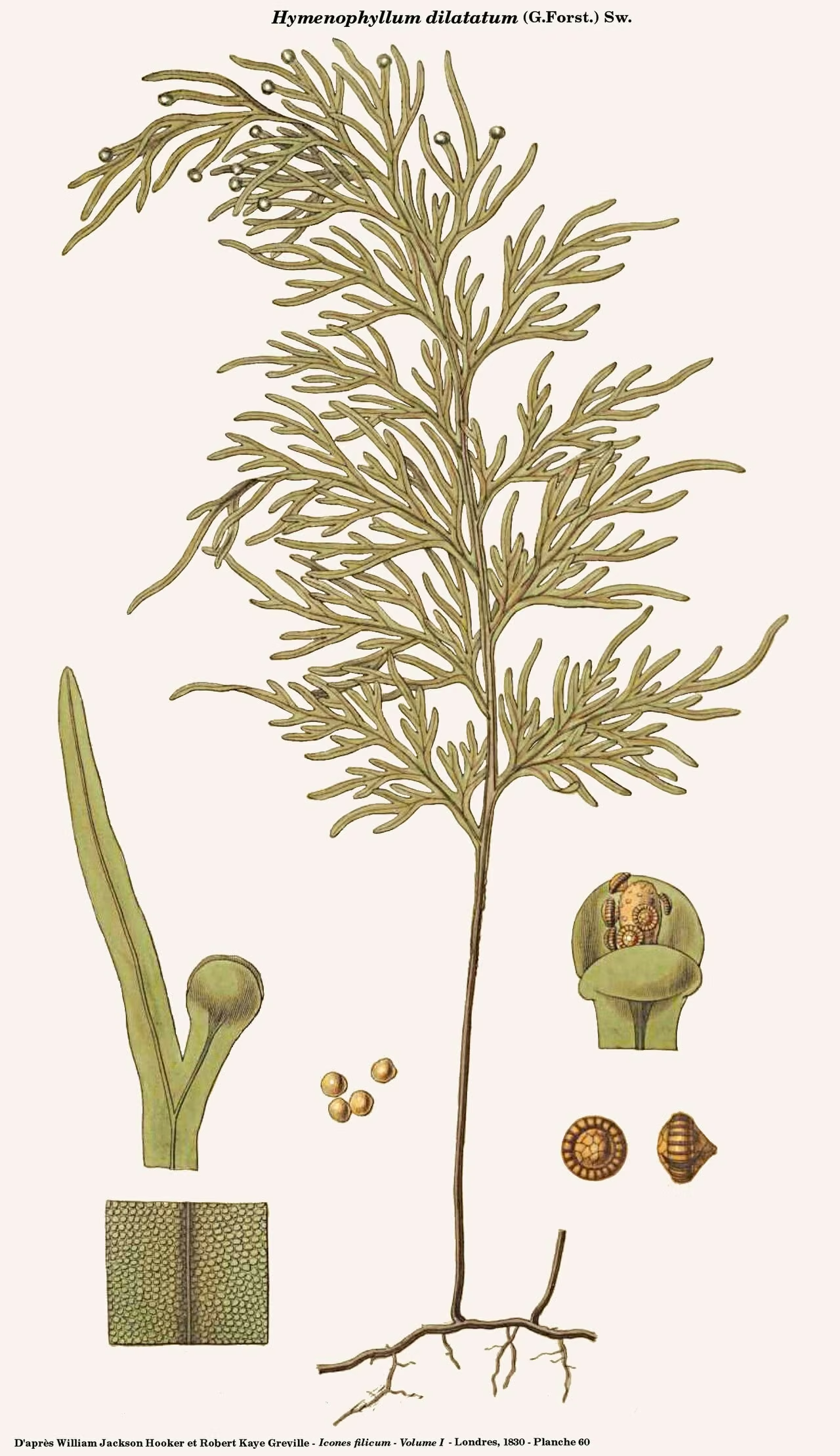
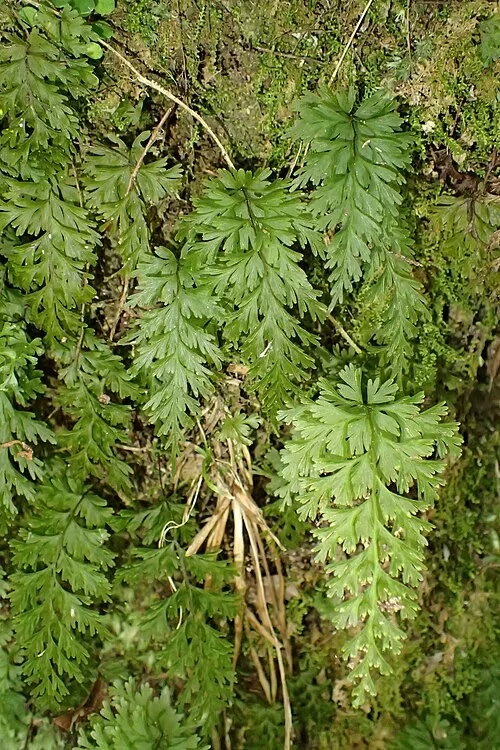
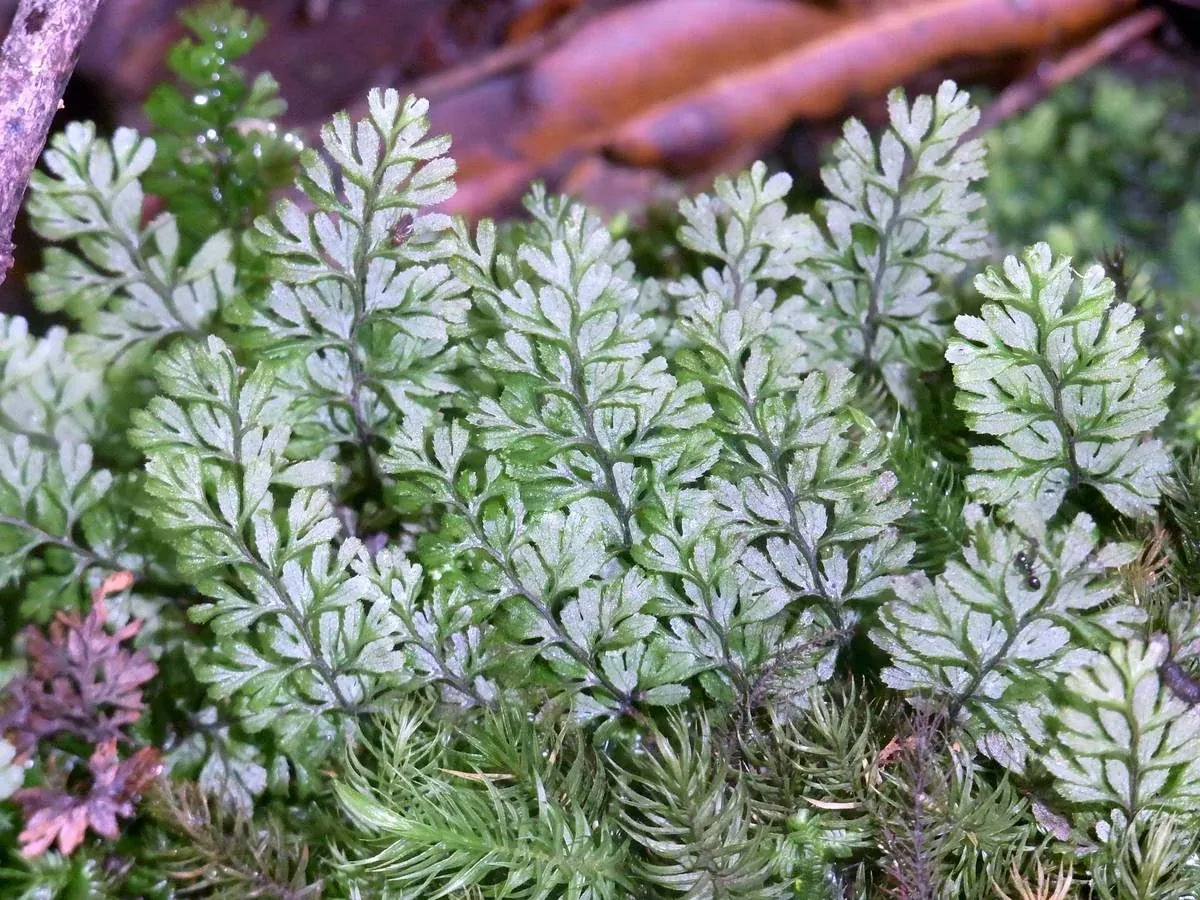
Explore other Hymenophyllum species with finely divided fronds and diverse forest habitats.
Conservation
Hymenophyllum rufescens was assessed as Not Threatened nationally in 2023, with decline qualifiers. NZPCN lists it as Regionally Endangered in Otago in 2025, where an outlying population is known near Dunedin.
Frequently asked questions
Are reddish hairs normal?
Yes. Long, curled hairs in red-brown, brown or reddish-white shades form part of this fern's diagnostic leaf covering.
Does it grow only high in the mountains?
North Island records are montane to subalpine, while western South Island populations can occur close to sea level.
Can it be confused with Hymenophyllum flabellatum?
Yes. The species can grow together, and intermediate plants occur. Blade shape, relative stalk length and the curled hairs all help with identification.
Sources
Botanical description, distribution, habitat and comparisons with related species: Flora of New Zealand. Identification and national and regional conservation assessments: NZPCN.
The triangular blades and distinctive reddish, curly hairs help separate this filmy fern from related species.
Last updated: