Matua Mauku
Hymenophyllum dilatatum
Last updated:
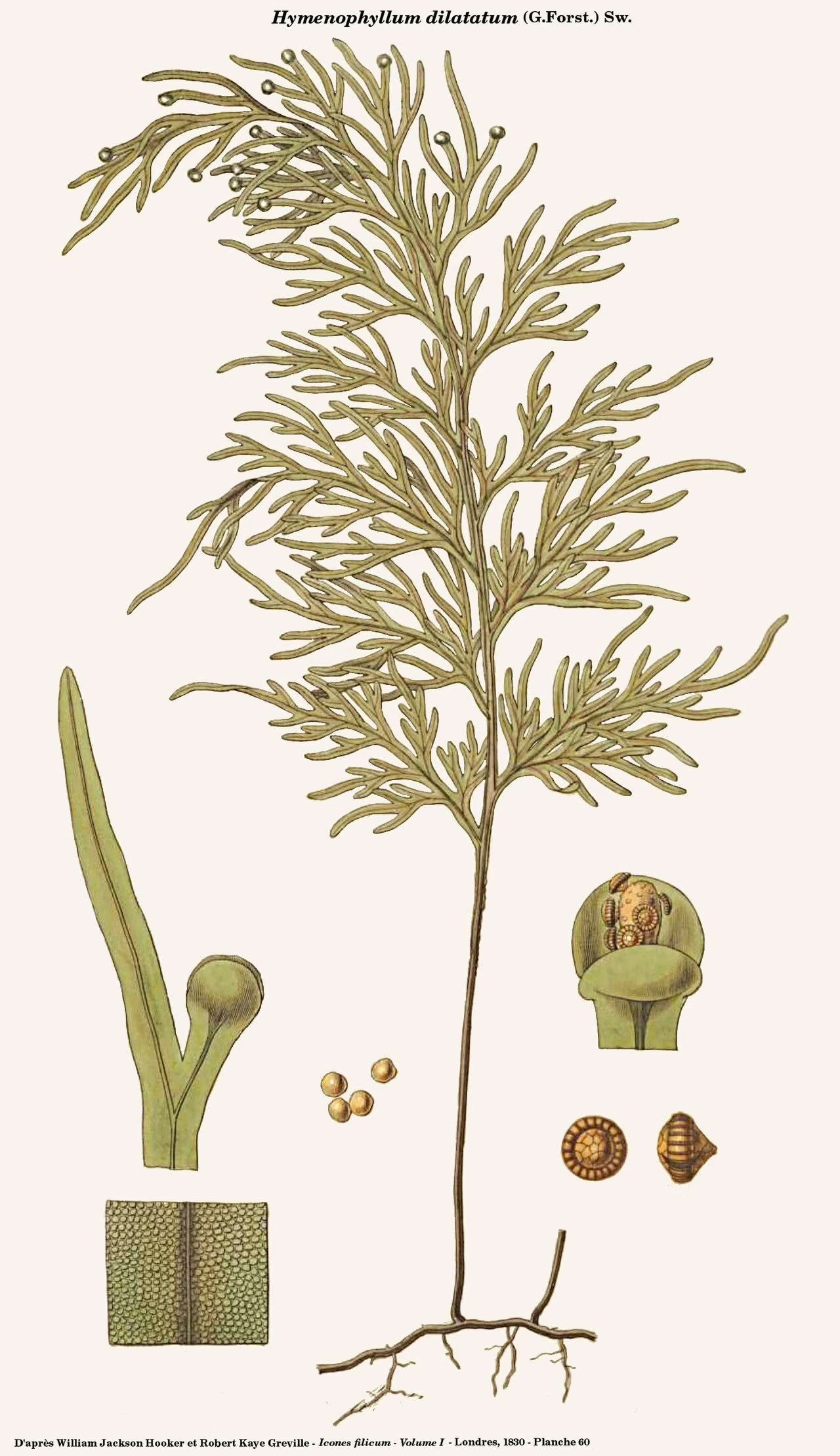
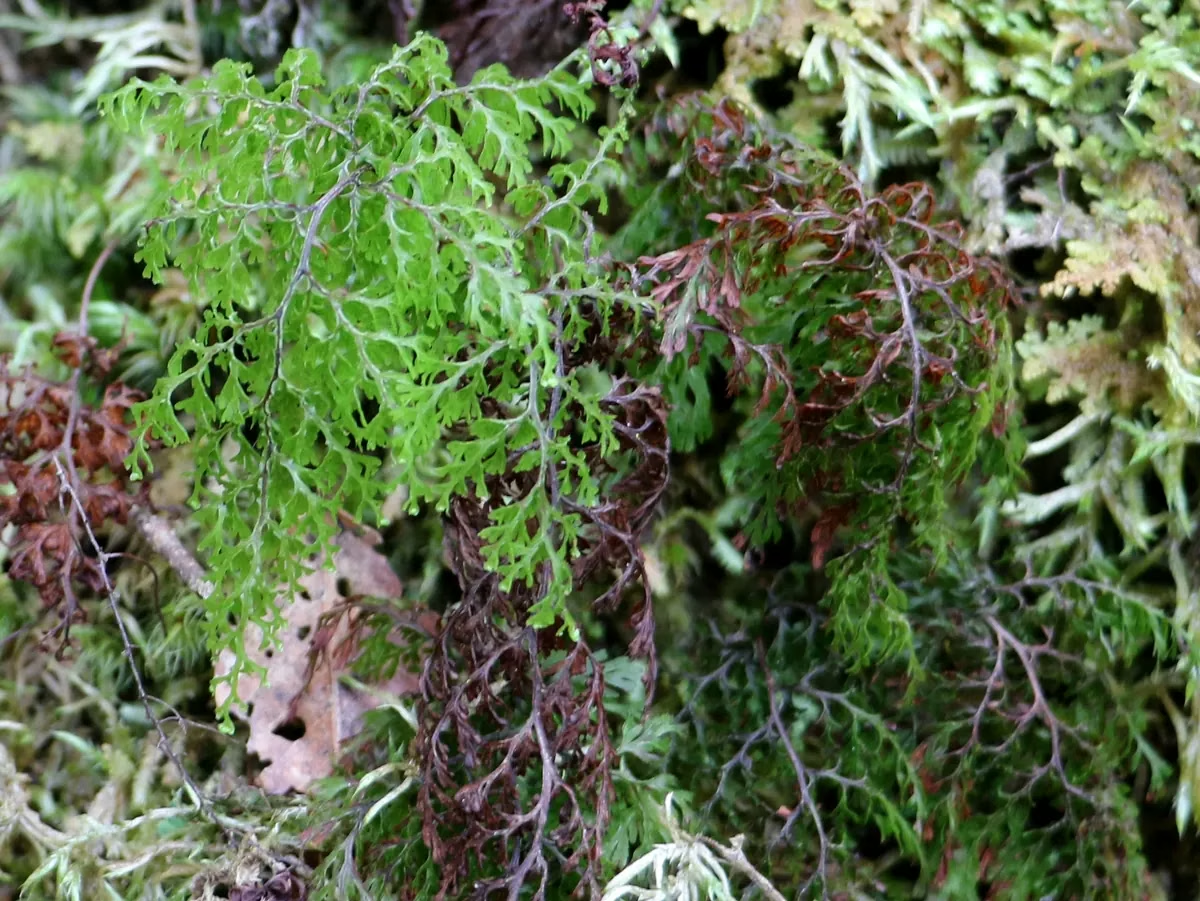
Matua mauku (Hymenophyllum dilatatum) is the largest of New Zealand's filmy ferns, with drooping, translucent fronds that can reach 57 cm long. It is endemic and common in wet forest from Cape Reinga to Stewart Island, the Chatham Islands and the Auckland Islands, from sea level to about 1060 m. It usually hangs from tree fern trunks and broadleaf trees, or grows on banks and fallen logs. The broad, flat wing along the stipe and rachis, very broad segments and hairless, smooth-edged blades make it one of the easiest filmy ferns to recognise. It is Not Threatened. Explore more native ferns in our native plant guide.
Plant Description
Hymenophyllum dilatatum is a large epiphytic or terrestrial filmy fern with long-creeping rhizomes that are wiry when fresh and brittle when dry. Its stout, hairless stipes are 20-200 mm long and conspicuously winged for part of their length. The blades are ovate to lanceolate or elliptic, three to four times divided, bright to dark green, hairless and up to about 450 mm long and 170 mm wide, making the whole frond up to 570 mm long.
The pinnae and segments are very broad with smooth, flat margins, and a broad flat wing borders all of the rachis. Unusually for a filmy fern, the blade is 2-4 cells thick rather than one, so it feels slightly firmer. Many sori are borne per pinna, each terminating a segment and slightly sunken; the indusia are large, almost round and have smooth flaps.
Its size, hairless blades, entire margins and broad flat wings separate it from other filmy ferns. H. flexuosum also has winged stipes but its wing is crinkled and its segments are much narrower, while hairy species such as H. frankliniae are covered in rusty stellate hairs.
Quick Facts
| Scientific Name | Hymenophyllum dilatatum |
|---|---|
| Height | Fronds 6-57 cm long, hanging |
| Spread | Patches on long-creeping rhizomes |
| Water Needs | High humidity and frequent rain |
| Light | Shade to dappled forest light |
| Frost Tolerance | Moderate; recorded to about 1060 m |
| Salt Tolerance | Low; a forest interior fern |
| Growth Rate | Slow to moderate |
| Lifespan | Perennial |
Climate Best Suited to
It suits mild, wet, humid climates with high rainfall and frequent cloud, from coastal to montane forest, and is absent from the drier eastern South Island.
Regional Suitability
| City | Climate Suitability |
|---|---|
| Auckland | Medium |
| Wellington | Medium |
| Christchurch | Low |
| Dunedin | Medium |
Plant Habitat
Hymenophyllum dilatatum is found throughout the North Island from Cape Reinga southward, though it is absent from parts of the east coast. In the South Island it grows mostly west of the main divide, with populations near Dunedin, in the Catlins and in isolated coastal areas. It also occurs on Stewart Island/Rakiura, the Chatham Islands and the Auckland Islands, from sea level to about 1060 m.
It grows in kauri, podocarp, beech and broadleaved forest: on the ground, river banks, rock faces, fallen logs and trunks, or as an epiphyte in wet areas. The Flora of New Zealand notes it is most often recorded on tree ferns, especially Cyathea medullaris, Dicksonia fibrosa and D. squarrosa, and on broadleaf trees.
Growing Requirements
Soil Requirements
As an epiphyte it needs no soil; when terrestrial it grows in moist humus on banks and logs.
- Tree fern trunks and mossy bark
- Rotting logs and damp banks
- Moist, humus-rich forest floor in wet sites
Light Requirements
It favours the shaded interior of wet forest and gullies.
- Shade to dappled light
- Avoid direct sun
- Sheltered from wind
Water Requirements
Like other filmy ferns it relies on high atmospheric humidity, though its slightly thicker blade copes a little better than most.
- Consistently humid air
- Frequent rain or mist
- Fronds curl in dry spells and recover when wet
Planting and Establishing
NZPCN says this fern is difficult to grow and should not be removed from the wild, and it is not commercially available. It is not a practical garden plant except in very humid, sheltered native forest settings.
Where it occurs naturally, retaining tree ferns and the shade of the forest canopy is the best way to keep it. Plantings of whekī and other tree ferns in gullies may in time provide habitat for filmy ferns to colonise naturally.
Ecological Role
Matua mauku is a characteristic part of the epiphyte layer on tree fern trunks in wet New Zealand forest, where its large fronds add to the moisture-holding mats of mosses, liverworts and smaller filmy ferns.
It reproduces by minute wind-dispersed spores and spreads by its creeping rhizomes. These epiphyte communities provide shelter and moisture for small invertebrates.
Uses & Significance
Garden Uses
It is mainly a plant to admire in the bush, although it may persist on tree ferns in large, humid native gardens where it already occurs.
- Feature of wet forest walks
- Natural coloniser of tree fern trunks
- Striking translucent fronds for photography
Ecological Value
As a common, conspicuous epiphyte it contributes to the structure of the wet-forest epiphyte layer.
- Endemic to New Zealand
- Adds to epiphyte mats on tree ferns
- Indicator of humid forest conditions
Landscaping Uses
It is not planted in landscaping, but gardens in wet districts with established tree ferns sometimes host it naturally.
Keep such areas shaded and sheltered, and avoid clearing trunks of their epiphytes.
Seasonal Care Calendar
Spring
New fronds expand in the wet season.
- Fronds look their freshest
- Good time to compare filmy fern species
Summer
Fronds may curl during dry spells and rehydrate after rain.
- Look for sori on segment tips
- Do not pull fronds from trunks
Autumn
Mature fronds release spores.
- Check the round indusia with a hand lens
- Record host tree fern species
Winter
Persists through cool, wet winters in lowland and montane forest.
- No action needed
- Fallen trunks may carry plants to ground level
When to Prune and How Much
No pruning is required. Old fronds wither naturally and should be left in place.
Never strip epiphytes from tree fern trunks for tidiness, as this removes this fern and many other species.
How to Grow Matua Mauku
Hymenophyllum dilatatum is described by NZPCN as difficult to propagate, and it should not be taken from the wild. It is not commercially available and no tested propagation method for the species was found. The methods below summarise the general approach to filmy ferns and should be used only with material already in legal cultivation or salvaged with permission, for example from a fallen tree fern trunk. Because of its larger fronds it needs space as well as constant humidity, so a large, closed propagating case or fernery with misting is required.
By Division of Rhizomes
The long-creeping rhizomes can be divided; pieces taken with their moss and bark substrate settle best.
Salvaged pieces from a fallen trunk often establish better if the whole section of trunk or bark is moved intact to a similar shaded, humid position.
- Select a rhizome section with two or three healthy fronds
- Keep the attached moss or bark with it
- Fix it against a tree fern slab or log in a humid fernery
- Mist with rainwater several times a day or use a fogger
- Keep shaded and sheltered until new fronds expand
From Spores
Spores are green and lose viability quickly, so sow them as soon as they are collected. No record of successful spore raising of this species was found.
- Collect a frond with mature sori
- Sow spores at once on sterile, moist sphagnum
- Seal and keep cool and shaded
- Keep saturated for many months while gametophytes develop
Pests & Diseases
No specific pests or diseases are recorded. Drying out is the main risk.
In the wild, canopy loss from browsing animals, storms or clearance, and removal of tree ferns, reduce the humid habitat it needs.
Cultural Significance
NZPCN records the Māori name matua mauku, and the Flora of New Zealand lists matua and mauku as vernacular names. No documented traditional use was found in the sources consulted.
The epithet dilatatum comes from the Latin dilatatus, widened, referring to the broad frond segments. As its author citation (G.Forst.) Sw. shows, it was first named by Georg Forster, as Trichomanes dilatatum, and later transferred to Hymenophyllum by Olof Swartz.
Bonus Tip
To separate matua mauku from other big filmy ferns, hold a frond against the light and run your eye along the rachis: a broad, flat (not crinkled) green wing running the length of it, with hairless, smooth-edged segments, is the giveaway.
Related Plants
Explore other native plants that share similar characteristics or habitats with Matua Mauku (Hymenophyllum dilatatum), offering further insights into New Zealand's diverse flora. These related species provide context and opportunities for complementary planting in your garden.
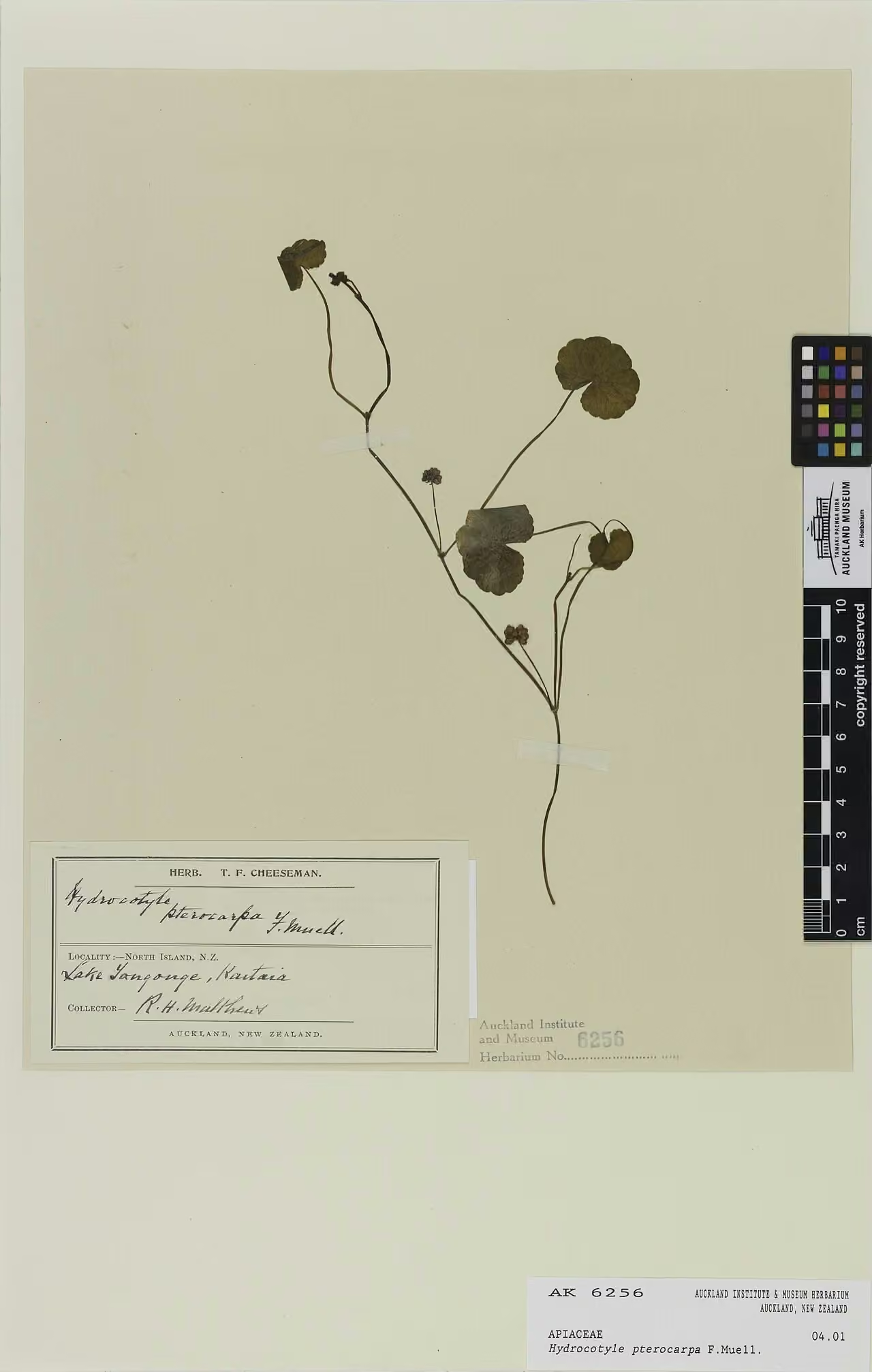
Hydrocotyle pterocarpa
Hydrocotyle pterocarpa
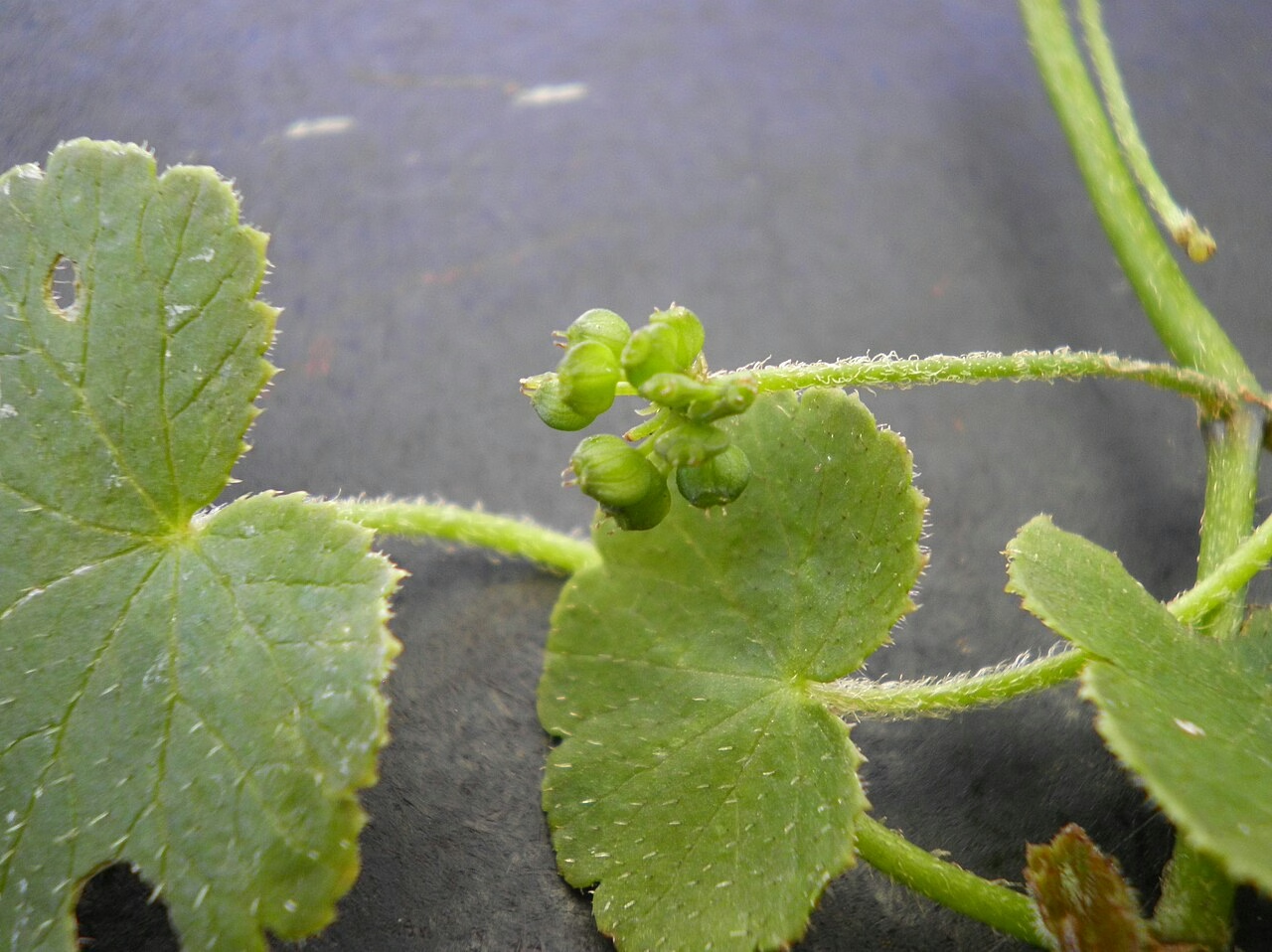
Hydrocotyle robusta agg
Hydrocotyle robusta agg
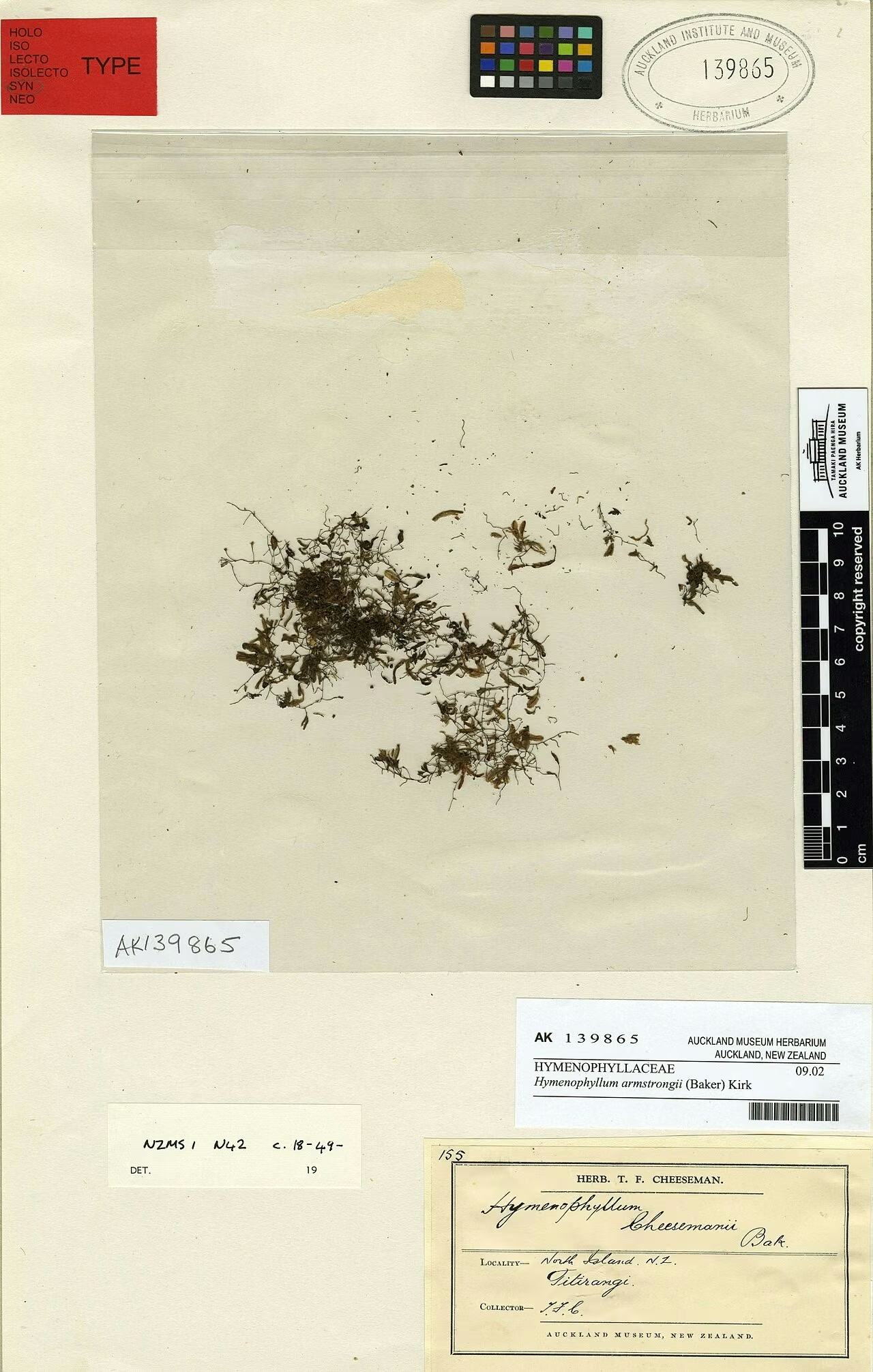
Hymenophyllum armstrongii
Hymenophyllum armstrongii
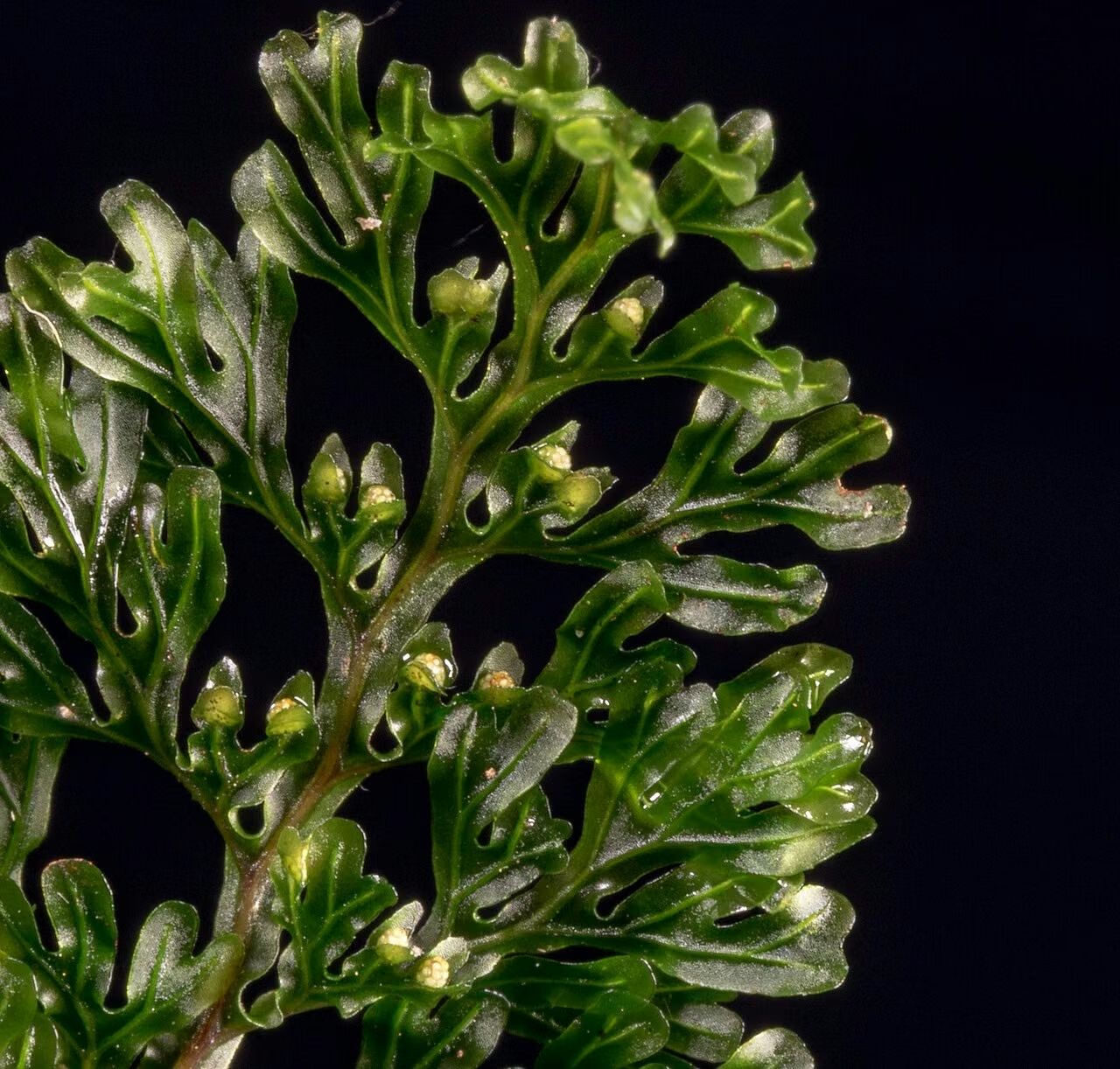
Hymenophyllum australe
Hymenophyllum australe
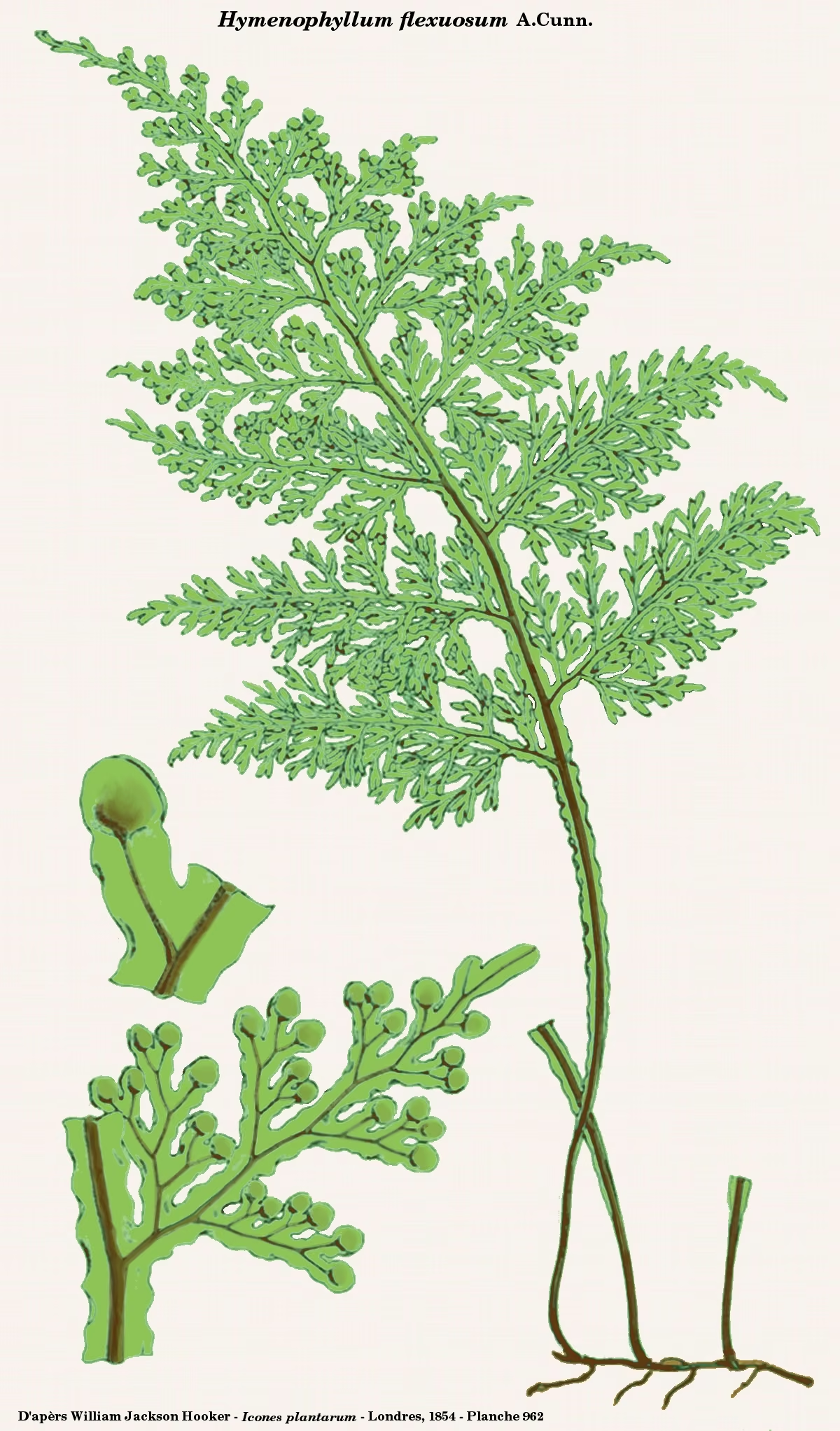
Hymenophyllum flexuosum
Hymenophyllum flexuosum
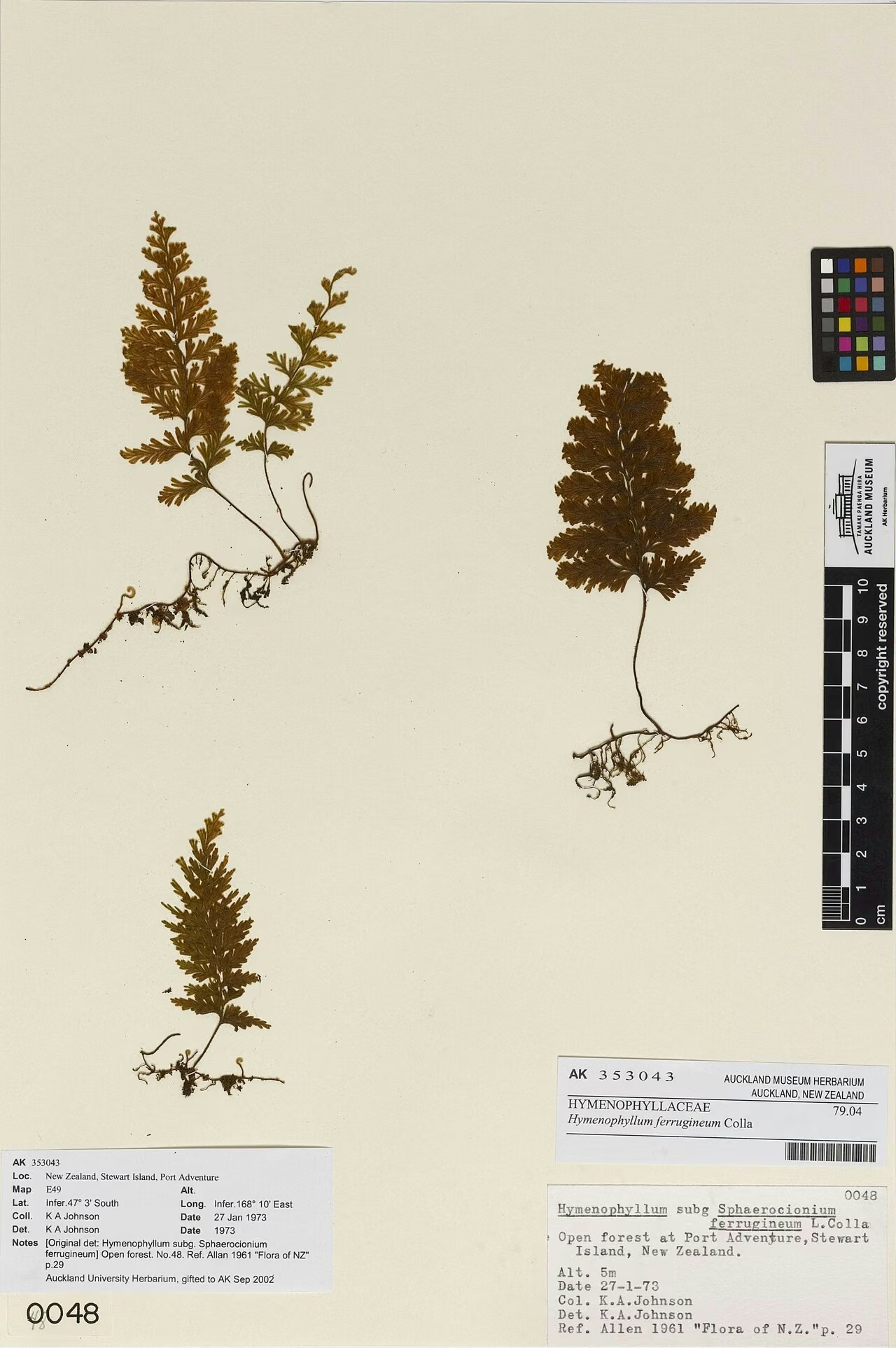
Rusty Filmy Fern
Hymenophyllum frankliniae
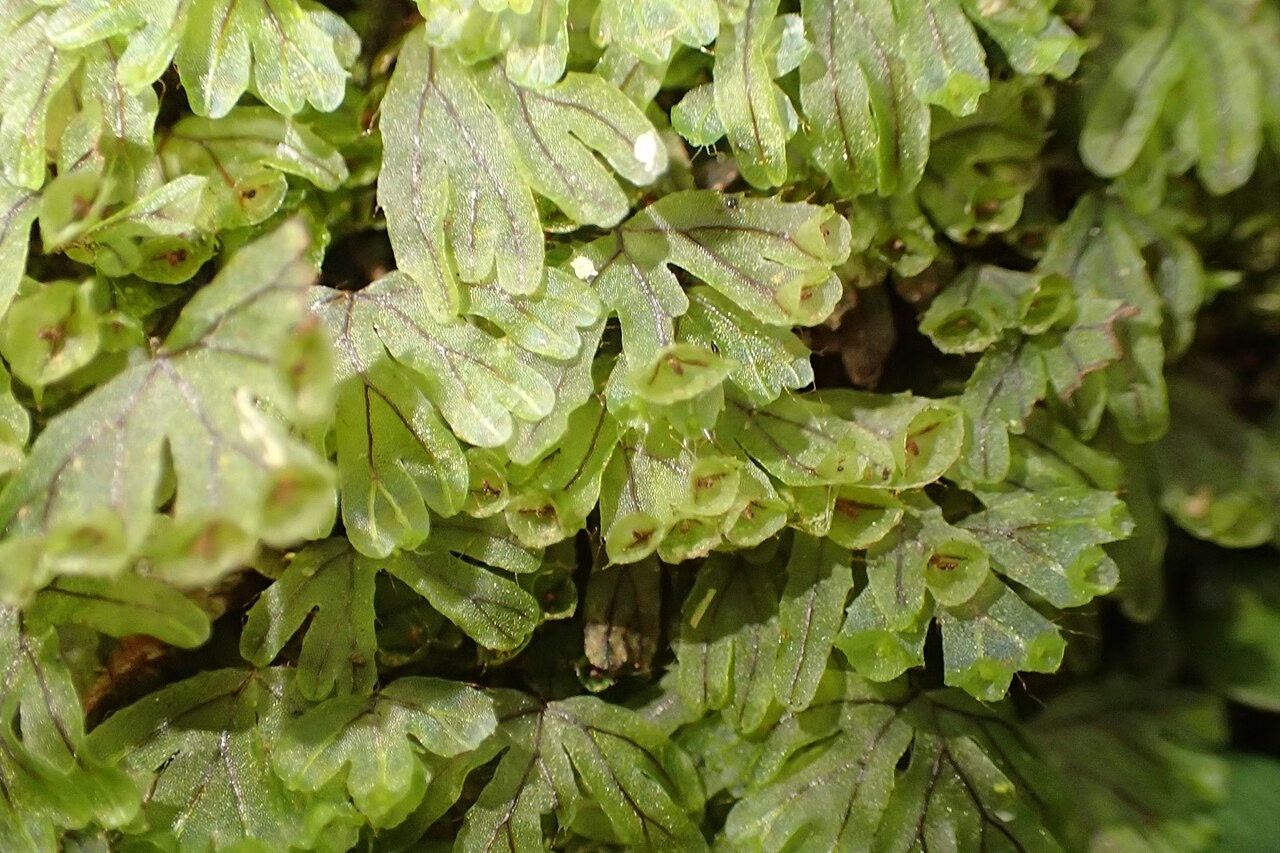
Hymenophyllum lyallii
Hymenophyllum lyallii
Filmy Fern
Filmy Fern
Plant Conservation
Hymenophyllum dilatatum is ranked Not Threatened nationally (2023) and has held that status in every assessment since 2004. It is also Regionally Not Threatened in Northland, Auckland, Otago and Wellington.
It remains common wherever wet forest with tree ferns is intact. Pest animal control and protection of forest remnants help maintain the humid conditions it depends on.
Frequently Asked Questions
What is the largest filmy fern in New Zealand?
Hymenophyllum dilatatum is the largest New Zealand filmy fern, with fronds 60-570 mm long and blades up to 170 mm wide, noticeably bigger than other species.
What is the Māori name for Hymenophyllum dilatatum?
NZPCN gives matua mauku, and the Flora of New Zealand lists the vernacular names matua and mauku for this fern.
Where does Hymenophyllum dilatatum grow?
It grows in kauri, podocarp, beech and broadleaved forest throughout the North Island, mainly west of the main divide in the South Island, and on Stewart, Chatham and Auckland Islands, often on tree fern trunks.
How can you identify Hymenophyllum dilatatum?
Look for large, hairless filmy fronds with smooth margins, very broad flat segments, a wide flat wing running along the rachis and much of the stipe, and large, nearly round indusia.
Sources and Further Reading
The botanical, growing, and conservation details for Matua Mauku (Hymenophyllum dilatatum) on this page draw on the New Zealand plant references below. Consult them for full technical records and the latest distribution data.