Otago Cushion Shrub
Kelleria childii
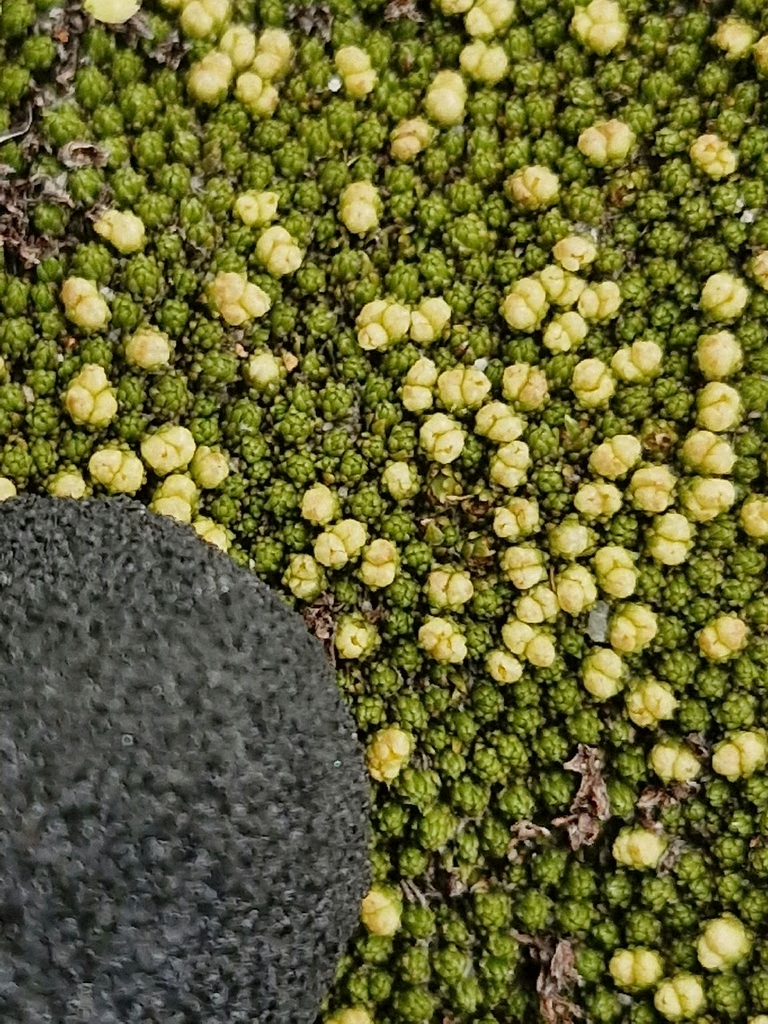
Kelleria childii is an endemic alpine cushion shrub of the South Island. Its tiny, closely overlapping leaves form dense mounds among the cushionfields and stony ground of Otago. The branching subshrub forms a hard, compact cushion, occasionally looser, reaching 1 m across and 40 cm high.
Identification
The branching subshrub forms a hard, compact cushion, occasionally looser, reaching 1 m across and 40 cm high. The young stems retain fine hairs; runners can root along their length.
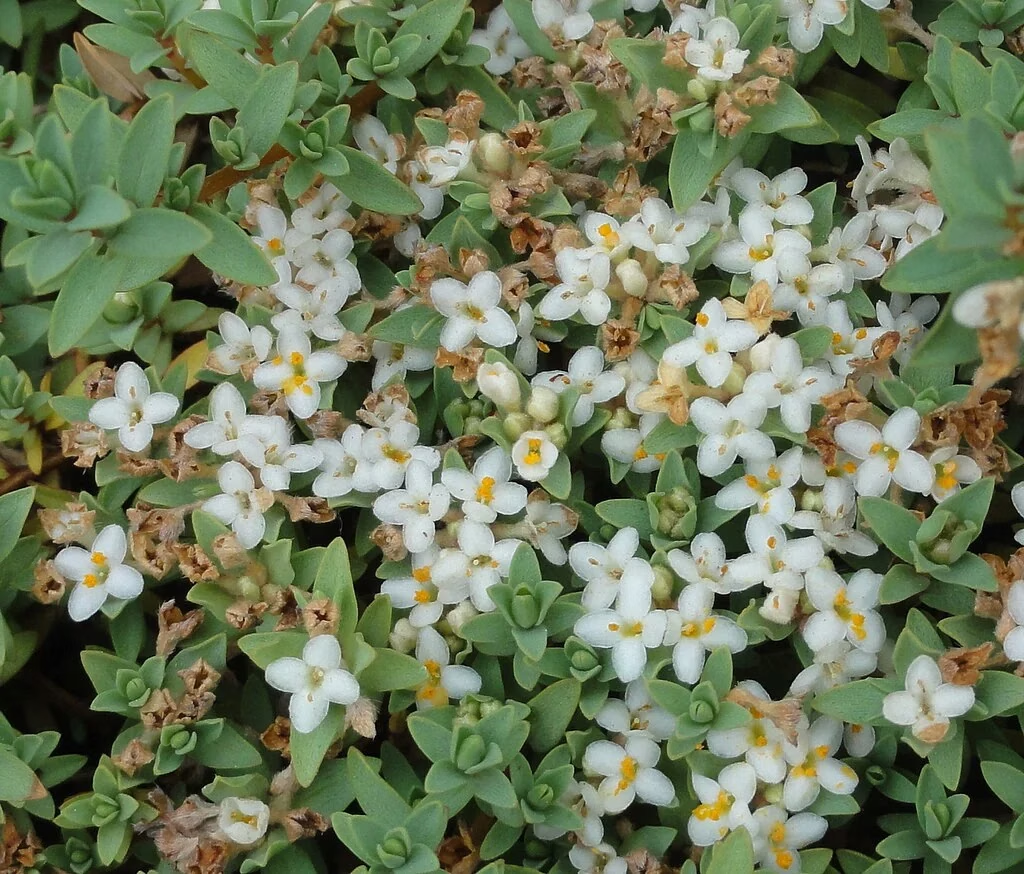
Leaves are tightly pressed and overlapping, 1.2-3 mm long and 0.4-0.7 mm wide. They are green to olive-yellow, pointed, keeled underneath and edged with fine hairs.
Quick facts
| Scientific Name | Kelleria childii Heads |
|---|---|
| Family | Thymelaeaceae |
| Origin | Endemic to New Zealand |
| Range | Central Otago, South Island |
| Form | Compact woody cushion up to 1 m across |
| Habitat | Alpine fellfield, herbfield and turf |
| Altitude | About 1,200-1,800 m |
| National status | Not Threatened (2023) |
| Height | Cushions reported up to about 40 cm high |
| Water Needs | Common in poorly drained alpine sites; cultivation watering untested |
| Light | Open alpine fellfield, herbfield and turf in its natural habitat |
| Spread | Cushions up to about 1 m across |
| Frost Tolerance | Minimum tolerated temperature is not documented |
| Salt Tolerance | Salt tolerance is not documented |
| Growth Rate | Annual extension is not quantified in the cited accounts |
| Lifespan | Woody cushion subshrub |
Natural range
Kew places this species in central Otago in the South Island. Its type specimen was collected by J. Talbot on the Rock and Pillar Range at 1,290 m in February 1979.
| City | Climate Suitability |
|---|---|
| Auckland | Not assessed |
| Wellington | Not assessed |
| Christchurch | Not assessed |
Habitat and distribution
The Cushion Plants Atlas records this shrub on stony ground, fellfield, herbfield and turf, at about 1,200-1,800 m. It is common in poorly drained areas within these alpine habitats.
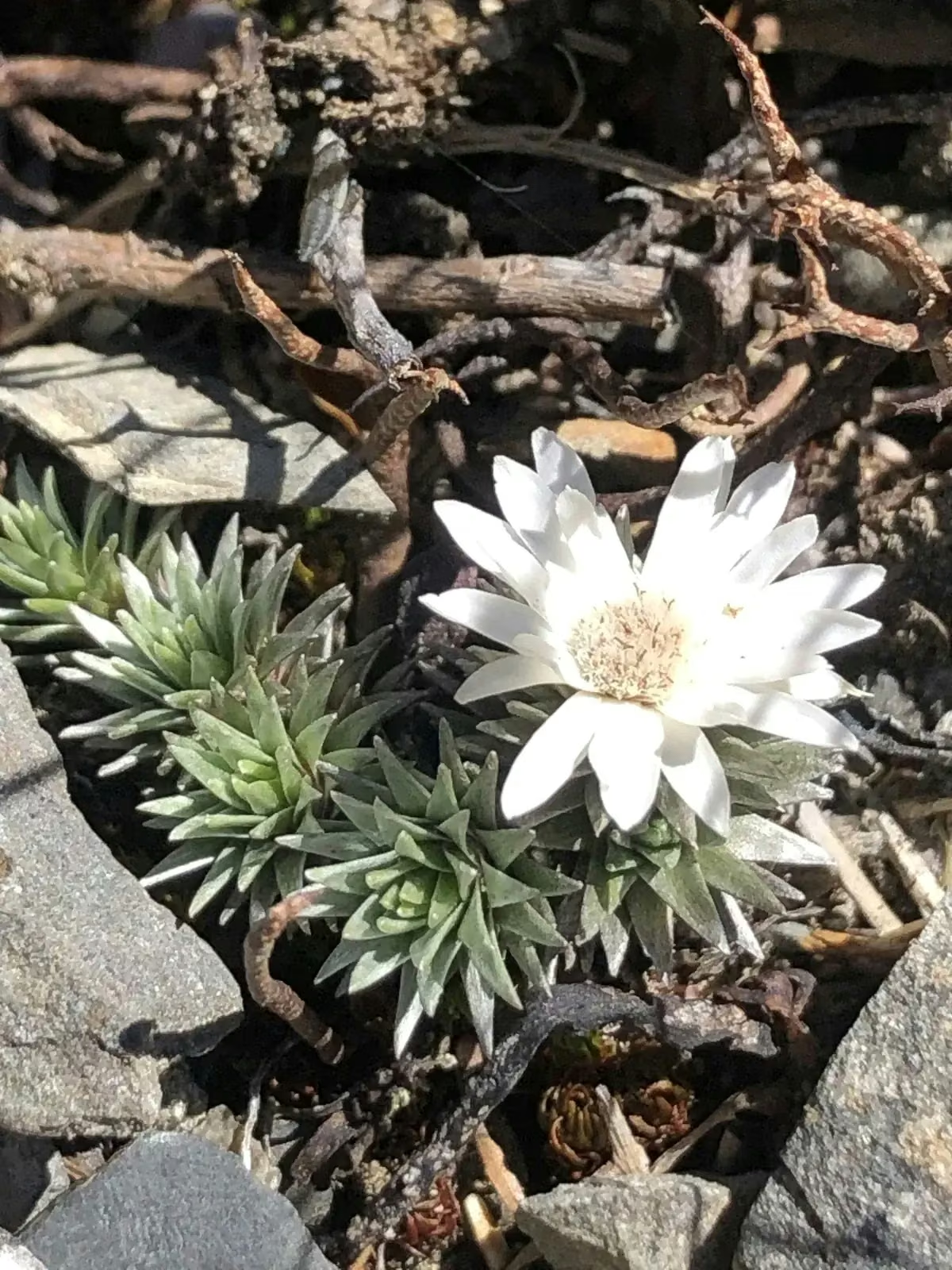
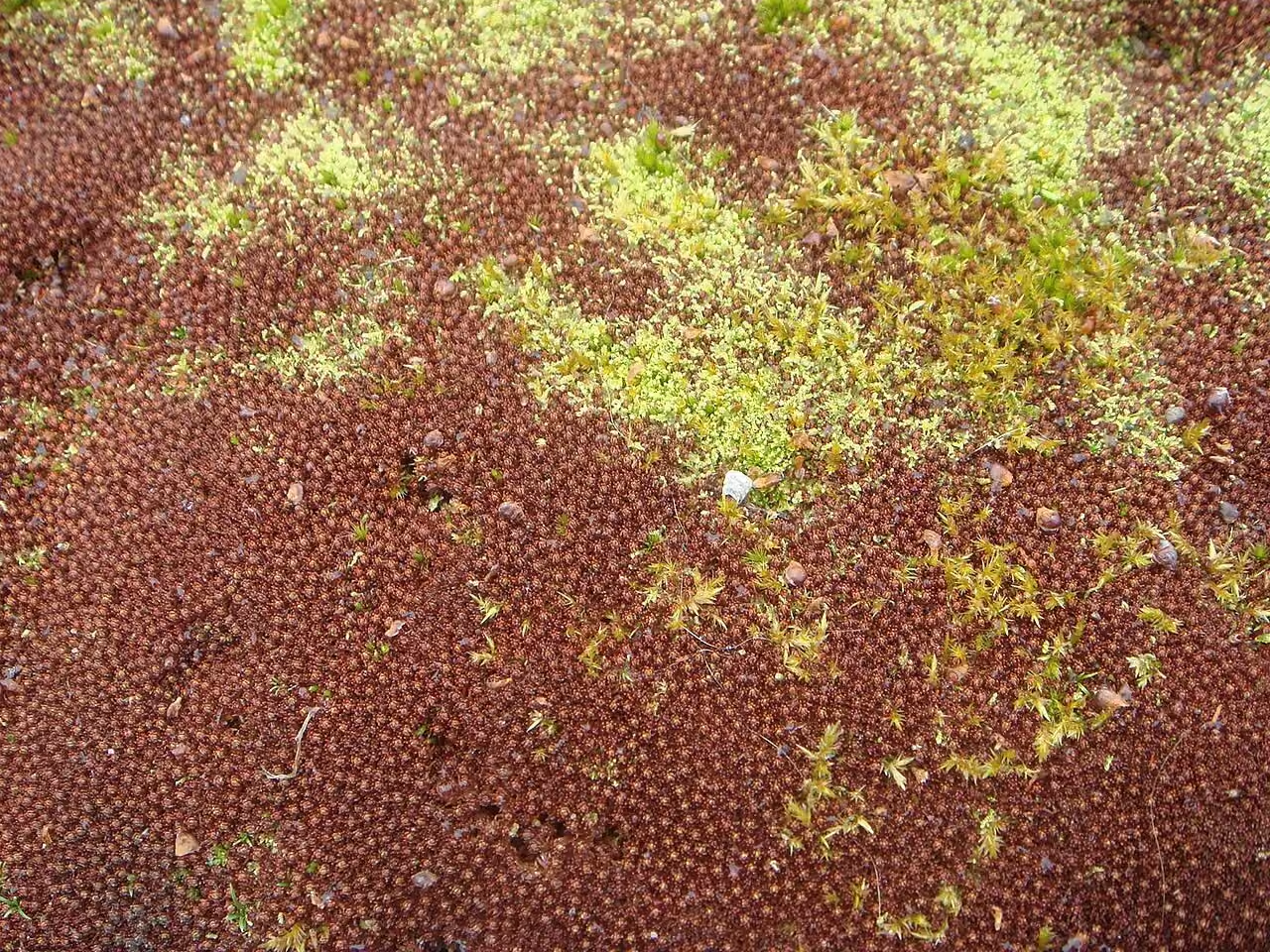
At the Remarkables it has been recorded in mixed cushionfield alongside Hectorella caespitosa, Raoulia grandiflora and Dracophyllum muscoides.
Natural growing conditions
Unlike a general assumption that every alpine cushion needs dry soil, published habitat notes say Kelleria childii is common in poorly drained areas. Its natural setting includes stony ground and high-elevation turf.
Planting considerations
Plants can develop cushions a metre across, although smaller plants occur in the wild. Published accounts describe the species in alpine habitats rather than providing a tested garden planting method or soil recipe.
Cushion growth
The many branches form a dense dome with a hard surface. Retained dead leaves accumulate as peat within the cushion, and roots develop along runners into this material.
Observing the plant
Look closely at the cushion surface for overlapping, pointed leaves pressed against the stems. The leaves are only a few millimetres long, so a hand lens helps reveal their fine, hairy edges.
Garden context
This is a woody alpine cushion shrub rather than a lawn substitute. Its documented habitat includes exposed high-country turf and poorly drained ground; the cited references do not report garden trials.
Flowers and fruit
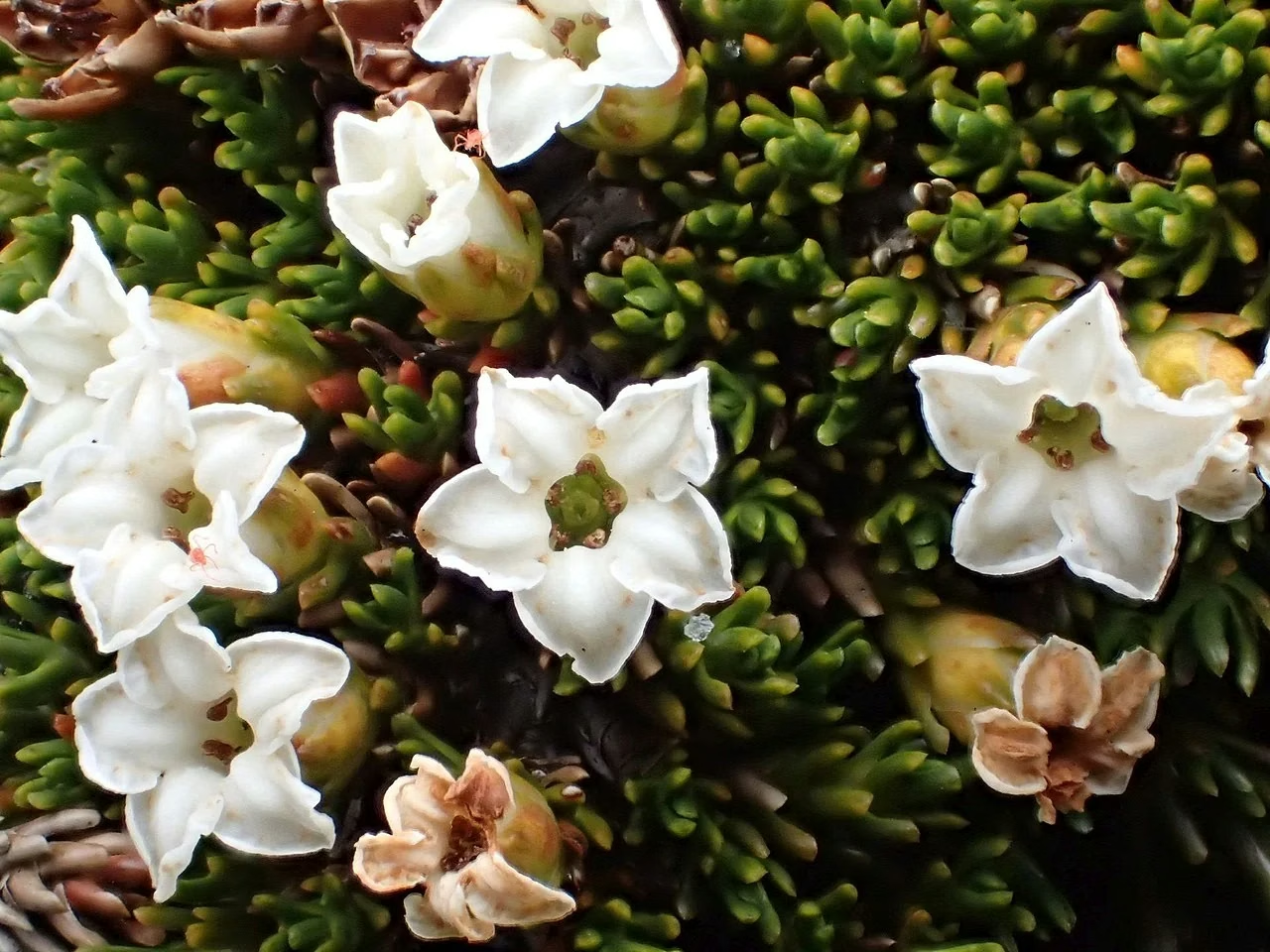
One to three stalkless flowers occur in terminal heads. Flowers are usually unisexual, with male and female flowers generally on separate plants. Fruits are about 1.1 by 0.9 mm.
A botanical field report recorded the species flowering on the Rock and Pillar Range in early April; that observation alone does not establish its complete flowering season.
Growth form
Branches form a compact mound rather than an upright shrub. The described cushions reach 40 cm high, with dead leaves retained inside; no species-specific pruning method is given in the botanical descriptions.
How to Grow Otago Cushion Shrub (Kelleria childii)
Seed and runners
Published descriptions record roots developing along the runners of Kelleria childii. They also describe its minute seed, but the cited accounts do not provide a tested cutting or germination protocol. Rooting within an intact cushion documents the plant's natural growth and does not quantify the success of detached runner pieces.
Allowing for a woody cushion
The Cushion Plants Atlas describes a densely branched, hard-surfaced cushion that can reach approximately 1 m across and 40 cm high. Some cushions are looser. Closely pressed leaves persist on the shoots and contribute to the material within the cushion. The resulting structure is more substantial than a thin herbaceous mat.
Reading the alpine habitat
Recorded sites include stony ground, fellfield, herbfield and turf at roughly 1,200-1,800 m. The atlas notes frequent occurrence in poorly drained places. A simple dry-rockery prescription would therefore miss an important part of the habitat evidence. The type collection comes from the Rock and Pillar Range at about 1,290 m.
Recording flowers at an identified site
One to three small, stalkless flowers occur at shoot ends. The botanical society's Rock and Pillar field report records flowering during an early-April visit, a specific observation rather than a complete seasonal calendar. Preserve dates and locality with photographs when comparing flowering cushions. The cited references do not quantify annual expansion, cultivation frost limits or the time to flowering from seed.
Plant health
Old leaves remain attached and contribute to the peat within a living cushion, so retained dead foliage is part of the described growth form. The sources do not specify particular pests or diseases.
Naming and classification
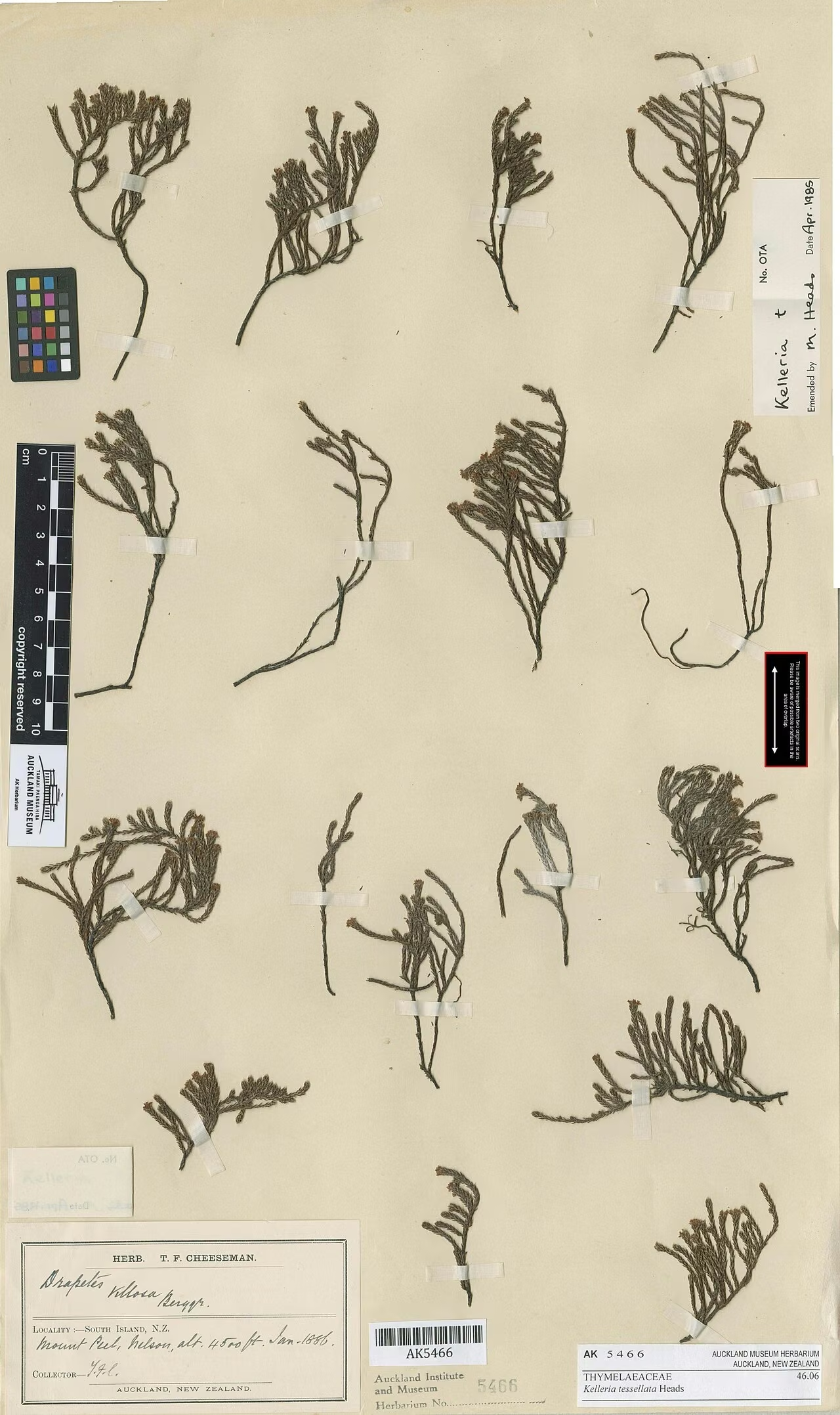
Michael Heads described Kelleria childii in his 1990 revision of Kelleria and Drapetes. Flora of New Zealand records the Rock and Pillar specimen as the type for the name.
Recognising the flowers
The tiny flowers occur directly in heads at the ends of shoots, without a flower stalk. Their bases are densely hairy, while the interior of the floral tube and lobes is hairless.
Related native alpine plants
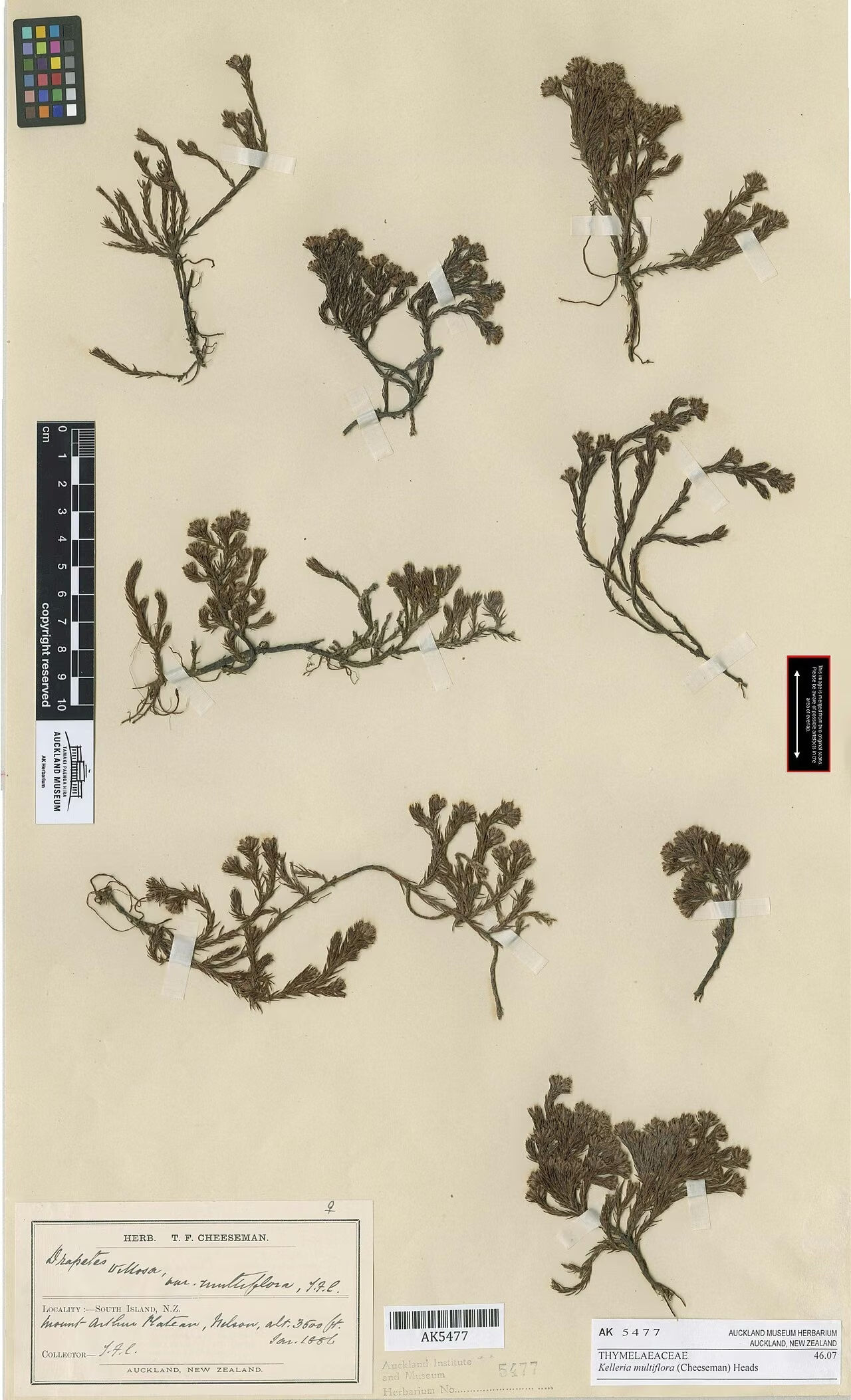
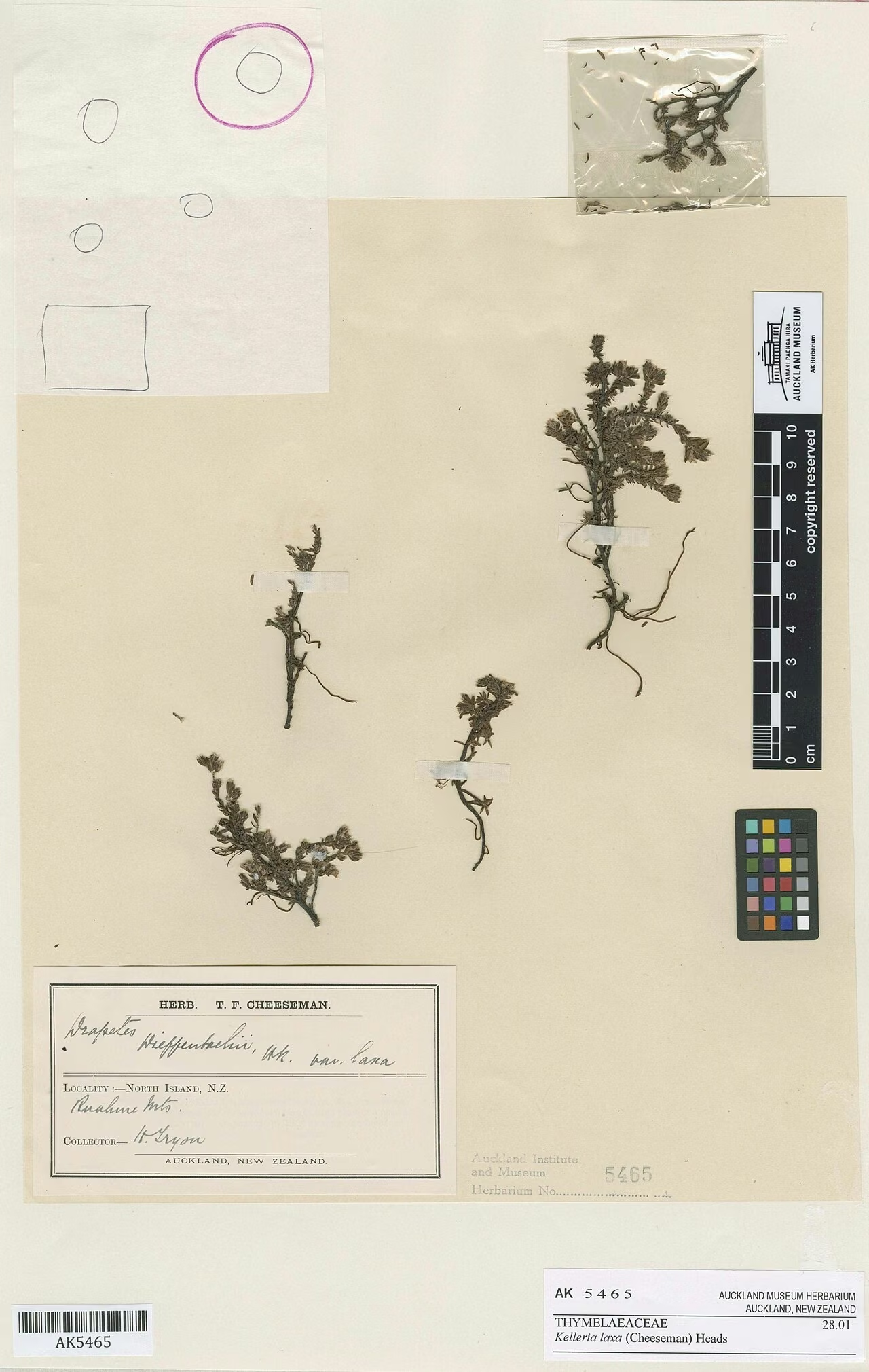
Explore related Kelleria shrubs and other cushion plants recorded in New Zealand alpine vegetation.
Conservation
Flora of New Zealand lists Kelleria childii as endemic and nationally Not Threatened in the 2023 assessment. The Otago regional assessment records a stable regional trend, with medium confidence in that estimate.
Frequently asked questions
Does it always require dry alpine ground?
The habitat account records it as common in poorly drained alpine places, alongside stony ground, herbfield and turf.
How large can a cushion become?
Published descriptions report cushions reaching approximately 1 m across and 40 cm high.
Is April its whole flowering season?
No complete season is established by the cited field report. It records a flowering observation on the Rock and Pillar Range during an early-April visit.
Sources
Taxonomy, type collection and national status: Flora of New Zealand. Botanical measurements: Dendrologie online. Cushion structure and habitat: Cushion Plants Atlas. Distribution: Kew Plants of the World Online.
Associated plants: Shadow Basin ecological assessment. Regional assessment: Otago Regional Council. April observation: New Zealand Botanical Society newsletter.
Last updated: