Filmy Fern
Hymenophyllum cupressiforme
Last updated:
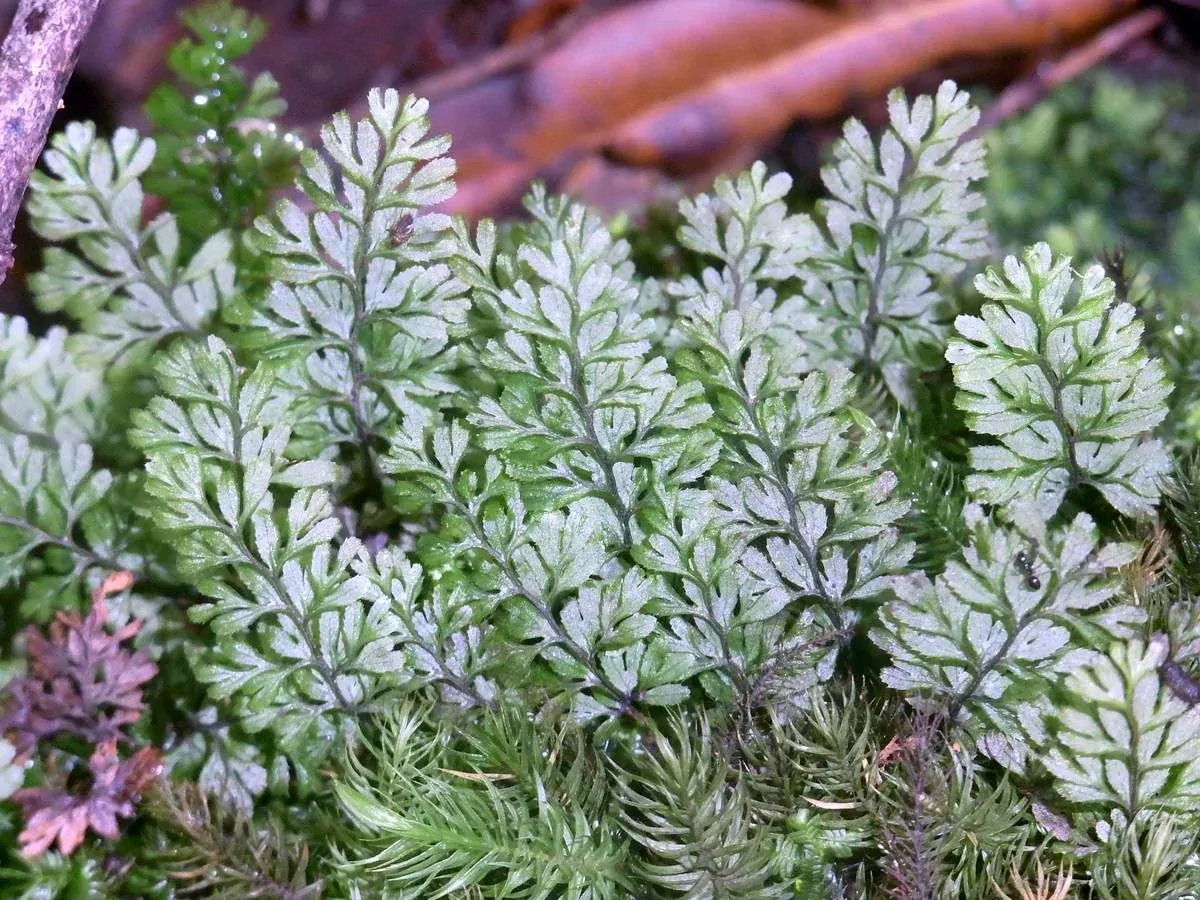
ferns profile: Cypress Filmy Fern (Hymenophyllum cupressiforme) is a small translucent fern with cypress-like fronds and toothed lamina margins. Flora of New Zealand records it from lowland to montane sites in the North Island, northern and eastern parts of the South Island, and the Chatham Islands, and Biota NZ lists the name as current, indigenous, and Naturally Uncommon.
Plant Description
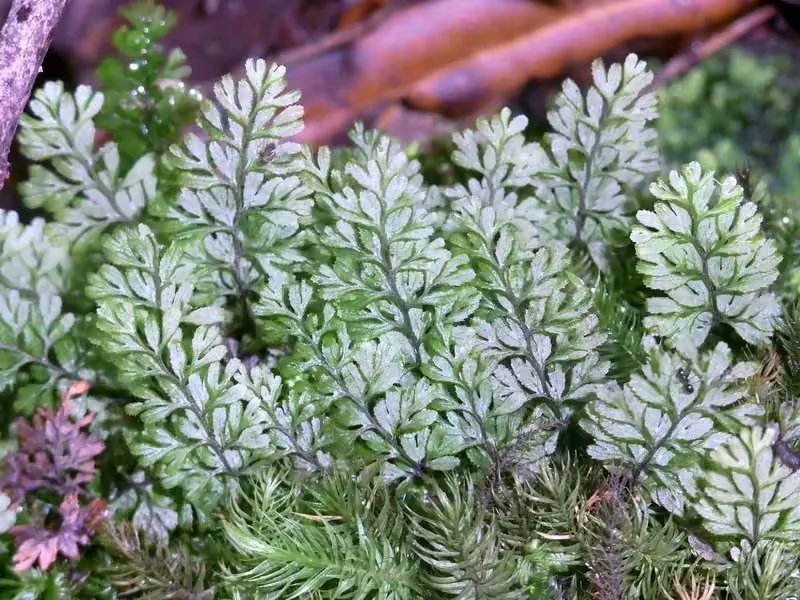
Identification and Physical Characteristics
This filmy fern is smaller than Hymenophyllum bivalve and Hymenophyllum multifidum. It has delicate fronds with toothed segment margins, rachises winged throughout, and usually solitary sori on each primary pinna. The indusial flaps are only shallowly toothed. Like other filmy ferns, the fronds are very thin and depend on humid air, so the plant collapses quickly if grown in exposed drying conditions.
Quick Facts
| Scientific Name | Hymenophyllum cupressiforme |
|---|---|
| Height | Fronds usually small, often under 12 cm long |
| Spread | Creeping mats on damp banks, rocks, or ground |
| Water Needs | High humidity with steady moisture |
| Light | Light shade |
| Frost Tolerance | Moderate in humid shelter |
| Salt Tolerance | Low |
| Growth Rate | Slow to steady in stable humidity |
| Lifespan | Perennial creeping fern |
Climate Best Suited to
Cypress Filmy Fern suits humid coastal to montane climates with sheltered light shade. Dry wind and exposed sun are the main limitations in gardens.
Regional Suitability
| City | Climate Suitability |
|---|---|
| Auckland | Medium to high in humid shaded gullies and damp banks |
| Wellington | High in sheltered damp banks and coastal forest shade |
| Christchurch | Medium in humid shaded rock gardens or cool banks |
| Nelson | Medium to high in damp shaded sites, especially western districts |
Plant Habitat
Natural Occurrence and Ecology
Flora of New Zealand records this species under light shade in kānuka and mānuka scrub, beech forest, and less often podocarp or broadleaved forest. It grows on the ground, rocks, scoria, and banks in damp areas. Its distribution is strongest around central New Zealand either side of Cook Strait, with records from sea level to about 760 metres.
Growing Requirements
Soil Requirements
Use constantly damp, humus-rich or mossy surfaces rather than ordinary potting soil that dries on the surface.
- Mossy banks
- Damp rock crevices
- Humus over shaded soil
Light Requirements
Filtered shade is essential. Direct sun can dry the one-cell-thick fronds rapidly.
- Light shade
- No hot afternoon sun
- Sheltered forest-edge light
Water Requirements
Maintain surface moisture and high humidity, but keep air movement gentle enough to prevent fungal stagnation.
- High humidity
- Even moisture
- Gentle airflow
Planting and Establishing
Establishment Guidance
Plant Cypress Filmy Fern only into a prepared humid niche. A shaded rock face, damp bank, tree-fern fibre surface, or mossy crevice is more suitable than an exposed garden bed. Press small rooted mats onto the damp surface, water with a fine spray, and shade the site until the fern grips and resumes growth.
Ecological Role
Biodiversity and Ecosystem Impact
This fern occupies the fine-scale humid layer on shaded ground, rocks, banks, and scrub margins. Its presence indicates stable moisture near the surface rather than simply wet soil. It adds miniature cover to moss and liverwort communities and contributes to the diversity of filmy ferns in sites where humidity remains high through dry weather.
Uses & Significance
Garden Uses
Use in specialist fern collections, shaded rock features, cool banks, and humid native ferneries.
- Fernery walls
- Mossy rock gardens
- Shaded damp banks
Ecological Value
It enriches small-scale damp microhabitats and signals high humidity in native plantings.
- Humid-bank cover
- Moss community texture
- Filmy fern diversity
Landscaping Uses
Cypress Filmy Fern is a detail plant for close viewing. Place it beside a shaded path, on a damp rock, or in a fernery where the fine teeth and translucent fronds can be seen without disturbance. Do not combine it with vigorous groundcovers that will smother the tiny fronds.
Seasonal Care Calendar
Spring
New fronds expand during mild humid weather.
Summer
Mist or water surrounding surfaces during dry spells.
Autumn
Small divisions settle well as humidity rises.
Winter
Keep drainage open so mats remain damp, not buried in cold silt.
When to Prune and How Much
Pruning is rarely needed. Remove fallen leaves or coarse moss by hand so light still reaches the small fronds. Avoid scraping the rhizomes from the surface.
- Lift coarse litter
- Avoid scraping mats
- Keep competitors small
Always use clean, sharp tools and avoid disturbing new growth.
How to Grow Filmy Fern
From Spores
Spore culture is appropriate for specialist growers who can maintain sterile, humid conditions. Collect fertile fronds when sori are mature and dry them in a clean paper fold. Sow spores thinly onto sterile, moist, low-nutrient medium and keep the container covered in bright shade. Filmy fern gametophytes and young sporophytes are extremely small, so patience and cleanliness matter more than fertiliser. Once young plants are visible, ventilate gradually and transfer small patches onto damp moss, fibre, or fine fern medium. Avoid sudden drying at every stage, because the thin tissues have little reserve.
- Collect mature fertile fronds
- Sow spores on sterile moist medium
- Keep covered in bright shade
- Transfer tiny patches gradually
From Small Mat Division
Where cultivated material is already established, tiny rooted mat divisions can be moved onto a similar damp surface. Lift only a small patch with attached rhizomes, press it gently onto mossy fibre or a shaded rock crevice, and secure it with fine biodegradable pins if needed. Water with a mist spray and cover loosely for the first few weeks to prevent drying. Division should be minimal because wild or slow-growing mats are easily damaged. Never strip wild rocks or banks for garden use.
- Lift a tiny cultivated mat
- Keep rhizomes attached
- Press onto damp mossy surface
- Mist until attached
Maintaining the Microclimate
Establishment depends on the surface staying damp and humid. Surround the planting with moss, small ferns, and leaf litter, but keep heavy leaves from covering the fronds. Water the surface gently rather than flooding the root zone. In a fernery, use shade cloth, overhead mist, or a nearby water feature to buffer dry air. If fronds curl or crisp at the tips, move the plant to deeper shelter or increase humidity before adding fertiliser. A stable microclimate is more important than rich soil.
- Keep the surface damp
- Maintain light shade
- Prevent leaf burial
- Increase humidity during dry spells
Pests & Diseases
The plant is more vulnerable to drying, burial, and smothering than to insect pests. Slugs may graze soft growth in enclosed ferneries. Algae and mould can build up if the site is wet but airless.
Cultural Significance
Mauku is a general Māori name associated with filmy ferns in the genus Hymenophyllum. This species reflects the close relationship between native fern diversity and sheltered humid forest or scrub microhabitats.
- Mauku name associated with filmy ferns
- Humid forest-floor species
- Fine-scale habitat indicator
Bonus Tip
Grow it on a damp vertical or sloping surface rather than a flat pot top, so water drains while humidity remains high.
This Cupressiform Filmy Fern note is specific to Hymenophyllum cupressiforme, connecting identification, habitat context, and practical care so the section remains useful for readers comparing New Zealand plant profiles.
Related Plants
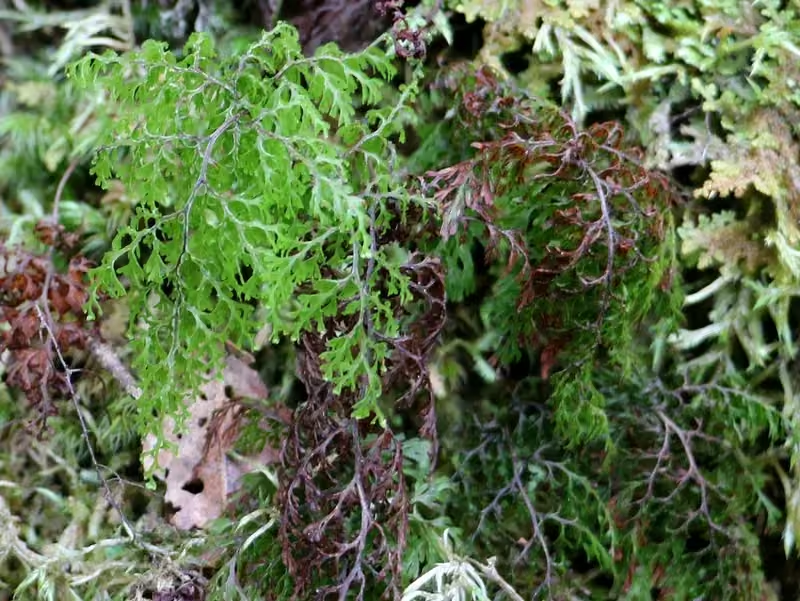
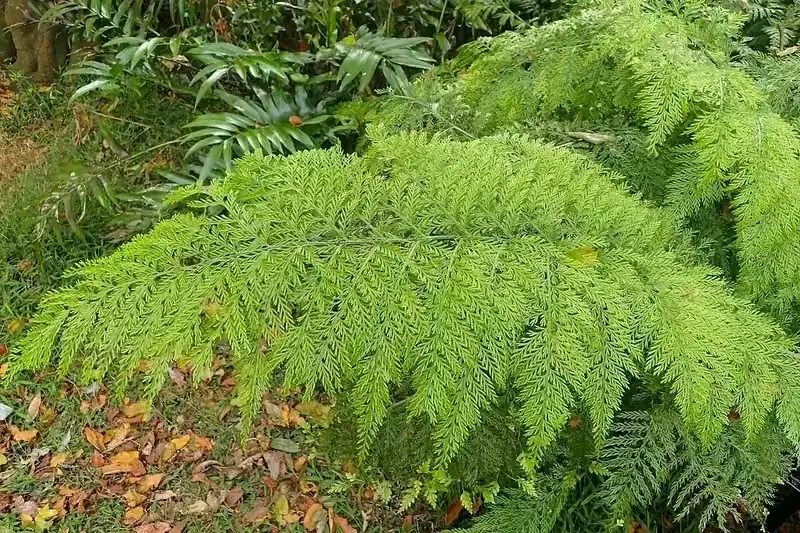
Compare Cypress Filmy Fern with other delicate New Zealand filmy ferns.




Plant Conservation
Conservation Status and Threats
Biota NZ lists Hymenophyllum cupressiforme as Naturally Uncommon. Protection of damp shaded banks, coastal and montane scrub, and small rock microhabitats is important because these sites can be lost through track widening, drainage, weed invasion, and drying edge effects.
Frequently Asked Questions
Is Hymenophyllum cupressiforme native to New Zealand?
Yes. It is indigenous to New Zealand and also occurs in Australia.
Why is it hard to grow?
Its very thin fronds need high humidity and stable surface moisture.
Where does it grow naturally?
It grows on damp ground, rocks, scoria, and banks under light shade in scrub and forest.
Sources and Further Reading
The botanical, growing, and conservation details for Cypress Filmy Fern draw on authoritative New Zealand plant references and taxonomic databases.