Filmy Fern
Hymenophyllum minimum
Last updated:
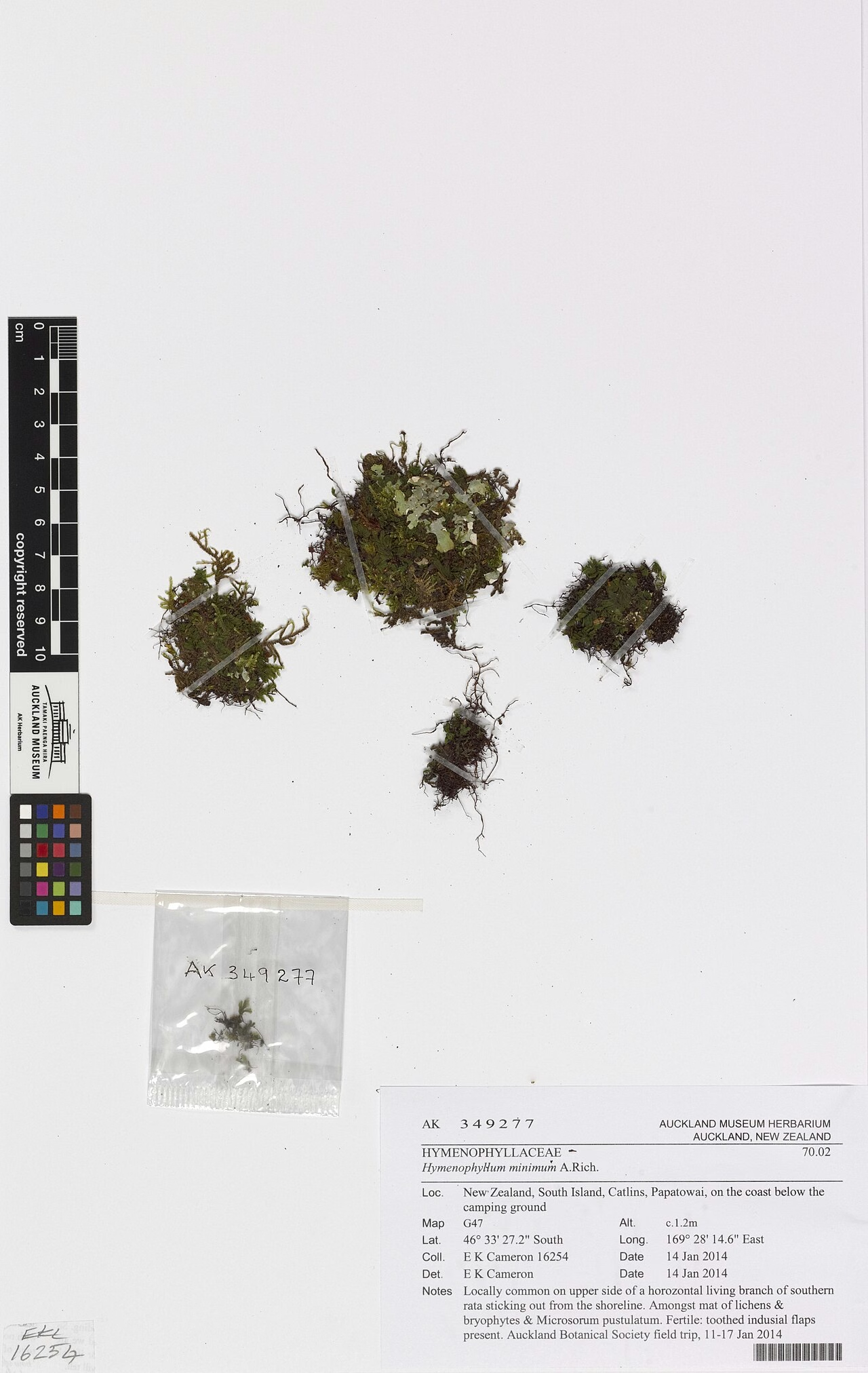
Hymenophyllum minimum is one of New Zealand's smallest filmy ferns, an endemic with bright green, once-pinnate fronds just 6-30 mm long. Each frond has a few pairs of prominently toothed pinnae and ends in a single stalked sorus whose flaps are toothed and spiny. It forms mats on shaded rock faces, cliffs, overhangs, boulder and talus slopes, clay banks and logs, from the Thames area south to Stewart Island and the Chatham, Antipodes and Auckland Islands, between sea level and 1650 m. Unusually tough for a filmy fern, it often grows in open sites that dry out for long periods. Explore more native ferns in our native plant guide.
Plant Description
Hymenophyllum minimum has long-creeping, very slender rhizomes about 0.1-0.2 mm in diameter that are much branched and interwoven, forming dense mats. The stipes are very thin, 3-8 mm long, unwinged and hairless.
The blades are round to elliptic, once pinnate or deeply pinnatisect, 3-25 mm long and 3-12 mm wide, membranous and virtually hairless, with one to five pairs of pinnae whose margins are prominently toothed. Each frond ends in a solitary sorus on a short stalk at the tip of the rachis. The indusial flaps have toothed margins and their outer surfaces are covered in spines.
Its small size, bright green colour, toothed pinnae and single stalked sorus with spiny, toothed flaps set it apart. Other tiny filmy ferns such as H. armstrongii have dark midribs and a sorus on each segment, and H. revolutum and H. peltatum are larger with several sori per frond.
Quick Facts
| Scientific Name | Hymenophyllum minimum |
|---|---|
| Height | Fronds 6-30 mm long |
| Spread | Dense interwoven mats on rock |
| Water Needs | Moist to periodically dry |
| Light | Shade to fairly open |
| Frost Tolerance | High; recorded to 1650 m |
| Salt Tolerance | Some; sometimes grows within reach of salt spray |
| Growth Rate | Slow |
| Lifespan | Perennial |
Climate Best Suited to
It tolerates a wide range of climates, from coastal to subalpine and from wet to periodically dry, provided it has shaded or sheltered rock to grow on.
Regional Suitability
| City | Climate Suitability |
|---|---|
| Auckland | Low |
| Wellington | Medium |
| Christchurch | Low |
| Dunedin | Medium |
Plant Habitat
Hymenophyllum minimum is endemic. In the North Island it ranges from the upper Kauaeranga Valley near Thames and Mt Pirongia southward to Wellington. In the South Island it extends from north-west Nelson to Fiordland with scattered eastern populations, and it also occurs on Stewart Island/Rakiura and the Chatham, Antipodes and Auckland Islands. Its altitudinal range is 0-1650 m, usually montane in the north of its range.
It is a common species of shaded rock faces, cliffs, overhangs and boulder and talus slopes, sometimes in places subject to salt spray, and often in rather open sites that dry out for long periods. The Flora of New Zealand records it on rocks, clay banks, logs and under overhangs in mānuka, kānuka and Dracophyllum scrub, stunted southern rātā forest, beech forest and subalpine tussock.
Growing Requirements
Soil Requirements
It grows on rock, clay banks and logs rather than in deep soil, its rhizomes interweaving through thin moss and organic films.
- Shaded rock faces and overhangs
- Boulder and talus slopes
- Clay banks and logs
Light Requirements
It favours shade but also grows in fairly open sites, more so than most filmy ferns.
- Shade to partial light
- Sheltered rock overhangs
- Open scrub and tussock in the south
Water Requirements
It copes with periodic drying better than most filmy ferns, curling during dry periods and reviving when wet.
- Moist when actively growing
- Tolerates protracted dry spells
- Revives quickly after rain
Planting and Establishing
NZPCN describes it as difficult to grow and says it should not be removed from the wild. It is not commercially available.
Rock outcrops, cliffs and banks where it grows should be protected from quarrying, track works and trampling, since its mats are easily scraped away.
Ecological Role
Hymenophyllum minimum forms part of the moss and lichen community on shaded rock, where its dense mats help trap moisture and fine organic matter.
It reproduces by minute wind-dispersed spores and spreads by its interwoven rhizomes. Its tolerance of drying lets it occupy rock surfaces too exposed for other filmy ferns, from coastal cliffs to subalpine boulders.
Uses & Significance
Garden Uses
It is not grown in gardens, but rockwork in damp, shaded parts of large native gardens in suitable districts may occasionally be colonised naturally.
- Interest on natural rock outcrops
- Subject for macro photography
- Example of a drought-tolerant filmy fern
Ecological Value
As a widespread endemic of rock surfaces it adds to the diversity of cliff and boulder communities.
- Endemic to New Zealand
- Pioneer mat on shaded rock
- Ranges onto subantarctic islands
Landscaping Uses
It is not used in landscaping. Where it occurs on a property, leave rock faces and banks undisturbed and avoid spraying or scrubbing them.
Retaining scrub and forest shade around outcrops helps keep conditions stable for it.
Seasonal Care Calendar
Spring
Mats are bright green and actively growing.
- Good time to find it on rock faces
- Look for stalked sori at frond tips
Summer
In exposed sites mats may dry and curl for long periods.
- Shrivelled mats are dormant, not dead
- Avoid scraping rock surfaces
Autumn
Rain revives the fronds and spores are released.
- Check spiny indusia with a hand lens
- Record altitude and site
Winter
Persists in cold conditions, including snow at higher altitudes.
- No action needed
- Frost tolerant to subalpine levels
When to Prune and How Much
No pruning is needed. Its tiny fronds should be left alone.
Avoid clearing moss or plant growth from rock faces where this fern grows.
How to Grow Filmy Fern
NZPCN states that Hymenophyllum minimum is difficult to propagate and should not be removed from the wild, and it is not commercially available. No propagation method specific to this species was found. The notes below describe general filmy fern techniques, to be used only with material already in legal cultivation. Because this species tolerates more drying than most filmy ferns, it may be a little more forgiving in a terrarium, but it still needs shade, cool temperatures and a rock or clay surface to creep over, along with high humidity while new growth establishes.
By Division of Rhizome Mats
Its dense, interwoven mats can be split into small pieces, ideally keeping each piece attached to a thin layer of the surface it was growing on.
- Cut a small piece of mat from a cultivated plant
- Press it onto a porous rock or clay surface in a terrarium
- Mist with rainwater and keep sealed until it attaches
- Keep shaded and cool
- Gradually allow some ventilation once new fronds appear
From Spores
Each frond produces a single stalked sorus. Raising this species from spore is not documented, and filmy fern spores are generally short-lived.
Because the sorus sits on a short stalk at the frond tip, a single frond can be laid sorus-down on the sowing medium.
- Collect fronds with mature terminal sori
- Sow spores immediately on sterile, moist sphagnum or fine peat
- Seal the container and keep it cool and shaded
- Keep moist for many months while gametophytes develop
Pests & Diseases
No pests or diseases are recorded for Hymenophyllum minimum.
Its main threats are physical: rock quarrying, road and track works, and trampling or scraping of the outcrops and banks where it grows.
Cultural Significance
No Māori name or traditional use specific to this species was found in the sources consulted.
The epithet minimum is Latin for least, referring to its small size. The type specimen was collected in New Zealand on Dumont d'Urville's voyage and described by Achille Richard. William Colenso later described the same plant as H. pygmaeum.
Bonus Tip
Look for this fern on shaded roadside cuttings and rock overhangs on mountain roads in the south: bright green mats that look like moss but carry tiny toothed fronds, each tipped with a single stalked spore case, are almost certainly H. minimum.
Related Plants
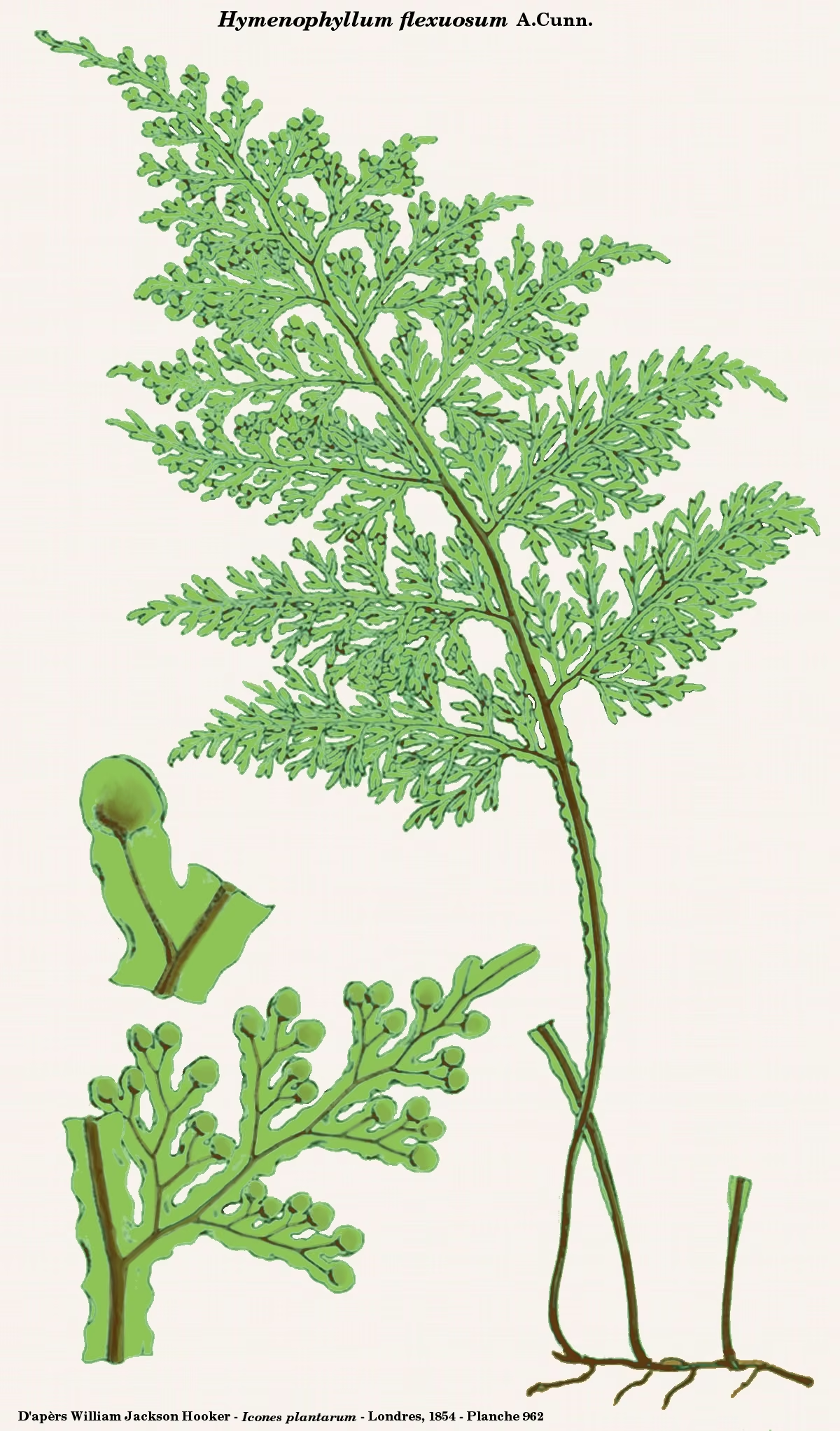
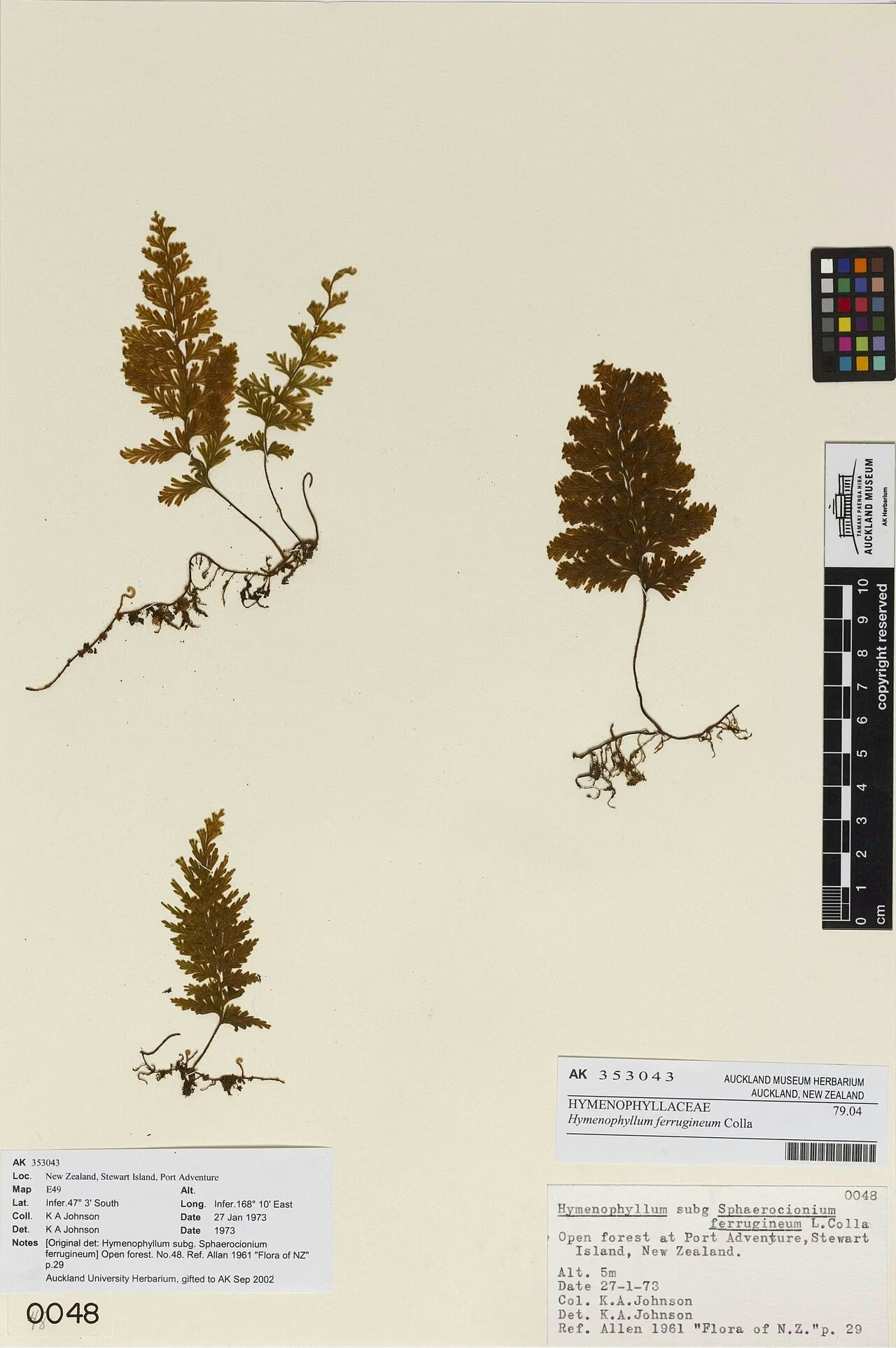
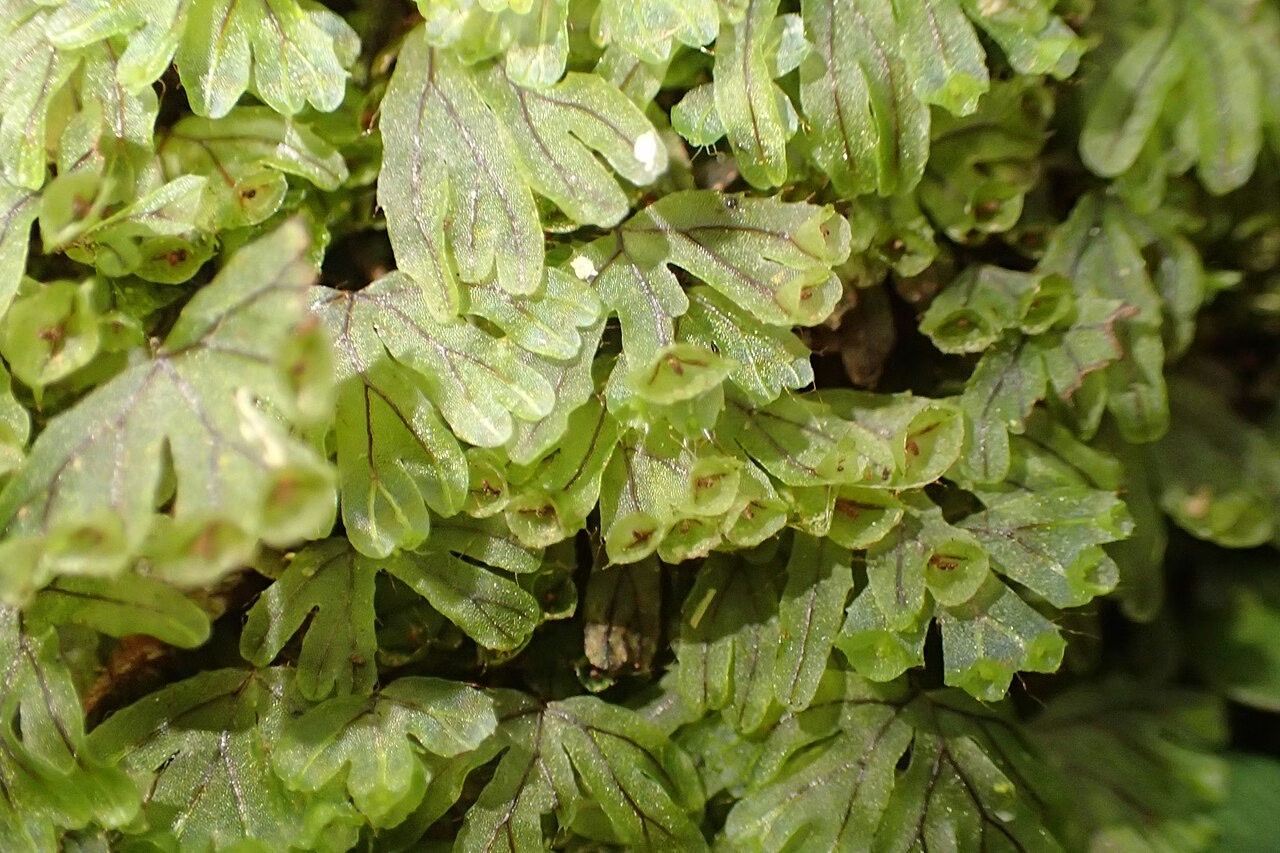
Explore other native plants that share similar characteristics or habitats with Filmy Fern (Hymenophyllum minimum), offering further insights into New Zealand's diverse flora. These related species provide context and opportunities for complementary planting in your garden.
Hymenophyllum flexuosum
Hymenophyllum flexuosum
Rusty Filmy Fern
Hymenophyllum frankliniae
Hymenophyllum lyallii
Hymenophyllum lyallii
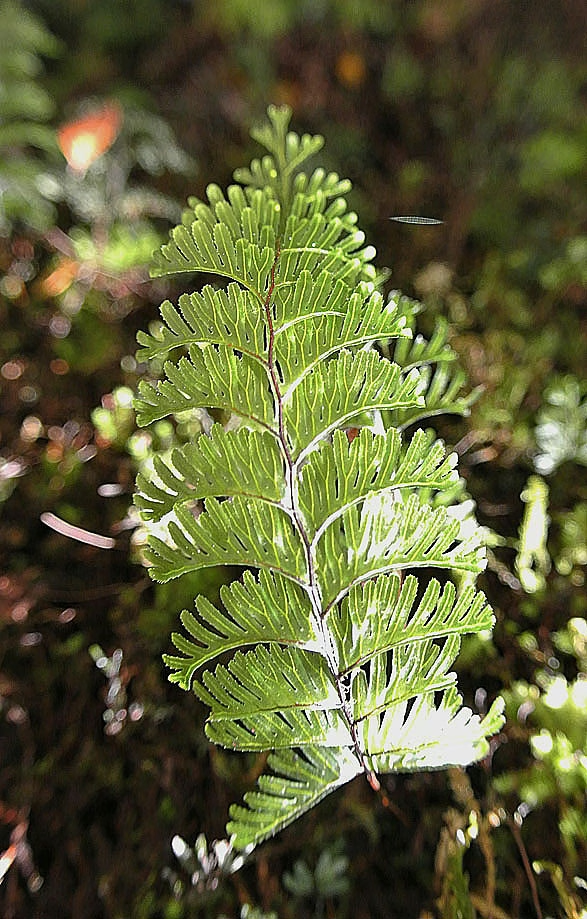
One-Sided Filmy Fern
Hymenophyllum peltatum
Tufted Filmy Fern
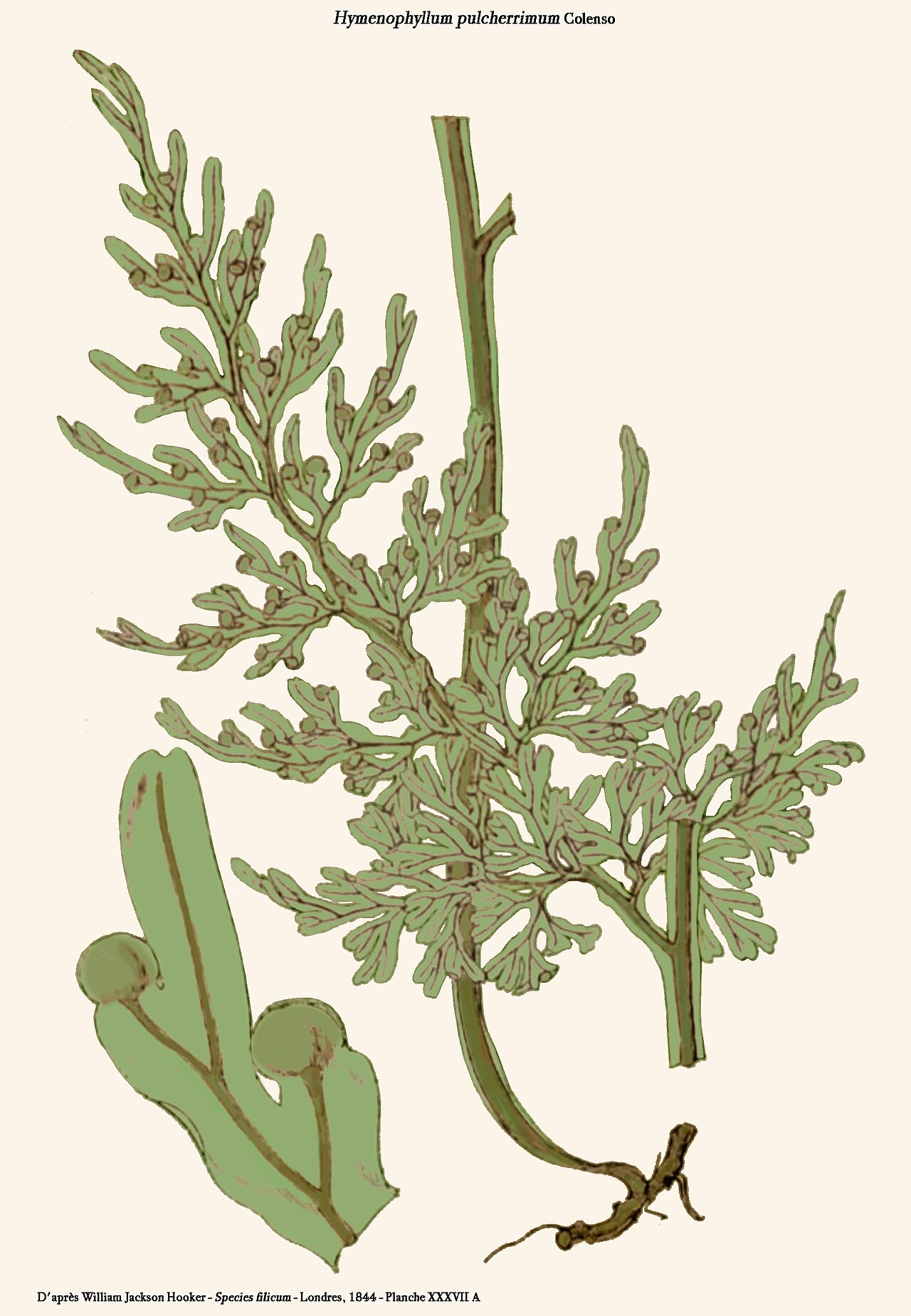
Hymenophyllum pulcherrimum
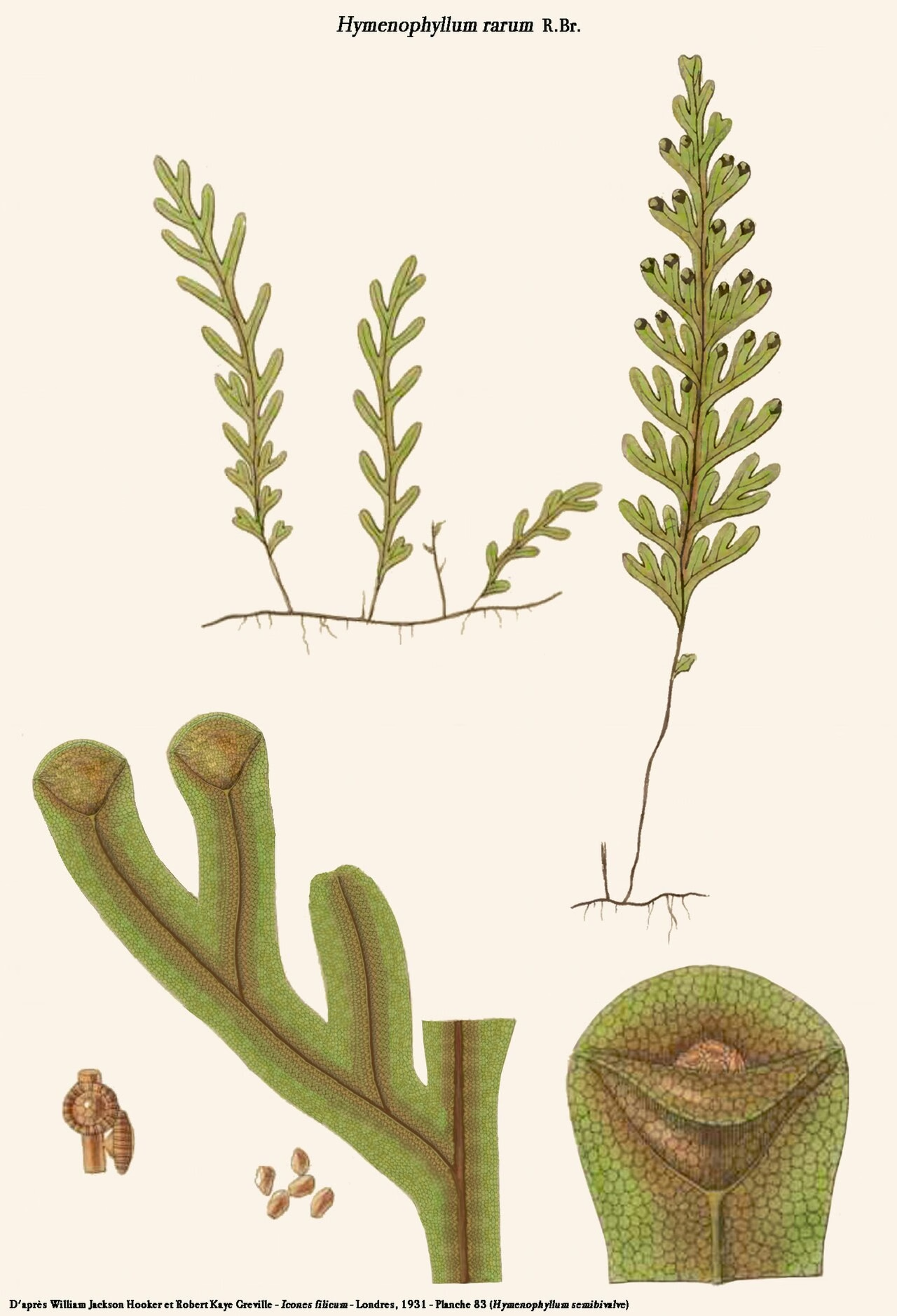
Hymenophyllum rarum
Hymenophyllum rarum
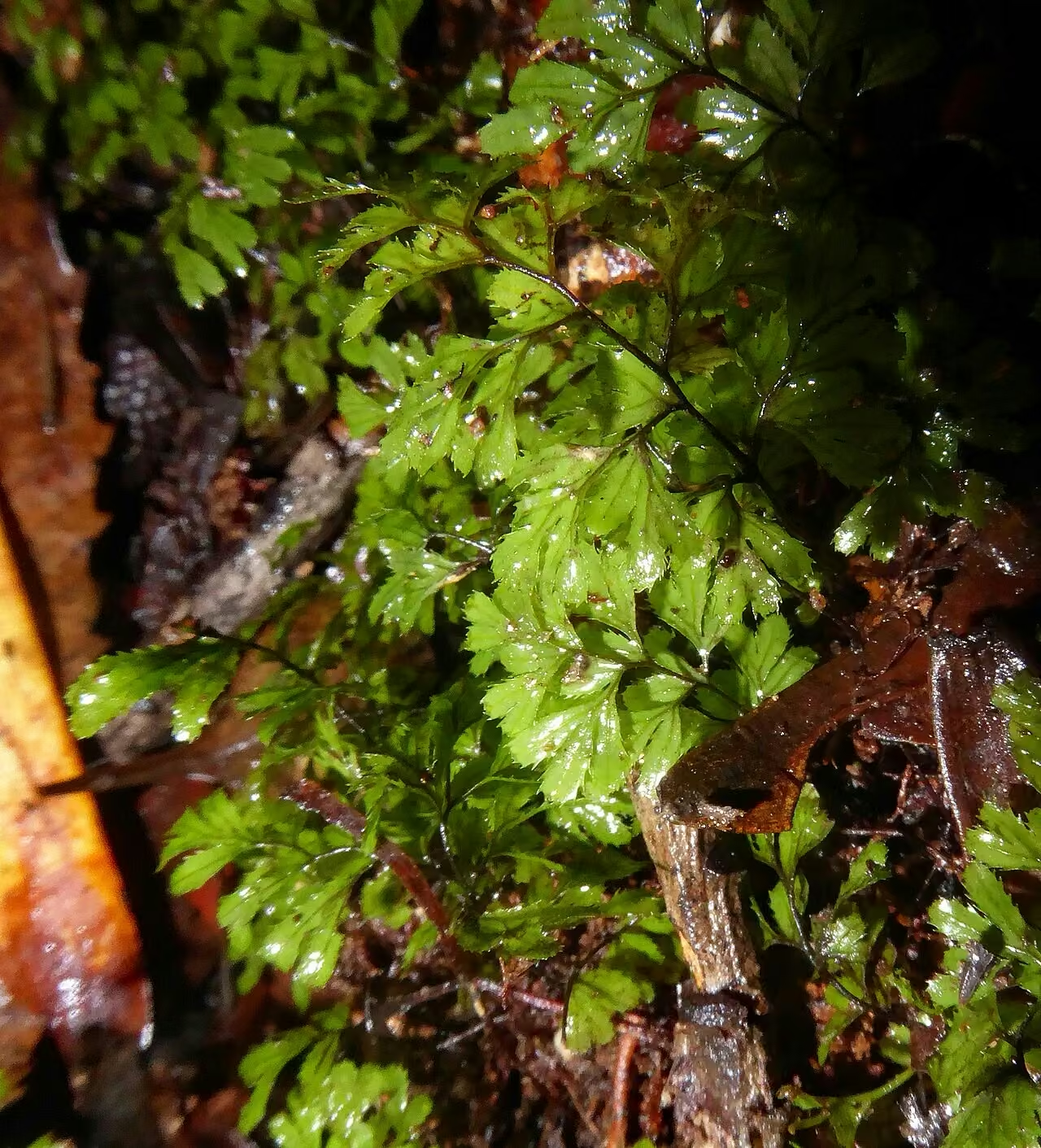
Hymenophyllum revolutum
Hymenophyllum revolutum
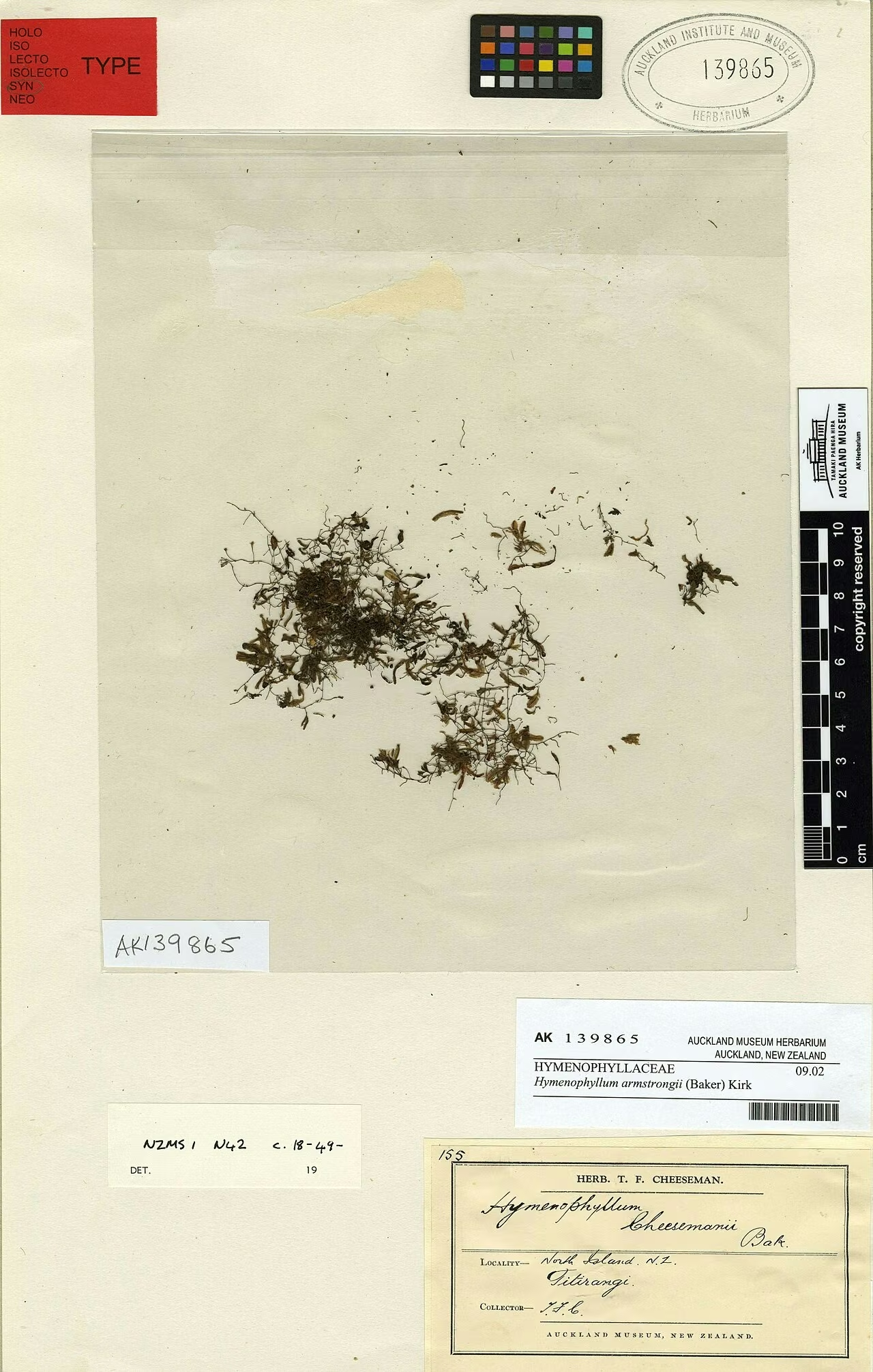
Hymenophyllum armstrongii
Hymenophyllum armstrongii
Plant Conservation
Hymenophyllum minimum is ranked Not Threatened (2023) and has held that status since 2004. It is Regionally Naturally Uncommon in Otago and Wellington.
It is widespread and common in suitable rocky habitats. Leaving rock faces, banks and their surrounding vegetation undisturbed is the main way to help it.
Frequently Asked Questions
How big is Hymenophyllum minimum?
It is tiny: fronds are only 6-30 mm long including the stalk, with blades 3-25 mm long, which is why its name means least.
How can you identify Hymenophyllum minimum?
Look for small bright green fronds with prominently toothed pinnae, a single stalked sorus at the tip of each frond, and indusial flaps with toothed edges and spines on the outer surface.
Where does Hymenophyllum minimum grow?
It grows on shaded rock faces, cliffs, overhangs, boulder and talus slopes, clay banks and logs, in scrub, stunted southern rātā and beech forest and subalpine tussock, sometimes even within reach of salt spray.
Can Hymenophyllum minimum survive drying out?
Yes. NZPCN notes it often grows in rather open sites that dry out for protracted periods, so it is more drought tolerant than most filmy ferns.
Sources and Further Reading
The botanical, growing, and conservation details for Filmy Fern (Hymenophyllum minimum) on this page draw on the New Zealand plant references below. Consult them for full technical records and the latest distribution data.