Pennywort
Hydrocotyle robusta agg
Last updated:
Hydrocotyle robusta is an endemic New Zealand pennywort and, as its name suggests, a sturdier plant than most of its relatives. Its stems, about 3 mm thick, sprawl or rise slightly, and its pale green leaves 20-30 mm across are hairy on both surfaces and shallowly cut into five to seven lobes. It was first described from sandy beaches on the east coast between Waiwera and Mahurangi and on Great Barrier Island. The name is used here in an aggregate sense, because several similar, not yet formally named forms are grouped with it. It is ranked Not Threatened, though poorly understood. Explore more native ground covers in our native plant guide.
Plant Description
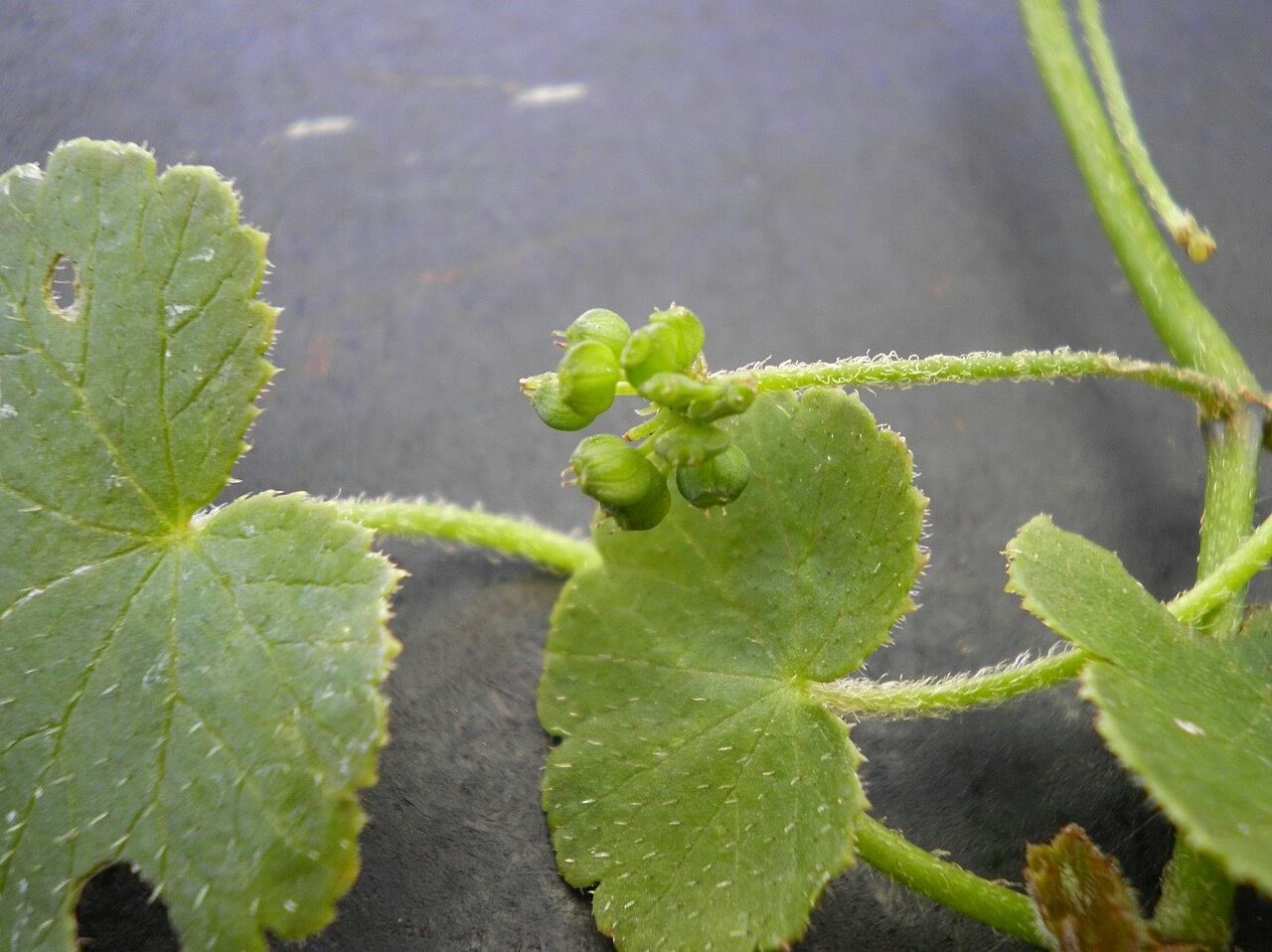
Hydrocotyle robusta has stems about 3 mm in diameter that lie along the ground or rise slightly at the tips, noticeably stouter than the threadlike stems of many native pennyworts. Its leaves are on short petioles 2-6 cm long that carry backward-pointing hairs near the blade. The blade is thin, pale green and hairy on both surfaces, 20-25 mm and occasionally 30 mm across, with five to seven usually shallow lobes that are again shallowly lobed, and finely scalloped to toothed margins. The basal notch is usually deep and narrow.
Umbels of about eight to twelve flowers sit on fairly stout to slender stalks 1-3 cm long, with very short flower stalks. The fruiting heads reach about 1 cm across. The individual fruits are about 2-3 mm in diameter, dull brown, very plump and hairless, with each mericarp faintly keeled and often obscurely grooved on its inner face.
It was originally treated as H. novae-zeelandiae var. robusta, and it is closest to that species, from which its larger, hairy leaves and stout stems help separate it. Allan noted that similar forms occur further south and that Chatham Islands plants appeared related but had notably longer petioles and larger leaves. Those uncertainties are why the name is used here as an aggregate.
Quick Facts
| Scientific Name | Hydrocotyle robusta agg |
|---|---|
| Height | Low; leaves on petioles 2-6 cm long |
| Spread | Sprawling patches of decumbent stems |
| Water Needs | Moist; found both in and out of wetlands |
| Light | Full sun to partial shade |
| Frost Tolerance | No information available |
| Salt Tolerance | Some; described from sandy beaches, but not quantified |
| Growth Rate | Moderate |
| Lifespan | Perennial |
Climate Best Suited to
The typical form grows in the mild, frost-light coastal climate north of Auckland; related forms extend to cooler southern regions.
Regional Suitability
| City | Climate Suitability |
|---|---|
| Auckland | High |
| Wellington | Medium |
| Christchurch | Low |
| Dunedin | Low |
Plant Habitat
Hydrocotyle robusta is endemic to New Zealand. Allan's 1961 Flora gives its distribution as sandy beaches on the east coast of the North Island between Waiwera and Mahurangi and on Great Barrier Island, adding that similar forms occur further south. Current regional threat lists include it for Northland (Data Deficient), Auckland (Declining), Wellington (Critical) and Otago (Naturally Uncommon), so the aggregate is clearly wider ranging than the original description suggests.
NZPCN rates it as facultative, occurring commonly both in wetlands and on drier ground. Its precise habitat range outside the type locality is poorly documented, reflecting the data-poor and taxonomic qualifiers on its national listing.
Growing Requirements
Soil Requirements
The type plants grow on coastal sand, so free-draining but moist sandy soils suit it.
- Moist sandy or sandy loam soils
- Tolerates low fertility
- Avoid heavy, compacted clay
Light Requirements
Coastal beach and dune-edge sites are open, but the species also grows in damper, partly shaded places.
- Full sun to partial shade
- Open, low vegetation suits it
- Protect from being overgrown by tall grasses
Water Requirements
It needs moisture at the roots, whether from seepage on a beach backshore or a damp hollow.
- Keep evenly moist
- Tolerates occasional wet periods
- Water in prolonged dry weather
Planting and Establishing
No horticultural notes were found for this plant and it is not sold commercially. For restoration, rooted pieces can be planted into moist, sandy ground at the back of a beach or in a damp, open hollow, matching the conditions where the local population grows.
Because the aggregate includes several unnamed forms, always use locally sourced material and record where it came from.
Ecological Role
Like other New Zealand Hydrocotyle, its fruits split into mericarps that NZPCN records as dispersed by water and wind; for a beach plant, tides and storm runoff may help move them, although this has not been studied. Pollinators have not been recorded.
Its occurrence across scattered sites from Northland to Otago, with several distinct local forms, makes it of interest for understanding how the genus has diversified in New Zealand.
Uses & Significance
Garden Uses
Best suited to coastal and wetland restoration with local stock rather than ornamental use.
- Back-beach and dune hollow restoration
- Damp, open coastal banks
- Native herb collections
Ecological Value
It is part of the native herb flora of coastal sand and damp open ground, habitats heavily modified by development and weeds.
- Contributes to coastal sand herb communities
- Regionally threatened in Wellington and declining in Auckland
- Includes distinct local forms worth protecting
Landscaping Uses
With its relatively large, soft, hairy leaves, it could form a pale green carpet in a damp, sandy coastal garden, between low dune plants such as pīngao or spinifex on the moister backshore.
Its unresolved taxonomy and regional scarcity mean it is better kept to restoration sites using local material than planted widely in gardens.
Seasonal Care Calendar
Spring
New leaves and stems extend from established patches.
- Plant rooted pieces
- Weed around existing patches
Summer
Flowering umbels of eight to twelve flowers form, followed by plump brown fruits.
- Water plantings in dry spells
- Note the leaf and fruit characters for identification
Autumn
Fruiting heads up to 1 cm across ripen and shed their mericarps.
- Collect fruit if raising plants
- Autumn rain gives good planting conditions
Winter
Growth slows but leaves persist in mild coastal sites.
- Minimal care needed
- Protect patches from vehicles and trampling on beaches
When to Prune and How Much
No pruning is needed. Cut back stems that sprawl beyond their space at any time.
Removing smothering weeds is far more important than trimming the plant itself.
How to Grow Pennywort
No propagation guidance specific to Hydrocotyle robusta was found in NZPCN or the Flora of New Zealand. Its decumbent stems spread to form patches and can be divided, and its fruiting heads up to 1 cm across produce plenty of plump fruits for sowing. Because the aggregate includes several informally recognised local forms, and because it is Regionally Critical in Wellington and Declining in Auckland, never move material between regions. Collect only from cultivated stock or with landowner and Department of Conservation permission where required.
By Division
Rooted sections of the stout creeping stems transplant well into moist sandy soil.
Pieces lifted with some of their own sand around the roots settle in faster.
- In spring or autumn, lift a rooted section from the edge of a cultivated patch
- Divide into pieces each with roots and two or three leaves
- Pot into a moist, sandy mix
- Keep in a sheltered, lightly shaded spot and water regularly
- Plant out once new leaves are growing strongly
From Seed
The dull brown fruits are relatively plump, about 2-3 mm across, and easy to see in the ripe heads.
Sowing fresh seed in autumn lets seedlings establish over the cool, damp months.
- Collect fully brown fruiting heads
- Separate the fruits and sow on a moist, sandy seed mix
- Cover very lightly and keep damp in a bright, sheltered place
- Prick out seedlings into small pots once they have a few leaves
- Label each batch with its collection locality
Pests & Diseases
No pests or diseases specific to this plant are recorded. Slugs and snails may graze leaves in damp sites.
Coastal populations are more at risk from habitat damage, such as weed invasion of back-beach areas, trampling and vehicle use on beaches, than from pests.
Cultural Significance
No Māori name or traditional use specific to this plant was found in the sources consulted, so none is given here.
The species was described by Thomas Kirk, and Thomas Cheeseman later reduced it to a variety of H. novae-zeelandiae before it was again recognised at species rank. Its epithet robusta means sturdy, referring to its thick stems and larger leaves.
Bonus Tip
If you find a large, hairy-leaved pennywort on a northern beach backshore, record the locality and photograph the leaves, stems and fruiting heads. Because this aggregate contains unnamed local forms and is listed as data poor, good observations on iNaturalist NZ can genuinely help botanists sort out its taxonomy.
Related Plants
Explore other native plants that share similar characteristics or habitats with Pennywort (Hydrocotyle robusta agg), offering further insights into New Zealand's diverse flora. These related species provide context and opportunities for complementary planting in your garden.
Waxweed
Hydrocotyle heteromeria
Hydrocotyle hydrophila
Hydrocotyle hydrophila
Hydrocotyle microphylla
Hydrocotyle microphylla
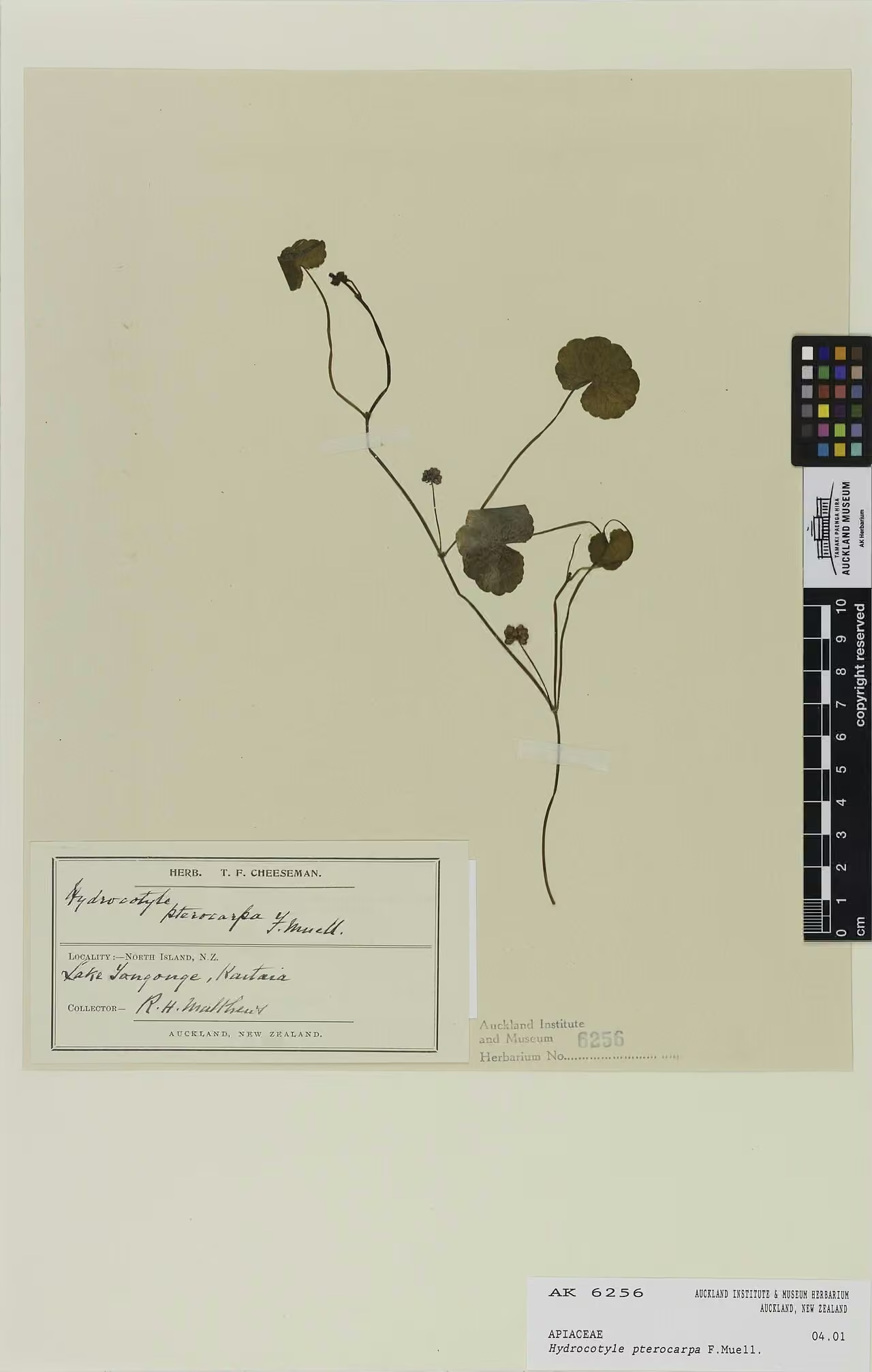
Hydrocotyle pterocarpa
Hydrocotyle pterocarpa
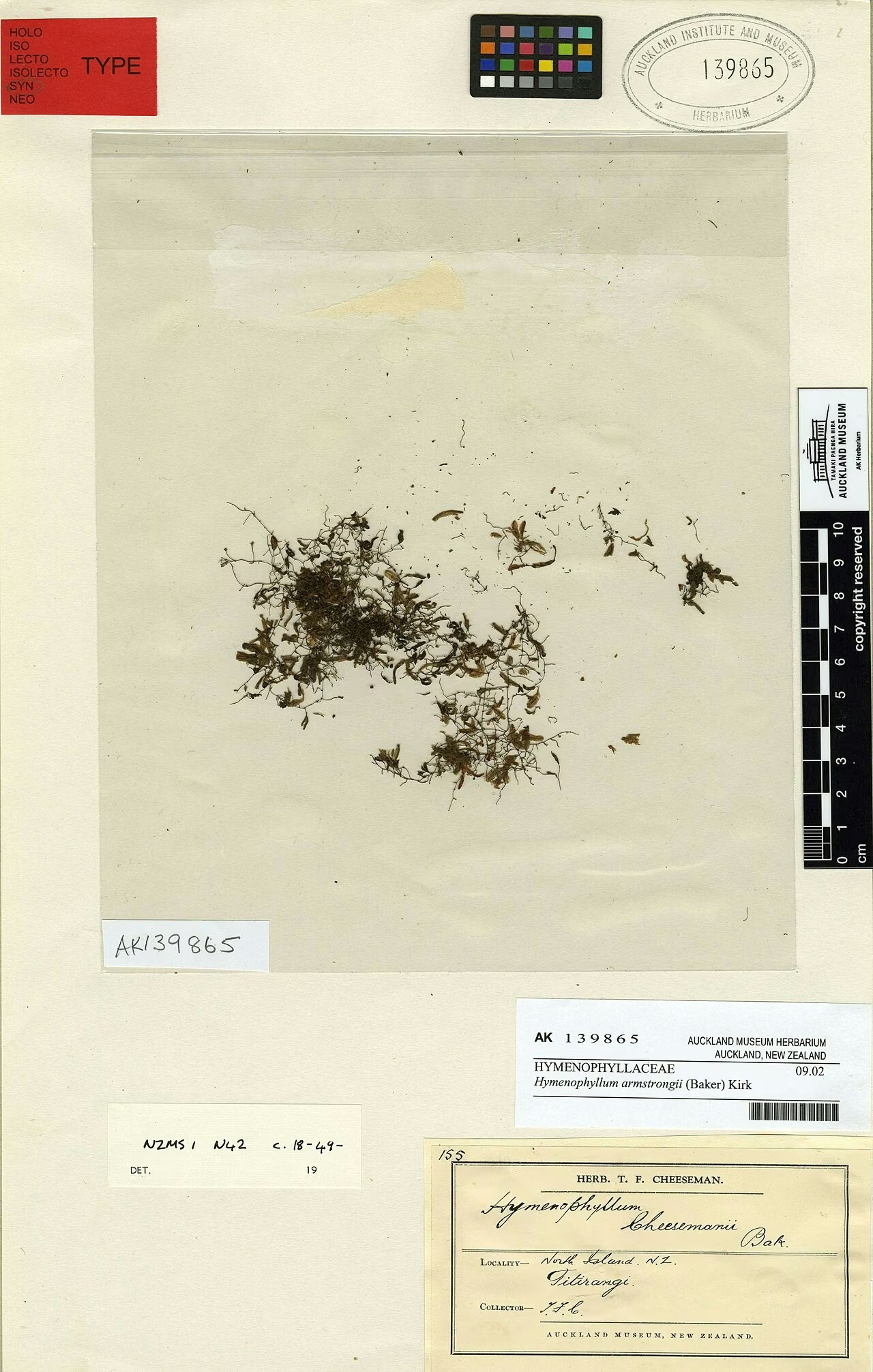
Hymenophyllum armstrongii
Hymenophyllum armstrongii
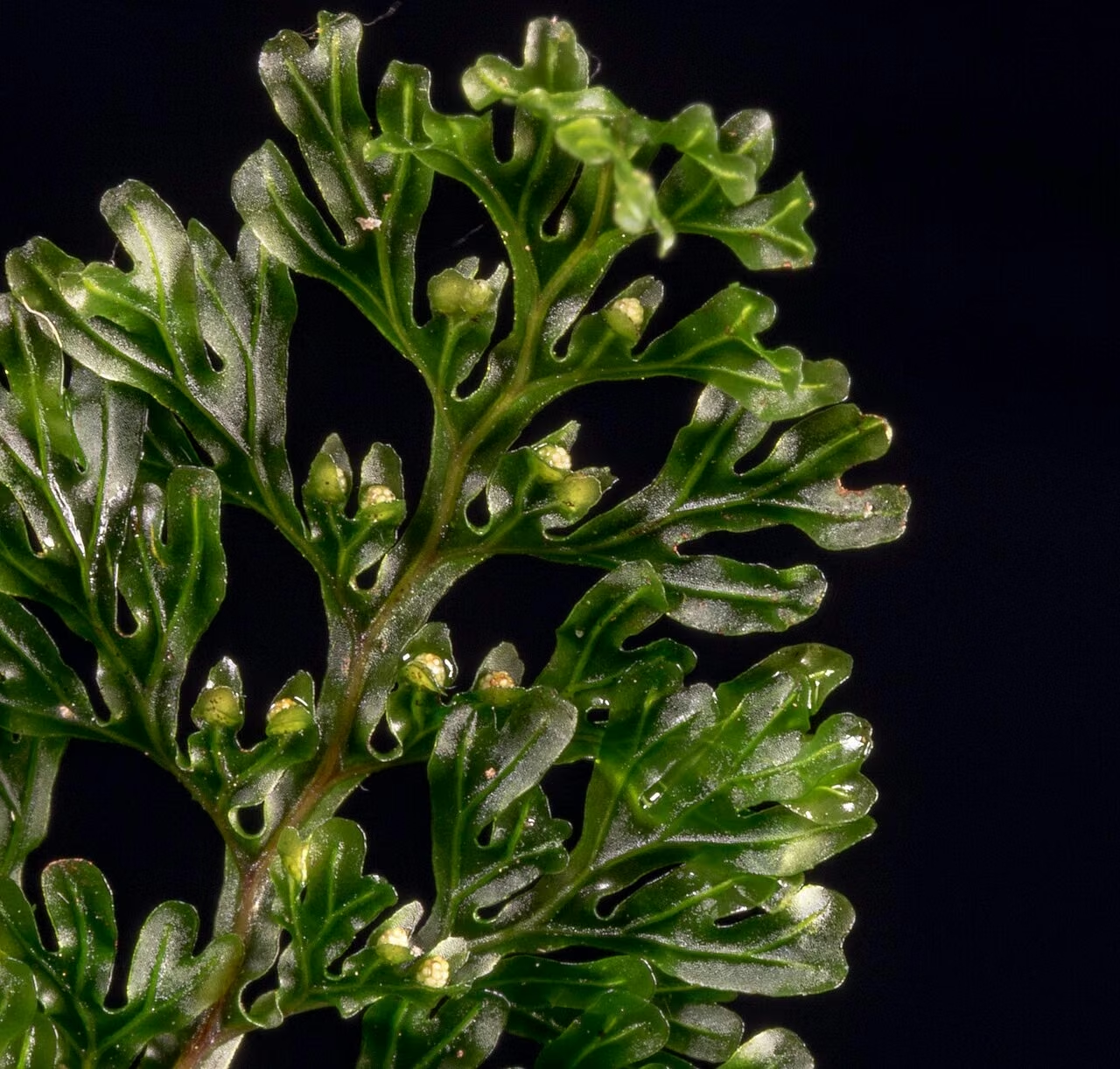
Hymenophyllum australe
Hymenophyllum australe
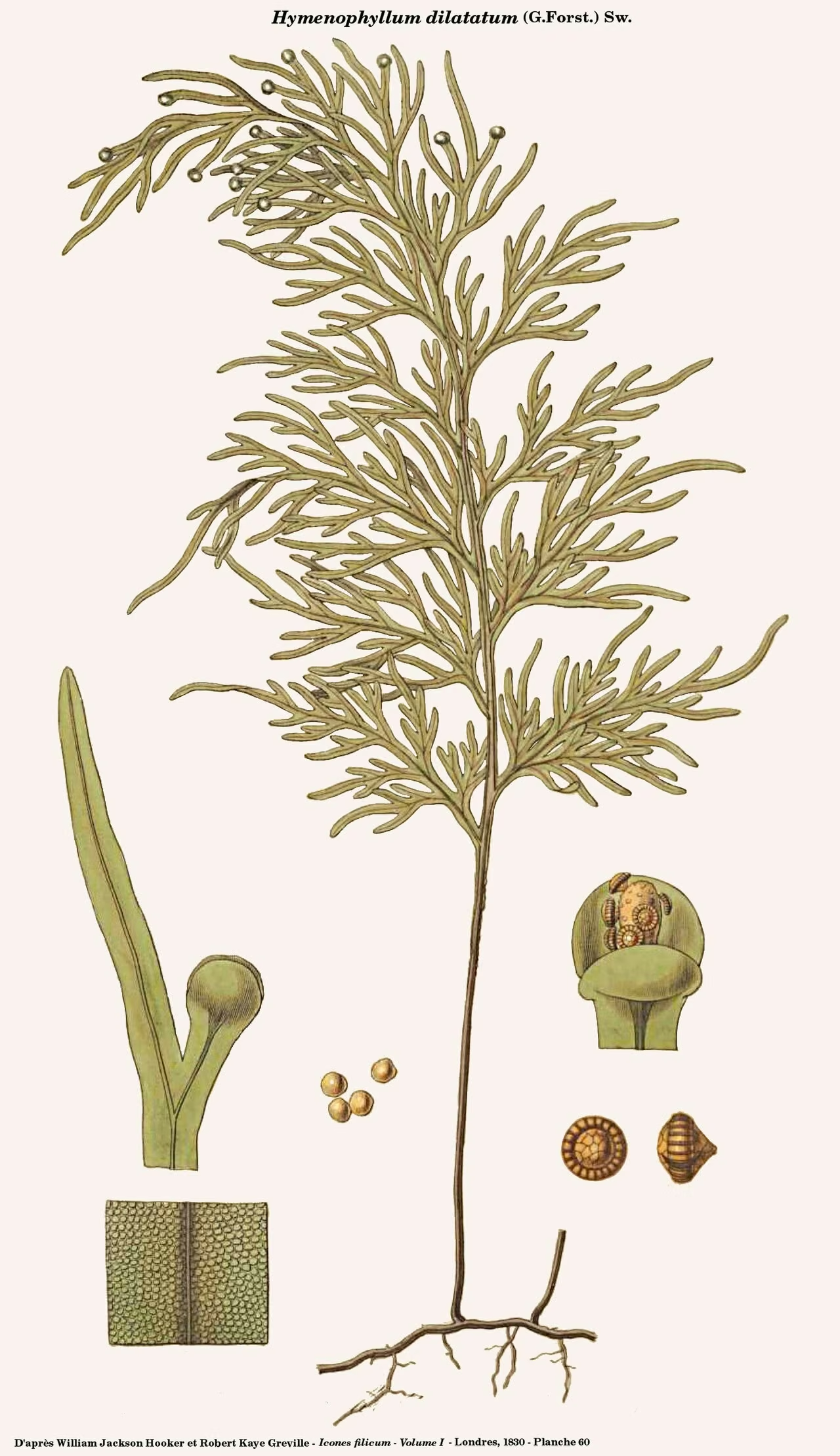
Matua Mauku
Hymenophyllum dilatatum
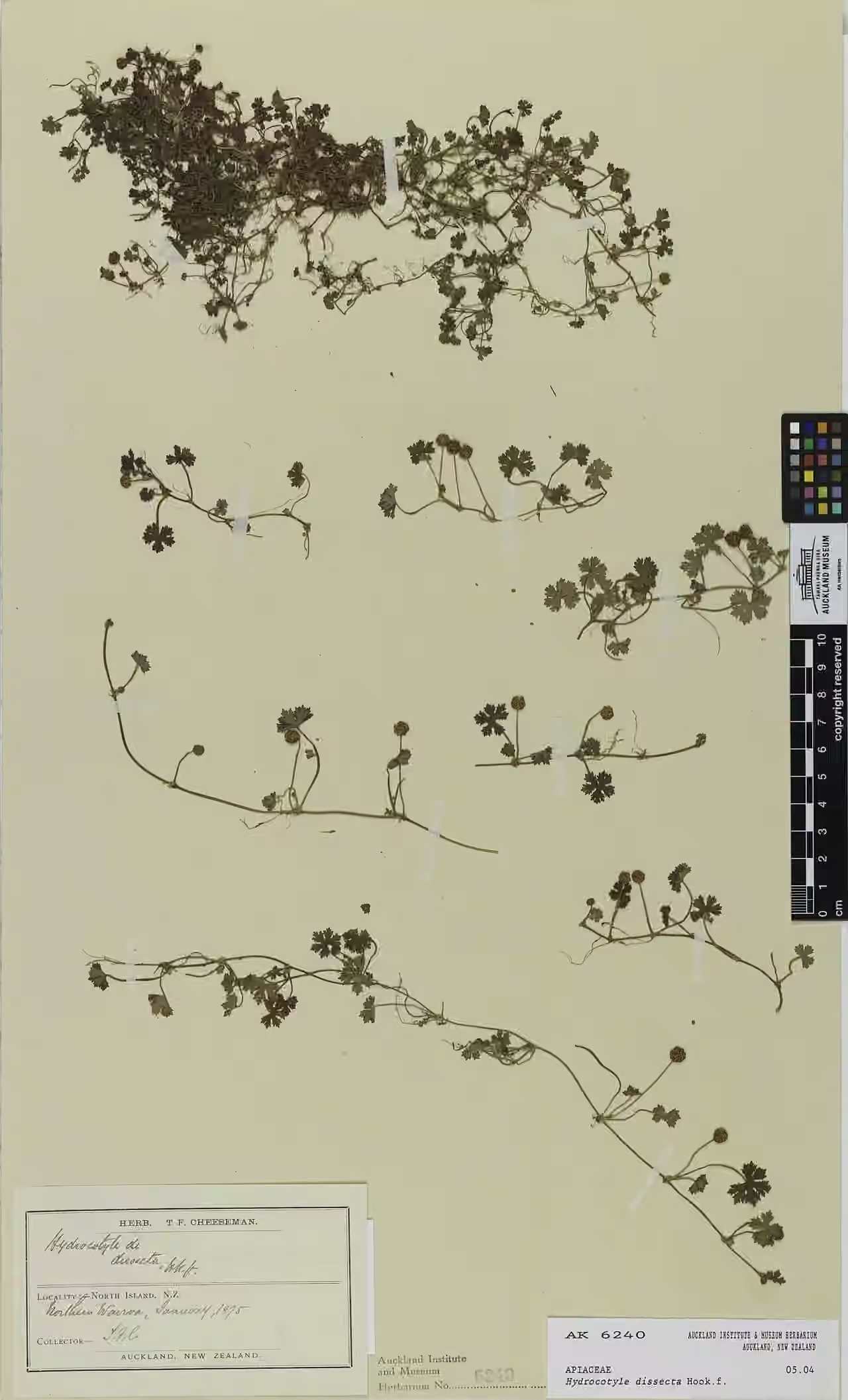
Hydrocotyle dissecta
Hydrocotyle dissecta
Plant Conservation
Hydrocotyle robusta has been ranked Not Threatened in every national assessment from 2004 to 2023, with the 2023 listing qualified as data poor for both population size and trend. Regionally it is Critical in Wellington, Declining in Auckland, Naturally Uncommon in Otago and Data Deficient in Northland.
The related entities H. aff. robusta (Ototoa) and H. aff. robusta (Te Paki) are tracked separately, and resolving their status may change how the aggregate is assessed. Protecting coastal sand and damp open habitats from weeds and development helps all of them.
Frequently Asked Questions
What does 'agg.' mean in Hydrocotyle robusta agg.?
It stands for aggregate: a group of closely related plants treated together because their taxonomy is unresolved. Several informal entities, such as H. aff. robusta from Ototoa and from Te Paki, are recognised but not yet formally described.
How can you recognise Hydrocotyle robusta?
It has stout stems around 3 mm thick and pale green, thin leaves 20-30 mm across that are hairy on both surfaces, with five to seven shallow lobes and a deep, narrow notch at the base. Its fruits are dull brown and very plump.
Where does Hydrocotyle robusta grow?
Allan's Flora records it from sandy beaches on the east coast between Waiwera and Mahurangi and on Great Barrier Island, with similar plants further south. Regional threat listings show it also occurs in the Wellington and Otago regions.
Sources and Further Reading
The botanical, growing, and conservation details for Pennywort (Hydrocotyle robusta agg) on this page draw on the New Zealand plant references below. Consult them for full technical records and the latest distribution data.