Waxweed
Hydrocotyle heteromeria
Last updated:
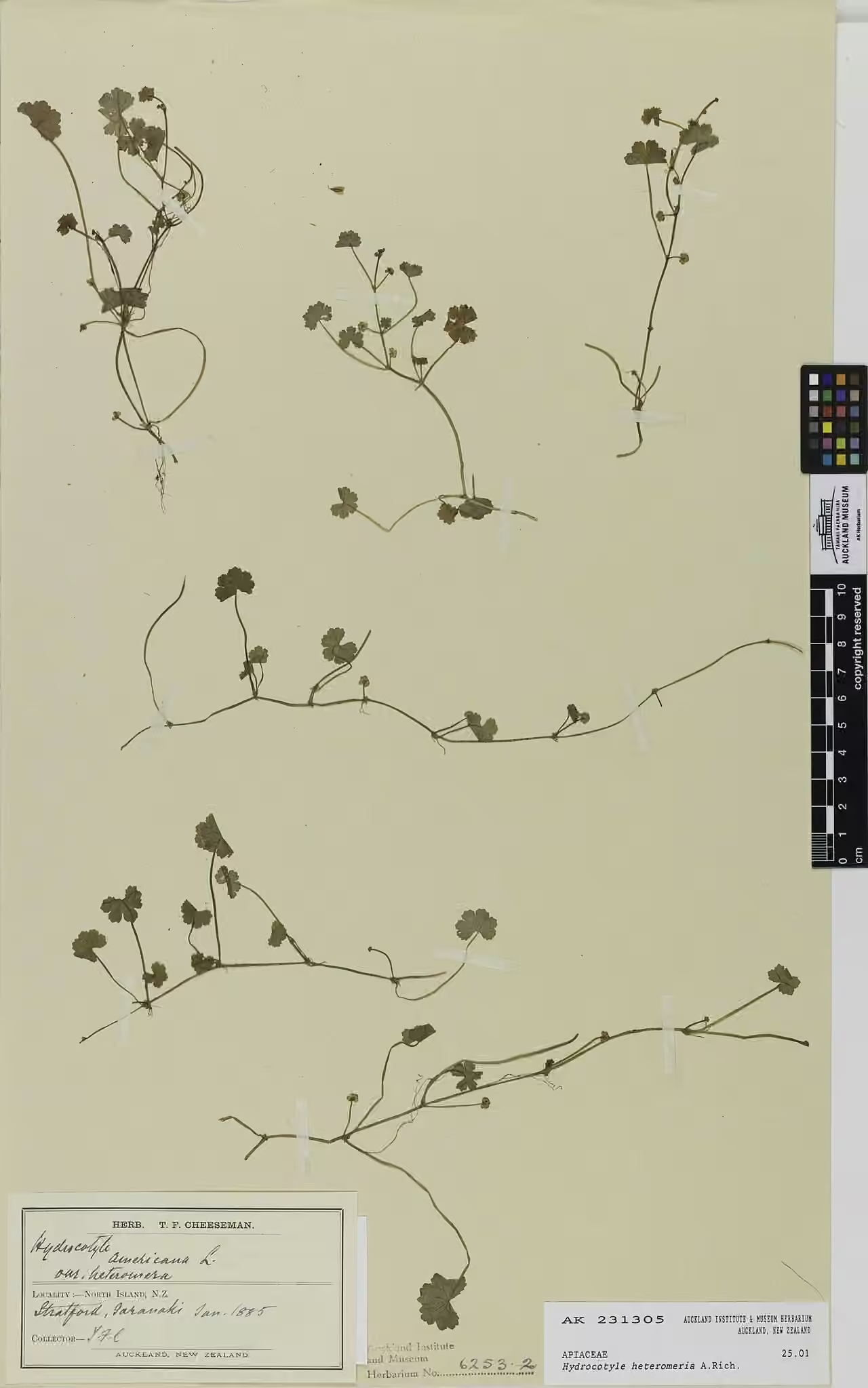
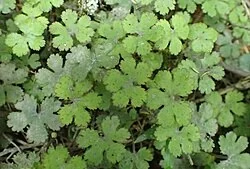
Waxweed (Hydrocotyle heteromeria), also called waxweed pennywort, is a small creeping herb endemic to New Zealand. Its delicate, pale, glossy and hairless leaves are only 5-20 mm across and shallowly cut into about five lobes, and it forms large patches of slender stems. It grows throughout the North, South, Stewart and Chatham Islands in coastal and lowland damp, shady places such as stream banks and forest margins. It is also one of the native plants that has moved into lawns and bowling greens, where many gardeners know it as a weed. Explore more native ground covers in our native plant guide.
Plant Description
Hydrocotyle heteromeria is a perennial with slender creeping stems that root as they spread, forming large, flat patches. The leaves are simple, delicate, pale glossy green and hairless, 5-20 mm in diameter, and divided only a fifth to a third of the way to the centre into usually five segments. Each segment is broadly oblong to obovate and again usually three-lobed, with rounded or sharp teeth. The waxy sheen of the leaves gives the plant its common name.
The tiny flowers sit in simple umbels of two to ten, held almost without stalks so that the peduncles are much shorter than the leaves and the flower clusters hide in the foliage. The fruits are 1.3-1.5 mm long and 1-1.3 mm wide, sharp-edged along the back, with slender, slightly raised ribs.
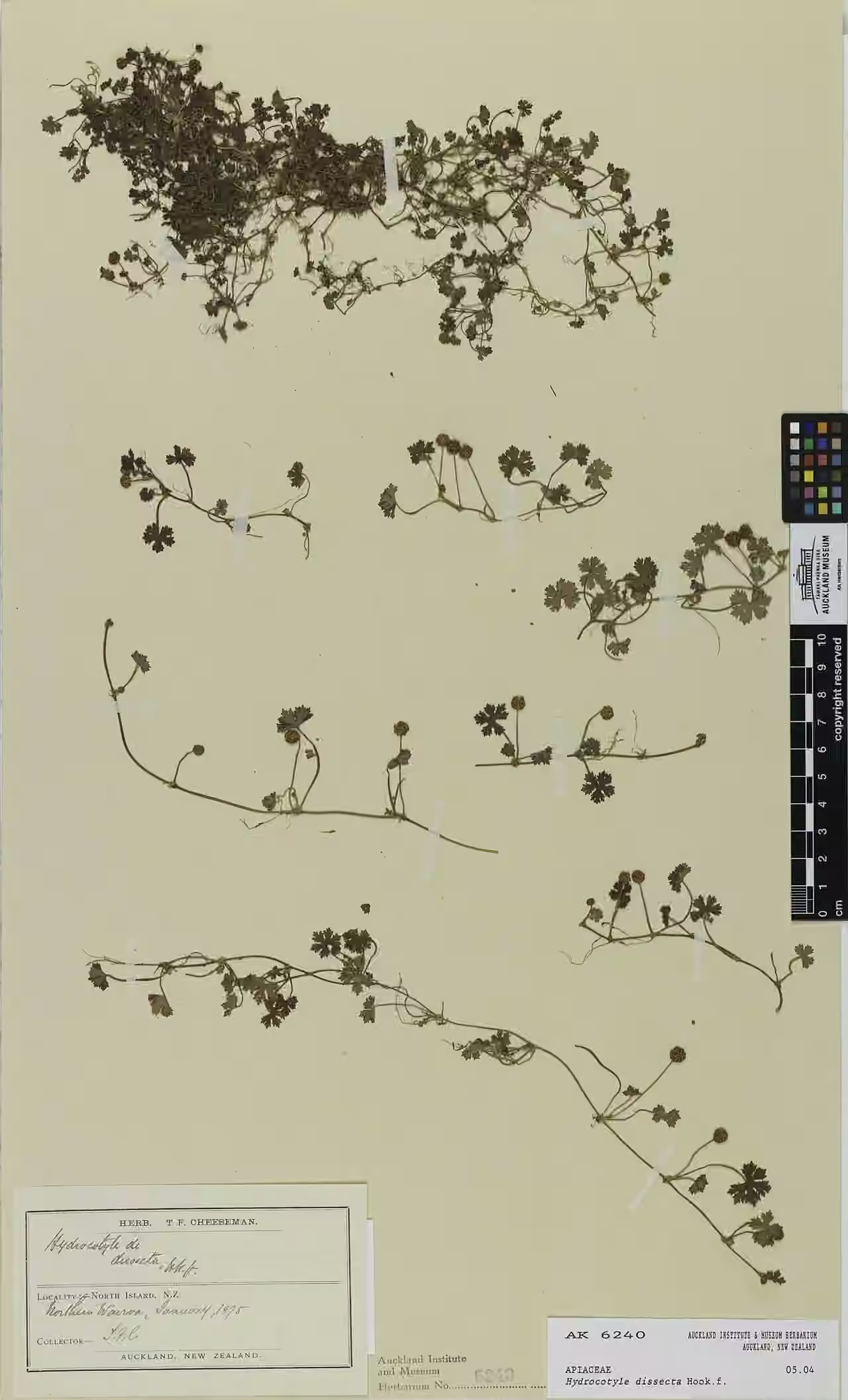
It was long confused with the North American H. americana and was named H. americana var. heteromeria by Kirk. The Flora of New Zealand separates the New Zealand plant by its thinner, smaller leaves, less erect habit and smaller fruits with less prominent ribs. Among native relatives, H. microphylla has thicker, darker glossy leaves and stalked flower clusters, and H. dissecta has hairy, much more deeply divided leaves.
Quick Facts
| Scientific Name | Hydrocotyle heteromeria |
|---|---|
| Height | Very low mat; leaves 5-20 mm across |
| Spread | Forms large patches |
| Water Needs | Damp ground |
| Light | Shade to partial shade |
| Frost Tolerance | Good in lowland conditions |
| Salt Tolerance | Some; grows in coastal sites, but tolerance not documented |
| Growth Rate | Fast in moist, mown turf |
| Lifespan | Perennial |
Climate Best Suited to
It suits mild, moist coastal and lowland climates with year-round rainfall, and thrives wherever turf or banks stay damp and shaded.
Regional Suitability
| City | Climate Suitability |
|---|---|
| Auckland | High |
| Wellington | High |
| Christchurch | Medium |
| Dunedin | High |
Plant Habitat
Waxweed is endemic to New Zealand and is recorded from the North Island, South Island, Stewart Island/Rakiura and the Chatham Islands. The Flora of New Zealand describes it as occurring throughout in coastal and lowland sites.
Its natural habitats are damp, shady places such as stream sides and forest margins. It has also adapted readily to mown turf and is a common plant of lawns and bowling greens. NZPCN classes it as facultative upland, so it is usually on damp ground rather than in true wetlands. Despite its weedy reputation, it is ranked Regionally Naturally Uncommon in Northland and Auckland.
Growing Requirements
Soil Requirements
It favours moist, fine-textured soils that stay damp, including compacted lawn soils where grass struggles.
- Damp loam or silt
- Copes with compacted, poorly drained turf
- Thrives in low-fertility lawns
Light Requirements
Shade and damp go together for this plant: it is most vigorous under trees, on south-facing banks and beside streams.
- Full to partial shade
- Tolerates sun in consistently moist lawns
- Most common in shaded, damp corners of turf
Water Requirements
It needs consistent moisture and spreads most where the soil stays wet for long periods.
- Keep soil damp if grown deliberately
- Improving drainage discourages it in lawns
- Not a plant for dry, sunny banks
Planting and Establishing
Waxweed is rarely planted deliberately, but it makes a fine natural ground cover for a shady, damp stream bank or between stepping stones under trees. Plant rooted pieces 15-20 cm apart into moist soil and they will knit together.
Where it is not wanted in a lawn, the most lasting approach is to change conditions: improve drainage, reduce shade and raise mowing height so the grass competes better.
Ecological Role
Its small, nearly stalkless flower clusters are hidden in the foliage, and pollination of this species has not been studied. NZPCN notes that Hydrocotyle mericarps are dispersed by water and wind, and in lawns, mowing also moves stem fragments around.
In the wild it is part of the low herb layer on stream banks and forest edges, helping to cover bare, damp soil. Its success in mown turf shows how some native herbs have adapted to human-made habitats.
Uses & Significance
Garden Uses
A low, fine-textured native ground cover for damp shade, and an alternative to grass where grass will not grow.
- Shady, damp lawn alternative with light foot traffic
- Between pavers and stepping stones
- Stream and pond margins under trees
Ecological Value
It covers damp, shaded ground that might otherwise be colonised by exotic weeds.
- Native ground cover on stream banks
- Binds soil in shaded damp places
- An endemic plant that persists in urban lawns
Landscaping Uses
In a native garden, a carpet of waxweed under ferns and shade-loving shrubs creates a glossy green floor. It tolerates mowing, so it can form part of a mixed native lawn in damp shade.
Keep it away from formal sports turf and bowling greens if a pure grass surface is required, as it spreads readily by creeping stems.
Seasonal Care Calendar
Spring
Fresh growth spreads quickly in damp soils as temperatures rise.
- Plant or divide patches
- Edge patches you want to contain
Summer
Tiny flowers form among the leaves; growth slows if the soil dries.
- Water in dry spells if grown deliberately
- Raise lawn mowing height in heat
Autumn
Renewed growth after autumn rain; small fruits are shed.
- Good time to plant pieces
- Improve lawn drainage if you want less of it
Winter
Evergreen and often most noticeable in wet, shaded turf.
- Little care needed
- Avoid heavy traffic on waterlogged patches
When to Prune and How Much
No pruning is needed. Regular mowing keeps it low and dense, and it recovers quickly.
Trim or pull stems that creep into beds or paths where they are not wanted.
How to Grow Waxweed
Waxweed spreads by slender creeping stems that root at intervals, so a small rooted piece will soon form a new patch. This is why it travels so easily in lawns via mowers and soil. No formal propagation guidance was found in NZPCN or the Flora of New Zealand, but division of rooted stems is simple and reliable. Its fruits, under 1.5 mm long, can also be sown. Source material from your own property or a local patch so that regional forms of this endemic plant stay intact.
By Division
Rooted runners transplant easily, especially in cool, damp weather.
Pieces taken in spring or autumn root fastest, while those moved in midsummer need extra watering to avoid wilting.
- Lift a small square of the mat with a trowel, keeping soil around the roots
- Separate it into pieces each carrying several leaves and roots
- Plant into moist, shaded soil at the same depth
- Water in and keep damp for two to three weeks
- Allow the pieces to knit together before walking on them
From Seed
The flower clusters are hidden among the leaves and produce very small fruits, so collecting seed takes patience.
- Look for ripe brown fruits at the base of the leaves in summer and autumn
- Sow on the surface of a fine, moist seed mix
- Keep the tray shaded and damp
- Pot on seedlings once they have several leaves
- Be patient, as germination behaviour of this species has not been documented
Pests & Diseases
No important pests or diseases are recorded on waxweed. Slugs and snails may nibble leaves in very damp spots.
In lawns it is more often treated as the pest. Because it is a native endemic species, consider whether removal is really necessary; in damp shade it is often a better ground cover than struggling grass.
Cultural Significance
No Māori name or traditional use for Hydrocotyle heteromeria was found in the sources consulted, so none is given here.
The species was described by the French botanist Achille Richard, and the authority A.Rich. is still attached to its name. Its common name waxweed refers to the waxy, glossy look of the leaves, and the Flora of New Zealand singles it out as a common plant of lawns and bowling greens.
Bonus Tip
If waxweed is invading a lawn, check the conditions before reaching for a spray: it is a sign of shade, damp and compaction. Aerating, improving drainage and letting in more light will tip the balance back to grass more lastingly than any herbicide.
Related Plants
Explore other native plants that share similar characteristics or habitats with Waxweed (Hydrocotyle heteromeria), offering further insights into New Zealand's diverse flora. These related species provide context and opportunities for complementary planting in your garden.
Kāretu
Anthoxanthum redolens
Hoheria ovata
Hoheria ovata
Hydrocotyle dissecta
Hydrocotyle dissecta
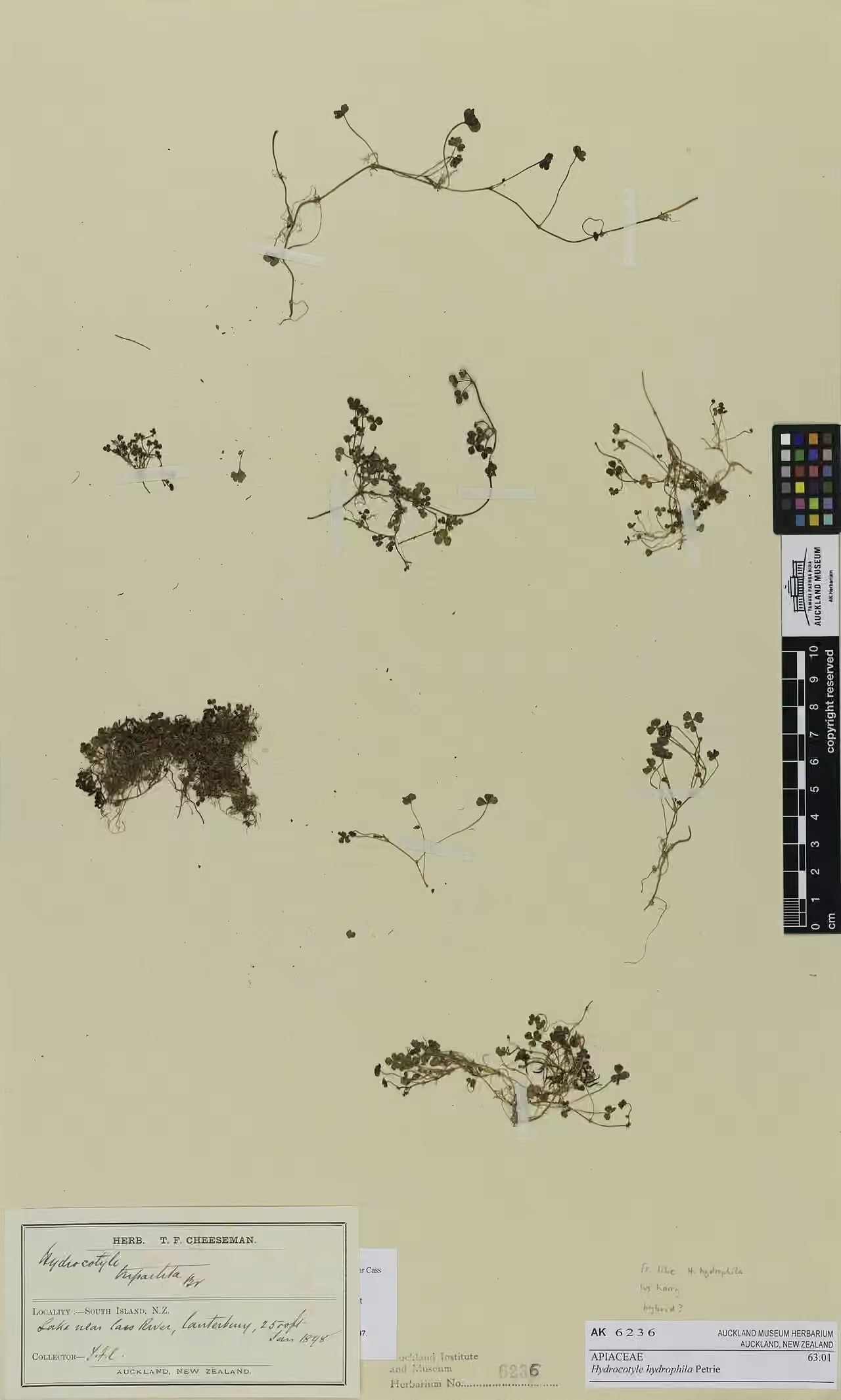
Hydrocotyle hydrophila
Hydrocotyle hydrophila
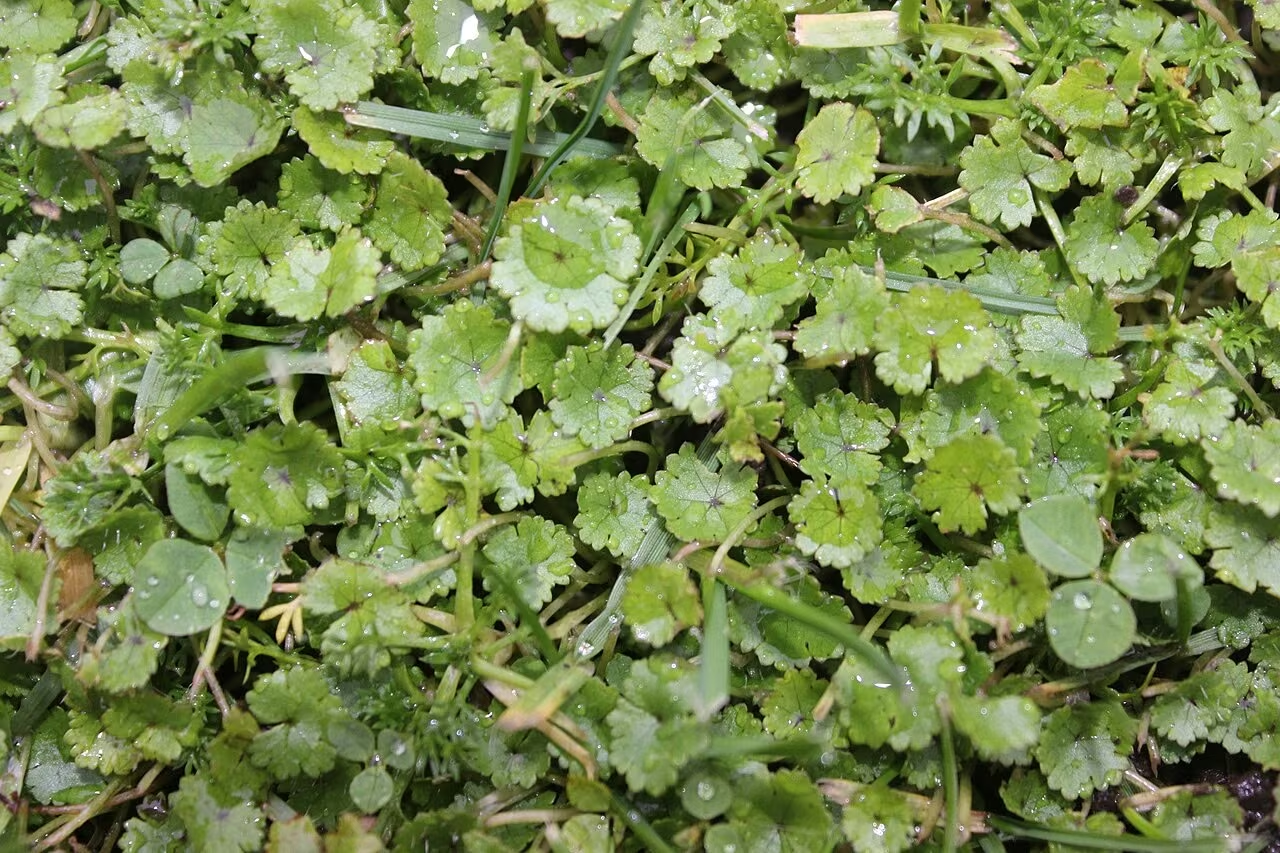
Hydrocotyle microphylla
Hydrocotyle microphylla
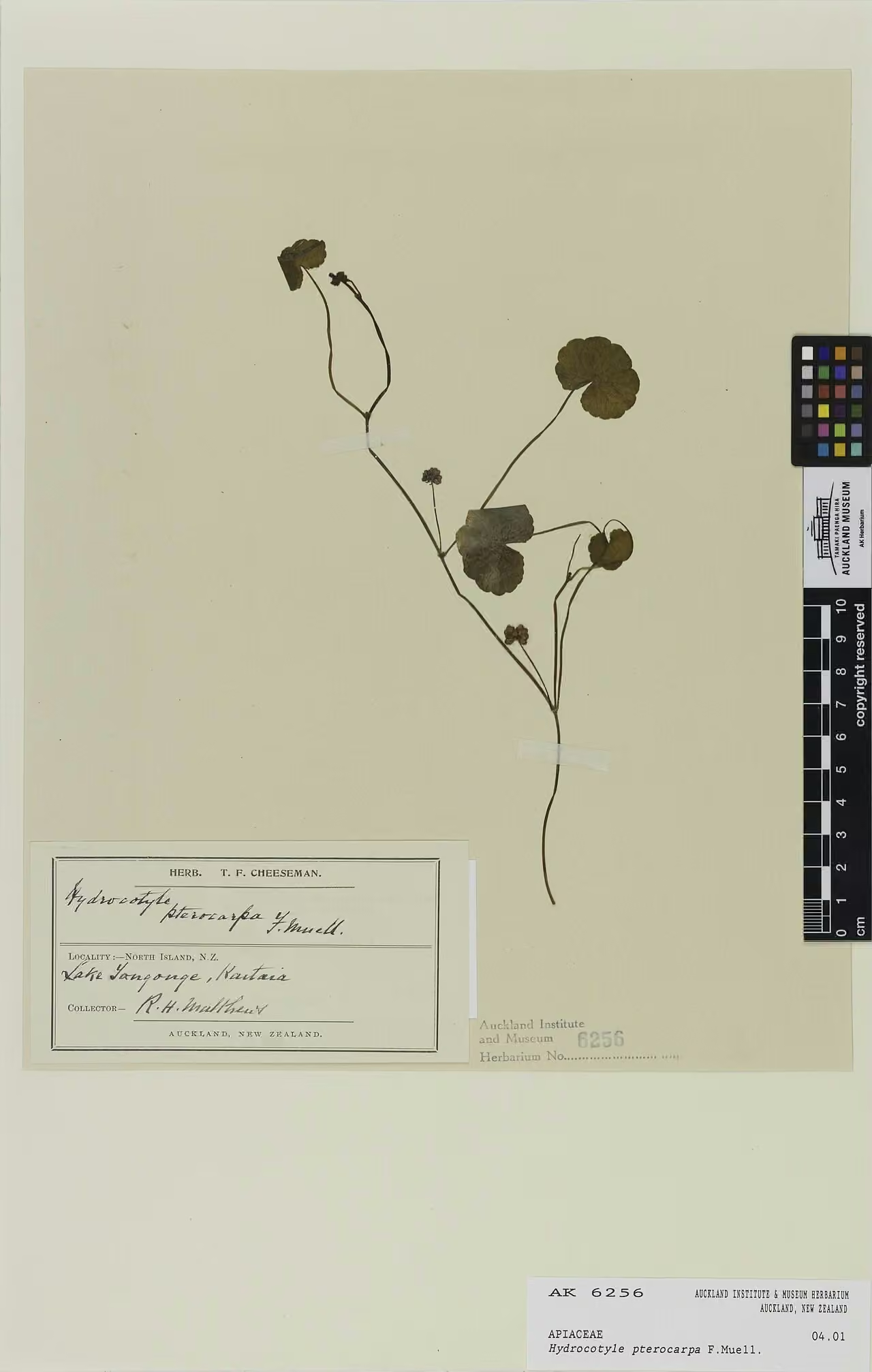
Hydrocotyle pterocarpa
Hydrocotyle pterocarpa
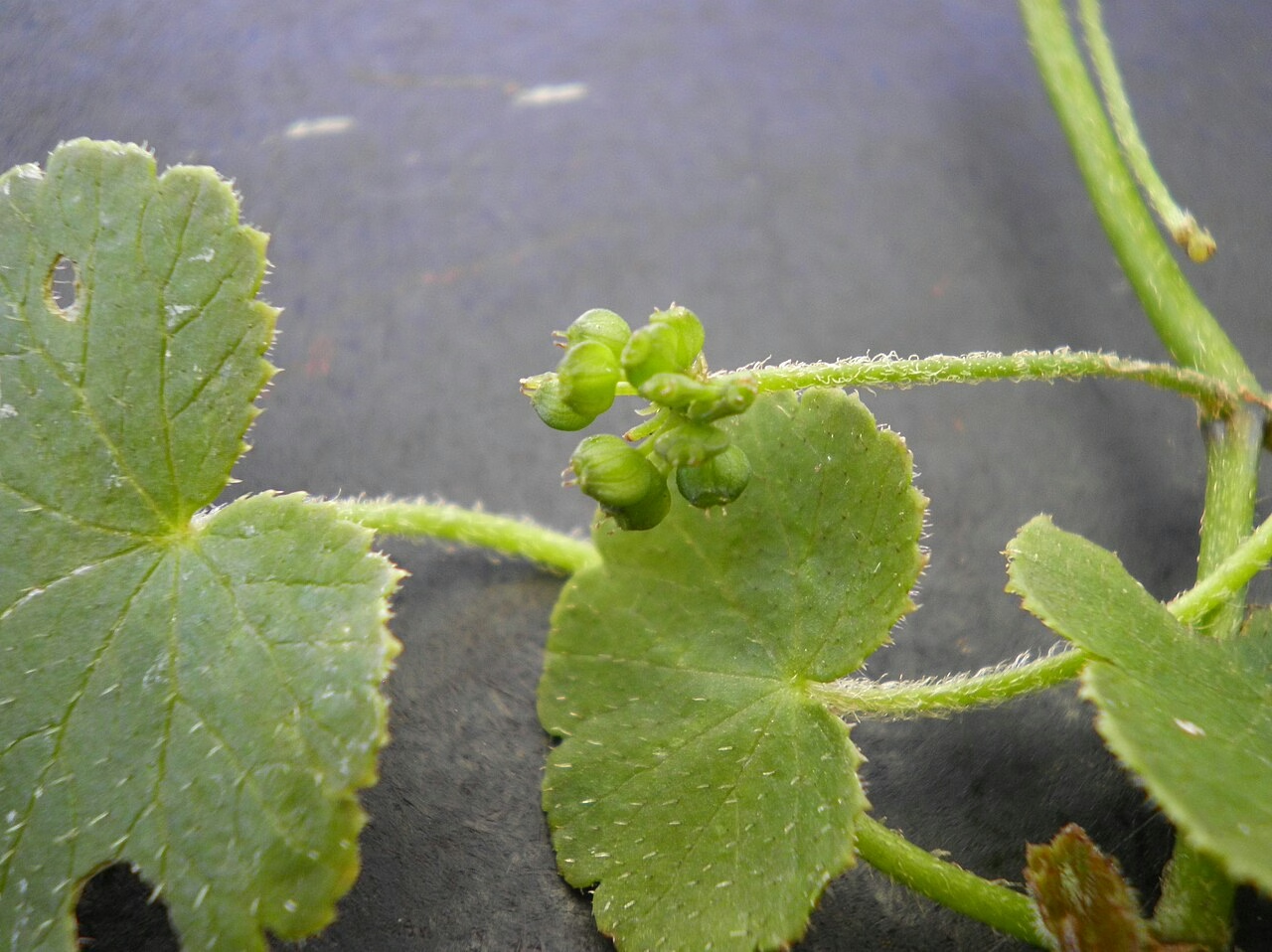
Hydrocotyle robusta agg
Hydrocotyle robusta agg
Trailing Pennywort
Trailing Pennywort
Plant Conservation
Hydrocotyle heteromeria has been ranked Not Threatened in every national assessment from 2004 to 2023. Regionally it is Naturally Uncommon in Northland and Auckland, where Auckland's listing carries a data-poor qualifier, and Not Threatened in Otago and Wellington.
Because it is so widespread and adapted to lawns, it faces no serious national threat. Keeping native herbs on stream margins and forest edges, rather than replacing them with exotic weeds, helps maintain its wild populations.
Frequently Asked Questions
What is waxweed in a New Zealand lawn?
Waxweed is Hydrocotyle heteromeria, a native creeping pennywort with small, glossy, hairless lobed leaves. The Flora of New Zealand notes it is a common weed of lawns and bowling greens as well as growing wild in damp, shady places.
Is waxweed native to New Zealand?
Yes. Hydrocotyle heteromeria is endemic to New Zealand. It was once treated as a variety of the American H. americana, but the New Zealand plant has thinner, smaller leaves, a less erect habit and smaller fruits.
How do you tell waxweed from Hydrocotyle microphylla?
Waxweed has thin, delicate, pale green leaves and almost stalkless flower clusters. H. microphylla has thicker, darker glossy leaves and flower clusters held on stalks about as long as the leaves.
Sources and Further Reading
The botanical, growing, and conservation details for Waxweed (Hydrocotyle heteromeria) on this page draw on the New Zealand plant references below. Consult them for full technical records and the latest distribution data.