Lacebark
Hoheria ovata
Last updated:
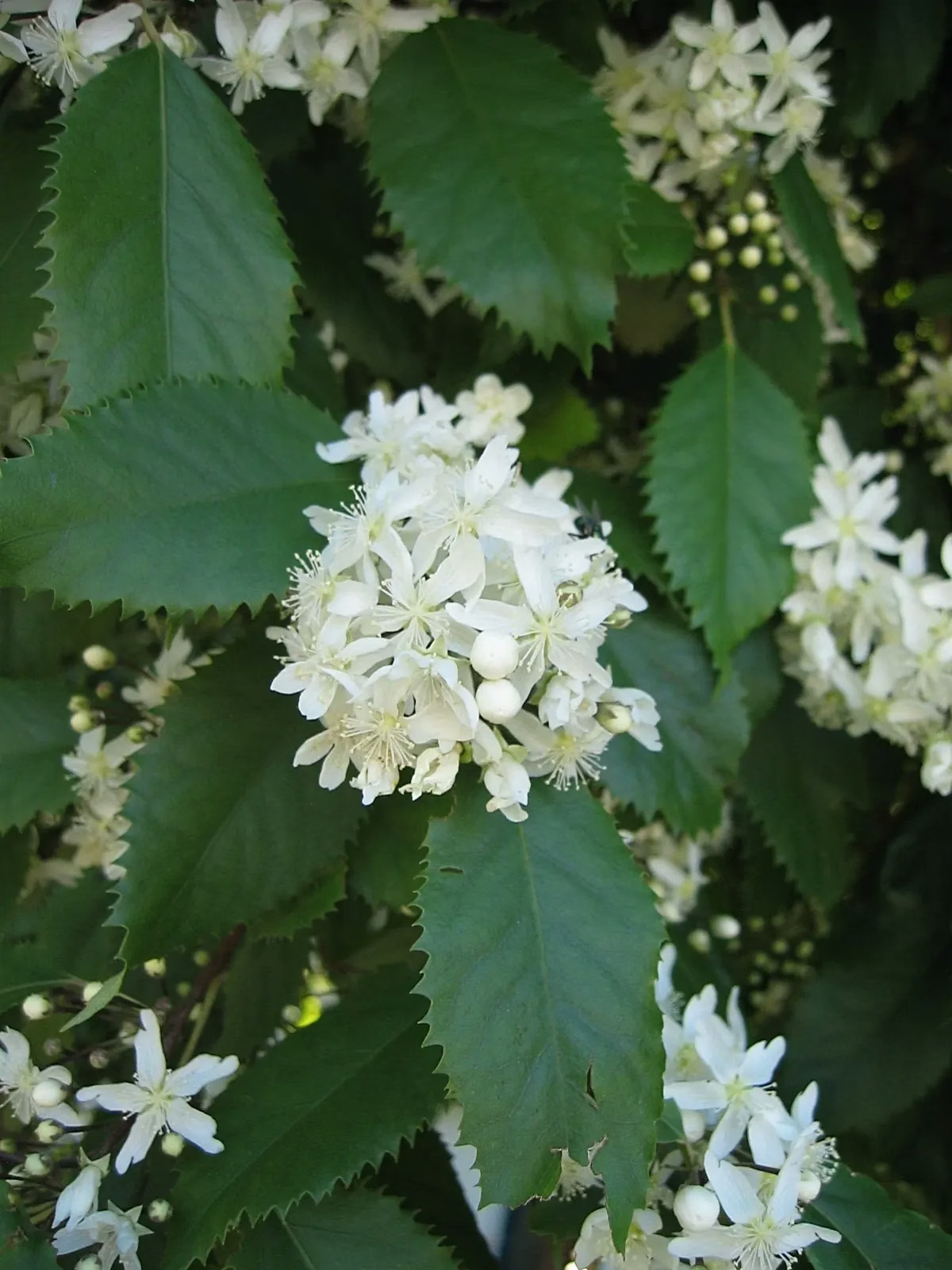
Hoheria ovata is an endemic lacebark, a much-branched, spreading small tree up to about 6 m tall with a domed crown. It grows only on the West Coast of the South Island, from North West Nelson to at least Greymouth, where it favours calcareous rock such as marble, limestone and dolomite. Its thick, fleshy, deeply toothed leaves are smaller than those of houhere (Hoheria populnea), but its white flowers are much larger, 2-3 cm across, and appear over a long season from December to March. It is ranked Not Threatened. Explore more New Zealand native trees in our native plant guide.
Plant Description
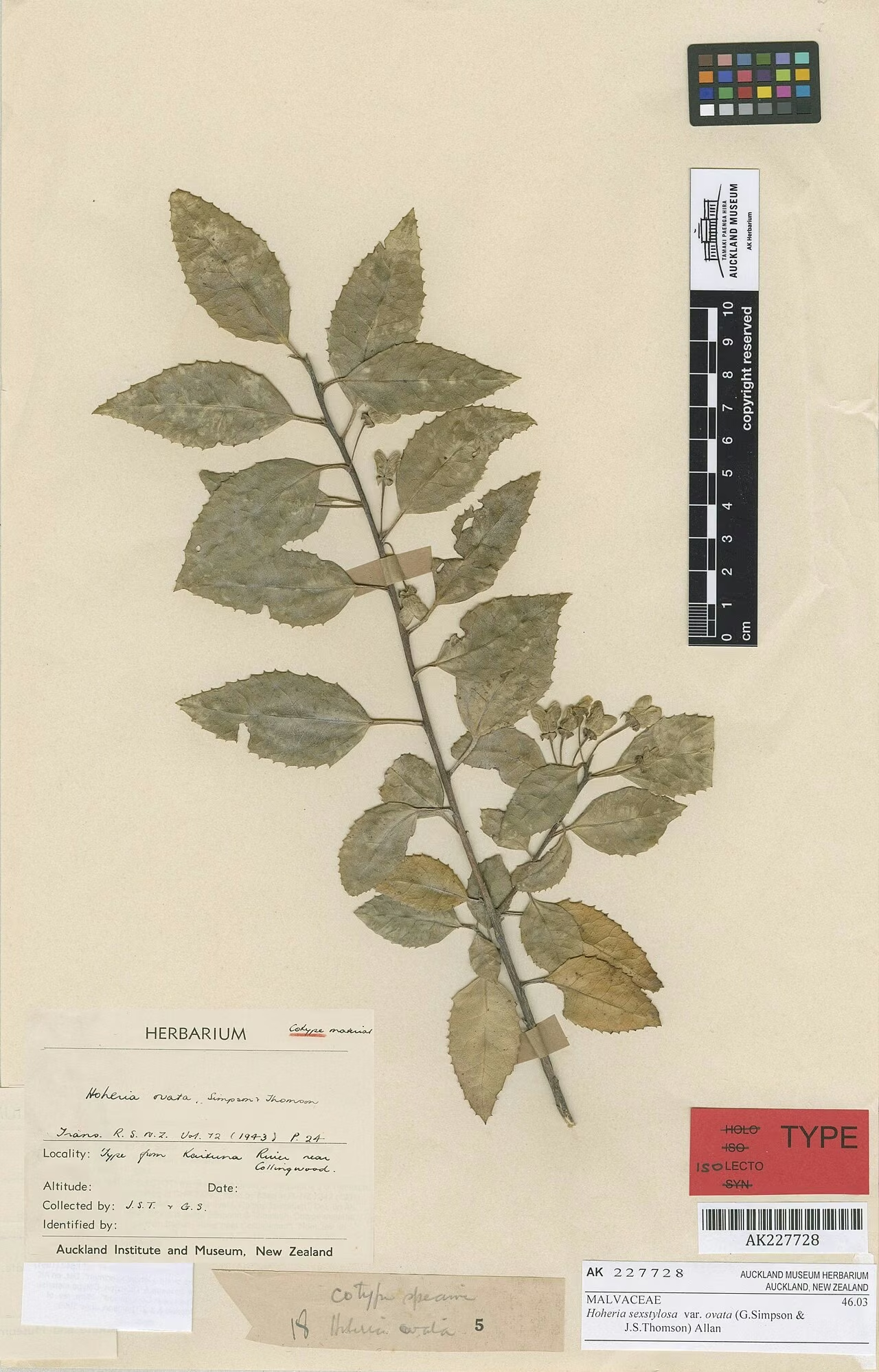
Hoheria ovata is a much-branched, spreading tree up to about 6 m tall with a domed canopy. The plant is smooth or nearly so apart from prominent star-shaped (stellate) hairs on the young stems. Juvenile leaves are broadly ovate and about 1-5 cm long, while adult leaves are thick, leathery and somewhat fleshy, ovate to broadly ovate, about 50-80 mm long and 20-40 mm wide, with deeply serrate-toothed margins.
The white flowers are large for a lacebark, about 20-30 mm across, borne singly or in small clusters of three to five in the leaf axils. Flowering runs from December to March, and the fruit, made up of five to eight semicircular winged segments (mericarps), ripens from February to May.
It most resembles small forms of houhere (H. populnea), but has smaller, thicker leaves, much larger flowers and a longer flowering season. It also closely resembles hybrids between H. populnea and H. sexstylosa, and NZPCN notes that further molecular work is needed to clarify these relationships.
Quick Facts
| Scientific Name | Hoheria ovata |
|---|---|
| Height | Up to 6 m |
| Spread | Spreading, domed crown |
| Water Needs | Moderate; tolerates dry rocky sites once established |
| Light | Full sun to partial shade |
| Frost Tolerance | Moderate; suits mild lowland to montane climates |
| Salt Tolerance | Not recorded; an inland limestone species |
| Growth Rate | Moderate; slower than other lacebarks |
| Lifespan | Perennial (long-lived tree) |
Climate Best Suited to
A mild, wet West Coast climate with high rainfall and relatively few hard frosts, from lowland to montane altitudes.
Regional Suitability
| City | Climate Suitability |
|---|---|
| Auckland | High |
| Wellington | High |
| Christchurch | Medium |
| Dunedin | Medium |
Plant Habitat
Hoheria ovata is endemic to the South Island and is confined to the West Coast, from North West Nelson south to at least Greymouth. Its range takes in the limestone and marble country of this region.
It grows from lowland to montane altitudes, typically on calcareous rocks such as marble, limestone, dolomite and calcareous sand. It favours cliff faces, talus slopes and rock outcrops, and is less often found in disturbed riparian forest and at forest margins.
Growing Requirements
Soil Requirements
In the wild it grows on thin soils over limestone, marble and other calcareous rock, which are free-draining and alkaline.
- Free-draining soil, ideally over limestone or with added lime chips
- Tolerates thin, rocky soils
- Avoid waterlogged clay
Light Requirements
On cliffs and rock outcrops it receives good light, but it also grows at shaded forest margins.
- Full sun for the best flowering
- Tolerates partial shade
- Shelter from strong cold winds helps young trees
Water Requirements
Its West Coast home is wet, but the rocky sites it occupies drain very quickly.
- Water regularly while establishing
- Mulch to keep roots cool
- Ensure excellent drainage in wet climates
Planting and Establishing
Plant in autumn or spring in a sunny or lightly shaded position with free-draining soil. On acidic soils, mixing in some crushed limestone mimics its natural habitat, although this is not essential for most lacebarks.
Allow room for the spreading, domed crown. Stake young trees in windy sites, and keep grass and weeds clear of the root zone for the first few years.
Ecological Role
The large white flowers produce nectar and pollen over a long season from December to March, supporting native bees, flies and other insects. The winged fruit segments are dispersed by wind.
On limestone cliffs and talus slopes it is one of the woody plants able to colonise bare, broken rock, providing shade and leaf litter that help other forest plants establish.
Uses & Significance
Garden Uses
A compact flowering tree for small gardens, with a long summer display of large white flowers.
- Specimen tree for small gardens
- Limestone and rock gardens
- Mixed native shelter and bird-friendly plantings
Ecological Value
A regionally distinctive endemic tree of West Coast calcareous landscapes.
- Long-season nectar source for insects
- Colonises cliffs and talus slopes
- Contributes to limestone forest margin diversity
Landscaping Uses
Use Hoheria ovata as a small feature tree where its domed crown and large white flowers can be appreciated, for example beside a patio or in a native border. Its flowering from December to March extends the display beyond many other lacebarks.
It also suits planting against or above limestone walls and rock features, echoing the cliff habitats where it grows naturally.
Seasonal Care Calendar
Spring
New growth begins, with young shoots covered in star-shaped hairs.
- Plant new trees
- Apply mulch around the base
Summer
Flowering starts in December and continues through summer, with large white flowers along the branches.
- Water young trees in dry spells
- Enjoy the long flowering season
Autumn
Flowering ends around March, while winged fruits ripen from February to May.
- Collect fresh seed
- Lightly shape the tree after flowering
Winter
Growth slows over the cool, wet months.
- Check stakes and ties
- Protect very young plants from hard frost
When to Prune and How Much
Hoheria ovata naturally forms a domed, well-branched crown and needs little pruning. Remove dead, damaged or crossing branches in late summer or autumn after flowering.
Young trees can be lightly tip-pruned to encourage a bushier shape, or lower branches removed gradually to lift the crown.
How to Grow Lacebark
NZPCN states that Hoheria ovata is easy to raise from fresh seed, although it grows somewhat more slowly than H. populnea or H. sexstylosa. Lacebarks hybridise readily, so seed collected from garden trees growing near other Hoheria species may produce hybrid seedlings. For restoration on the West Coast, collect seed from wild trees within the same area, with permission from the landowner or the Department of Conservation. Cuttings are a useful alternative for keeping a particular plant true to type, although no species-specific cutting protocol was found and the method below follows general lacebark practice.
From Seed
Collect the winged fruit between February and May when it turns brown and dry. Sow fresh for the best results.
Expect seedlings to grow a little more slowly than other lacebarks in the first few years.
- Pick ripe fruit clusters and break them into individual winged segments
- Sow on the surface of a free-draining seed mix and cover lightly
- Keep moist in a sheltered, bright place
- Prick out seedlings into individual pots when they have true leaves
- Grow on for a year or two before planting out
From Cuttings
Semi-hardwood cuttings of other lacebarks root reasonably well, and the same approach can be tried with this species.
- Take 10-15 cm semi-hardwood cuttings in late summer
- Remove the lower leaves and reduce large leaves by half
- Dip in rooting hormone and insert into a free-draining mix
- Keep humid and shaded until rooted
Pests & Diseases
No pests specific to Hoheria ovata are recorded. Lacebarks in general can be browsed by possums and deer, and leaves may be chewed by insect larvae.
In gardens, scale insects and leaf spot fungi occasionally occur. Good drainage and an open position help keep trees healthy.
Cultural Significance
No traditional Māori use is recorded specifically for Hoheria ovata in the sources consulted. The genus name Hoheria is a Latinised form of the Māori name houhere, which refers to the related H. populnea and H. glabrata.
The species was described by George Simpson and J. Scott Thomson in 1942. H.H. Allan later reduced it to a variety of Hoheria sexstylosa, but it is now again treated as a species in its own right.
Bonus Tip
If you want a lacebark that flowers for a long time, Hoheria ovata is worth seeking out: its flowers are larger than those of houhere and it keeps flowering from December into March. Grow it in free-draining soil in full sun to get the best display.
Related Plants
Explore other native plants that share similar characteristics or habitats with Lacebark (Hoheria ovata), offering further insights into New Zealand's diverse flora. These related species provide context and opportunities for complementary planting in your garden.
Grass Lily
Herpolirion novae zelandiae
Anthoxanthum recurvatum
Anthoxanthum recurvatum
Kāretu
Anthoxanthum redolens
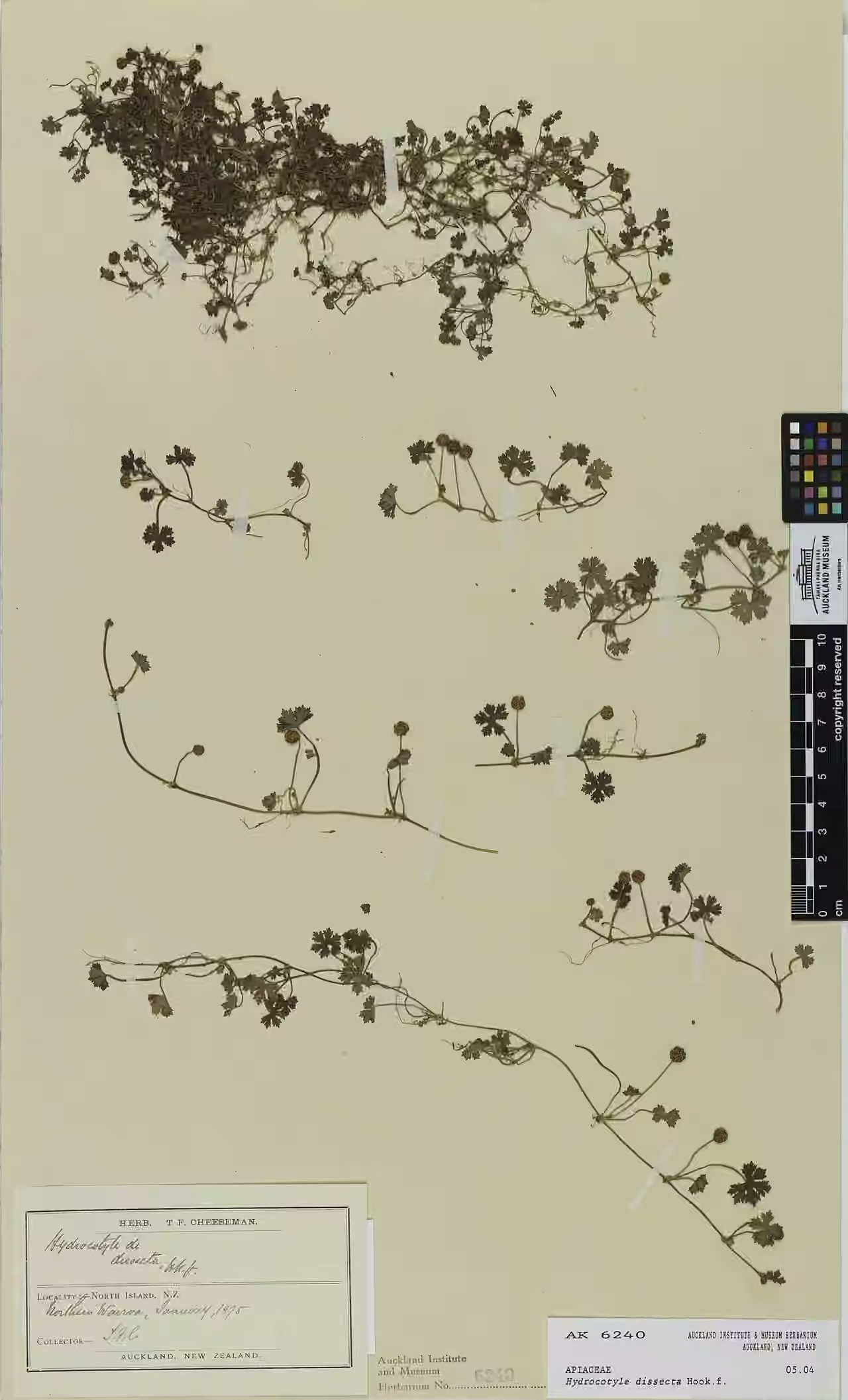
Hydrocotyle dissecta
Hydrocotyle dissecta
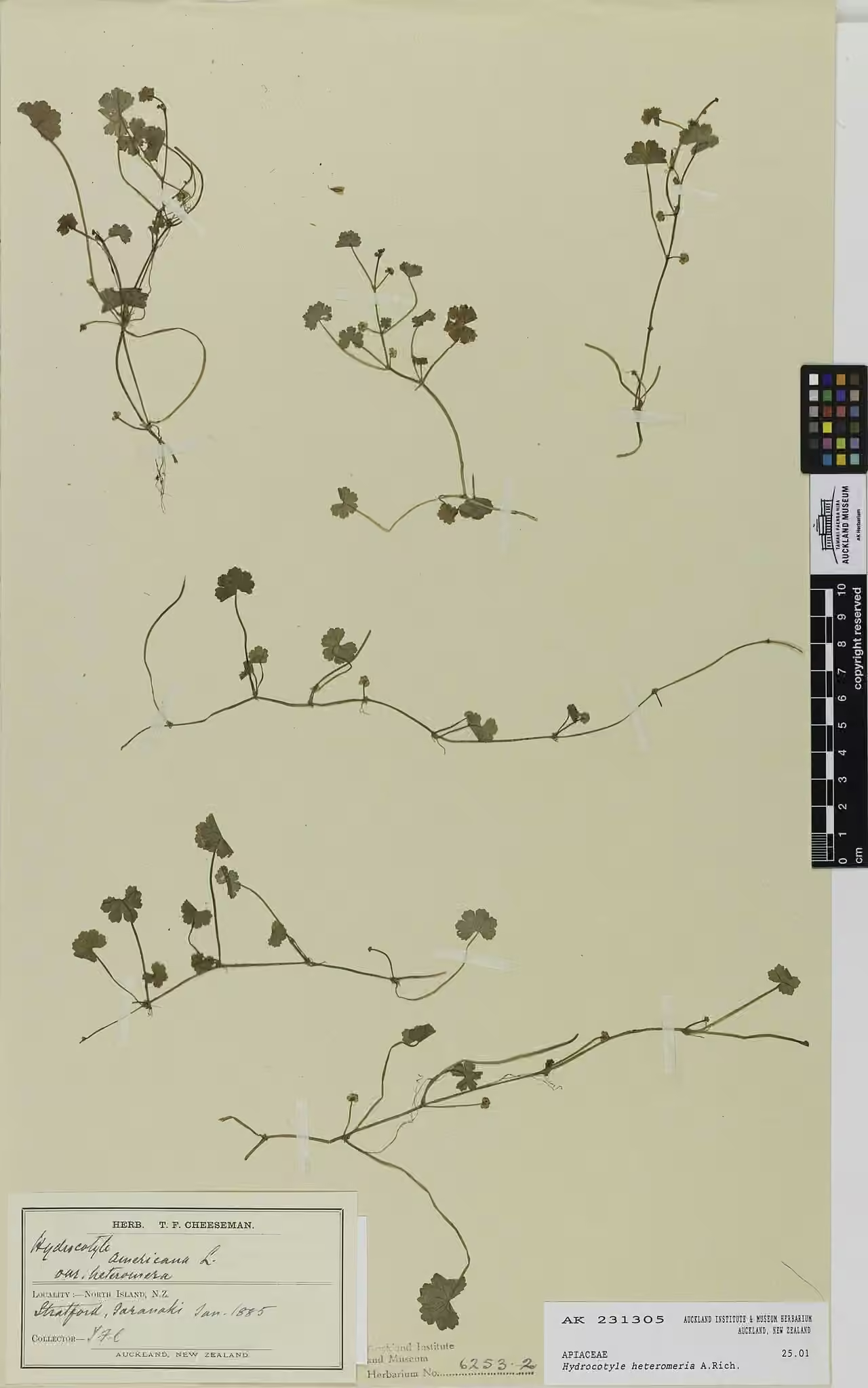
Waxweed
Hydrocotyle heteromeria
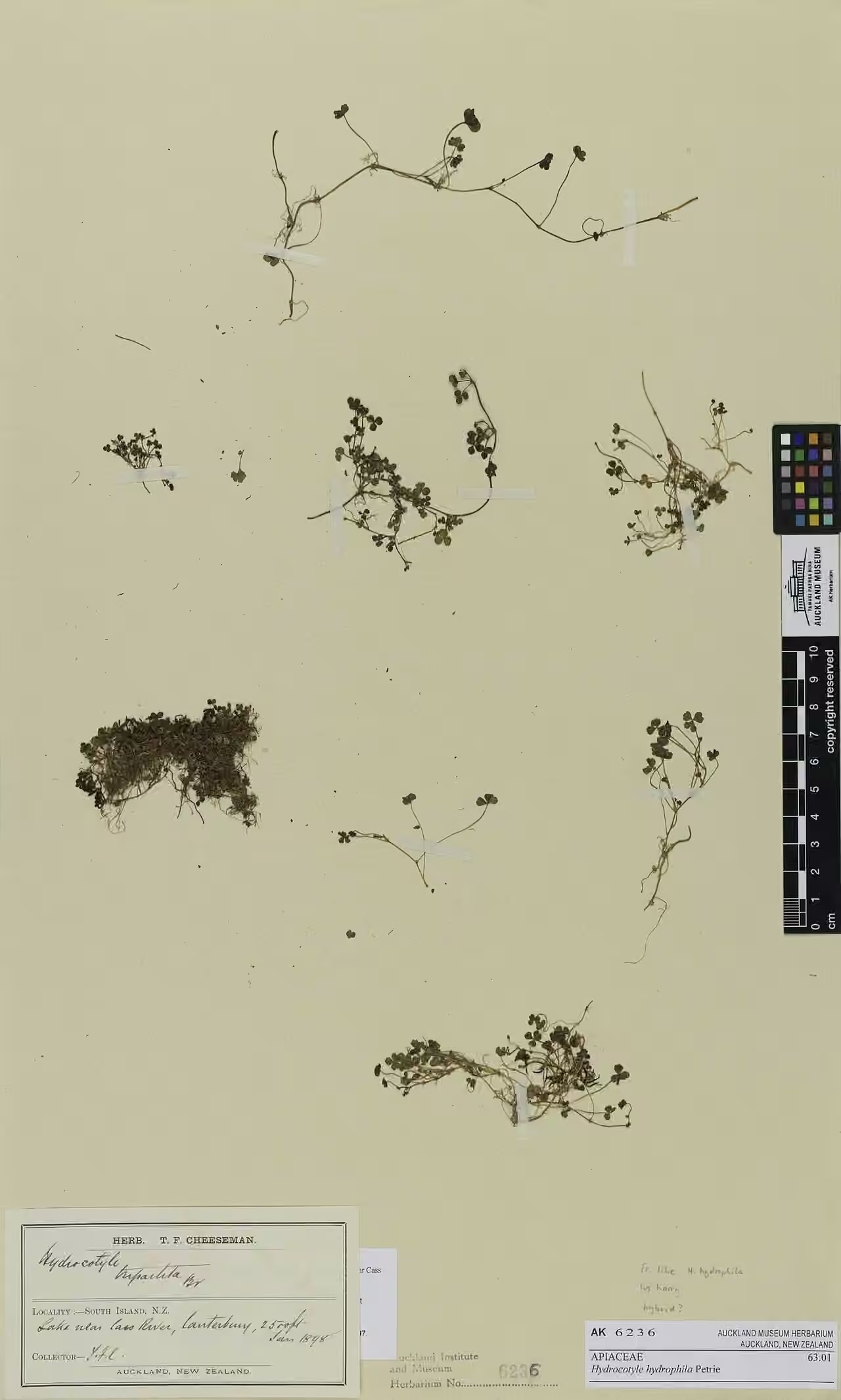
Hydrocotyle hydrophila
Hydrocotyle hydrophila
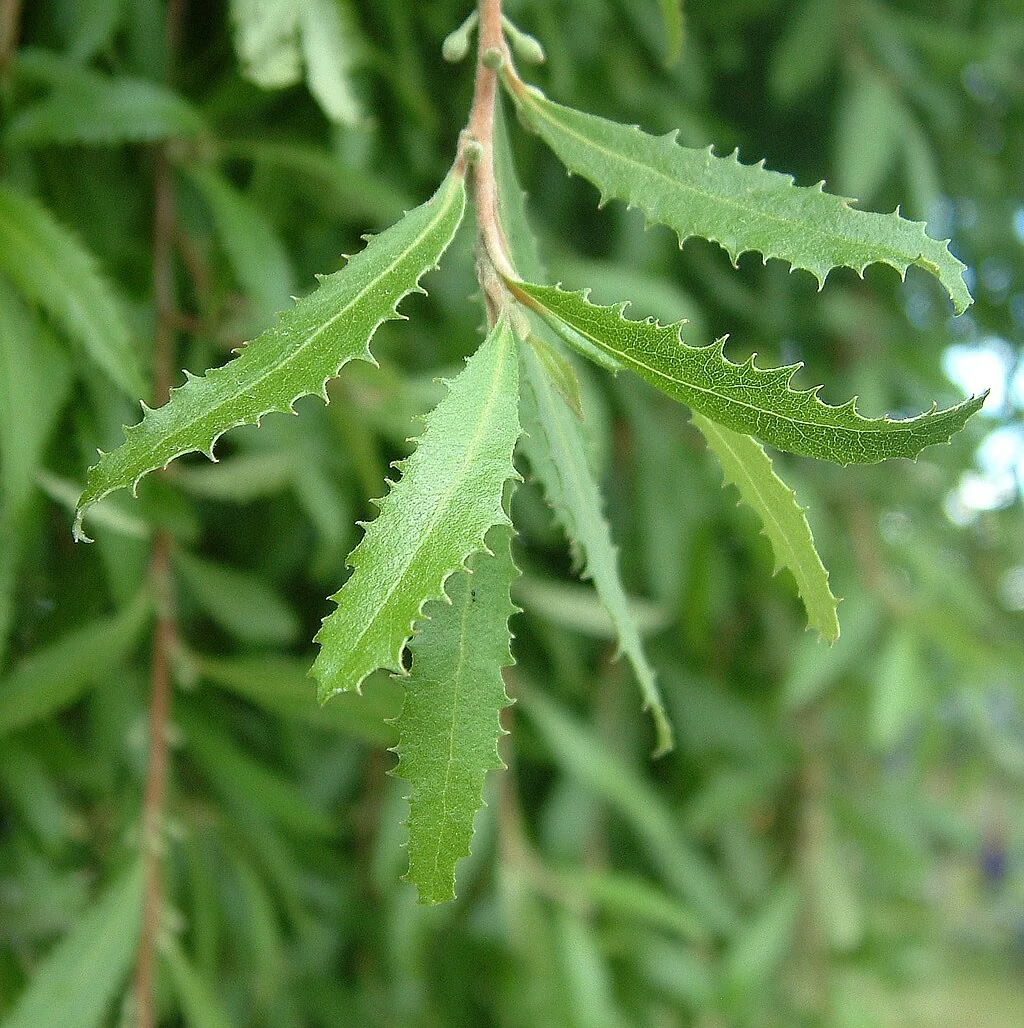
Narrow-Leaved Lacebark
Narrow-Leaved Lacebark
Poor Knights Houhere
Poor Knights Houhere
Plant Conservation
Hoheria ovata is ranked Not Threatened (2023). Its preferred cliffs, talus slopes and rock outcrops are difficult to develop, and much of the West Coast is public conservation land.
Browsing by possums, deer and goats can affect regeneration of lacebarks, so animal pest control in its limestone habitats benefits this species. It is not commercially available, so growing it from locally collected seed helps keep it represented in West Coast plantings.
Frequently Asked Questions
How is Hoheria ovata different from Hoheria populnea?
Hoheria ovata resembles small forms of H. populnea but has smaller, thicker leaves, much larger flowers, a longer flowering season and prominent star-shaped hairs on its young stems.
Where does Hoheria ovata grow naturally?
It is found only on the West Coast of the South Island, from North West Nelson to at least Greymouth, mostly on limestone, marble, dolomite and calcareous sand, on cliffs, talus slopes and rock outcrops.
When does Hoheria ovata flower?
It flowers from December to March, a longer season than related lacebarks, and the winged fruits ripen from February to May.
Can you grow Hoheria ovata from seed?
Yes. NZPCN says it is easy to grow from fresh seed, although it is somewhat slower growing than Hoheria populnea or Hoheria sexstylosa.
Sources and Further Reading
The botanical, growing, and conservation details for Lacebark (Hoheria ovata) on this page draw on the New Zealand plant references below. Consult them for full technical records and the latest distribution data.