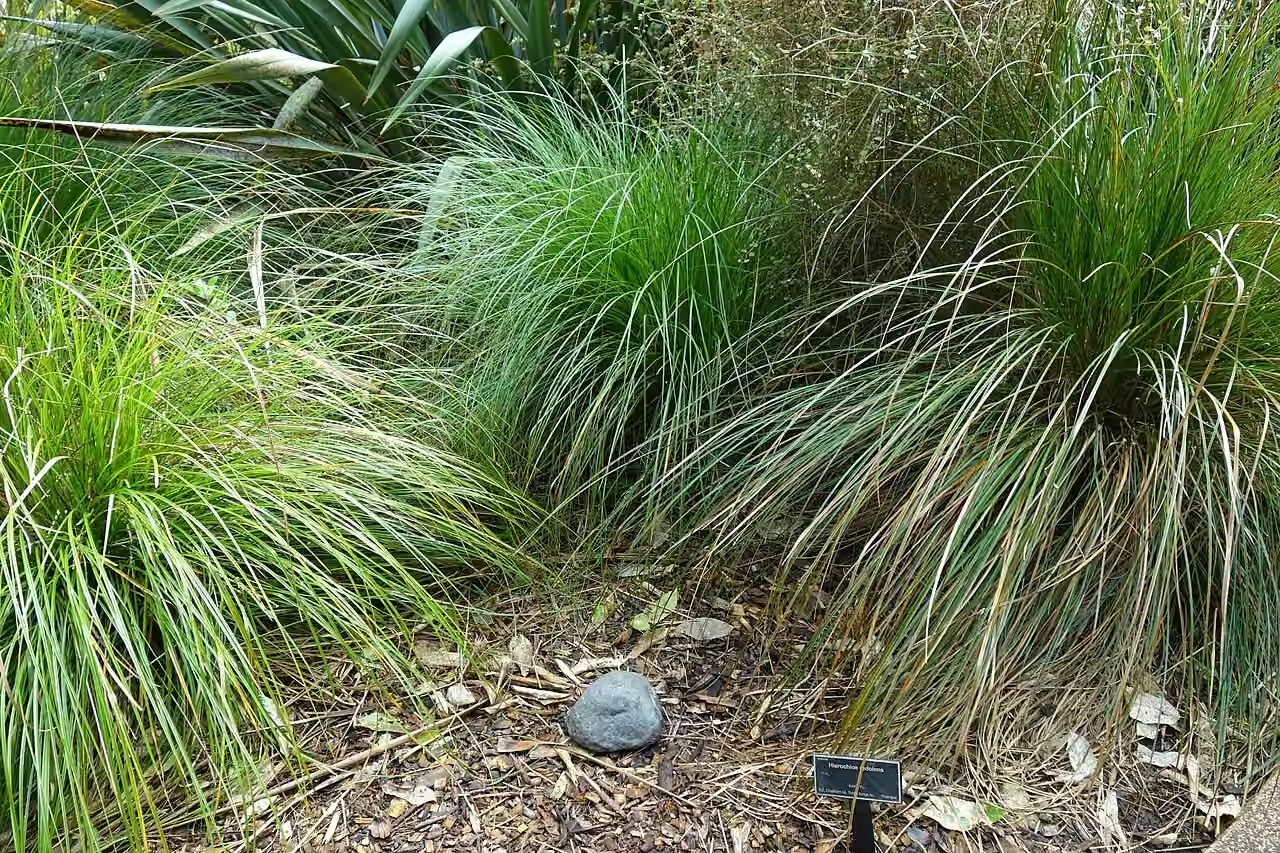
Kāretu
Anthoxanthum redolens
Last updated:
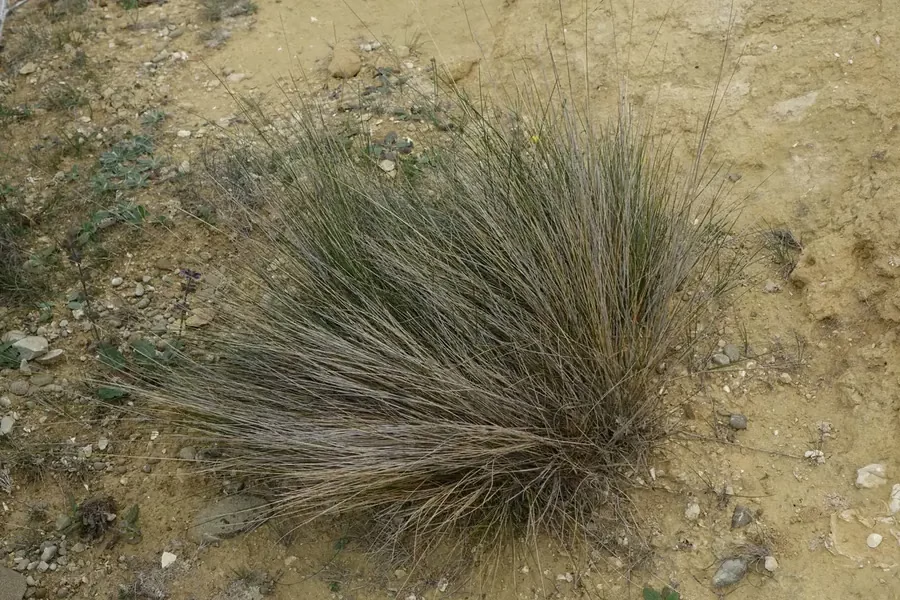
Kāretu, Anthoxanthum redolens (now Anthoxanthum redolens), is a robust, sweet-scented native grass known in English as holy grass. It forms loose tufts with leaves up to 70 cm long and flowering stems to 1.3 m, topped by panicles 20-30 cm long with clearly awned florets. It grows in tussock grassland, especially damp sites, through much of the North Island (rare north of Rotorua), the South Island, the Chatham Islands and the Three Kings Islands, and also in Australia, New Guinea and South America. Māori treasured its fragrance, plaiting the leaves into scented belts and headbands and strewing it in living spaces. It was previously known as Hierochloe redolens. Explore more native grasses and flaxes in our native plant guide.
Plant Description
Kāretu is a robust perennial grass forming lax, loose tufts. The leaves are long and fairly broad, up to about 70 cm long and 5-12 mm wide, and give off a sweet, hay-like scent, especially when crushed or dried.
The flowering stems reach up to 1.3 m and carry a large, open panicle 20-30 cm long. Each spikelet has two male florets with slender, more or less straight awns 3.5-6 mm long, inserted near the base of the lemma, around a central bisexual floret. Wikipedia notes that New Zealand plants have bisexual upper florets, whereas in South American plants the upper florets are female with sterile anthers.
The combination of scented leaves and clearly awned florets separates kāretu from the other native Anthoxanthum species, which have shorter or hidden awns, and from the introduced tall fescue, a common lookalike in pasture and roadside grassland.
Quick Facts
| Scientific Name | Anthoxanthum redolens |
|---|---|
| Height | Leaves to 70 cm; flowering stems to 1.3 m |
| Spread | Forms loose, lax tufts |
| Water Needs | Moderate to high; prefers damp soil |
| Light | Full sun |
| Frost Tolerance | Hardy; reaches subalpine grassland |
| Salt Tolerance | Not recorded for New Zealand plants |
| Growth Rate | Moderate |
| Lifespan | Perennial |
Climate Best Suited to
A cool, moist temperate climate. It is most common from the central North Island southwards and becomes rare in the warm, humid north.
Regional Suitability
| City | Climate Suitability |
|---|---|
| Auckland | Low |
| Wellington | High |
| Christchurch | High |
| Dunedin | High |
Plant Habitat
Kāretu is indigenous to New Zealand, where NZPCN records it throughout the North Island (uncommon north of Rotorua), the South Island and the Chatham Islands, and on the Three Kings Islands. Overseas it occurs in south-eastern Australia including Tasmania, New Guinea, and southern South America from the Andes to Tierra del Fuego and the Falkland Islands.
It grows in tussock grassland, from lowland to subalpine areas, and is often found in damp places such as wet grassland and stream sides. In Otago it was noted in the 1860s as one of the high-quality native pasture grasses.
Growing Requirements
Soil Requirements
It prefers moist, reasonably fertile soils in open grassland.
- Moist loam or silty soil
- Tolerates heavier, damp soils
- Avoid very dry, sandy sites
Light Requirements
As a grassland species it needs open, sunny conditions to grow and flower well.
- Full sun
- Open site with good air movement
- Not suited to shade under trees
Water Requirements
Kāretu is most often found in damp sites and grows best with reliable moisture.
- Water regularly in dry summers
- Suits the edges of damp swales and wetlands
- Mulch to retain soil moisture
Planting and Establishing
Plant in autumn or spring into moist, open ground, spacing plants about 50 cm apart for a meadow-style drift. Water well after planting.
For a fragrance garden, plant it near a path where passers-by can brush the leaves. In restoration, use stock grown from seed collected nearby.
Ecological Role
Kāretu is wind pollinated, and NZPCN records its florets as dispersed by both water and wind. Wikipedia notes that kākāpō feed on it, and that in the Falkland Islands Magellanic penguins use it to line their nesting burrows.
In tussock grassland it forms part of the mix of tall grasses and herbs that provides cover and food for insects. Its decline in northern New Zealand reflects the loss of damp native grasslands there.
Uses & Significance
Garden Uses
Valued for its fragrance and cultural significance as well as its tall, airy flower heads.
- Scented and sensory gardens
- Weaving and cultural plant collections
- Damp meadow and wetland-edge plantings
Ecological Value
A widespread native grass that supports grassland biodiversity and is regionally rare in the north.
- Food for native birds including kākāpō
- Cover and food for grassland invertebrates
- Important for restoring native grassland in Northland and Auckland
Landscaping Uses
Grow kāretu in loose drifts among tussocks and flaxes, where its tall panicles sway above lower plants in summer. It is best in informal, naturalistic schemes.
Plant a clump by a seat or entrance so its scent can be enjoyed, and so leaves can be harvested for weaving or drying.
Seasonal Care Calendar
Spring
Fresh scented leaves grow vigorously in spring, and flowering stems begin to rise.
- Harvest young leaves for weaving or scent
- Divide clumps
Summer
Large open panicles appear above the leaves and the plant is at its tallest.
- Collect seed as it ripens
- Water in dry spells
Autumn
Seed is shed and the leaves begin to look untidy.
- Sow fresh seed
- Cut back old flowering stems
Winter
Growth slows, but the plant keeps much of its foliage.
- Remove dead leaves
- Little other care needed
When to Prune and How Much
Cut old flowering stems back to the base once seed has dropped, and comb out dead leaves in late winter to tidy the clump.
Leaves harvested for weaving or scent can be cut from the outside of the clump at any time during the growing season without harming the plant.
How to Grow Kāretu
Kāretu can be raised from fresh seed or by dividing established clumps. Division is quicker and keeps the features of a known plant, such as a particularly fragrant one, while seed is preferred for restoration because it maintains genetic diversity. In Northland and Auckland, where kāretu is Regionally Critical or Regionally Extirpated, any reintroduction should be planned with the Department of Conservation or council ecologists and use appropriately sourced material. Elsewhere, collect seed only with landowner permission and from plants growing near the planting site.
By Division
Established clumps divide readily in spring or early autumn. Larger divisions establish faster than small pieces.
Water divisions regularly through their first summer, since kāretu is most at home in damp ground and newly split clumps have a reduced root system.
- Lift the clump with a garden fork
- Split it into sections with several shoots and plenty of roots
- Trim the leaves back by about half
- Replant at once into moist soil and water thoroughly
From Seed
Collect panicles in summer as the florets ripen and begin to drop. The seed is best sown fresh.
Seedlings grow quickly in moist, sunny conditions and can usually be planted out within a year. Raising them in deep pots or root trainers gives a stronger root system for planting into grassland.
- Shake or rub ripe florets into a paper bag
- Sow on a moist seed-raising mix and cover lightly
- Keep evenly moist in a sunny, sheltered place
- Prick out seedlings into pots when 5 cm tall
- Plant out once a strong root system has formed
Pests & Diseases
No significant pests or diseases are recorded for kāretu. Like other grasses it can occasionally be affected by rust fungi or aphids, particularly when stressed by drought.
In the wild, competition from introduced pasture grasses, grazing and drainage of damp grasslands are the main pressures, especially in the north.
Cultural Significance
Kāretu is a taonga plant for Māori, prized for its fragrance. Ngā Tipu Whakaoranga records that the leaves, with the midrib removed for pliability, were plaited into belts (tū), including belts for suspending breast ornaments, and into women's headbands, anklets, sachets and chaplets. The scented flowering tops were made into necklaces and used to perfume living spaces, and the grass was used in medicated vapour baths. Its culms were also used in a traditional game known as topa, koke or niu.
On the Chatham Islands, Moriori are recorded as using kāretu as a love charm. The name kāretu may be linked to the Polynesian word for an aromatic plant, and the species name redolens is Latin for giving off a scent.
Bonus Tip
To bring out kāretu's scent, cut a handful of leaves and let them dry slowly out of direct sun. The sweet hay-like fragrance becomes much stronger as the leaves dry, which is why it was so valued for scented sachets and plaited ornaments.
Related Plants
Explore other native plants that share similar characteristics or habitats with Kāretu (Anthoxanthum redolens), offering further insights into New Zealand's diverse flora. These related species provide context and opportunities for complementary planting in your garden.
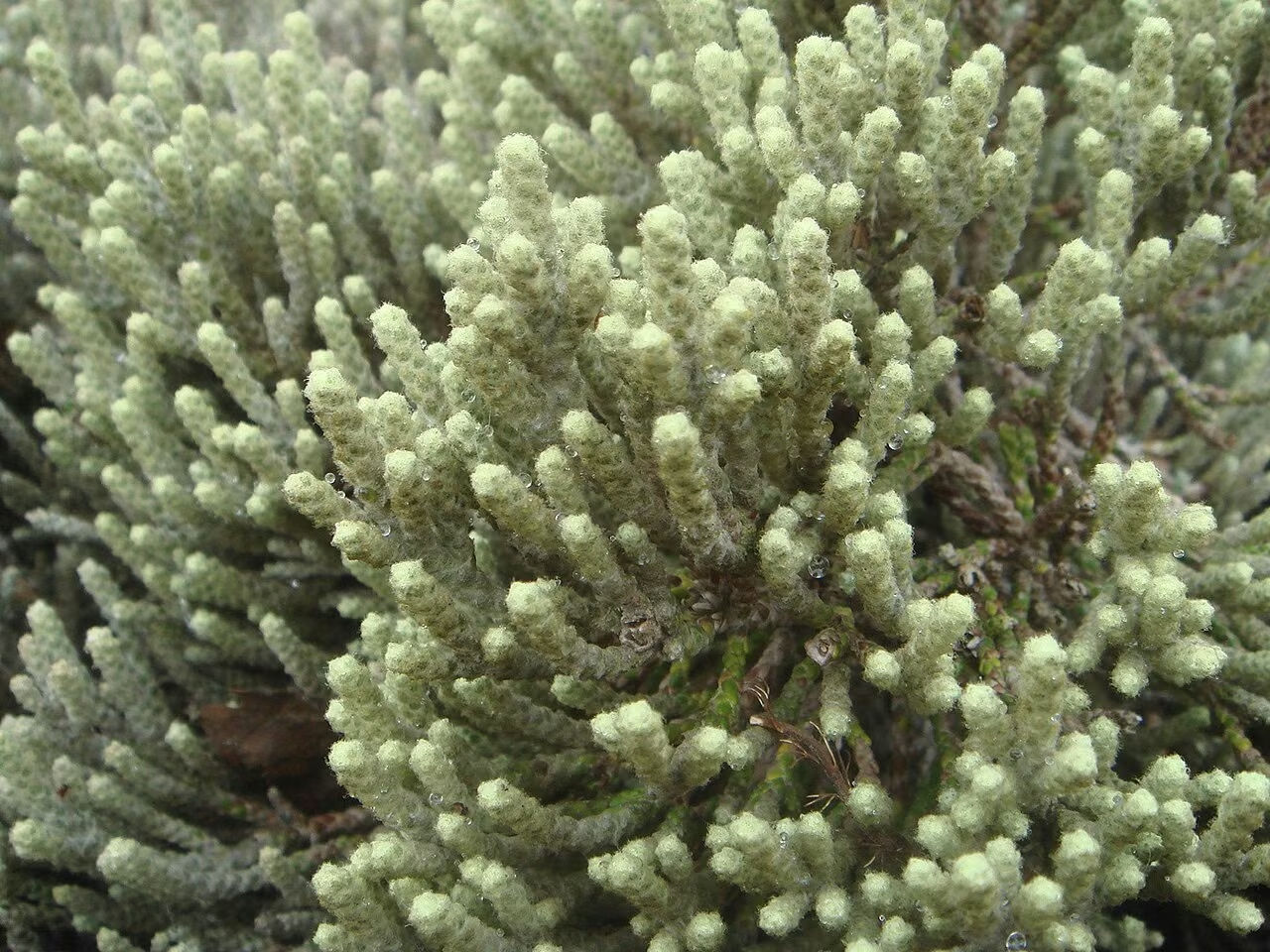
Helichrysum plumeum
Helichrysum plumeum
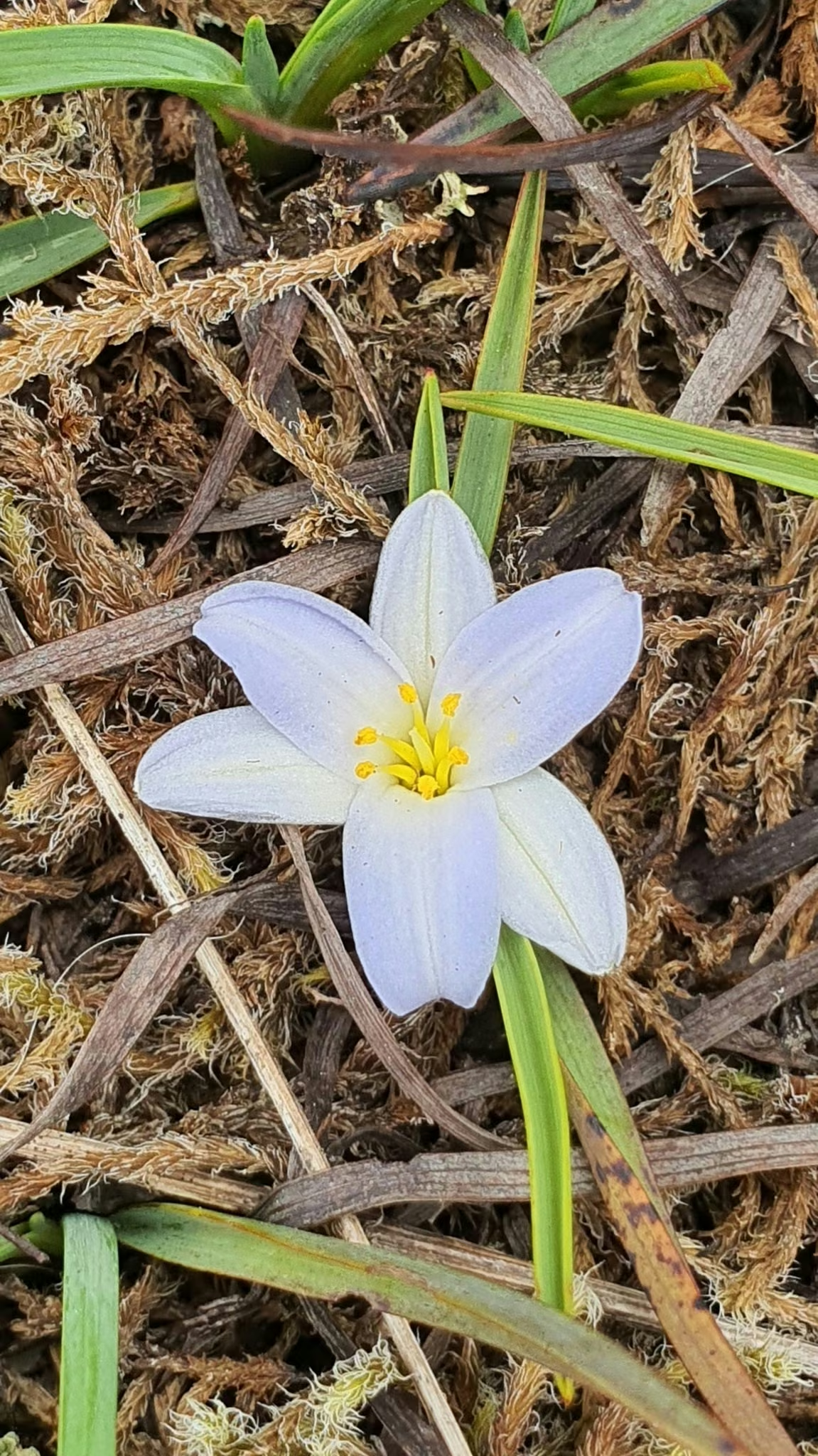
Grass Lily
Herpolirion novae zelandiae
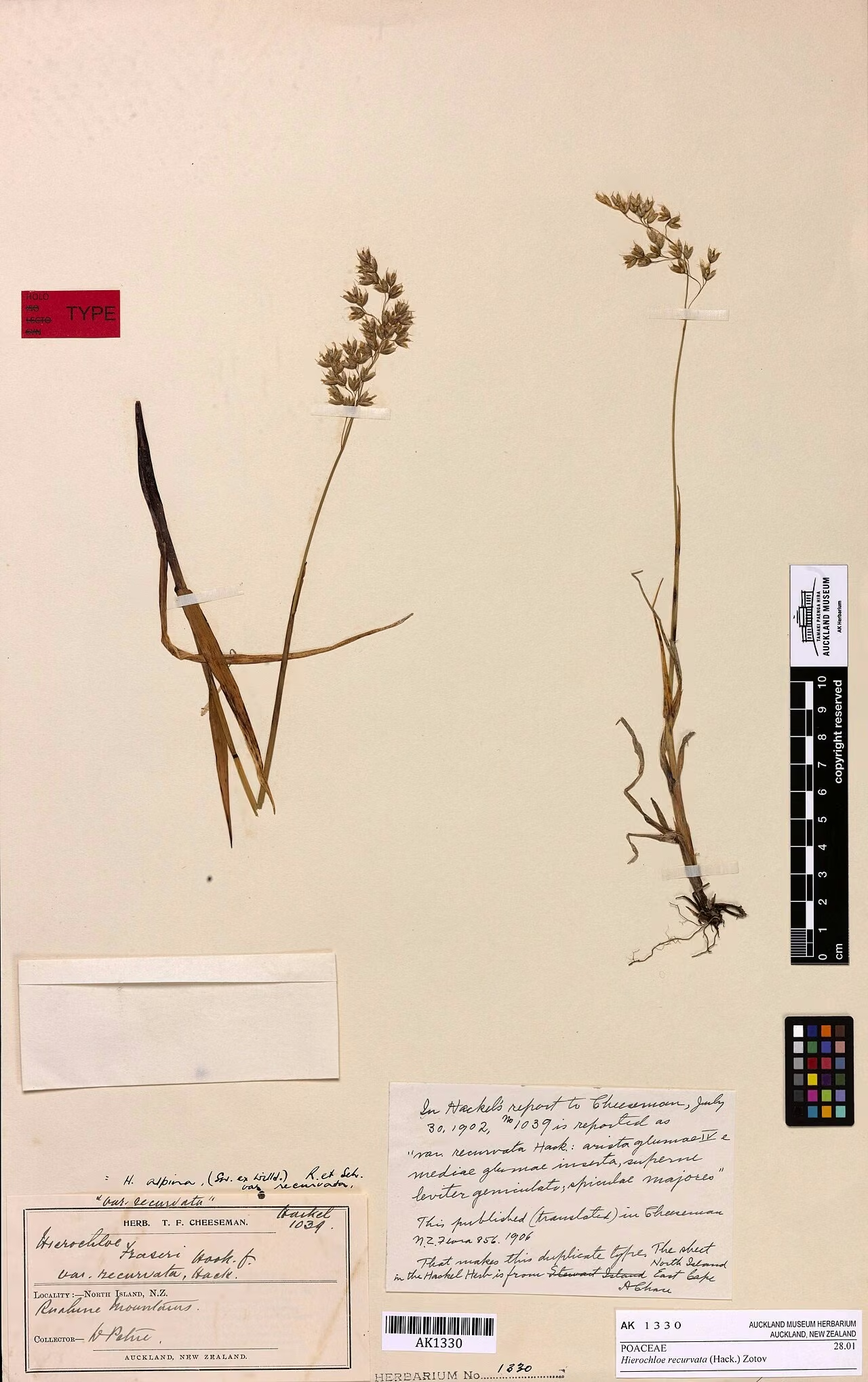
Anthoxanthum recurvatum
Anthoxanthum recurvatum
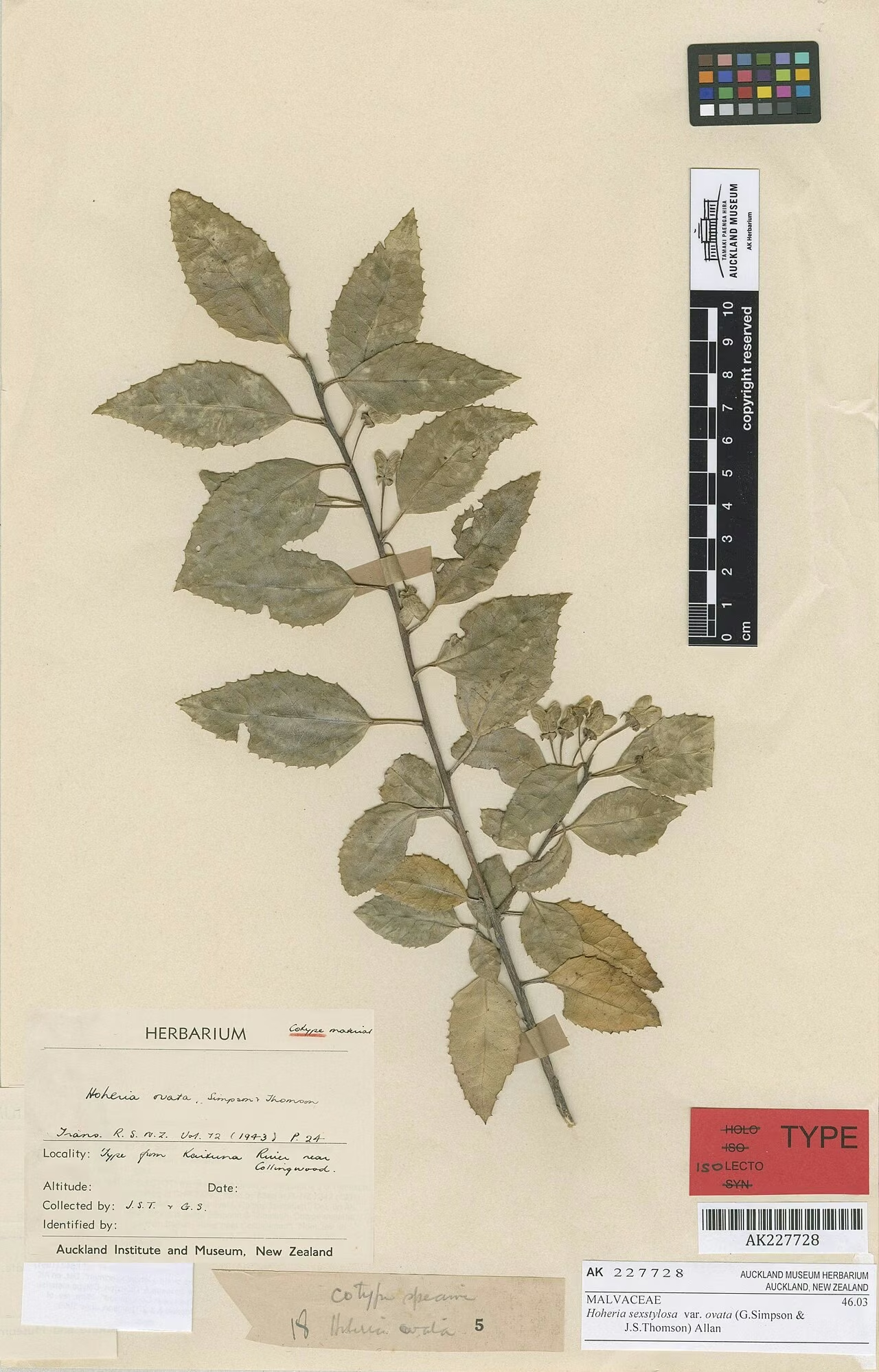
Hoheria ovata
Hoheria ovata
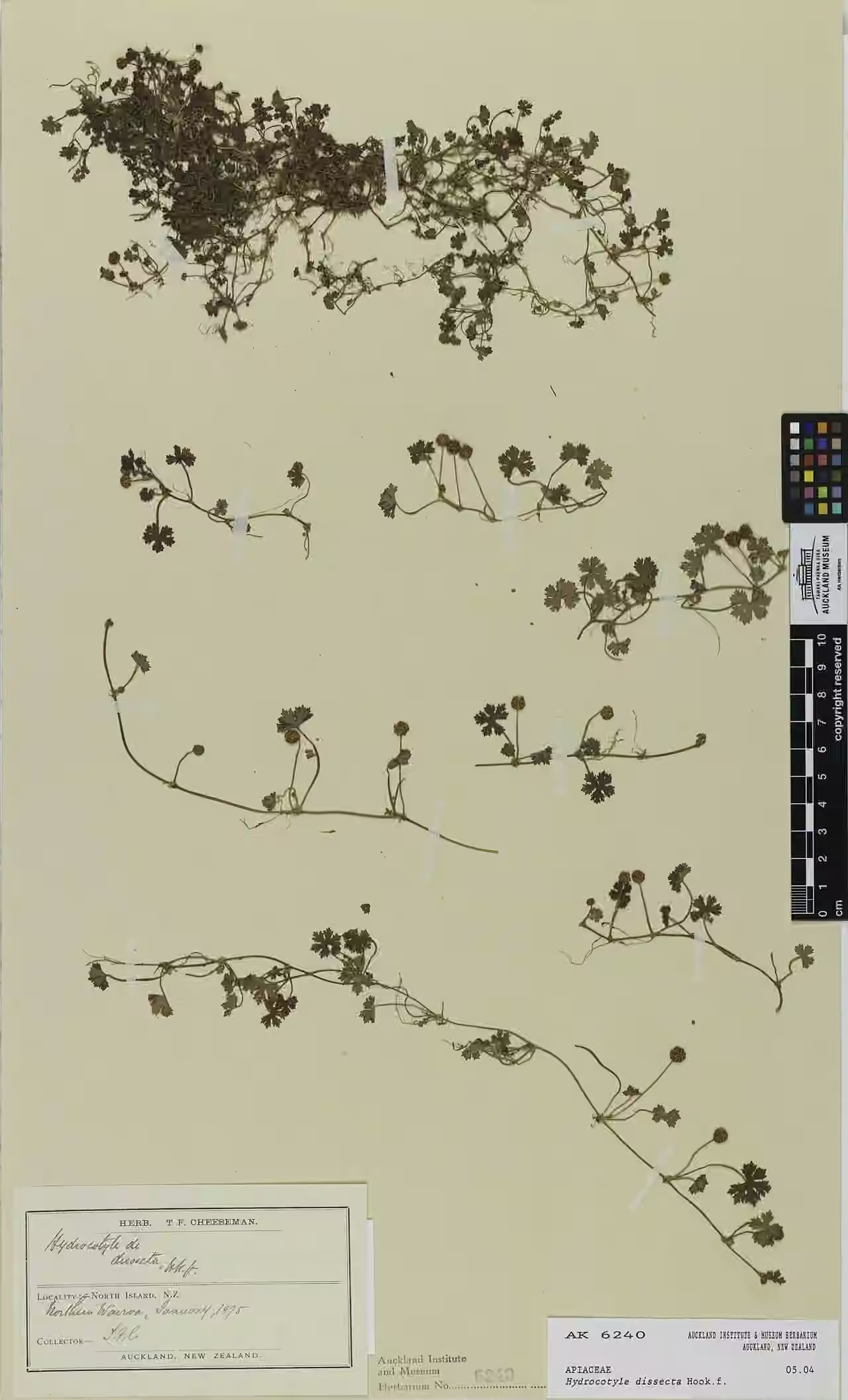
Hydrocotyle dissecta
Hydrocotyle dissecta
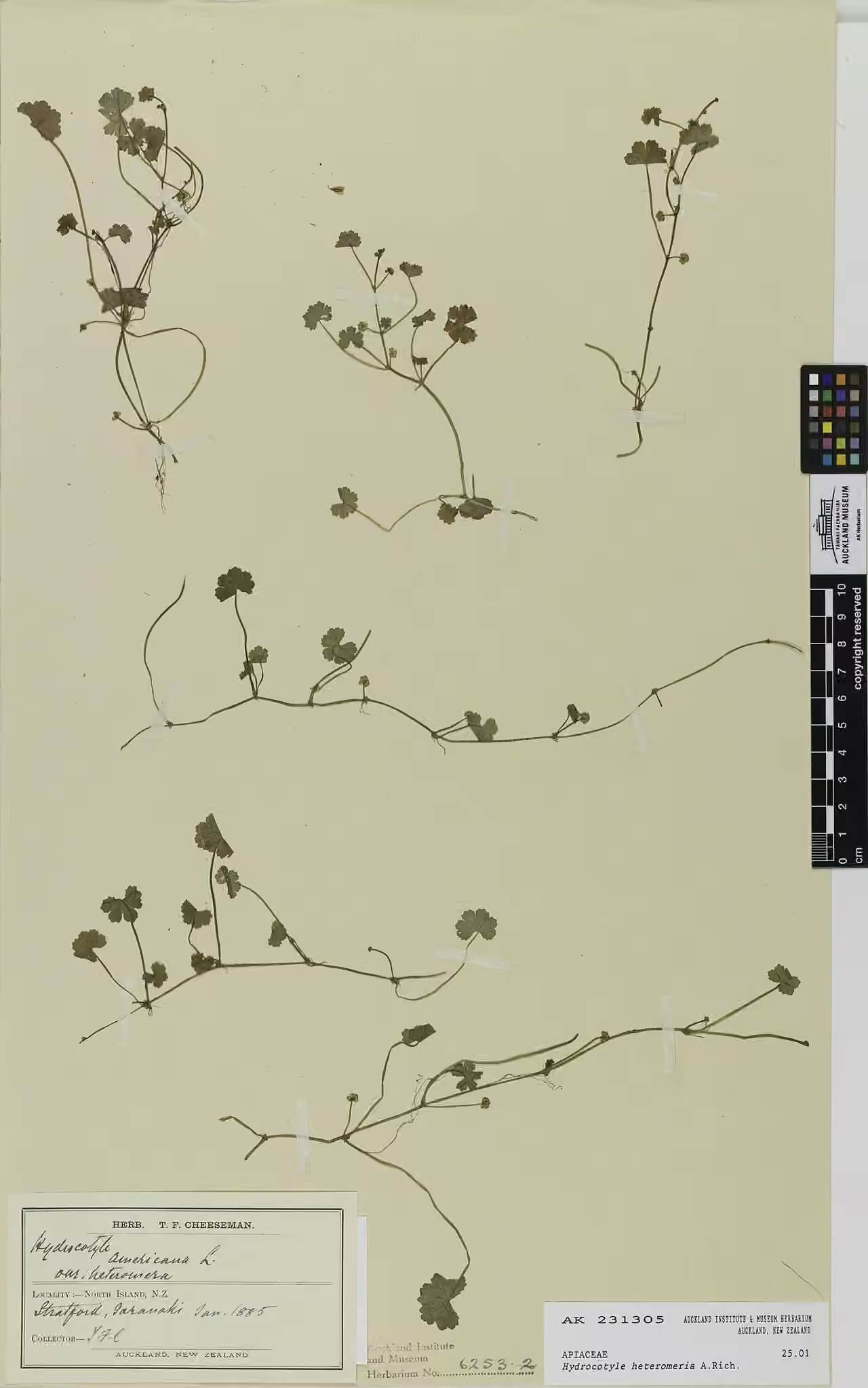
Waxweed
Hydrocotyle heteromeria
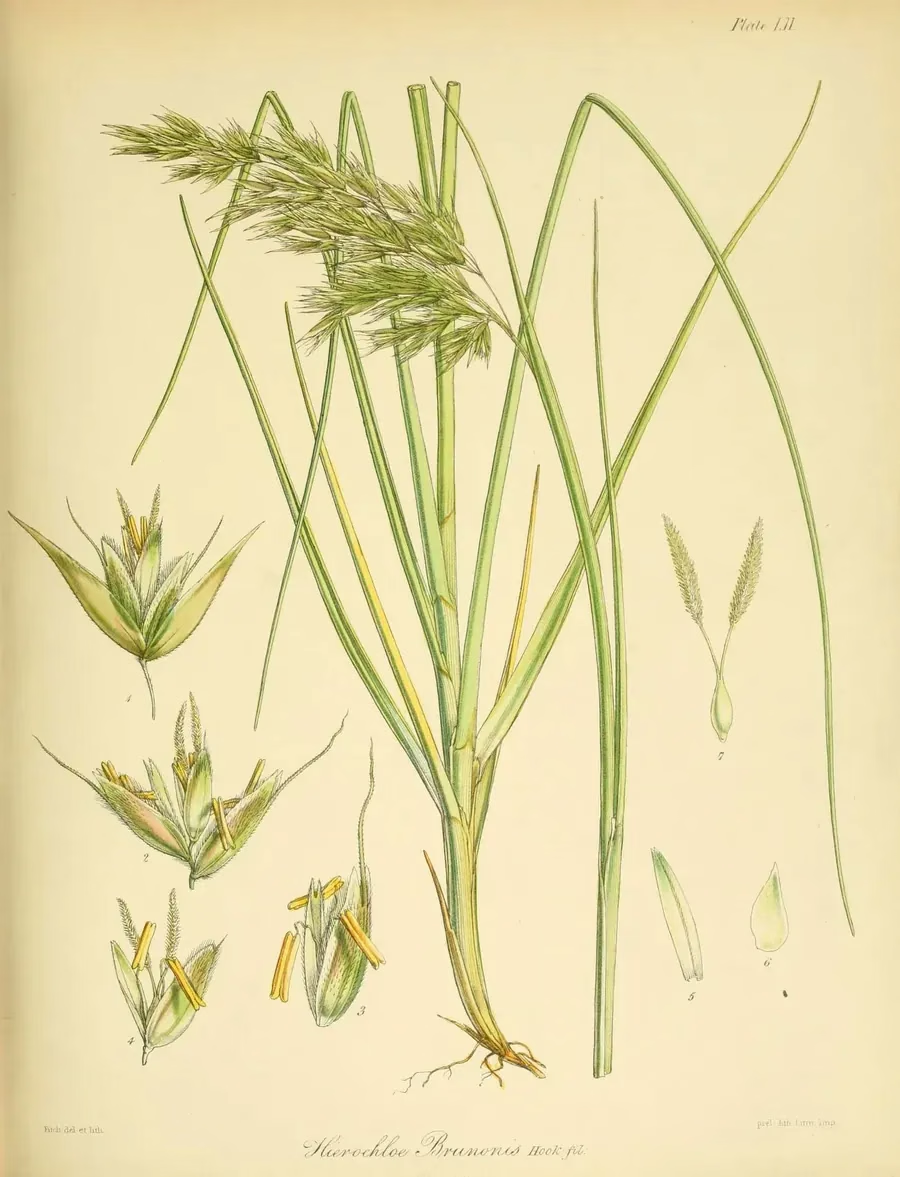
Brunonis Grass
Anthoxanthum Brunonis Grass
Petriei Grass
Achnatherum Petriei Grass
Plant Conservation
Kāretu is ranked Not Threatened (2023) nationally, with the qualifier Secure Overseas. Regionally the picture differs: it is assessed as Regionally Critical in Northland, Regionally Extirpated in Auckland and Naturally Uncommon in the Wellington region.
Protecting remaining damp native grasslands, reducing grazing pressure at known sites, and planting locally sourced kāretu in cultural and restoration gardens all help secure its future, particularly in the north.
Frequently Asked Questions
What did Māori use kāretu for?
The scented leaves, with the midrib removed to make them pliable, were plaited into belts, headbands and anklets, the flowering tops were made into fragrant necklaces, and the grass was used to perfume living spaces and in medicated vapour baths.
Why is kāretu called holy grass?
Holy grass is a name used for scented Hierochloe and Anthoxanthum species around the world, whose leaves contain fragrant compounds. Kāretu shares this sweet hay-like scent, which becomes stronger as the leaves dry.
Is Hierochloe redolens the same as Anthoxanthum redolens?
Yes. Hierochloe has been merged into Anthoxanthum, so Anthoxanthum redolens is the current accepted name and Hierochloe redolens is a widely used synonym.
How do you tell kāretu from tall fescue?
NZPCN notes that kāretu has scented leaves and obviously awned florets, with awns attached near the base of the lemma, while the introduced tall fescue lacks the scent and these awns.
Sources and Further Reading
The botanical, growing, and conservation details for Kāretu (Anthoxanthum redolens) on this page draw on the New Zealand plant references below. Consult them for full technical records and the latest distribution data.