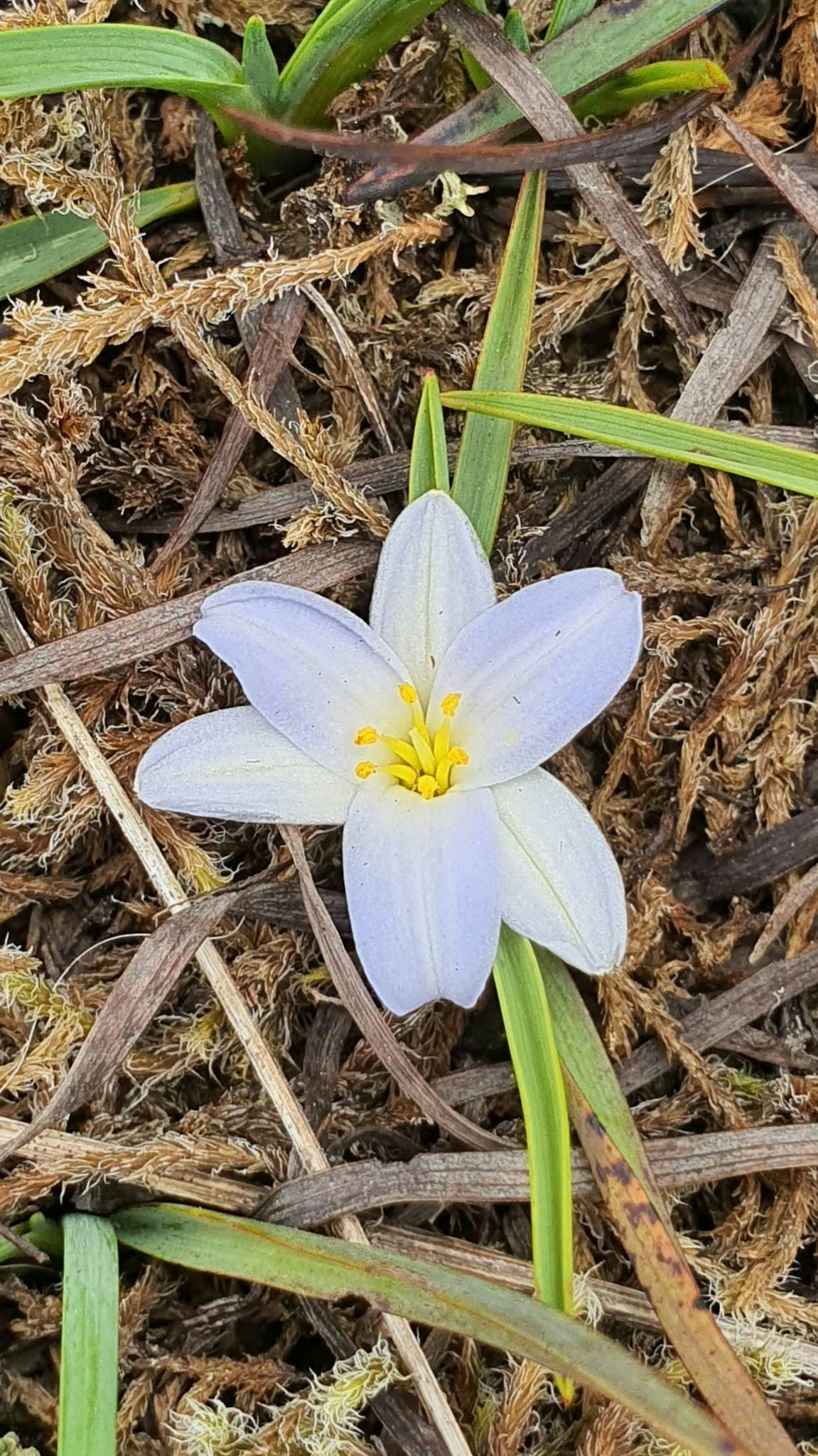
Grass Lily
Herpolirion novae zelandiae
Last updated:
Herpolirion novae-zelandiae, the grass lily or sky lily, is a tiny creeping lily only 2-6 cm tall that forms grass-like swards from slender underground stems. From November to February it produces flowers about 2 cm across, white to pale sky-blue or lilac, which look surprisingly large on such a small plant and sit almost at ground level. It grows in damp, open, peaty places such as bogs, wet tussock grassland and herbfield from the central North Island southwards, and also in south-eastern Australia. It is the only species in its genus and is ranked Not Threatened. Explore more native flowering plants in our native plant guide.
Plant Description
Grass lily is a low, rhizomatous herb that forms extensive grass-like swards. Its underground stems are only 1-2 mm thick and produce tufts of 6-8 narrow, somewhat fleshy leaves that are often covered in a pale waxy bloom. The whole plant is usually just 2-6 cm tall.
The flowers are large for the size of the plant, about 2 cm across, with six spreading tepals that range from white through pale sky-blue to lilac or violet. They are held at about ground level among the leaves. The capsule is fleshy when fresh, becoming dry and deeply grooved, and contains a few shining, flattened black seeds.
When not in flower it is easy to overlook among small sedges, rushes and grasses in boggy turf. Its tufts of short, waxy, slightly fleshy leaves arising from a creeping underground stem help separate it from true grasses, and once in flower no other native plant of these habitats looks like it.
Quick Facts
| Scientific Name | Herpolirion novae zelandiae |
|---|---|
| Height | 2-6 cm |
| Spread | Spreads slowly by underground stems into mats |
| Water Needs | High; needs constantly moist to wet soil |
| Light | Full sun to light shade |
| Frost Tolerance | Hardy; grows in subalpine areas |
| Salt Tolerance | Not recorded; an inland wetland plant |
| Growth Rate | Slow |
| Lifespan | Perennial |
Climate Best Suited to
A cool, moist climate with reliably wet soils, from the central North Island plateau to the southern South Island. Winter cold appears to help flowering.
Regional Suitability
| City | Climate Suitability |
|---|---|
| Auckland | Low |
| Wellington | Medium |
| Christchurch | Medium |
| Dunedin | High |
Plant Habitat
In New Zealand the species was first described from plants collected by William Colenso on the plains near Taupō, and older accounts record it from the central North Island south to Stewart Island. It is also native to south-eastern Australia, in New South Wales, Victoria and Tasmania.
It grows in open, damp, often peaty places, including bogs, wet tussock grassland, herbfield and subalpine swamps. NZPCN classes it as a facultative wetland plant, meaning it commonly grows either in wetlands or in damp non-wetland sites. In Australia it is found in moist to wet grassland and heath in alpine and subalpine areas.
Growing Requirements
Soil Requirements
It favours moist, nutrient-poor, often peaty soils that may be poorly drained.
- Peat-based or acidic, low-fertility mix
- Consistently moist to wet soil
- Avoid rich, fertilised soils that favour competing plants
Light Requirements
It grows in open turf and bog where taller plants are sparse, so it needs plenty of light to flower.
- Full sun in cool climates
- Light shade in warmer gardens
- Keep taller grasses and sedges from swamping it
Water Requirements
Grass lily depends on reliably damp ground and should never dry out.
- Keep soil moist all year
- Pots can stand in a shallow saucer of water
- Use rainwater where tap water is hard
Planting and Establishing
Plant in spring into a bog garden, the damp edge of a pond, or a wide shallow container of peaty mix. Set divisions at the same depth they grew and water in thoroughly.
Keep surrounding plants low so the small tufts and ground-level flowers are not hidden or shaded. Australian growers report best results in cool conditions with the base of the pot kept in water.
Ecological Role
The large open flowers suggest insect pollination, though no specific pollinator studies for this species were found. NZPCN records the capsules as wind dispersed.
In bogs and wet turf it forms part of a low, species-rich mat of herbs, sedges and mosses that is easily lost when wetlands are drained, fertilised or invaded by taller weeds.
Uses & Significance
Garden Uses
A charming miniature for wetland and alpine enthusiasts rather than general gardens.
- Bog gardens and pond margins
- Alpine troughs kept moist
- Wetland restoration in suitable cool, peaty sites
Ecological Value
As the only member of its genus, it adds unique diversity to New Zealand's wetland and grassland turf communities.
- Indicator of intact, low-fertility damp turf
- Summer flowers for insects
- Part of wetland herb communities
Landscaping Uses
Plant a patch at the front edge of a bog garden where its blue and white flowers can be seen up close in summer. It mixes well with other small wetland natives that stay low, such as Centella, small sedges and sundews.
In troughs it can be grown as a feature plant on its own, where the contrast between fine leaves and large flowers is most noticeable.
Seasonal Care Calendar
Spring
New leaf tufts emerge from the underground stems as the soil warms.
- Divide clumps before flowering
- Top up peat or moist mix
Summer
Flowering runs from November to February, with pale flowers held among the leaf tufts.
- Keep soil wet in hot weather
- Watch for the ripening capsules
Autumn
Capsules finish ripening by March and growth slows.
- Collect and sow fresh seed
- Remove leaves fallen from nearby plants
Winter
The plant rests through cold weather; winter chilling appears to help it flower the next season.
- Leave pots outdoors in the cold
- Keep soil damp but not frozen solid in pots for long periods
When to Prune and How Much
No pruning is needed. Remove spent flower stalks only if you do not want seed, and pull out dead leaf tufts by hand.
The more important task is controlling neighbouring plants: trim or weed taller grasses and sedges so they do not shade out the grass lily.
How to Grow Grass Lily
Grass lily can be raised from seed or by dividing established mats, according to Australian native plant growers, and the creeping underground stems make division the simplest option. NZPCN does not give a propagation protocol for New Zealand plants. Because seeds are few per capsule, seed collection yields small numbers, so division is usually the faster way to build up stock. Plants for wetland restoration should be grown from local sources, and wild plants should not be dug up without the landowner's permission.
By Division
Divide established mats in spring, before flowering, by separating sections that carry both leaf tufts and a length of underground stem.
Divisions taken this way usually establish quickly, as each piece already has its own roots and growing points.
- Lift a section of the mat with plenty of peaty soil attached
- Tease apart pieces each with several leaf tufts and some rhizome
- Replant at the same depth in moist peaty mix
- Keep wet and lightly shaded until new leaves appear
From Seed
Collect the capsules as they dry and become grooved, from December to March. Each holds only a few shiny black seeds, so gather from several capsules.
- Sow fresh seed thinly on moist to wet peat
- Cover only to the depth of the seed
- Stand the pot in a tray of water in a cool, bright spot
- Expose to winter cold if germination is slow
- Pot on small clumps once they have several leaf tufts
Pests & Diseases
No specific pests or diseases are recorded. Slugs and snails can damage the soft new leaves and flowers in garden settings.
The bigger threat is competition: in fertile or drained sites taller grasses and weeds quickly overgrow it.
Cultural Significance
No traditional Māori name or use is recorded for Herpolirion novae-zelandiae in the sources consulted.
The genus name means creeping lily, from its spreading underground stems. Joseph Dalton Hooker described the species in 1853 in Flora Novae-Zelandiae from material collected by William Colenso near Taupō, so although it also grows in Australia it was first named from New Zealand.
Bonus Tip
Look for grass lily in December or January, when it is in flower and far easier to spot. Walk slowly across damp, open turf and peaty bog edges, watching for pale blue or white flowers that seem to sit right on the ground, and tread carefully, since the mats are easily damaged.
Related Plants
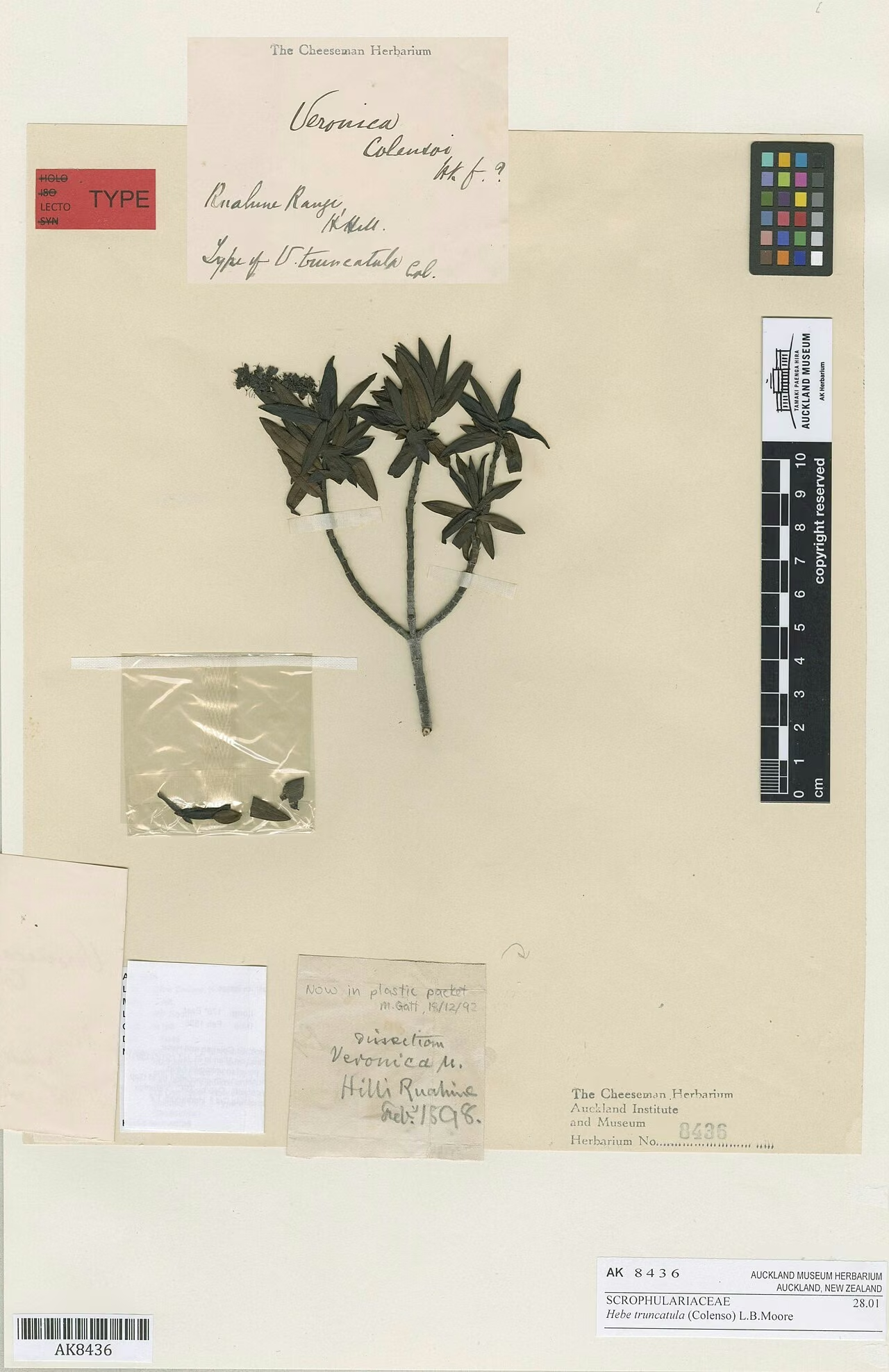
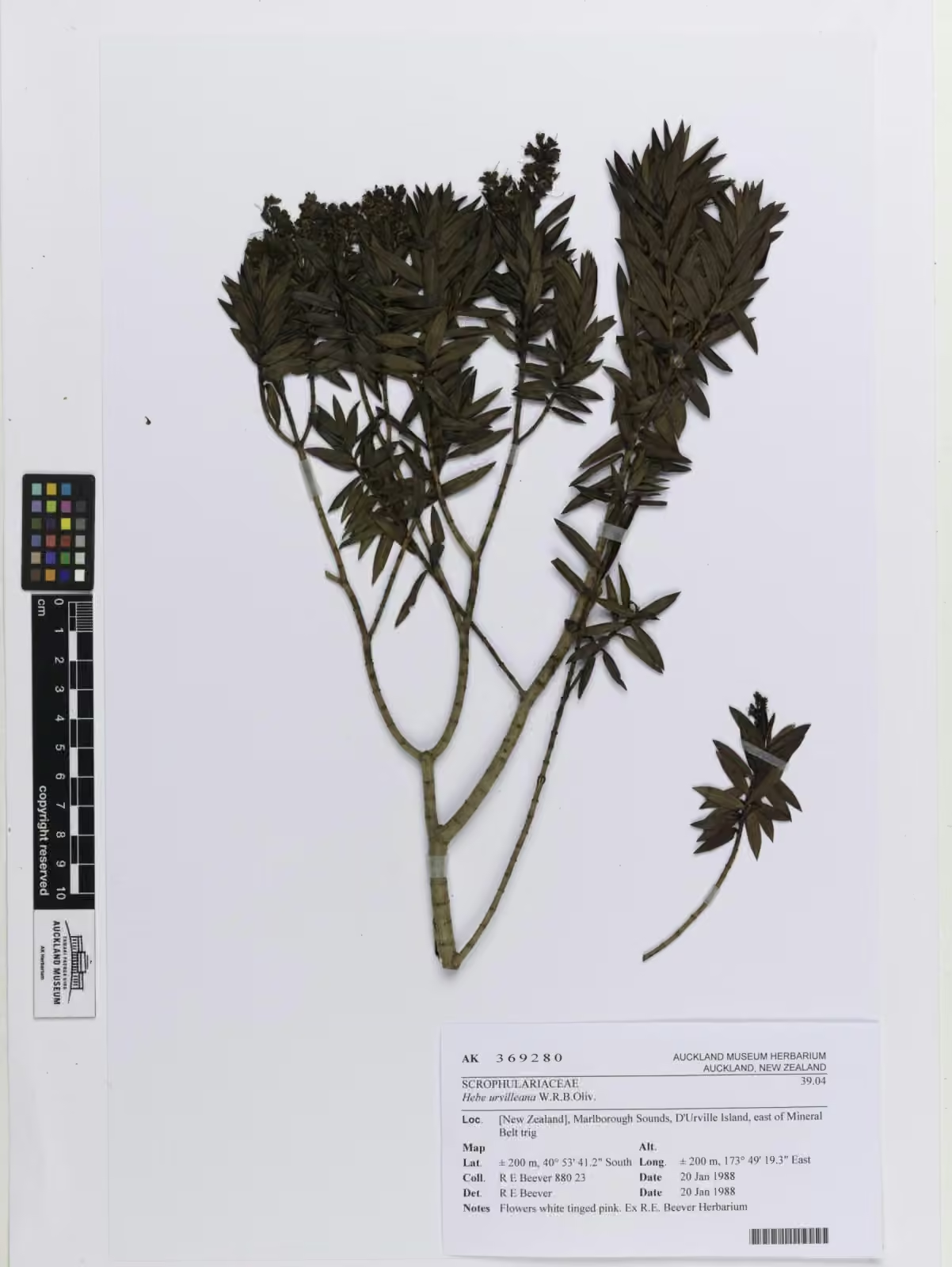
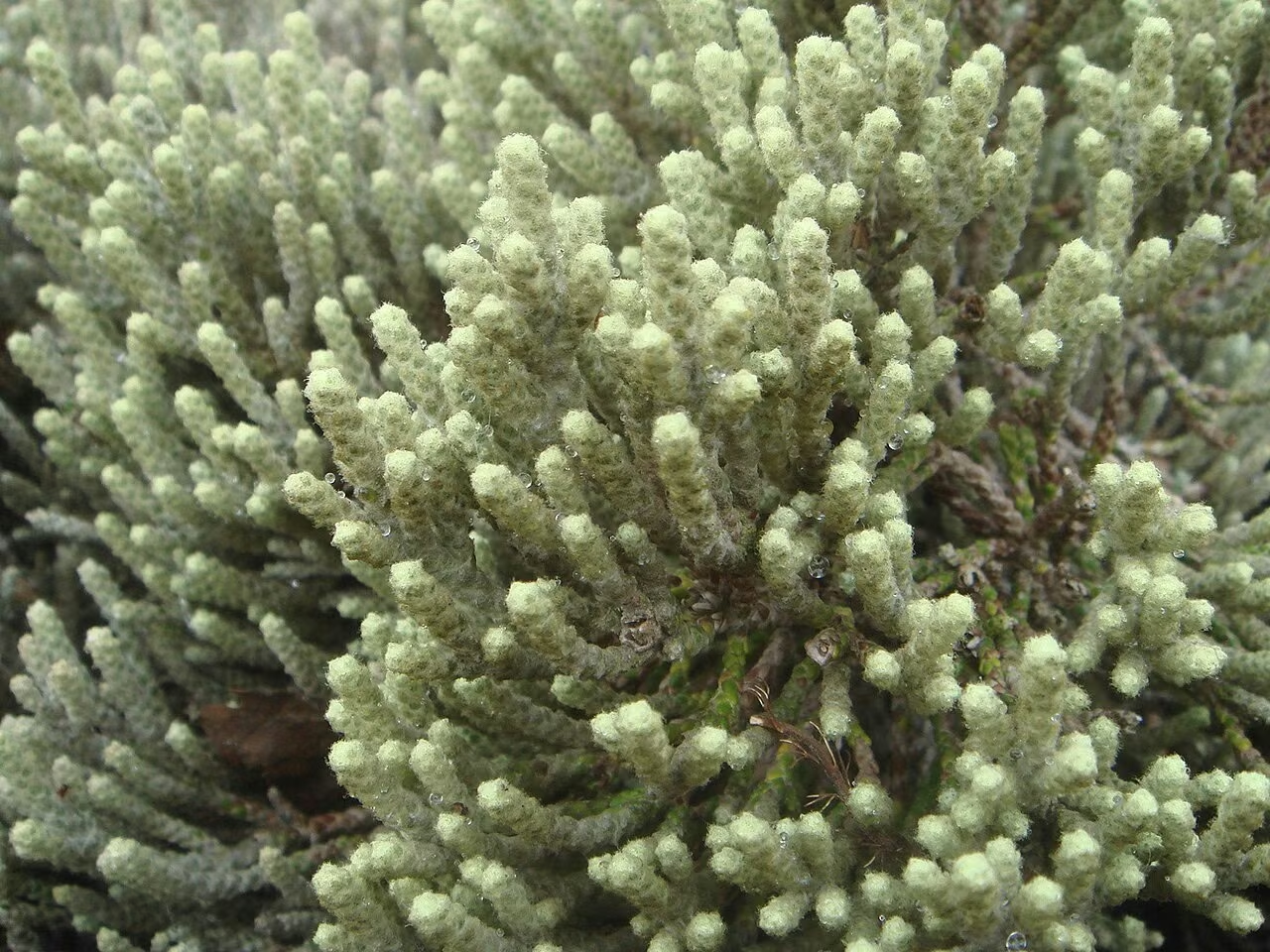
Explore other native plants that share similar characteristics or habitats with Grass Lily (Herpolirion novae zelandiae), offering further insights into New Zealand's diverse flora. These related species provide context and opportunities for complementary planting in your garden.

Plant Conservation
Herpolirion novae-zelandiae is ranked Not Threatened (2023) with the qualifier Secure Overseas, and Otago lists it as Regionally Not Threatened.
Its damp, low-fertility habitats are vulnerable to drainage, fertiliser run-off and weed invasion. Protecting bogs and wet grasslands, and keeping stock and nutrient run-off out of them, safeguards this species along with many other small wetland plants.
Frequently Asked Questions
Is the grass lily a true grass?
No. Herpolirion novae-zelandiae is a lily relative in the family Asphodelaceae (listed by NZPCN under Xanthorrhoeaceae). Only its fine, tufted leaves resemble grass; the large six-petalled flowers show its true identity.
When does Herpolirion novae-zelandiae flower?
It flowers from November to February, and the capsules ripen from December to March. The flowers are white to pale blue or lilac and sit at about ground level.
Is Herpolirion endemic to New Zealand?
No. Despite its name, which means of New Zealand, it is also native to New South Wales, Victoria and Tasmania, and is ranked Not Threatened here with the qualifier Secure Overseas.
Can you grow grass lily in a garden?
It can be grown in a bog garden or alpine trough kept constantly moist. Australian growers note that winter chilling seems necessary for good flowering, so it does best in cool districts.
Sources and Further Reading
The botanical, growing, and conservation details for Grass Lily (Herpolirion novae zelandiae) on this page draw on the New Zealand plant references below. Consult them for full technical records and the latest distribution data.