
Climbing Everlasting
Helichrysum dimorphum
Last updated:
Helichrysum dimorphum, the climbing everlasting, is a rare endemic daisy that scrambles through grey scrub on fine stems up to 8 m long. It is known today only from the Poulter, Esk and Puffer catchments, which drain into the Waimakariri River in Canterbury, although there is an old record from Piano Flat in Southland. It grows on river terraces and beside gorges, almost always among matagouri. The name dimorphum refers to its two leaf forms: tiny scale-like leaves on the outer shoots and broader spreading leaves in shade. It is ranked Threatened - Nationally Endangered. Explore more native climbers in our native plant guide.
Plant Description
Helichrysum dimorphum is a weakly climbing, sparingly branched scrambler that sends numerous fine, wiry stems up to 8 m long through surrounding shrubs. It has no tendrils and relies on leaning and weaving through its host for support.
The leaves come in two forms, which gives the plant its name. Appressed leaves on the terminal branches are tiny and scale-like, about 2-4 mm long and 0.7-1.5 mm wide, while juvenile and shade leaves spread away from the stem and are about 2.5-7 mm long and 1.5-2.5 mm wide. Both types have white woolly hairs on the underside.
The flower heads are small, about 3.5 mm across, subcylindric and borne singly at the tips of the shoots, each holding 15-25 pale yellow florets. Flowering is recorded from September to February and fruiting from October to March, when the achenes with their fine pappus are dispersed by wind. NZPCN lists no similar taxa: no other New Zealand Helichrysum scrambles through scrub in this way.
Quick Facts
| Scientific Name | Helichrysum dimorphum |
|---|---|
| Height | Stems up to 8 m long, held up by the host shrub |
| Spread | Spreads as far as its supporting scrub allows |
| Water Needs | Low; suits dry inland conditions |
| Light | Semi-shade to sun, with its roots shaded by a host shrub |
| Frost Tolerance | Hardy to hard inland frosts |
| Salt Tolerance | Not recorded; an inland species |
| Growth Rate | Moderate |
| Lifespan | Perennial |
Climate Best Suited to
A dry, continental inland Canterbury climate with hot summers, hard winter frosts and strong winds. NZPCN notes that it does not like humid climates.
Regional Suitability
| City | Climate Suitability |
|---|---|
| Auckland | Low |
| Wellington | Low |
| Christchurch | High |
| Dunedin | Medium |
Plant Habitat
This species is endemic to the South Island. It is presently known only from the Poulter, Esk and Puffer catchments where they drain into the Waimakariri River in Canterbury, with an old record from Piano Flat in Southland that suggests it was once more widespread.
It grows in lowland to montane sites, usually on river terraces and alongside river gorges, and is always found in grey scrub. Its main associate is matagouri (Discaria toumatou), through which its slender stems weave.
Growing Requirements
Soil Requirements
Its river-terrace habitat has stony, free-draining alluvial soils that dry out in summer.
- Free-draining stony or gravelly soil
- Low to moderate fertility
- Avoid wet, poorly drained ground
Light Requirements
NZPCN advises that it does best in semi-shade or planted at the base of a shrub through which it can sprawl, mirroring its life inside matagouri.
- Plant at the base of a twiggy shrub
- Semi-shade for the roots and lower stems
- Shoot tips can reach into full sun through the host
Water Requirements
Inland Canterbury terraces are dry for long periods, and the plant is adapted to this.
- Water to establish, then sparingly
- Avoid humid, constantly damp sites
- Do not let containers become waterlogged
Planting and Establishing
Plant in spring at the base of an established, open shrub such as matagouri, Coprosma propinqua or a small-leaved Muehlenbeckia, so the stems can climb through it. Keep the planting hole free-draining and water in well.
Avoid humid, sheltered gardens with stagnant air. In restoration sites, plant only within its known catchments and use seed or cuttings sourced from those populations.
Ecological Role
The small flower heads are visited by insects for pollen and nectar, as in other everlasting daisies, though specific pollinators of this species have not been documented. Its seeds have a pappus and are carried by wind.
Its close dependence on grey scrub makes it a good example of the overlooked biodiversity in matagouri shrublands, which are often treated as weedy or low-value vegetation but support distinctive native plants and invertebrates.
Uses & Significance
Garden Uses
An unusual plant for collectors of rare natives and for dryland gardens in Canterbury.
- Train through a twiggy native shrub
- Dryland and grey-scrub style gardens
- Conservation and ex situ collections
Ecological Value
As a Nationally Endangered species tied to a single habitat type, every surviving population has high conservation value.
- Adds to the diversity of matagouri grey scrub
- Small flowers support insects
- Cultivated plants act as an insurance population
Landscaping Uses
Use it to soften a matagouri or Coprosma shrub with a veil of fine grey-green stems and small pale yellow flower heads. It looks best where its tangled growth can be seen against a darker shrub.
In a dryland native garden it pairs well with tussocks, Muehlenbeckia and other small-leaved shrubs that reflect the grey scrub of inland Canterbury.
Seasonal Care Calendar
Spring
Flowering begins in September and new stems lengthen through the host shrub.
- Plant new specimens
- Guide young stems into the support shrub
Summer
Flowering continues to February while seed ripens on earlier heads.
- Collect fresh seed as heads fluff up
- Water only in prolonged drought
Autumn
Fruiting ends around March as the last achenes blow away.
- Take semi-hardwood cuttings
- Peg down stems to layer
Winter
The plant sits through hard frosts with little growth.
- Keep drainage clear
- No feeding needed
When to Prune and How Much
Pruning is rarely needed. Allow the stems to weave freely through the host shrub, which is how the plant naturally grows.
If it overwhelms its support, trim a few long stems back after flowering, and remove dead stems in spring.
How to Grow Climbing Everlasting
NZPCN states that Helichrysum dimorphum is easily grown from fresh seed and semi-hardwood cuttings, and that established plants layer easily. This makes it a good candidate for conservation propagation, and cultivated plants can act as a backup for the few wild populations. Because the species is Nationally Endangered, wild material should only be collected with Department of Conservation approval, and plants grown for restoration should come from the same catchment where they will be planted.
From Seed
Seed should be sown fresh. Collect the small pappus-bearing achenes as the flower heads open and fluff up, between about October and March.
- Collect seed heads as soon as they are fluffy
- Sow fresh on the surface of a free-draining seed mix
- Cover very lightly with fine grit
- Keep in a bright, airy place that is not humid
- Pot seedlings individually when they have several leaves
From Cuttings
Semi-hardwood cuttings taken from the current season's stems root readily.
- Take 8-10 cm cuttings of firm new growth in late summer or autumn
- Insert into a gritty propagation mix
- Keep lightly moist but well ventilated
- Pot on once rooted
By Layering
Established plants layer easily, because their long stems naturally touch the ground.
This is the gentlest method for a rare plant, because the new plant stays attached to the parent until it can support itself.
- Peg a low stem onto the soil surface
- Cover the pegged section with a little soil
- Sever and lift once roots have formed
Pests & Diseases
No specific pests or diseases are recorded for this species. In cultivation the main risk is rot or decline in humid, poorly ventilated conditions, which NZPCN notes the plant dislikes.
In the wild the threats are habitat loss rather than pests: aerial spraying of gorse kills the scrub and the vine together, and scrub fires destroy whole populations.
Cultural Significance
No traditional Māori name or use is recorded for Helichrysum dimorphum in the sources consulted.
The species was described by Leonard Cockayne, a pioneering New Zealand ecologist. The genus name Helichrysum comes from the Greek helios, sun, and chrysos, gold, referring to the flower colour of some species.
Bonus Tip
If you manage land with matagouri in the upper Waimakariri, check the scrub for fine, wiry grey-green stems with tiny pale yellow flower heads before spraying or burning. Leaving even small patches of grey scrub untouched can protect one of the few remaining populations of this vine.
Related Plants
Explore other native plants that share similar characteristics or habitats with Climbing Everlasting (Helichrysum dimorphum), offering further insights into New Zealand's diverse flora. These related species provide context and opportunities for complementary planting in your garden.
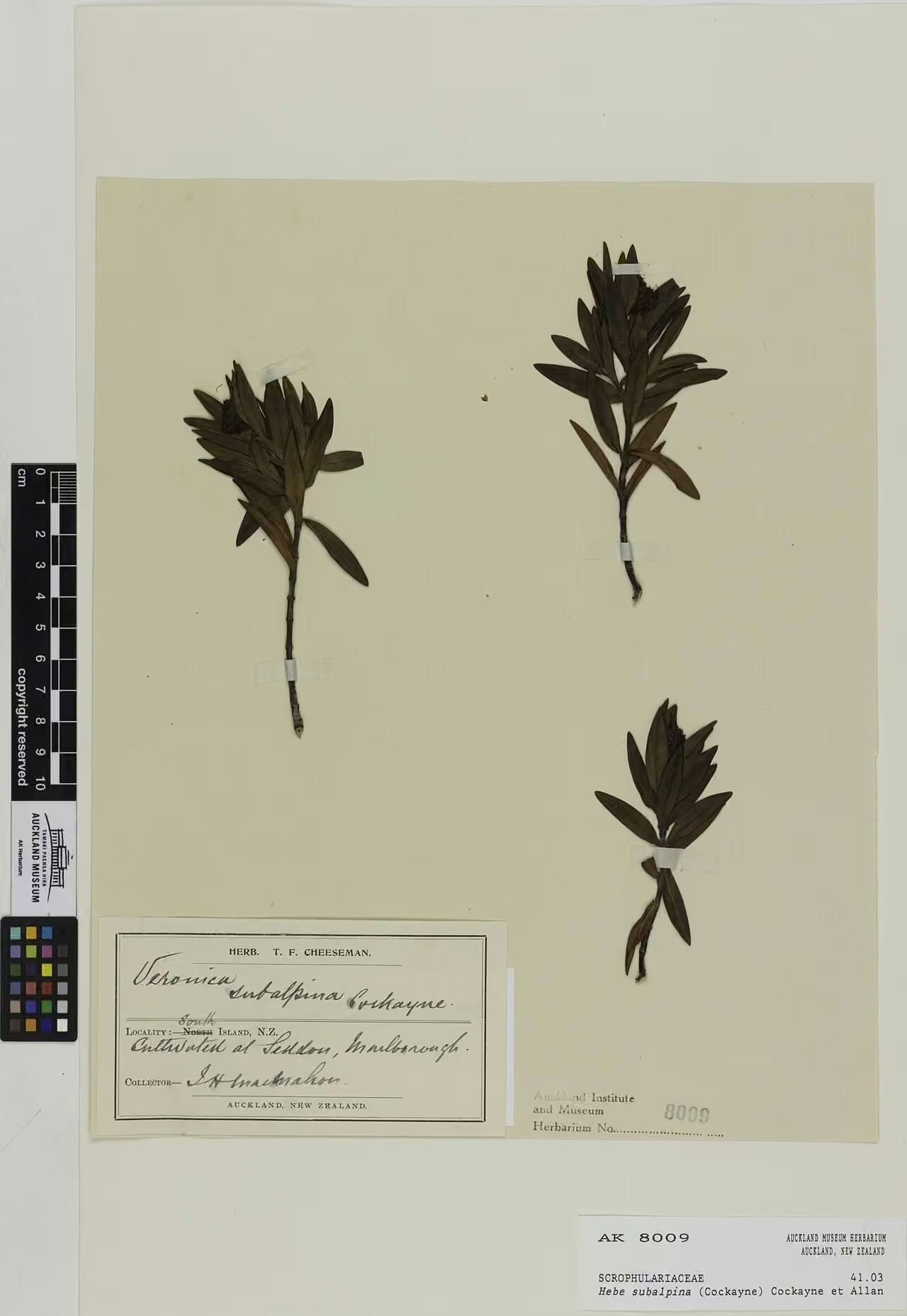
Mountain Koromiko
Veronica subalpina
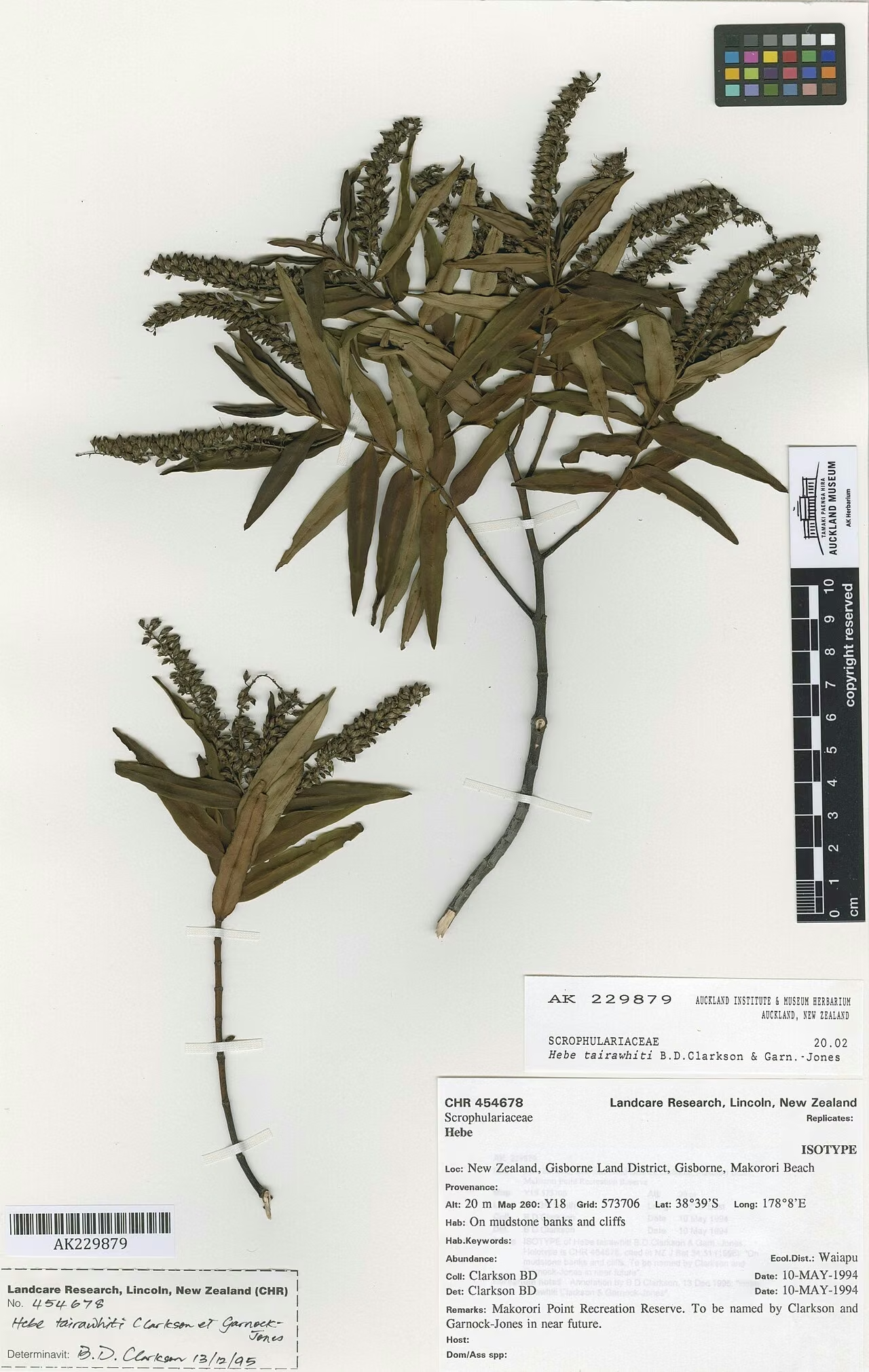
Wairoa Koromiko
Veronica tairawhiti
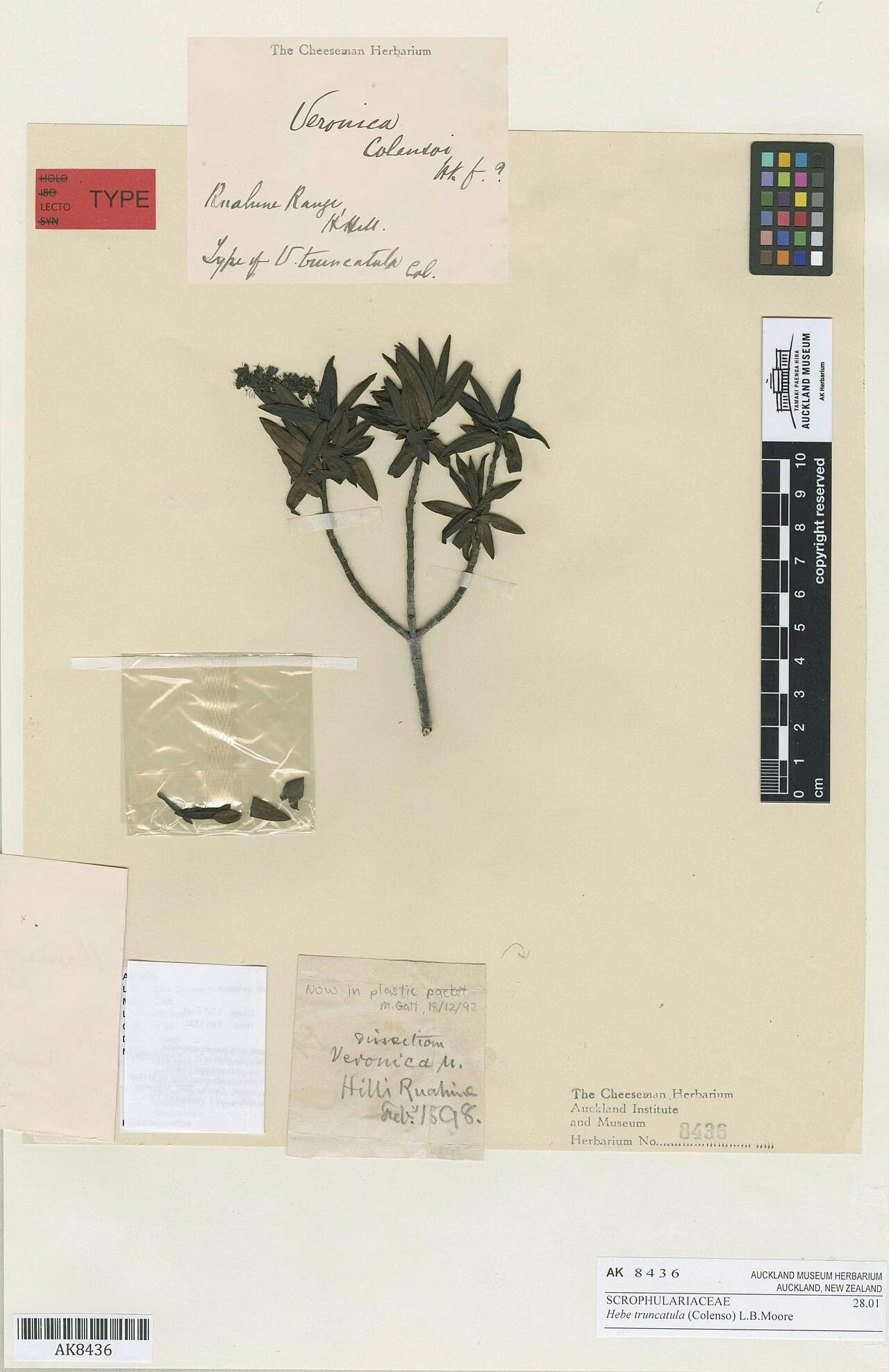
Veronica truncatula
Veronica truncatula
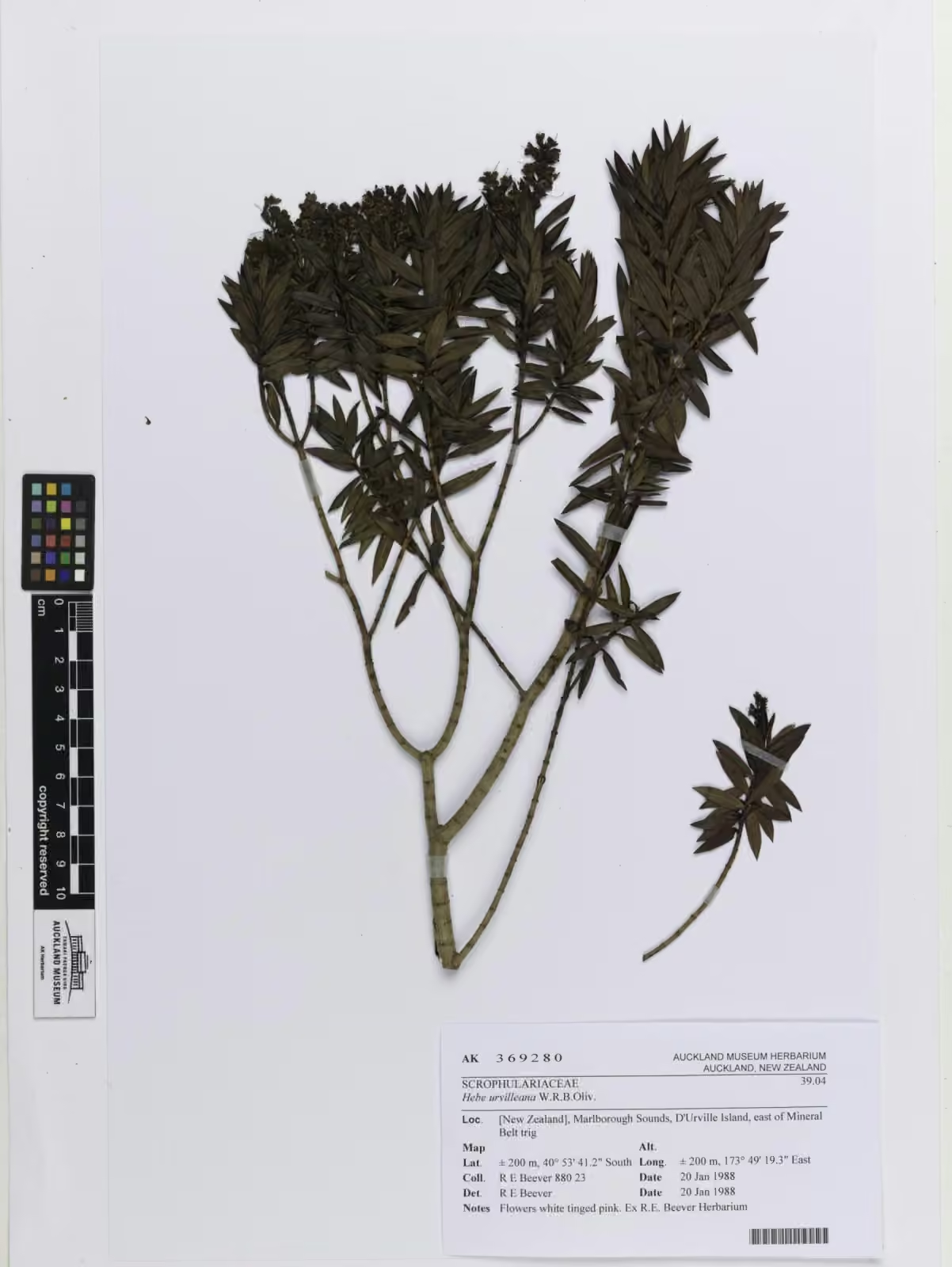
Veronica urvilleana
Veronica urvilleana
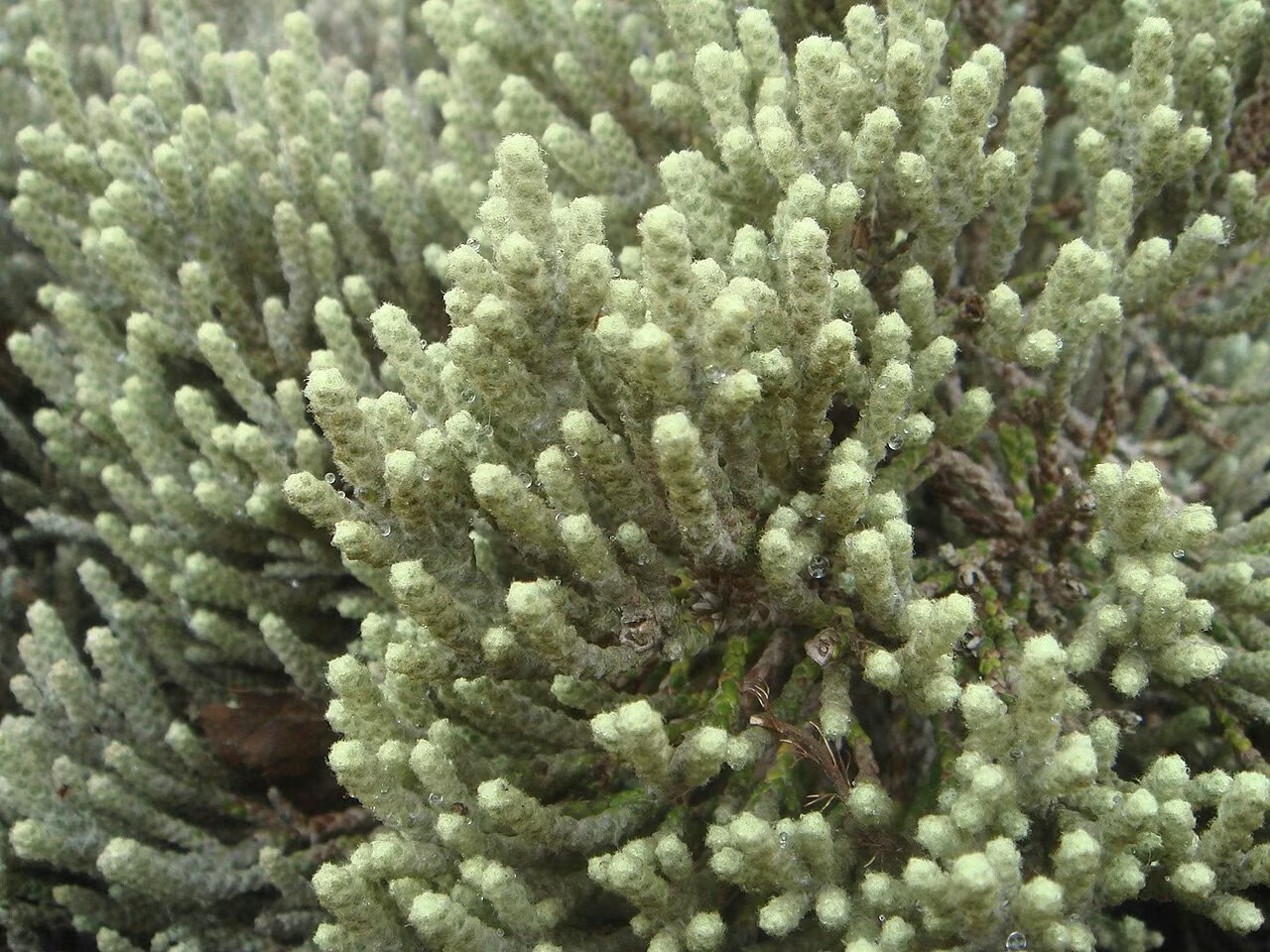
Helichrysum plumeum
Helichrysum plumeum
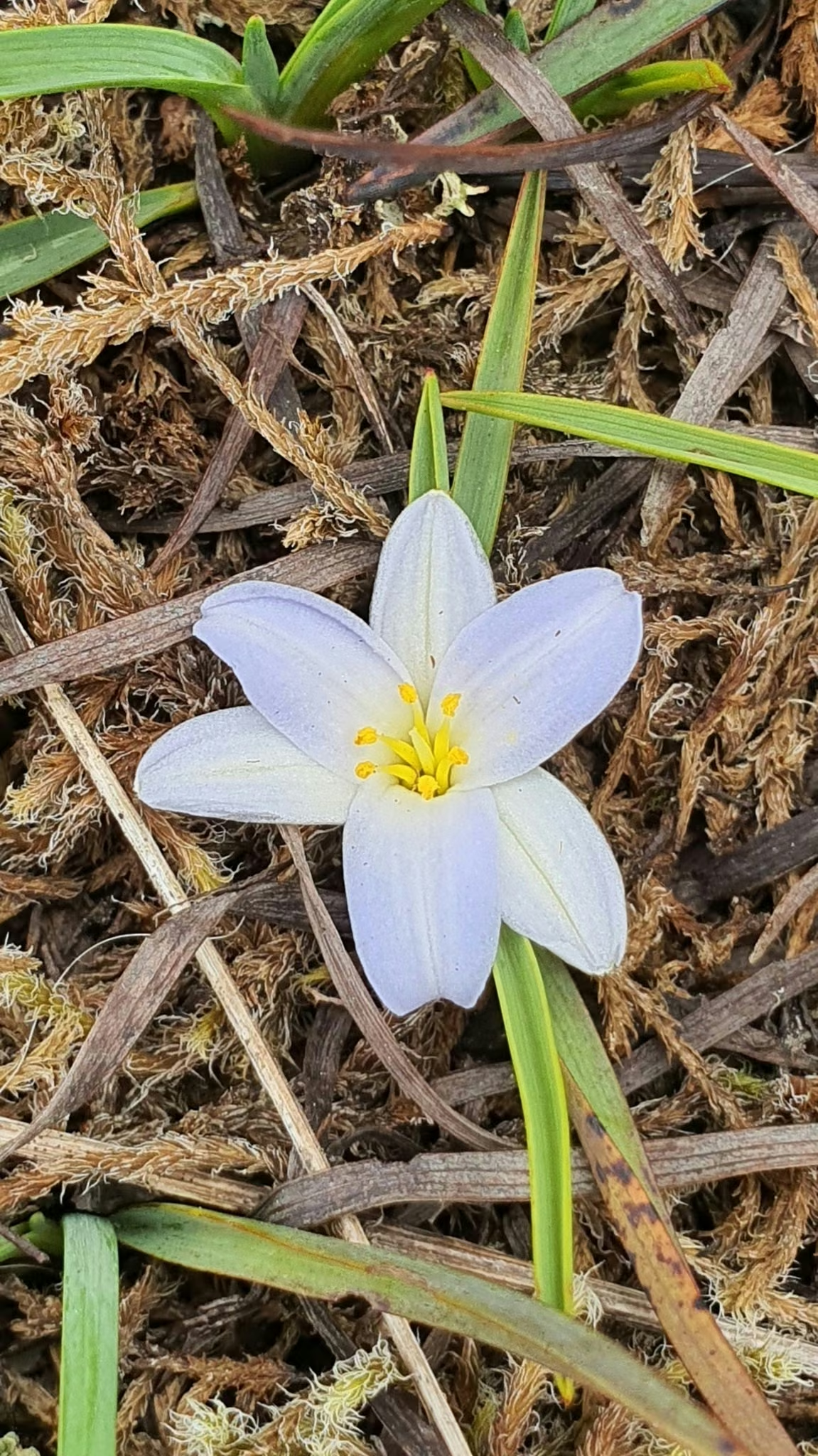
Grass Lily
Herpolirion novae zelandiae
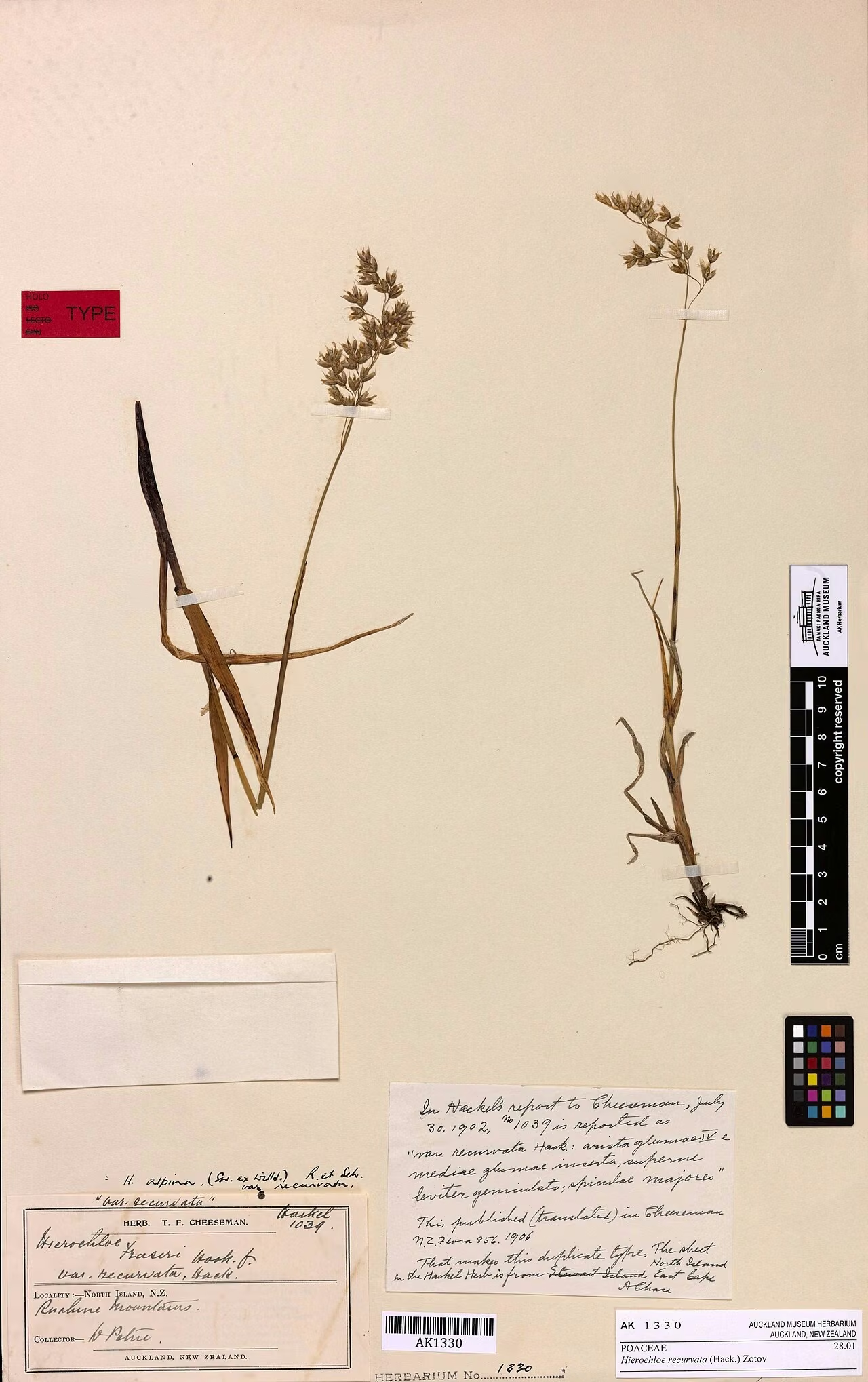
Anthoxanthum recurvatum
Anthoxanthum recurvatum
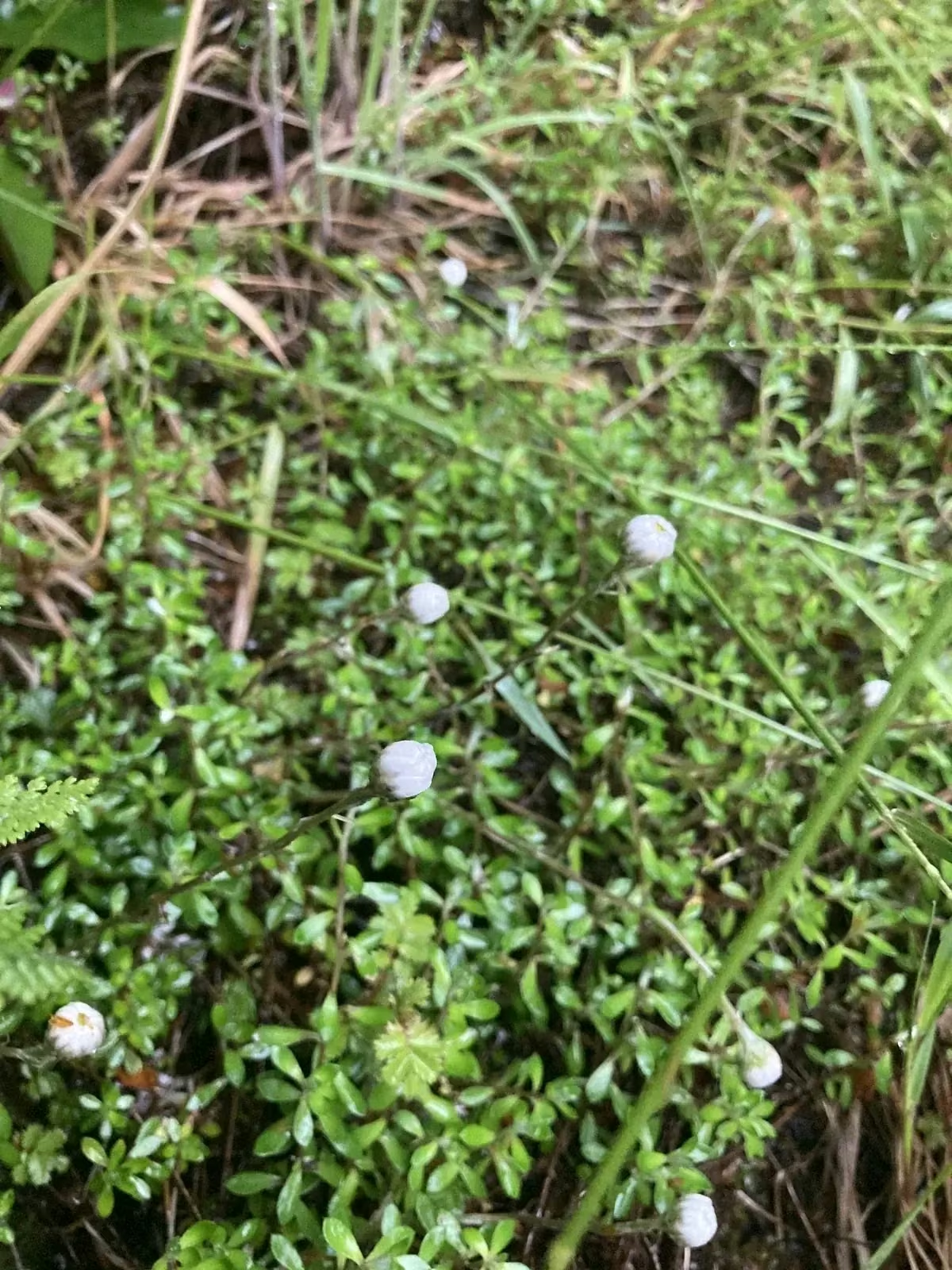
Filicaule Plant
Filicaule Plant
Plant Conservation
Helichrysum dimorphum is ranked Threatened - Nationally Endangered (2023), with qualifiers indicating a sparse distribution and limited trend data. It survives in just three Waimakariri catchments.
NZPCN describes it as seriously threatened by aerial spraying for gorse and by scrub fires, because its host habitat of matagouri is easily burned and widely considered a pest. Protecting grey scrub, avoiding broad-scale spraying near known sites and growing plants in cultivation all help the species.
Frequently Asked Questions
Why is Helichrysum dimorphum called dimorphum?
Dimorphum means having two forms. The plant produces small, scale-like leaves pressed against the outer stems and larger spreading leaves on juvenile or shaded growth, often on separate parts of the same plant.
Where does the climbing everlasting grow?
It is currently known only from the Poulter, Esk and Puffer catchments of the upper Waimakariri River in Canterbury, where it grows through matagouri on river terraces and gorge sides.
Why is Helichrysum dimorphum endangered?
NZPCN identifies aerial spraying for gorse and scrub fires as serious threats. Its host habitat, matagouri grey scrub, is easily burned and often treated as a pest, so the vine is lost when the scrub is cleared.
Can you grow Helichrysum dimorphum in a garden?
Yes. NZPCN reports it is easily grown from fresh seed and semi-hardwood cuttings, does best in semi-shade or sprawling through a shrub, and dislikes humid climates.
Sources and Further Reading
The botanical, growing, and conservation details for Climbing Everlasting (Helichrysum dimorphum) on this page draw on the New Zealand plant references below. Consult them for full technical records and the latest distribution data.