Gratiola
Gratiola pedunculata
Last updated:
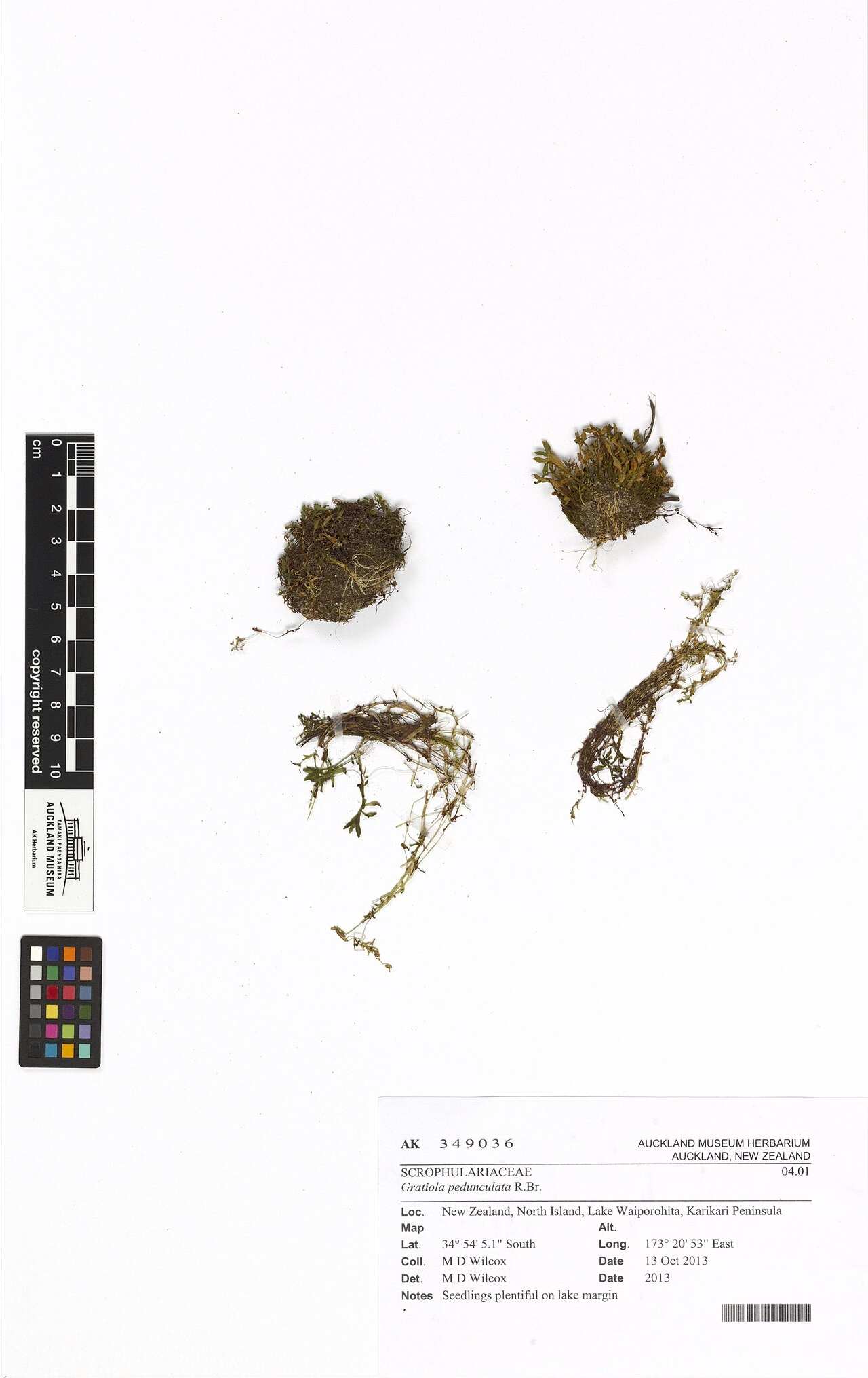
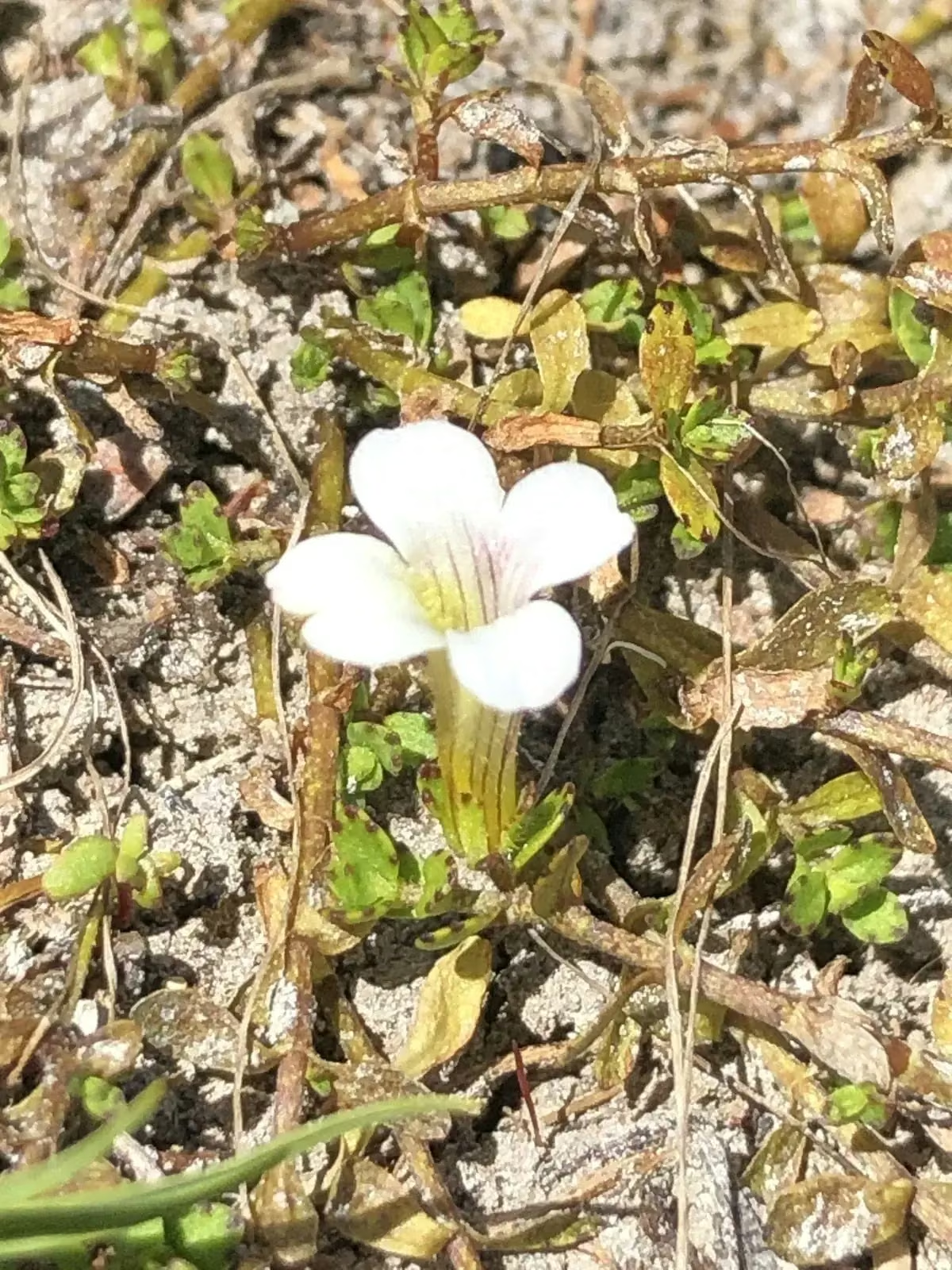
Gratiola pedunculata is an erect, sparingly branched perennial herb of shallow lake margins, growing up to 45 cm tall. In New Zealand it is known only from a handful of Northland dune lakes: Lakes Waiporohita and Rotokawau on the Karikari Peninsula and the Kai Iwi Lakes. The whole plant is sticky with tiny golden glands, its leaves are lime green, and its scented white flowers carry 12 to 14 fine purple stripes. It is common in Australia, where it is called brooklime, and it is treated here as a natural coloniser that has established itself in Northland rather than as an introduced weed. Explore more native flowering plants in our native plant guide.
Plant Description
Gratiola pedunculata is an erect perennial herb up to 450 mm tall with few branches. Almost every part of the plant, apart from the petals, is densely covered in sessile, golden, globe-shaped glands and a few glandular hairs, which make it noticeably sticky to the touch.
The leaves are stalkless, three-nerved and 8 to 18 mm long by 3 to 10 mm wide, with widely toothed margins and bases that clasp the stem. They are a clear lime green and lack the purple spotting found on the endemic Gratiola sexdentata. The sweetly scented flowers sit on distinct stalks (pedicels), which is the feature the name pedunculata refers to. Each tubular corolla is white flushed yellow and marked with 12 to 14 fine purple lines. The fruit is a broadly ovoid capsule that is longer than the calyx.
Among New Zealand gratiolas it is recognised by the combination of its upright, sparingly branched habit, its extremely sticky covering of golden glands and its unspotted lime-green leaves.
Quick Facts
| Scientific Name | Gratiola pedunculata |
|---|---|
| Height | Up to 0.45 m |
| Spread | Single erect stems or small clumps; no reliable spread figure recorded |
| Water Needs | High; shallow water or permanently damp lake margins |
| Light | Full sun |
| Frost Tolerance | Low to moderate; known in NZ only from frost-light Northland sites |
| Salt Tolerance | No information available; grows in freshwater dune lakes |
| Growth Rate | Fast in wet, sunny conditions |
| Lifespan | Perennial |
Climate Best Suited to
Suits a warm, frost-light climate such as the Northland coast, where it grows around dune lakes that hold water through summer. Its natural range in Australia is also warm temperate to subtropical.
Regional Suitability
| City | Climate Suitability |
|---|---|
| Auckland | Medium |
| Wellington | Low |
| Christchurch | Low |
| Dunedin | Low |
Plant Habitat
In New Zealand Gratiola pedunculata is confined to Northland, where it has been recorded from Lakes Waiporohita and Rotokawau on the Karikari Peninsula and from the Kai Iwi Lakes near Dargaville. These are clear, sand-bound dune lakes with gently shelving shores. It was formally added to the New Zealand flora in 1997.
There it grows as an uncommon emergent in shallow water and is a common member of the lake-margin turf communities that develop on the sandy shores as water levels rise and fall. In Australia it is widespread and usually grows with rushes and sedges along creeks, rivers and lagoons.
Growing Requirements
Soil Requirements
In the wild it roots into wet sand and silt on the margins of nutrient-poor dune lakes.
- Permanently damp or shallowly flooded sand, silt or peaty mud
- Low fertility is normal; no fertiliser is needed
- Open ground free of tall competing plants
Light Requirements
NZPCN notes that it does best in sunny, permanently damp soil, matching its open lake-shore habitat.
- Full sun for compact growth and good flowering
- Shading by tall rushes or raupō weakens it
Water Requirements
This is a wetland plant that grows in or beside water, so the root zone must never dry out.
- Grow in a pond margin, bog garden or water-filled container
- Tolerates shallow standing water as well as saturated soil
Planting and Establishing
Plant in spring into a sunny, permanently wet spot such as the shallow shelf of a pond or a bog garden. A pot of sandy, low-nutrient mix stood in a tray of water also works well and makes it easy to keep slugs away.
Because the New Zealand population is tiny, plants for cultivation should come from nursery stock or seed raised in cultivation rather than from the Northland lakes.
Ecological Role
Gratiola pedunculata forms part of the low turf that colonises the exposed sandy margins of Northland dune lakes, a habitat that also holds several other uncommon turf plants. Its fragrant, striped flowers suggest insect pollination, but no study of its pollinators in New Zealand was found.
Its status as a coloniser means it is thought to have arrived naturally from Australia and established in suitable lake-margin habitat, although how and when it crossed the Tasman is not documented.
Uses & Significance
Garden Uses
It is a small but attractive plant for a sunny pond edge or bog garden in warm northern districts, valued for its scented striped flowers.
- Pond margins and shallow water shelves
- Bog gardens and wetland plantings
- Containers stood in water
Ecological Value
In New Zealand it adds to the distinctive lake-margin turf flora of Northland dune lakes, a habitat sensitive to changes in water level and weed invasion.
- Contributes to native lake-shore turf communities
- Flowers over a long summer season
Landscaping Uses
Use it in groups along the very edge of a pond where its upright lime-green stems and white flowers stand out against water. It pairs naturally with low native turf plants and small sedges rather than with tall rushes that would shade it.
It is best treated as a feature for a specialist wetland or native collection garden rather than a mass planting, since it is uncommon in cultivation.
Seasonal Care Calendar
Spring
New growth appears as water levels and temperatures rise. This is the best time to plant or take cuttings.
- Plant out or divide
- Begin slug and snail control
Summer
Flowering runs from November to March, with the scented white, purple-striped flowers held on slender stalks.
- Keep the root zone wet
- Collect ripening capsules for seed
Autumn
Capsules continue to ripen until about May.
- Sow fresh seed
- Remove weeds from around the clumps
Winter
Growth slows over the cooler months. Plants in containers should be kept moist but protected from hard frost in colder districts.
- Keep containers wet
- Shelter from heavy frost
When to Prune and How Much
No regular pruning is needed. Old, flowered stems can be trimmed back once seed has been collected to keep a container plant tidy.
Remove any stems damaged by slugs or snails so new shoots can develop from the base.
How to Grow Gratiola
NZPCN describes Gratiola pedunculata as easy to grow from fresh seed and from stem cuttings, provided it is kept in a sunny position with permanently damp soil. Both methods are simple, and raising plants from cultivated stock avoids any need to disturb the very small wild populations in Northland. The main risk at every stage is slug and snail damage, which can destroy seedlings and soft cuttings overnight.
From Seed
Fresh seed from ripe capsules, collected between December and May, germinates readily. The seed is very fine, so it should be sown on the surface rather than buried.
- Collect capsules as they turn brown and split open
- Sow seed thinly on the surface of a fine, sandy seed mix
- Stand the tray in a shallow dish of water so the mix stays saturated
- Keep in a warm, bright spot and protect from slugs and snails
- Prick out seedlings when they have two pairs of true leaves and grow on in wet pots
From Cuttings
Stem cuttings root quickly in wet conditions, and stems that sit in water often root along their length.
- Take 5 to 8 cm tip cuttings from healthy, non-flowering stems in spring or summer
- Remove the lower leaves
- Insert into a pot of wet, sandy mix or stand directly in shallow water
- Keep in good light and out of hot afternoon sun until rooted
- Pot on once roots are visible, keeping the pots standing in water
Pests & Diseases
NZPCN notes that this species is prone to slug and snail damage, which is the main problem in cultivation. Use barriers, hand-picking or pet-safe baits around young plants, especially in spring.
In the wild, the lake-margin turf it grows in can be threatened by invasive aquatic and marginal weeds and by changes to lake water levels.
Cultural Significance
No Māori name or traditional Māori use is recorded for Gratiola pedunculata, which is not surprising given that it was only recognised as part of the New Zealand flora in 1997.
The genus name Gratiola means little beauty, and pedunculata refers to the stalked flowers. In Australia it is commonly known as brooklime or stalked brooklime.
Bonus Tip
If you are unsure whether a gratiola is this species, touch it: Gratiola pedunculata is so densely covered in golden glands that the stems and leaves feel distinctly sticky, and a hand lens shows the glands as tiny golden beads.
Related Plants
Explore other native plants that share similar characteristics or habitats with Gratiola (Gratiola pedunculata), offering further insights into New Zealand's diverse flora. These related species provide context and opportunities for complementary planting in your garden.
Notogrammitis pseudociliata
Notogrammitis pseudociliata
Notogrammitis rawlingsii
Notogrammitis rawlingsii
Notogrammitis rigida
Notogrammitis rigida
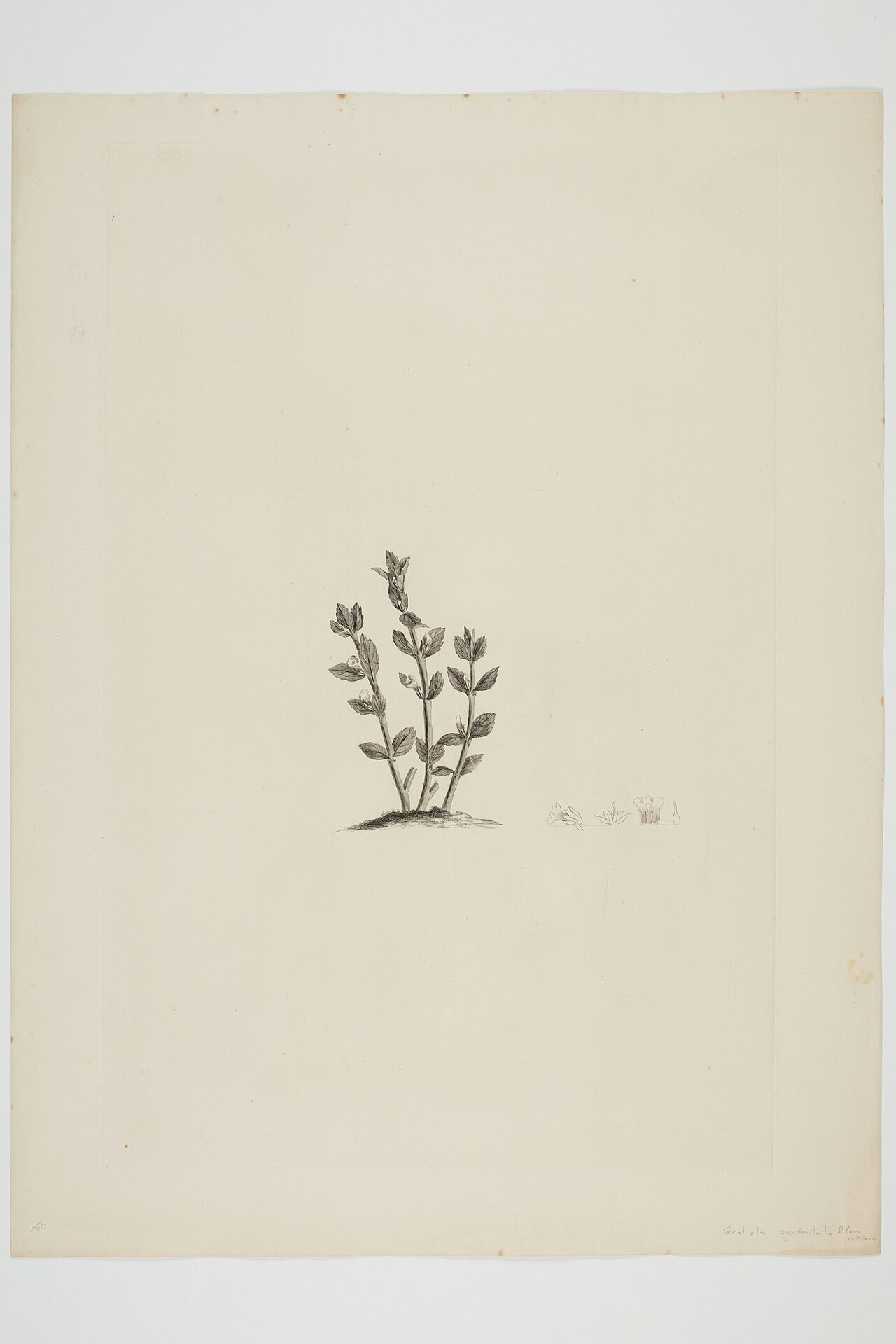
Gratiola sexdentata
Gratiola sexdentata
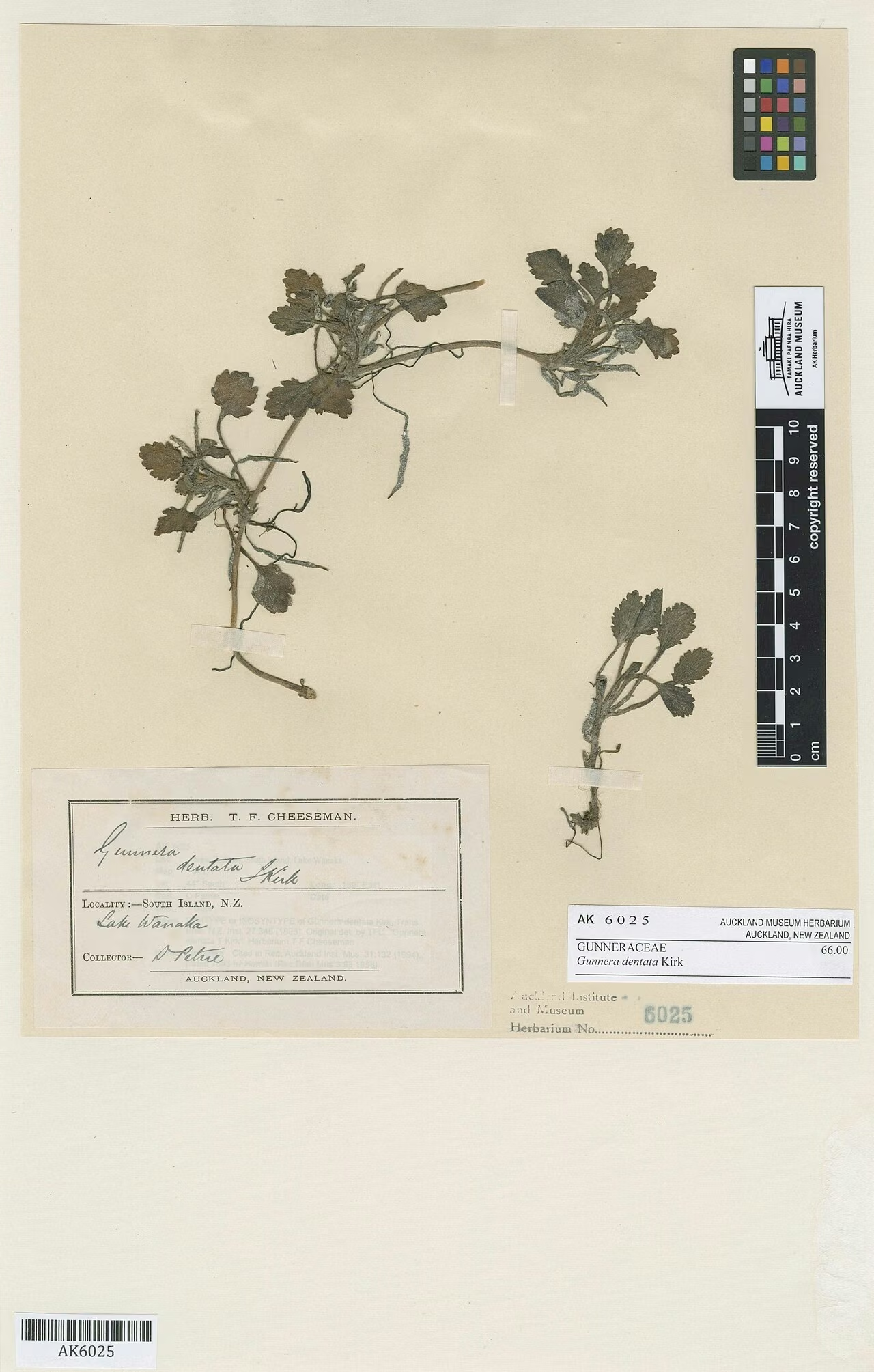
Sand Gunnera
Gunnera dentata
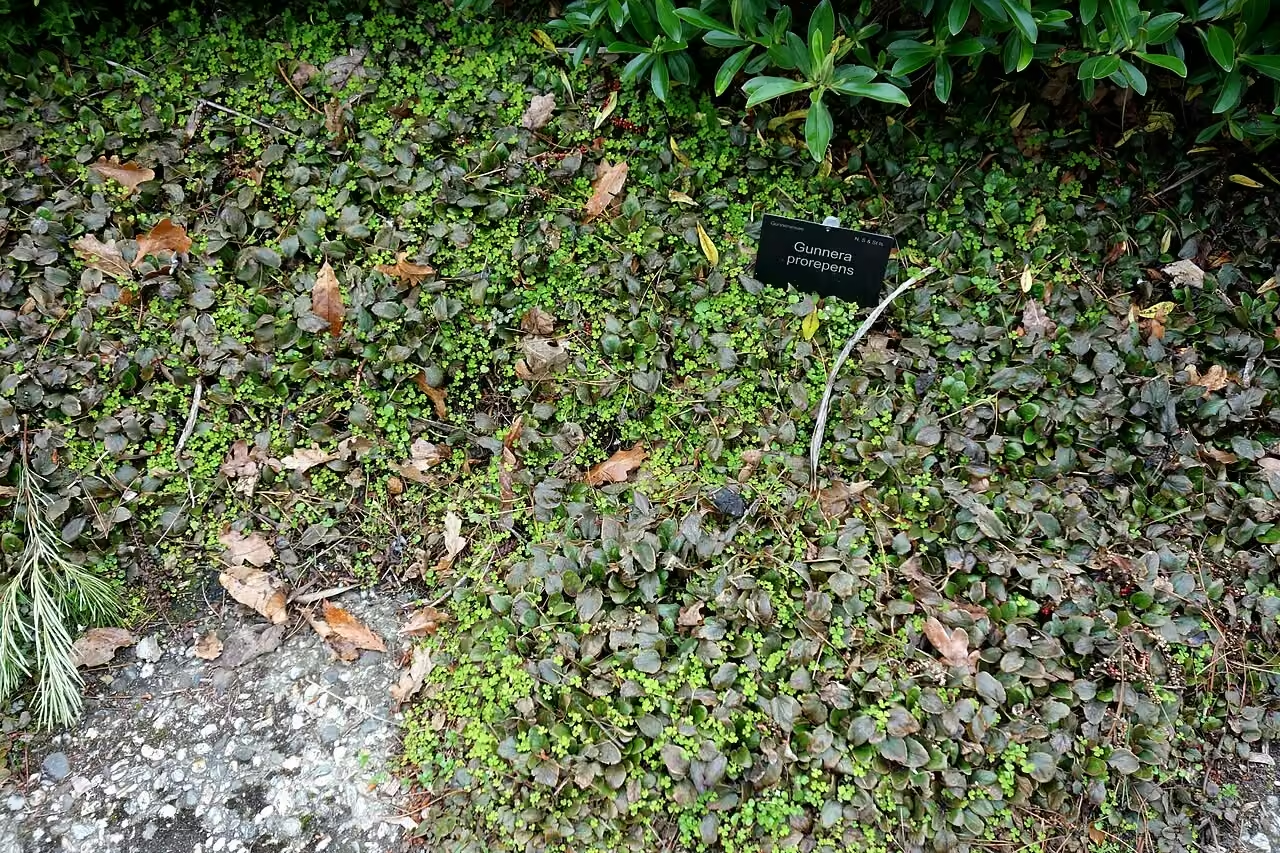
Creeping Gunnera
Gunnera prorepens
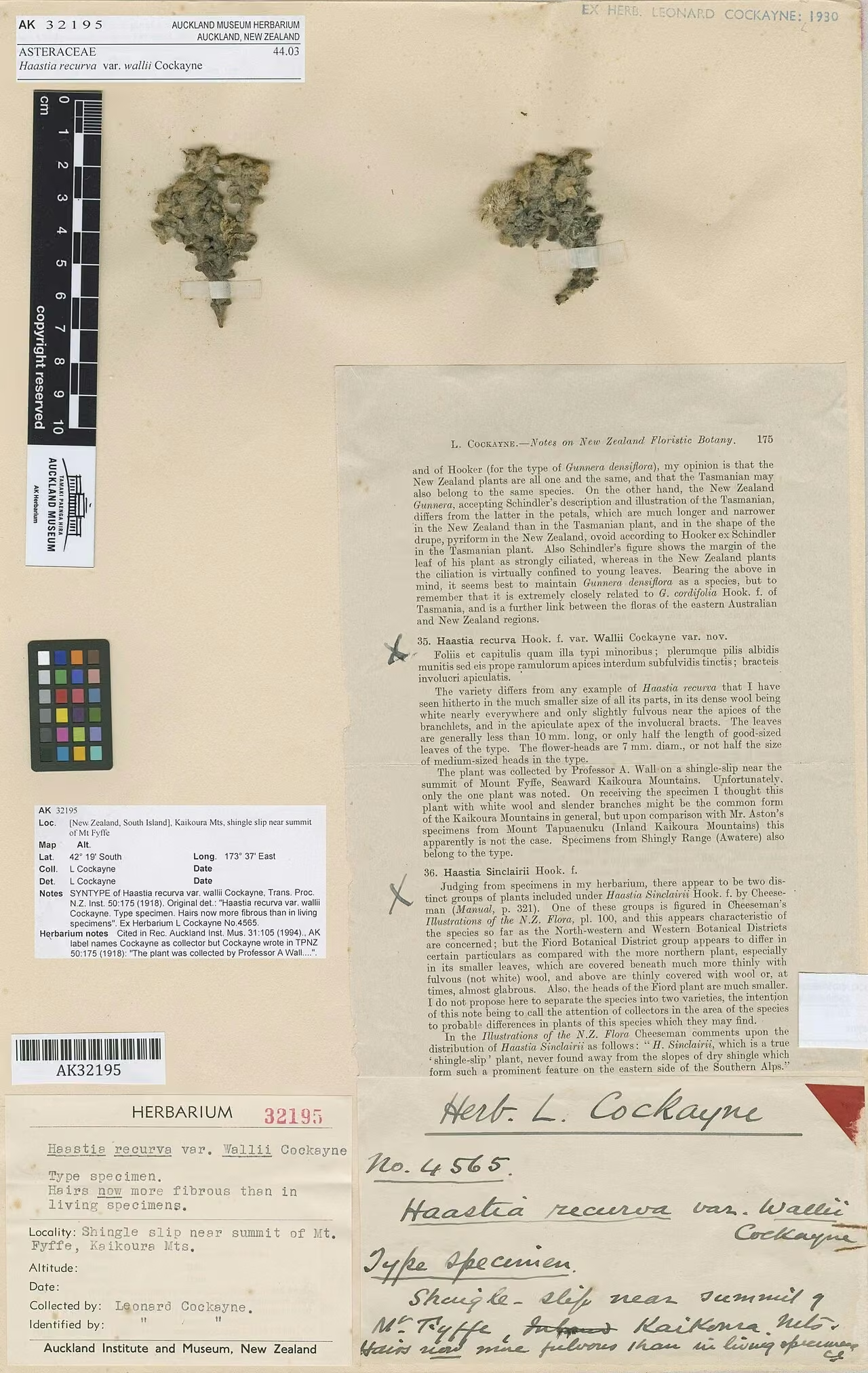
Haastia recurva var. recurva
Haastia recurva var. recurva
Concinna Plant
Concinna Plant
Plant Conservation
Gratiola pedunculata is ranked Non-resident Native - Coloniser, with the qualifier Secure Overseas because it is common in Australia. NZPCN notes it is not threatened but is still very uncommon in New Zealand.
Its Northland lake-shore habitat is vulnerable to weed invasion, nutrient enrichment and altered water levels, so protecting the dune lakes and their margins is the best way to keep it.
Frequently Asked Questions
Is Gratiola pedunculata native to New Zealand?
Yes. It is indigenous but not endemic. It is common in Australia and is ranked in New Zealand as a Non-resident Native - Coloniser, meaning a species that has arrived and established naturally.
Where does Gratiola pedunculata grow in New Zealand?
It is known only from Northland dune lakes, namely Lakes Waiporohita and Rotokawau on the Karikari Peninsula and the Kai Iwi Lakes, where it grows in shallow water and lake-margin turf.
How do you tell Gratiola pedunculata from Gratiola sexdentata?
Gratiola pedunculata is erect and sparingly branched, extremely sticky with golden glands, and has lime-green leaves without purple spots. Gratiola sexdentata has smaller leaves with purple marks along the margins and purple-spotted stems.
Sources and Further Reading
The botanical, growing, and conservation details for Gratiola (Gratiola pedunculata) on this page draw on the New Zealand plant references below. Consult them for full technical records and the latest distribution data.