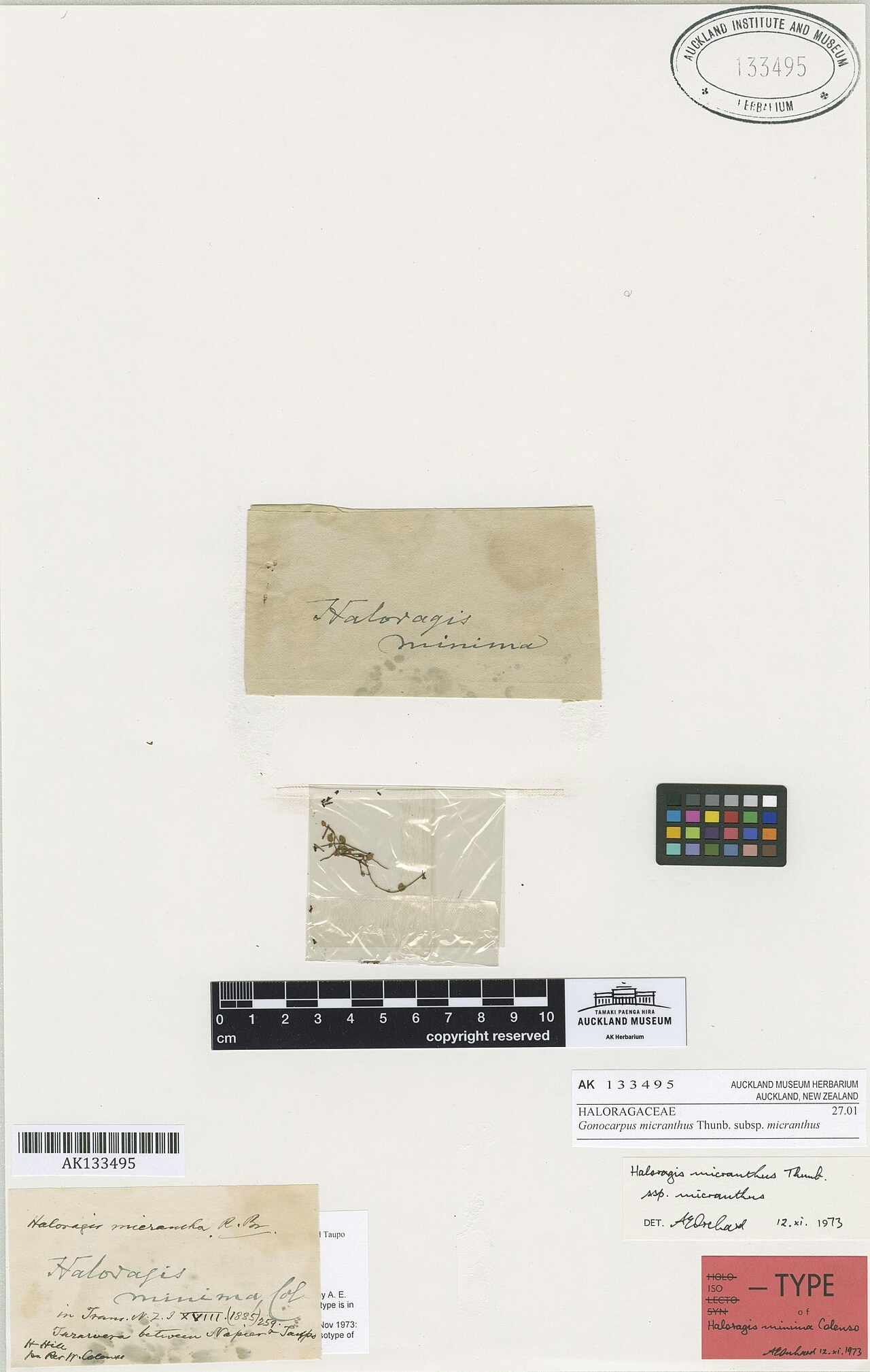
Creeping Raspwort
Gonocarpus micranthus
Last updated:
Creeping raspwort (Gonocarpus micranthus) is a slender, hairless creeping herb of the water milfoil family (Haloragaceae), usually under 10 cm tall in New Zealand. Many thin stems root from their lowest nodes and carry small opposite, notched leaves and tiny drooping reddish flowers, followed by minute dark red fruits. It grows in boggy and peaty places on the North, South and Stewart Islands. Unlike most of its New Zealand relatives it is not endemic: it ranges across Australia, New Guinea, South-east Asia, China, Japan and the Himalaya. The New Zealand plants belong to subsp. micranthus, which is ranked Not Threatened. Explore more native ground covers in our native plant guide.
Plant Description
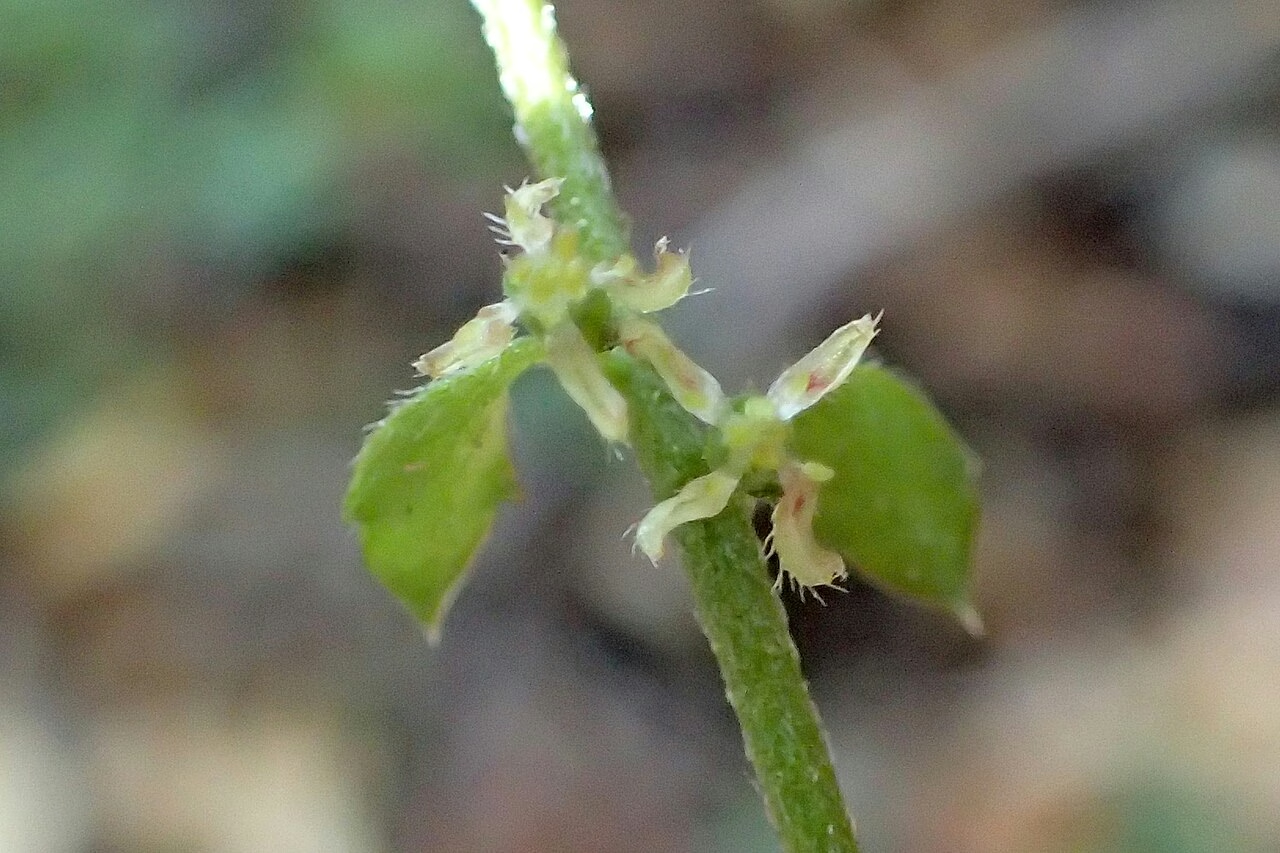
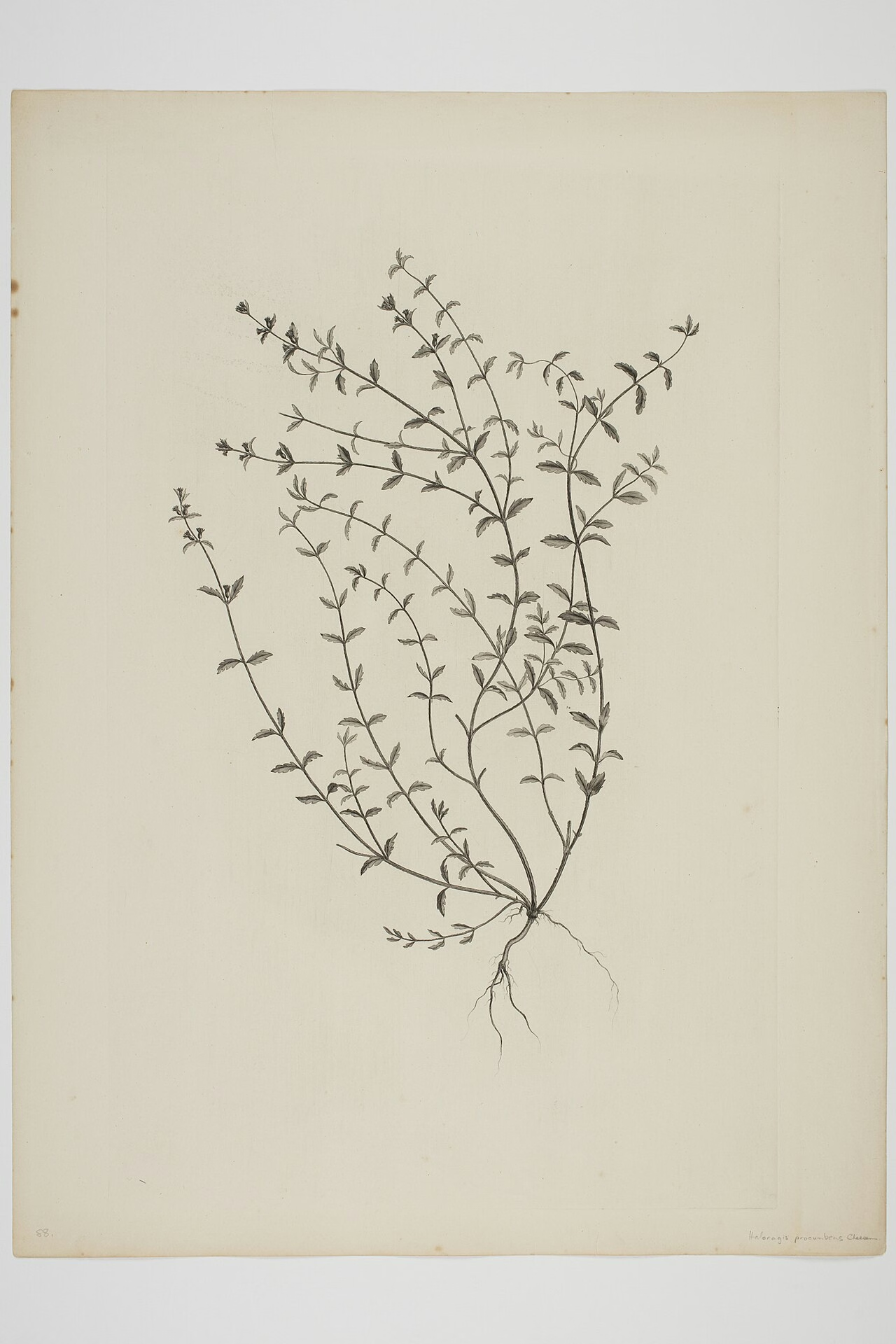
Gonocarpus micranthus is a slender, hairless herb up to about 10 cm tall in New Zealand, rooting from the lowest nodes. It has many obscurely four-angled stems with opposite, almost stalkless leaves 3 to 10 mm long. The leaves are ovate and thin, with a cartilaginous margin cut by four or five notches on each side.
The flowers are reddish and drooping, about 1.5 mm long, strongly protandrous and with eight stamens. The fruit is dark red, only about 0.5 mm long, with eight vertical ribs and smooth, concave faces between them, usually containing a single seed. Overseas the species can grow taller, with Australian plants recorded at 5 to 60 cm.
Its combination of hairless stems, deciduous primary floral bracts and nodding fruit without calluses between the ribs separates it from other New Zealand Gonocarpus species, such as the bristly G. incanus.
Quick Facts
| Scientific Name | Gonocarpus micranthus |
|---|---|
| Height | Usually up to 10 cm in New Zealand |
| Spread | Creeping; stems root at the lower nodes |
| Water Needs | High; damp to boggy ground |
| Light | Full sun to partial shade |
| Frost Tolerance | Good; reaches subalpine moors overseas |
| Salt Tolerance | No information available |
| Growth Rate | Moderate |
| Lifespan | Perennial |
Climate Best Suited to
Suits a wide range of climates wherever the ground stays damp, from warm northern wetlands to cool southern bogs.
Regional Suitability
| City | Climate Suitability |
|---|---|
| Auckland | High |
| Wellington | High |
| Christchurch | Medium |
| Dunedin | High |
Plant Habitat
In New Zealand it is found on the North Island, South Island and Stewart Island. NZPCN lists it as regionally Not Threatened in Northland, Auckland, Wellington and Otago. Beyond New Zealand it ranges through Tasmania and mainland Australia, New Guinea, South-east Asia, Taiwan, China, Korea, Japan and the eastern Himalaya.
It grows in boggy and peaty places. In Australia it is described from damp sites at all altitudes, from sandy heaths at sea level to subalpine moors, and elsewhere from grassy marshes. NZPCN classes it as a facultative wetland plant, occurring both in wetlands and on damp non-wetland ground.
Growing Requirements
Soil Requirements
It needs damp, usually peaty or sandy soil low in nutrients.
- Peat or sandy peat
- Acidic, low-fertility soils
- Consistently moist
Light Requirements
It grows in open bogs and marshes but tolerates some shade from taller plants.
- Full sun to partial shade
- Avoid heavy, dense shade
Water Requirements
Damp soil is essential; it will not persist where the ground dries out for long.
- Keep soil moist year round
- Tolerates brief waterlogging
Planting and Establishing
Creeping raspwort suits a bog garden, the damp margin of a pond, or a peaty trough kept moist. It can be used among small sedges and sundews in a native wetland display.
Set small rooted pieces at the same depth they were growing and water in thoroughly.
Ecological Role
Its tiny, drooping, strongly protandrous flowers shed pollen before the stigma is receptive, which promotes cross-pollination, likely by wind. NZPCN records that the fruit is wind dispersed.
It is a low component of peat bog, marsh and damp heath communities, growing between rushes, sedges and mosses, and its stems rooting at the nodes help it hold small patches of wet ground.
Uses & Significance
Garden Uses
A small, fine-textured plant for wet native gardens.
- Bog gardens and pond margins
- Damp troughs with other wetland natives
- Wetland restoration plantings
Ecological Value
It adds to the diversity of low-growing plants in native wetlands across New Zealand.
- Part of peat bog and marsh communities
- Ground cover between sedges and rushes
- Widespread species linking New Zealand to Asian and Australian flora
Landscaping Uses
Its reddish flowers and fine stems are attractive at close range, so plant it where a boggy path edge or boardwalk brings viewers near.
Combine with sundews, Centella, small Carex and Empodisma in a peat bog planting.
Seasonal Care Calendar
Spring
New stems grow and root at their lower nodes.
- Weed out grasses
- Check the soil remains damp
Summer
Tiny drooping reddish flowers appear, followed by dark red fruits.
- Water in dry spells
- Keep shade from taller neighbours light
Autumn
Fruits ripen and are dispersed by wind.
- Collect fruits for sowing
- Leave some to self-seed
Winter
Growth slows; the plant persists on damp ground.
- Do not let pots freeze solid
- Avoid trampling
When to Prune and How Much
No pruning is required. Trim untidy stems in late winter if desired.
Thin taller neighbours so the plant is not shaded out.
How to Grow Creeping Raspwort
Creeping raspwort is easy to increase in principle because its stems root from the lower nodes, and it sets many tiny one-seeded fruits. No New Zealand propagation records were found in the sources consulted, so the methods below are based on its growth habit. Because the species is widespread and Not Threatened, small amounts of material can be gathered with landowner permission, but avoid disturbing wetlands on conservation land without authorisation.
By Division
Pieces of stem that have already rooted at the nodes can be separated and replanted, giving new plants quickly. This is the simplest way to establish it in a bog garden.
- In spring, find stems that have rooted at their lower nodes.
- Cut them free with a section of root attached.
- Plant into damp peat or a peat and sand mix.
- Keep constantly moist until new growth begins.
From Seed
The dark red fruits are only about 0.5 mm long and are easily lost, so place a paper bag over fruiting stems or cut them as the fruits darken.
Seed is tiny, so sow it on the surface and never bury it.
- Collect ripe fruits in late summer or autumn.
- Sow thinly on the surface of moist, fine peat-based mix.
- Stand the pot in a tray of water to keep it constantly damp.
- Grow in good light until seedlings are large enough to plant out as small clumps.
Pests & Diseases
No pests or diseases specific to creeping raspwort are recorded in New Zealand. Slugs may graze its soft stems in damp gardens.
Its main threat in the wild is wetland drainage and invasion of bogs by weeds that shade out small plants.
Cultural Significance
The Flora of New Zealand records piripiri as a vernacular name for Gonocarpus micranthus, though the name is better known for the bidibidi (Acaena). No traditional Māori use specific to this species is recorded in the sources consulted.
It was first described by the Swedish botanist Carl Peter Thunberg, and its wide natural range across Asia and Australasia means it was known to botanists well beyond New Zealand. In older New Zealand floras it appears as Haloragis micrantha.
Bonus Tip
In a mixed bog garden, creeping raspwort is easily lost under taller plants. Give it a patch of open peat near the front and let it creep between low cushions of moss, where its reddish flowers and fruits stand out.
Related Plants
Explore other native plants that share similar characteristics or habitats with Creeping Raspwort (Gonocarpus micranthus), offering further insights into New Zealand's diverse flora. These related species provide context and opportunities for complementary planting in your garden.
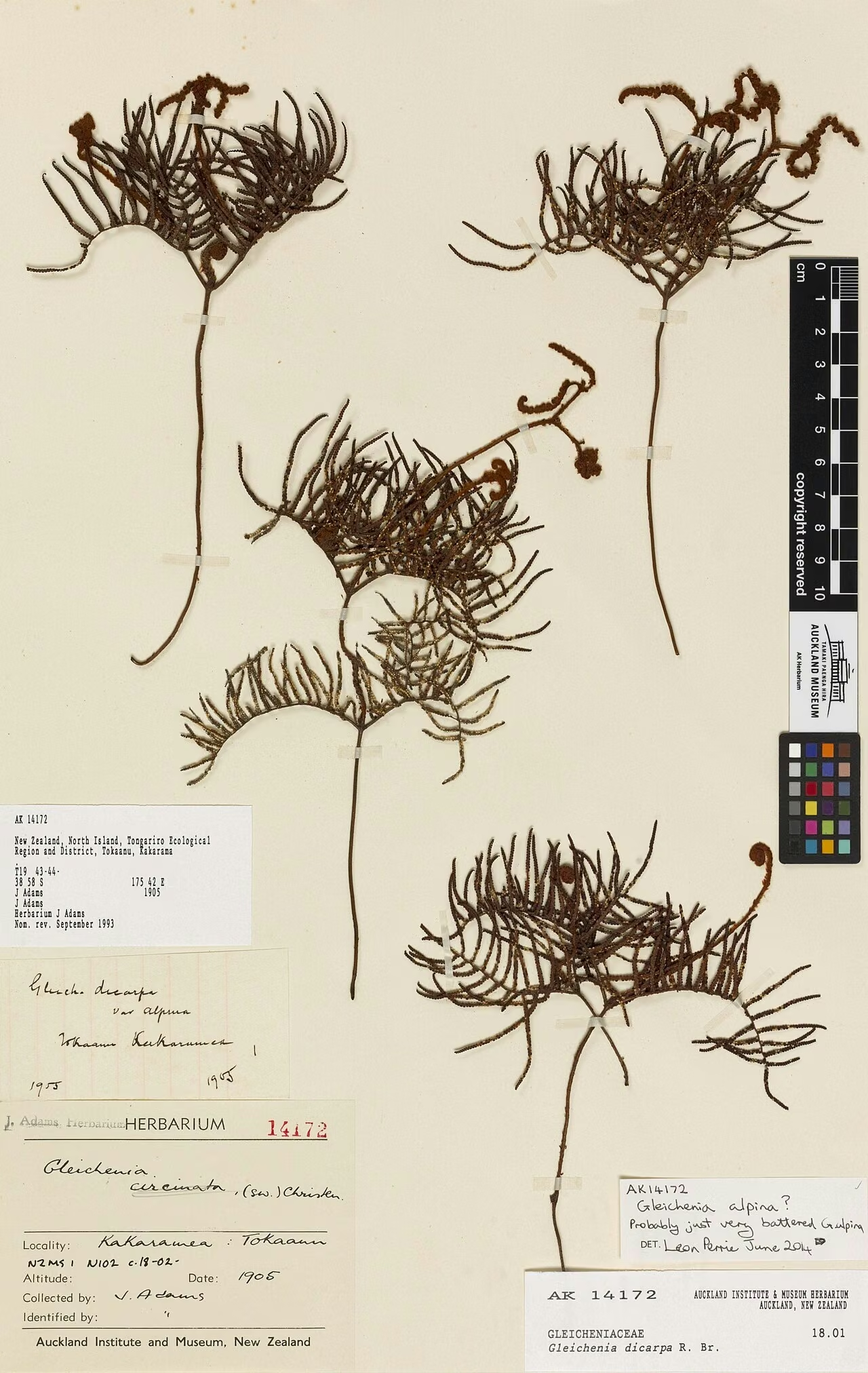
Alpine Tangle Fern
Gleichenia alpina
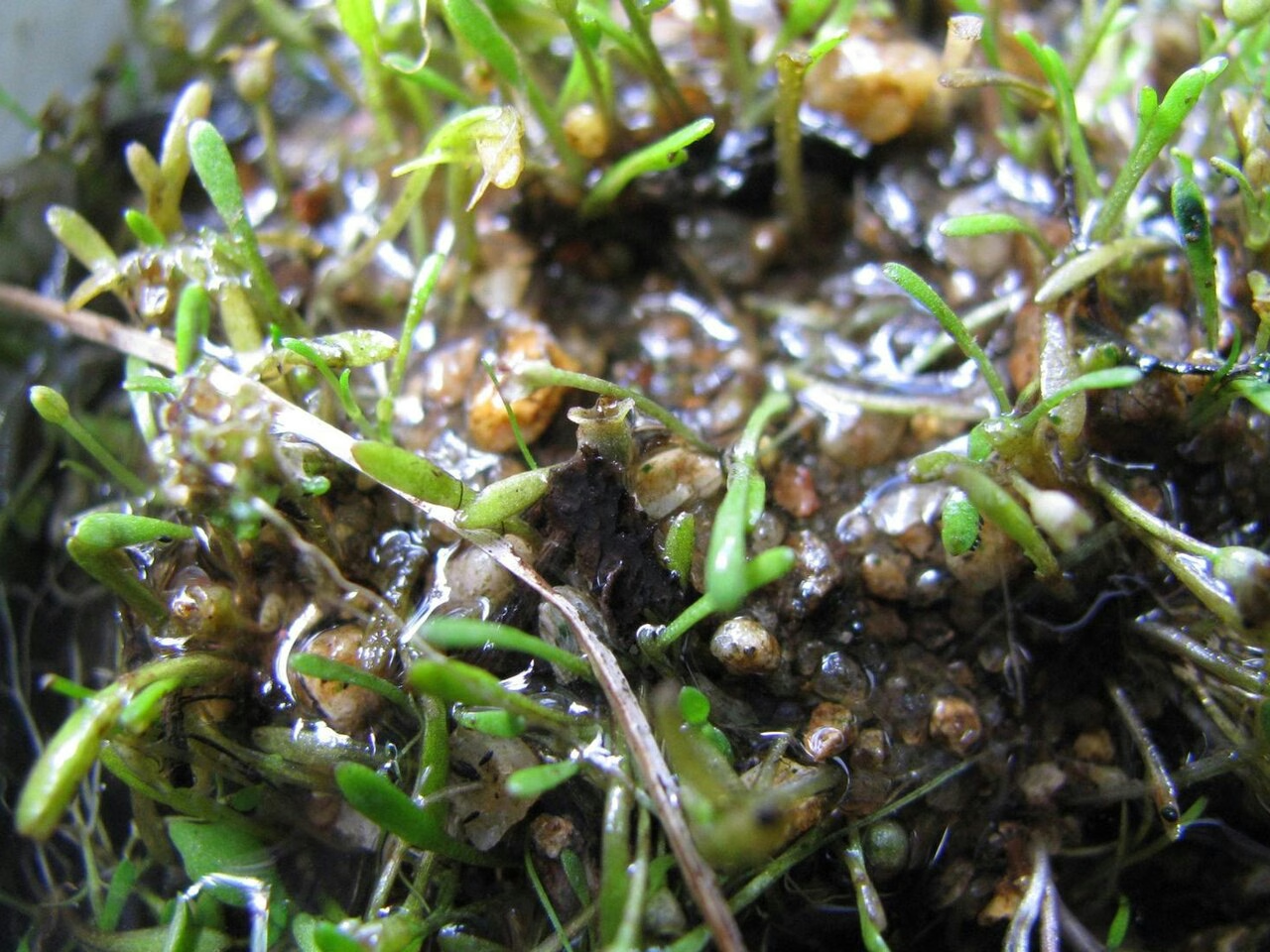
Glossostigma cleistanthum
Glossostigma cleistanthum
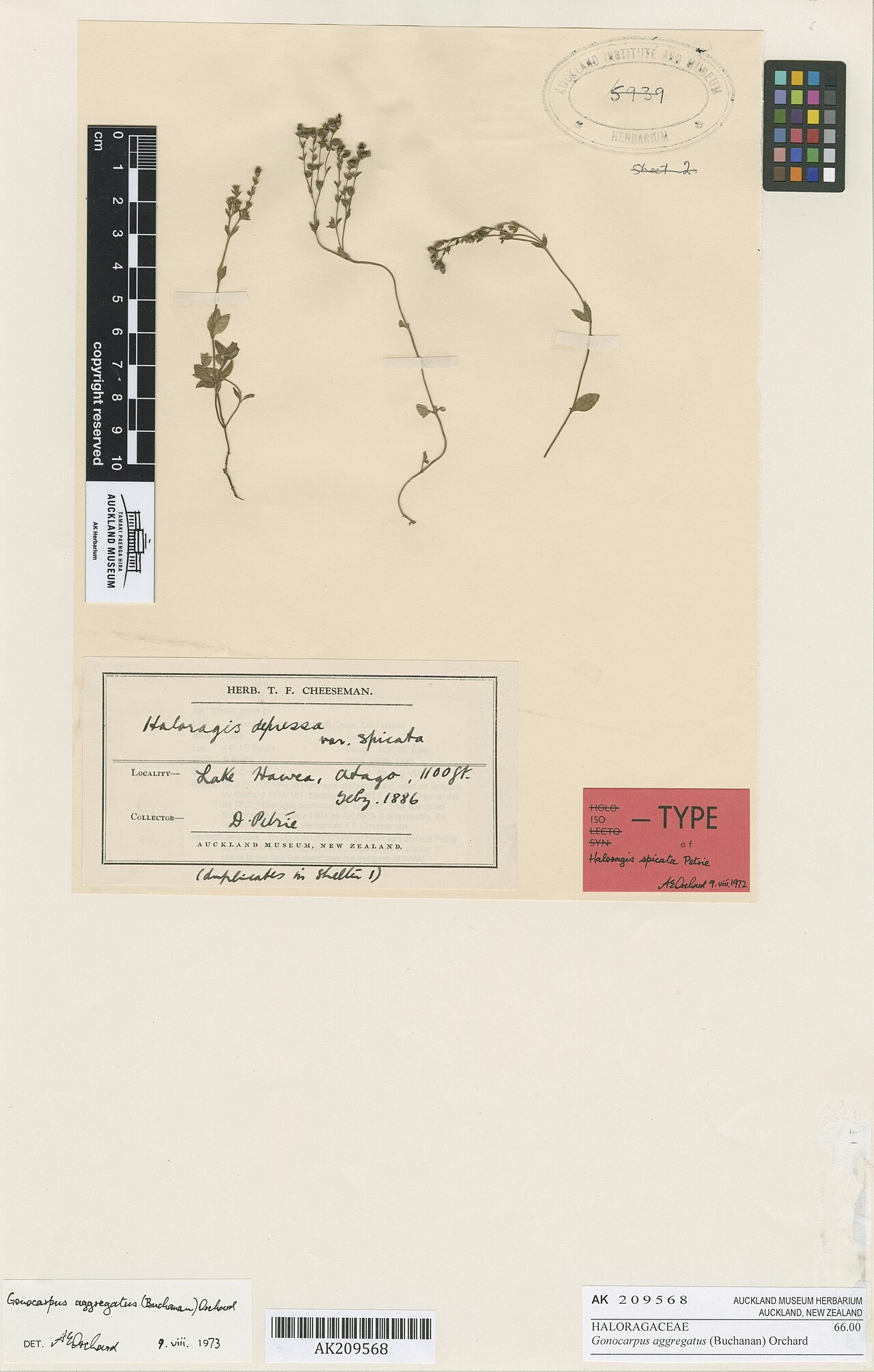
Gonocarpus aggregatus
Gonocarpus aggregatus
Gonocarpus incanus
Gonocarpus incanus
Mountain Raspwort
Gonocarpus montanus
Notogrammitis ciliata
Notogrammitis ciliata
Notogrammitis patagonica
Notogrammitis patagonica
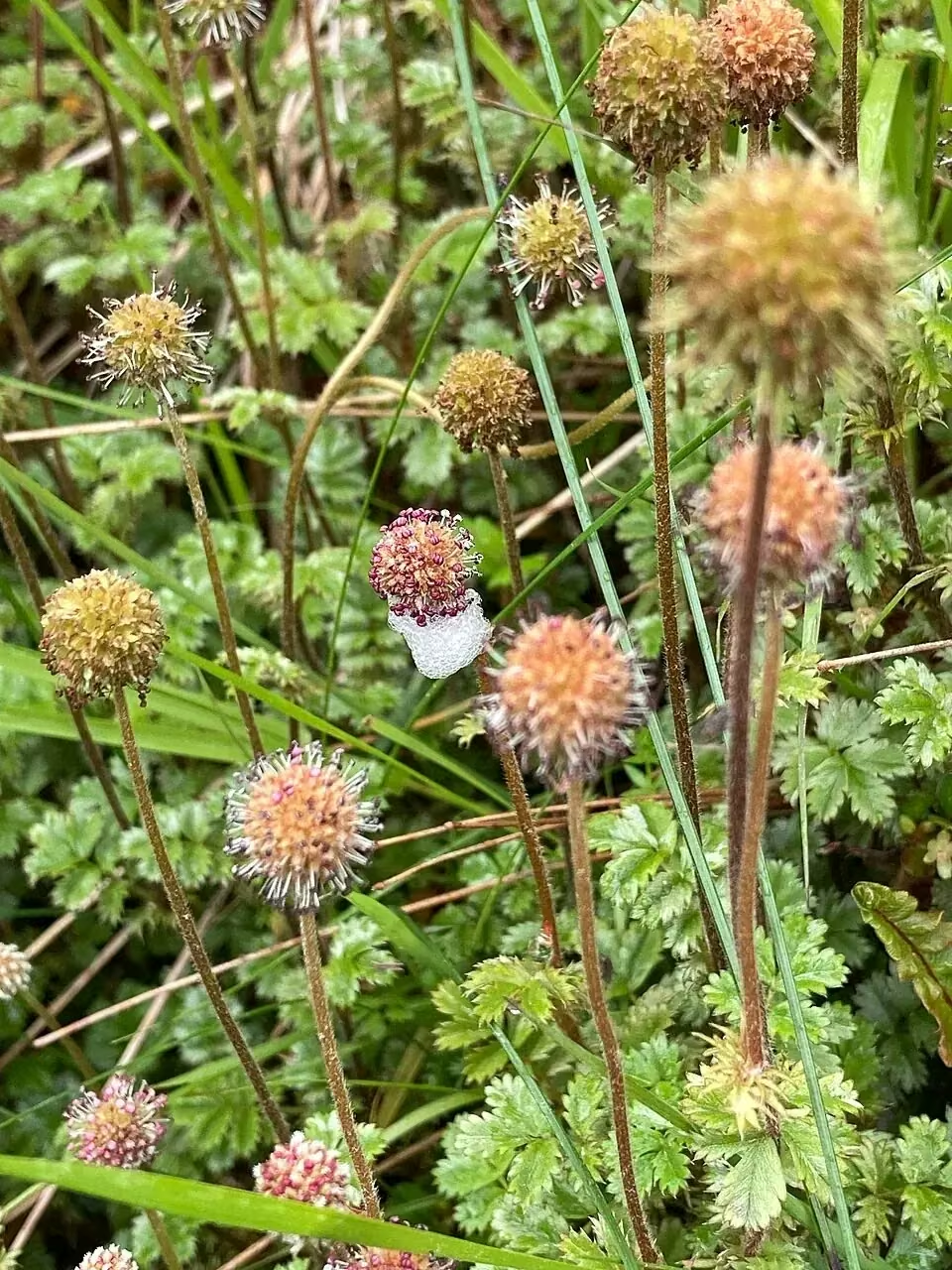
Bidibid
Bidibid
Plant Conservation
Gonocarpus micranthus subsp. micranthus is ranked Not Threatened (2023) with the qualifier SO (secure overseas), and has been ranked Not Threatened in every assessment since 2004.
It nonetheless depends on wetlands, which have been greatly reduced in New Zealand. Protecting remaining bogs and marshes from drainage and weed invasion keeps it common.
Frequently Asked Questions
Where does creeping raspwort grow in New Zealand?
The Flora of New Zealand records it from the North, South and Stewart Islands in boggy and peaty places, and NZPCN lists it as regionally Not Threatened in Northland, Auckland, Wellington and Otago.
Is Gonocarpus micranthus native to New Zealand?
Yes, it is indigenous but not endemic. It also occurs in Australia, New Guinea, South-east Asia, Taiwan, China, Korea, Japan and the eastern Himalaya.
How do you tell Gonocarpus micranthus from Gonocarpus incanus?
G. micranthus is hairless, with deciduous floral bracts and nodding fruits that lack calluses between the ribs, whereas G. incanus is rough with stiff white hairs and has calluses on its fruit.
What does micranthus mean?
Micranthus means small-flowered, a fitting name since the drooping reddish flowers are only about 1.5 mm long.
Sources and Further Reading
The botanical, growing, and conservation details for Creeping Raspwort (Gonocarpus micranthus) on this page draw on the New Zealand plant references below. Consult them for full technical records and the latest distribution data.