Soft Cranesbill
Geranium potentilloides
Last updated:
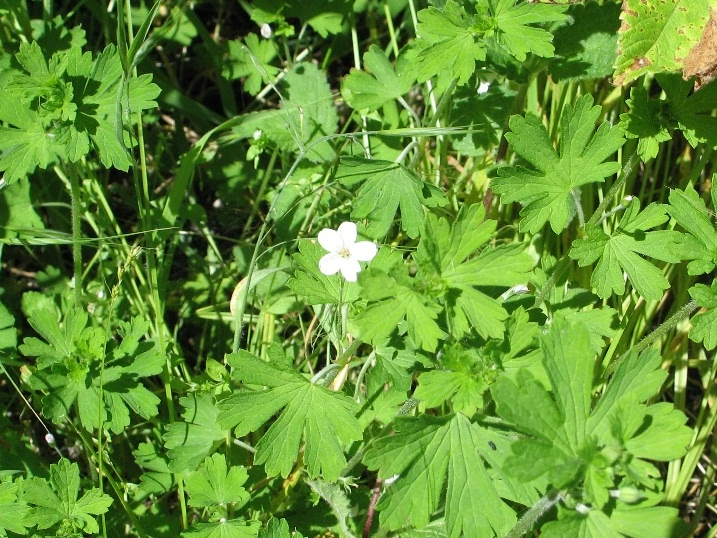
Soft cranesbill (Geranium potentilloides) is a sprawling perennial native geranium with slender, many-branched stems, small deeply lobed leaves up to 3 to 4 cm across and small pink flowers produced from October to March. In New Zealand it is widespread and common in the North Island from Auckland southwards, and occurs in Nelson and Marlborough in the South Island. It grows in open grassland, rough pasture, roadsides, river banks, tracks and scrub from the lowlands to the montane zone. It is also native to temperate Australia and New Guinea, and is easily overlooked among introduced geraniums. Explore more native flowering plants in our native plant guide.
Plant Description
Geranium potentilloides is a perennial herb arising from a slender or sometimes fairly stout root crown. Its stems are slender, prostrate or spreading, usually much branched and covered in soft, mostly backward-pointing hairs. The basal leaves rarely last through the growing season and sit on stalks up to 12 cm or more long.
The leaf blades are usually up to 3 to 4 cm across, kidney-shaped to round or broadly ovate, and cut three-quarters or more of the way to the base into 3 to 5 lobes, with the larger lobes again divided into two narrow secondary lobes. Flowers are borne singly or occasionally in pairs on thread-like stalks 1 to 4 cm long. The petals are pink, broadly obovate and 4 to 5 mm long. The fruit splits into hairy mericarps 2 to 3 mm long with a beak of 6 to 10 mm, and the seeds are 1.5 to 1.9 mm long with a distinctly pitted surface.
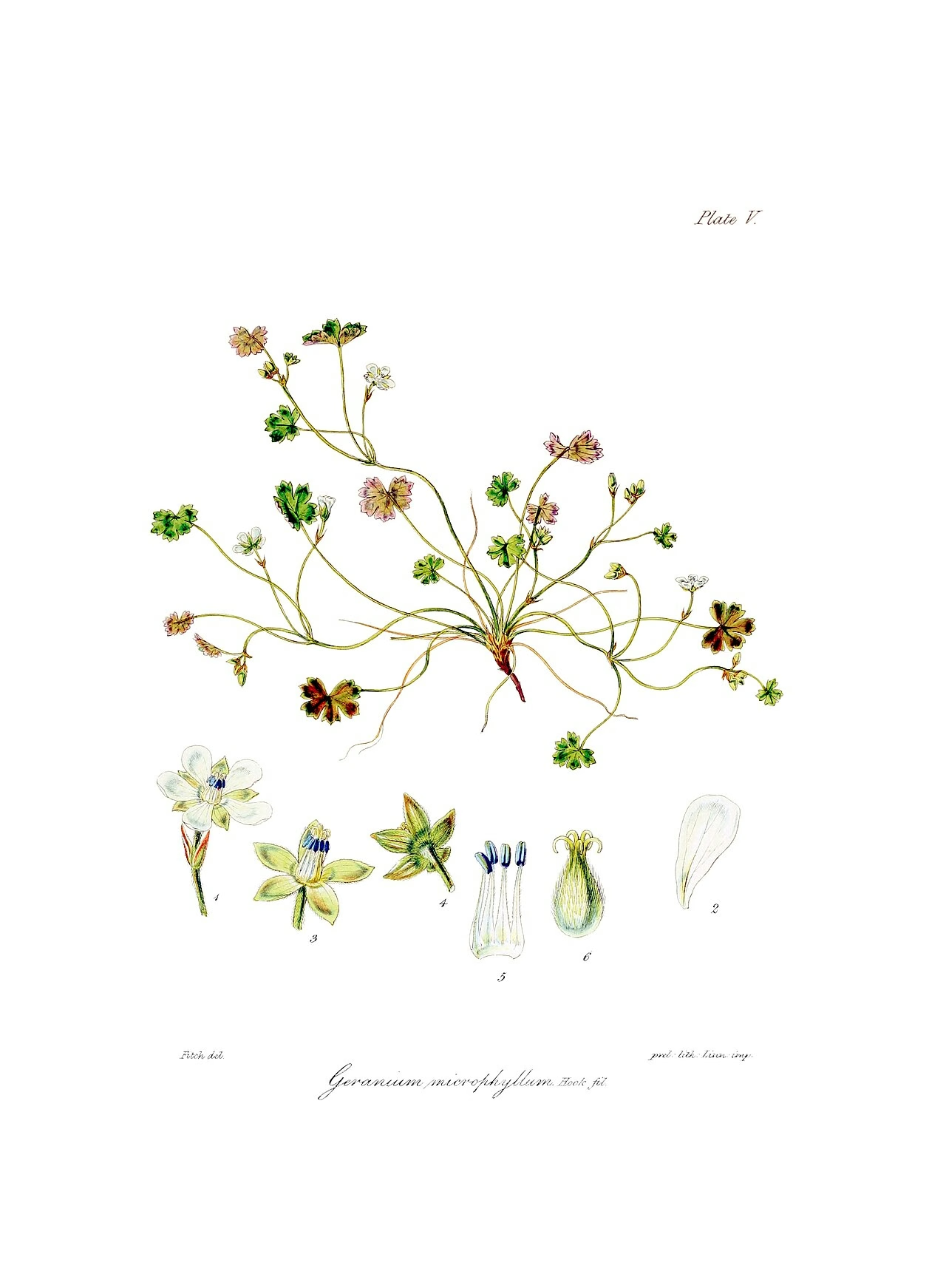
Pinakitere (Geranium homeanum) is a larger plant with leaves up to 9 cm across and paired flowers. Geranium microphyllum of the subantarctic islands has white petals and nearly smooth seeds. Introduced weedy cranesbills such as Geranium molle have more rounded, shallowly lobed leaves and notched petals.
Quick Facts
| Scientific Name | Geranium potentilloides |
|---|---|
| Height | Prostrate to low spreading, usually under 0.3 m |
| Spread | Slender branching stems spreading through grass |
| Water Needs | Moderate; tolerates seasonal dryness but not prolonged flooding |
| Light | Full sun to part shade |
| Frost Tolerance | Moderate to good; ranges into the montane zone |
| Salt Tolerance | No specific information available |
| Growth Rate | Moderate |
| Lifespan | Perennial |
Climate Best Suited to
Suits mild to cool temperate climates and copes with lowland to montane conditions in the North Island and the northern South Island.
Regional Suitability
| City | Climate Suitability |
|---|---|
| Auckland | High |
| Wellington | High |
| Christchurch | Medium |
| Dunedin | Medium |
Plant Habitat
In New Zealand soft cranesbill is widespread and common in the North Island from Auckland southwards. In the South Island it occurs in Nelson and Marlborough, and Flora of New Zealand records a single collection between Akatore and Glenledi in South Otago. Regional assessments list it as Data Deficient in Northland, Auckland and Otago, and Not Threatened in the Wellington region. Overseas it is native to temperate Australia and New Guinea.
Its habitats are open places: grassland, rough pasture, roadsides, river banks, tracks and scrub, from the lowlands to the montane zone. In Australia it is described from damp or shady sites in woodland and grassland.
Growing Requirements
Soil Requirements
It grows on a wide range of soils in open grassland and on disturbed ground such as roadsides and tracks.
- Moist, well-drained soil
- Tolerates clay and stony ground
- Avoid sites that flood for long periods
Light Requirements
A plant of open grassland and scrub margins, it also tolerates the dappled light of scrub.
- Full sun to part shade
- Flowers less freely in deep shade
Water Requirements
Wikipedia notes that it survives seasonal dryness but not prolonged inundation.
- Water during establishment
- Established plants need little extra watering in most North Island gardens
Planting and Establishing
Plant into open, well-drained ground where it can scramble through low grasses or over the edge of a bank. It is well suited to restoration of native grassland and scrub margins in the North Island.
Plant in autumn or spring so roots establish before summer. Avoid smothering mulch around the crown; a light gravel mulch keeps the crown dry while suppressing weeds.
Ecological Role
NZPCN records that its seed is dispersed by wind, ballistic projection and possibly attachment. As the fruit dries, its five segments flick seed away from the plant, and the hairy segments may also catch on fur or clothing.
Wikipedia notes that flowers contain both male and female parts and are usually insect pollinated. It is a common native component of open, often modified, grassland and scrub in the North Island.
Uses & Significance
Garden Uses
Soft cranesbill is a modest, sprawling groundcover for informal native plantings.
- Native meadow and grassland plantings
- Scrambling between tussocks on banks
- Edges of scrub restoration sites
Ecological Value
It provides a native alternative to the introduced weedy geraniums that fill rough grassland.
- Small pink flowers supply nectar and pollen to native insects from spring to late summer
- Adds diversity to the native herb layer of grassland and scrub
- Readily colonises disturbed open ground
Landscaping Uses
Allow soft cranesbill to weave among low native grasses such as Poa and Microlaena, where its fine leaves and scattered pink flowers give a natural meadow look.
It is best used in larger informal areas rather than formal beds, as its sprawling stems and self-seeding habit can look untidy in a manicured garden.
Seasonal Care Calendar
Spring
New stems grow out from the crown and flowering begins in October.
- Weed around plants
- Plant out new seedlings
Summer
Small pink flowers continue through summer, with beaked fruit following.
- Collect seed from browning fruit
- Water new plantings in dry spells
Autumn
Flowering finishes in March and the last seed is shed.
- Sow fresh seed
- Cut back untidy stems
Winter
Growth slows and basal leaves die back.
- Keep crowns free of wet debris
- Plan restoration plantings
When to Prune and How Much
No regular pruning is required. Cut back straggling stems after fruiting to keep plants compact, and remove old leaves in winter.
Leave some fruit to ripen if you want the plant to self-seed.
How to Grow Soft Cranesbill
Soft cranesbill is raised most easily from seed, which is produced freely over a long flowering season from October to March. The fruit throws its seed explosively when ripe, so collecting needs to be timed carefully. Plants with rooted stems can also be divided, and self-sown seedlings are a useful source of new plants in gardens where it already grows.
From Seed
Pick fruit as the beaks turn brown, or tie a small paper or mesh bag around ripening fruit to catch the seed. The seeds are small and pitted. Sow fresh in autumn or in spring after dry storage. If germination is patchy, lightly rubbing the seed between sheets of fine sandpaper to scuff the hard coat can speed it up.
- Collect browning fruit and dry in a paper bag
- Sow seed on a free-draining seed mix
- Cover lightly with fine grit
- Keep moist in a sheltered, bright spot
- Prick out seedlings into pots when large enough to handle
- Plant out once a good root system has formed
By Division
Wikipedia notes that the stems can root at the leaf nodes, forming clumps. Rooted sections of stem or offsets from the edge of a clump can be separated in autumn or early spring.
- Look for stems that have rooted where they touch the soil
- Cut the rooted section from the parent
- Pot into a free-draining mix
- Keep shaded and moist until new growth appears
- Plant out after a few weeks
Pests & Diseases
No serious pests specific to this geranium are recorded in New Zealand. Slugs and snails may damage seedlings, and crowns may rot in waterlogged ground.
In the wild it competes with rank pasture grasses and introduced geraniums, which can crowd it out of open sites.
Cultural Significance
No Māori name or traditional Māori use is recorded for Geranium potentilloides in the sources consulted.
In Australia, Wikipedia reports that Indigenous Australians roasted the starchy roots of this species for food, and that it is known there as soft cranesbill or cinquefoil geranium. The epithet potentilloides refers to the resemblance of its leaves to those of Potentilla.
Bonus Tip
When weeding rough grass in the North Island, look closely at small pink-flowered geraniums before pulling them. Deeply cut leaves with narrow lobes and unnotched pink petals suggest native soft cranesbill, whereas the common weed Geranium molle has shallowly lobed, soft rounded leaves and notched petals.
Related Plants
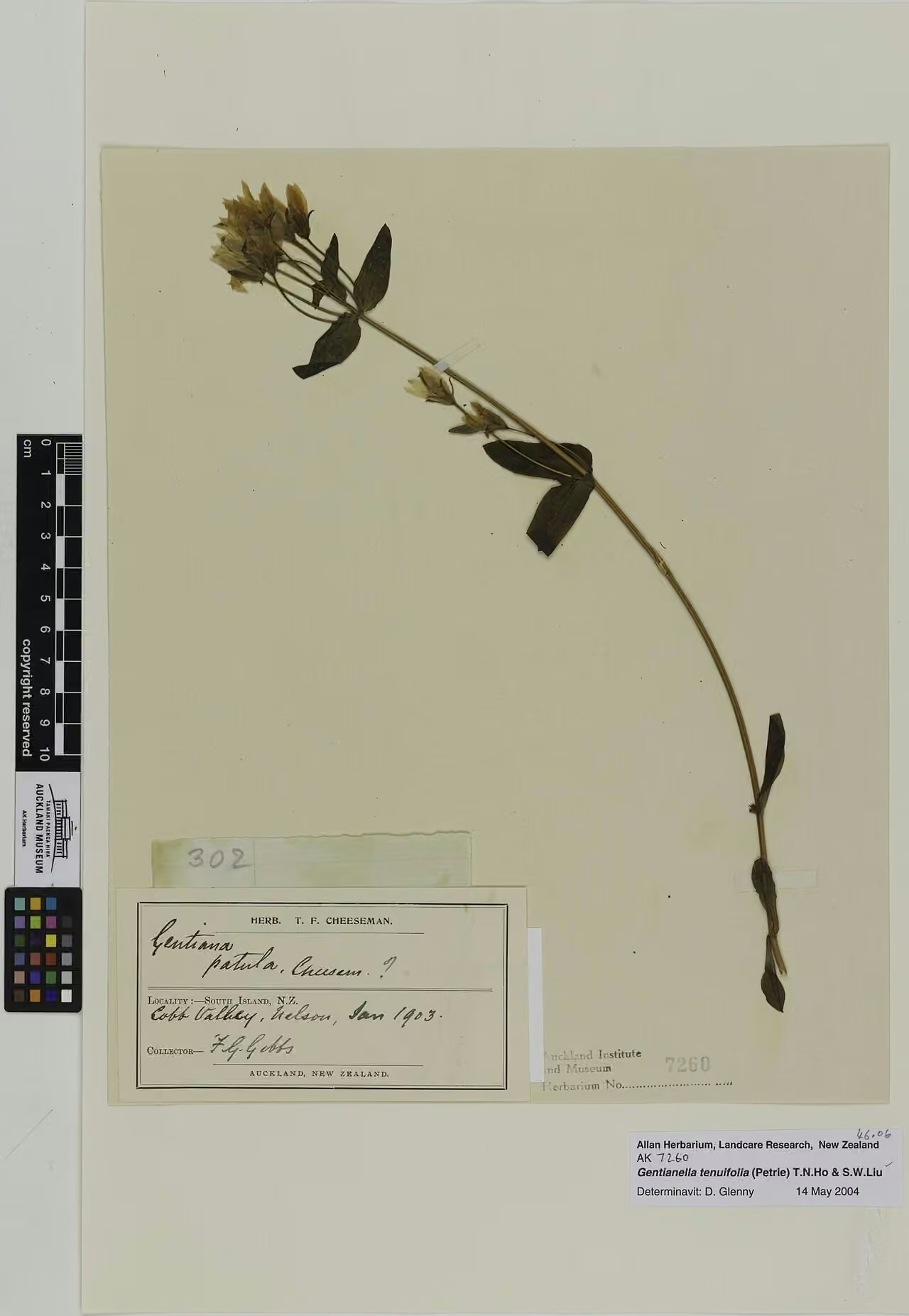
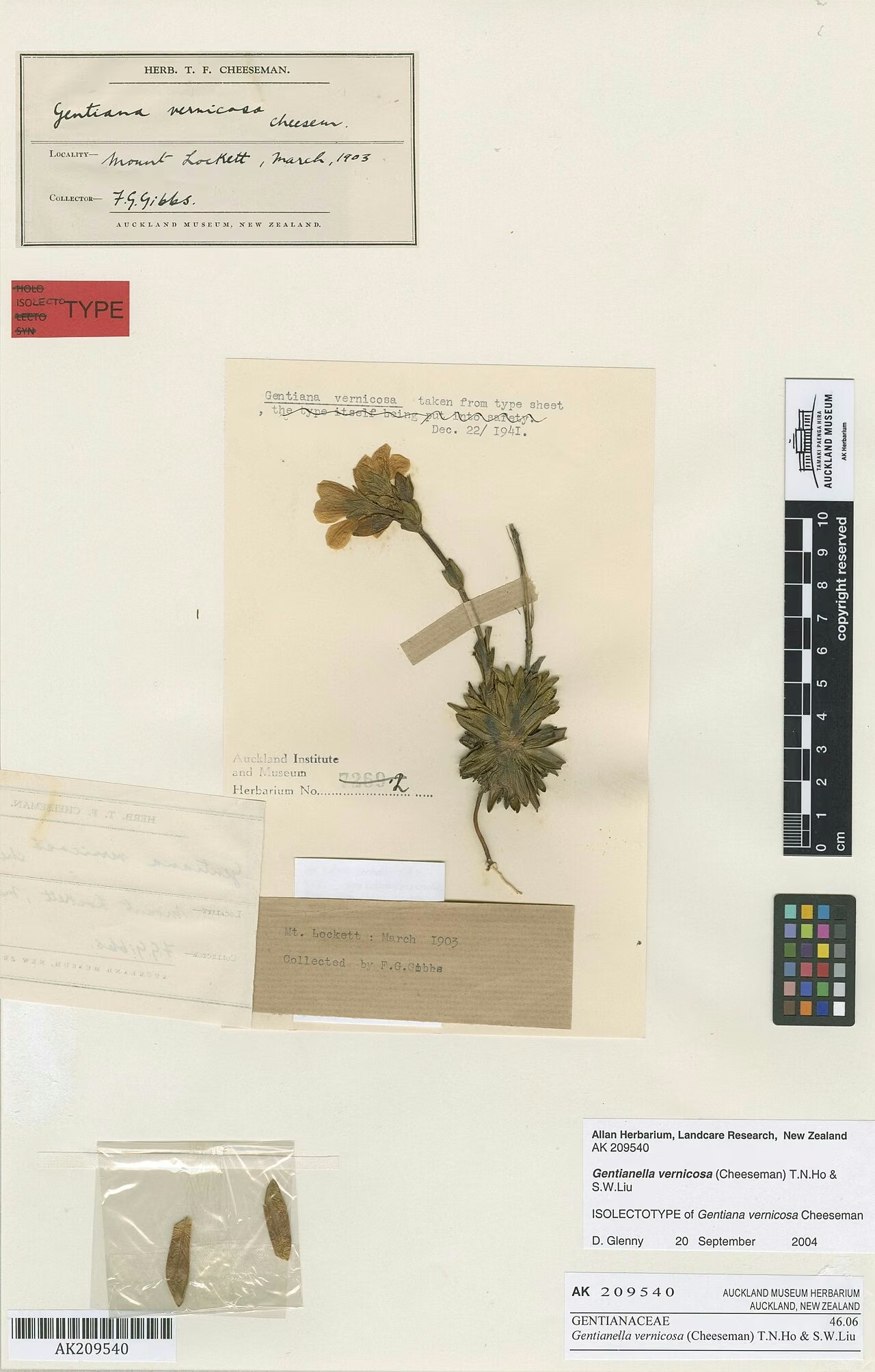
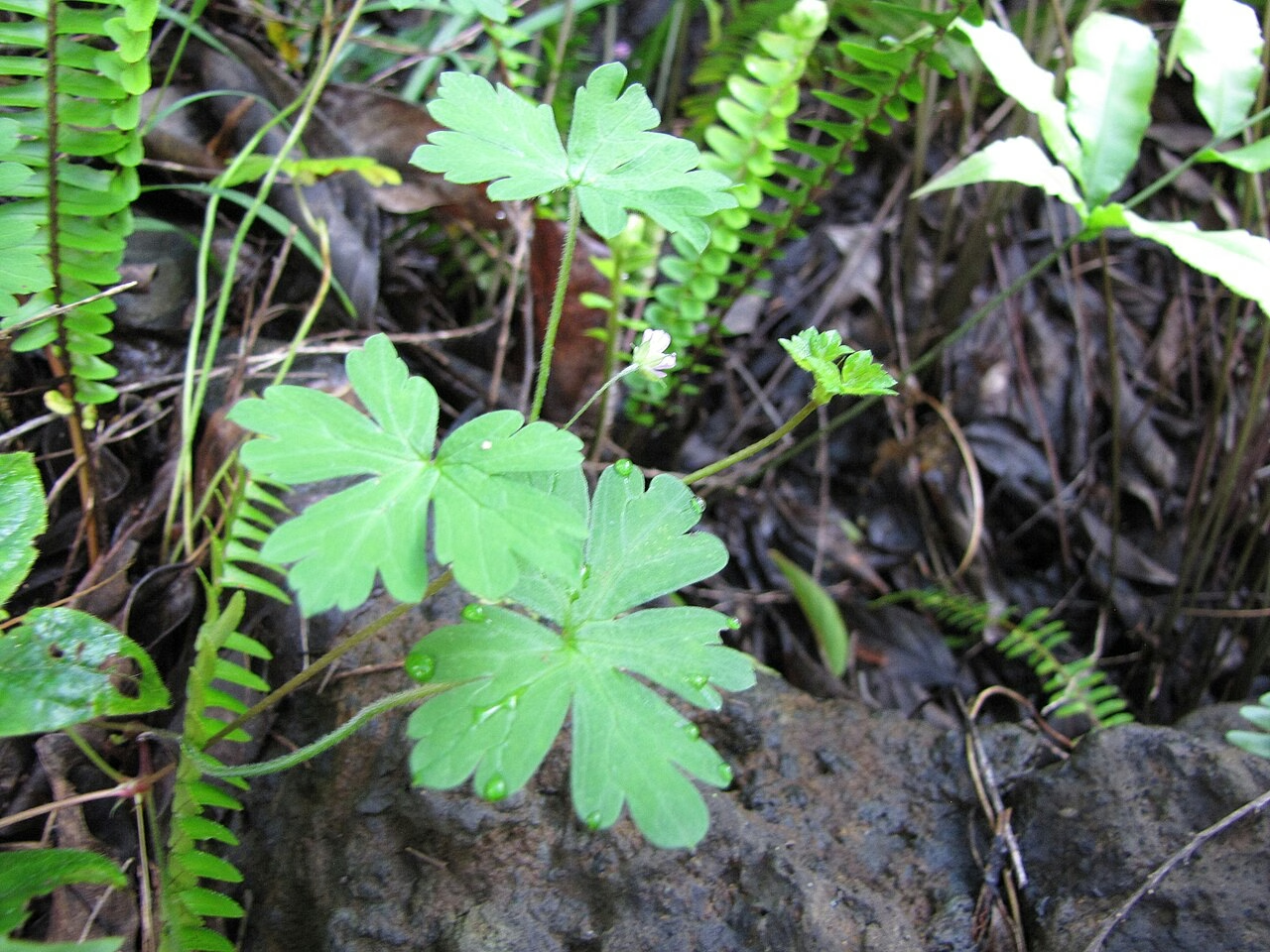
Explore other native plants that share similar characteristics or habitats with Soft Cranesbill (Geranium potentilloides), offering further insights into New Zealand's diverse flora. These related species provide context and opportunities for complementary planting in your garden.
Plant Conservation
Geranium potentilloides is ranked Not Threatened (2023) with the qualifier Secure Overseas, as it is also native to Australia and New Guinea. It is common in the North Island and often grows in modified habitats.
Regional assessments note it as Data Deficient in Northland, Auckland and Otago, so better recording of where it grows would help. Retaining open grassy margins and using it in native grassland restoration supports the species.
Frequently Asked Questions
How do you identify Geranium potentilloides?
Look for slender prostrate or spreading stems with backward-pointing hairs, small round leaves deeply cut into 3 to 5 lobes, pink petals 4 to 5 mm long and fruit with a beak 6 to 10 mm long. The seeds are distinctly pitted.
Where is soft cranesbill found in New Zealand?
It is widespread and common in the North Island from Auckland southwards, and in the South Island it is known from Nelson and Marlborough, with a single collection from South Otago.
Why is it called potentilloides?
The name means resembling Potentilla, the cinquefoils, because its small divided leaves look similar to those of cinquefoil plants.
Is Geranium potentilloides the same as Geranium microphyllum?
No. Older New Zealand floras lumped it into a broad Geranium microphyllum, but G. microphyllum is now restricted to the subantarctic islands and has white petals, while G. potentilloides has pink petals.
Sources and Further Reading
The botanical, growing, and conservation details for Soft Cranesbill (Geranium potentilloides) on this page draw on the New Zealand plant references below. Consult them for full technical records and the latest distribution data.