Small-Leaved Cranesbill
Geranium microphyllum
Last updated:
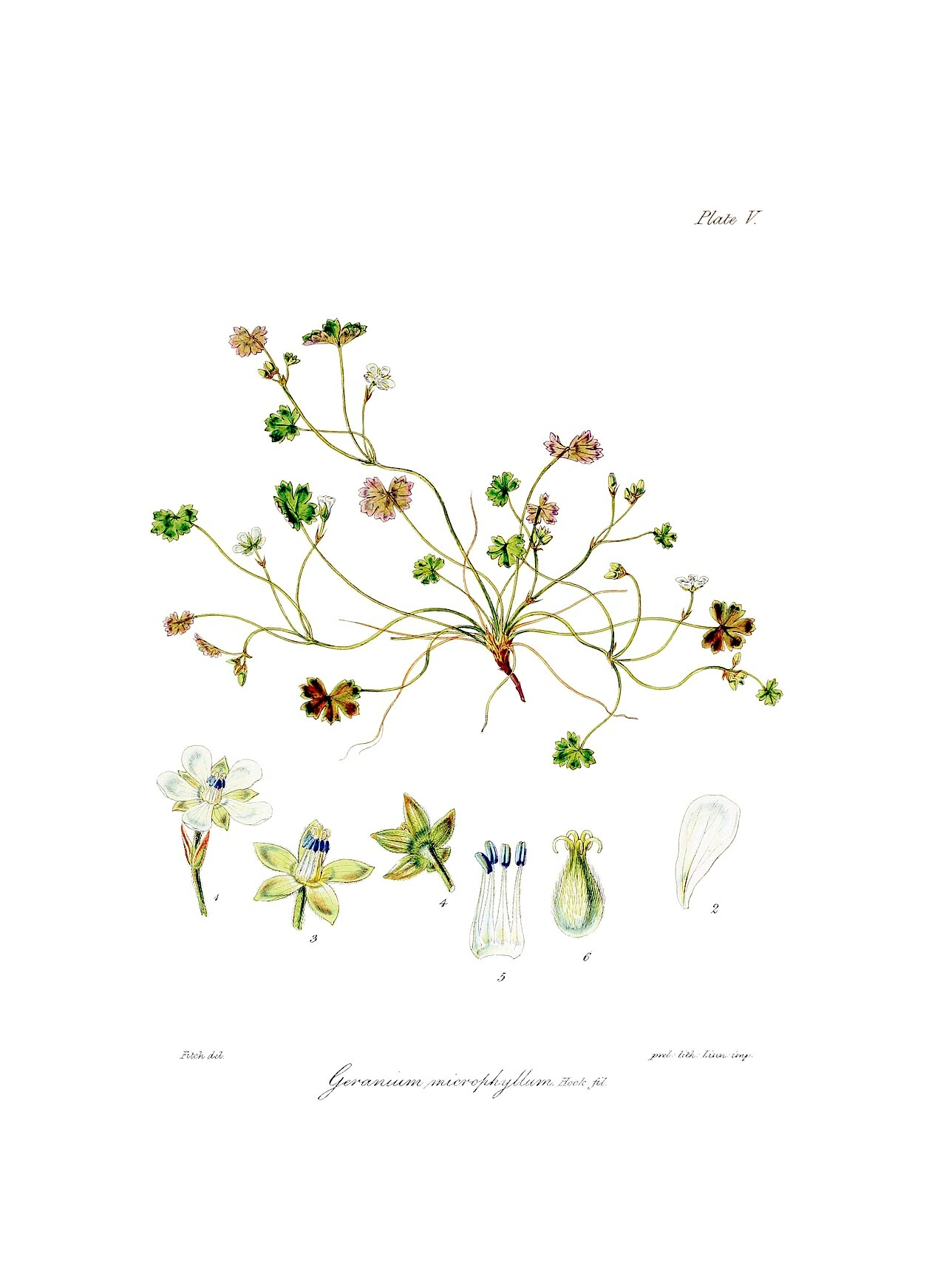
Small-leaved cranesbill (Geranium microphyllum) is a slender, prostrate perennial herb with small, deeply lobed leaves up to 4 cm across and white flowers with petals 4 to 9 mm long, produced from October to February. In its modern sense it is endemic to New Zealand's subantarctic Auckland Islands and Campbell Island/Motu Ihupuku, where it grows in herbfields and turf. Its restricted range means it is ranked At Risk - Naturally Uncommon, and it is rarely collected. The name was once applied to a wider group of mainland geraniums, so many older references to it actually describe other species. Explore more native flowering plants in our native plant guide.
Plant Description
Geranium microphyllum is a perennial herb, often with a thick woody root crown and taproot. Its stems are slender and prostrate, sometimes spreading or almost erect, with few to many branches and mostly backward-pointing hairs. Soft, usually flattened hairs cover much of the plant.
The basal leaves do not usually persist through the growing season. Their blades are up to 4 cm across, kidney-shaped to round or broadly ovate, and cut about seven-eighths of the way to the base into usually 3 to 5 narrow lobes, the larger lobes with two further secondary lobes. The flowers are borne singly or in pairs on thread-like stalks 1 to 9 cm long. The sepals usually have a purple margin and the broadly obovate petals are white, 4 to 9 mm long. The mericarps are 2 to 2.8 mm long with a beak 6 to 11 mm long, and the seeds are 1.5 to 1.9 mm long and nearly smooth.
Its white petals and smooth seeds help separate it from Geranium potentilloides, which has pink petals 4 to 5 mm long and distinctly pitted seeds.
Quick Facts
| Scientific Name | Geranium microphyllum |
|---|---|
| Height | Prostrate, stems lying close to the ground |
| Spread | Slender stems up to about 30 cm long |
| Water Needs | Moist; subantarctic herbfield conditions |
| Light | Full sun to light shade |
| Frost Tolerance | High; a cool subantarctic plant |
| Salt Tolerance | No specific information available |
| Growth Rate | Moderate |
| Lifespan | Short-lived perennial |
Climate Best Suited to
Adapted to the cold, windy, wet and cloudy subantarctic climate of the Auckland and Campbell Islands. Warm, humid lowland summers on the mainland do not suit it.
Regional Suitability
| City | Climate Suitability |
|---|---|
| Auckland | Low |
| Wellington | Low |
| Christchurch | Low |
| Dunedin | Medium |
Plant Habitat
Small-leaved cranesbill is known only from the Auckland Islands and Campbell Island/Motu Ihupuku, roughly 400 to 700 km south of the South Island. It was first described by Joseph Hooker in 1844 from collections made on the Ross expedition to those islands.
It grows in subantarctic herbfields and turf, where it threads its slender stems through low vegetation. NZPCN notes that it is rarely collected, and classes it as facultative upland: occasionally in wet places but usually in non-wetland sites.
Growing Requirements
Soil Requirements
Subantarctic herbfield soils are typically cool, moist and peaty. In cultivation a free-draining but moisture-retentive mix is a reasonable substitute.
- Peaty or humus-rich soil
- Moist but not waterlogged
- Grit in pot mixes to keep the crown from rotting
Light Requirements
It grows among low herbs and turf in open, treeless country with frequent cloud cover.
- Open sites with good light
- Shade from hot afternoon sun in warmer districts
Water Requirements
The subantarctic islands have frequent rain and drizzle and little drought, so the plant expects steady moisture.
- Keep soil evenly moist
- Avoid letting pots dry out in summer heat
Planting and Establishing
This is a specialist plant for collectors in cool southern districts or alpine house growers. Raise it from seed sown in pots, keep it cool and moist, and expect to replace plants every few years because they are short-lived.
Plant into a cool, moist, sunny rock garden pocket or grow in pots with gritty peat-based mix. Allow plants to set seed so that new seedlings follow on as older plants die out.
Ecological Role
NZPCN records that its seed is dispersed by wind, ballistic projection and possibly attachment. The ripe fruit segments spring upwards and fling the seed, a typical cranesbill mechanism that spreads seedlings a short distance through the turf.
As a short-lived perennial that readily sets seed, it depends on continual recruitment of new plants in openings in the herbfield. The removal of introduced grazing animals from Campbell Island and parts of the Auckland Islands has allowed subantarctic herbfields to recover, which is likely to benefit small herbs such as this.
Uses & Significance
Garden Uses
Small-leaved cranesbill is not commercially available and is of interest mainly to collectors of subantarctic and alpine plants.
- Alpine house or cool-climate pot culture
- Moist rock garden pockets in southern gardens
- Educational collections of subantarctic flora
Ecological Value
It is one of the endemic herbs that make up the distinctive subantarctic herbfield flora.
- Contributes to plant diversity in subantarctic turf and herbfield
- Flowers are open and accessible to small insects
- A naturally uncommon endemic with a very limited range
Landscaping Uses
In a garden it is best treated as a small trailing plant to weave between cushions and low tussocks in a cool rock garden, where its white flowers and finely lobed leaves show up against stones.
Because it is short-lived, plan for it to move around by self-seeding rather than staying fixed in one spot.
Seasonal Care Calendar
Spring
New growth begins and flowering starts from October.
- Pot on overwintered seedlings
- Keep moist as growth begins
Summer
Main flowering period, with white flowers through to February followed by beaked fruit.
- Protect from heat and drying
- Collect seed as fruit browns
Autumn
Flowering finishes and remaining seed is shed.
- Sow fresh seed
- Remove dead stems
Winter
Basal leaves die back and the plant survives from its woody crown.
- Keep pots cool and just moist
- Ensure good drainage
When to Prune and How Much
No regular pruning is needed. Trim away dead stems after fruiting, leaving some seed to fall.
Because individual plants are short-lived, keeping a supply of seedlings coming on matters more than pruning.
How to Grow Small-Leaved Cranesbill
NZPCN states that Geranium microphyllum is easily grown from seed, and that although plants are short-lived they readily set seed. Seed is therefore the only practical method, and maintaining the plant in cultivation means raising new batches regularly. Any seed should come from existing cultivated stock, since the wild populations are on protected subantarctic nature reserves where collecting requires a permit.
From Seed
Collect fruit as it starts to turn brown and before it flings the seed. Enclosing ripening fruit in a small paper or mesh bag catches seed that would otherwise be thrown away. Sow fresh in autumn or store dry and sow in spring.
Keep seedlings cool. Temperatures that suit lowland geraniums can stress this subantarctic species. Germination is usually best in cool, moist conditions resembling a southern spring, so an unheated shade house or a sheltered cold frame suits it better than a heated propagator. Label each batch with its sowing date so you know when the short-lived parent plants will need replacing.
- Bag ripening fruit to catch seed
- Sow on a gritty, peat-based seed mix
- Cover lightly with fine grit and keep moist
- Place in a cool, bright, sheltered spot
- Prick out seedlings into individual pots once they have true leaves
- Grow on in cool conditions and repeat sowings every year or two
From Self-Sown Seedlings
Where plants have been allowed to seed, small seedlings often appear in surrounding pots or gravel and can be lifted and potted.
- Lift seedlings while small
- Pot into gritty mix
- Keep shaded and moist until established
Pests & Diseases
No specific pests are recorded for this species. In cultivation, slugs and snails may graze seedlings, and plants are likely to suffer in heat and humidity.
In the wild, introduced grazing animals historically damaged subantarctic herbfields; their removal from Campbell Island and some of the Auckland Islands has reduced this pressure.
Cultural Significance
Flora of New Zealand lists namunamu and small-leaved cranesbill as vernacular names for Geranium microphyllum. No information on traditional Māori use of this subantarctic plant was found in the sources consulted.
Joseph Dalton Hooker described the species in Flora Antarctica (1844) from plants gathered on the Auckland Islands and Campbell Island during James Clark Ross's Antarctic voyage. The epithet microphyllum means small-leaved.
Bonus Tip
If you have a plant labelled Geranium microphyllum that came from mainland stock, check it against the description: pink petals 4 to 5 mm long and pitted seeds point to Geranium potentilloides, which was once included under this name, while true G. microphyllum has white petals and nearly smooth seeds.
Related Plants
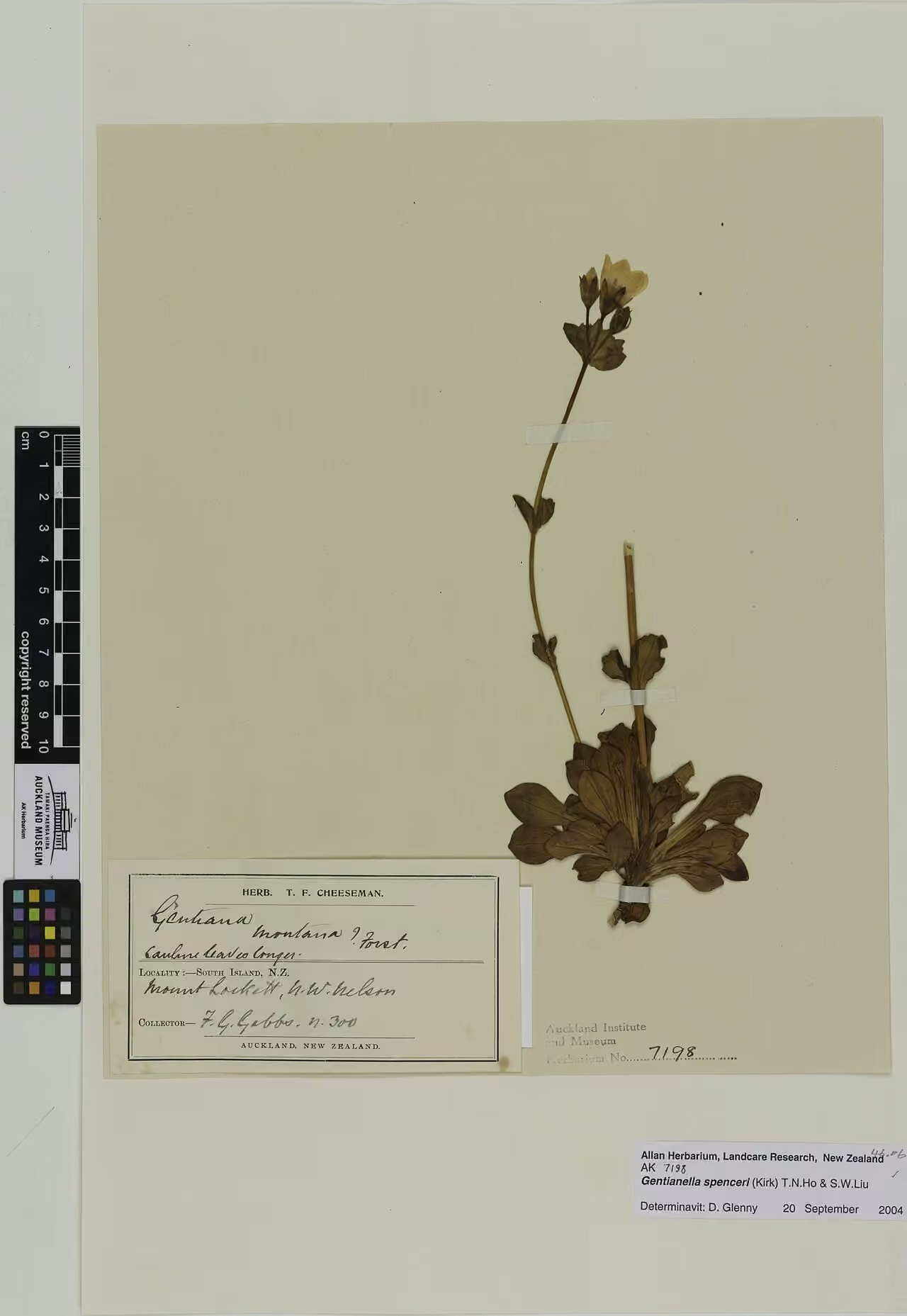
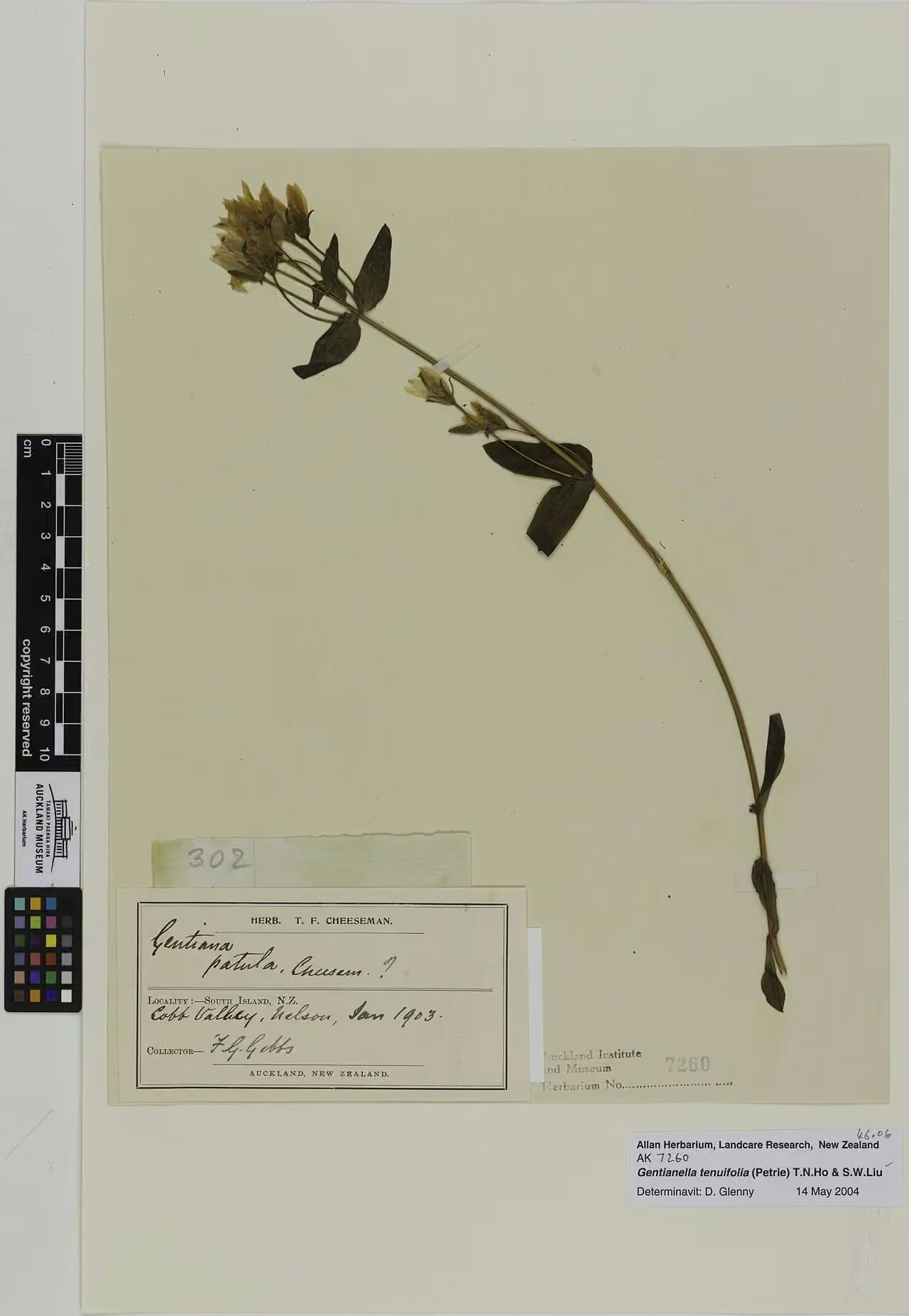
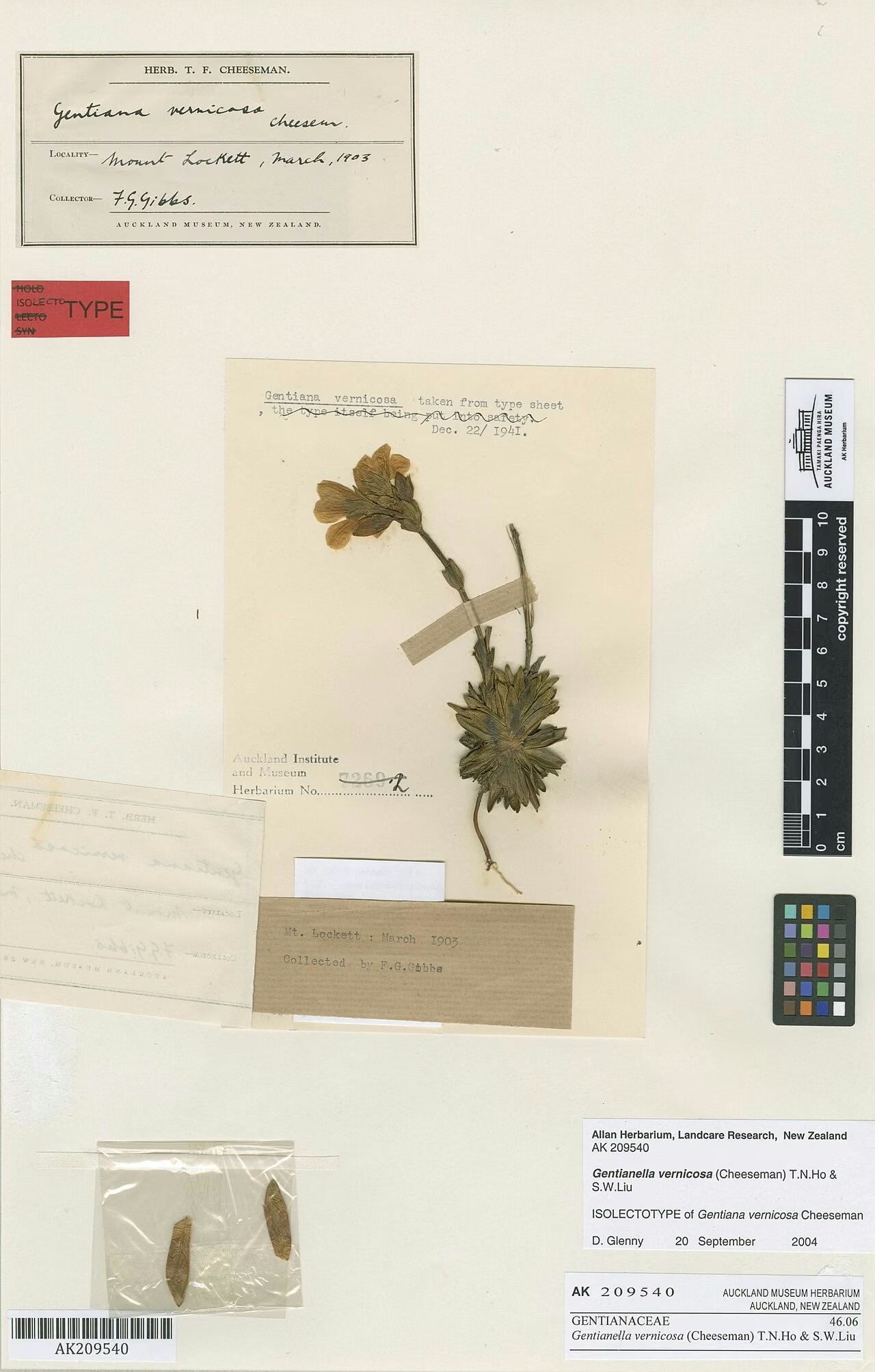
Explore other native plants that share similar characteristics or habitats with Small-Leaved Cranesbill (Geranium microphyllum), offering further insights into New Zealand's diverse flora. These related species provide context and opportunities for complementary planting in your garden.
Plant Conservation
Geranium microphyllum is ranked At Risk - Naturally Uncommon (2023) with the qualifier Range Restricted, because it is confined to the Auckland Islands and Campbell Island. Both island groups are nature reserves within a World Heritage Area.
There is no evidence of active decline. Biosecurity to keep new pests and weeds off the subantarctic islands, together with the earlier eradication of introduced mammals, is the main protection for this species.
Frequently Asked Questions
Where does Geranium microphyllum grow?
As currently defined it is endemic to the Auckland Islands and Campbell Island/Motu Ihupuku, where it grows in subantarctic herbfields and turf. It does not occur naturally on the mainland.
Why do older books say Geranium microphyllum grows throughout New Zealand?
Allan's 1961 Flora treated it as a broad, variable species that included lowland and montane mainland plants. Those plants are now placed in other species such as Geranium potentilloides, leaving G. microphyllum restricted to the subantarctic islands.
What does small-leaved cranesbill look like?
It has slender prostrate stems, small kidney-shaped leaves cut deeply into 3 to 5 narrow lobes, sepals often edged with purple, and broad white petals about 6 mm long.
Is Geranium microphyllum easy to grow?
NZPCN says it is easily grown from seed, but the plants are short-lived and rely on readily setting seed to persist. It is not commercially available.
Sources and Further Reading
The botanical, growing, and conservation details for Small-Leaved Cranesbill (Geranium microphyllum) on this page draw on the New Zealand plant references below. Consult them for full technical records and the latest distribution data.