Gentian
Gentianella tenuifolia
Last updated:
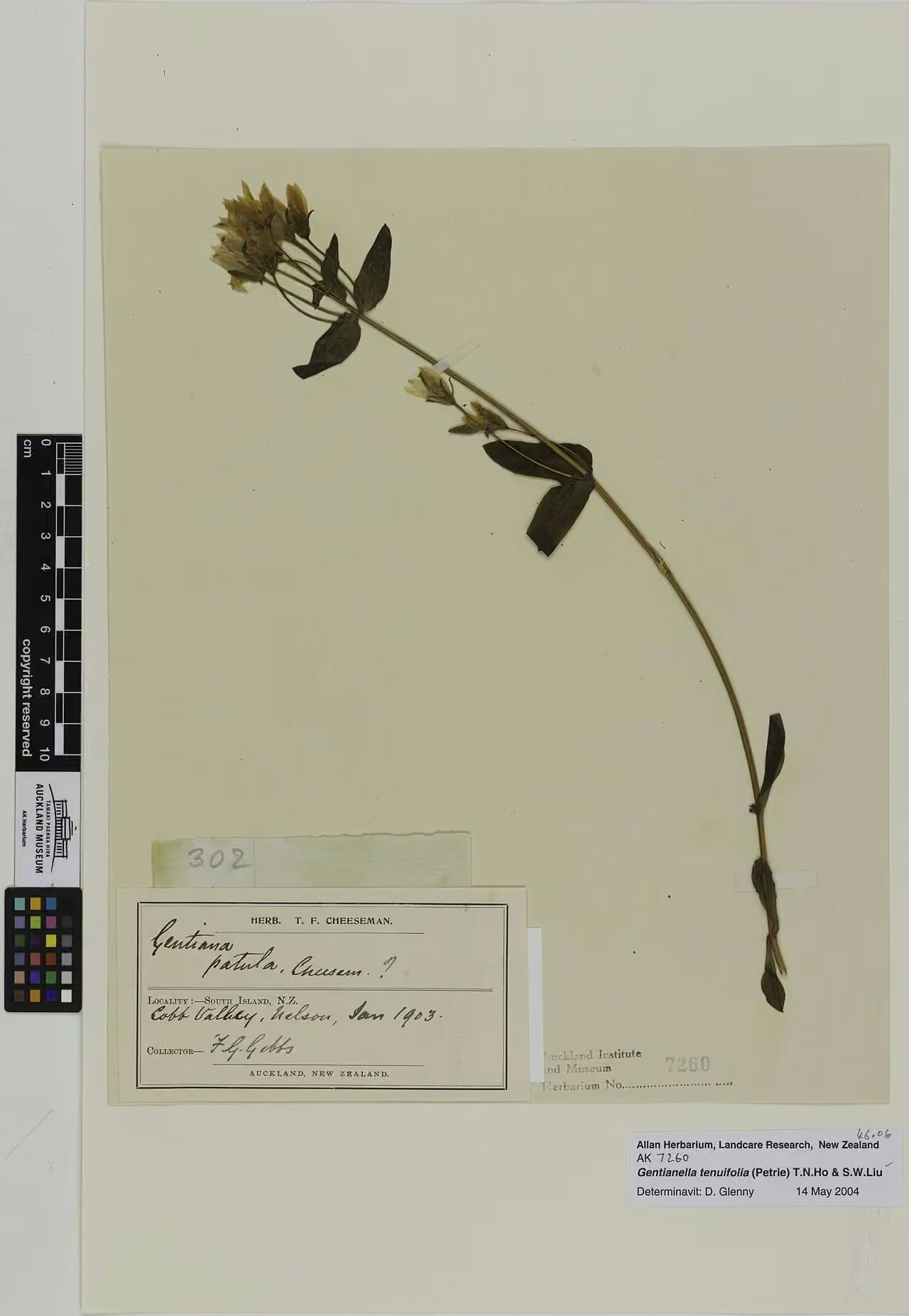
Gentianella tenuifolia is one of the taller New Zealand gentians, a biennial that grows 230 to 530 mm high in flower from a rosette of narrow leaves and then dies after setting seed. Each plant carries 13 to 85 white flowers, typically with purple veins, mainly in January and February. It is endemic to the northern South Island, from North-west Nelson to Hanmer Springs, including the heads of the Waimakariri and Waiau Rivers and D'Urville Island. It grows in montane to subalpine grassland, herbfield and scrub margins. It is ranked Not Threatened. Explore more native flowering plants in our native plant guide.
Plant Description
Gentianella tenuifolia is a monocarpic biennial. It forms a single rosette on an unbranched caudex 7 to 65 mm long, flowers in its second season and then dies. The rosette leaves are narrow to narrowly elliptic and 40 to 102 mm long.
In flower it stands 230 to 530 mm tall, with 1 to 8 flowering stems that are terminal, or terminal plus lateral. A plant bears 13 to 85 flowers, each 11.2 to 16 mm long, with a white corolla that typically has purple veins. The calyx is green, and the anthers have blue-black walls with yellow or orange-red mouths. The capsules are 9.5 to 17 mm long.
Its height and narrow leaves help separate it from smaller gentians in its range. The older Flora of New Zealand treatment (Allan 1961) notes that plants from the western side of its range look more like Gentianella montana and those from the east more like G. corymbifera, and recommends further study of the southern forms.
Quick Facts
| Scientific Name | Gentianella tenuifolia |
|---|---|
| Height | 230-530 mm in flower |
| Spread | Single rosette, about 0.1-0.2 m |
| Water Needs | Moderate; moist grassland |
| Light | Full sun to light shade |
| Frost Tolerance | High; montane to subalpine |
| Salt Tolerance | No information available |
| Growth Rate | Moderate; flowers in its second year |
| Lifespan | Biennial (monocarpic) |
Climate Best Suited to
Suits the cool, moist montane and subalpine climate of the northern South Island ranges, with cold winters, snow at higher sites and mild summers.
Regional Suitability
| City | Climate Suitability |
|---|---|
| Auckland | Low |
| Wellington | Low |
| Christchurch | Medium |
| Dunedin | Medium |
Plant Habitat
Gentianella tenuifolia is endemic to the northern South Island, ranging from North-west Nelson to Hanmer Springs. Records include the heads of the Waimakariri and Waiau Rivers and D'Urville Island, and herbarium specimens come from the Owen Range, the Cobb Valley, Nelson Lakes and the Richmond Range.
It grows in montane to subalpine grassland. Specimen labels also record it in herbfield, among mānuka, beside tracks in beech forest, at kānuka scrub margins, in marble rock crevices and open scrub on marble, and in open, moist areas of tussock grassland.
Growing Requirements
Soil Requirements
It grows in mineral grassland soils and, in North-west Nelson, on marble country.
- Moist but well-drained soils
- Occurs on marble-derived soils in places
- Open ground for seedlings
Light Requirements
Most records are from open grassland and herbfield, with some at scrub and forest margins.
- Full sun in grassland
- Light shade at scrub and track edges
Water Requirements
Herbarium labels describe some sites as open, moist areas, and its range has high rainfall.
- Keep soil moist in the growing season
- Avoid stagnant waterlogged ground
Planting and Establishing
NZPCN describes Gentianella tenuifolia as difficult to grow and says it should not be removed from the wild. It is not a nursery plant.
Seed-raised plants would need a cool, sunny or lightly shaded spot in moist, free-draining soil, with seed sown each year because every plant dies after flowering.
Ecological Role
Gentianella tenuifolia is part of the herb flora of northern South Island grasslands and scrub margins. NZPCN notes that its seeds are dispersed by ballistic projection, wind and water.
As a biennial it depends on regular seed production and open patches for seedlings. The insects that pollinate its purple-veined flowers are not documented in the sources consulted.
Uses & Significance
Garden Uses
It is rarely grown because it is short-lived and difficult in cultivation.
- Specialist alpine and native herb collections
- Seed-raised displays in botanic gardens
- Best seen on tramping routes in Nelson and Kahurangi
Ecological Value
It adds to the diversity of endemic herbs in northern South Island grasslands, including on special marble landscapes.
- Endemic to the northern South Island
- Part of montane and subalpine grassland communities
- Present on marble country in North-west Nelson
Landscaping Uses
Gentianella tenuifolia is not used in landscaping. Its tall, narrow flowering stems would suit a specialist native grassland planting, rising above low tussocks in midsummer.
Because each plant lives only two seasons, gardeners would need to sow annually or allow plants to self-seed to keep it present.
Seasonal Care Calendar
Spring
Second-year rosettes elongate into flowering stems, while new seedlings establish.
- Keep weeds away from rosettes
- Protect from slugs
Summer
Flowering is mainly in January and February.
- Look for tall stems of purple-veined white flowers
- Note any lateral stems below the terminal one
Autumn
Some plants flower as late as April, and capsules ripen and split.
- Collect seed from cultivated plants
- Sow it fresh
Winter
First-year rosettes overwinter; flowered plants have died.
- No action needed
- Ensure good drainage for rosettes
When to Prune and How Much
No pruning is required. The plant dies after flowering, so pruning will not prolong its life.
Leave the stems until the capsules have split, then remove the dead plant.
How to Grow Gentian
NZPCN describes Gentianella tenuifolia as difficult to propagate and says it should not be removed from the wild. As a monocarpic biennial on a single unbranched caudex, it can only be propagated from seed, and seed must be saved every year to keep a cultivated population going. No propagation trials for this species were found in the sources consulted, so the guidance below follows general practice for seed-raised New Zealand gentians. Use only seed from cultivated plants or seed collected with appropriate permission.
From Seed
Flowering is mainly in January and February, occasionally to April, and capsules ripen afterwards. Seed is naturally shed by ballistic projection and carried by wind and water, so collect capsules just as they start to open. Leaving sown pots outdoors over winter exposes them to natural cold; whether this improves germination has not been documented for this species.
- Collect capsules from cultivated plants as they begin to split
- Sow seed on a free-draining mix of seed compost and grit
- Cover lightly with fine grit
- Place outdoors in a cool, bright, sheltered spot
- Keep moist, but not waterlogged, until seedlings appear
- Transplant seedlings while small into deep individual pots
Cuttings and Division
Neither cuttings nor division are recorded for this species, and its single rosette makes division impossible. Seed is the only realistic option.
- Grow plants of two ages so some flower every year
- Collect seed before removing flowered plants
Pests & Diseases
No specific pests or diseases are recorded for Gentianella tenuifolia, and NZPCN does not list threats for it.
In cultivation, slugs and snails are the main risk to young rosettes, and plants may rot in wet, heavy soil. In the wild, weed invasion of grassland and scrub margins could reduce the open ground it needs.
Cultural Significance
No Māori name or traditional use is recorded for Gentianella tenuifolia in the sources consulted.
Donald Petrie described it as Gentiana tenuifolia, basing the name on two collections made by Townson in 1913. It was later moved to Chionogentias by L.G. Adams and is now placed in Gentianella. The epithet tenuifolia means slender leaved.
Bonus Tip
On tramps through North-west Nelson marble country, such as the Owen Range or the Cobb Valley, look for tall gentian stems rising out of rock crevices and herbfield in midsummer. Their height, often over 30 cm, helps distinguish this species from shorter gentians nearby.
Related Plants
Explore other native plants that share similar characteristics or habitats with Gentian (Gentianella tenuifolia), offering further insights into New Zealand's diverse flora. These related species provide context and opportunities for complementary planting in your garden.
Gentianella saxosa
Gentianella saxosa
Charleston Gentian
Gentianella stevenii
Gentianella serotina
Gentianella serotina
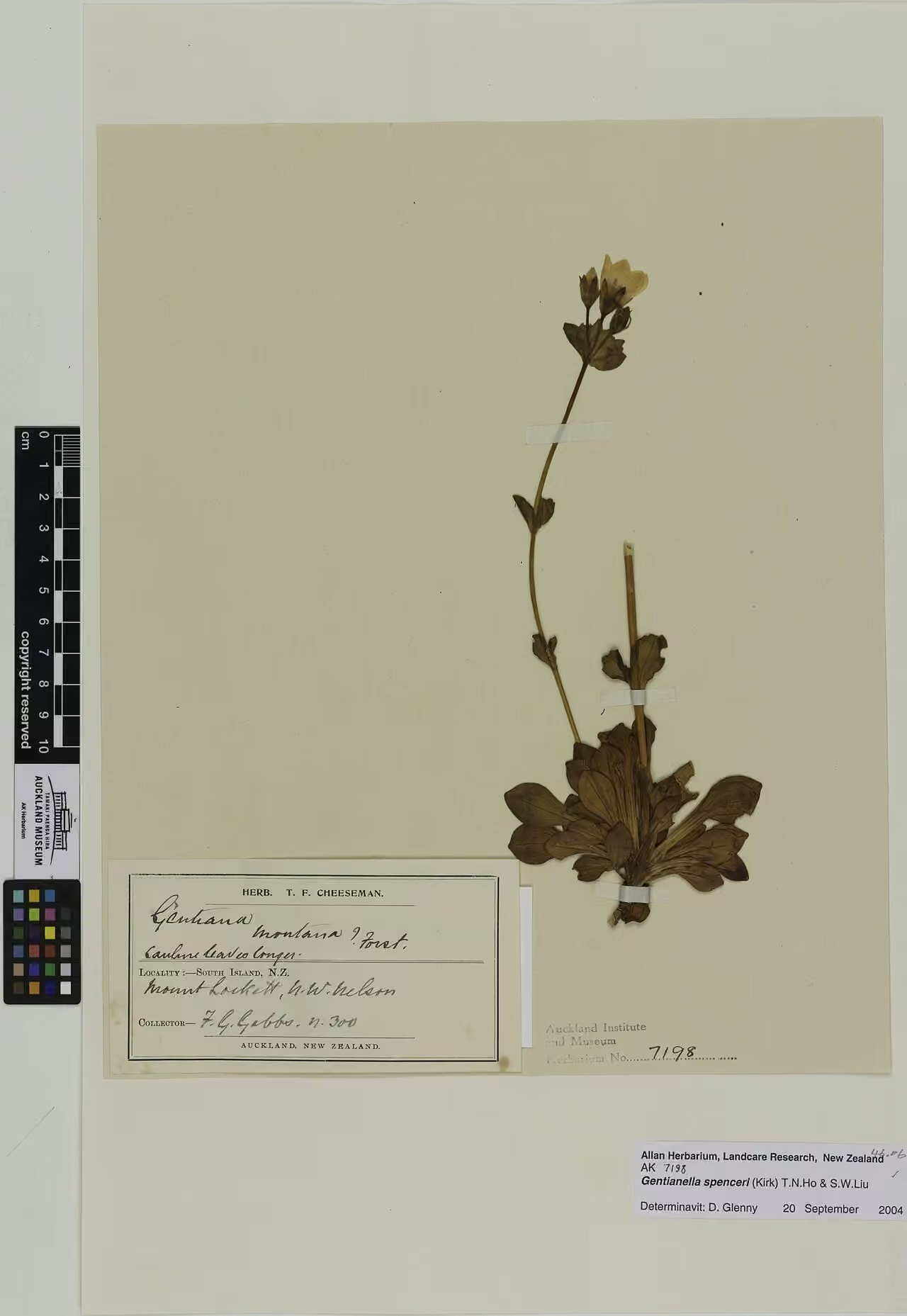
Spencer's Gentian
Gentianella spenceri
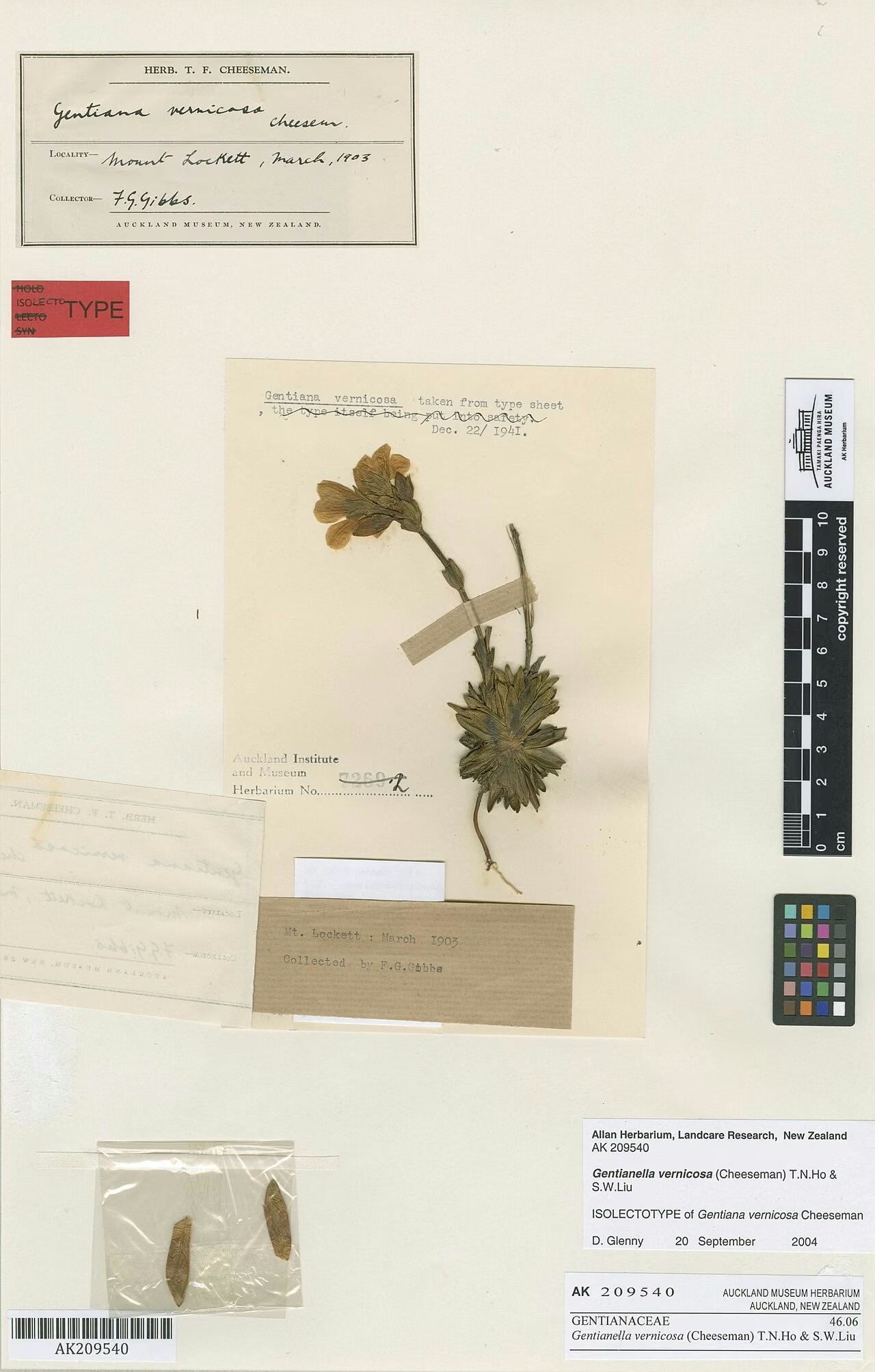
Gentianella vernicosa
Gentianella vernicosa
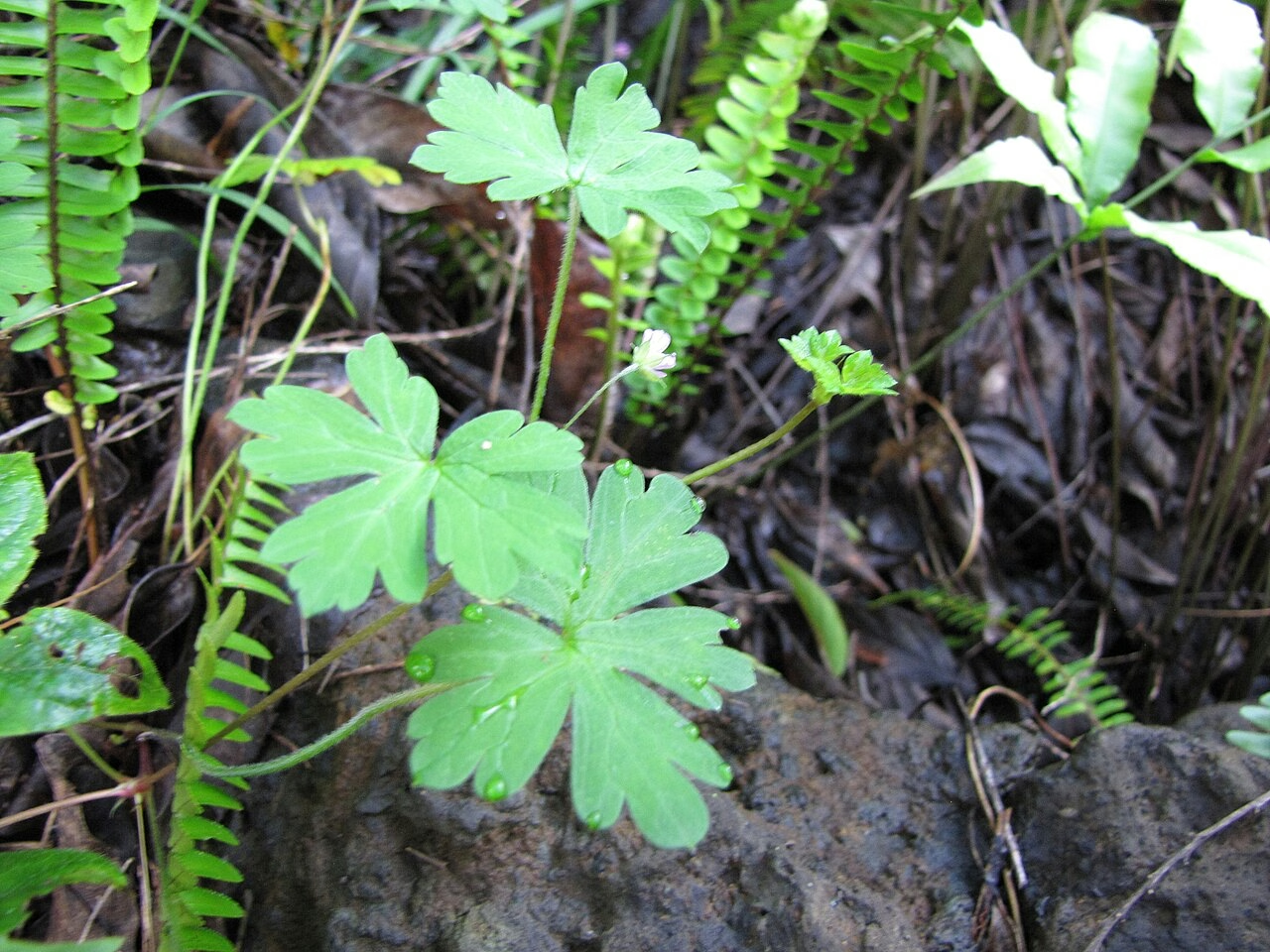
Pinakitere
Geranium homeanum
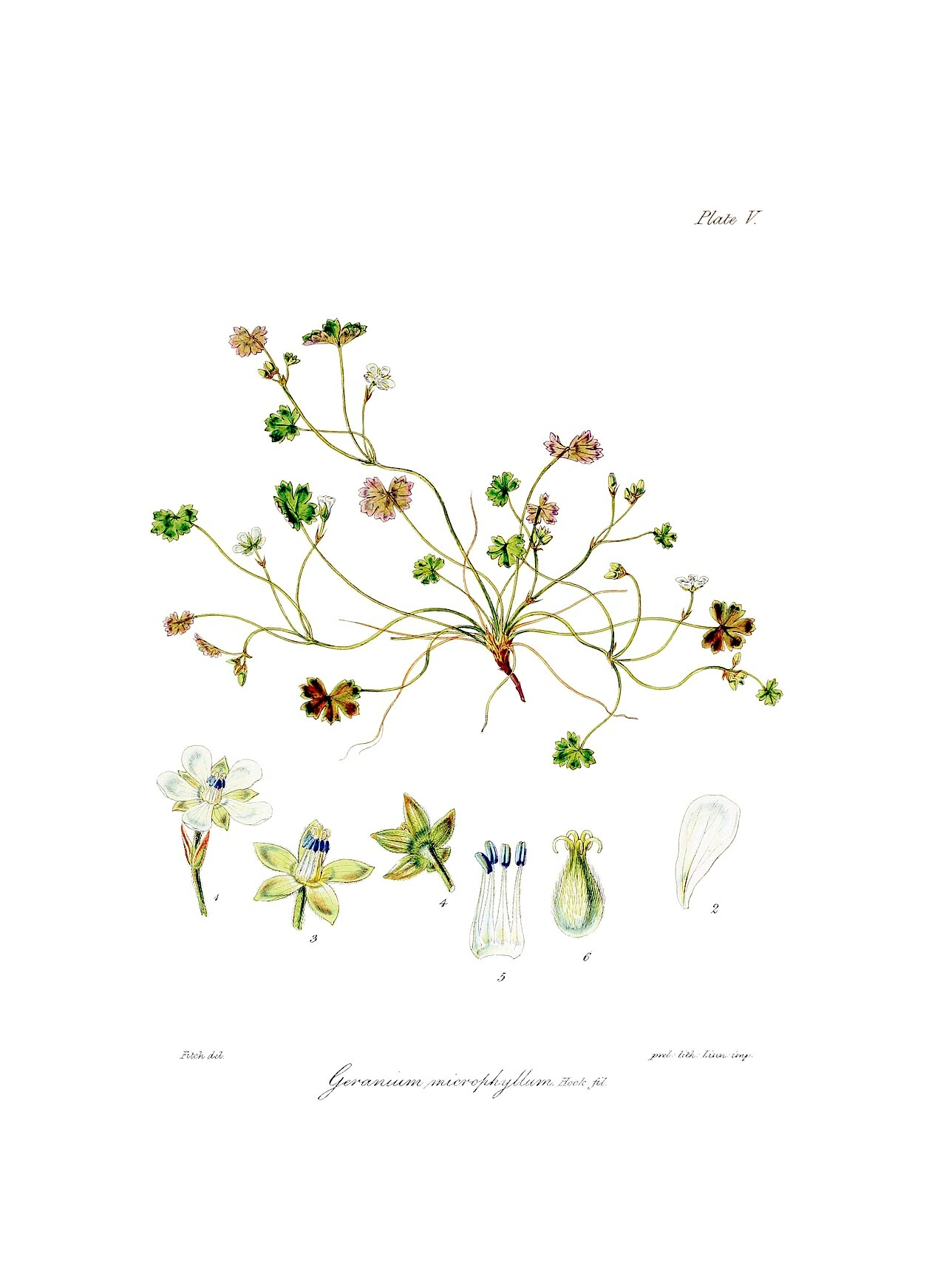
Small-Leaved Cranesbill
Geranium microphyllum
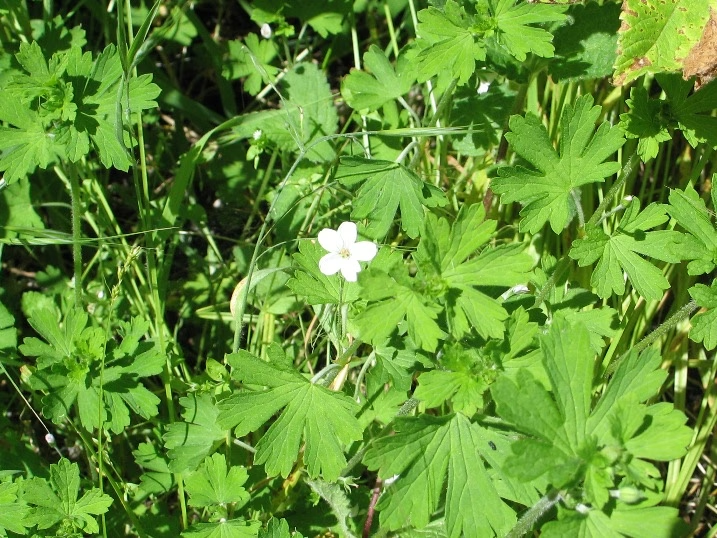
Soft Cranesbill
Geranium potentilloides
Plant Conservation
Gentianella tenuifolia is ranked Not Threatened (2023). Much of its range lies within conservation land, including Kahurangi and Nelson Lakes National Parks.
Protecting montane grasslands and marble habitats from weeds and heavy grazing, and recording sightings, help keep it secure.
Frequently Asked Questions
How tall does Gentianella tenuifolia grow?
It is 230 to 530 mm tall when flowering, which makes it one of the taller New Zealand gentians.
Where is Gentianella tenuifolia found?
It occurs in montane to subalpine grassland in the northern South Island, from North-west Nelson to Hanmer Springs, including the heads of the Waimakariri and Waiau Rivers and D'Urville Island.
What does the name tenuifolia mean?
Tenuifolia means thin or slender leaved, referring to the narrow rosette leaves of this gentian.
Can Gentianella tenuifolia be grown from cuttings?
No practical vegetative method is known. It is a biennial with a single rosette that dies after flowering, so it can only be raised from seed, and NZPCN describes it as difficult to grow.
Sources and Further Reading
The botanical, growing, and conservation details for Gentian (Gentianella tenuifolia) on this page draw on the New Zealand plant references below. Consult them for full technical records and the latest distribution data.