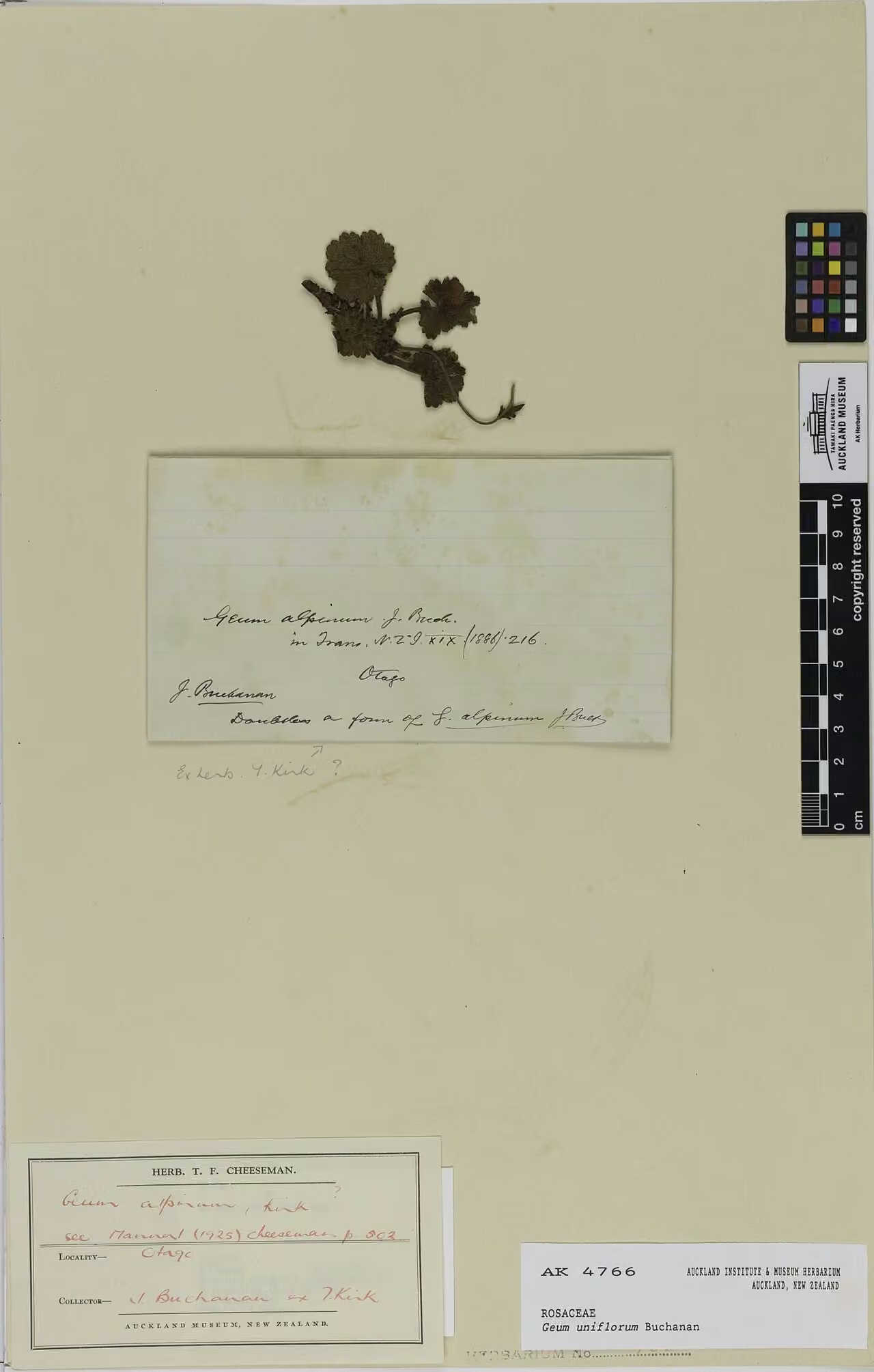
Alpine Avens
Geum uniflorum
Last updated:
Alpine avens (Geum uniflorum) is a low, loosely mat-forming endemic herb of South Island and Stewart Island mountains, up to 20 cm tall in flower. Its glossy dark green leaves, ageing to dark red, are edged with a dense fringe of harsh golden to orange-red hairs, and each stem carries a single white or creamy flower up to 25 mm across with a crimson centre and purple anthers. It grows in subalpine to alpine herbfield, on rock ledges and in moist tussock grassland up to about 1800 m, flowering from November to February. It is ranked Not Threatened and makes a rewarding rock garden plant in cool districts. Explore more native flowering plants in our native plant guide.
Plant Description
Geum uniflorum is a low-growing, loosely mat-forming and strongly rhizomatous herb up to 200 mm tall when flowering, arising from a stout woody stock. The basal leaves are up to 120 mm long and pinnate, but the 1 to 5 pairs of lateral leaflets are very reduced, so the leaf is dominated by a rounded, toothed terminal leaflet 10 to 40 mm long. The leaves are glossy dark green, fading to dark red with age, and their margins carry a dense fringe of harsh hairs, described as golden yellow by NZPCN and usually orange-red by Flora of New Zealand.
The flowers are solitary on stalks up to 18 cm long and reach about 25 mm across. The petals are white or creamy white, 10 to 15 mm long, surrounding a crimson disc ringed by purple anthers. The achenes are densely hairy, especially on their margins, and are dispersed by wind.
Its close relative Geum divergens of the Hanmer Range is larger, with up to five flowers per plant, wrinkled leaves with white-fringed margins and a green flower centre. Cockayne's geum (Geum cockaynei) has much taller branched stems with many smaller flowers.
Quick Facts
| Scientific Name | Geum uniflorum |
|---|---|
| Height | Up to 0.2 m in flower |
| Spread | Loose mats spreading by rhizomes |
| Water Needs | Moist; herbfield and damp tussock grassland |
| Light | Full sun to light shade |
| Frost Tolerance | High; to about 1800 m |
| Salt Tolerance | Low; a mountain plant |
| Growth Rate | Slow to moderate |
| Lifespan | Perennial |
Climate Best Suited to
Suits cool, moist mountain climates with cold winters and mild summers. It is best grown in southern and inland districts or in an alpine house elsewhere.
Regional Suitability
| City | Climate Suitability |
|---|---|
| Auckland | Low |
| Wellington | Medium |
| Christchurch | Medium |
| Dunedin | High |
Plant Habitat
Alpine avens is endemic to New Zealand, occurring in the mountains of the South Island and on Stewart Island/Rakiura.
It grows in subalpine to alpine zones up to about 1800 m above sea level, in herbfield, on rock ledges and in moist tussock grassland, where its rhizomes allow it to form loose patches among other low herbs.
Growing Requirements
Soil Requirements
It grows in moist, often stony mountain soils in herbfield and among tussocks.
- Moist but free-draining, gritty soil
- Humus-rich mix with added grit in pots
- Avoid heavy, stagnant clay
Light Requirements
A plant of open herbfield and rock ledges.
- Full sun in cool districts
- Light shade in warmer gardens to keep roots cool
Water Requirements
Its herbfield and moist grassland habitats stay damp through summer.
- Water regularly in dry weather
- Do not let pots dry out
Planting and Establishing
Plant alpine avens in a cool rock garden pocket or a trough with gritty, humus-rich soil, or grow it in an alpine house as NZPCN suggests. A position where roots run under stones keeps them cool and moist.
Plant in autumn or early spring. Give the rhizomes room to wander so that the plant can form a small mat.
Ecological Role
The densely hairy achenes are dispersed by wind. Its showy, open flowers with exposed purple anthers are likely to be visited by the flies and native bees that pollinate many New Zealand alpine flowers, though no specific study was found.
Spreading by rhizomes, it forms loose patches in herbfield and moist tussock grassland and can colonise rock ledges where soil collects.
Uses & Significance
Garden Uses
One of the most attractive native geums for rock gardens and troughs.
- Rock gardens and scree beds in cool climates
- Troughs and alpine house pots
- Low plantings among small tussocks
Ecological Value
A widespread endemic of South Island mountain herbfields.
- Summer flowers for alpine insects
- Rhizomatous mats help bind soil on ledges
- Part of the characteristic herbfield community
Landscaping Uses
Use alpine avens at the front of a rock garden where its glossy, red-tinged leaves with their bright hairy margins can be seen up close. The single crimson-eyed flowers are striking against dark rock.
It associates well with small Celmisia, Raoulia mats and low tussocks in a naturalistic alpine planting.
Seasonal Care Calendar
Spring
New glossy leaves emerge from the rhizomes.
- Top-dress with grit
- Resume regular watering
Summer
Flowers from November to February, followed by hairy fruiting heads.
- Keep cool and moist
- Collect seed as heads ripen
Autumn
Fruit ripens until March and older leaves turn dark red.
- Sow fresh seed
- Remove spent stems
Winter
Dormant or slow growing, retaining some reddish leaves.
- Avoid winter wet around the crown
- Let outdoor plants experience cold
When to Prune and How Much
No regular pruning is needed. Remove spent flower stalks after seed collection and tidy dead leaves in spring.
If the mat becomes congested, lift and divide rather than cutting back.
How to Grow Alpine Avens
Alpine avens is best raised from fresh seed, according to NZPCN, and it is also easy to increase by dividing its rhizomatous mats. Seed gives genetically diverse plants for restoration or collections, while division is quicker and reproduces a particular good form. Seed should be gathered from garden plants or with permission where plants grow on conservation land.
From Seed
Collect the hairy achenes from December to March as soon as they loosen from the head, and sow straight away. Germination may wait until after winter chilling, so keep pots outdoors in a cool spot.
Watch the seed heads closely in late summer, because the hairy achenes are shed and carried off by wind soon after they ripen. Sow thinly so seedlings are not crowded, water from below to avoid disturbing the seed, and keep young plants in a shade house rather than a warm glasshouse, as heat and humidity cause losses in mountain herbs.
- Gather ripe achenes
- Sow fresh onto a gritty seed mix
- Cover lightly with grit
- Keep pots cool, shaded and moist
- Prick out seedlings into individual pots
- Grow on for a year before planting out
By Division
The strongly rhizomatous habit makes division straightforward. Divide in early spring as new growth starts, or in early autumn in cool districts.
- Lift the mat or ease it from its pot
- Cut sections of rhizome each with leaves and roots
- Replant or pot into gritty, humus-rich mix
- Water well and keep cool until re-established
Pests & Diseases
No serious pests are recorded. Slugs and snails may graze leaves and flowers, and plants grown in warm, humid conditions are prone to rot.
In the wild, browsing by introduced animals and competition from invasive weeds can affect alpine herbfields, though the species remains secure.
Cultural Significance
No Māori name or traditional Māori use is recorded for Geum uniflorum in the sources consulted.
John Buchanan described the species in 1870. The epithet uniflorum means one-flowered, referring to the single flower on each stalk. NZPCN suggests the genus name Geum may come from the Greek geuo, to give a pleasant flavour, referring to aromatic roots in some species.
Bonus Tip
The fringe of harsh golden to orange-red hairs around each leaf is the quickest way to recognise alpine avens even when it is not flowering, and it looks especially striking when backlit by low sun.
Related Plants
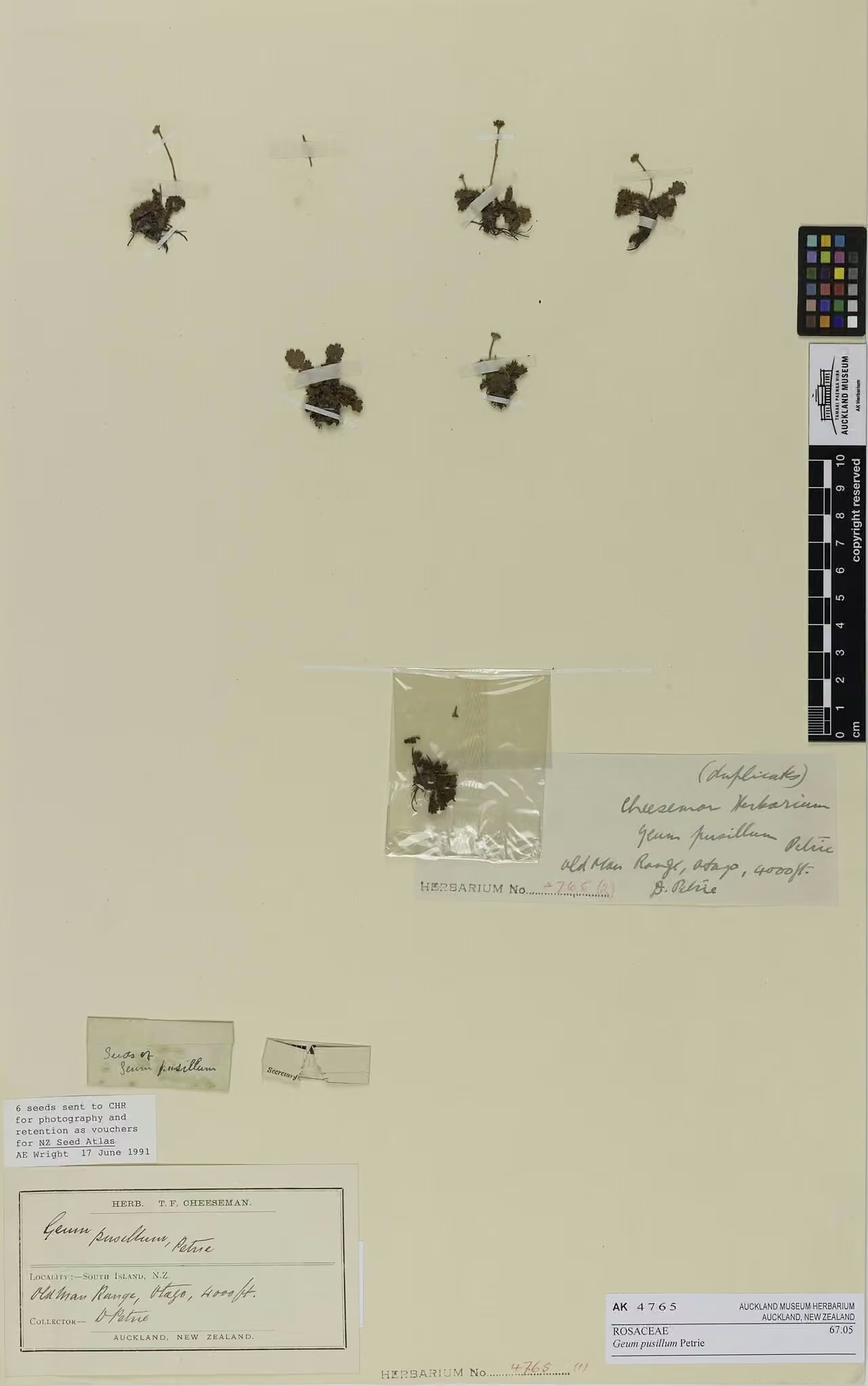
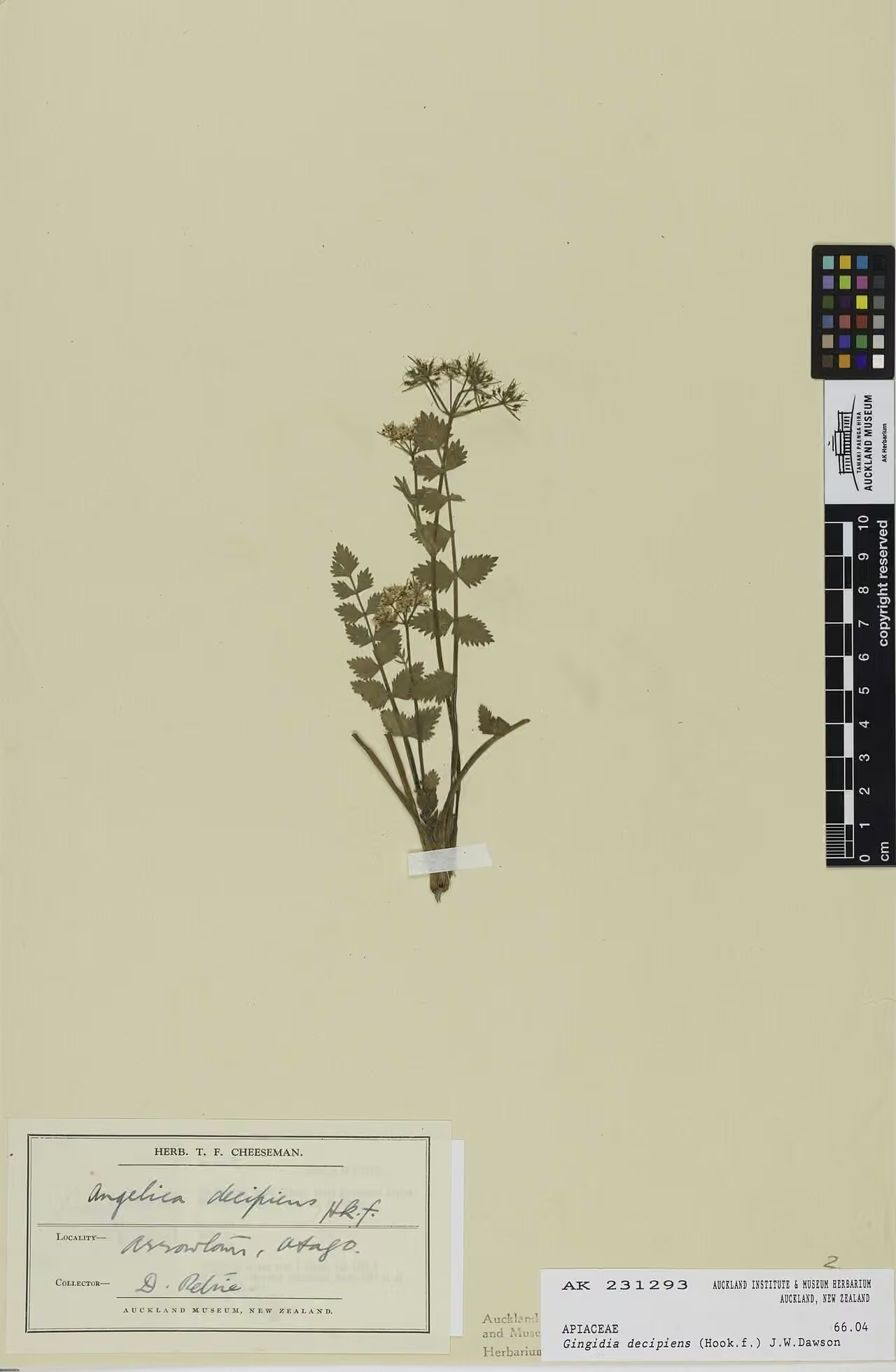
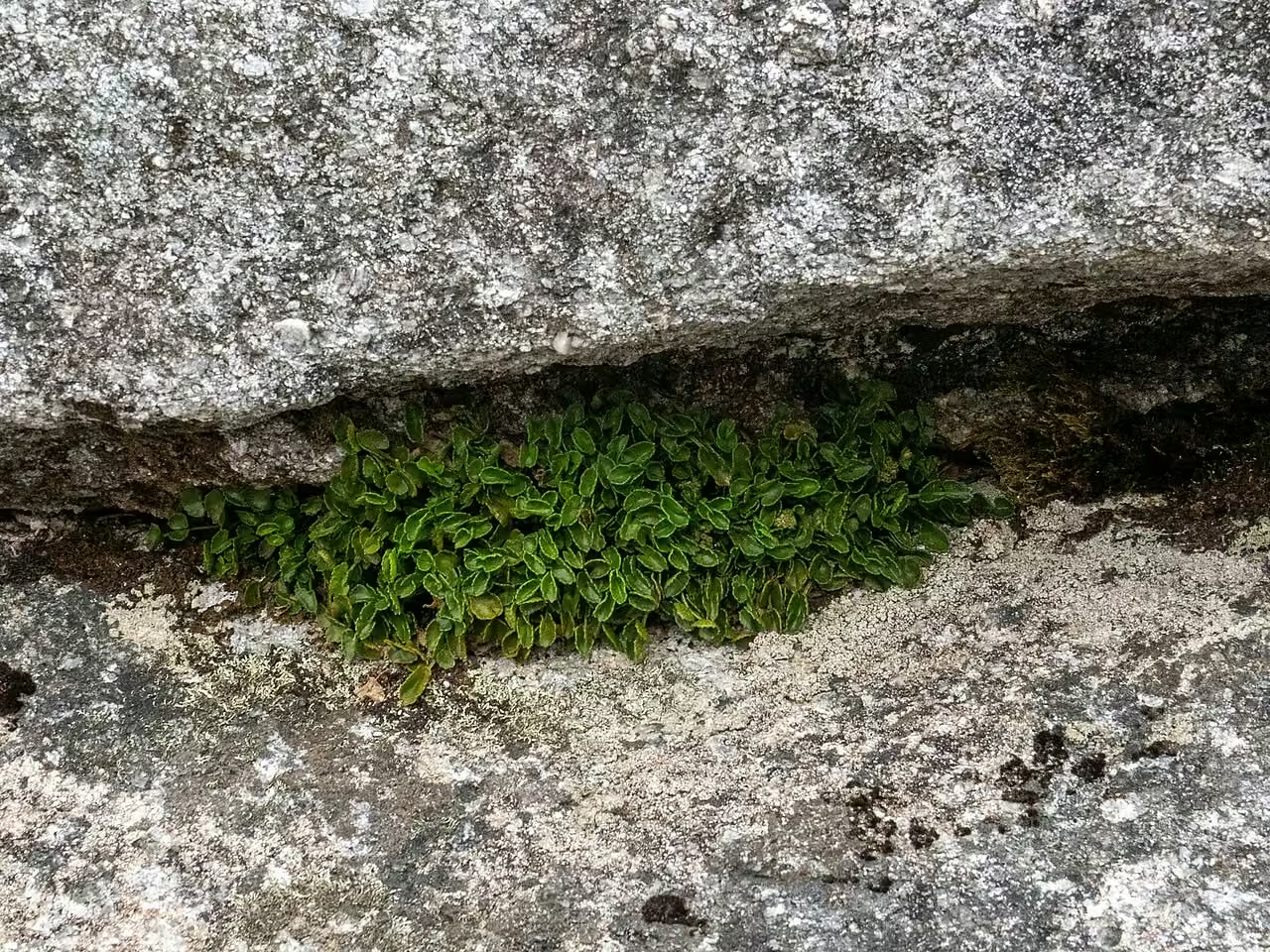
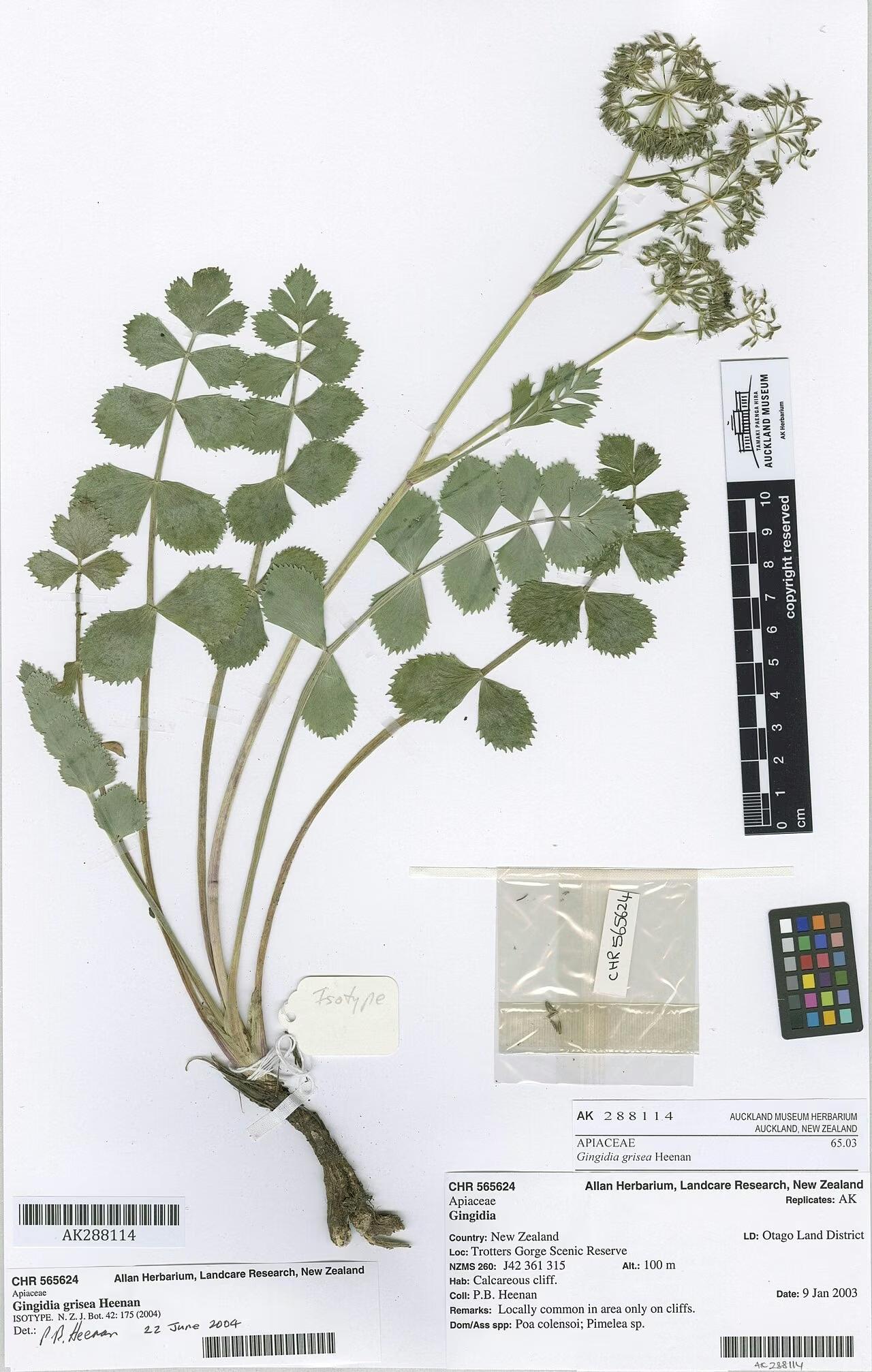
Explore other native plants that share similar characteristics or habitats with Alpine Avens (Geum uniflorum), offering further insights into New Zealand's diverse flora. These related species provide context and opportunities for complementary planting in your garden.
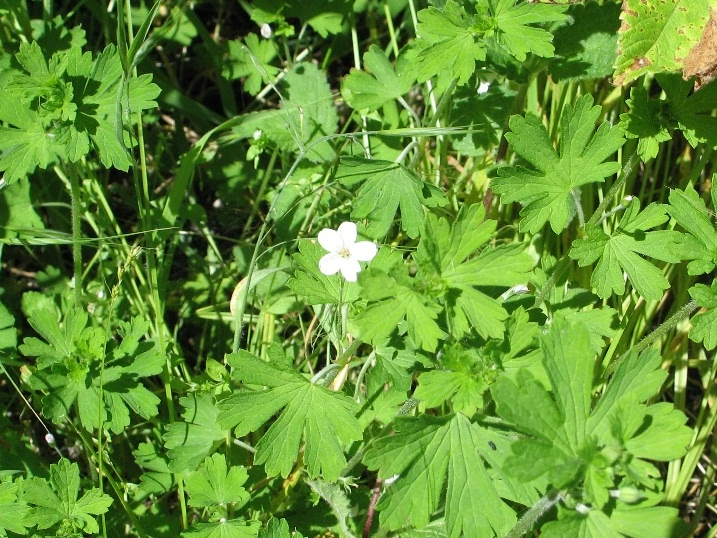
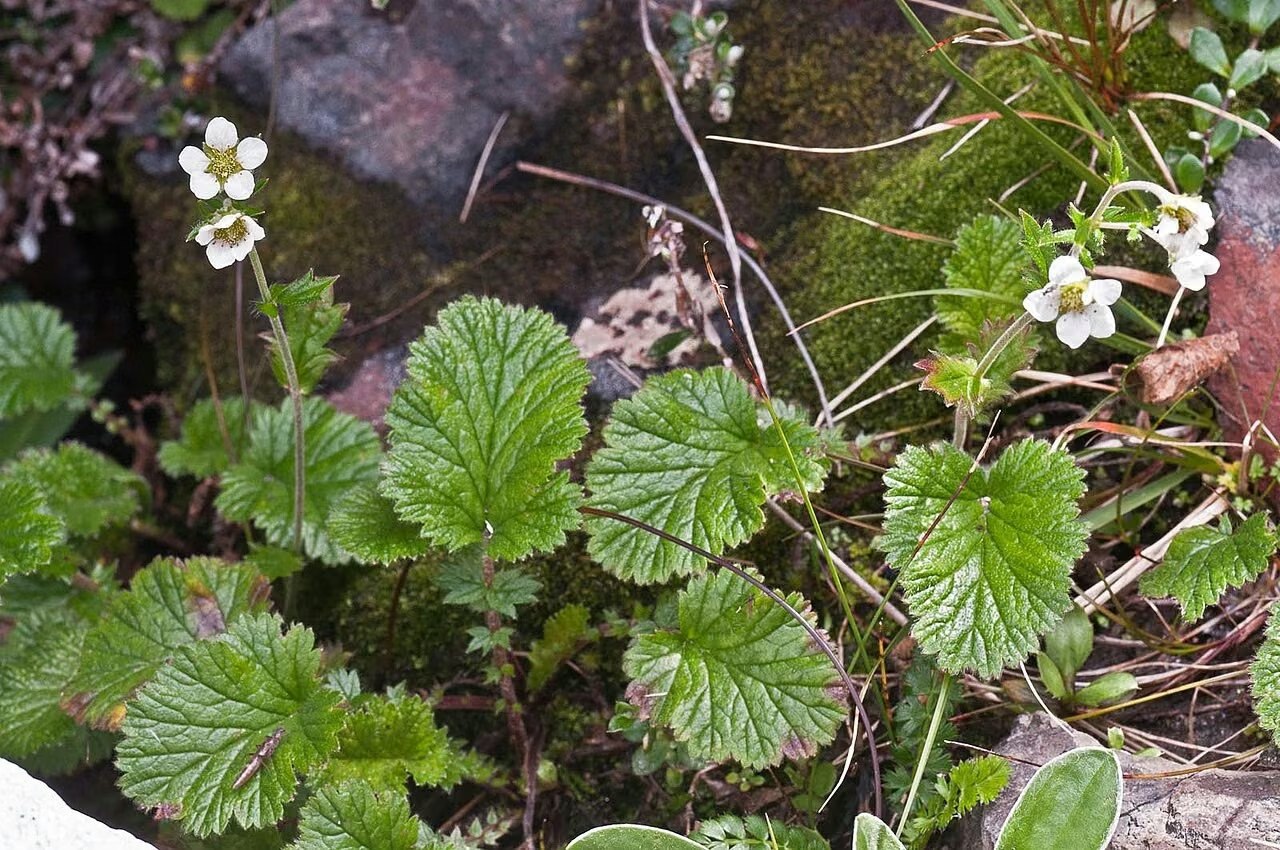
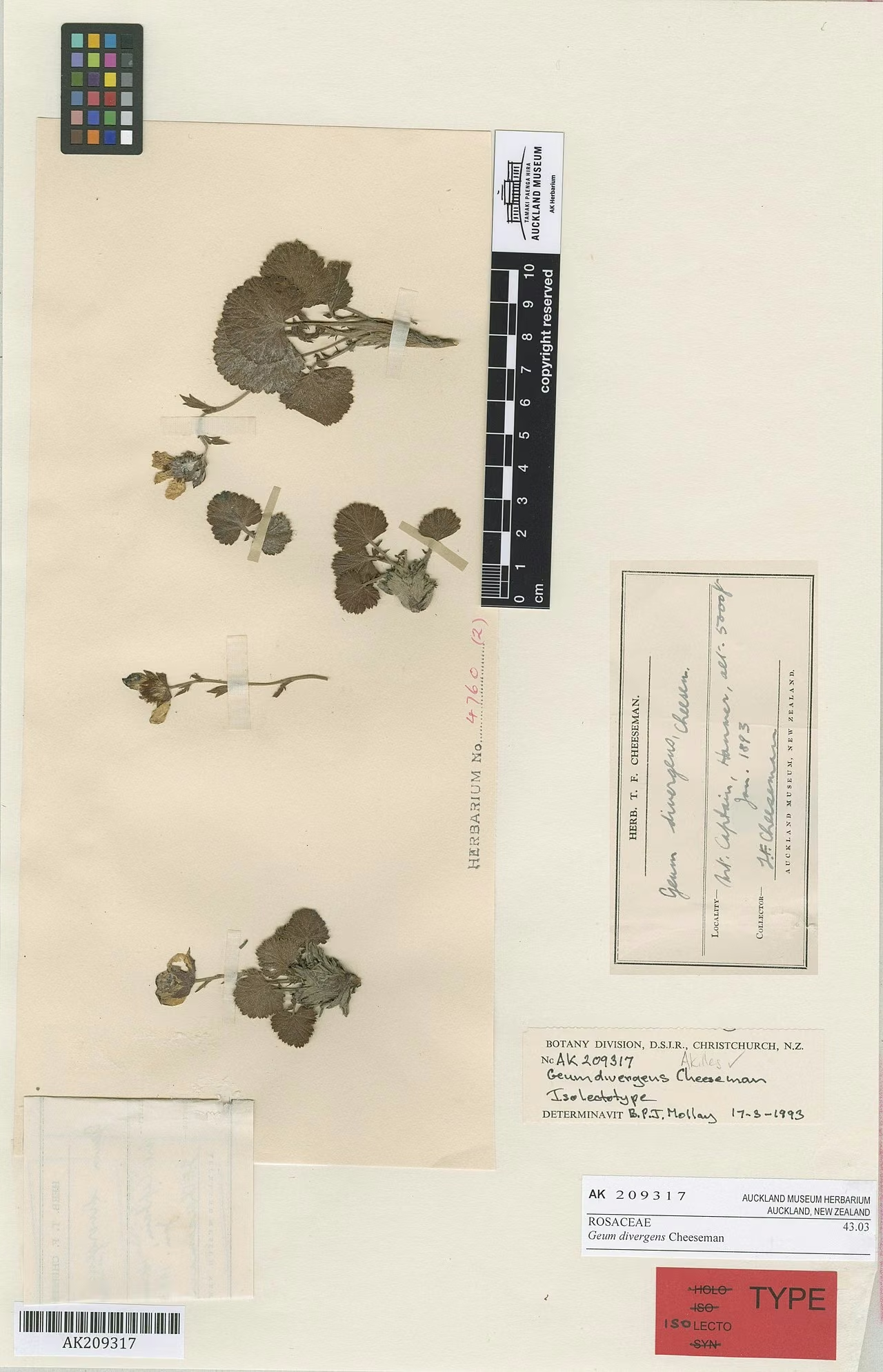
Plant Conservation
Geum uniflorum is ranked Not Threatened (2023). It is widespread in South Island and Stewart Island mountains.
Maintaining healthy alpine herbfield and tussock grassland, free of heavy browsing and invasive weeds, supports this and associated mountain herbs.
Frequently Asked Questions
What does alpine avens look like?
It forms low mats of glossy dark green, reddening leaves fringed with harsh golden or orange-red hairs, and bears single white flowers up to 25 mm wide with a crimson centre and purple anthers.
Where does Geum uniflorum grow in the wild?
It is endemic to the South Island and Stewart Island, in subalpine to alpine herbfield, rock ledges and moist tussock grassland up to about 1800 m.
Is alpine avens easy to grow?
NZPCN says it is easily grown in pots in an alpine house and in a rock garden in cooler climates, and is best raised from fresh seed.
Does alpine avens grow in the North Island?
No. It is recorded only from the South Island and Stewart Island; Cockayne's geum is the widespread geum of North Island mountains.
Sources and Further Reading
The botanical, growing, and conservation details for Alpine Avens (Geum uniflorum) on this page draw on the New Zealand plant references below. Consult them for full technical records and the latest distribution data.