Gentian
Gentianella saxosa
Last updated:
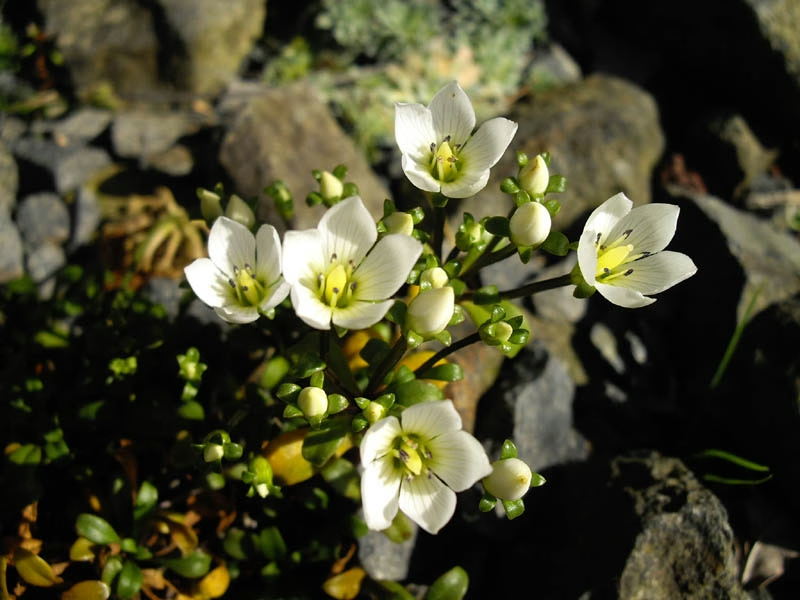
Gentianella saxosa is a low coastal gentian of the far south, growing on rock outcrops, coastal turf and sand dunes in Otago, Southland, Fiordland and Stewart Island/Rakiura. It is a perennial 40 to 170 mm tall in flower, with a rosette of fleshy elliptic leaves, purple-black flowering stems and up to 82 white flowers with distinctly recurved calyx lobes. It flowers from December to February. NZPCN calls it probably the only New Zealand gentian that is easily grown, though it is still considered difficult. It is ranked At Risk - Naturally Uncommon. Explore more native flowering plants in our native plant guide.
Plant Description
Gentianella saxosa is a polycarpic perennial that flowers in more than one season. It forms a rosette of narrowly elliptic to elliptic leaves 17.8 to 87 mm long, with rounded tips and distinct stalks. The flowering stems arise from the centre and from the sides of the rosette and are tinted purple-black, a useful field character.
In flower the plant is 40 to 170 mm tall and bears 9 to 82 flowers, each 15 to 24.2 mm long. The corolla is white with uncoloured veins, and the anthers have blue-black walls with yellow mouths. The calyx lobes are distinctly recurved, curling back away from the flower.
Its closest relative is Gentianella stevenii, the Charleston gentian of the West Coast. G. saxosa differs in its elliptic rather than round leaves, recurved rather than flat calyx lobes, purple-black rather than crimson stems, white rather than purple-veined corollas, and larger anthers of 2 to 2.1 mm. The two are also geographically separate.
Quick Facts
| Scientific Name | Gentianella saxosa |
|---|---|
| Height | 40-170 mm in flower |
| Spread | Low rosette with radiating flowering stems, about 0.1-0.25 m |
| Water Needs | Moderate; damp but free-draining |
| Light | Full sun to semi-shade in a cool position |
| Frost Tolerance | Moderate; a coastal species of the cool south |
| Salt Tolerance | High; grows on coastal rocks, turf and dunes |
| Growth Rate | Moderate |
| Lifespan | Perennial (polycarpic) |
Climate Best Suited to
Suits the cool, moist, windy coastal climate of southern New Zealand, with mild maritime winters and cool summers. It dislikes humid heat.
Regional Suitability
| City | Climate Suitability |
|---|---|
| Auckland | Low |
| Wellington | Medium |
| Christchurch | Medium |
| Dunedin | High |
Plant Habitat
Gentianella saxosa is endemic to the southern South Island, in Otago, Southland and Fiordland, and to Stewart Island/Rakiura. It is a strictly coastal plant.
It grows on coastal rock outcrops, in coastal turf and on sand dunes, often where salt spray and wind keep the vegetation low and open.
Growing Requirements
Soil Requirements
In the wild it grows in thin soils on rock, in coastal turf and in sand.
- Free-draining, sandy or gritty soil
- Kept damp, but never waterlogged
- Low competition from taller plants
Light Requirements
NZPCN advises semi-shaded or cool sunny situations in cultivation, reflecting its open but cool coastal habitat.
- Cool full sun or partial shade
- Avoid hot, sheltered, humid corners
Water Requirements
It prefers a soil that stays damp while draining freely, as on spray-moistened coastal rocks.
- Water in dry spells
- Good air movement to avoid humidity
Planting and Establishing
Gentianella saxosa is one of the few New Zealand gentians grown with some success, though it is still considered difficult. Plant only nursery-raised or legally sourced plants, never wild-collected ones.
Choose a cool, open spot in a rock garden, trough or container with free-draining gritty or sandy soil that stays damp. Avoid humid, still positions. It suits southern coastal gardens better than warm northern ones.
Ecological Role
This gentian is part of the specialised coastal turf and rock flora of the south, sharing these salt-swept habitats with other small, low-growing herbs. NZPCN notes its seeds are dispersed by ballistic projection, wind and water, which suits a plant of exposed coastlines.
The particular insects that pollinate its white flowers are not documented in the sources consulted.
Uses & Significance
Garden Uses
It is a choice plant for cool coastal rock gardens and troughs in the south.
- Rock gardens and alpine troughs
- Southern coastal gardens with salt exposure
- Containers in a cool, airy position
Ecological Value
It is a characteristic endemic of southern coastal turf and rock communities, which are vulnerable to weeds and trampling.
- Endemic to the southern South Island and Rakiura
- Part of threatened coastal turf communities
- Regionally Endangered in Otago
Landscaping Uses
In a cool southern garden, Gentianella saxosa can be placed among rocks or gravel at the front of a native rockery, where its dark stems and white flowers show clearly against stone.
It combines naturally with other low coastal natives in a seaside trough, provided the position has good drainage and fresh air rather than humid shelter.
Seasonal Care Calendar
Spring
Rosettes put on new leaves and flowering stems begin to form.
- Top-dress with fine grit
- Check for slugs
Summer
Flowering runs from December to February.
- Water during dry spells
- Keep plants cool
Autumn
Capsules ripen from March to May and release seed.
- Collect seed from garden plants
- Sow fresh
Winter
Plants rest as rosettes through the mild coastal winter.
- Avoid soggy soil
- Little care required
When to Prune and How Much
No pruning is needed. Cut off spent flowering stems after seed is collected to keep the rosette tidy.
Remove any yellowing outer leaves gently to reduce the chance of rot around the crown.
How to Grow Gentian
Gentianella saxosa is described by NZPCN as probably the only New Zealand gentian to be easily grown, though still considered difficult. Its close relative G. stevenii is recorded as easy to raise from seed, and seed is likewise the main way to propagate G. saxosa. Plants should not be taken from the wild. Success depends more on aftercare than on germination: seedlings need free-draining but damp compost, a cool position in sun or light shade, and good air movement, because NZPCN notes that the species dislikes humidity.
From Seed
Capsules ripen from March to May. Collect them from garden plants as they begin to dry, and sow the seed fresh. A gritty, sandy mix that drains well but holds some moisture mimics its coastal turf and dune habitat.
- Harvest dry capsules in autumn and shake out the seed
- Sow on a mix of seed compost with plenty of coarse sand or grit
- Cover lightly with grit and keep in a cool, bright place
- Keep the mix just damp; avoid enclosing the pot in plastic
- Pot seedlings on when they have formed small rosettes
- Grow on in an airy position before planting out
By Division
As a polycarpic perennial with flowering stems from the sides of the rosette, an established garden plant may produce side rosettes. Separating these is possible but carries a risk of losing both parts, so seed is preferred.
- In early spring, lift an established plant with side rosettes
- Gently separate a rooted rosette
- Replant into gritty compost and keep cool and lightly shaded until established
Pests & Diseases
Slugs and snails are the main garden pests of small gentian rosettes. NZPCN notes that this species dislikes humidity, and warm, still conditions encourage crown rot.
In the wild, coastal turf and dune habitats are affected by weeds, trampling and coastal development, though specific threats to this species are not detailed in the sources consulted.
Cultural Significance
No Māori name or traditional use is recorded for Gentianella saxosa in the sources consulted.
It was one of the earliest New Zealand gentians to be named, published as Gentiana saxosa by Georg Forster in 1777. The epithet saxosa means rock dweller, reflecting its coastal rock habitat. It has also been known as Gentiana hookeri and Chionogentias saxosa.
Bonus Tip
If your plant is struggling, move it rather than feeding it. This gentian dislikes humidity, so a cooler, breezier spot with gritty damp soil, such as the shaded side of a rock in a seaside garden, usually does more good than any fertiliser.
Related Plants
Explore other native plants that share similar characteristics or habitats with Gentian (Gentianella saxosa), offering further insights into New Zealand's diverse flora. These related species provide context and opportunities for complementary planting in your garden.
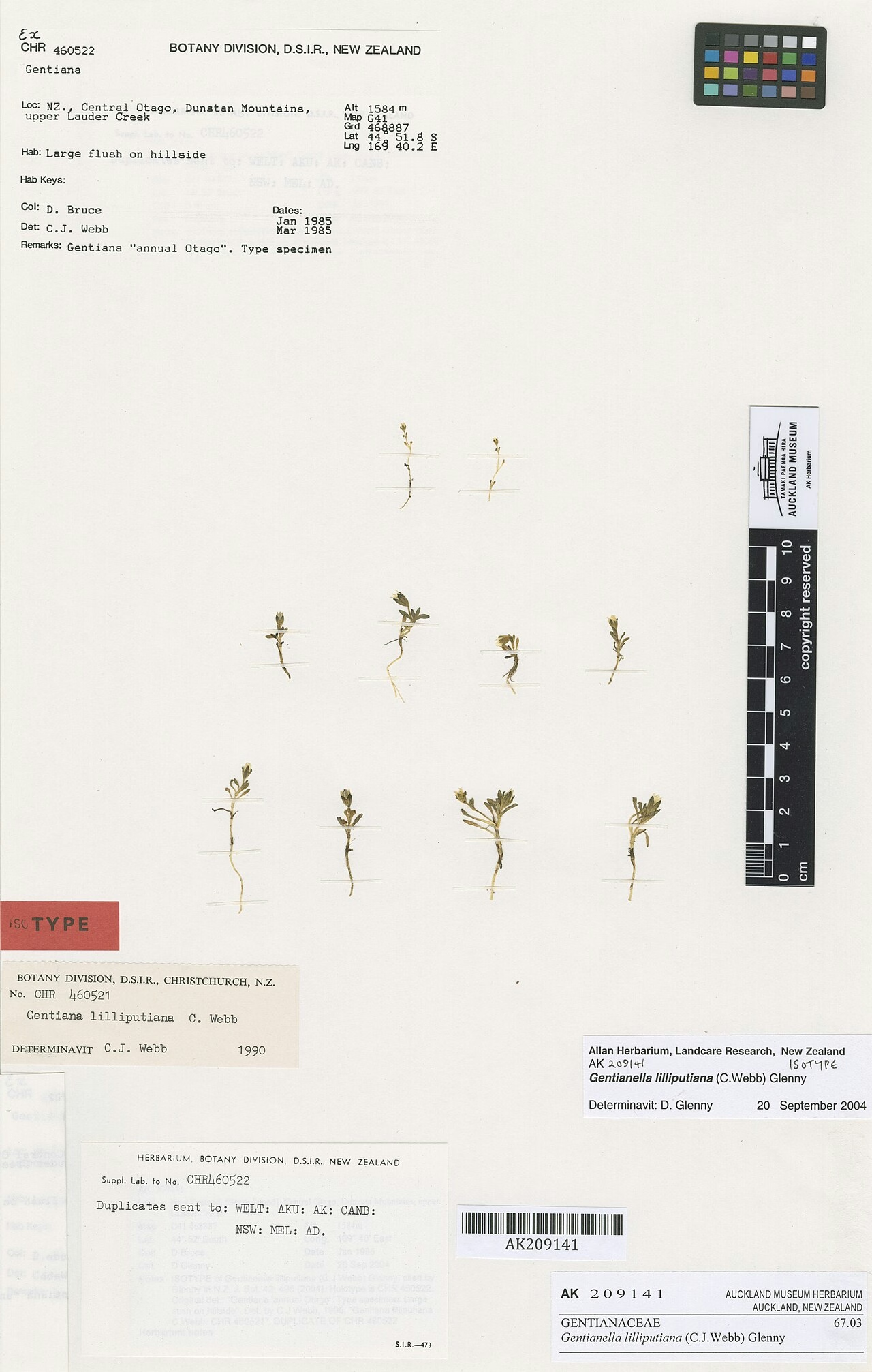
Little Gentian
Gentianella lilliputiana
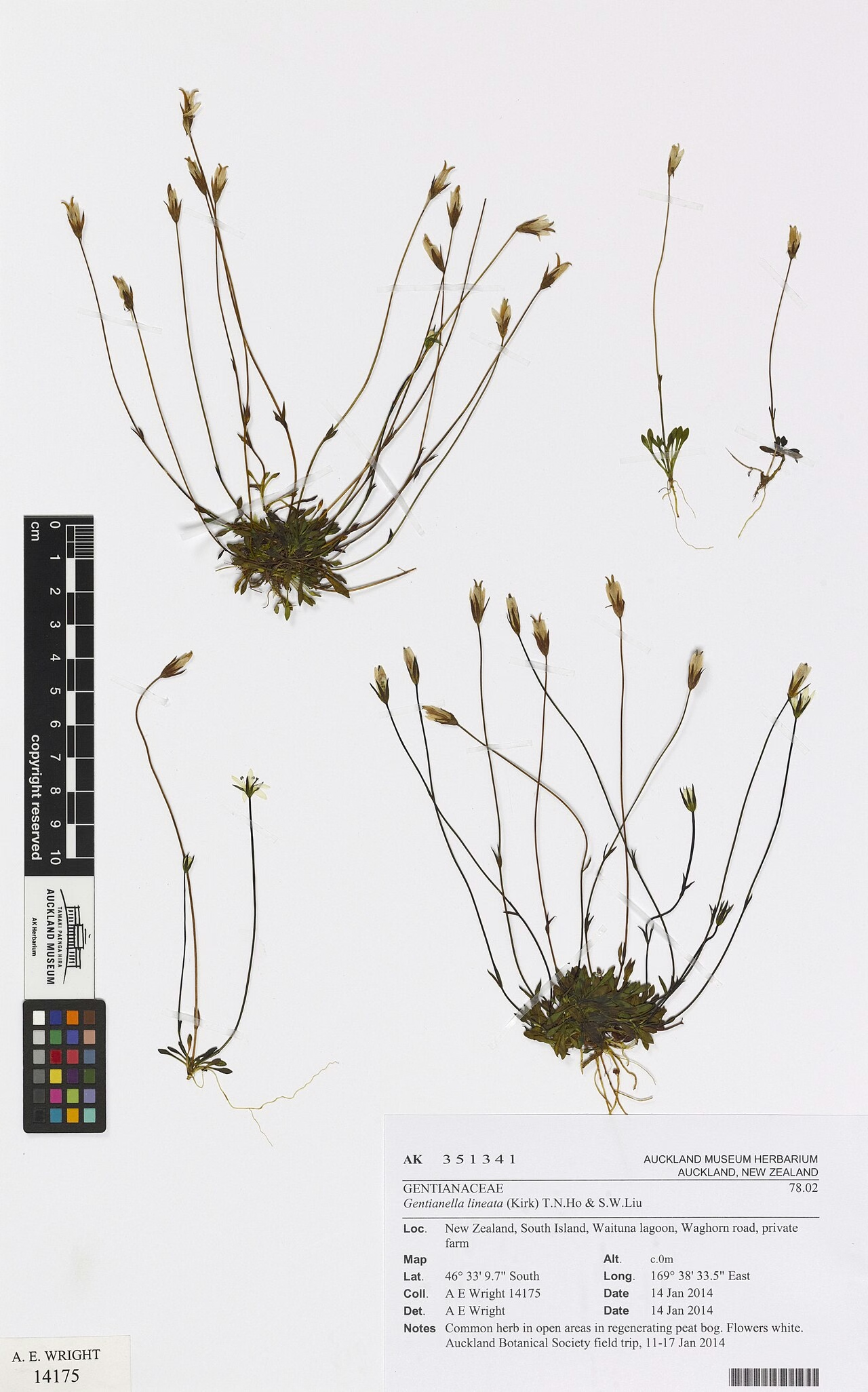
Gentianella lineata
Gentianella lineata
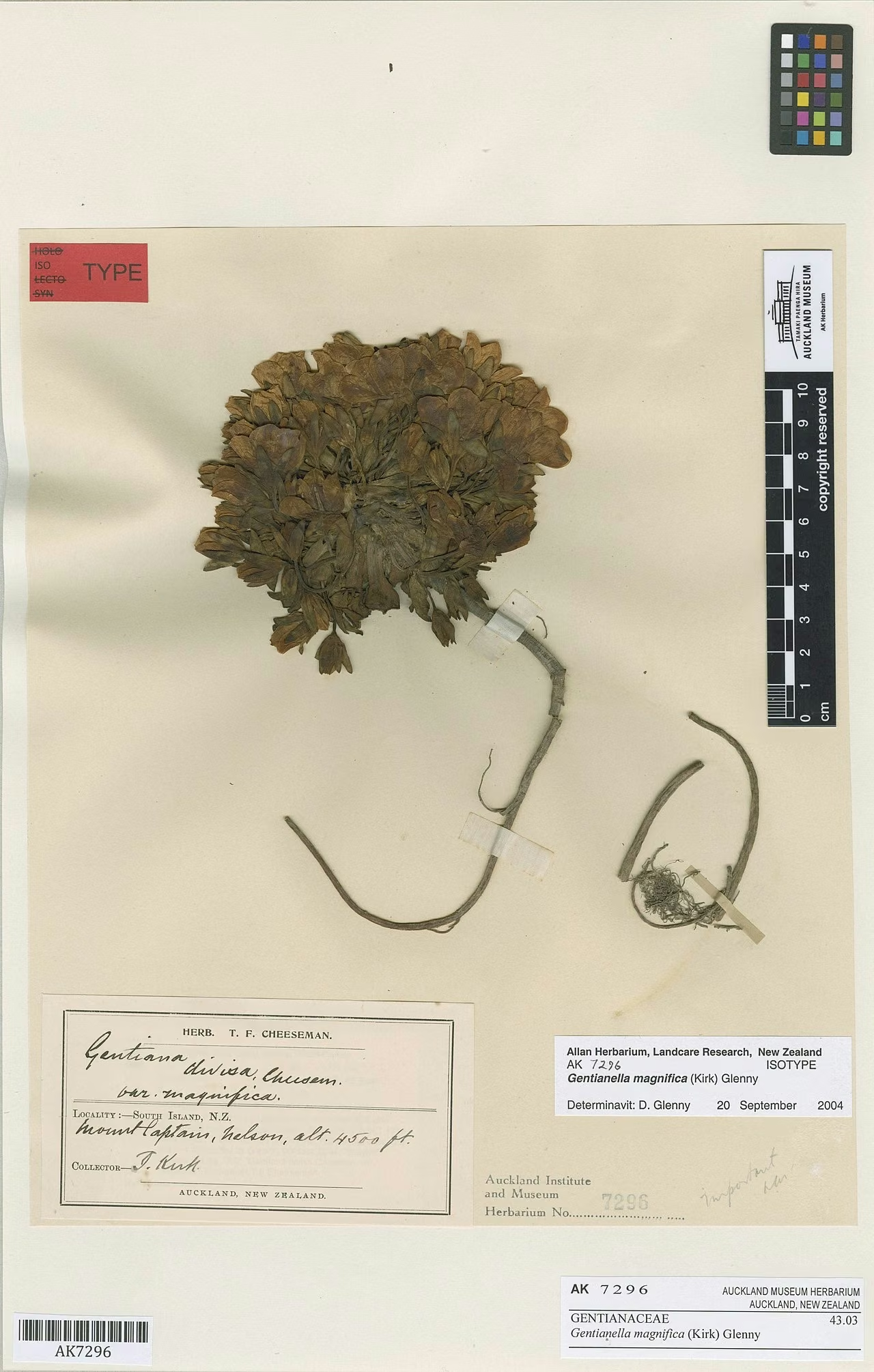
Scree Gentian
Gentianella magnifica
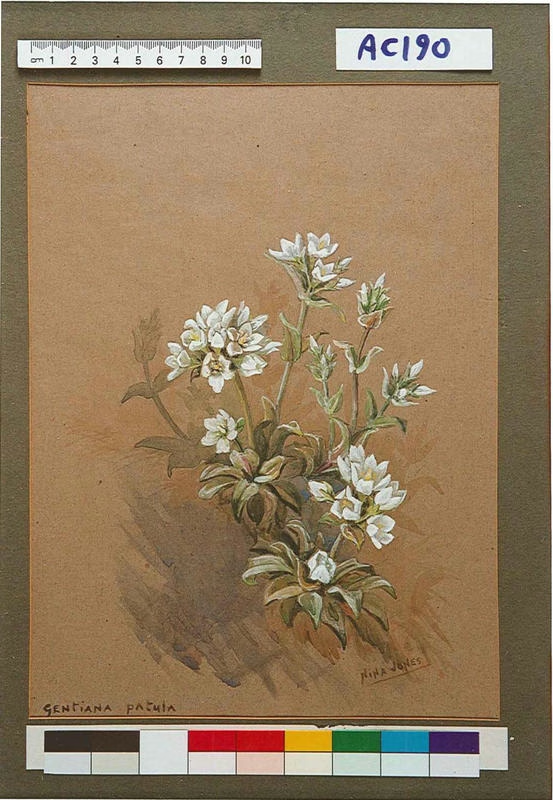
Gentianella patula
Gentianella patula
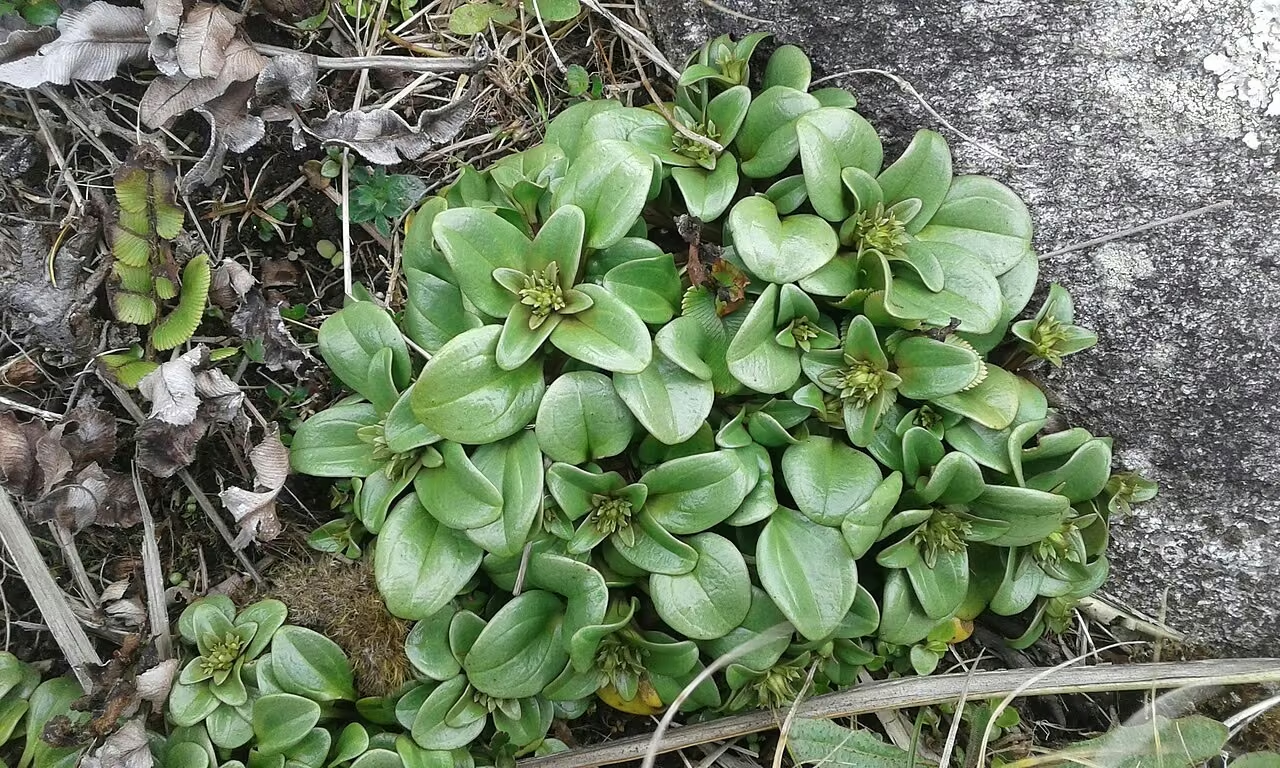
Charleston Gentian
Gentianella stevenii
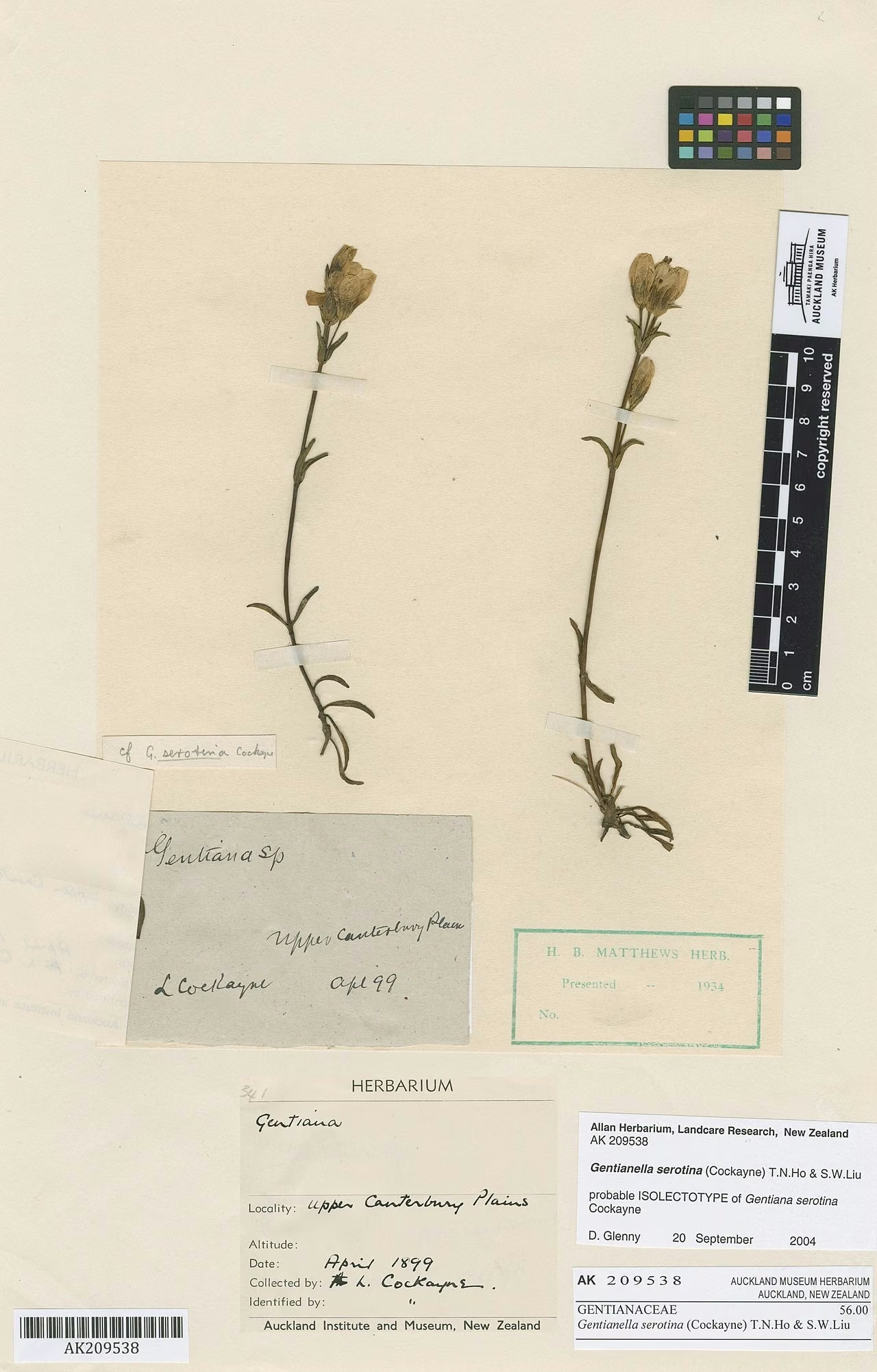
Gentianella serotina
Gentianella serotina
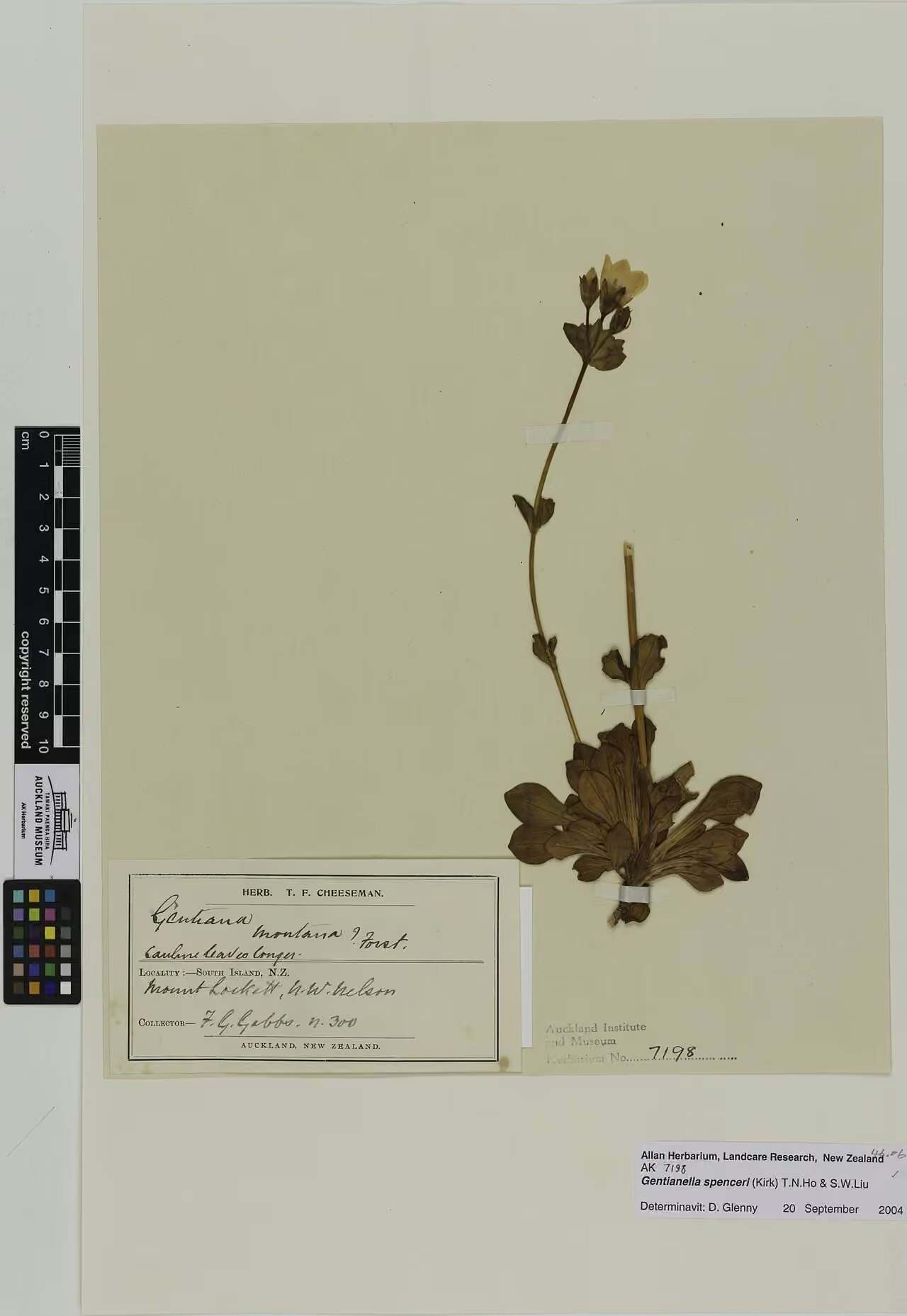
Spencer's Gentian
Gentianella spenceri
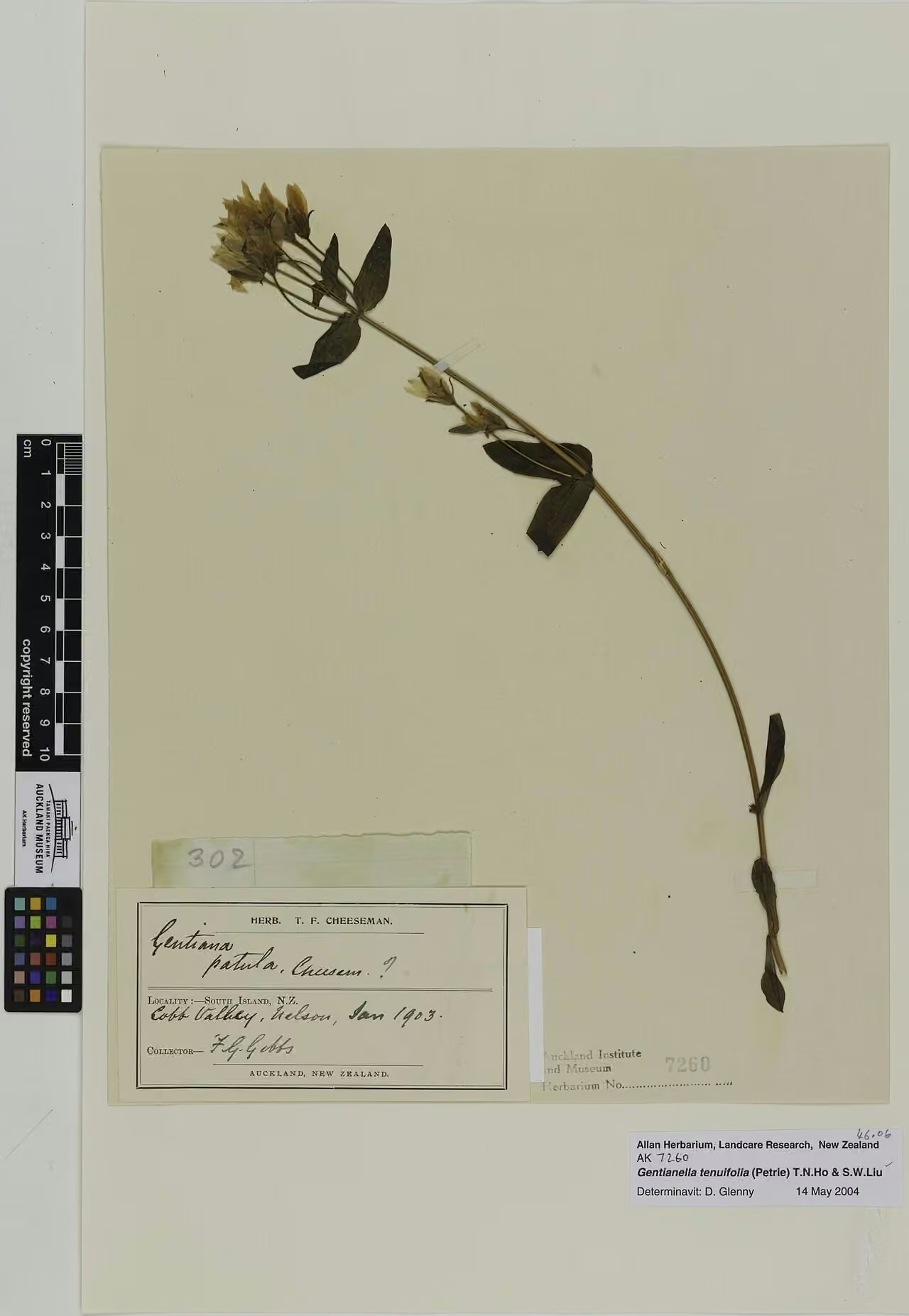
Gentianella tenuifolia
Gentianella tenuifolia
Plant Conservation
Gentianella saxosa is ranked At Risk - Naturally Uncommon (2023) with the qualifiers Data Poor Size, Data Poor Trend and Range Restricted. In Otago it is Regionally Threatened - Regionally Endangered (2025).
Protecting coastal turf and dune habitat from weeds, trampling and development helps this species. Gardeners can support it by growing only cultivated stock and never collecting from wild sites.
Frequently Asked Questions
Where does Gentianella saxosa grow?
It grows on coastal rock outcrops, coastal turf and sand dunes in Otago, Southland and Fiordland in the South Island, and on Stewart Island/Rakiura.
Can you grow Gentianella saxosa in a garden?
NZPCN says it is probably the only New Zealand gentian that is easily grown, although still difficult. It likes damp, free-draining soil in semi-shade or a cool sunny position and dislikes humidity.
How is Gentianella saxosa different from the Charleston gentian?
Its close relative G. stevenii from near Charleston has round leaves, flat calyx lobes, crimson stems and purple-veined flowers. G. saxosa has elliptic leaves, recurved calyx lobes, purple-black stems, plain white flowers and larger anthers.
When does Gentianella saxosa flower?
It flowers from December to February, and its capsules ripen between March and May.
Sources and Further Reading
The botanical, growing, and conservation details for Gentian (Gentianella saxosa) on this page draw on the New Zealand plant references below. Consult them for full technical records and the latest distribution data.