Gentian
Gentianella lineata
Last updated:
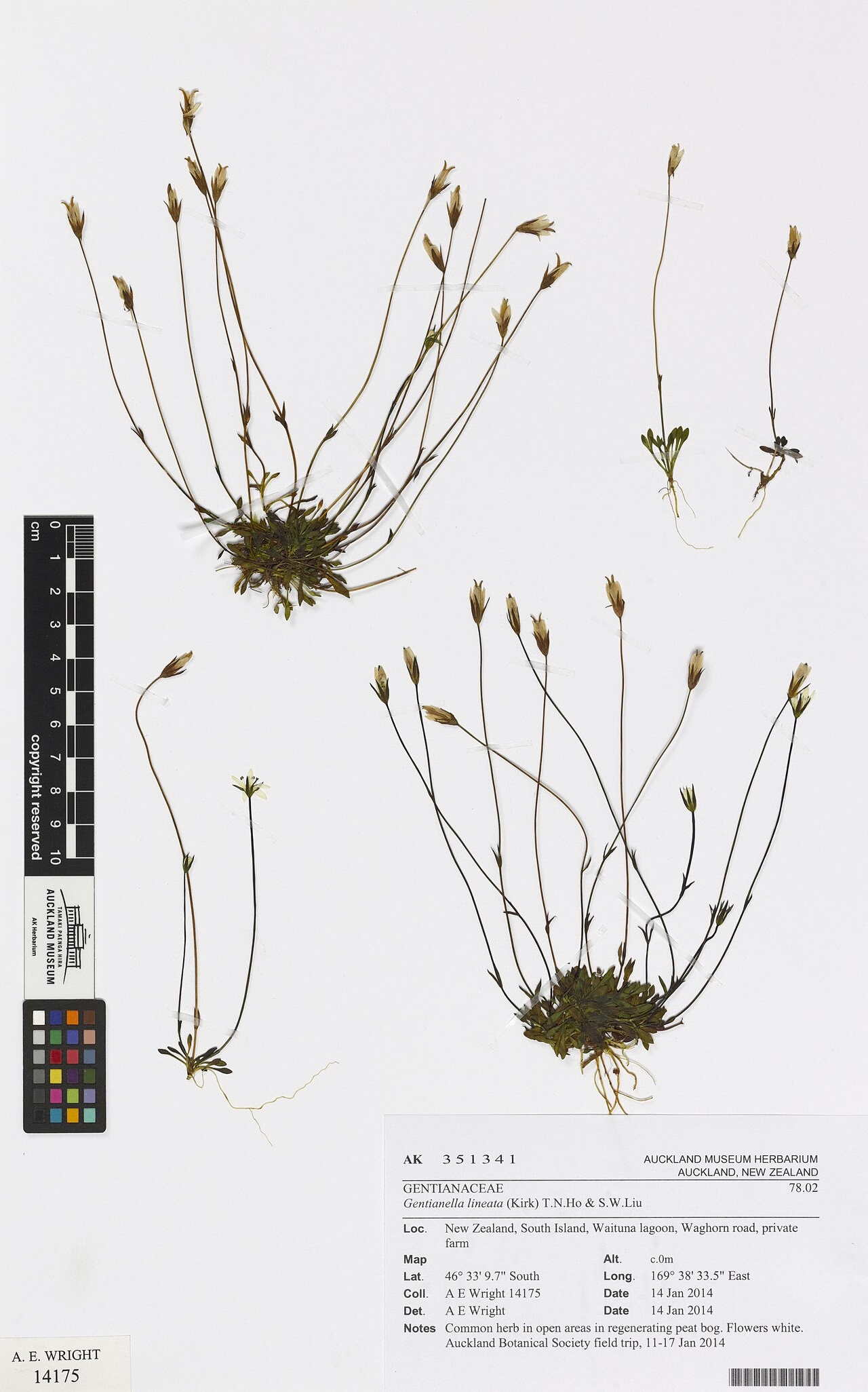
Gentianella lineata is one of the smallest New Zealand gentians, a perennial herb only 30 to 180 mm tall when flowering. It spreads by short stolons from a branched base and carries between 1 and 18 small white flowers, each under a centimetre long. It is endemic to the far south, from the Lammerlaw Range and Blue Mountains of Otago through Southland and Fiordland to Stewart Island/Rakiura. It grows from sea level to about 1300 m in coastal bogs, subalpine scrub, tussock grassland and Schoenus mires. It is ranked At Risk - Naturally Uncommon because it is usually sparse. Explore more native flowering plants in our native plant guide.
Plant Description
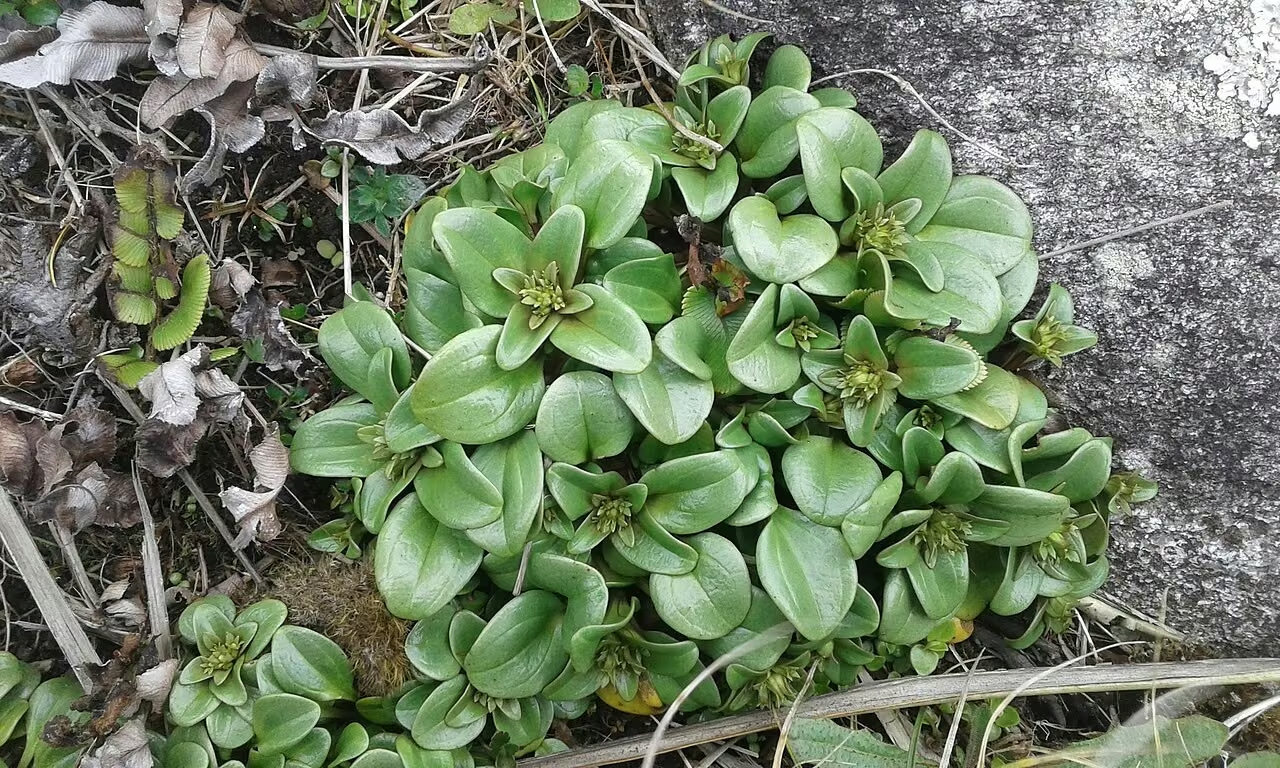
Gentianella lineata is a polycarpic perennial, meaning it can flower in more than one year rather than dying after a single flowering. The base is branched and the plant spreads by stolons, so several small rosettes can arise together. The roots are much branched. Basal leaves are narrowly elliptic, about 11 to 16 mm long and only 1.2 to 3 mm wide.
Flowering plants are 30 to 180 mm tall and carry from 1 to about 18 flowers. The flowers are 7.7 to 10 mm long, with a white corolla whose veins are not coloured, blue-black anther walls and yellow pollen. The calyx lobes are long and narrowly acute. The capsules that follow are about 7 to 14 mm long.
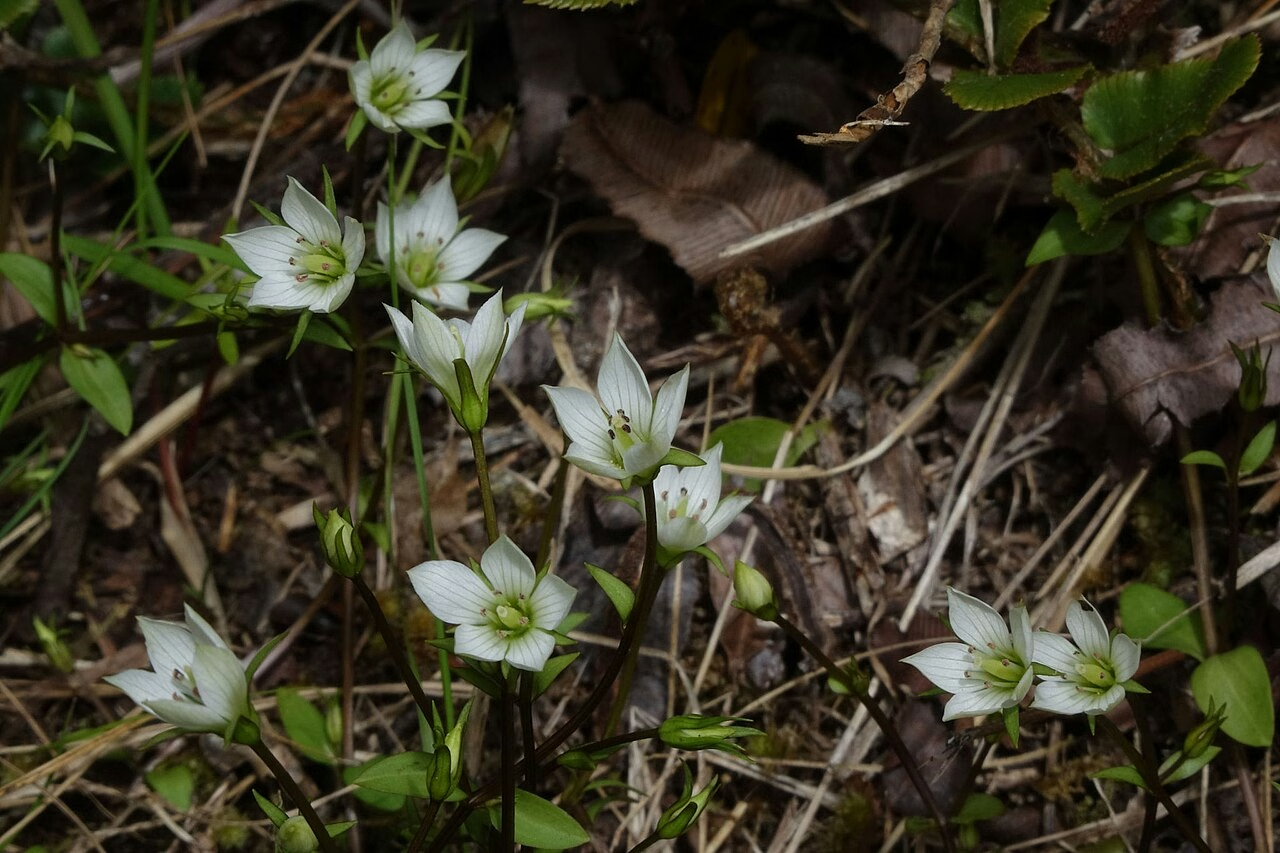
The species most likely to be confused with it is Gentianella grisebachii, which shares the long, narrow calyx lobes. The reliable difference is on the flowering stem: G. grisebachii has leafy bracts below each flower, whereas G. lineata has none. Its tiny size and few white flowers also set it apart from the larger, many-flowered southern gentians.
Quick Facts
| Scientific Name | Gentianella lineata |
|---|---|
| Height | 30-180 mm in flower |
| Spread | Small patches from short stolons |
| Water Needs | Wet; bogs and mires |
| Light | Full sun to light shade |
| Frost Tolerance | High; grows to about 1300 m |
| Salt Tolerance | Some exposure at coastal bog sites; not documented in detail |
| Growth Rate | Slow |
| Lifespan | Perennial (polycarpic) |
Climate Best Suited to
Suits the cool, wet, cloudy climate of Otago's uplands, Southland, Fiordland and Rakiura, where bogs stay saturated year round. Warm or dry climates do not suit it.
Regional Suitability
| City | Climate Suitability |
|---|---|
| Auckland | Low |
| Wellington | Low |
| Christchurch | Low |
| Dunedin | Medium |
Plant Habitat
Gentianella lineata is endemic to the southern South Island and Stewart Island/Rakiura. In Otago it is known from the Lammerlaw Range, the Blue Mountains and Ajax Bog, and it extends south through Southland and Fiordland. On Rakiura it ranges from the north-west south to the Tin Range, and it also occurs on the south-western Tītī (Muttonbird) Islands.
It has a wide altitudinal range, from sea level to about 1300 m. Typical habitats are coastal bogs, subalpine forest and scrub, alpine tussock grassland, and bogs and mires dominated by Schoenus. It is widespread and sometimes locally common, but more often found as scattered individuals.
Growing Requirements
Soil Requirements
It grows in wet, acidic, peaty soils of bogs and mires, and in damp tussock grassland soils.
- Peat or peaty loam that stays wet
- Low fertility, as in natural bog vegetation
- Open, low vegetation where small rosettes are not smothered
Light Requirements
Most sites are open bogs and tussock grassland, although it also occurs in subalpine scrub and forest margins.
- Full sun in open mires
- Tolerates light shade in subalpine scrub
- Does not compete under dense tall cover
Water Requirements
Constant moisture is central to its habitat; many populations sit in saturated bog and mire vegetation.
- Keep permanently moist if grown
- Southern high-rainfall conditions suit it best
Planting and Establishing
NZPCN describes Gentianella lineata as difficult to grow and says it should not be removed from the wild. It is not available from nurseries and is not a practical plant for home gardens.
Anyone holding legally sourced material for research or conservation would need a cool, permanently damp peat-based bog pot or bog garden in good light, kept free of taller competing plants.
Ecological Role
This gentian is part of the low herb layer of southern bogs, mires and tussock grasslands, where it grows among sedges such as Schoenus, cushion plants and small herbs. Its stoloniferous habit lets it form small groups of rosettes in open patches.
The pollinators of its small white flowers and the dispersal of its seed have not been specifically documented in the sources consulted. Its presence is one of the many small endemic herbs that make southern wetlands botanically rich.
Uses & Significance
Garden Uses
It has no real place in ordinary gardens because it is hard to grow and should not be collected from the wild.
- Research or conservation collections only
- Best appreciated in bogs on Rakiura and in Southland and Otago uplands
Ecological Value
It contributes to the distinctive endemic herb flora of southern New Zealand wetlands, from coastal bogs to alpine mires.
- Endemic to the southern South Island and Rakiura
- An indicator of intact, low-stature bog and mire vegetation
- Regionally Endangered in Otago, so Otago sites are especially valuable
Landscaping Uses
Gentianella lineata is not used in landscaping. Its tiny size and few flowers mean it would be lost in a planted scheme even if it could be grown reliably.
In wetland restoration in its natural range, the best approach is to protect existing bog hydrology and low vegetation so that resident populations persist, rather than attempting to plant it.
Seasonal Care Calendar
Spring
Rosettes renew growth as southern bogs warm, and flowering stems begin to develop late in the season.
- Avoid trampling bog vegetation
- Keep any cultivated plants wet and cool
Summer
Flowering runs from November to January, with small white flowers held on short stems.
- Look for leafless flowering stems to confirm identity
- Fruiting begins in January
Autumn
Capsules ripen between January and April and release their seed.
- Leave wild seed in place
- Note populations for regional plant records
Winter
Plants persist as small rosettes in cold, wet bogs.
- No action needed
- Protect cultivated pots from heavy frost heave
When to Prune and How Much
No pruning is needed. The plant is a small herb whose flowering stems wither naturally after the capsules open.
In cultivation, simply remove dead stems once seed has been collected, taking care not to disturb the rosettes or stolons.
How to Grow Gentian
NZPCN states that Gentianella lineata is difficult to propagate and should not be removed from the wild, and no tested propagation protocol for this species was found in the sources consulted. The notes below therefore describe the general approach that specialist growers take with small perennial New Zealand gentians, adapted to this species' wet bog habitat. Expect low success, and work only with seed or plants that are already legally held in cultivation or supplied for a conservation programme. Because the plant is polycarpic and stoloniferous, both seed and careful separation of rooted rosettes are possible in principle.
From Seed
Capsules ripen from January to April. Seed of New Zealand gentians is small and should be sown soon after collection onto a moist, fine, low-fertility surface. Whether this species needs a cold period to germinate has not been documented.
- Collect capsules from cultivated plants as they begin to split
- Sow thinly onto a damp peat and fine sand mix without covering deeply
- Stand the pot in a tray of water so the mix never dries
- Keep cool and bright, and leave pots for at least one winter before giving up
- Prick out seedlings only when they have several leaves
By Division of Stolons
Because the plant forms stolons and a branched base, a rooted rosette can sometimes be separated from an established cultivated clump. This is the only vegetative option, and should only be tried on vigorous plants.
- In spring, ease a rooted daughter rosette away from the parent
- Pot it into wet peaty mix and keep it shaded for a few weeks
- Return it to bright, cool, wet conditions once new leaves appear
Pests & Diseases
No specific pests or diseases are recorded for Gentianella lineata. NZPCN does not identify any current threats, noting that almost all known habitat lies within conservation land.
Changes to bog hydrology, such as drainage, and invasion of wetlands by weeds would be the main risks to local populations. In cultivation, small gentians commonly fail from drying out or from slugs grazing the rosettes.
Cultural Significance
No Māori name or traditional use is recorded for Gentianella lineata in the sources consulted.
Thomas Kirk first described it as Gentiana lineata in 1895, and G. Simpson later published Gentiana verecunda in 1952, a name now treated as a synonym. The epithet lineata means lined or striped. David Glenny's 2004 revision of New Zealand Gentianella provides the modern description.
Bonus Tip
When searching southern bogs for this gentian in early summer, check the flowering stems closely. If you see small leafy bracts below the flowers you are probably looking at Gentianella grisebachii; G. lineata has bare stems between the rosette and the flowers.
Related Plants
Explore other native plants that share similar characteristics or habitats with Gentian (Gentianella lineata), offering further insights into New Zealand's diverse flora. These related species provide context and opportunities for complementary planting in your garden.
Mt Anglem Gentian
Gentianella gibbsii
Forest Gentian
Gentianella grisebachii
Gentianella impressinervia
Gentianella impressinervia
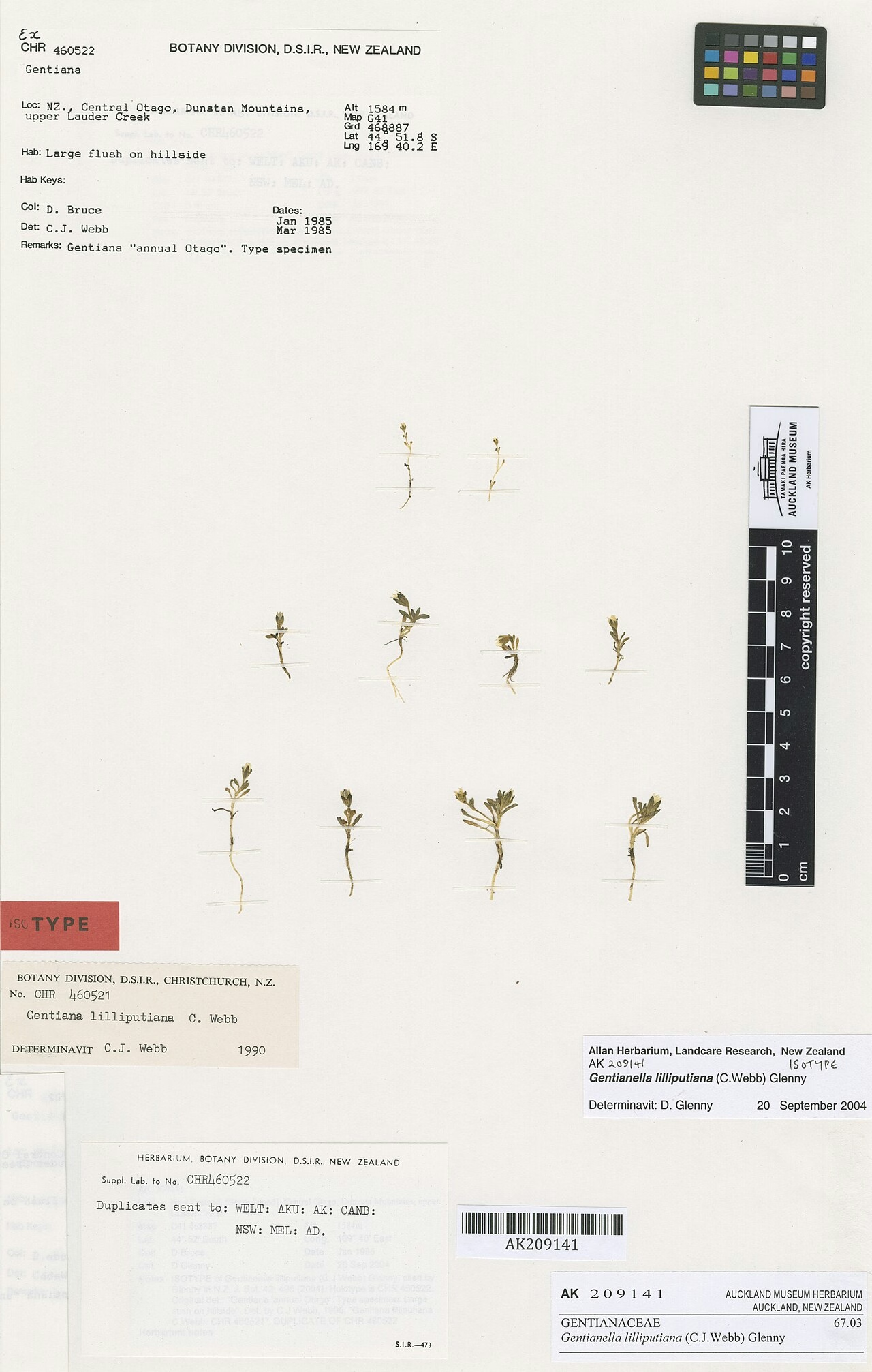
Little Gentian
Gentianella lilliputiana
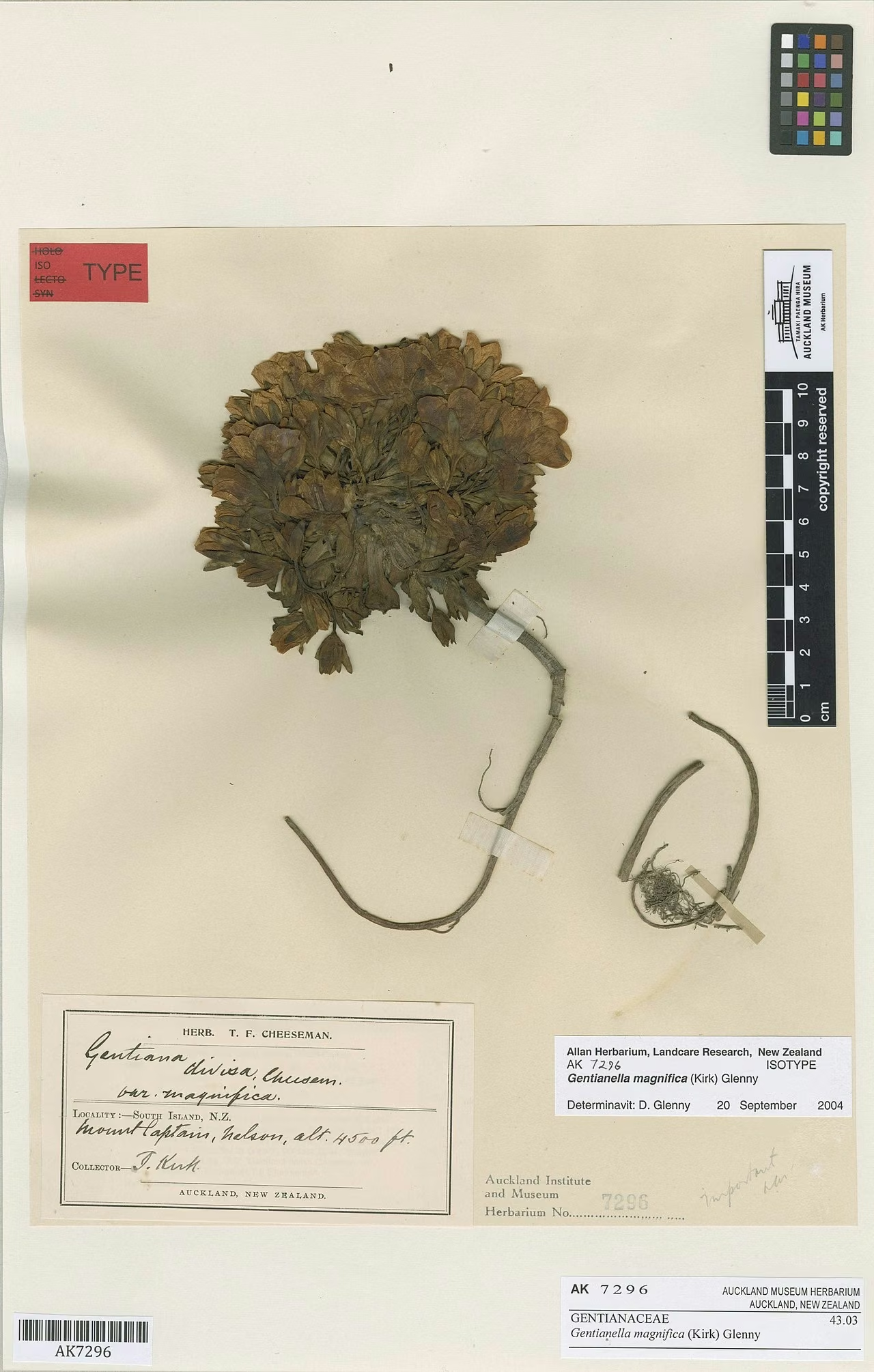
Scree Gentian
Gentianella magnifica
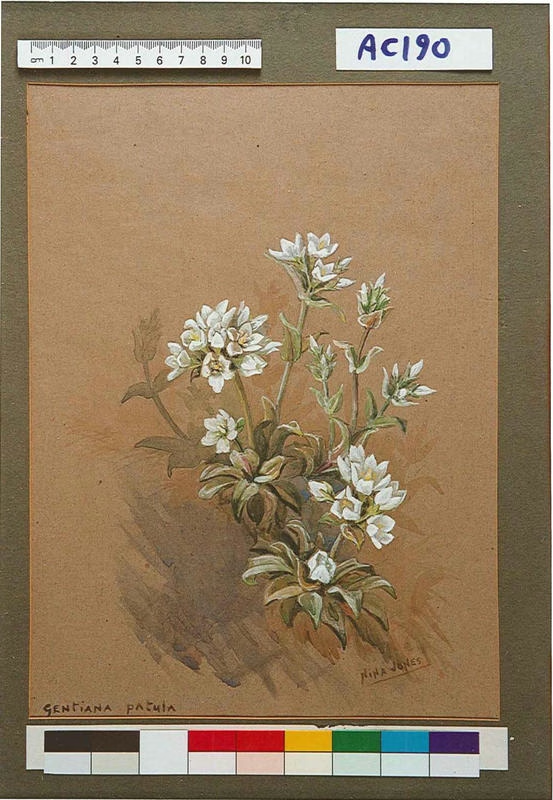
Gentianella patula
Gentianella patula
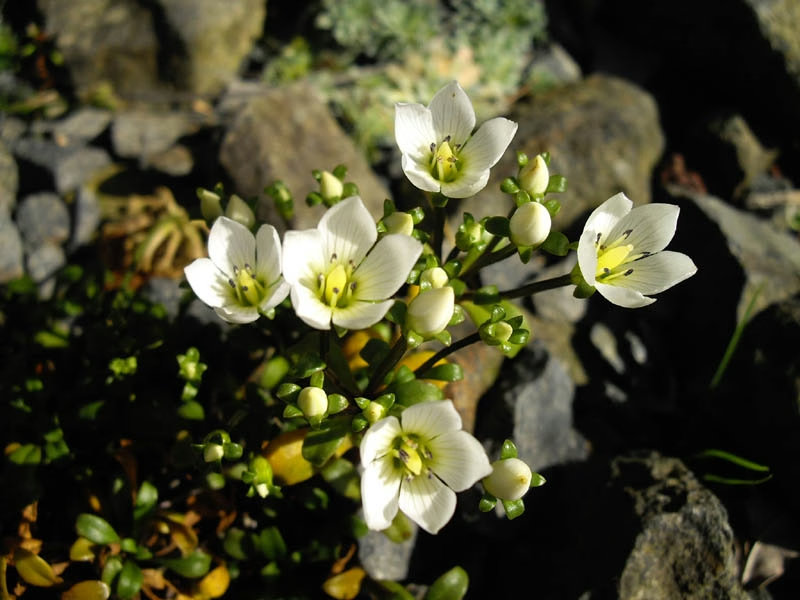
Gentianella saxosa
Gentianella saxosa
Charleston Gentian
Gentianella stevenii
Plant Conservation
Gentianella lineata is ranked At Risk - Naturally Uncommon (2023). In 2017 it was listed as At Risk - Relict, and in Otago it is Regionally Threatened - Regionally Endangered (2025) because populations there are few and range restricted.
NZPCN considers it not obviously threatened nationally, since virtually all known sites lie on conservation land. Maintaining natural water tables in bogs and keeping weeds and grazing animals out of mires are the most useful protections.
Frequently Asked Questions
Where does Gentianella lineata grow?
It grows in southern New Zealand, from the Lammerlaw Range, Blue Mountains and Ajax Bog in Otago south through Southland and Fiordland to Stewart Island/Rakiura and the south-western Tītī Islands.
How do you tell Gentianella lineata from Gentianella grisebachii?
Both have long, narrow, pointed calyx lobes, but G. grisebachii has leafy bracts on the flowering stems below each flower, while G. lineata never has them.
Is Gentianella lineata threatened?
It is ranked At Risk - Naturally Uncommon (2023). NZPCN notes it is usually sparse but not obviously threatened, and nearly all its known sites are on conservation land.
When does Gentianella lineata flower?
It flowers from November to January, with fruiting capsules following from January to April.
Sources and Further Reading
The botanical, growing, and conservation details for Gentian (Gentianella lineata) on this page draw on the New Zealand plant references below. Consult them for full technical records and the latest distribution data.