Antipodes Islands Gentian
Gentianella antipoda
Last updated:
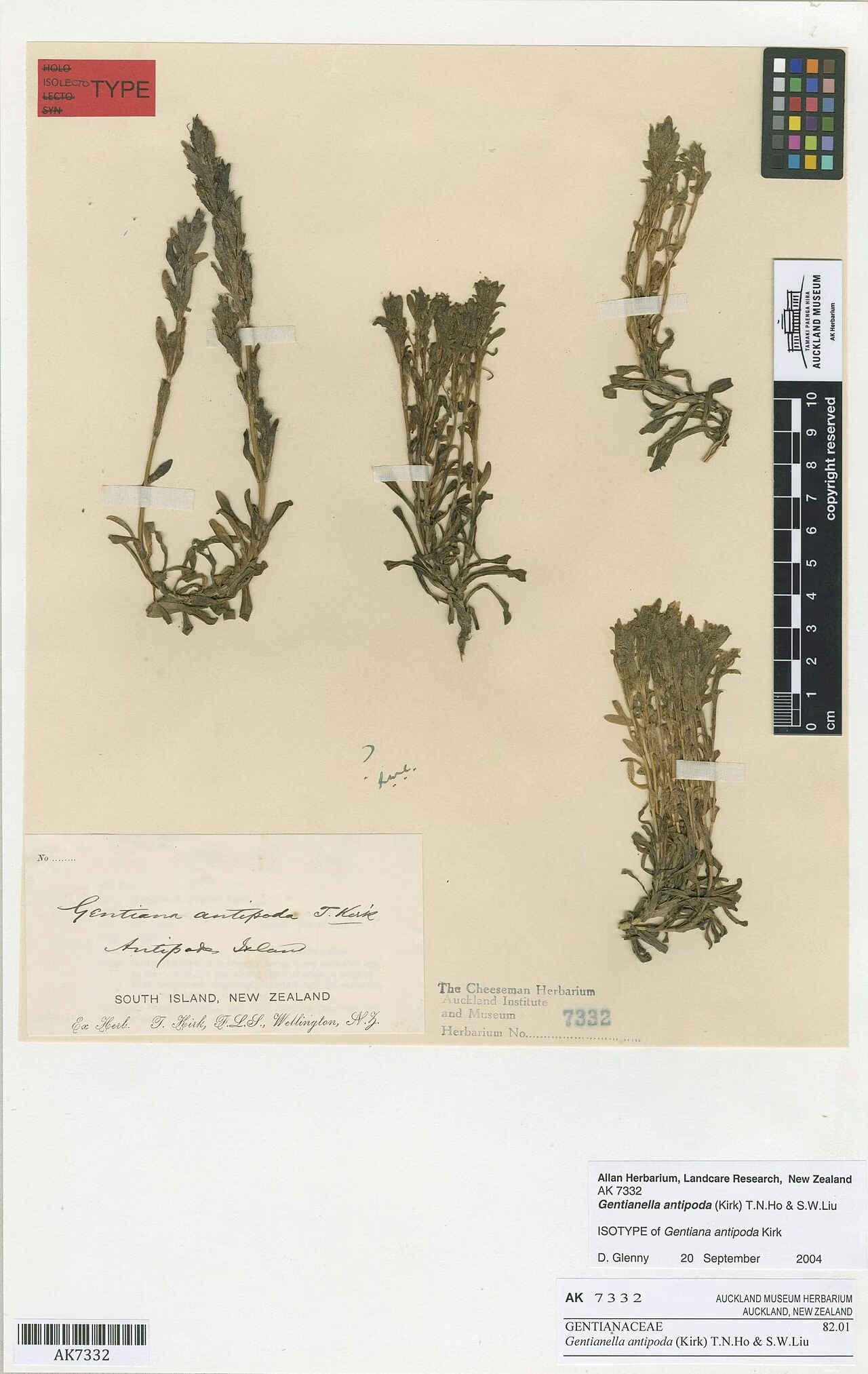
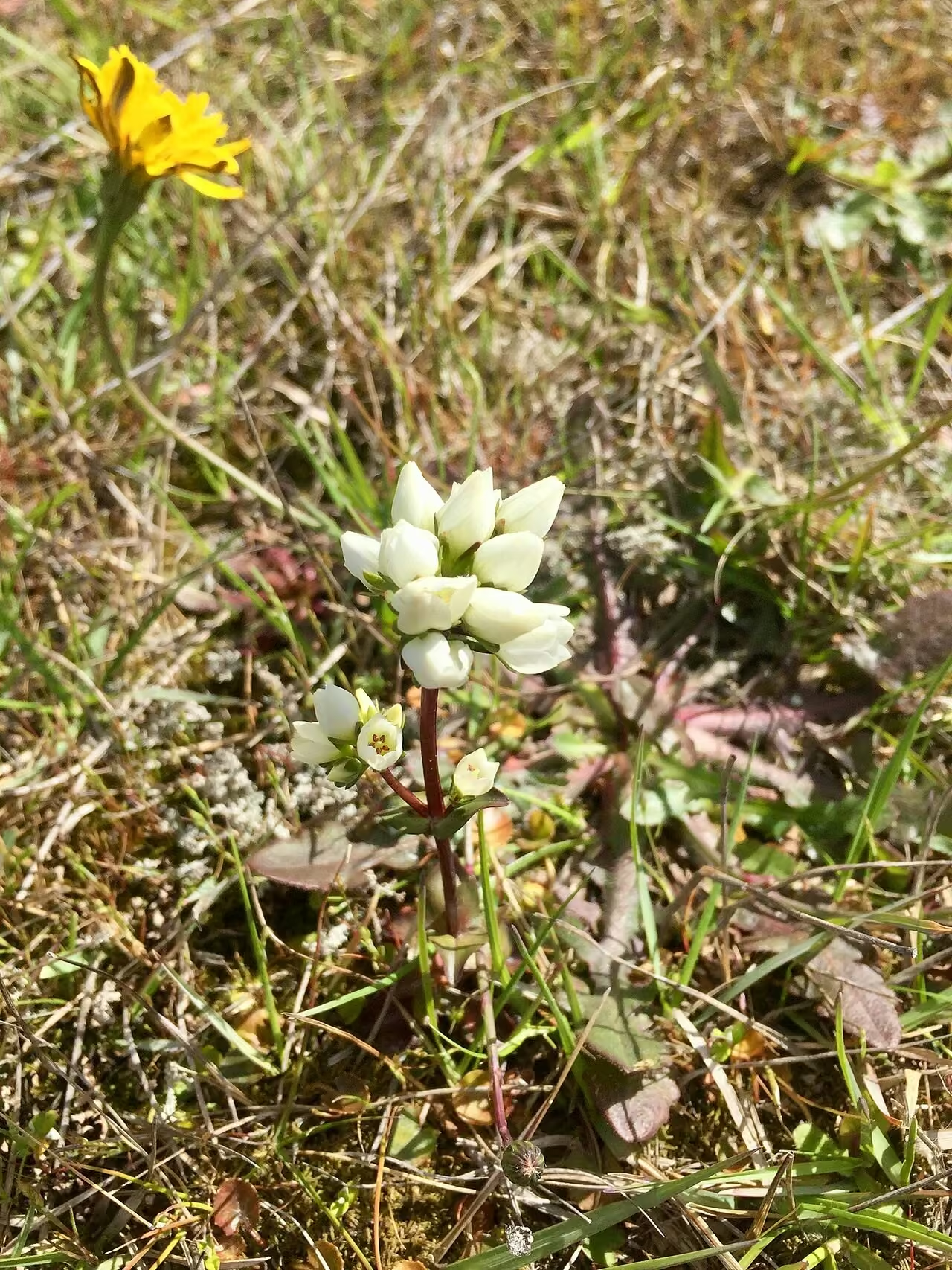
The Antipodes Islands gentian (Gentianella antipoda) is a small flowering herb found only on the subantarctic Antipodes Islands, on Antipodes Island itself and nearby Bollons Island. It is monocarpic and biennial, building a rosette in its first year, then flowering once and dying. In flower it stands 3.5 to 19 cm tall, occasionally 24 cm, with up to 20 stems carrying many small flowers 5.5 to 10.5 mm long in colours from white to purple. It grows from the coast to the uplands in Poa litorosa tussock grassland and peaty bogs. It is ranked At Risk - Naturally Uncommon, though it is abundant on its islands. Explore more native flowering plants in our native plant guide.
Plant Description
Gentianella antipoda is a monocarpic biennial herb 35 to 190 mm tall in flower, occasionally reaching 240 mm. Its caudex is unbranched or branched depending on the size of the plant, up to 100 mm long. There are 2 to 20 terminal and lateral flowering stems per plant, 1.5 to 2.5 mm thick when dry, yellow or tinted crimson. The leaves are narrowly elliptic, about 34 to 39 mm long and 4.8 to 6.2 mm wide, yellowish or tinted crimson beneath, with a thickened margin.
Large plants produce dozens of flowers. Each flower is 5.5 to 10.5 mm long, with a green or crimson calyx 4.7 to 8 mm long and a corolla that ranges from white to purple, its veins uncoloured to purple. Flowering runs from December to April and fruit from January to May.
No other gentian grows on the Antipodes Islands, so it is easily identified there. Kirk's colour forms are no longer formally recognised, and the full range from white to purple flowers is treated as one variable species.
Quick Facts
| Scientific Name | Gentianella antipoda |
|---|---|
| Height | 3.5 to 19 cm in flower, rarely 24 cm |
| Spread | A single rosette with up to 20 flowering stems |
| Water Needs | Moist; grows in a cool, wet, windy climate |
| Light | Full sun to open tussock |
| Frost Tolerance | Cool subantarctic climate; frost tolerance in cultivation not documented |
| Salt Tolerance | Grows from near the coast in salt-laden island winds; no formal data |
| Growth Rate | Biennial; flowers in its second season |
| Lifespan | Biennial, monocarpic |
Climate Best Suited to
Adapted to the cool, cloudy, wet and very windy oceanic climate of the subantarctic, with mild winters and cool summers. It would not cope with warm, dry mainland gardens.
Regional Suitability
| City | Climate Suitability |
|---|---|
| Auckland | Low |
| Wellington | Low |
| Christchurch | Low |
| Dunedin | Low |
Plant Habitat
The Antipodes Islands gentian is endemic to the Antipodes Islands, a remote subantarctic group south-east of the South Island. It is recorded from Antipodes Island, the main island, and from Bollons Island.
It grows from the coast up to the montane zone in Poa litorosa tussock grassland and in bogs dominated by Carex ternaria and Anisotome antipoda. These islands are a protected nature reserve and part of a World Heritage Area, and landing requires a permit.
Growing Requirements
Soil Requirements
It grows on the deep, wet, peaty soils that cover much of the Antipodes Islands, enriched in places by seabirds.
- Moist, organic peat soils
- Consistently cool and wet
- Open ground among tussocks and bog plants
Light Requirements
The islands are frequently overcast, and it grows in open tussock and bog where it receives whatever light is available.
- Open sites among tussock
- Not shaded by shrubs or trees
Water Requirements
Rain falls on most days in the subantarctic, so the plant never experiences prolonged drought.
- Constant moisture
- Cool, humid air
Planting and Establishing
This species is not commercially available and is not suited to garden cultivation. NZPCN describes it as difficult to propagate and states that it should not be removed from the wild.
The Antipodes Islands are a nature reserve with strict biosecurity rules, and collecting plants or seed there requires permits from the Department of Conservation.
Ecological Role
Its many small flowers provide nectar and pollen for the insects of the Antipodes Islands, though which insects pollinate it has not been documented in the sources consulted. Its biennial, single-flowering habit means populations depend on regular seed production and seedling establishment in open patches.
It is part of the subantarctic tussock and bog flora, growing with Poa litorosa, Carex ternaria and the endemic Anisotome antipoda. House mice, introduced to Antipodes Island in the 19th century, were the island's only introduced mammal until the Department of Conservation eradicated them in 2016.
Uses & Significance
Garden Uses
It has no garden use; it belongs to its remote island habitat.
- Not commercially available
- Of interest to botanists and subantarctic visitors
- Best known through photographs and herbarium collections
Ecological Value
As an island endemic it contributes to the high conservation value of the Antipodes Islands.
- Late-season flowers for island insects
- Part of intact tussock and bog communities
- A unique element of New Zealand's subantarctic biodiversity
Landscaping Uses
It cannot be used in landscaping on the mainland. Its landscape role is as a summer and autumn splash of white and purple through the tussock grasslands of the Antipodes Islands.
Visitors to the subantarctic on authorised expeditions can see it, but must follow strict biosecurity rules to avoid introducing seeds, insects or diseases.
Seasonal Care Calendar
Spring
First-year rosettes grow on, and second-year plants begin to form flowering stems.
- Rosettes building strength
- Seedlings establish in open patches
Summer
Flowering begins in December, with white to purple flowers opening on many stems.
- Main flowering season
- Capsules start forming from January
Autumn
Flowering continues into April while capsules ripen and release seed through to May.
- Seed released
- Flowered plants die after setting seed
Winter
Young rosettes overwinter in the cool, wet climate ready to flower the next summer.
- Next generation of rosettes persists
- No flowering
When to Prune and How Much
Pruning does not apply to this wild biennial herb.
Flowered plants die naturally after seeding, and the next generation of rosettes takes their place.
How to Grow Antipodes Islands Gentian
Gentianella antipoda is described by NZPCN as difficult to propagate, and it should not be removed from the wild. As a monocarpic biennial it can only be increased from seed, and any collection must be authorised because the Antipodes Islands are a strictly protected nature reserve. The guidance below summarises the general approach used by specialist growers and seed banks for New Zealand gentians and is relevant only to authorised conservation or research work.
From Seed
Gentian seed is very small, and seed of cool-climate species often germinates best after cold, moist conditions. Because each plant flowers once and dies, seedlings must be raised every generation to keep a plant in cultivation.
- Collect ripe capsules between January and May only under a permit
- Sow fresh seed thinly on the surface of a moist, peaty, acidic seed mix
- Keep pots cool, humid and evenly moist at all times
- Provide a period of cool conditions if germination is slow
- Grow seedlings on in individual pots, keeping them cool through their first year
- Expect flowering in the second season, then save seed before the plant dies
Division and Cuttings
Division is not an option for a short-lived plant that flowers once and dies, and cuttings are not used for New Zealand gentians. Seed is therefore the only practical route for this island gentian.
- Rely on seed for any authorised propagation
- Keep records of seed origin so that any material grown remains traceable to the island population
Pests & Diseases
No specific pests or diseases are recorded for Gentianella antipoda in the sources consulted. NZPCN notes that it is abundant on its islands and under no obvious threat.
The main potential risk would be the arrival of introduced pests, weeds or diseases. Mice on Antipodes Island were eradicated in a Department of Conservation operation in winter 2016, confirmed successful in 2018, which benefits the island's insects and plants.
Cultural Significance
No Māori name or traditional use is recorded for the Antipodes Islands gentian, which grows on islands remote from any traditional settlement.
Thomas Kirk described it as Gentiana antipoda, naming pale and red forms pallida and rubra. It has since been placed in Chionogentias and then in Gentianella, the genus used in Glenny's 2004 revision of New Zealand gentians.
Bonus Tip
If you join a permitted voyage to the subantarctic, the best time to see this gentian in flower is from late December to March, when its many-flowered stems stand out among the Poa litorosa tussocks.
Related Plants
Explore other native plants that share similar characteristics or habitats with Antipodes Islands Gentian (Gentianella antipoda), offering further insights into New Zealand's diverse flora. These related species provide context and opportunities for complementary planting in your garden.
Gaultheria nubicola
Gaultheria nubicola
Gaultheria paniculata
Gaultheria paniculata
Gaultheria parvula
Gaultheria parvula
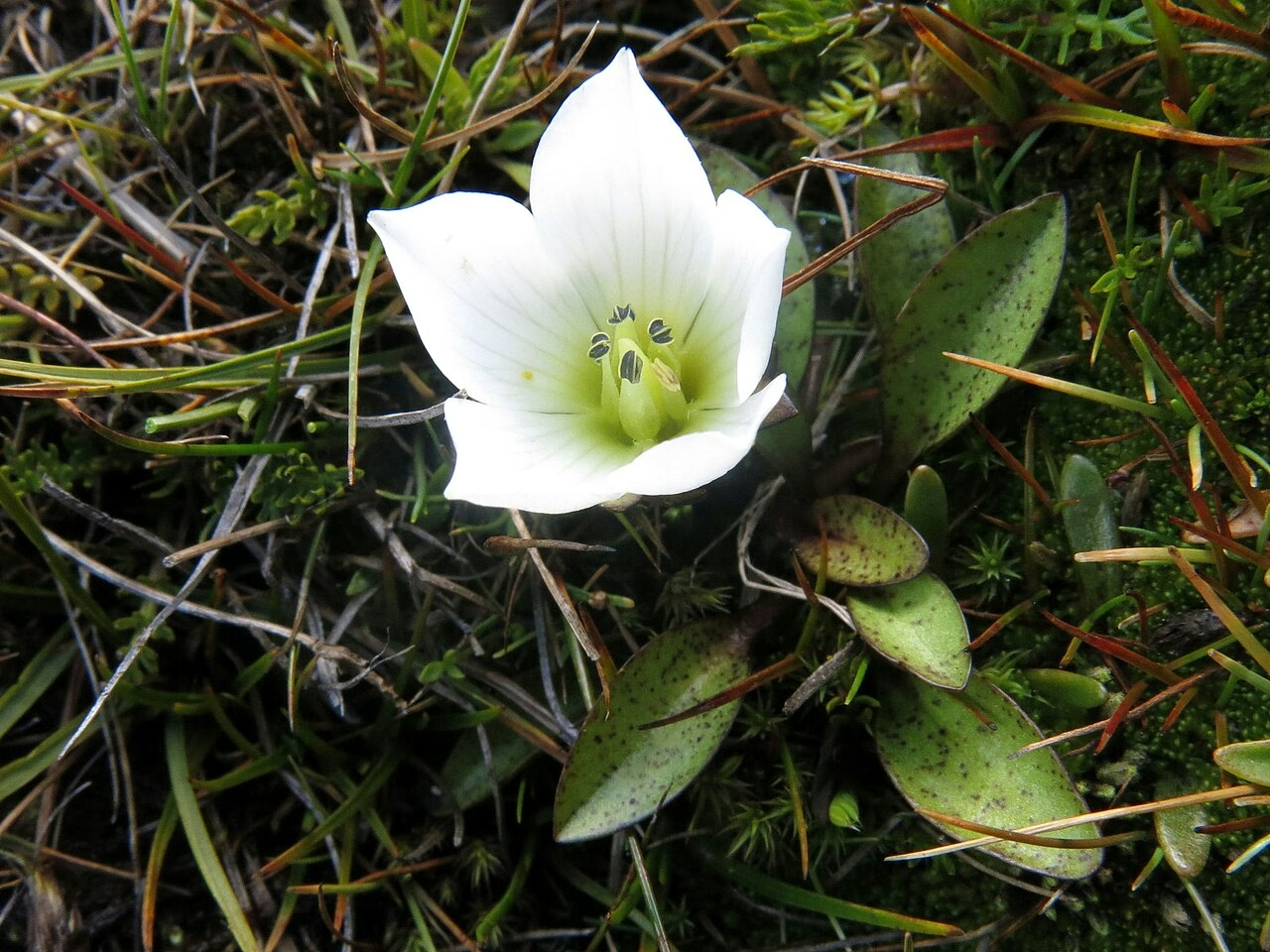
Gentianella amabilis
Gentianella amabilis
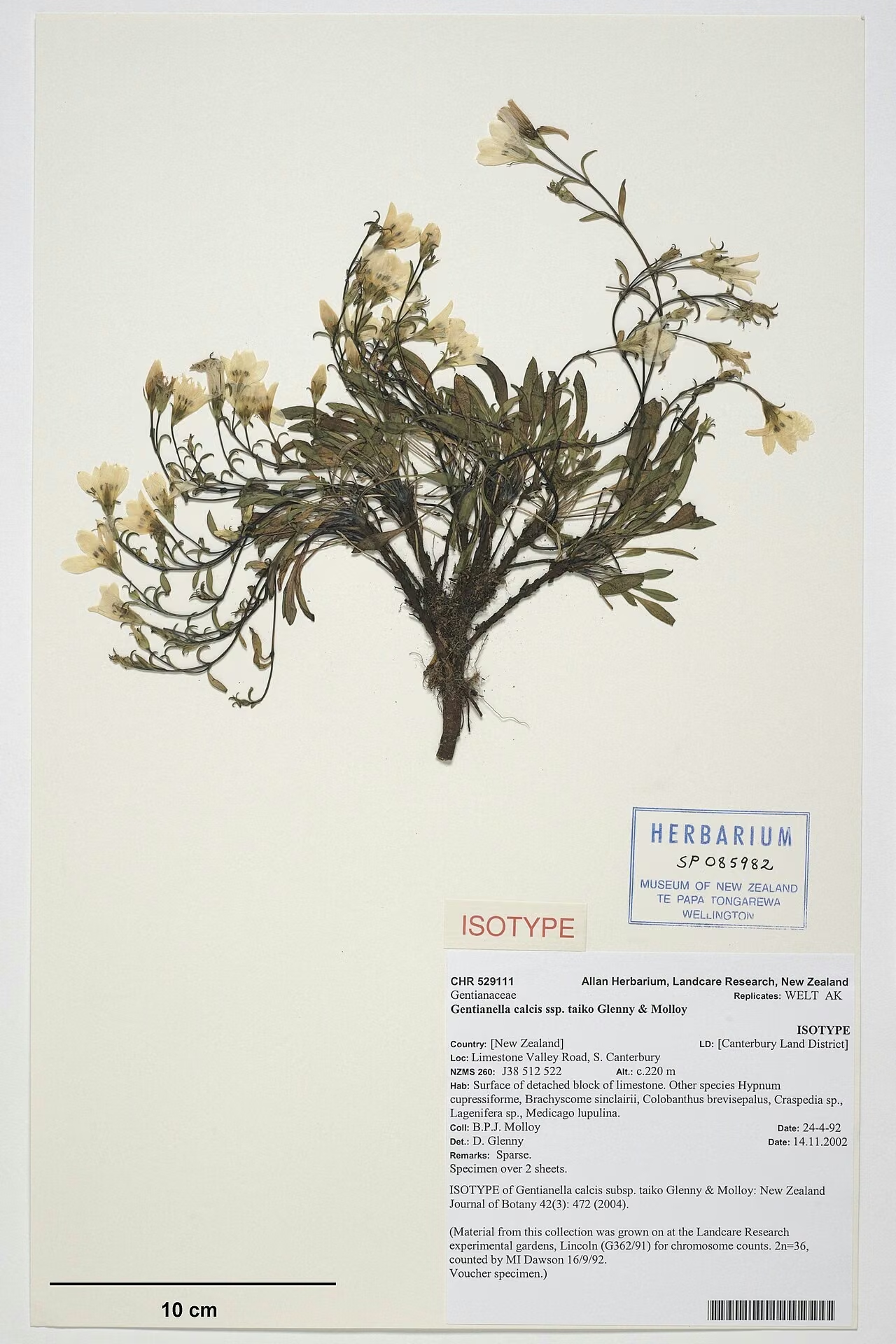
Awahokomo Gentian
Gentianella calcis subsp. calcis
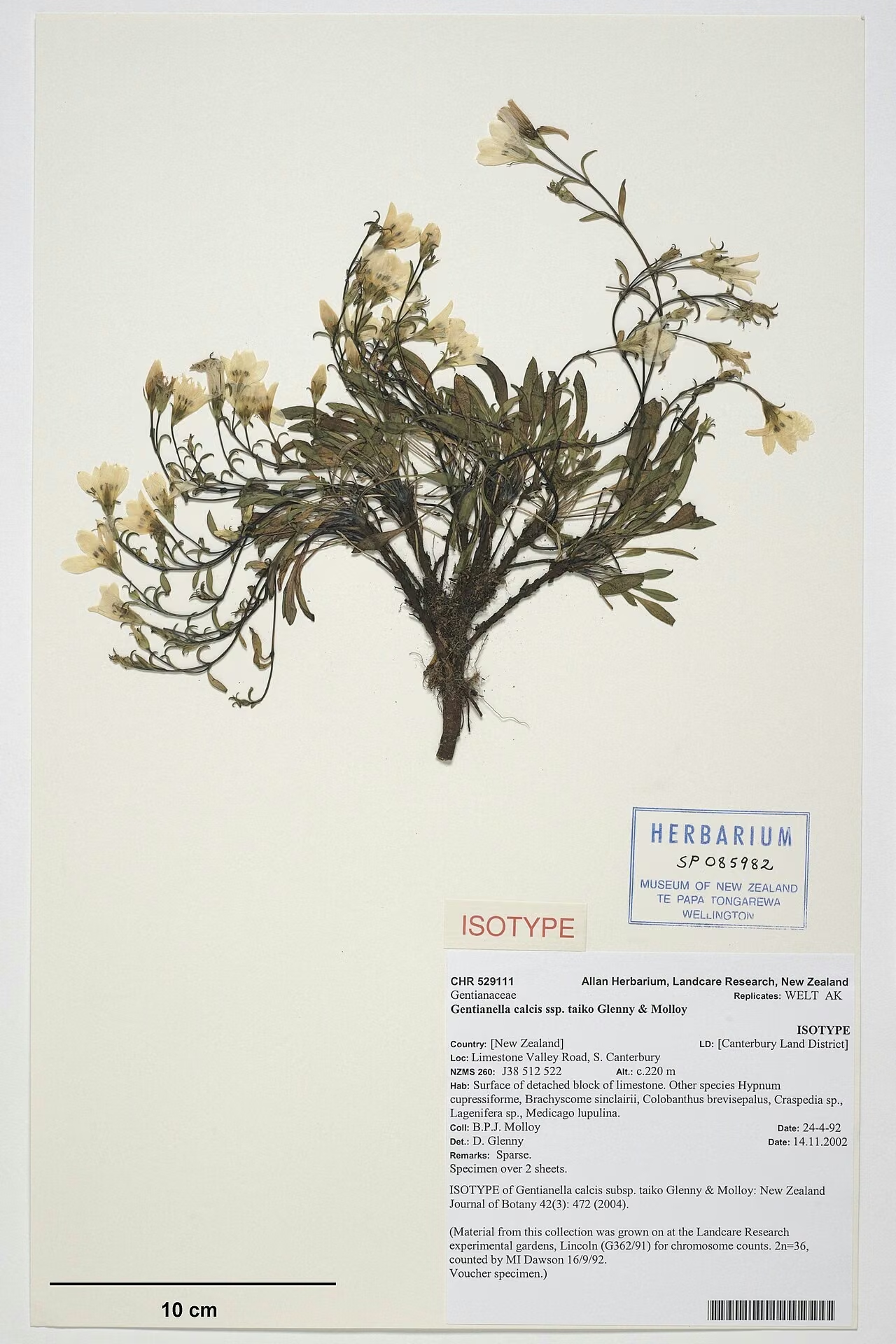
Pareora Gentian
Gentianella calcis subsp. taiko
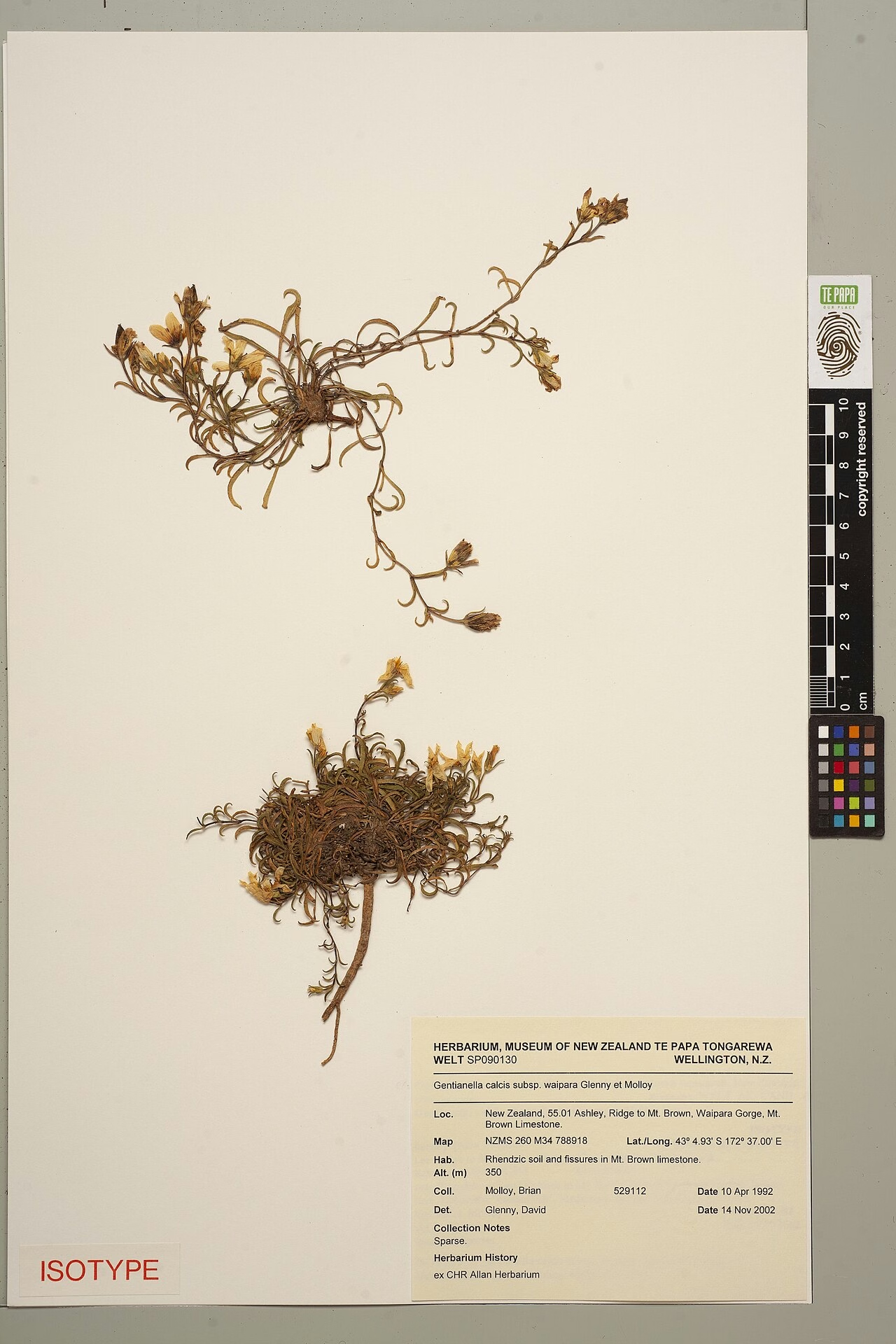
Waipara Gentian
Gentianella calcis subsp. waipara
Chatham Island Gentian
Gentianella chathamica subsp. chathamica
Plant Conservation
Gentianella antipoda is ranked At Risk - Naturally Uncommon (2023) with the qualifiers IE (island endemic) and Sp (sparse). NZPCN describes it as a range-restricted island endemic that is abundant on its islands and under no obvious threat.
The Antipodes Islands are a nature reserve and part of the New Zealand Subantarctic Islands World Heritage Area. Strict biosecurity and the Million Dollar Mouse eradication of introduced mice, completed in 2016 and confirmed in 2018, help protect the island's flora and invertebrates.
Frequently Asked Questions
Where is the Antipodes Islands gentian found?
It is endemic to the Antipodes Islands group in the New Zealand subantarctic, occurring on Antipodes Island and Bollons Island and nowhere else in the world.
What colour are the flowers of Gentianella antipoda?
The flowers range from white to purple, with uncoloured to purple veins. Thomas Kirk named pale and red colour forms, pallida and rubra, when he first described the species.
Is the Antipodes Islands gentian endangered?
It is ranked At Risk - Naturally Uncommon because it lives only on a remote island group, but NZPCN notes it is abundant there and faces no obvious threat.
Does Gentianella antipoda die after flowering?
Yes. It is monocarpic and biennial, so each plant flowers once, usually in its second season, sets seed and then dies.
Sources and Further Reading
The botanical, growing, and conservation details for Antipodes Islands Gentian (Gentianella antipoda) on this page draw on the New Zealand plant references below. Consult them for full technical records and the latest distribution data.