Mountain Snowberry
Gaultheria colensoi
Last updated:
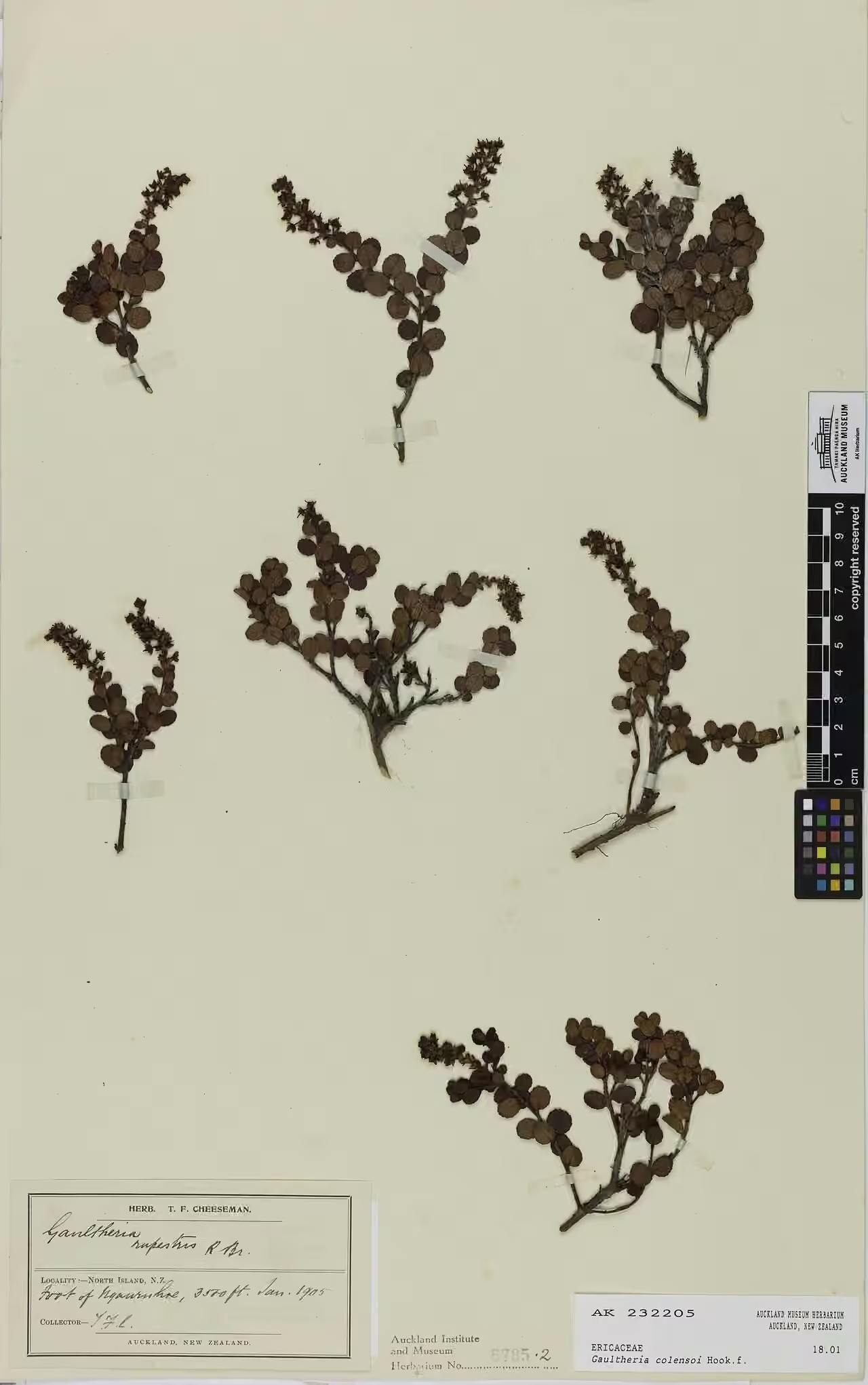
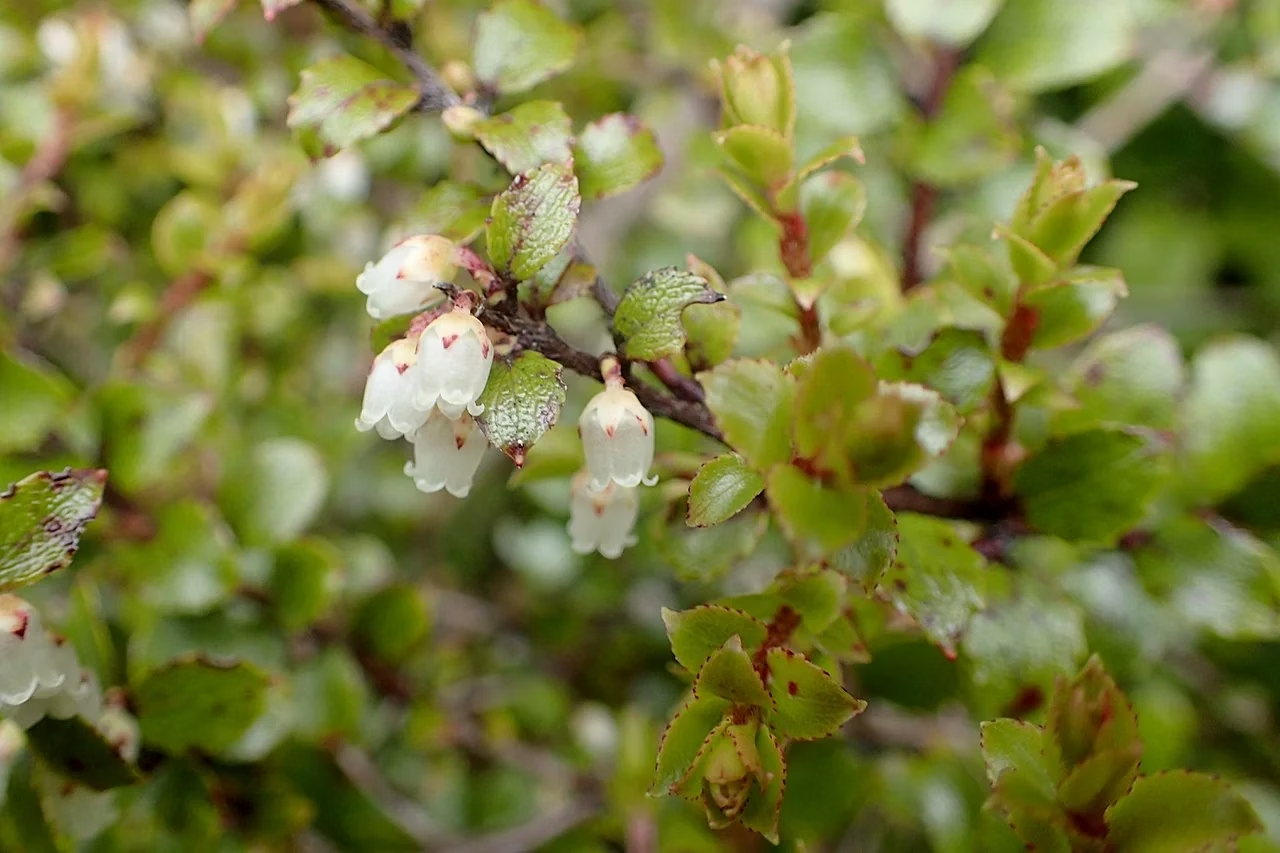
Mountain snowberry (Gaultheria colensoi) is a bushy, often sprawling shrub up to about 1 m tall, endemic to the mountains of the central North Island. It has small, very thick, leathery, finely toothed leaves 8 to 12 mm long on downy twigs, and clusters of white bell-shaped flowers at the branch tips from November to January. Unlike the fleshy-fruited snowberries, its fruit is a dry capsule wrapped in a dry calyx. It grows in open, rocky montane country and grassland, especially on the Volcanic Plateau around Tongariro and Ruapehu, and was first collected near the base of Mount Tongariro by William Colenso in 1850. It is ranked Not Threatened. Explore more native shrubs in our native plant guide.
Plant Description
Gaultheria colensoi is a shrub to 1 m high, usually erect but sometimes almost sprawling. The young branchlets are covered in fine, pale, downy hairs. The leaves are alternate and fairly uniform in size, stiff, very thick and leathery, oval to oblong, about 8 to 12 mm long and 5 to 9 mm wide, with finely toothed margins.
The flowers are white and bell- or urn-shaped, carried in short terminal racemes at the tips of the twigs between November and January. After flowering the calyx stays dry rather than becoming fleshy, so the fruit is a small capsule about 3 mm in diameter enclosed by the dry calyx. Fruit is present from December to March.
Its small, thick leaves and downy twigs separate it from Gaultheria paniculata, which has much larger leaves and dark bristly hairs, and the dry capsule separates it from the fleshy-fruited Gaultheria depressa and Gaultheria macrostigma. New Zealand Gaultheria species cross readily, and herbarium records include plants identified as hybrids between G. colensoi and G. paniculata, so intermediate shrubs are not unusual.
Quick Facts
| Scientific Name | Gaultheria colensoi |
|---|---|
| Height | Up to 1 m |
| Spread | Up to about 1 m, sometimes sprawling |
| Water Needs | Moderate; tolerates free-draining volcanic soils |
| Light | Full sun, open sites |
| Frost Tolerance | High; a montane species of the Central Plateau |
| Salt Tolerance | Low; an inland mountain plant with no coastal records |
| Growth Rate | Slow |
| Lifespan | Long-lived perennial shrub |
Climate Best Suited to
Suits the cool montane climate of the central North Island, with cold winters, frequent frosts, snow at higher levels and reliable rainfall. It is less suited to hot, humid lowland gardens.
Regional Suitability
| City | Climate Suitability |
|---|---|
| Auckland | Low |
| Wellington | Medium |
| Christchurch | Medium |
| Dunedin | Medium |
Plant Habitat
Mountain snowberry is endemic to the North Island. The Flora of New Zealand gives its range as montane open and rocky places and grassland from about latitude 38 degrees south, and NZPCN describes it as a plant of the central North Island mountains. Herbarium specimens come from many parts of Tongariro National Park, including the Mangaturuturu Valley and Te Piripiri Stream on Mount Ruapehu, Mount Tongariro and the Waihohonu area.
It grows in open, rocky ground, tussock grassland and riverbank scrub, typically on the young volcanic soils of the plateau. One Ruapehu collection was made at about 1100 m in riverbank scrub.
Growing Requirements
Soil Requirements
In the wild it grows on thin, free-draining volcanic soils, pumice, scoria and rocky ground that are low in nutrients and usually acidic, as suits most members of the heath family.
- Free-draining gritty or pumice-rich soil
- Acidic, low-fertility conditions
- Avoid lime and heavy fertiliser
Light Requirements
It is a plant of open country and needs full sun or very light shade to stay compact and flower well.
- Full sun is best
- Becomes leggy if shaded by taller shrubs
Water Requirements
The Central Plateau receives regular rain, but its porous soils drain quickly, so the plant is adapted to moisture that passes through rather than sitting around the roots.
- Water during long dry spells in the first year
- Avoid waterlogged or compacted soil
Planting and Establishing
Plant in autumn or early spring into a sunny, well-drained position, ideally a rockery, raised bed or slope. Mix grit or pumice into heavier garden soil and avoid adding lime. Set the plant at the same depth it grew in the pot and mulch lightly with stones or fine bark to keep roots cool.
It is rarely offered by nurseries, so garden plants are usually grown from locally sourced seed or cuttings. In restoration work on the Volcanic Plateau, use material collected from the same area, because Gaultheria hybridise readily and introduced stock could blur local populations.
Ecological Role
The bell-shaped white flowers are typical of the heath family and are visited by small insects, although the specific pollinators of this species are not documented in the sources consulted. The fruit is a dry capsule, and NZPCN records that its seeds are wind-dispersed rather than spread by birds or lizards as in the fleshy-fruited snowberries.
As a low, stiff shrub of open volcanic ground it is part of the shrub and tussock communities that cover much of the Tongariro landscape, helping to stabilise loose pumice and scoria. Its frequent hybridisation with other Gaultheria species is a notable feature of the genus in New Zealand.
Uses & Significance
Garden Uses
A tough, compact shrub for cool, sunny gardens that recreate a subalpine or volcanic plateau planting.
- Rock gardens and gravel gardens
- Alpine or tussock-themed plantings
- Low informal hedging on dry banks in cool districts
Ecological Value
It contributes to the native shrubland and grassland vegetation of the central North Island mountains.
- Nectar and pollen for small native insects
- Ground cover that helps hold loose volcanic soil
- Part of the distinctive Tongariro shrub and tussock flora
Landscaping Uses
Group mountain snowberry with red tussock, Dracophyllum, Coprosma and Hebe from the Central Plateau for a naturalistic montane planting. Its small, dark, leathery leaves contrast well with the fine foliage of tussocks and the silvery leaves of Celmisia.
On a slope or among boulders, let it sprawl so its branches drape over rocks. Its white flower clusters in early summer give a modest but attractive show.
Seasonal Care Calendar
Spring
New shoots appear with pale downy hairs, and flower buds form at the twig tips late in the season.
- Plant out new shrubs
- Check for weeds around young plants
Summer
White bell-shaped flowers open in short clusters from November to January, followed by small dry capsules.
- Water deeply in prolonged drought
- Collect capsules for seed as they ripen
Autumn
Capsules ripen and split to release fine seed through to about March.
- Take semi-hardwood cuttings
- Sow fresh seed
Winter
The thick evergreen leaves withstand frost and snow, and the plant is largely dormant.
- Little care needed
- Ensure drainage stays clear in wet weather
When to Prune and How Much
Very little pruning is required. Lightly trim straggly or sprawling shoots after flowering to keep the shrub compact, cutting back to a leafy side shoot.
Avoid cutting into old bare wood, which can be slow to regrow on a slow-growing mountain shrub. Remove any dead stems in spring.
How to Grow Mountain Snowberry
Gaultheria colensoi can be grown from seed or from cuttings. Its seed is very fine and comes from dry capsules rather than berries, so it is easy to clean but must be sown on the surface where it receives light. Cuttings are the quicker way to obtain a flowering plant and are the best choice when you want to keep a particular form. Because New Zealand Gaultheria hybridise readily, seed collected from plants growing near other Gaultheria species may produce hybrids, so collect from pure stands when growing plants for restoration.
From Seed
Collect capsules in late summer or autumn once they turn brown and start to split, and shake out the dust-like seed. Fresh seed gives the best results, and a period of winter cold can help germination in mountain heaths.
- Fill a tray with a fine, acidic, free-draining mix such as seed raising mix with added fine bark or pumice
- Scatter the fine seed thinly on the surface and do not cover it
- Water from below and cover the tray with glass or plastic to keep humidity high
- Leave the tray in a cool, sheltered, bright spot outdoors over winter
- Prick out seedlings when large enough to handle and grow on for a year before planting
From Cuttings
Semi-hardwood cuttings taken from late summer to autumn root reliably in heath-family shrubs when kept humid and cool. Choose healthy side shoots without flowers.
- Take 5 to 8 cm cuttings of the current season's growth with a small heel if possible
- Strip the lower leaves and dip the base in rooting hormone
- Insert into a mix of fine bark and perlite or pumice
- Keep in a shaded, humid frame or under a cloche and avoid overwatering
- Pot on once roots are established, usually after several months
Pests & Diseases
Mountain snowberry has few recorded pest or disease problems. In gardens, root rot in poorly drained or heavy soil is the main risk, so drainage matters more than any spray programme.
Browsing by deer and hares can damage plants in the wild, as with many shrubs of the Central Plateau. In cultivation, keep the base free of competing weeds and grass, which can smother this slow-growing shrub.
Cultural Significance
No Māori name or traditional use specific to Gaultheria colensoi was found in the sources consulted.
The species carries the name of William Colenso, the missionary-printer and botanist who travelled through the central North Island and collected the type specimen at the base of Mount Tongariro in June 1850. Joseph Hooker described it in the Flora Novae-Zelandiae in 1854.
Bonus Tip
If you want a true mountain snowberry rather than a hybrid, check the twigs and leaves: G. colensoi has pale downy hairs and leaves only 8 to 12 mm long. Shrubs with longer leaves and dark bristly hairs mixed in are likely hybrids with G. paniculata, which are common where the two grow together.
Related Plants
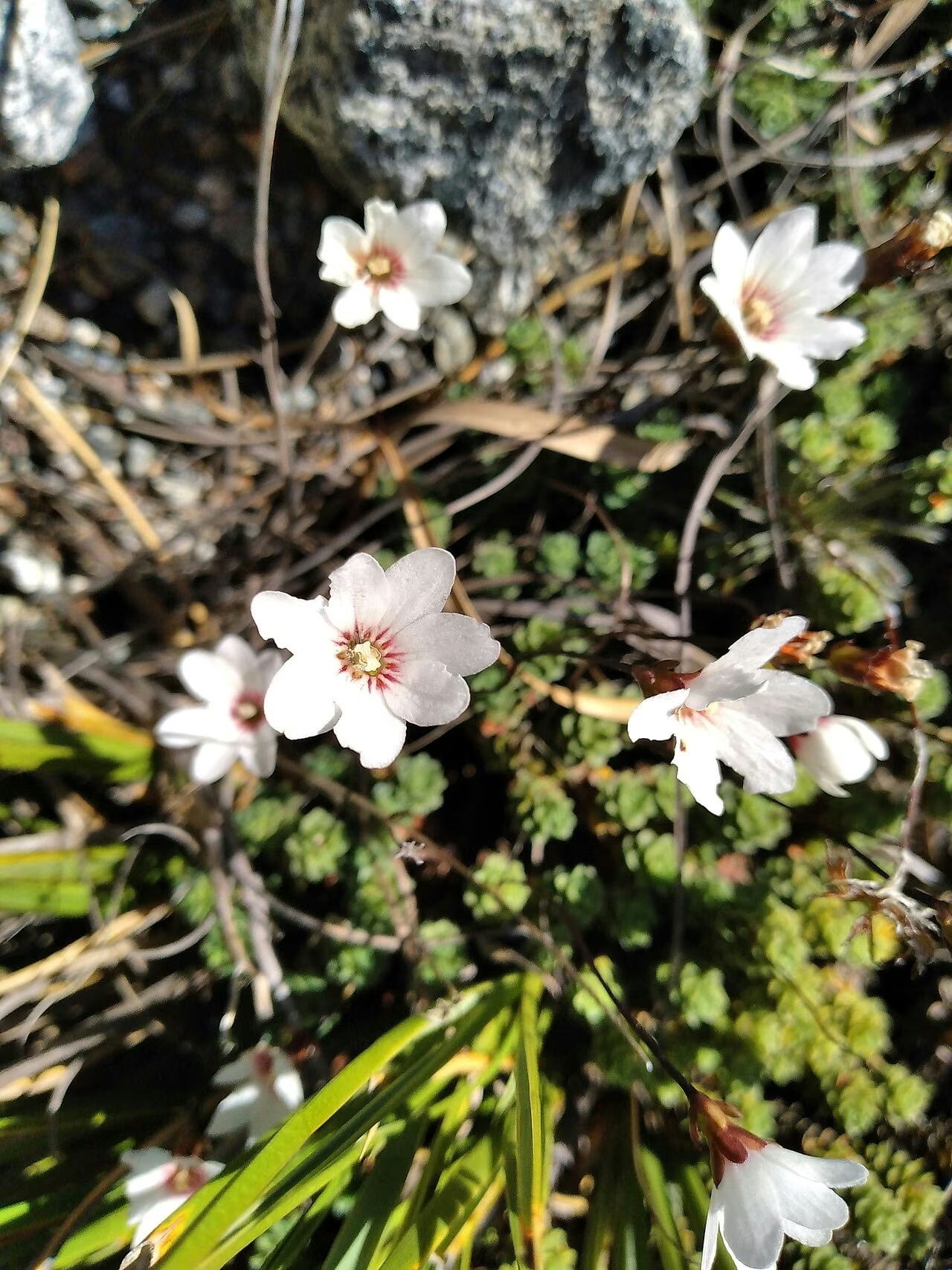
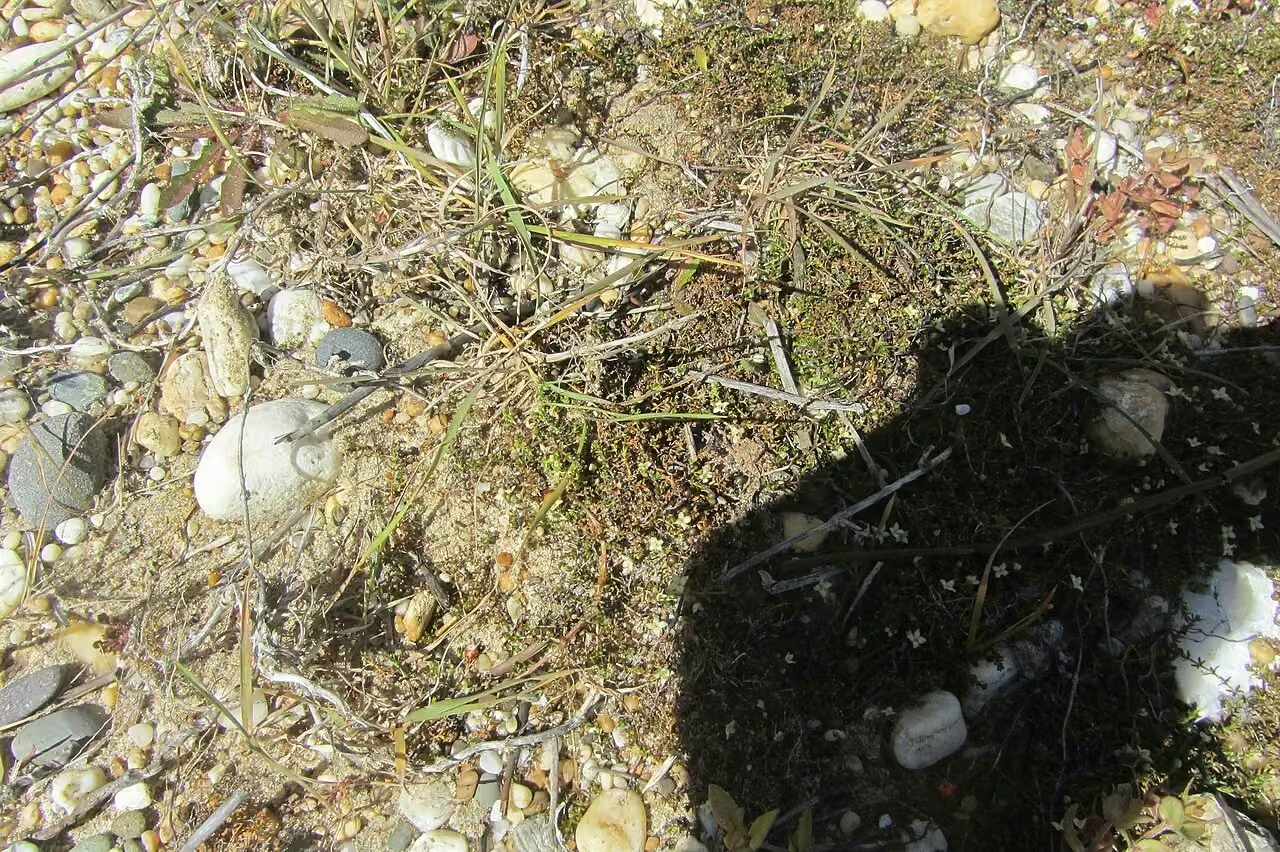
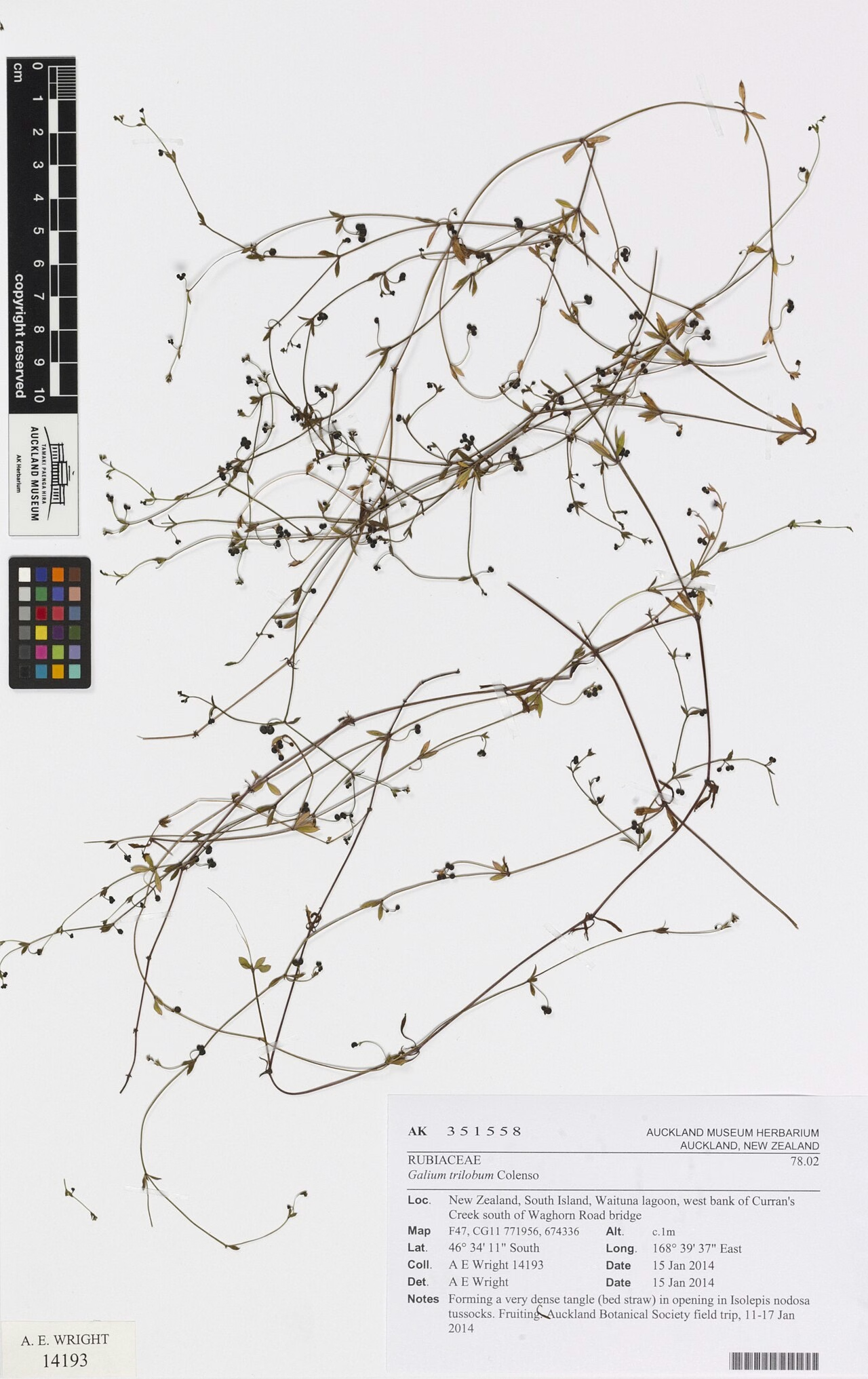
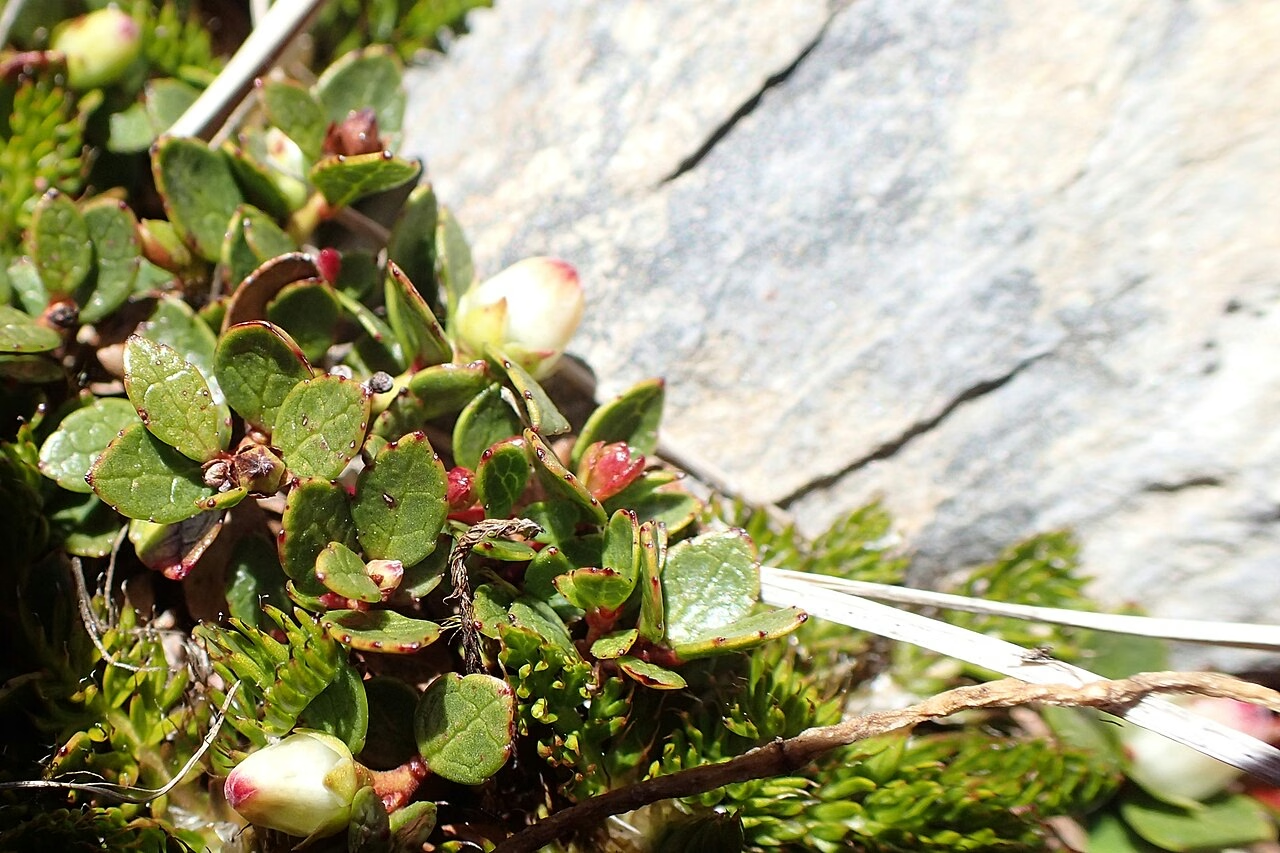
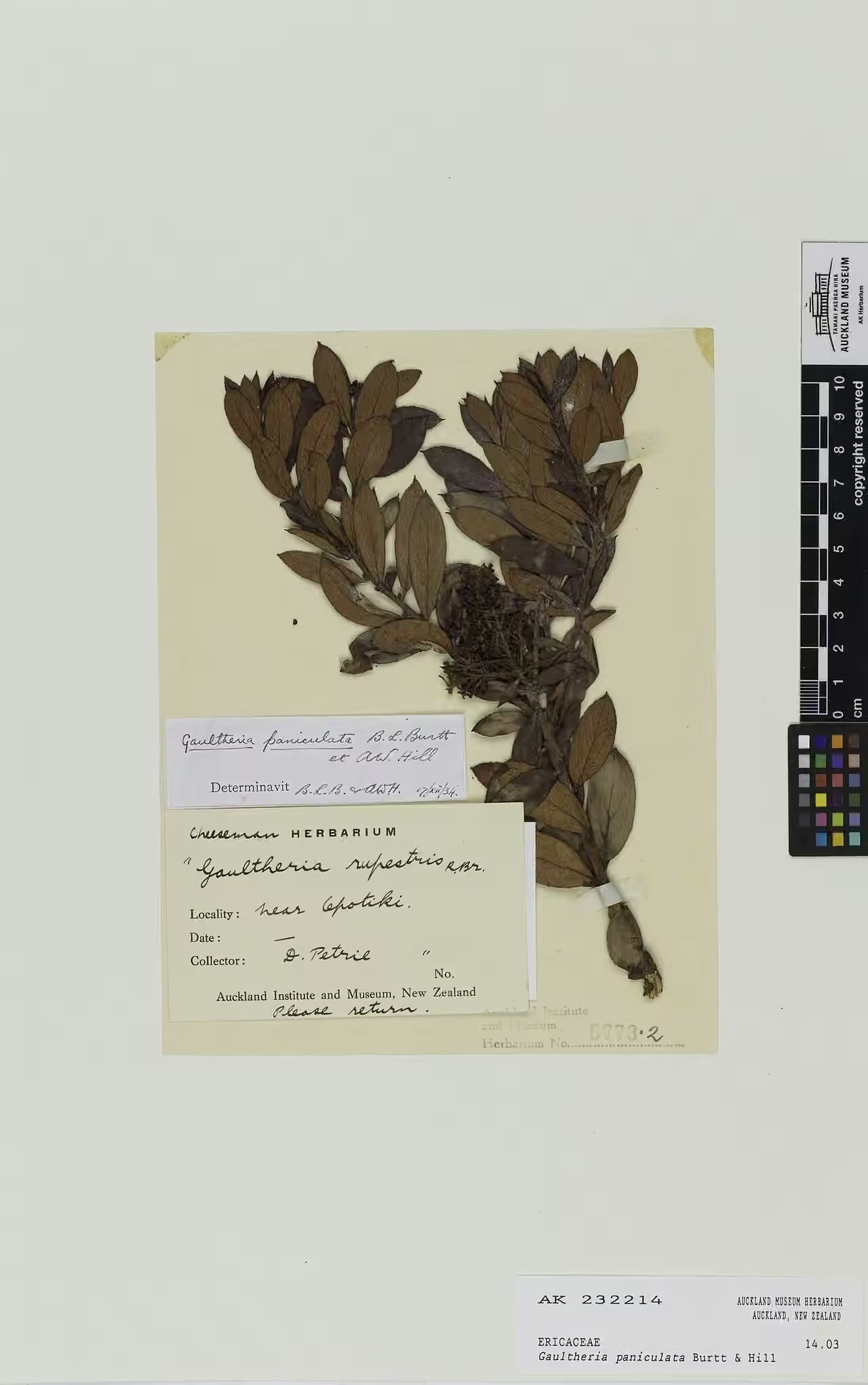
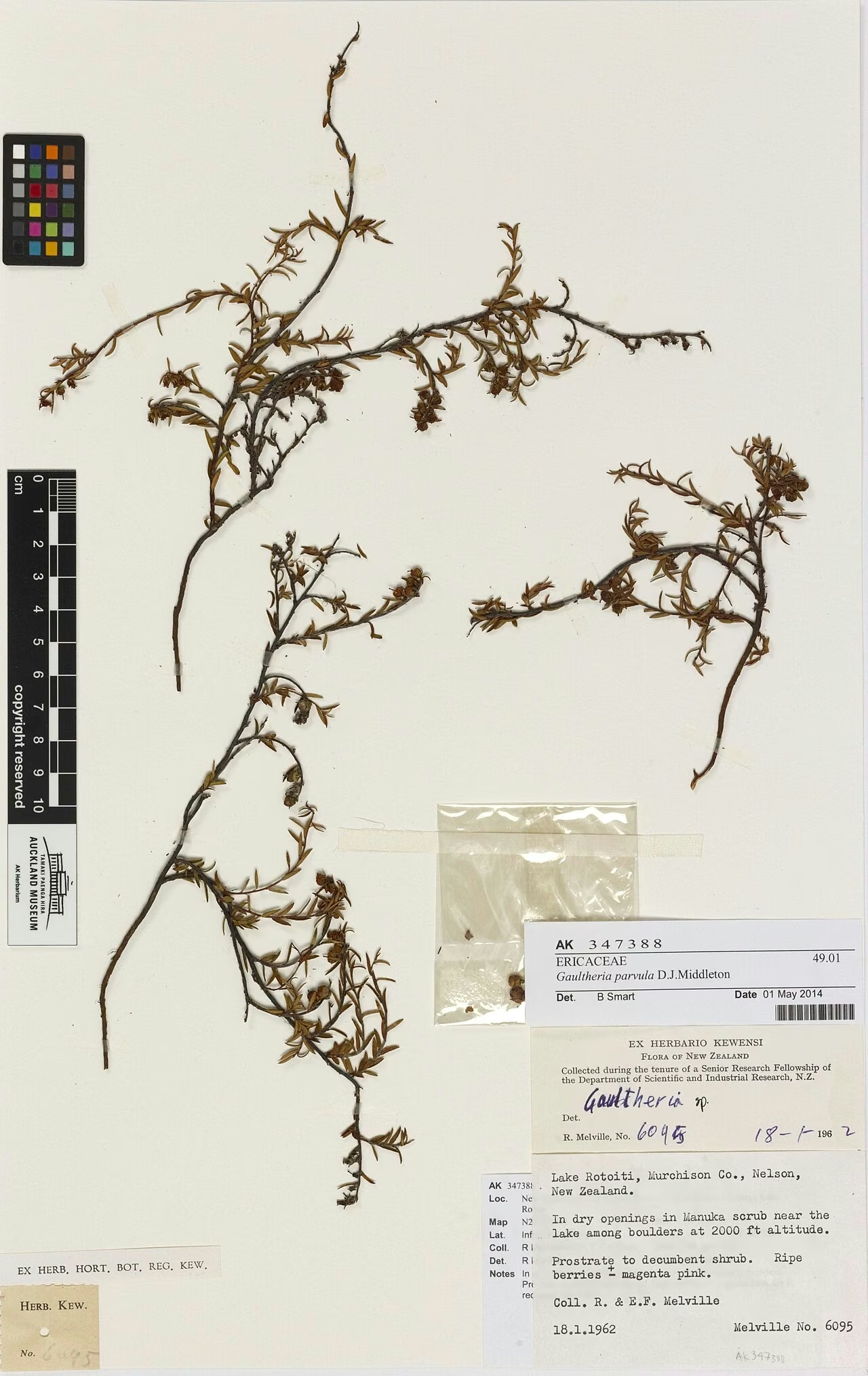
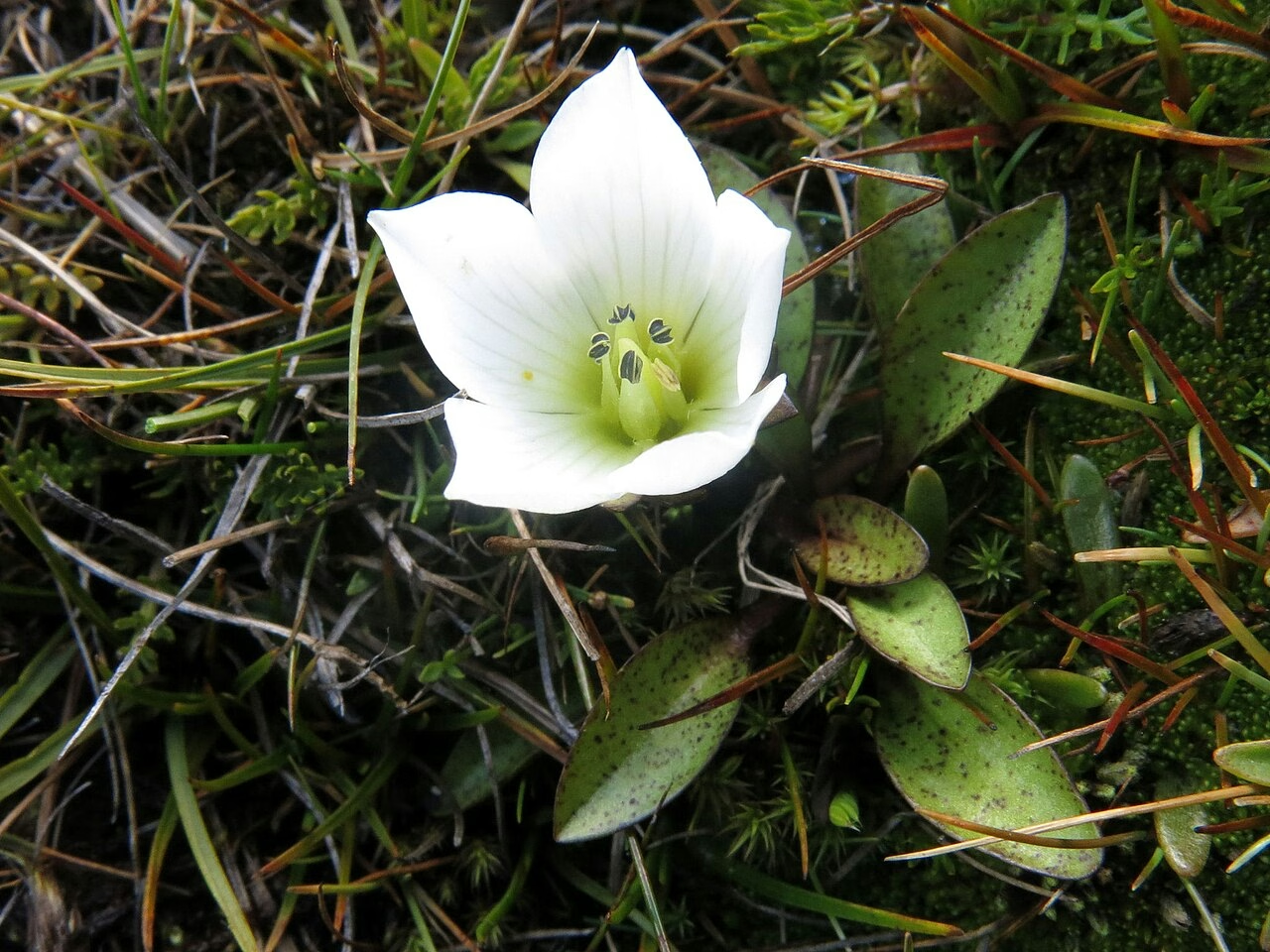
Explore other native plants that share similar characteristics or habitats with Mountain Snowberry (Gaultheria colensoi), offering further insights into New Zealand's diverse flora. These related species provide context and opportunities for complementary planting in your garden.
Plant Conservation
Gaultheria colensoi is ranked Not Threatened, a status it has held in every assessment since 2004. Much of its range lies within Tongariro National Park and the protected land of the central North Island.
Weeds such as heather (Calluna vulgaris), which has spread through parts of Tongariro National Park, and wilding conifers can crowd out native shrublands. Supporting weed control and using locally sourced plants for restoration helps keep its communities healthy.
Frequently Asked Questions
Where does Gaultheria colensoi grow?
It is endemic to the North Island, growing in montane open and rocky places and grassland from about latitude 38 degrees south, with many records from Tongariro National Park on Mount Ruapehu and Mount Tongariro.
Does mountain snowberry have edible berries?
No. Despite the name snowberry, Gaultheria colensoi produces a small dry capsule about 3 mm across enclosed in a dry calyx, not a fleshy berry, and its seeds are dispersed by wind.
How do you tell Gaultheria colensoi from Gaultheria paniculata?
Gaultheria colensoi has much smaller leaves, 8 to 12 mm long, on twigs with pale downy hairs, and flowers in short clusters. Gaultheria paniculata has leaves 2 to 6 cm long, bristly dark hairs and branched flower sprays up to 6 cm long.
Who is Gaultheria colensoi named after?
The species honours William Colenso, the Cornish missionary, printer and botanist whose collection from the base of Mount Tongariro in 1850 is the type specimen.
Sources and Further Reading
The botanical, growing, and conservation details for Mountain Snowberry (Gaultheria colensoi) on this page draw on the New Zealand plant references below. Consult them for full technical records and the latest distribution data.