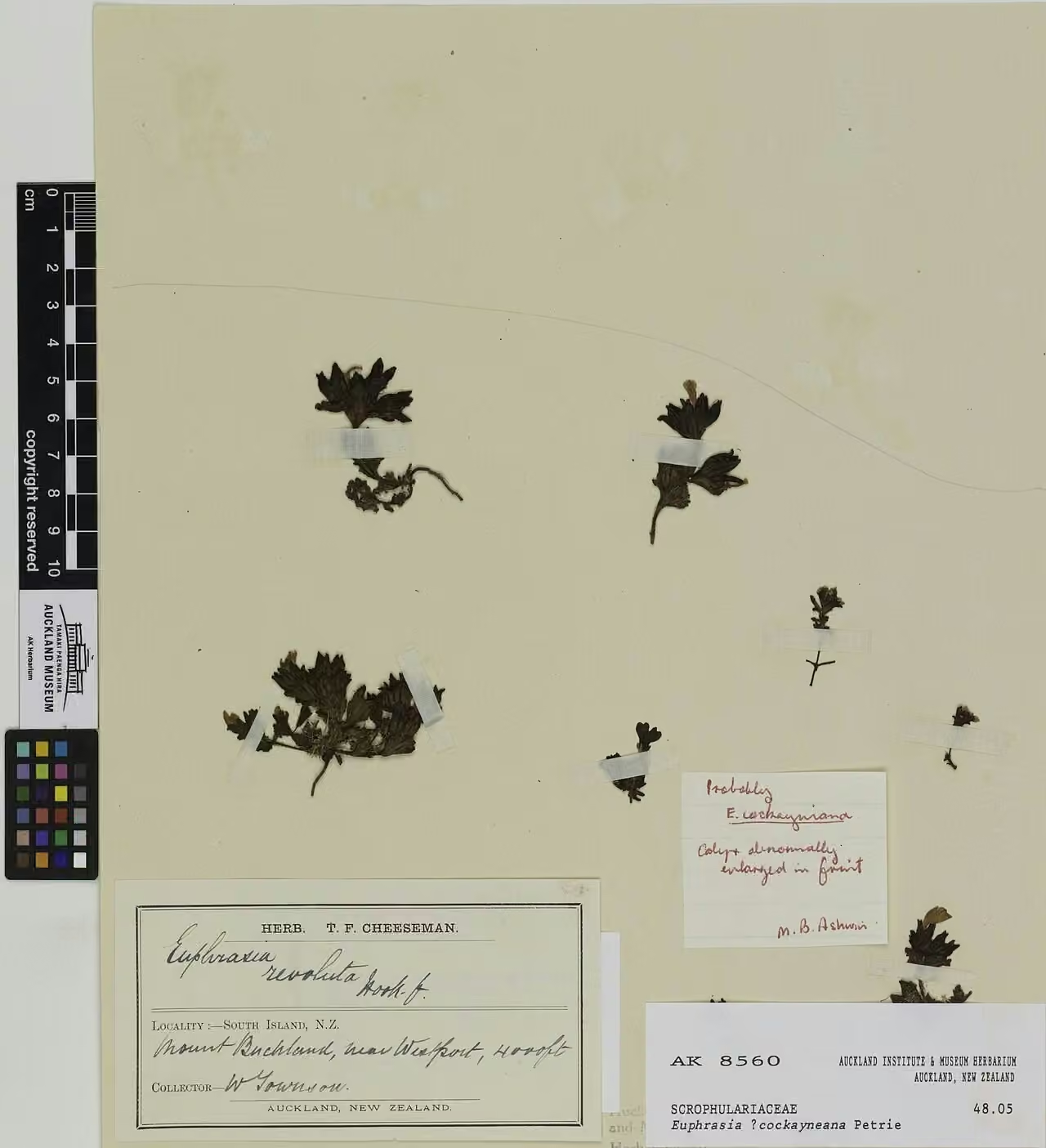
Yellow Eyebright
Euphrasia cockayneana
Last updated:
Yellow eyebright (Euphrasia cockayneana) is a slender annual herb endemic to the South Island, standing only 50 to 100 mm tall. It stands out among New Zealand eyebrights for its bright yellow flowers, 10 to 12 mm long, produced mainly from December to March. It grows in montane to subalpine bogs and open places from the Matiri Range in north-west Nelson south to Craigieburn Forest Park in Canterbury. Like other eyebrights it is a hemiparasite on the roots of neighbouring plants. It is ranked Not Threatened, and is one of the more frequently photographed native eyebrights on iNaturalist NZ. Explore more native flowering plants in our native plant guide.
Plant Description
Euphrasia cockayneana is a slender annual herb 50 to 100 mm tall with sparse branching. The leaves are quadrate-ovate to almost round, 4 to 12 mm long and 3 to 10 mm wide, each with two to four pairs of teeth along the margins.
Its most distinctive feature is the corolla, which is bright yellow and 10 to 12 mm long, with the open two-lipped shape typical of eyebrights. The fruit is an obovate to pear-shaped capsule containing six to eight seeds in each of its two chambers.
Yellow flowers separate it from most New Zealand Euphrasia, which are white or white marked with yellow or purple. Its leaves, rounded with a few pairs of teeth, and its annual habit help distinguish it from the tufted perennial eyebrights that share some of its mountain range.
Quick Facts
| Scientific Name | Euphrasia cockayneana |
|---|---|
| Height | 0.05-0.1 m |
| Spread | Under 0.1 m; sparsely branched single plants |
| Water Needs | Wet to damp; boggy ground |
| Light | Full sun in open sites |
| Frost Tolerance | High; montane to subalpine |
| Salt Tolerance | No information available |
| Growth Rate | Fast; grows, flowers and seeds within one season |
| Lifespan | Annual |
Climate Best Suited to
Suits the cool, wet montane and subalpine climate of the inland northern and central South Island, with cold winters and mild summers.
Regional Suitability
| City | Climate Suitability |
|---|---|
| Auckland | Low |
| Wellington | Low |
| Christchurch | Low |
| Dunedin | Low |
Plant Habitat
Yellow eyebright is endemic to the South Island. Its range runs from the Matiri Range in north-west Nelson south through the mountains to Craigieburn Forest Park near Arthur's Pass, in the Canterbury high country.
It grows in montane to subalpine boggy places and open sites, where short vegetation leaves room for small annual herbs. These include bog margins, wet tussock grassland and damp openings.
Growing Requirements
Soil Requirements
It grows in boggy, often peaty soils that are wet and low in nutrients.
- Wet, acid, low-fertility peat or mineral soils
- Short, open turf with host plant roots nearby
- Unsuitable for enriched garden soils
Light Requirements
It needs open conditions; as a plant under 10 cm tall it is easily shaded out.
- Full sun
- Open bogs and clearings rather than shrubland
Water Requirements
Its bog habitat keeps the roots moist through the summer flowering period.
- Requires consistently wet ground
- Lowering of water tables would degrade its sites
Planting and Establishing
Yellow eyebright is not cultivated and should never be dug up, because an annual hemiparasite will not survive being separated from its host roots. Any growing attempt would need to begin from seed sown among host plants.
Visiting bogs in the Craigieburn area or the northern ranges between December and March is the best way to see it, keeping to tracks and boardwalks to avoid damaging soft wetland ground.
Ecological Role
As a hemiparasite, it produces its own sugars through photosynthesis but taps into the roots of neighbouring plants for water and minerals. Which host species it uses has not been recorded. Seeds are dispersed by wind and possibly by water and by being flicked from the capsule, according to NZPCN.
Its bright yellow, open flowers are likely visited by insects, but its pollinators have not been studied. Each year's population depends on seed set the previous season, so continued open, wet ground is essential for it to persist.
Uses & Significance
Garden Uses
It is a wild plant rather than a garden subject.
- Not sold by nurseries
- A rewarding find for botanists and photographers in summer
- A good indicator of intact montane bog vegetation
Ecological Value
It adds colour and diversity to the small-herb flora of South Island mountain bogs.
- Endemic annual of montane and subalpine wetlands
- A nectar-bearing flower in short bog turf
- Root hemiparasite that interacts with surrounding plants
Landscaping Uses
Because it cannot be reliably grown and lives for only one season, yellow eyebright has no role in landscape design. Its value lies in protecting the wetlands where it occurs.
In wetland restoration within its range, retaining open, short-turf areas instead of planting densely with shrubs leaves space for annual herbs such as this to persist.
Seasonal Care Calendar
Spring
Seedlings appear in the bogs as the ground warms after snow melt.
- Plants are inconspicuous at this stage
Summer
The main flowering season runs from December into March, when the yellow flowers are easy to spot.
- Best season for photographs
- Look in open boggy ground
Autumn
Capsules ripen from January to March and shed seed; NZPCN also records occasional flowering as late as June.
- Plants die back after seeding
Winter
The population overwinters as seed in the bog, often under snow at higher sites.
- No plants visible
When to Prune and How Much
No pruning is applicable to this annual. Dead plants left in the wild help return seed to the site.
Avoid picking flowers, as this reduces seed production for the following year.
How to Grow Yellow Eyebright
Euphrasia cockayneana reproduces only from seed and has no recorded history in cultivation. As a root hemiparasite it needs to connect with a host plant, and NZPCN warns for another native eyebright that such plants cannot be grown without first studying their host relationships. Treat the method below as an experimental outline for a conservation nursery or researcher, not a reliable recipe, and collect seed only with permission and in small quantities from common sites.
From Seed Sown among Hosts
Each capsule holds about a dozen seeds, six to eight per chamber, ripening between January and March. Because the natural hosts are not known, sowing among small grasses and sedges taken from the same bog as the seed offers the best chance of a compatible host.
Germination needs of this species have not been researched, so mimicking natural conditions by autumn sowing and outdoor wintering is the most reasonable approach. Small pots are easier to keep evenly wet than seed trays.
- Collect ripe capsules as they start to open, with landowner or DOC permission
- Prepare a pot of wet, low-nutrient peaty mix planted with small native grasses or sedges
- Scatter the seed on the surface around the host roots in autumn
- Stand the pot in a tray of water outdoors in a cool, open position
- Watch for seedlings in spring and keep competing weeds out
- Keep notes on host plants and timing to help others
Pests & Diseases
No pests or diseases have been recorded on yellow eyebright.
Threats are mainly to its habitat, such as browsing and trampling by introduced animals and invasion of open bogs by weeds or wilding conifers, which are a known problem in the Craigieburn area.
Cultural Significance
No Māori name or traditional use is recorded for Euphrasia cockayneana. The genus name means eye-medicine, recalling the herbal use of European eyebright, which has no connection to this New Zealand species.
The species honours Leonard Cockayne, the pioneering plant ecologist whose studies of mountain vegetation, including around Arthur's Pass, lie close to the southern end of this plant's range.
Bonus Tip
When searching for native eyebrights in a Canterbury or Nelson bog, a yellow-flowered one only a few centimetres tall is almost certainly Euphrasia cockayneana. Check the leaves too: rounded blades with just two to four pairs of teeth confirm it.
Related Plants
Explore other native plants that share similar characteristics or habitats with Yellow Eyebright (Euphrasia cockayneana), offering further insights into New Zealand's diverse flora. These related species provide context and opportunities for complementary planting in your garden.
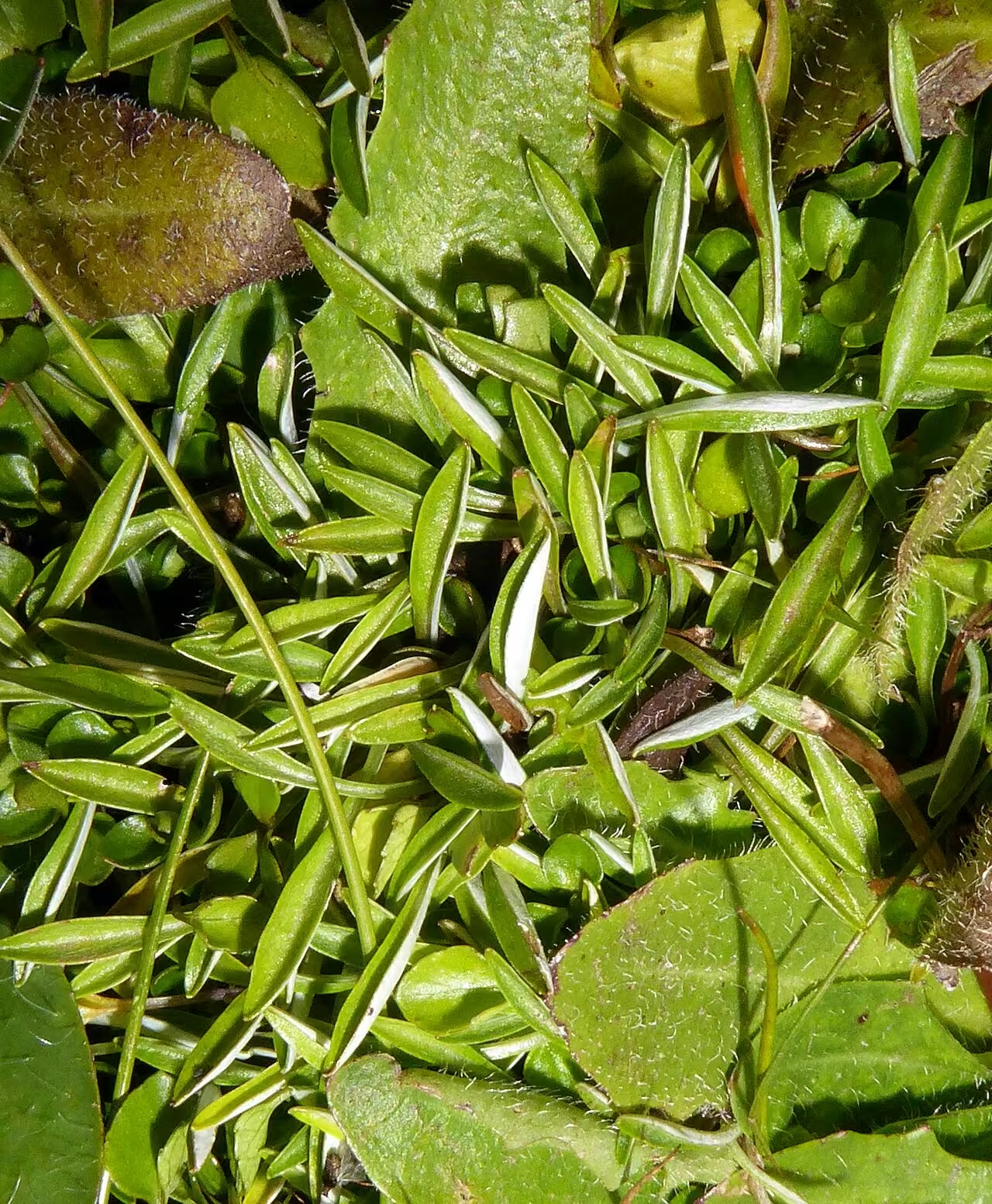
Euchiton paludosus
Euchiton paludosus
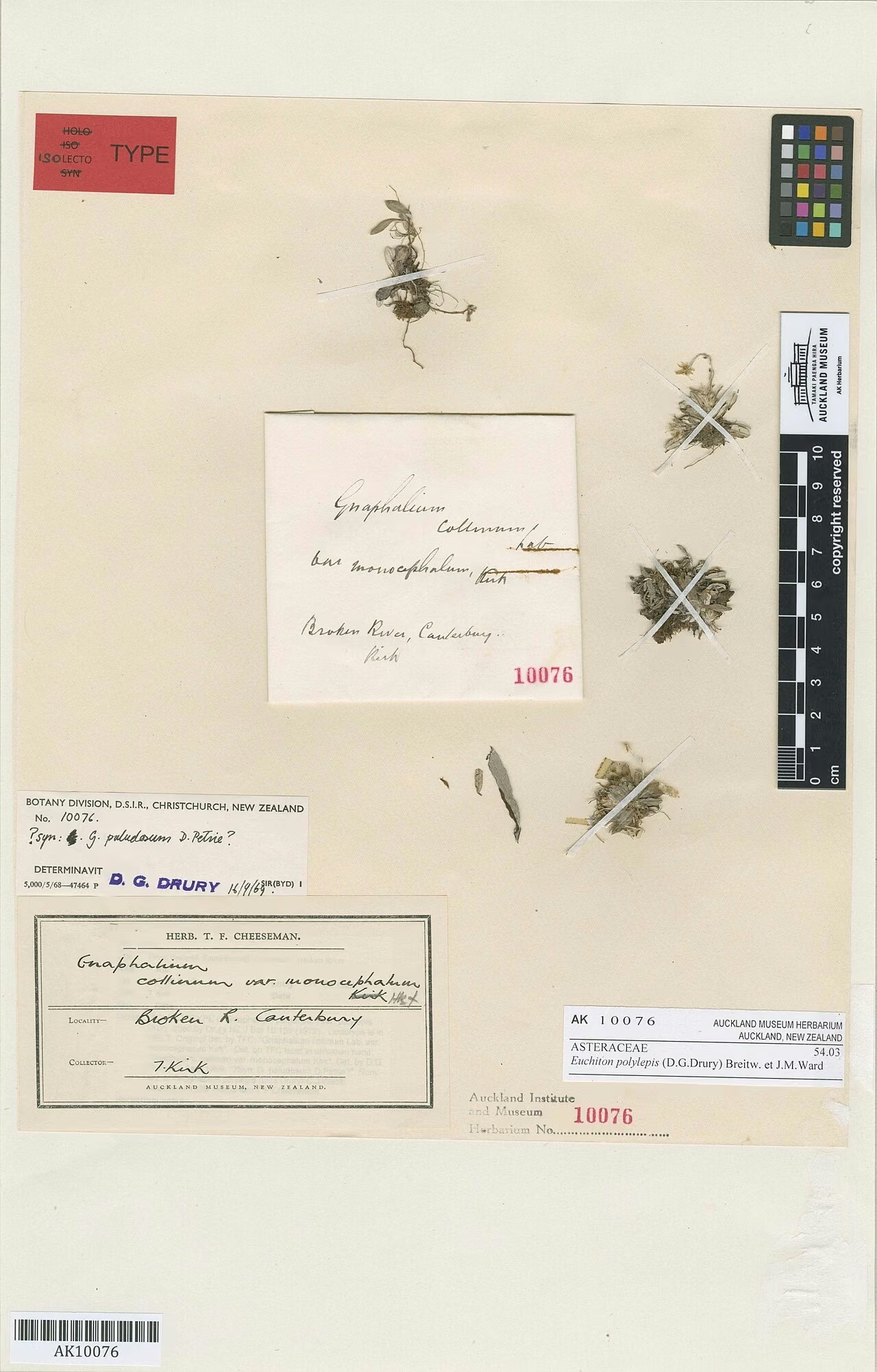
Native Cudweed
Euchiton polylepis
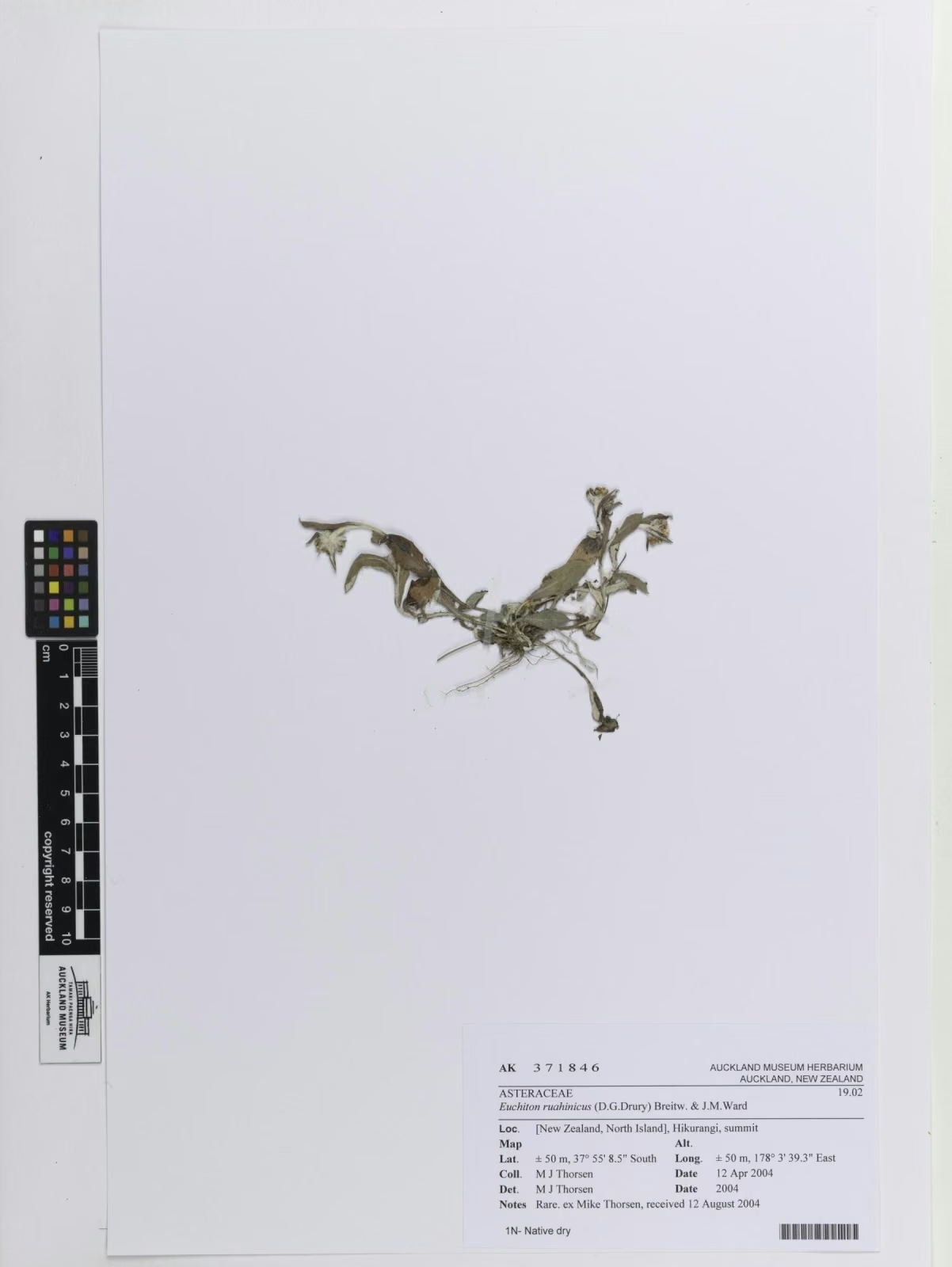
Euchiton ruahinicus
Euchiton ruahinicus
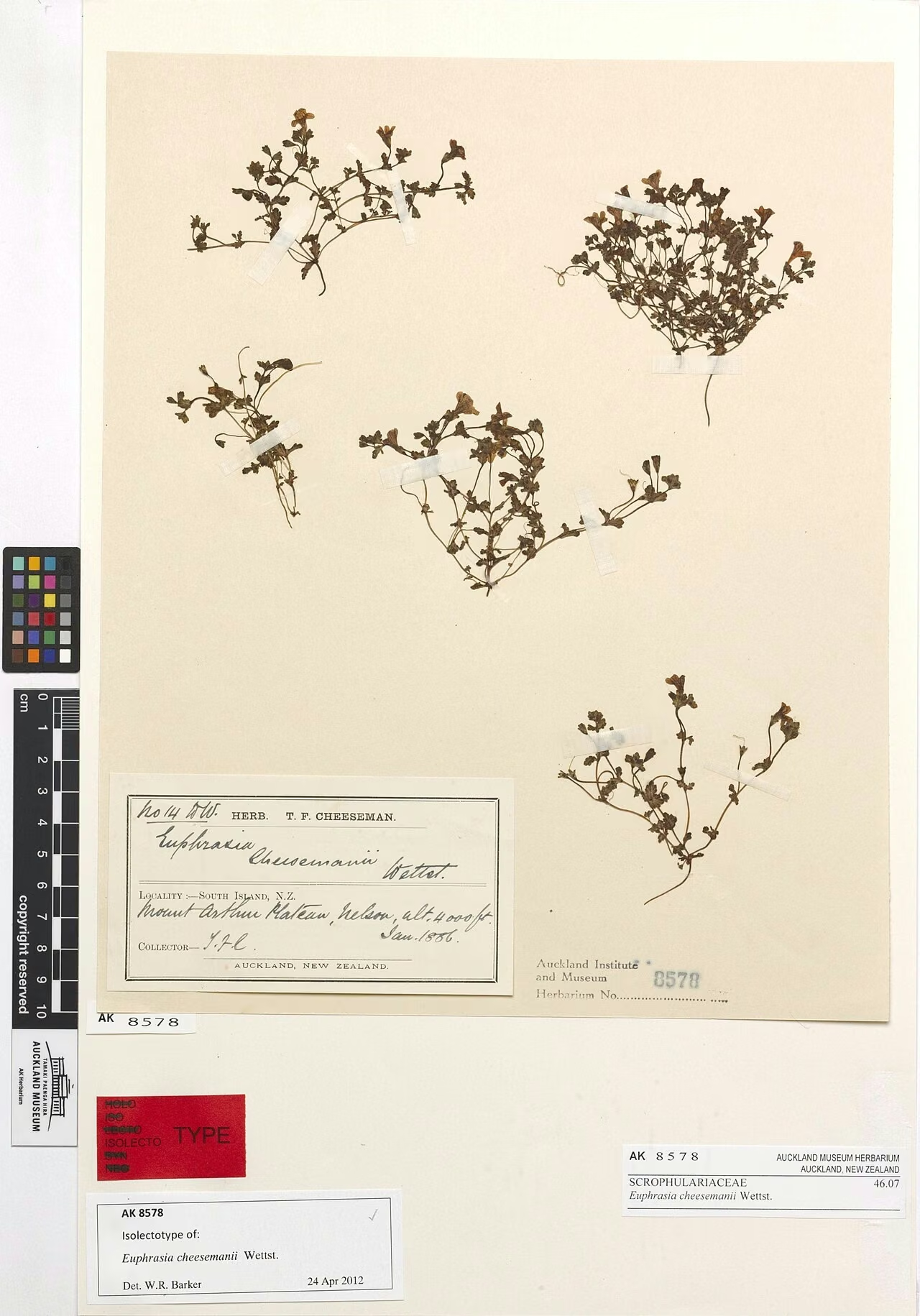
Euphrasia cheesemanii
Euphrasia cheesemanii
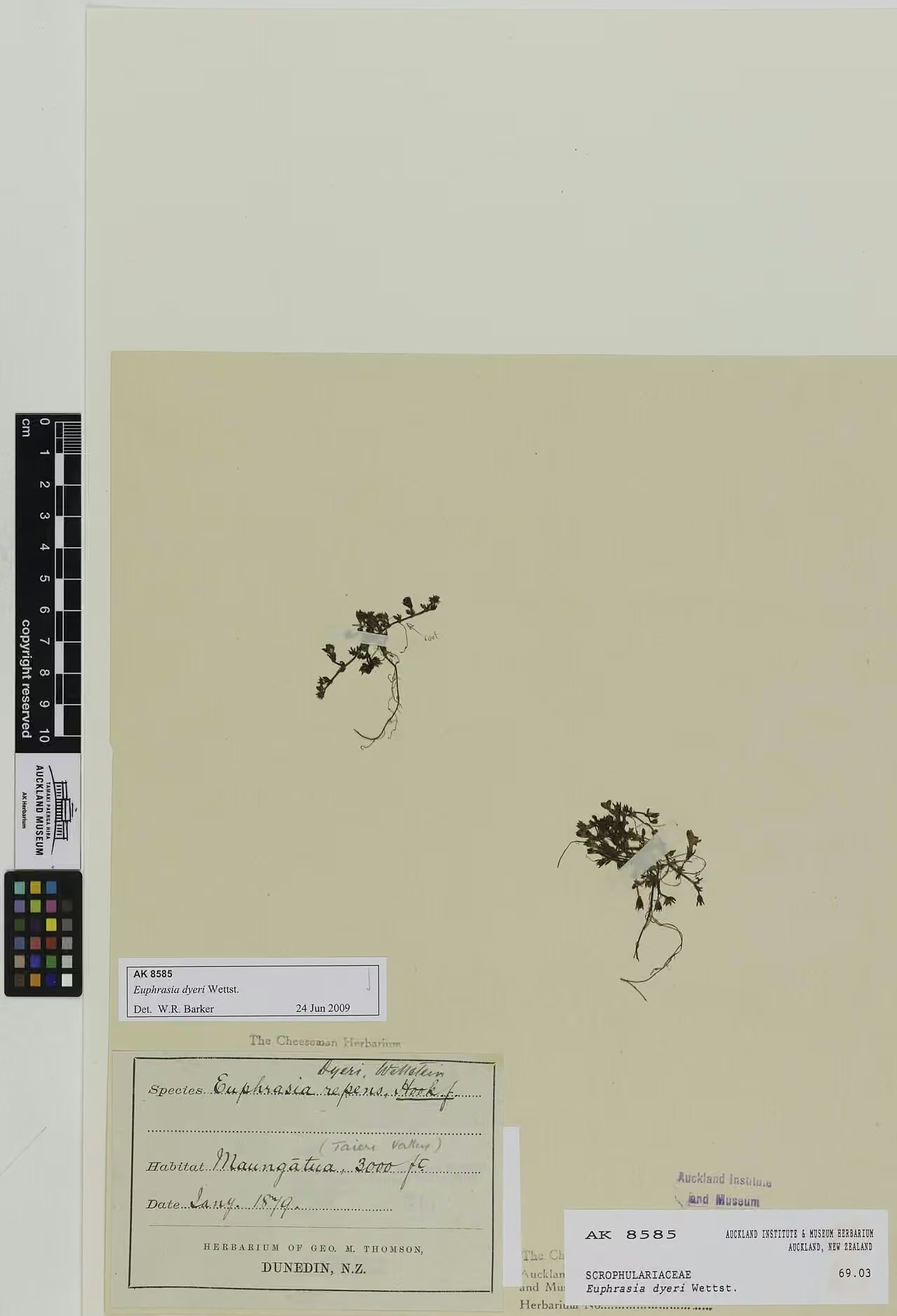
Creeping Eyebright
Euphrasia dyeri
Euphrasia integrifolia
Euphrasia integrifolia
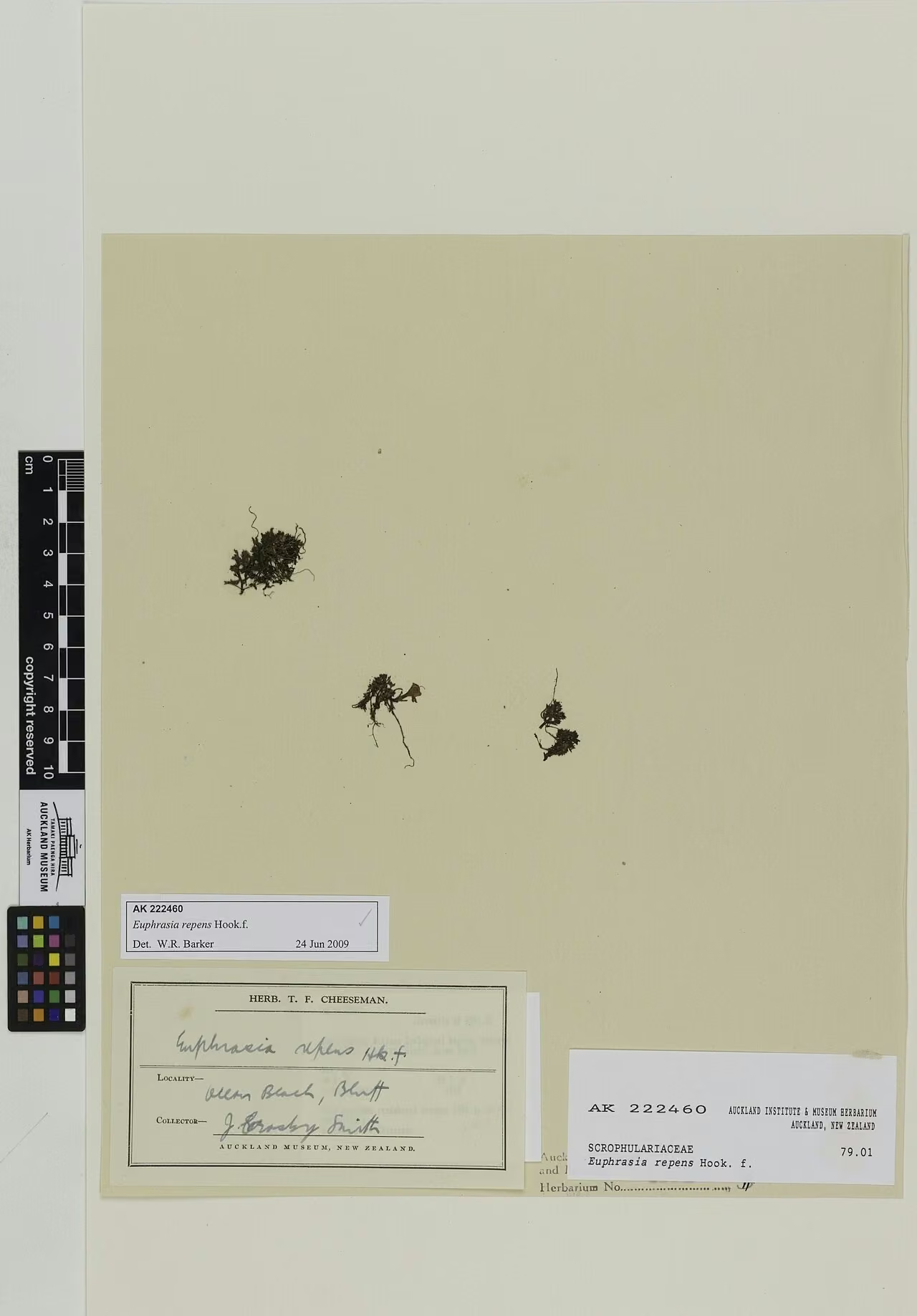
Euphrasia repens
Euphrasia repens
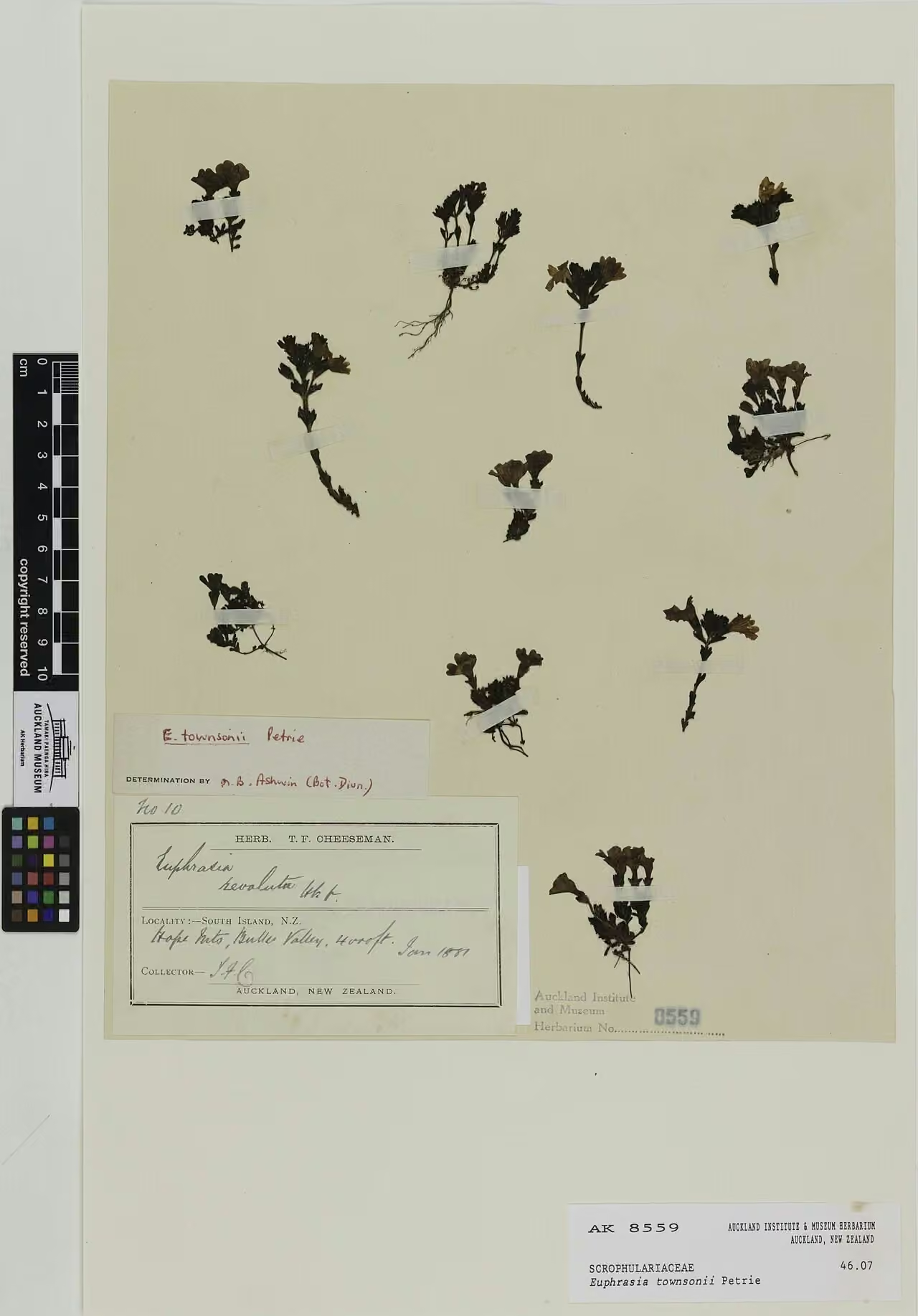
Euphrasia townsonii
Euphrasia townsonii
Plant Conservation
Euphrasia cockayneana has been ranked Not Threatened in every assessment from 2004 to 2023. It is reasonably widespread within its range and is regularly recorded by observers.
Its security depends on the health of montane bogs. Keeping wetlands undrained, controlling wilding conifers and weeds in high-country basins and limiting vehicle damage to wet ground all help.
Frequently Asked Questions
Are there native eyebrights with yellow flowers?
Yes. Euphrasia cockayneana has bright yellow flowers 10 to 12 mm long, which makes it easy to pick out from the many white-flowered New Zealand eyebrights.
Where can I see Euphrasia cockayneana?
It grows in montane and subalpine bogs and open places in the South Island from the Matiri Range south to Craigieburn Forest Park, flowering mainly from December to March.
Who was Euphrasia cockayneana named after?
Petrie named it after Leonard Cockayne FRS (1855-1934), the ecologist often described as New Zealand's greatest botanist.
Can you grow yellow eyebright in a garden?
It is not available in nurseries. As an annual hemiparasite that needs host plants, it is very difficult to grow and is best enjoyed in the wild.
Sources and Further Reading
The botanical, growing, and conservation details for Yellow Eyebright (Euphrasia cockayneana) on this page draw on the New Zealand plant references below. Consult them for full technical records and the latest distribution data.