Native Cudweed
Euchiton polylepis
Last updated:
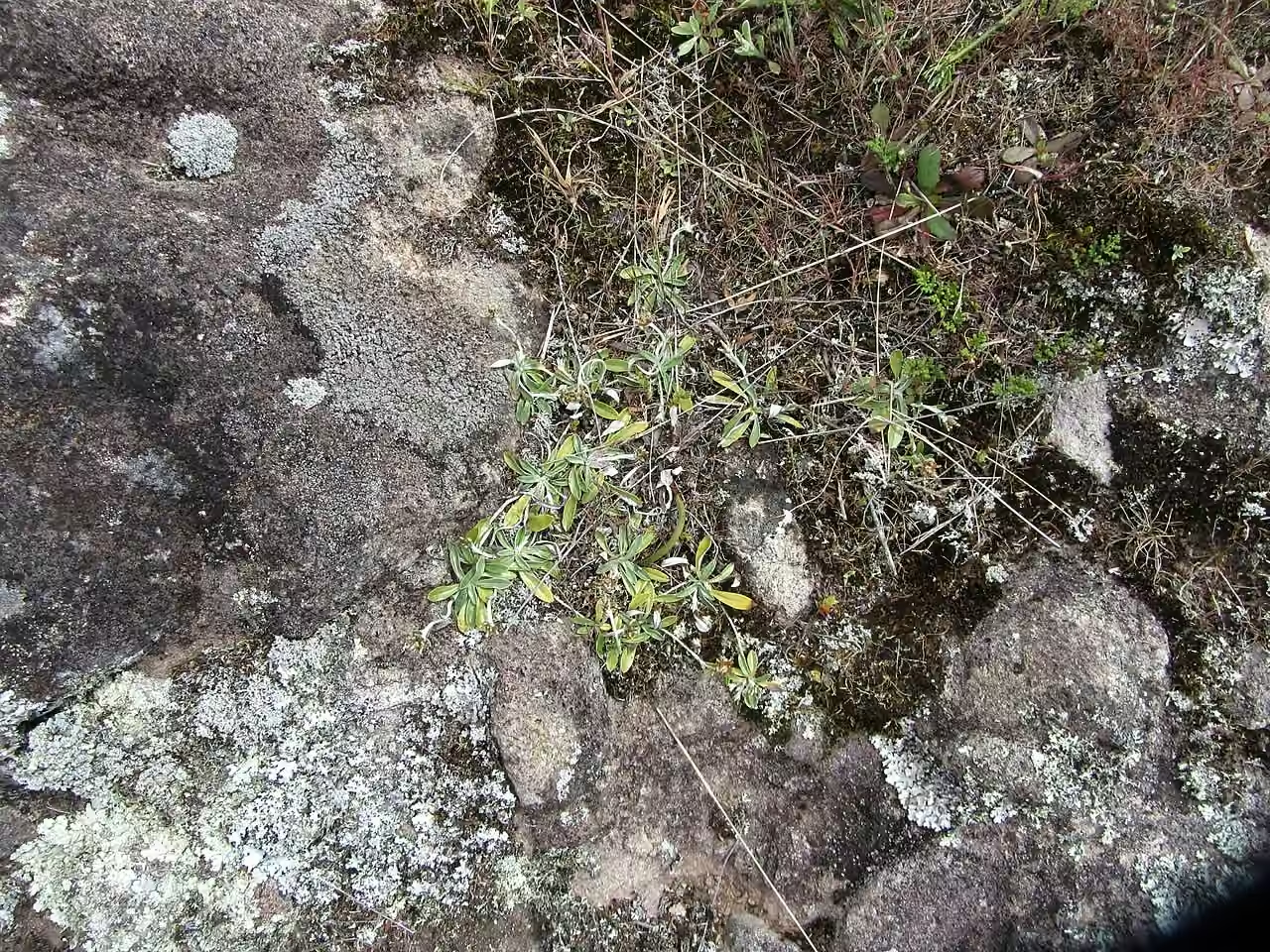
Native cudweed (Euchiton polylepis) is a tiny, creeping perennial daisy endemic to New Zealand. It spreads by stolons and sends up ascending stems only 1 to 6 cm tall, with leaves that are densely white-felted underneath. It grows from the lowlands to the subalpine zone in damp places such as stream sides, wet hollows in grassland, cliffs and rocky sites. In the North Island it is mostly montane, on the Central Volcanic Plateau and Mt Taranaki, while it occurs throughout the South Island. Because it is small and easily overlooked, it was only recently recognised as declining, and it is now ranked At Risk - Declining. Explore more native ground covers in our native plant guide.
Plant Description
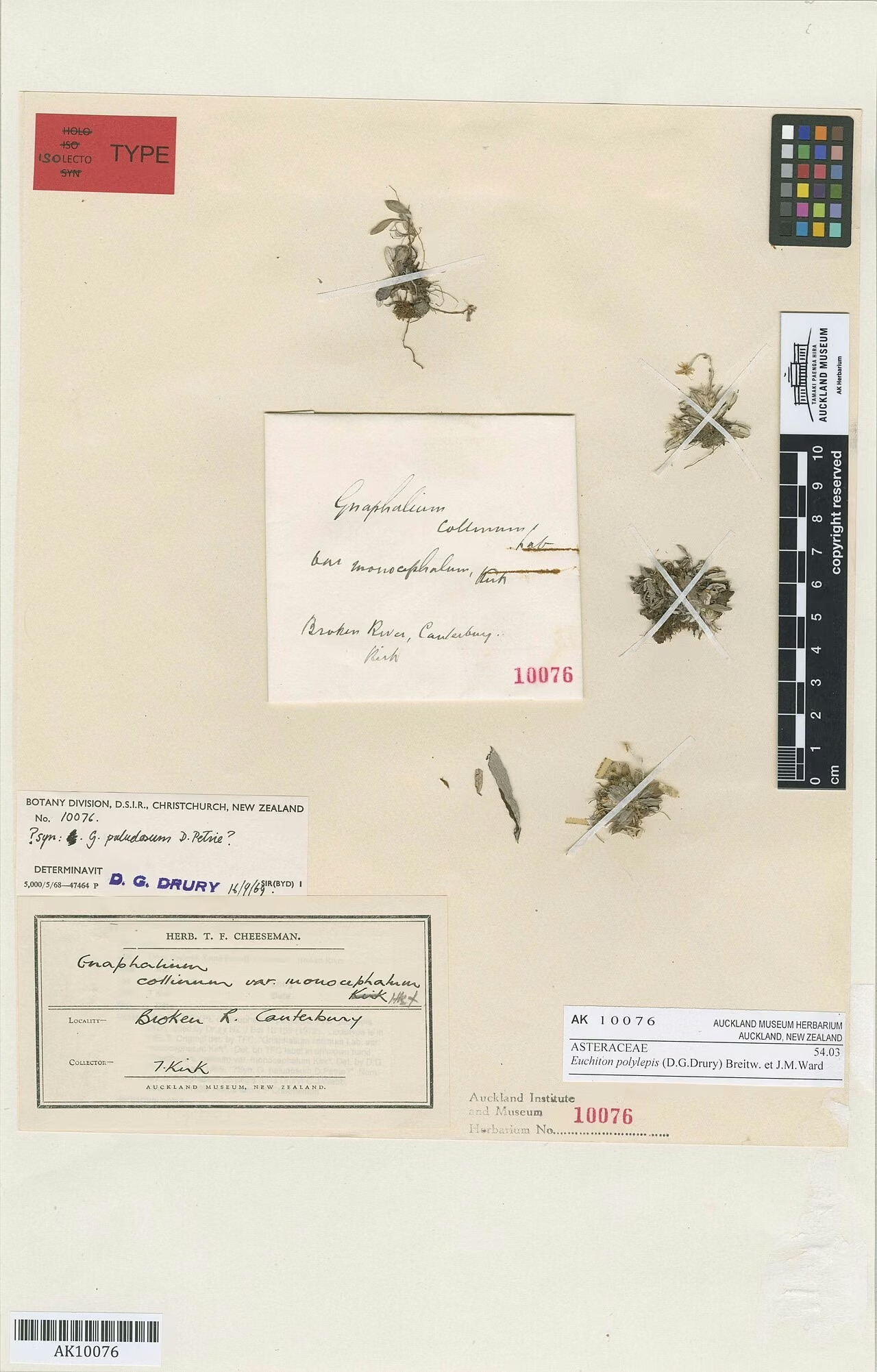
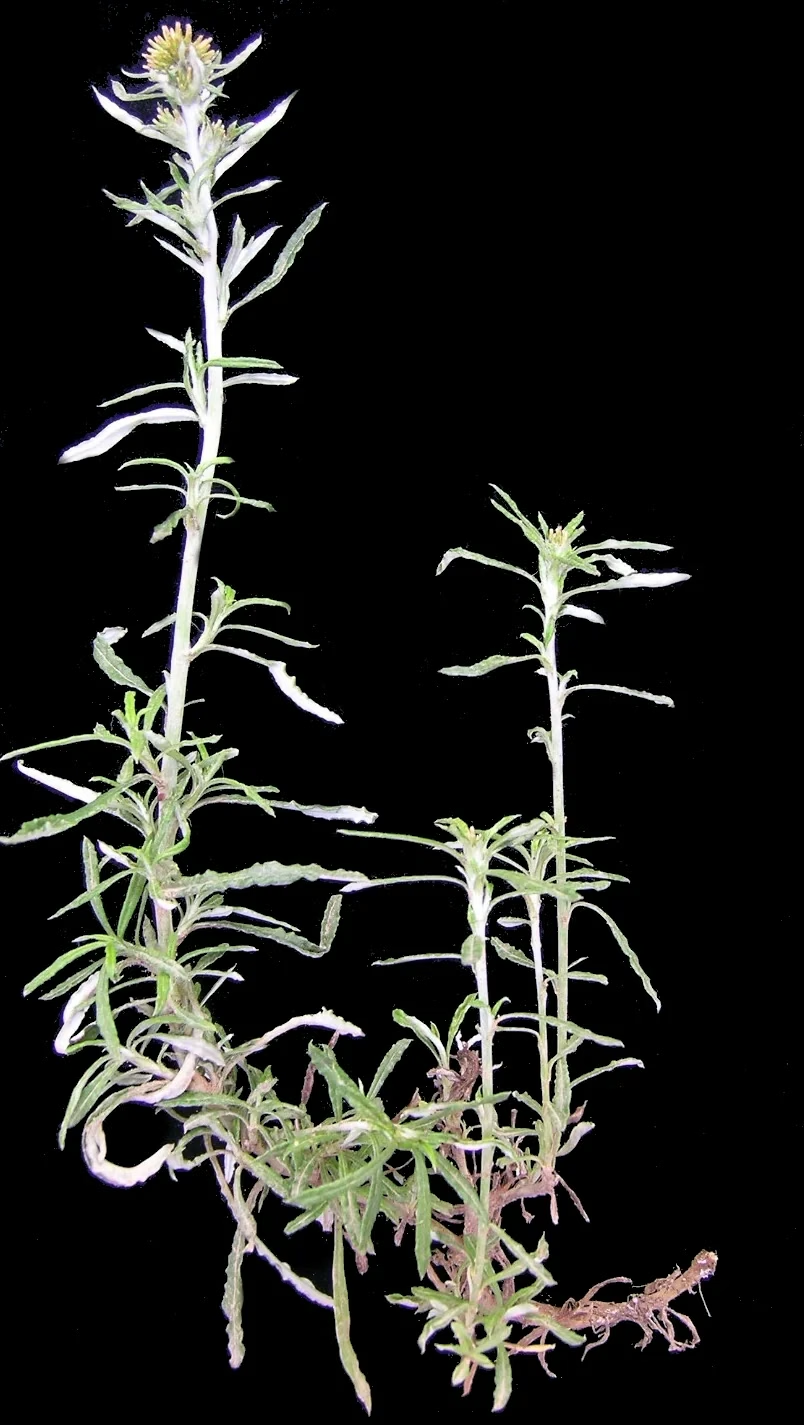
Euchiton polylepis is a stoloniferous perennial daisy. Slender runners creep across the ground and give rise to short ascending stems 1 to 6 cm tall. The basal leaves are elliptic to narrowly obovate, ending in a small sharp point (mucronate), and are densely covered beneath in white woolly hairs, while the upper surface is greener.
The flower heads are tiny, only 1 to 2 mm across, and are borne singly. When they first open they sit hidden among the foliage, so the plant is easy to overlook. The involucral bracts surrounding each head are 3.2 to 4.5 mm long, with a green centre and pale to mid-brown margins. Small seeds with a tuft of pappus hairs follow, and the name polylepis, meaning many scales, refers to these numerous bracts.
The most similar species is Euchiton paludosus, which has narrower leaves 0.5 to 2 mm wide that are usually folded and only moderately woolly on the upper surface, and which lacks the pointed leaf tip. Checking leaf width, the leaf tip and the colour of the bract margins with a hand lens is the most reliable way to separate the two.
Quick Facts
| Scientific Name | Euchiton polylepis |
|---|---|
| Height | 0.01-0.06 m |
| Spread | Spreads slowly by stolons to form small patches |
| Water Needs | Moist to wet soil year round |
| Light | Full sun to light shade in open sites |
| Frost Tolerance | High; grows up to the subalpine zone |
| Salt Tolerance | Low; no information suggests salt tolerance despite some coastal records |
| Growth Rate | Moderate |
| Lifespan | Perennial |
Climate Best Suited to
Suits cool, moist climates from lowland to subalpine elevations, where its damp habitat does not dry out in summer. It tolerates hard frost and winter cold.
Regional Suitability
| City | Climate Suitability |
|---|---|
| Auckland | Low |
| Wellington | Medium |
| Christchurch | Medium |
| Dunedin | High |
Plant Habitat
Euchiton polylepis is endemic to New Zealand. In the North Island it is mostly montane, found on the Central Volcanic Plateau and Mt Taranaki/Egmont, with some coastal occurrences. It is found throughout the South Island but appears to be rare in Westland.
It grows from lowland to subalpine elevations in damp places, especially stream sides and damp hollows in grassland, as well as on cliffs and in rocky places. NZPCN classes it as a facultative wetland plant, meaning it usually grows in wet ground but can occur in drier sites.
Growing Requirements
Soil Requirements
In the wild it roots into damp mineral or peaty soils on stream banks, in grassland hollows and in crevices among rock.
- Consistently moist, low-fertility soil
- Open, short-turf conditions where the soil surface is not smothered by litter
- Gritty or rocky ground is acceptable if it stays damp
Light Requirements
As a plant only a few centimetres tall, it depends on open sites where taller plants do not shade it out.
- Full sun or light, broken shade
- Avoid sites where rank grasses will overtop it
Water Requirements
Its natural sites are damp all year, so consistent moisture is the main requirement.
- Keep the root zone moist through summer
- A damp hollow, pond margin or seepage is ideal
Planting and Establishing
Plant nursery-raised plugs or rooted stem pieces into damp, open ground in autumn or spring. Space them 10 to 15 cm apart so the stolons can knit together, and firm the soil around each piece so the runners stay in contact with the surface.
Choose a spot where competition is low, such as the edge of a bog garden, a moist rock garden pocket or a gap in short native turf. Weed regularly for the first season, because taller weeds are listed as a threat to this species in the wild.
Ecological Role
NZPCN notes that Euchiton seeds carry a pappus and are dispersed by wind and water, which suits a plant of stream sides where seed can also wash downstream to new damp banks. The pollinators of this species have not been documented.
It is a component of short damp turf and streamside herbfields, colonising bare or open patches. Its low stature makes it vulnerable to being overgrown by taller grasses and weeds when grazing or natural disturbance stops.
Uses & Significance
Garden Uses
It is a botanical curiosity rather than a showy plant, best suited to specialist native or restoration plantings.
- Bog garden margins and damp rock garden pockets
- Restoration of stream sides and seepages within its natural range
- Container culture for collectors of native daisies
Ecological Value
As a declining endemic, every population helps maintain the species' genetic diversity and the character of native damp turf.
- Part of native streamside and grassland hollow communities
- Low-growing cover on damp open ground
- A conservation priority because populations are in decline
Landscaping Uses
Use native cudweed as a fine-textured carpet between stones beside a water feature, where its white leaf undersides catch the light when the leaves move. It pairs well with other low natives of damp ground such as Leptinella, Pratia and small sedges.
Because it is so small, plant it where it can be seen at close range, such as along a path edge or in a trough. Do not combine it with vigorous groundcovers, which will quickly smother it.
Seasonal Care Calendar
Spring
New stolons begin to extend and fresh rosettes of leaves form.
- Weed around patches
- Good time to plant or divide
Summer
Flowering runs from November to February, with the tiny heads tucked among the leaves.
- Keep soil moist
- Watch for overgrowth by grasses
Autumn
Seed ripens between December and April and is shed on the wind.
- Collect ripe seed heads for sowing
- Pot up rooted stem pieces
Winter
Growth slows but the plant persists as low leafy patches.
- Avoid waterlogging that becomes stagnant
- Mark plants so they are not trampled
When to Prune and How Much
No pruning is needed. The main maintenance task is keeping taller vegetation trimmed back from the patches so they receive light.
Old flowering stems can be left to shed seed, then removed by hand if they look untidy.
How to Grow Native Cudweed
NZPCN describes Euchiton polylepis as easily grown both from seed and from rooted pieces of stem. Because the species is At Risk - Declining, collect only small amounts of material from wild plants, with landowner or Department of Conservation permission where required, and ideally source it from the same district as the planting site to keep local genetic character. Raising plants in a nursery and returning them to protected damp sites is one of the most useful things growers can do for this small daisy.
From Seed
Seed ripens from December to April. Each tiny seed carries pappus hairs that let it blow away, so heads should be collected as soon as they turn fluffy.
- Gather fluffy seed heads into a paper bag on a dry day
- Surface-sow onto a fine, moist seed-raising mix without covering the seed
- Keep the tray moist by standing it in a shallow dish of water
- Place in bright light out of hot afternoon sun
- Prick out seedlings into small pots once they have a few true leaves
From Rooted Stem Pieces
The stolons root where they touch damp ground, so lifting a rooted section is a quick way to produce a new plant that is large enough to plant out sooner than a seedling.
- Locate a stolon that has formed roots at a node
- Cut it from the parent with a short length of runner attached
- Pot into a damp mix of potting compost and fine grit
- Keep shaded and moist for two to three weeks while it establishes
- Plant out once new leaves appear
Pests & Diseases
No specific pests or diseases are recorded for this species. Slugs and snails may graze seedlings in damp nursery conditions, so protect young plants.
The main threat in the wild is not a pest but competition: NZPCN notes that it may be vulnerable to being overgrown by taller weeds.
Cultural Significance
No traditional Māori use or Māori name specific to Euchiton polylepis has been recorded. The genus name comes from the Greek eu, good, and chiton, a tunic or covering, a reference to the woolly coat on the leaves.
The species was long overlooked because of its small size and was formerly treated within Gnaphalium. Its recognition as a distinct declining species highlights how much of New Zealand's small-herb flora is still poorly known.
Bonus Tip
To tell this species from the weedy cudweeds that turn up in pots and lawns, look at a leaf tip with a hand lens: E. polylepis has a small sharp point (mucro) at the tip and a flat, white-felted underside, and its flower heads stay tiny and hidden among the leaves early in the season.
Related Plants
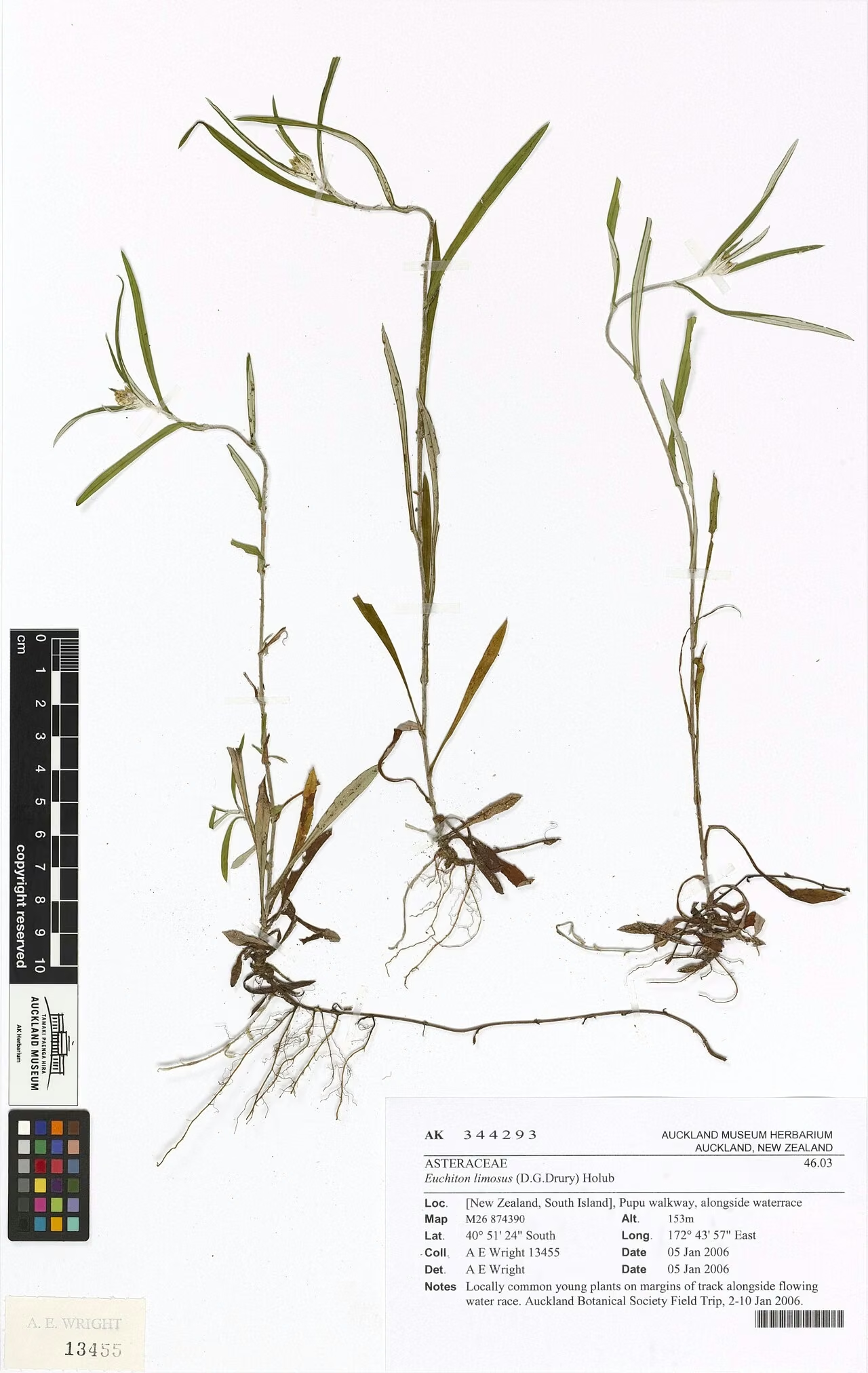
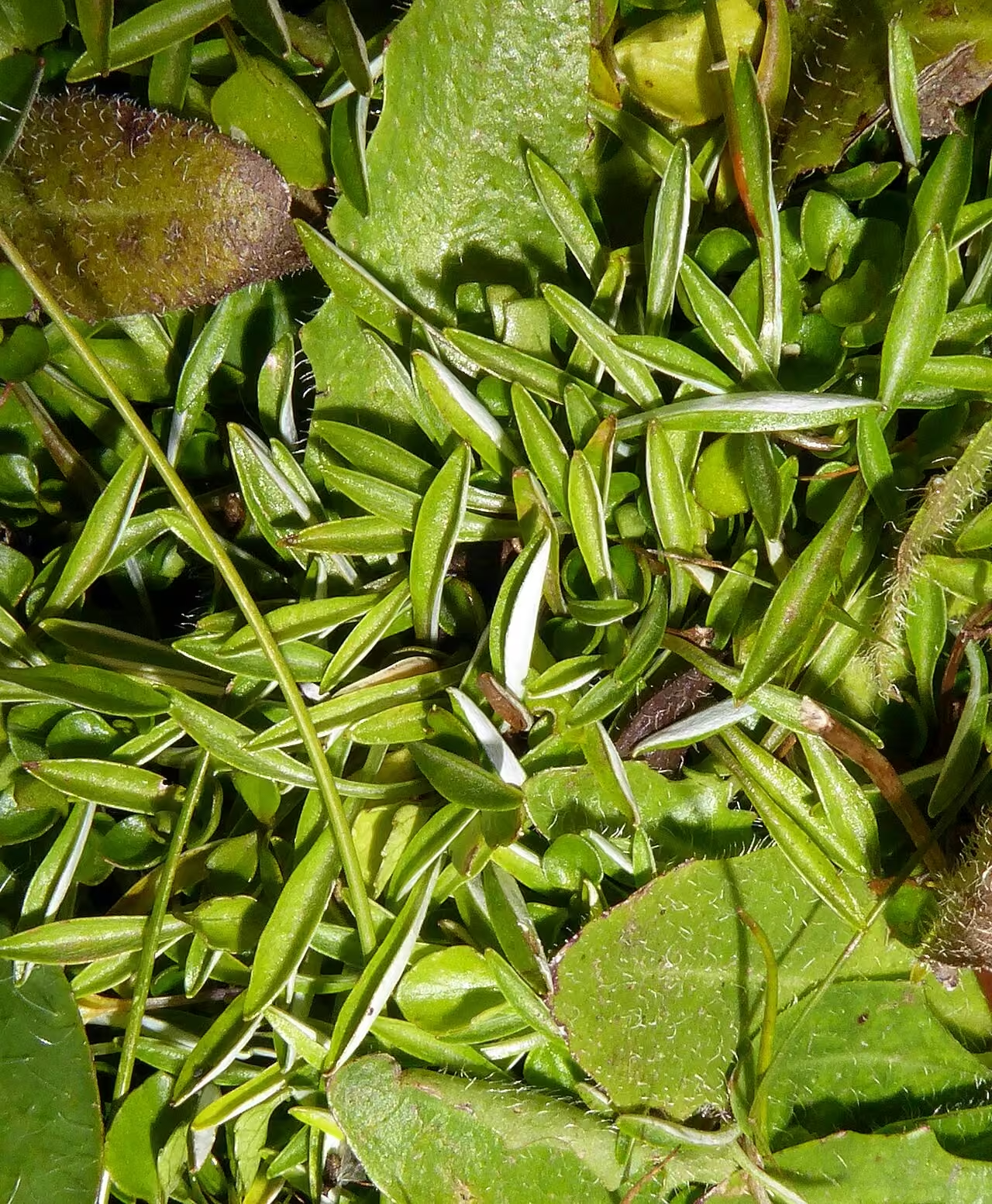
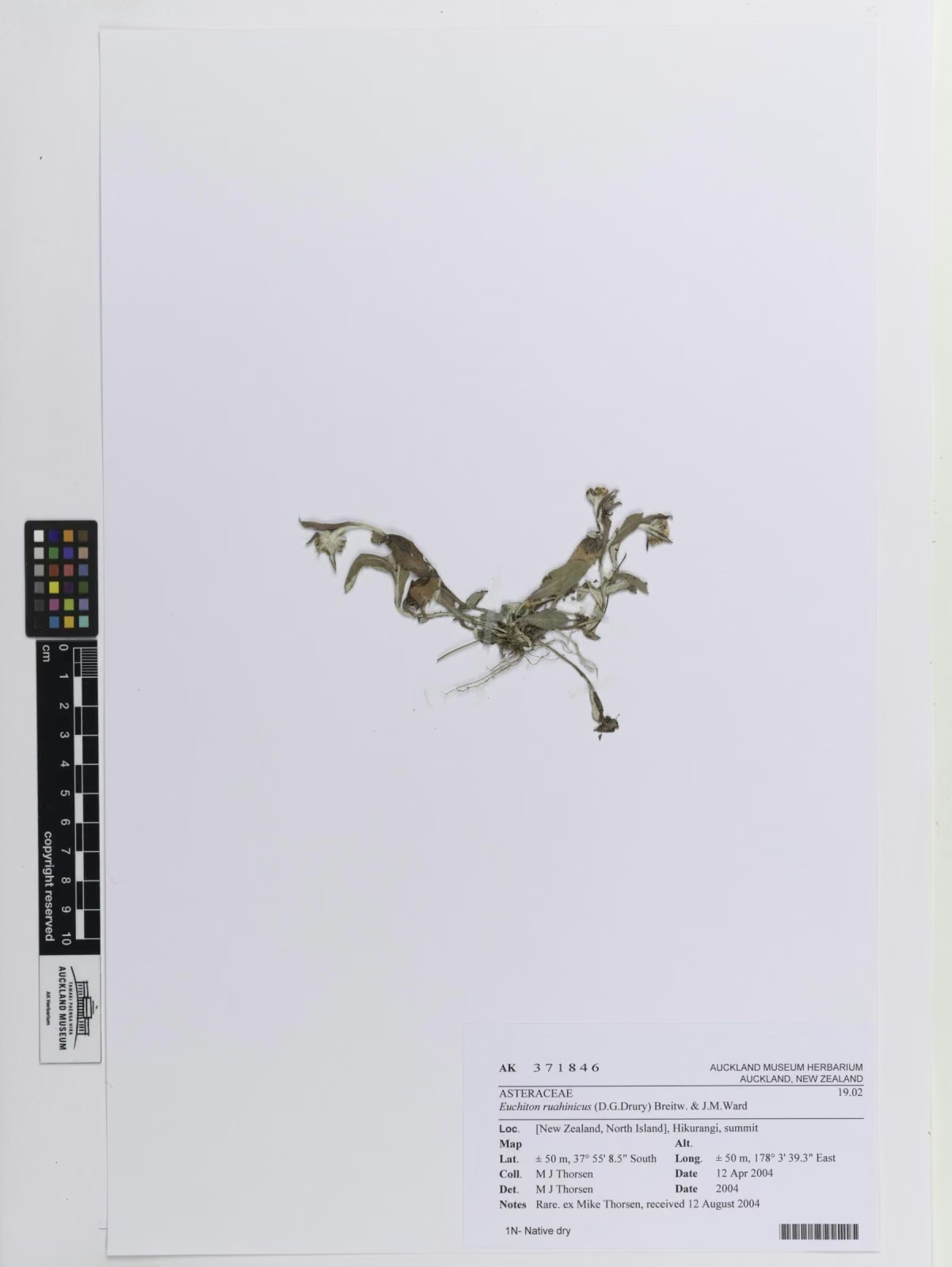
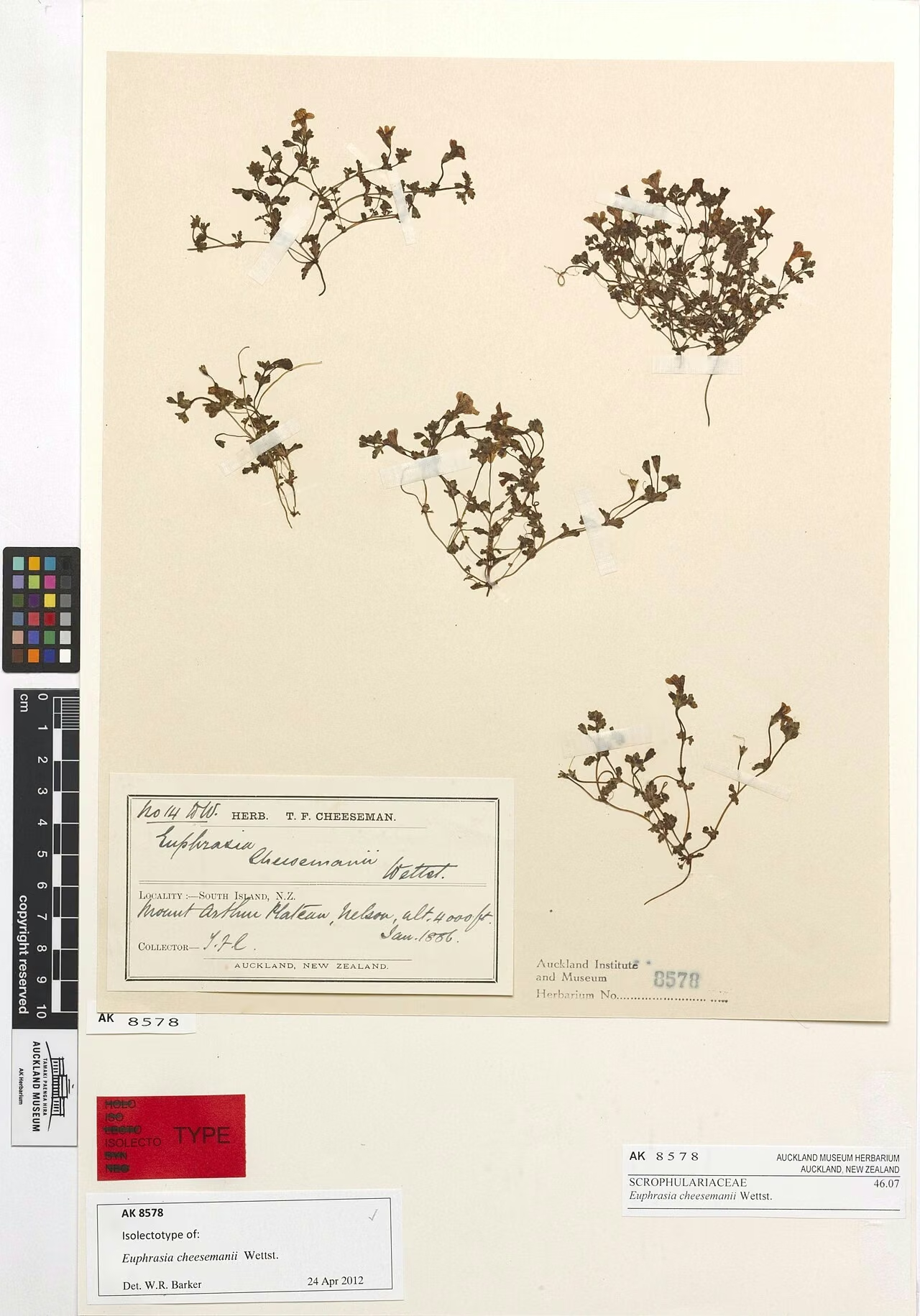
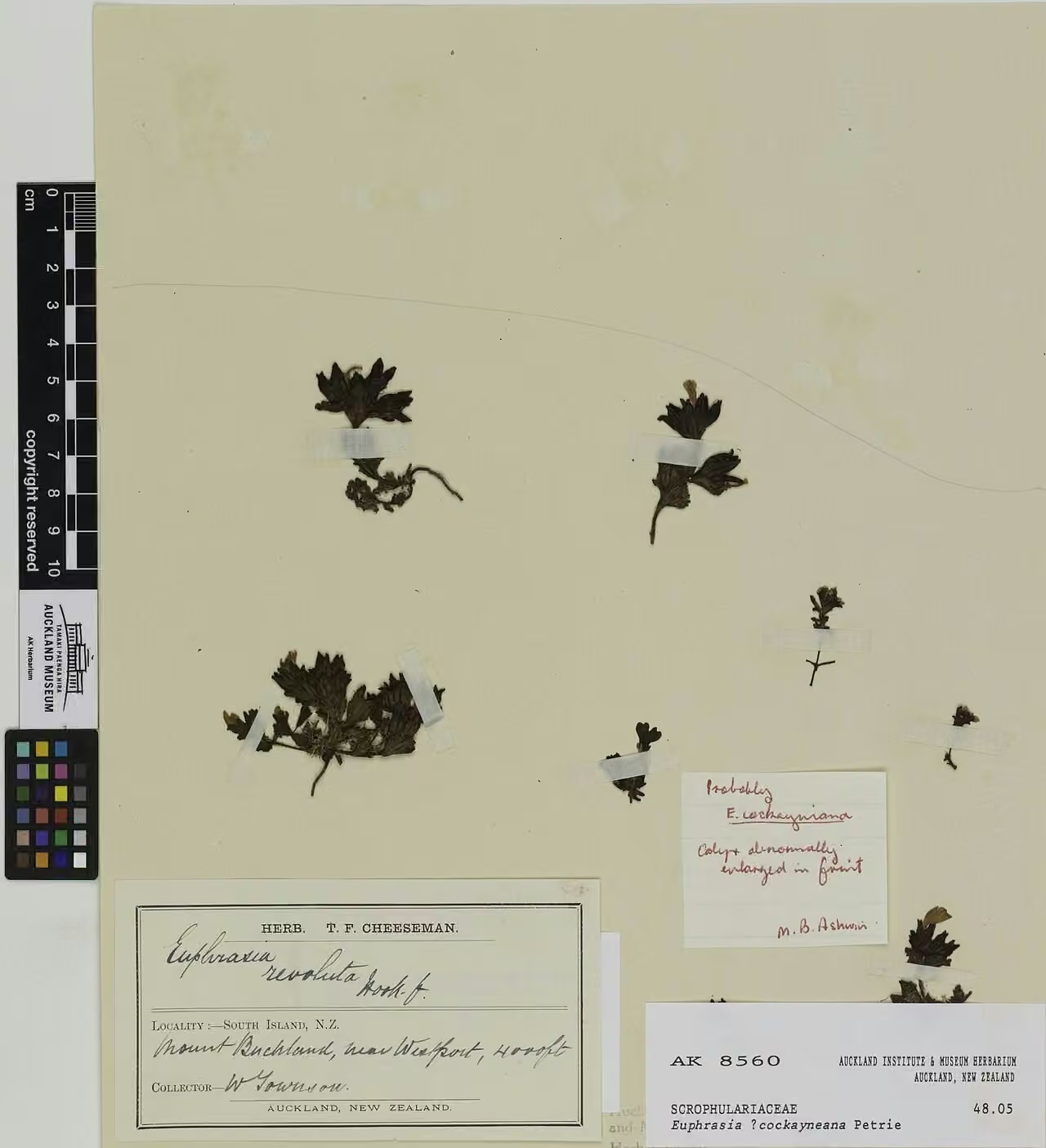
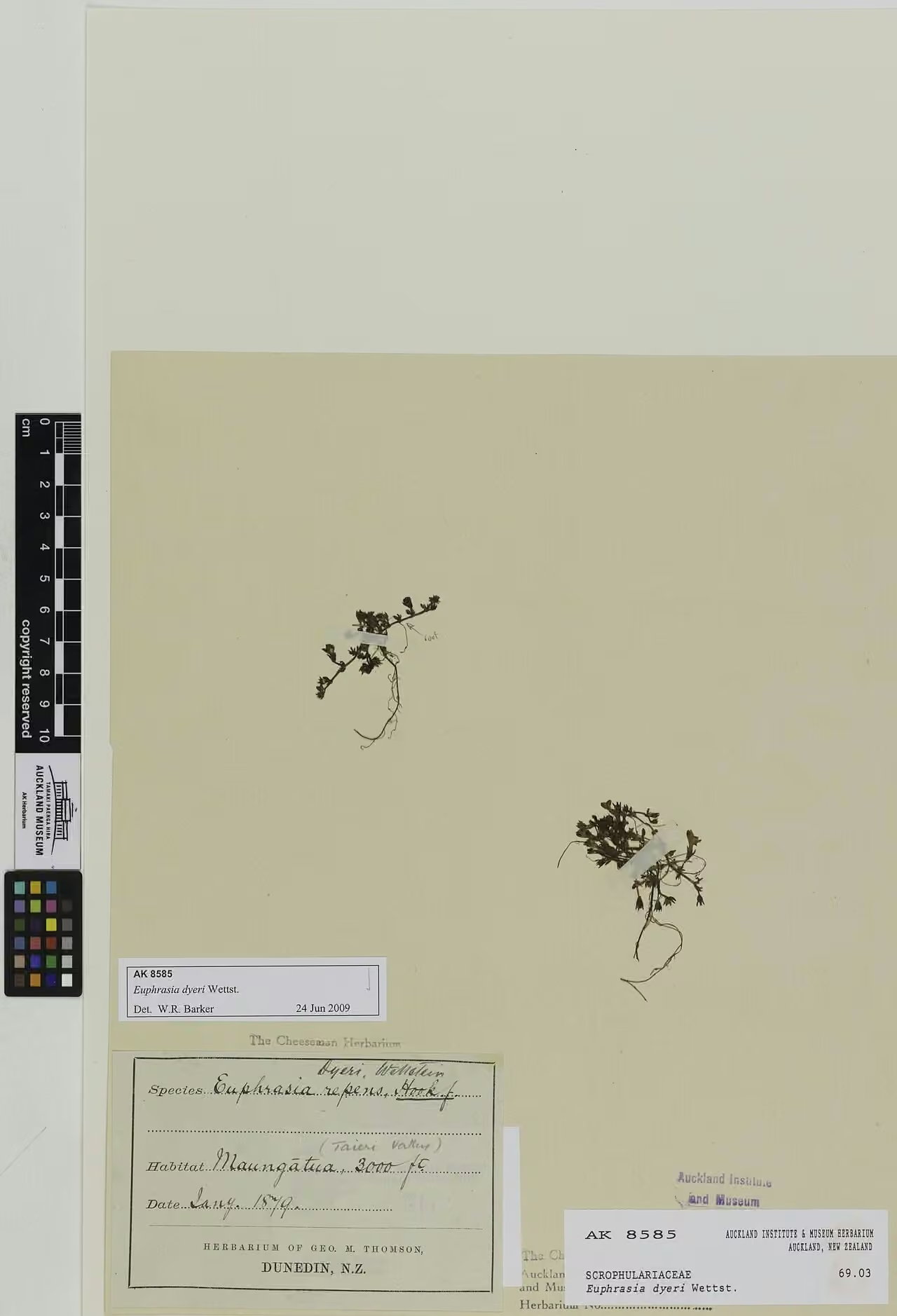
Explore other native plants that share similar characteristics or habitats with Native Cudweed (Euchiton polylepis), offering further insights into New Zealand's diverse flora. These related species provide context and opportunities for complementary planting in your garden.
Plant Conservation
Euchiton polylepis was ranked At Risk - Declining in the 2023 assessment, with the qualifier Sp (sparse). It was previously listed as Naturally Uncommon. In 2025 it was ranked Regionally Vulnerable in Otago and Regionally Data Deficient in Wellington.
Threats include competition from taller weeds and the general loss or drainage of damp grassland hollows and stream margins. Keeping wetland edges open, controlling invasive grasses and weeds, and surveying for overlooked populations all help this species.
Frequently Asked Questions
What does Euchiton polylepis look like?
It is a low, stoloniferous daisy with stems 1 to 6 cm tall, narrow leaves with a tiny point at the tip that are white-woolly beneath, and minute flower heads 1 to 2 mm across that start out hidden among the leaves.
How do you tell Euchiton polylepis from Euchiton paludosus?
NZPCN notes that E. paludosus has upper leaf surfaces that are usually folded and moderately woolly, with narrower leaves 0.5 to 2 mm wide lacking the small pointed tip seen in E. polylepis.
Is native cudweed threatened?
Yes. Euchiton polylepis was ranked At Risk - Declining in 2023, after earlier listings as Naturally Uncommon, and it is regarded as Regionally Vulnerable in Otago.
Can native cudweed be grown from seed?
NZPCN says it is easily grown from seed and also from rooted pieces of stem, which makes it a practical plant for restoration nurseries.
Sources and Further Reading
The botanical, growing, and conservation details for Native Cudweed (Euchiton polylepis) on this page draw on the New Zealand plant references below. Consult them for full technical records and the latest distribution data.