Cudweed
Euchiton paludosus
Last updated:
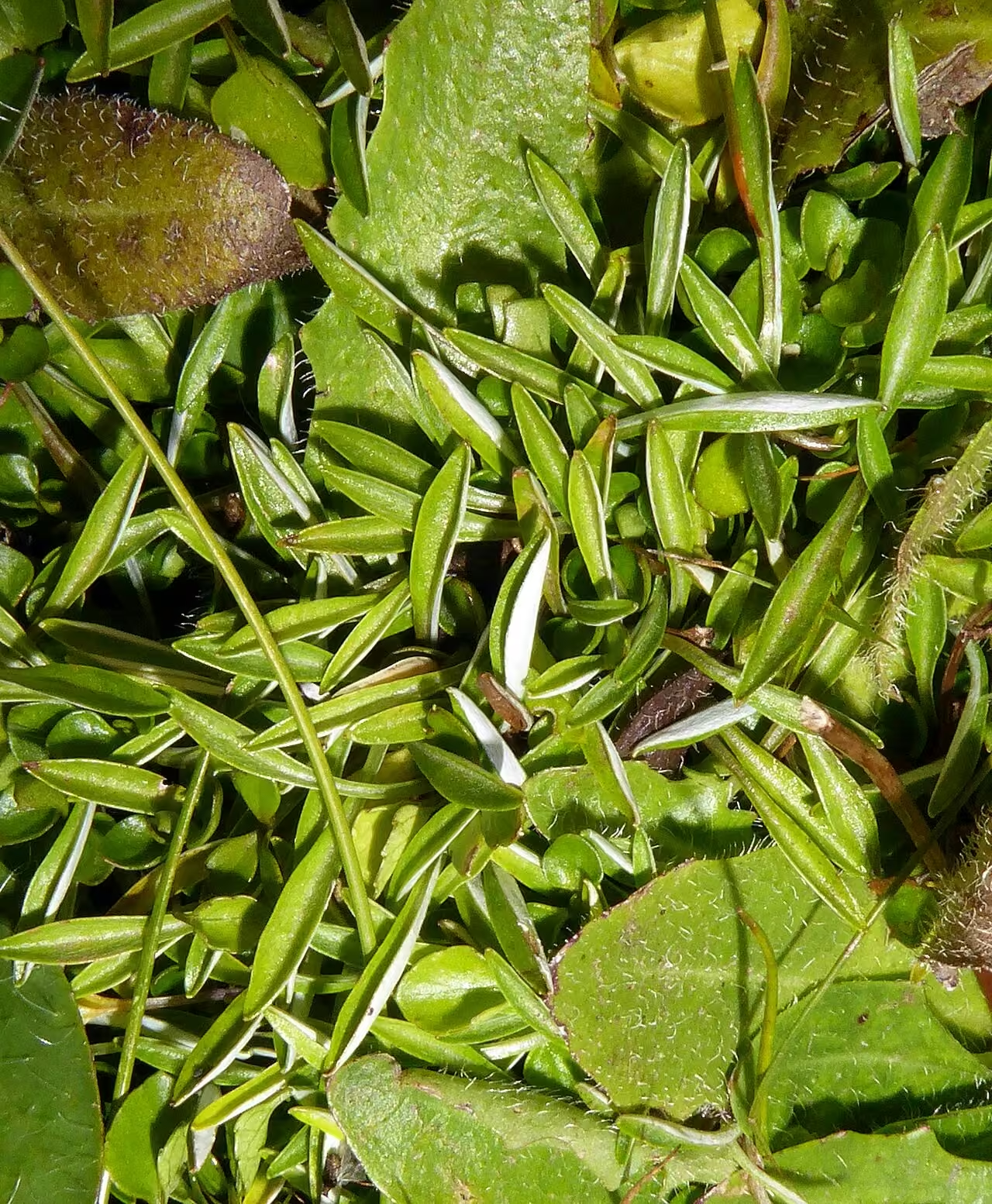
Euchiton paludosus is one of New Zealand's smallest cudweeds, an endemic stoloniferous perennial that forms diminutive mats no more than about 8 cm across. Its narrow leaves, 5 to 20 mm long and white-felted beneath, sit in tiny rosettes, and its one or two flowering stems, only 1 to 5 cm tall, each carry a single minute flower head. It grows in montane to subalpine bogs, and sometimes in seepages and along stream and tarn margins, from the central North Island south to Stewart Island/Rakiura. Widely distributed but never common anywhere, it is currently ranked Data Deficient. Explore more native ground covers in our native plant guide.
Plant Description
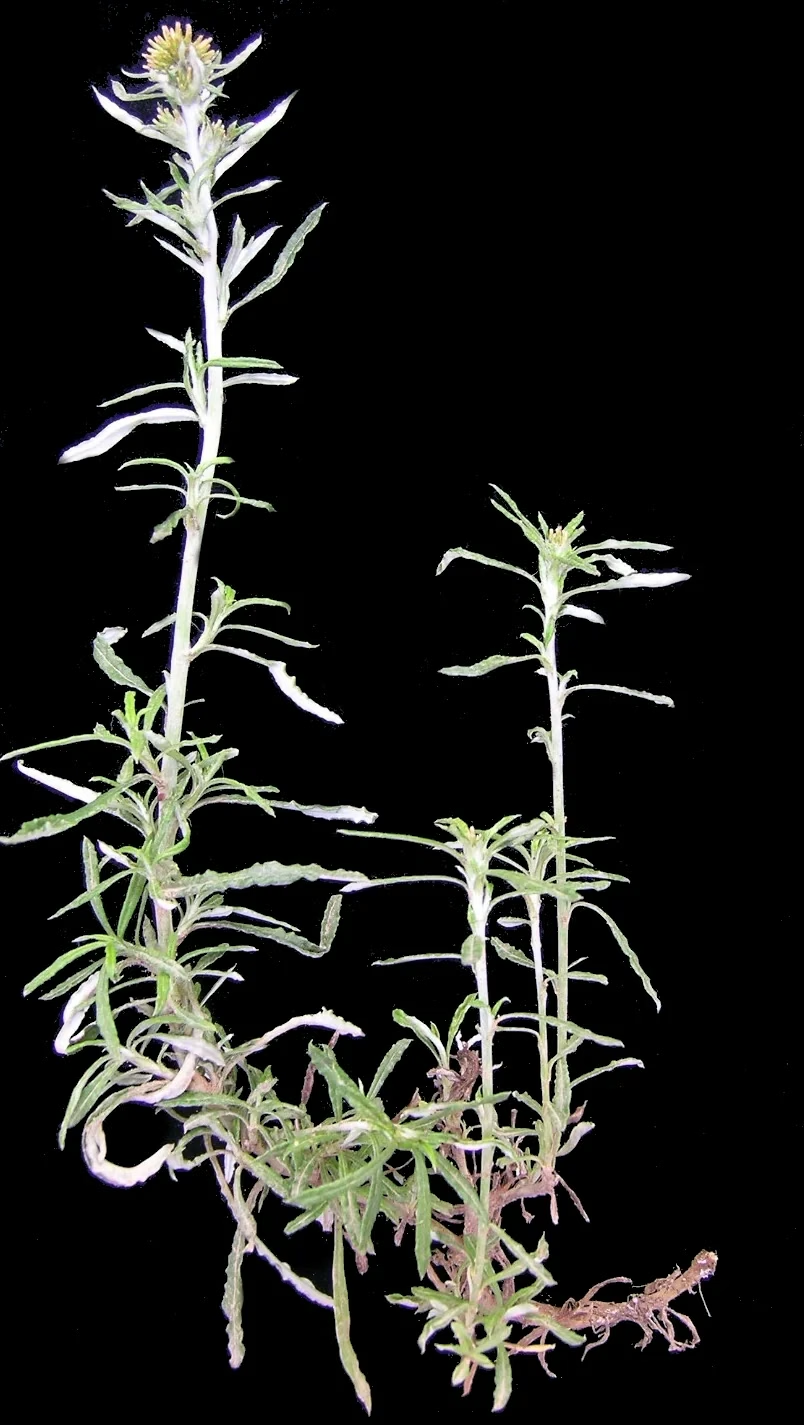
Euchiton paludosus is a stoloniferous perennial that forms diminutive mats up to about 80 mm in diameter. Each rosette produces one or two ascending, unbranched stems only 10 to 50 mm tall. The leaves are mainly basal, elliptic to linear-elliptic or narrowly oblanceolate, 5 to 20 mm long and 0.5 to 4 mm wide, with dense white hairs on the underside.
The flower heads (capitula) are solitary and tiny, about 1 mm in diameter. The involucral bracts are elliptic-oblong and blunt, pale brown and tinged reddish-purple. The achenes are about 1 mm long and carry short, forward-pointing hairs, along with a pappus for dispersal.
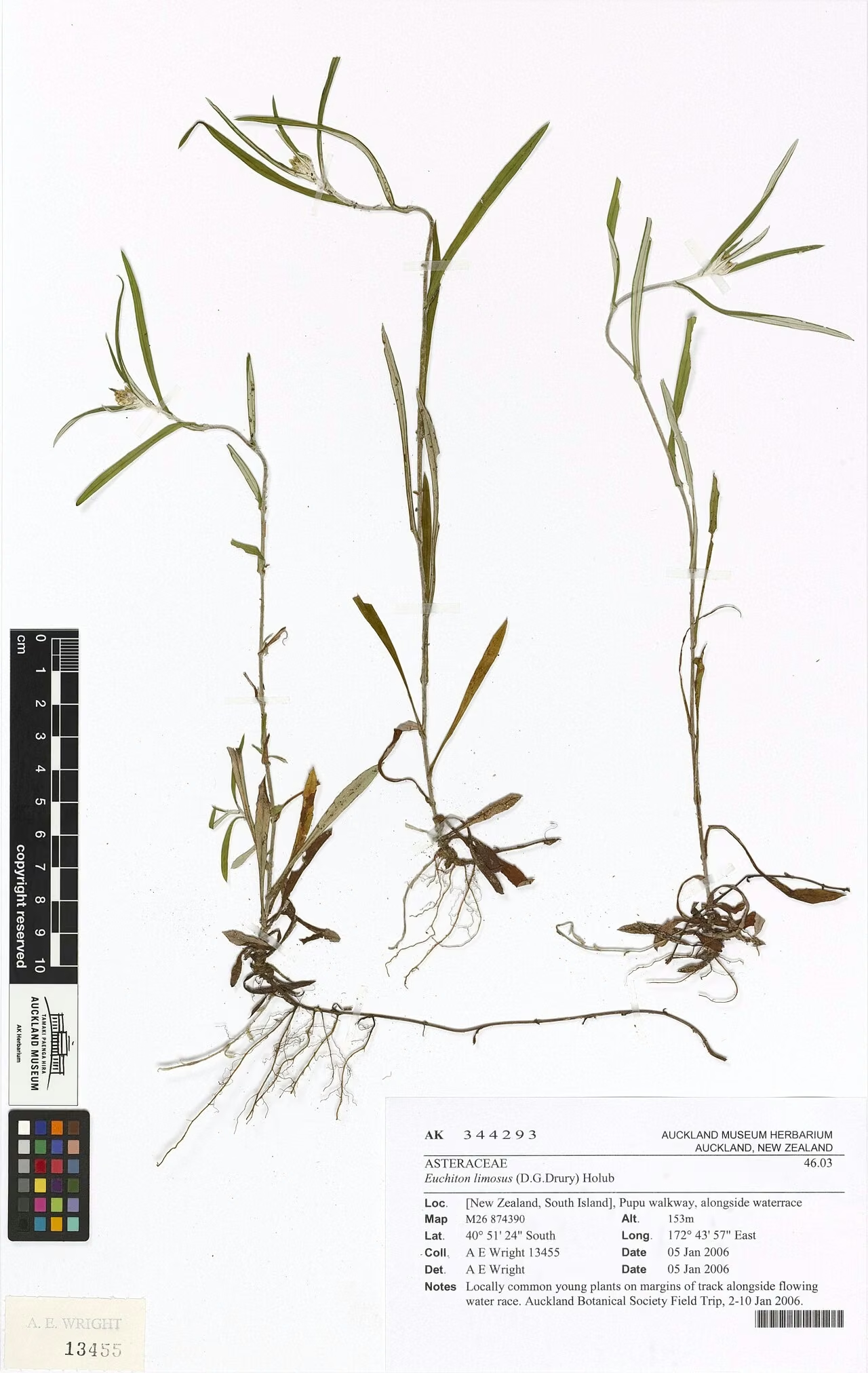
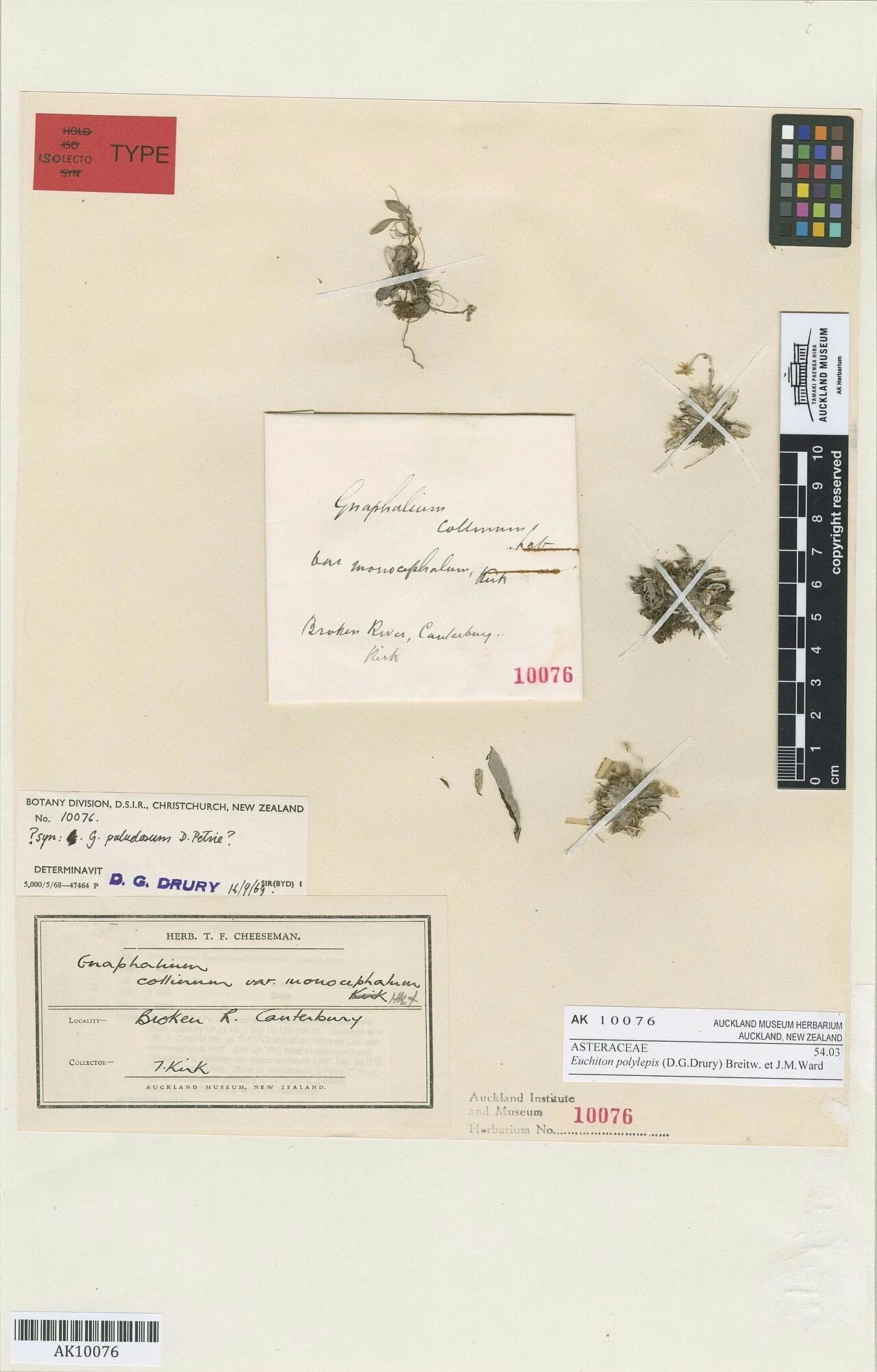
It is most likely to be confused with Euchiton polylepis, a close relative of similar habitats. NZPCN separates E. paludosus by its pleated leaves and its fewer involucral bracts. Its very small size and single flower head per stem also distinguish it from larger cudweeds such as Euchiton audax and Euchiton limosus.
Quick Facts
| Scientific Name | Euchiton paludosus |
|---|---|
| Height | 0.01-0.05 m |
| Spread | Mats up to about 0.08 m across |
| Water Needs | High; bogs and seepages |
| Light | Full sun to partial shade |
| Frost Tolerance | High; montane to subalpine |
| Salt Tolerance | Low; an inland bog plant |
| Growth Rate | Slow |
| Lifespan | Perennial |
Climate Best Suited to
A plant of cool, wet montane and subalpine climates with frequent frost, where bogs and seepages stay saturated year round.
Regional Suitability
| City | Climate Suitability |
|---|---|
| Auckland | Low |
| Wellington | Medium |
| Christchurch | Medium |
| Dunedin | Medium |
Plant Habitat
Euchiton paludosus is endemic to New Zealand. In the North Island it is scarce from about the Kaingaroa Plain south; in the South Island it is local from Nelson to Southland; and it is also local on Stewart Island/Rakiura.
It grows at montane to subalpine elevations, mainly in bogs, and occasionally along stream and tarn margins and in seepages and flushes within forest, shrubland, tussock grassland or herbfield. NZPCN notes that it is very widely distributed but never common at any particular place.
Growing Requirements
Soil Requirements
In the wild it grows in wet, peaty bog soils and the saturated ground of flushes and tarn margins.
- Wet peat or a peat-free sphagnum-based mix
- Low fertility, acidic conditions
- Never allow to dry out
Light Requirements
Its bog and herbfield sites are open, though plants in forest seepages receive partial shade.
- Full sun to semi-shade
- Keep free of overhanging taller plants
- Bright, cool positions are best
Water Requirements
Constant saturation is essential. NZPCN recommends growing it in a partially submerged pot.
- Stand the pot in a tray of water
- Use rainwater where possible in hard-water areas
- Do not let the mix dry even briefly
Planting and Establishing
This is a plant for specialist growers. NZPCN notes it is easily grown in a partially submerged pot in a sunny or semi-shaded site, so the simplest approach is a shallow pot of wet, peaty mix standing in water.
It could also be placed in a small artificial bog garden, but its tiny size means it is easily lost among other plants, so a dedicated pot or trough where it can be watched is more practical.
Ecological Role
Its minute solitary flower heads appear from November to December, with fruit from December to February. Pollinators have not been studied, but small insects are likely visitors. NZPCN records that cypselae with a pappus in this genus are dispersed by wind and water.
It is a component of the low herb layer of montane and subalpine bogs and flushes, growing among mosses, sedges and other small wetland herbs. Its scattered pattern suggests it relies on small open patches within these wetlands.
Uses & Significance
Garden Uses
Euchiton paludosus is best grown as a collector's plant or for conservation purposes.
- Partially submerged pots for wetland plant collections
- Miniature bog troughs
- Ex situ conservation of local populations
Ecological Value
As a sparse endemic of upland bogs, every population adds to the diversity of these specialised wetlands.
- Part of the native herb flora of montane and subalpine bogs
- Indicator of intact, weed-free wetland
- Contributes to wetland invertebrate habitat
Landscaping Uses
It is far too small for general landscaping. In a miniature bog trough it can be set at the front among sphagnum moss and small sedges, where its silver-backed rosettes can be seen at close range.
Labelling the pot is worthwhile, since the tiny mats are easily mistaken for a weed seedling and pulled out.
Seasonal Care Calendar
Spring
Rosettes grow and stolons begin to extend.
- Refresh the surface of the mix
- Check the water tray
Summer
Flowering in November and December is followed by fruiting from December to February.
- Keep the pot standing in water
- Collect seed as heads fluff
Autumn
Growth slows and new rosettes root at the stolon tips.
- Divide crowded pots
- Remove fallen leaves from neighbouring plants
Winter
Plants persist as tiny rosettes in cold, wet conditions.
- Little care needed
- Do not let water trays freeze solid for long periods
When to Prune and How Much
No pruning is needed. Simply remove any dead leaves or competing mosses that begin to smother the small rosettes.
If the mat becomes congested, divide it rather than trimming.
How to Grow Cudweed
NZPCN describes Euchiton paludosus as easily grown in a partially submerged pot in a sunny or semi-shaded site, which makes propagation straightforward once you have a cultivated plant. It spreads by stolons to form small mats, so division is the simplest method, and it also produces tiny pappus-bearing seeds after its November to December flowering. Because the species is Data Deficient and sparse in the wild, take material from cultivated stock wherever possible, and seek permission before collecting from any wild population. Raising a few plants from each source population keeps local genetic variety, which matters for a species recorded at so many scattered sites, and pots can be shared with botanical societies or restoration groups working in upland wetlands.
From Seed
Fruit ripens between December and February. Each solitary head produces only a few achenes about 1 mm long, so collect from several heads.
- Collect heads as the pappus begins to open
- Sow on the surface of a wet, fine peaty mix
- Stand the pot in a tray of water so the mix stays saturated
- Keep in a cool, bright position out of hot midday sun
- Prick out seedlings carefully into small pots once rosettes form
By Division of Stolons
New rosettes form along the stolons and root into the wet surface, giving ready-made plants.
- Lift a rooted rosette from the edge of the mat
- Pot into a small pot of wet peaty mix
- Stand the pot partly submerged in water
- Grow on in sun or light shade until established
Pests & Diseases
No specific pests are recorded. In cultivation, slugs, overgrowth by moss or liverworts, and drying out are the main risks.
In the wild NZPCN notes it may be threatened at some sites by weeds, which can crowd out its tiny mats.
Cultural Significance
No traditional Māori name or use for Euchiton paludosus was found in the sources consulted.
It was described by Donald Petrie as Gnaphalium paludosum in the late 1880s and transferred to Euchiton by Holub in 1974. The epithet means of the swamp, and the genus name comes from the Greek eu (good) and chiton (tunic or covering).
Bonus Tip
To find this plant in the field, search open, mossy bog surfaces in November and December on hands and knees. Look for silver-backed rosettes no bigger than a coin with a single tiny flower head on a stem only a few centimetres tall, and record any finds on iNaturalist, as better distribution data could help resolve its Data Deficient ranking.
Related Plants
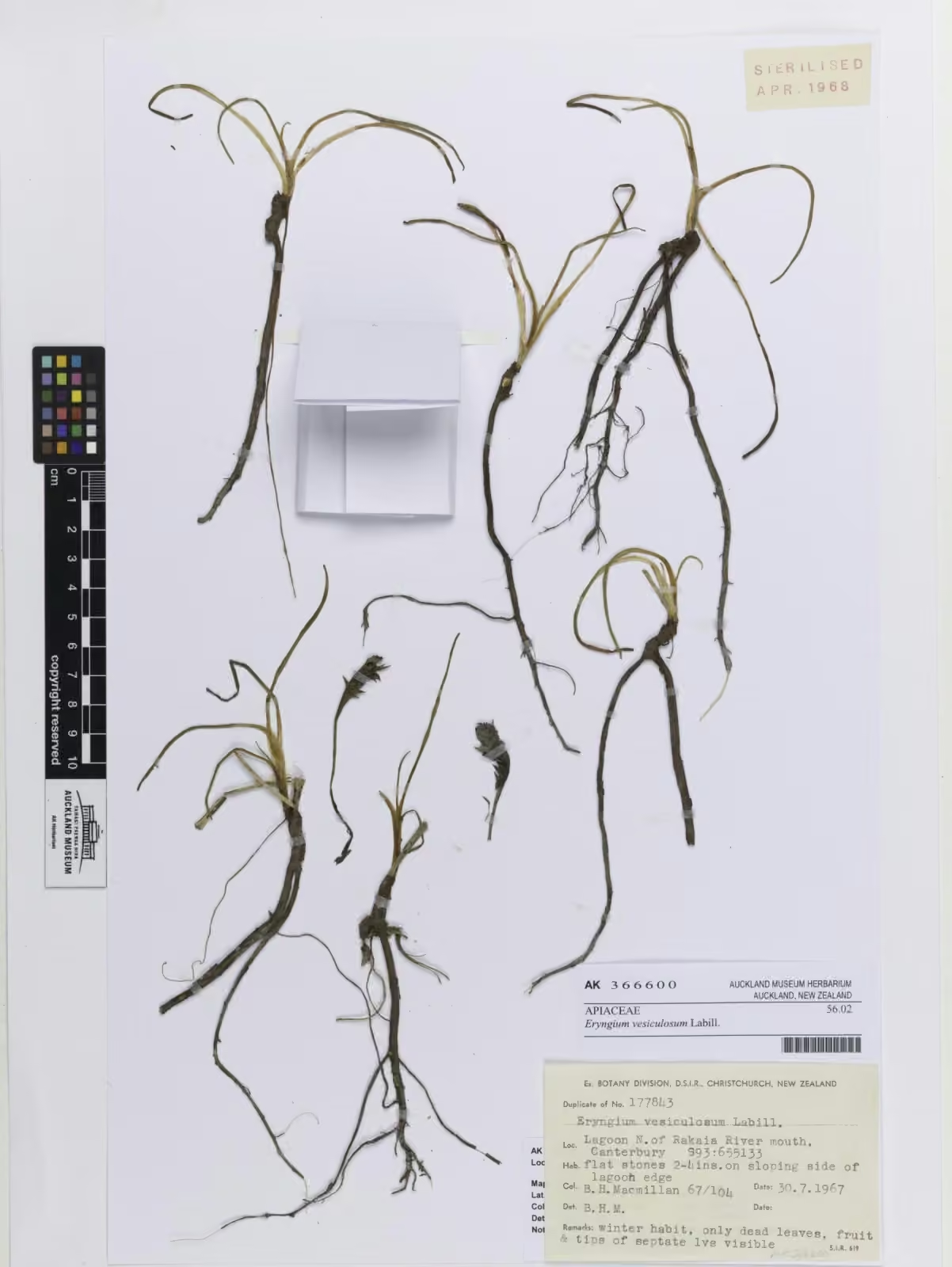
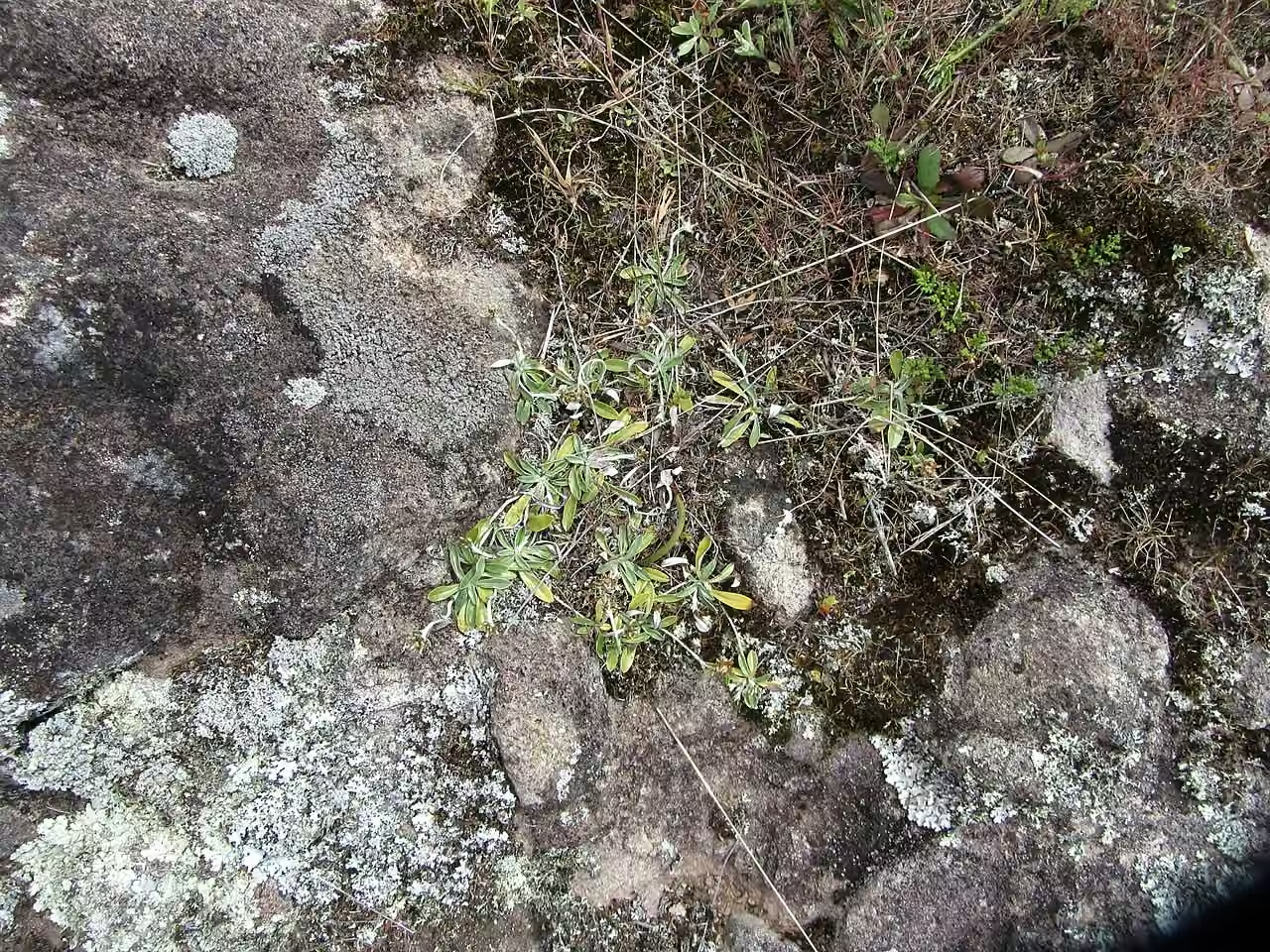
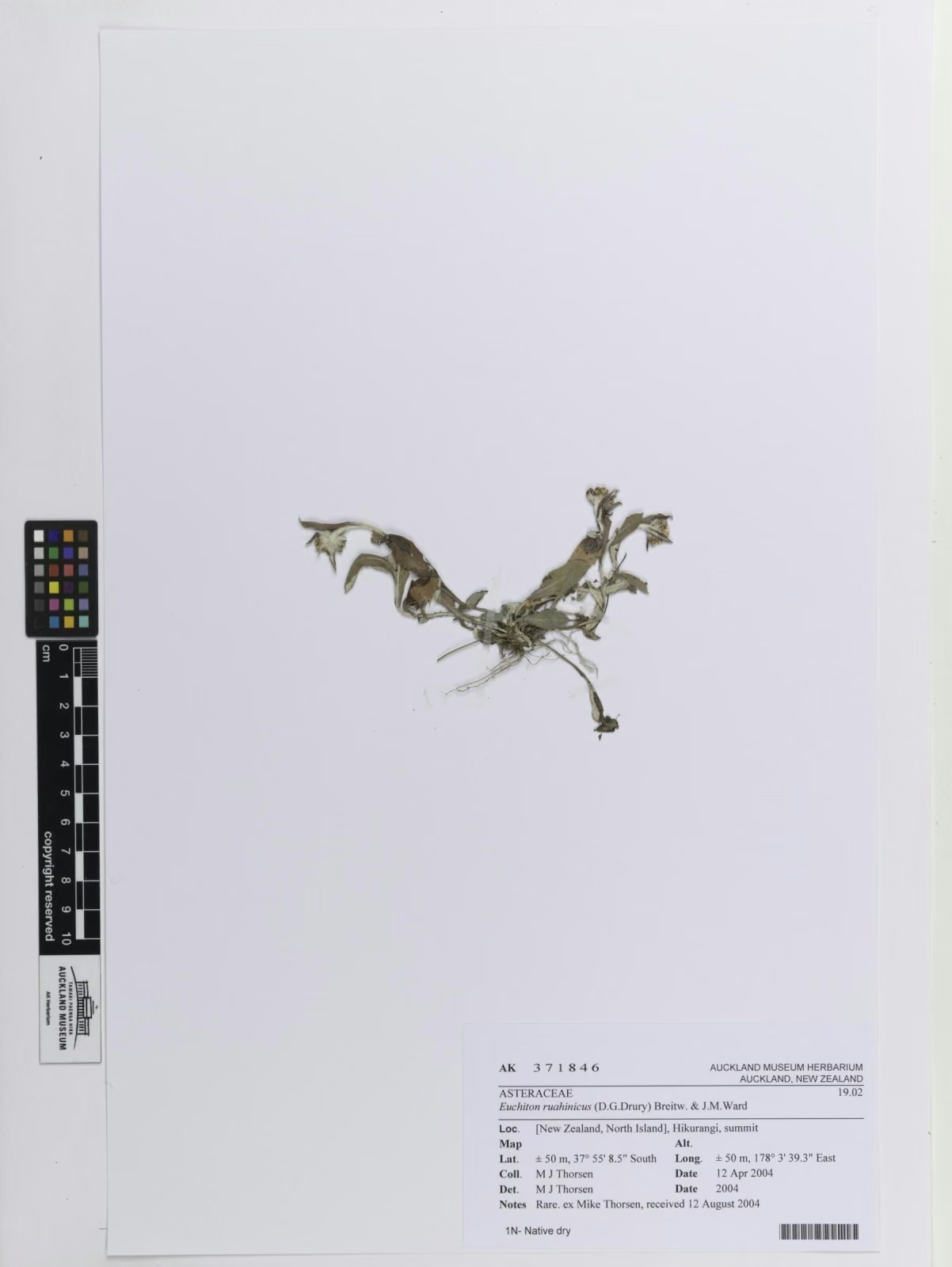
Explore other native plants that share similar characteristics or habitats with Cudweed (Euchiton paludosus), offering further insights into New Zealand's diverse flora. These related species provide context and opportunities for complementary planting in your garden.
Plant Conservation
Euchiton paludosus is ranked Data Deficient (2023) with the qualifier Sparse. NZPCN describes it as a naturally uncommon, biologically sparse species that is very widely distributed but never common at any particular place. Regionally it is assessed as Regionally Critical in Otago and Data Deficient in Wellington (2025).
Weeds may threaten it at some sites. Protecting montane bogs from drainage, grazing and weed invasion, and recording sightings so its true status can be assessed, are the most useful conservation actions.
Frequently Asked Questions
What does paludosus mean?
The Latin epithet paludosus means of the swamp, referring to the bogs, flushes and wet margins where this tiny cudweed grows.
Where is Euchiton paludosus found?
It is endemic to New Zealand and is scarce in the North Island from about the Kaingaroa Plain south, local from Nelson to Southland in the South Island, and local on Stewart Island/Rakiura, mostly in montane to subalpine bogs.
Why is Euchiton paludosus ranked Data Deficient?
It is a tiny, biologically sparse plant that is very widely distributed but never common at any one place, so there is too little information on its population size and trend to assign a firm threat ranking.
How do you tell Euchiton paludosus from Euchiton polylepis?
The two are closely related. NZPCN notes that Euchiton paludosus differs in having pleated leaves and fewer involucral bracts around its solitary flower heads.
Sources and Further Reading
The botanical, growing, and conservation details for Cudweed (Euchiton paludosus) on this page draw on the New Zealand plant references below. Consult them for full technical records and the latest distribution data.