Willowherb
Epilobium tasmanicum
Last updated:
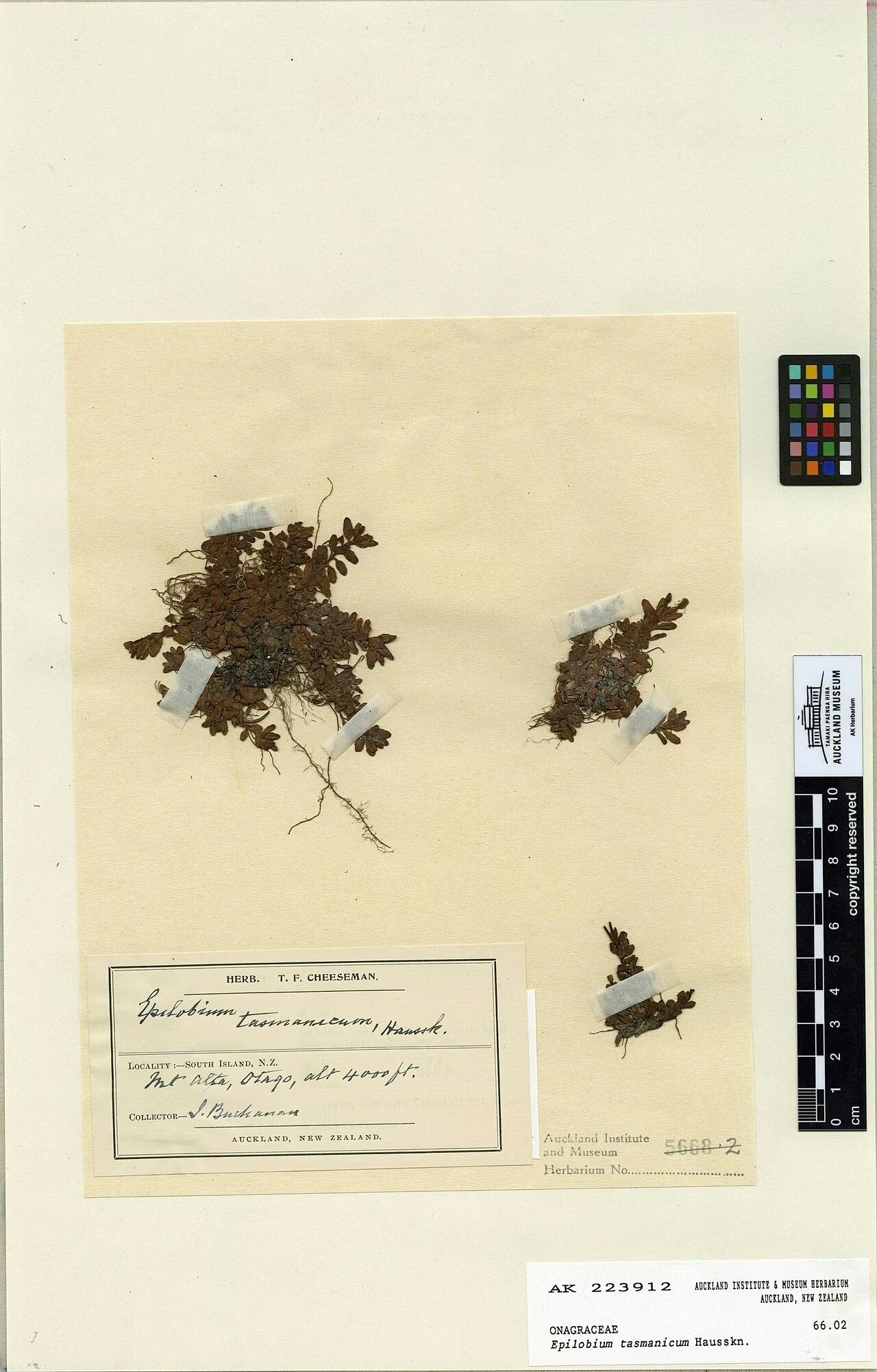
Epilobium tasmanicum is a small, mat-forming alpine willowherb that in New Zealand grows only in the mountains of the South Island, from Nelson to Southland. It creeps and roots at the nodes, sending up reddish stems no more than 15 cm tall with glossy, narrowly elliptic leaves and small white flowers in summer, followed by bright green, slightly fleshy seed capsules. It favours moist fellfield, herbfield and fine scree between about 1200 and 1500 m, often near melting snow or in glacial cirques. It is also native to Tasmania and New South Wales, and is ranked Not Threatened in New Zealand. Explore more native ground covers in our native plant guide.
Plant Description
Epilobium tasmanicum is a matted, creeping perennial herb whose stems root at the nodes as they spread. Erect flowering stems are reddish and reach up to 150 mm tall, and may be hairless or bear fine, flattened hairs. The leaves are mostly opposite, glossy and bright green, narrowly elliptic to elliptic, 6 to 20 mm long and 2 to 5.5 mm wide, with three to five small serrulate teeth along each side.
The flowers have white petals 3.3 to 5 mm long and are held on a nodding inflorescence. The ovary is 9 to 12 mm long and hairless, developing into a capsule 8 to 22 mm long that is bright green, glabrous and somewhat fleshy. The seeds are orange to orange-brown, 0.9 to 1.2 mm long, with a white coma of hairs 3 to 5 mm long.
NZPCN singles out the bright green, hairless, somewhat fleshy capsules as a key character, along with the narrowly elliptic, finely toothed glossy leaves, the nodding inflorescence and a range restricted to South Island alpine sites. Checking capsules in late summer is the easiest way to confirm the identification.
Quick Facts
| Scientific Name | Epilobium tasmanicum |
|---|---|
| Height | Up to 0.15 m |
| Spread | Creeping mats rooting at the nodes |
| Water Needs | Moist; often near snow-melt |
| Light | Full sun to light shade in open alpine sites |
| Frost Tolerance | Very high; an alpine species |
| Salt Tolerance | Low; an inland alpine plant |
| Growth Rate | Moderate |
| Lifespan | Perennial |
Climate Best Suited to
A plant of cold, snowy alpine climates with cool summers. It struggles in warm, humid lowland conditions and is best suited to southern and inland mountain gardens.
Regional Suitability
| City | Climate Suitability |
|---|---|
| Auckland | Low |
| Wellington | Low |
| Christchurch | Medium |
| Dunedin | Medium |
Plant Habitat
In New Zealand Epilobium tasmanicum is found only in the South Island, from Nelson to Southland. Outside New Zealand it occurs in New South Wales and Tasmania, the latter giving the species its name.
It is an alpine plant of 1200 to 1500 m, growing in moist fellfield and herbfield near cliff bases or among rocks, and on fine-grained scree, particularly near snow-melt or in glacial cirques where meltwater keeps the ground damp well into summer.
Growing Requirements
Soil Requirements
It grows in fine, gritty alpine soils and scree that hold moisture from melting snow yet never become stagnant.
- Gritty, fine scree or a sand and grit mix with a little organic matter
- Moist but well aerated
- Low fertility; rich soil encourages soft growth
Light Requirements
Its alpine sites are open and bright, although plants near cliff bases receive some shade for part of the day.
- Full sun in cool climates
- Light afternoon shade in warmer gardens
- Good air movement is important
Water Requirements
In nature it relies on meltwater seeping through scree, so it wants steady moisture at the roots with cool, airy conditions above.
- Keep the root zone evenly moist through summer
- Water from below or at the base to keep foliage dry
- Avoid warm, humid, stagnant conditions
Planting and Establishing
Grow it in a raised scree bed, trough or alpine house filled with a gritty mix, ideally where the roots can reach cool, moist grit beneath a stone. NZPCN notes it dislikes humidity and warmth, so choose the coolest, airiest spot available.
Plant in spring so it establishes during the cool, moist growing season, and top-dress with fine gravel to keep the stem bases dry while the roots stay moist.
Ecological Role
Its small white flowers are likely visited by the flies and small native bees that pollinate most alpine herbs, though specific pollinator records for this species were not found. The minute seeds have a coma of fine hairs and are dispersed by wind across scree and herbfield.
As a creeping mat-former on moving fine scree and snowbank margins, it helps colonise and bind unstable ground in the alpine zone alongside other small herbs.
Uses & Significance
Garden Uses
It is a specialist plant for alpine enthusiasts rather than a general garden subject.
- Alpine house or cold frame collections
- Moist scree beds and troughs
- Creeping between stones in a cool rockery
Ecological Value
It contributes to the diversity of small herbs on South Island alpine scree and snowbank sites.
- Binds fine scree with creeping rooted stems
- Provides summer flowers for alpine insects
- Part of the trans-Tasman alpine flora shared with Tasmania
Landscaping Uses
In a scree garden it can be allowed to creep among small cushion plants and around the bases of rocks, where its glossy green leaves and reddish stems contrast with grey stone.
It is too small and too fussy about warmth to be used in mass plantings; treat it as a detail plant in a carefully managed alpine feature.
Seasonal Care Calendar
Spring
In the mountains it emerges as snow recedes; in gardens growth resumes as temperatures rise.
- Top-dress with fresh grit
- Plant or divide rooted pieces
Summer
Flowering runs from about December to March, with capsules ripening from January to April.
- Keep the root zone moist and cool
- Shade from hot afternoon sun in lowland gardens
Autumn
Late capsules split and release seed while growth slows.
- Collect and sow fresh seed
- Reduce watering as temperatures fall
Winter
Naturally dormant under snow, it tolerates hard cold but resents winter wet around the crown.
- Keep pots in a cold frame or alpine house
- Ensure free drainage
When to Prune and How Much
No pruning is required. Simply remove any dead or rotting stems from the mat to keep air moving through it.
If a plant becomes straggly, lift and replant healthy rooted pieces into fresh grit rather than cutting it back hard.
How to Grow Willowherb
NZPCN describes Epilobium tasmanicum as easily grown from fresh seed and from rooted pieces. The challenge is not getting new plants started but keeping them alive afterwards, because this alpine willowherb dislikes warmth and humidity. Raise young plants in a cool, bright, well-ventilated place, use a gritty low-fertility mix, and grow them on in an alpine house or rockery. Only collect seed or pieces from cultivated plants, or with the appropriate permission on conservation land.
From Seed
Capsules ripen from January to April. Fresh seed gives the best results, so sow it soon after collection rather than storing it.
- Collect capsules as they turn from bright green and begin to split
- Sow fresh seed on the surface of a fine, gritty seed mix
- Keep the pot cool, moist and in good light with free air movement
- Prick out seedlings into individual pots of gritty mix when large enough to handle
- Grow on in a cold frame or alpine house
By Division of Rooted Pieces
Because the stems root at the nodes, small rooted portions can be detached from the edge of an established mat with little harm to the parent.
- In spring, separate a few rooted stems from the edge of the mat
- Pot into a mix of fine grit and a little peat-free potting mix
- Keep cool, moist and lightly shaded until new leaves appear
- Plant out into a scree bed once well rooted
Pests & Diseases
No specific pests are recorded for this species. In cultivation the most common problems are rot and collapse in warm, humid weather, and slugs grazing the soft new shoots.
Aphids can occasionally infest plants kept in a sheltered alpine house; good ventilation helps prevent this.
Cultural Significance
No traditional Māori name or use for Epilobium tasmanicum was found in the sources consulted.
The species was described by Carl Haussknecht in 1884 from Tasmanian material. Its name honours Tasmania, and indirectly the Dutch navigator Abel Janszoon Tasman, after whom the island is named; in New Zealand it is a reminder of the close links between the alpine floras on either side of the Tasman Sea.
Bonus Tip
If your plant sulks in a warm summer, plunge its pot up to the rim in a tray of damp sand in a shaded, breezy spot. The cool, moist sand imitates the meltwater-fed scree it grows on in the mountains and is often the difference between survival and collapse in lowland gardens.
Related Plants
Explore other native plants that share similar characteristics or habitats with Willowherb (Epilobium tasmanicum), offering further insights into New Zealand's diverse flora. These related species provide context and opportunities for complementary planting in your garden.
Grassland Willowherb
Epilobium pictum
Epilobium porphyrium
Epilobium porphyrium
Epilobium rostratum
Epilobium rostratum
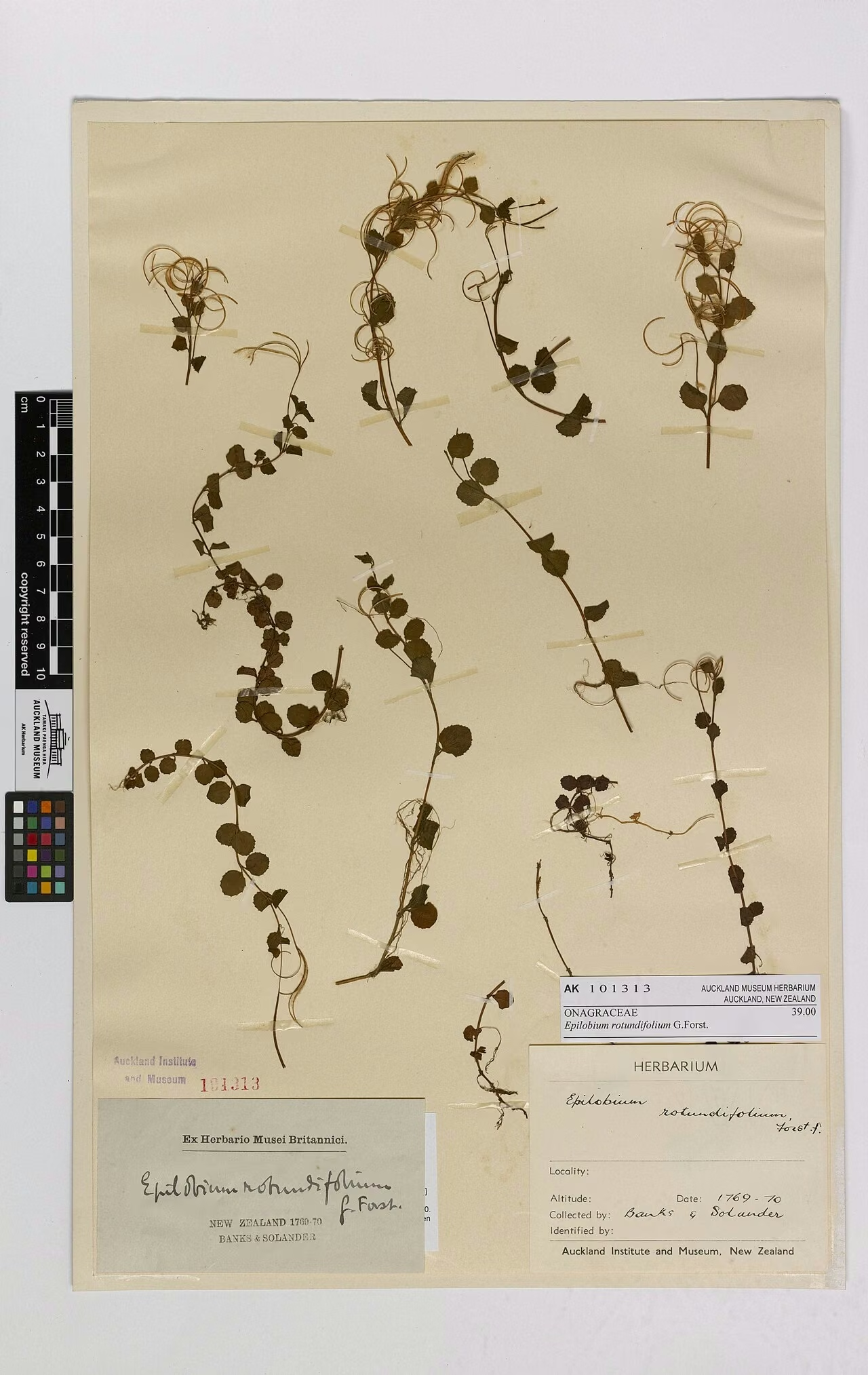
Round-Leaved Willowherb
Epilobium rotundifolium
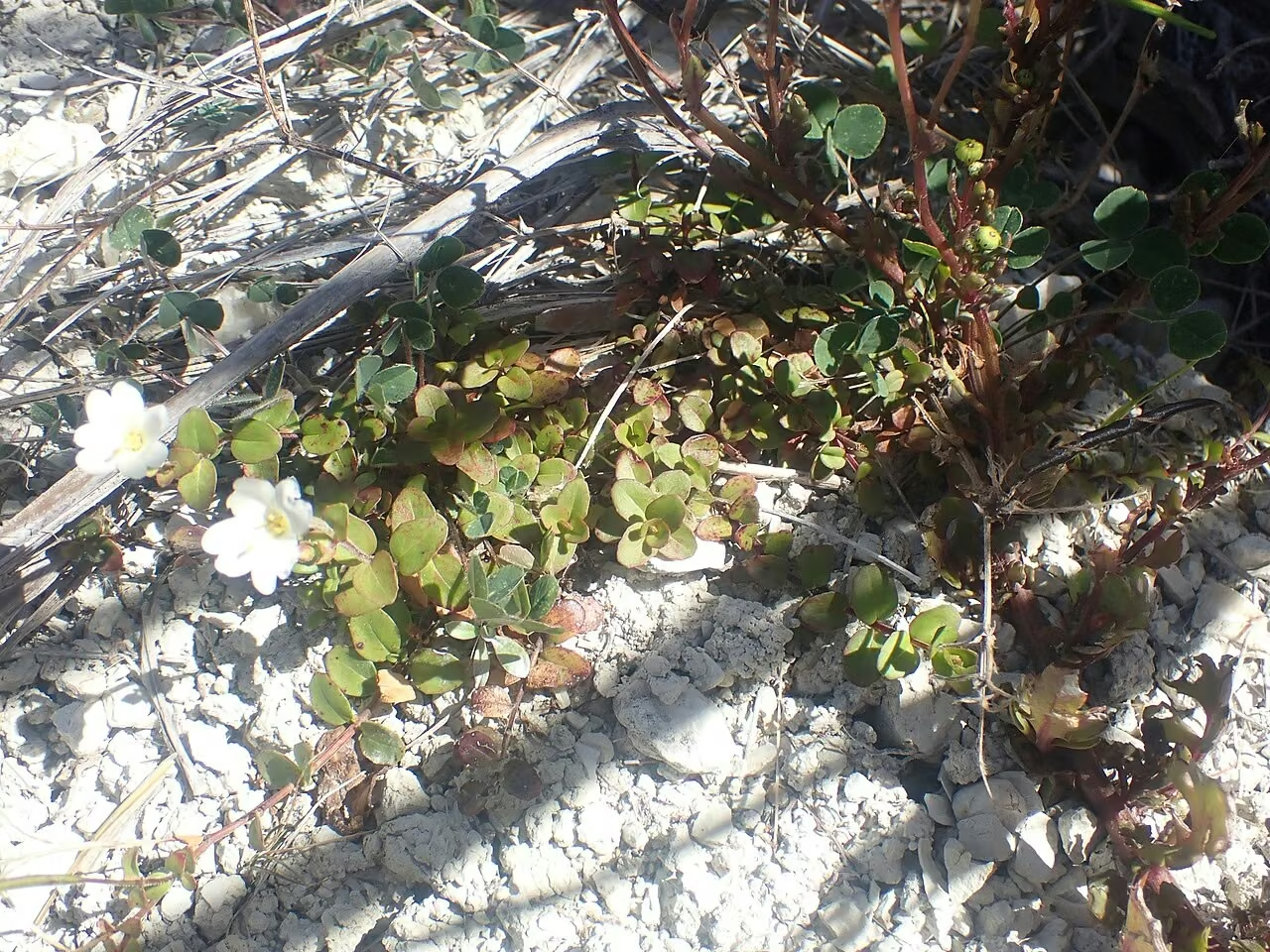
Wilson's Willowherb
Epilobium wilsonii
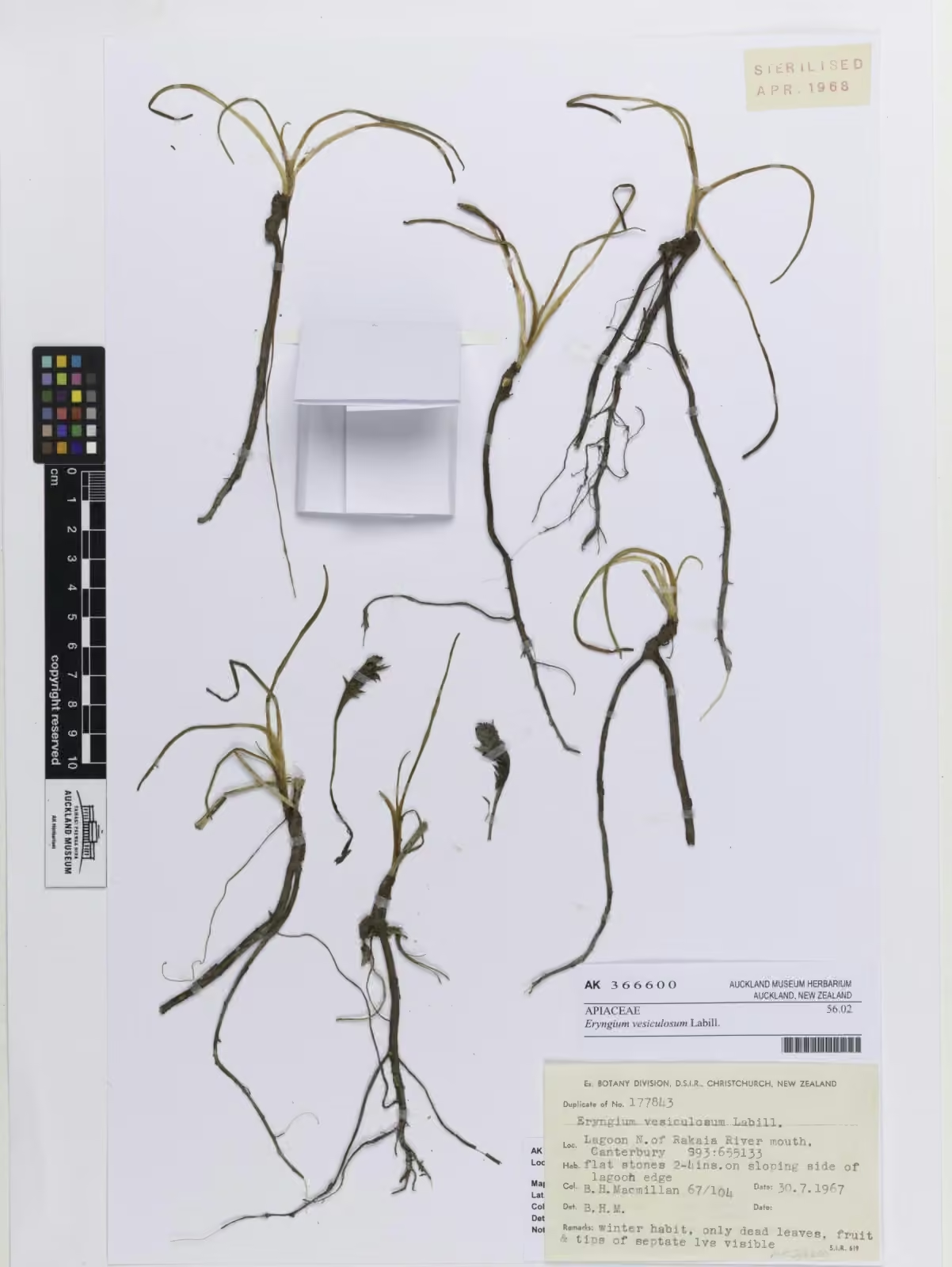
Eryngium undulatum
Eryngium undulatum
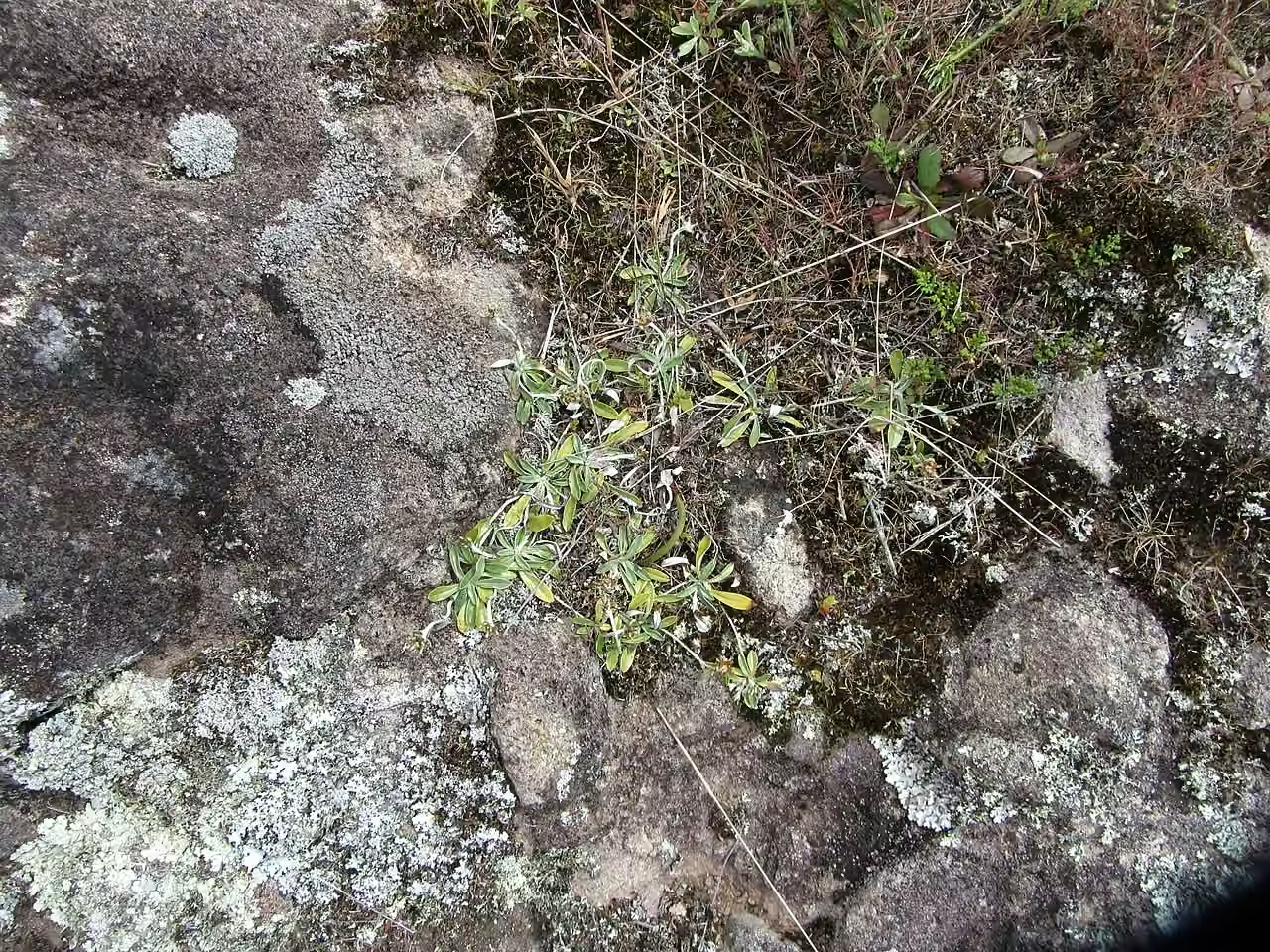
Euchiton audax
Euchiton audax
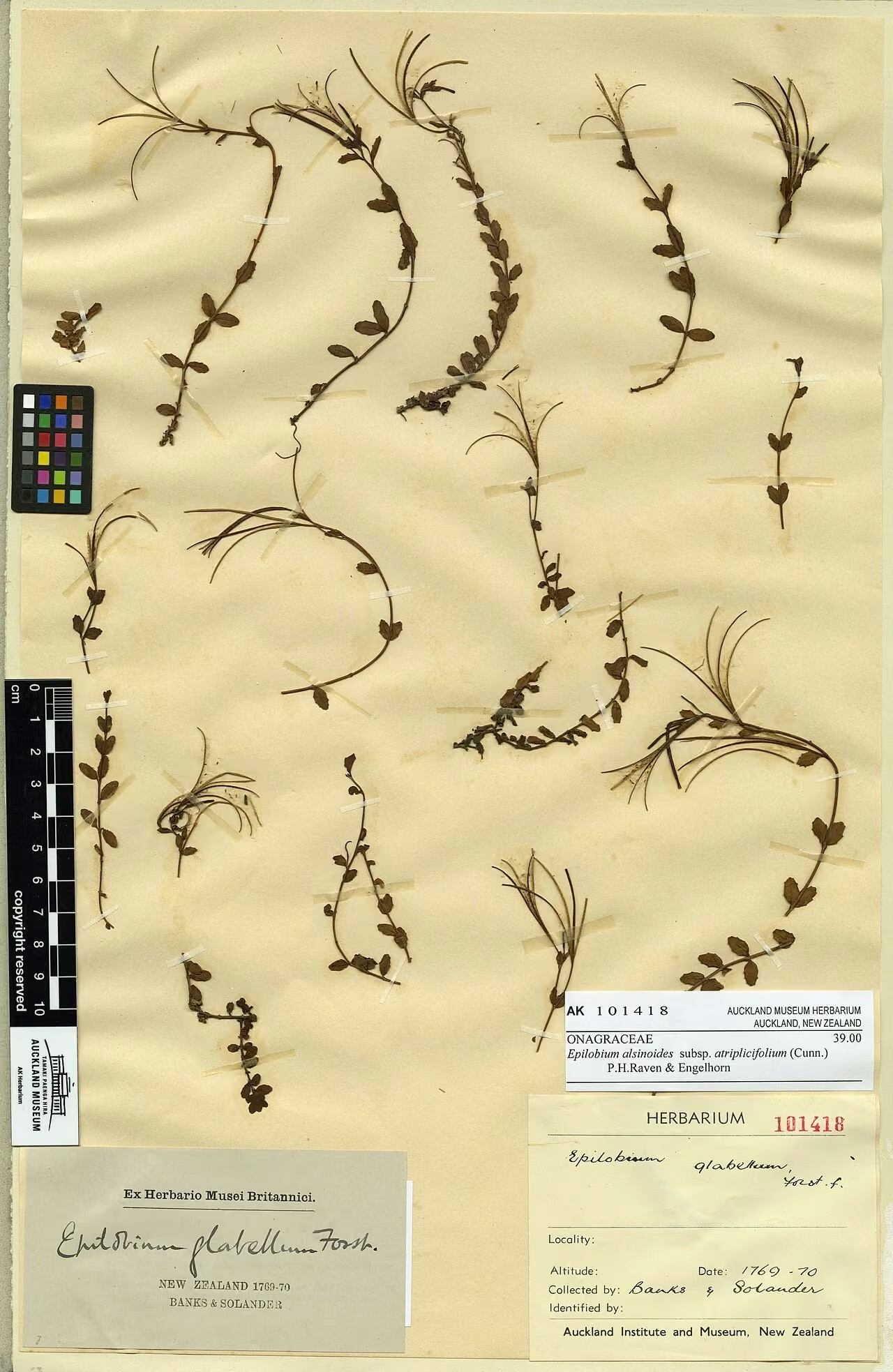
Epilobium alsinoides
Epilobium alsinoides
Plant Conservation
Epilobium tasmanicum is ranked Not Threatened in New Zealand (2023), with the qualifier Secure Overseas because it is also native to Tasmania and New South Wales. Its alpine habitat is largely within conservation land.
Staying on tracks on alpine scree and herbfield avoids trampling the small mats, and controlling weeds and browsing mammals in alpine areas protects the wider community it belongs to.
Frequently Asked Questions
Is Epilobium tasmanicum native to New Zealand?
Yes. It is indigenous to New Zealand, where it grows in South Island alpine areas, but it is not endemic because it also occurs naturally in Tasmania and New South Wales.
Where can you find Epilobium tasmanicum in the wild?
Look in moist alpine fellfield and herbfield near cliff bases and rocks, or on fine-grained scree near snowbanks and glacial cirques, at about 1200 to 1500 m between Nelson and Southland.
How do you tell Epilobium tasmanicum from other alpine willowherbs?
NZPCN highlights its restriction to South Island alpine sites, bright green narrowly elliptic leaves with finely toothed margins, a nodding inflorescence and bright green, hairless, somewhat fleshy capsules.
Can Epilobium tasmanicum be grown in a garden?
It grows easily from fresh seed and rooted pieces but dislikes warmth and humidity, so NZPCN recommends a rockery or alpine house rather than an ordinary lowland border.
Sources and Further Reading
The botanical, growing, and conservation details for Willowherb (Epilobium tasmanicum) on this page draw on the New Zealand plant references below. Consult them for full technical records and the latest distribution data.