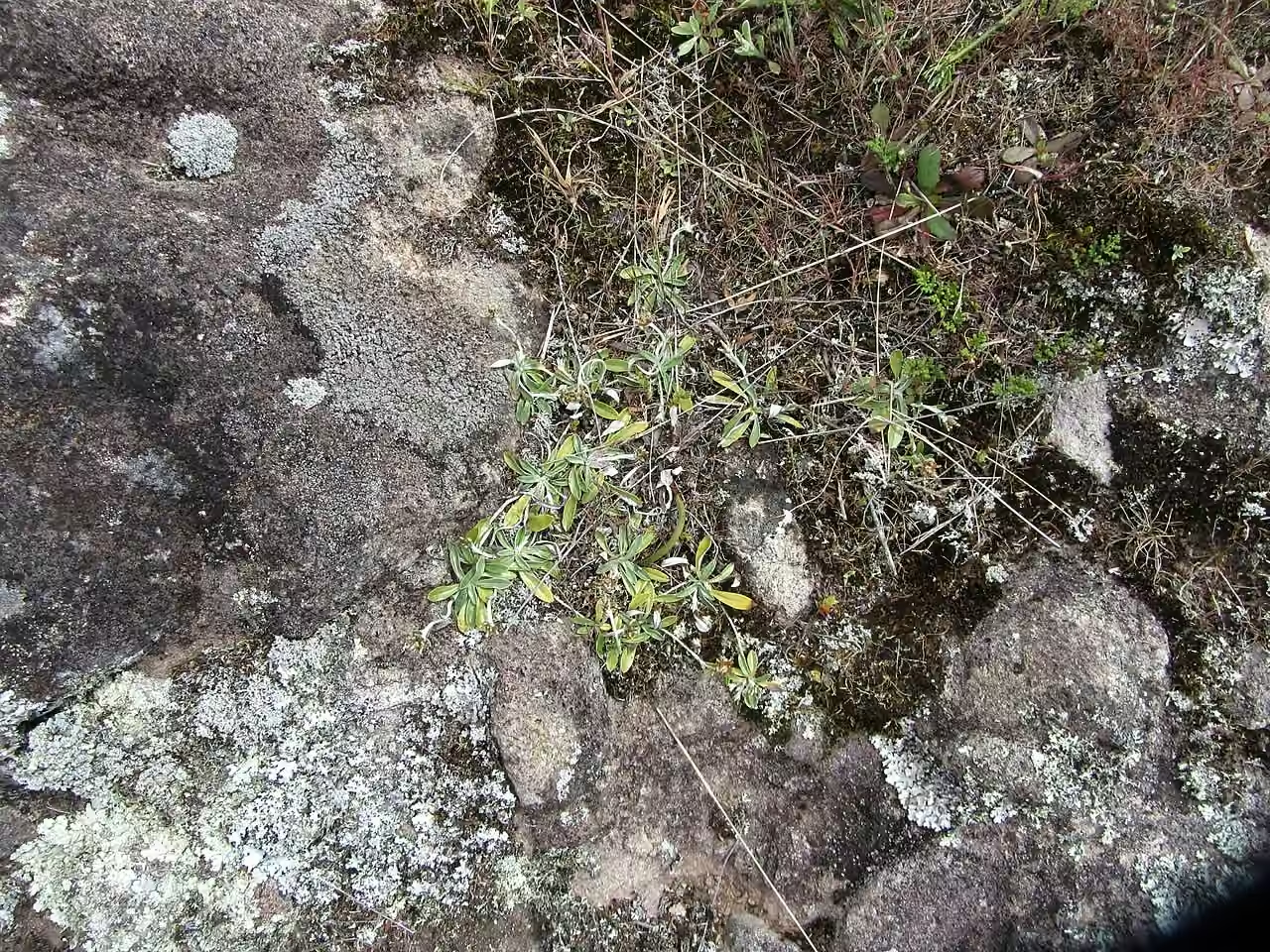
Creeping Cudweed
Euchiton audax
Last updated:
Creeping cudweed (Euchiton audax) is a small, stoloniferous perennial daisy endemic to New Zealand and found on the North, South and Chatham Islands. It spreads by runners to form loose patches of rosettes whose leaves are densely white-woolly underneath, sending up usually unbranched stems 5 to 20 cm tall topped by a dense cluster of tiny flower heads with yellowish to pale brown bracts. It favours dry, short tussock grassland from the lowlands to the subalpine zone, and also turns up on forest margins, riverbeds, rock outcrops, pasture and waste ground. It is ranked Not Threatened nationally, although it is declining in the Auckland region. Explore more native ground covers in our native plant guide.
Plant Description
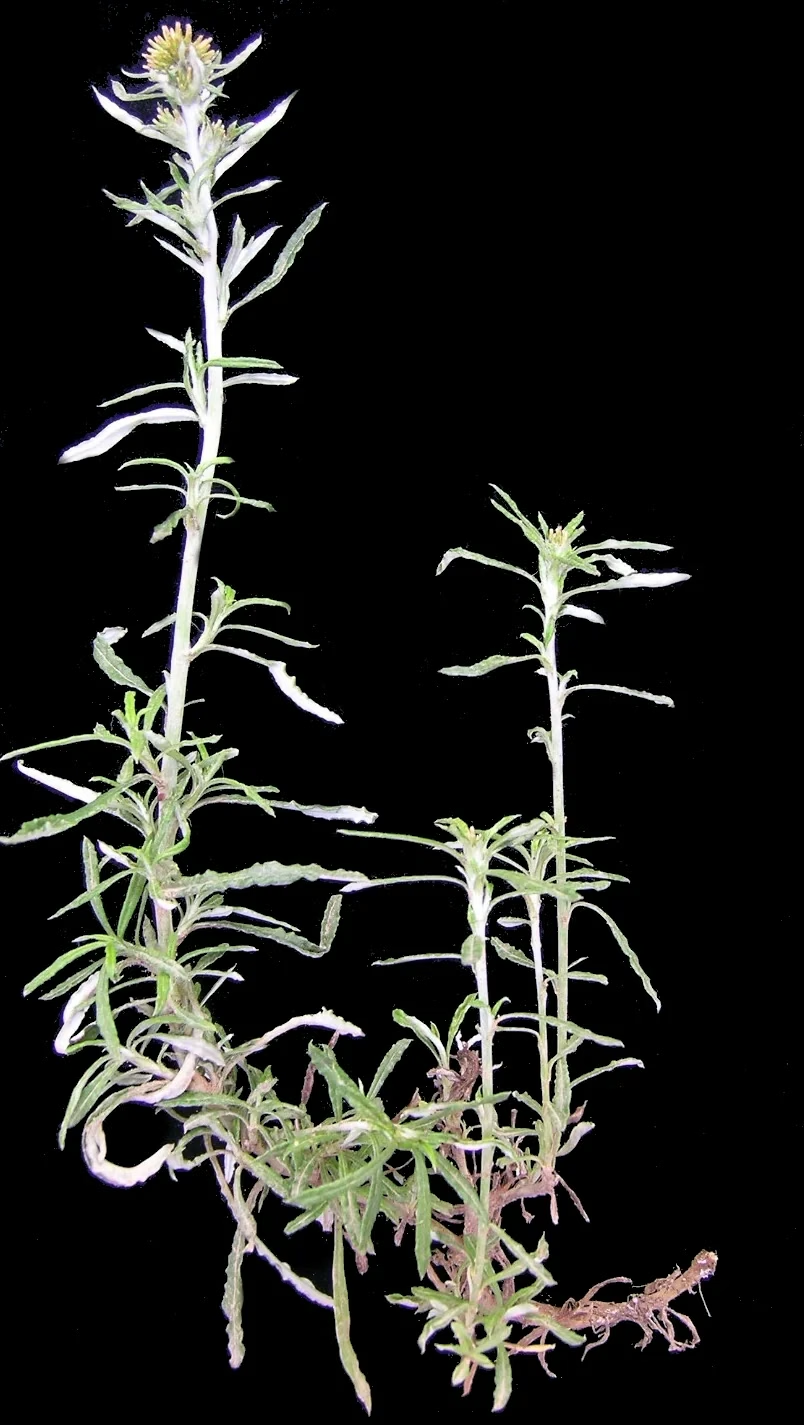
Euchiton audax is a stoloniferous perennial herb. It produces one to a few stems that are usually ascending, sometimes erect, and usually simple, rarely sparingly branched, mostly 5 to 20 cm tall but occasionally as short as 2 cm or as tall as 40 cm. The basal leaves are short-stalked, narrowly to broadly obovate, mostly 15 to 40 mm long and 5 to 12 mm wide, and densely white-tomentose on the lower surface.
The flower heads (capitula) are tiny, about 1 to 2 mm in diameter, and are packed into a dense terminal cluster. The involucral bracts are 3.5 to 4 mm long with a yellow to pale brown lamina. The fruits (achenes) are minutely papillate, about 0.7 mm long, and carry a pappus of fine bristles.
NZPCN distinguishes it from Euchiton ruahinicus by its broader, more obtuse basal leaves and paler bract lamina. Euchiton japonicus, which grows in similar places, differs in having bright green, sparsely hairy leaves rather than leaves with a dense white felt underneath.
Quick Facts
| Scientific Name | Euchiton audax |
|---|---|
| Height | 0.05-0.2 m (rarely to 0.4 m) |
| Spread | Patches formed by stolons |
| Water Needs | Low; prefers dry, well-drained sites |
| Light | Full sun |
| Frost Tolerance | High; grows to the subalpine zone |
| Salt Tolerance | Moderate; recorded from coastal sites |
| Growth Rate | Moderate |
| Lifespan | Perennial |
Climate Best Suited to
Suits a wide range of New Zealand climates but is most at home in drier, sunny districts with short tussock grassland, including frosty inland basins.
Regional Suitability
| City | Climate Suitability |
|---|---|
| Auckland | Medium |
| Wellington | High |
| Christchurch | High |
| Dunedin | High |
Plant Habitat
Creeping cudweed is endemic to New Zealand and is recorded from the North Island, South Island and Chatham Islands, including Pitt Island (Rangiauria). It ranges from lowland to subalpine elevations.
Its favoured habitat is dry short tussock grassland, but it also grows on forest margins and in clearings, at coastal sites, in scrubland, on rock outcrops and riverbeds, and in pasture and waste places. Its wetland indicator status is Facultative Upland, meaning it usually grows away from wetlands.
Growing Requirements
Soil Requirements
It grows on thin, stony and often infertile soils in grassland, riverbeds and rock outcrops, and does not need rich ground.
- Free-draining stony, sandy or silty soils
- Tolerates low fertility
- Avoid heavy, waterlogged clay
Light Requirements
Short tussock grassland and open riverbeds give it full exposure, and it becomes weak and leggy in shade.
- Full sun
- Open sites with little competition from tall plants
- Tolerates light shade at forest margins
Water Requirements
Adapted to dry grassland and stony riverbeds, it tolerates summer dryness once established and is more likely to suffer from wet feet than drought.
- Water only to establish new plants
- Allow the soil to dry between waterings
- Good drainage is more important than regular watering
Planting and Establishing
Plant in spring or autumn into a sunny, open patch of free-draining ground, such as a dry meadow planting, gravel garden or between stones. Space plants 15 to 20 cm apart and their stolons will gradually join up.
Keep taller grasses and weeds away while it establishes, because this small herb is easily overtopped.
Ecological Role
Its tiny, densely clustered flower heads are visited by small insects, though specific pollinator studies for this species were not found. NZPCN records that its pappus-bearing seeds (cypselae) are dispersed by wind and water.
As a colonist of riverbeds, clearings and disturbed grassland it is one of the small native herbs that occupies gaps between tussocks, and it persists in modified habitats such as pasture.
Uses & Significance
Garden Uses
Creeping cudweed is a modest plant best suited to naturalistic dry plantings and to gardeners interested in the smaller members of the native flora.
- Gaps in dry tussock or meadow plantings
- Gravel gardens and rock gardens
- Silvery-backed foliage in small containers
- Low cover between paving stones in sunny spots
Ecological Value
It contributes to the diversity of native herbs in dry grassland and riverbed communities.
- Native component of short tussock grassland
- Quick coloniser of bare, disturbed ground
- Food source for small flower-visiting insects
Landscaping Uses
Use it in drifts between small tussocks such as Festuca and Poa to recreate a dry grassland look, where the white undersides of the leaves catch the light when the wind lifts them.
It is best treated as a supporting plant at the front of a gravel bed or along the edge of a path, rather than as a feature plant.
Seasonal Care Calendar
Spring
Rosettes produce fresh leaves and stolons begin extending across bare ground.
- Plant or divide
- Weed around young patches
Summer
Upright stems carry clusters of tiny flower heads; exact flowering months are not given in the sources consulted.
- Water new plants during dry spells
- Watch for fluffy seed forming on the heads
Autumn
Seed is shed and blown or washed away, and new rosettes form at the ends of stolons.
- Collect seed heads if wanted
- Good season to plant
Winter
Plants persist as low rosettes through frost.
- Little care needed
- Ensure drainage stays clear
When to Prune and How Much
No pruning is needed. Pull off spent flowering stems once they have dried if you want a tidier appearance.
If patches become sparse, lift and replant young rosettes from the stolon tips rather than cutting the plant back.
How to Grow Creeping Cudweed
Specific propagation notes for Euchiton audax are not given on its NZPCN fact sheet. However, its structure makes propagation straightforward in principle: it spreads by stolons that form new rosettes, and it produces abundant small seeds with a pappus. The methods below are based on these features and on general practice with small native daisies. Take divisions or seed from cultivated plants, or collect only small amounts from abundant wild populations with the landowner's permission.
From Seed
The fruits are tiny achenes about 0.7 mm long carrying a pappus, so they are easily lost to the wind once ripe. Collect heads as soon as they turn fluffy.
- Pick flower clusters when the pappus begins to fluff up
- Rub the heads gently over a sheet of paper to release the seed
- Sow on the surface of a free-draining seed mix without covering
- Keep lightly moist in a bright, sheltered place
- Pot seedlings individually once they form small rosettes
By Division of Stolons
New rosettes form along the runners and root into the soil, making this the quickest way to produce a few new plants.
- Find rosettes that have rooted at the end of stolons
- Cut the stolon on the parent side and lift the rosette with its roots
- Pot into a gritty mix or replant directly in a sunny spot
- Water in and keep moist for a couple of weeks while it settles, then reduce watering
Pests & Diseases
No specific pests are recorded. Slugs and snails may graze young rosettes, and plants can rot in wet, poorly drained soil.
In the wild, competition from tall exotic pasture grasses and weeds is more of a problem than pests, as it overshadows the small rosettes.
Cultural Significance
No traditional Māori name or use for Euchiton audax was found in the sources consulted.
The species was first described by D.G. Drury in 1972 as Gnaphalium audax and later transferred to Euchiton by Holub. The genus name comes from the Greek eu (good) and chiton (tunic or covering), and audax is Latin for bold.
Bonus Tip
When identifying cudweeds, turn the leaves over. A dense white felt under the basal leaves, together with short-stalked, fairly broad, blunt leaves, points to Euchiton audax, while a green, nearly hairless leaf suggests Euchiton japonicus. Checking several rosettes avoids being misled by a single atypical leaf.
Related Plants
Explore other native plants that share similar characteristics or habitats with Creeping Cudweed (Euchiton audax), offering further insights into New Zealand's diverse flora. These related species provide context and opportunities for complementary planting in your garden.
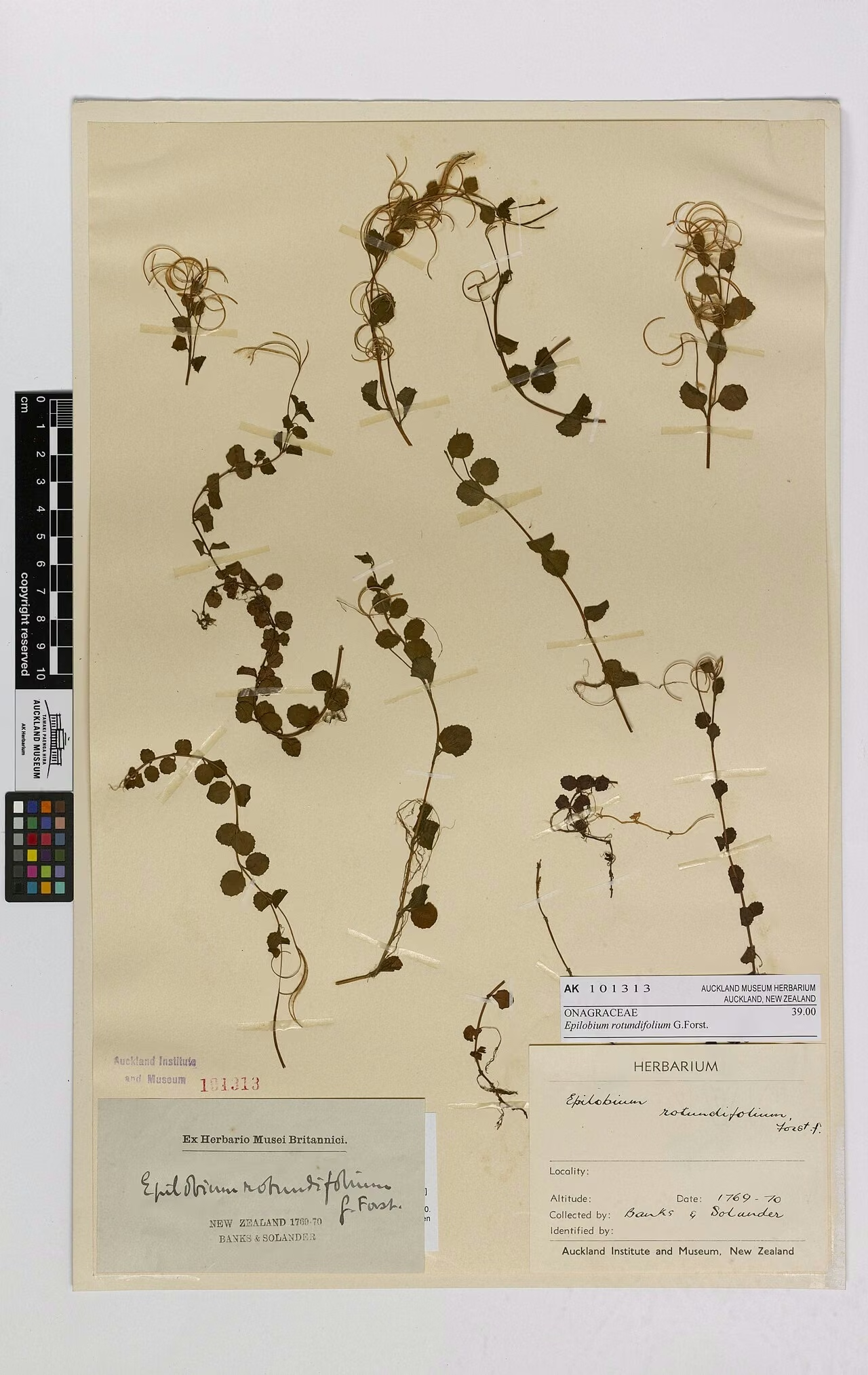
Round-Leaved Willowherb
Epilobium rotundifolium
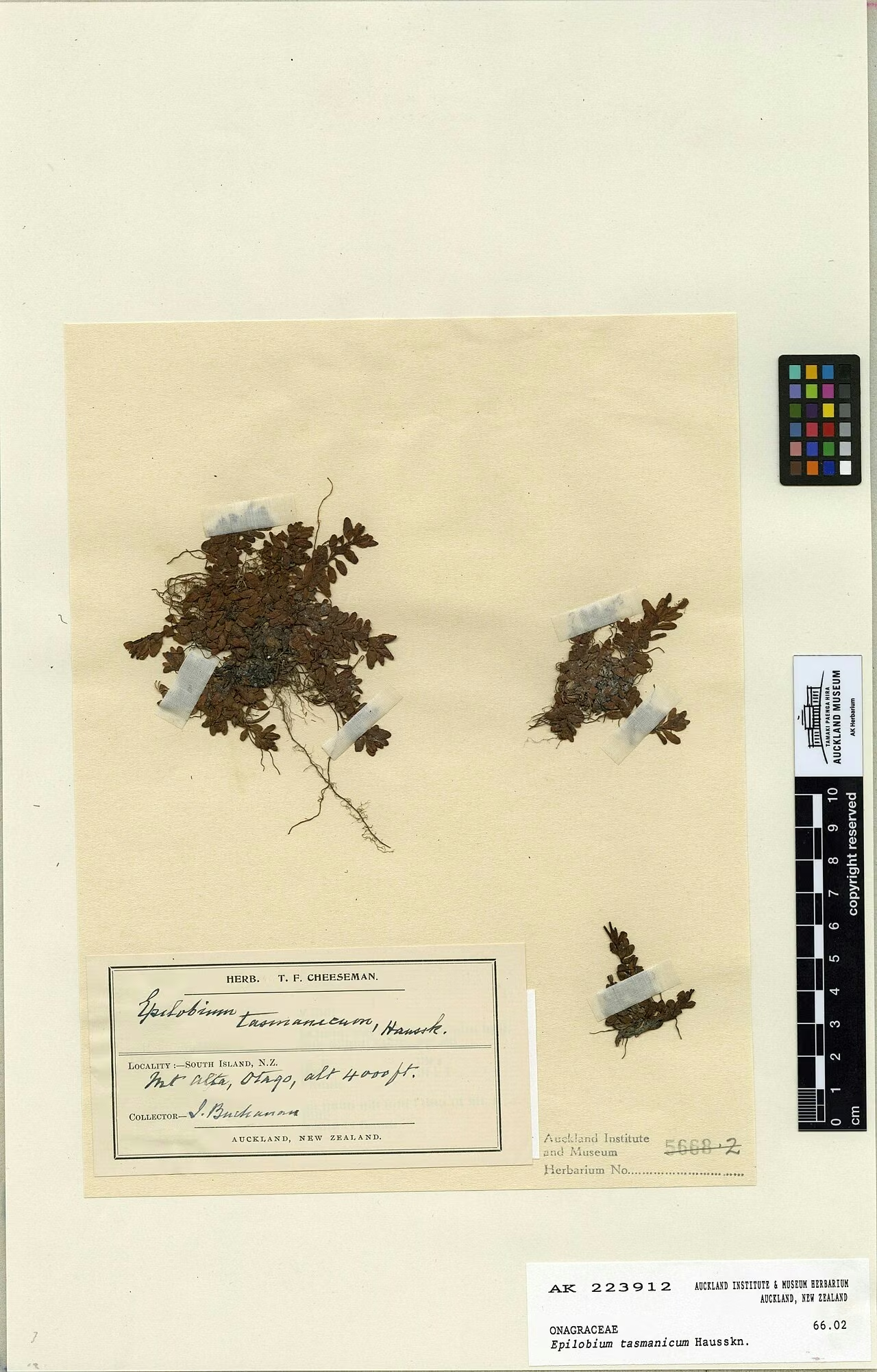
Epilobium tasmanicum
Epilobium tasmanicum
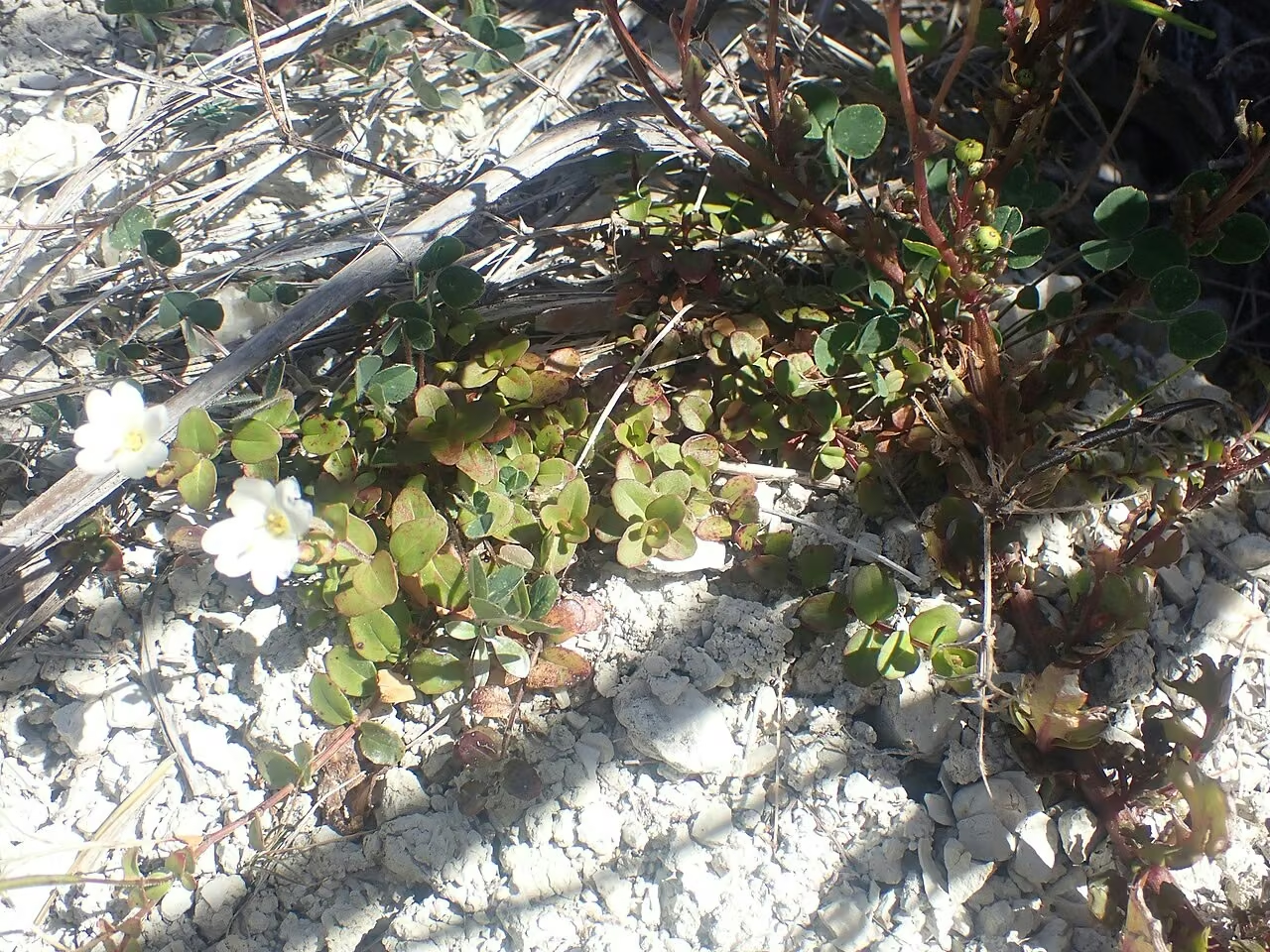
Wilson's Willowherb
Epilobium wilsonii
Eryngium undulatum
Eryngium undulatum
Euchiton limosus
Euchiton limosus
Euchiton paludosus
Euchiton paludosus
Native Cudweed
Euchiton polylepis
Involucratus Plant
Involucratus Plant
Plant Conservation
Euchiton audax is ranked Not Threatened (2023) and has held that ranking in every assessment since 2004. It is widespread and copes with modified habitats such as pasture.
Regionally, however, it is assessed as Regionally At Risk - Regionally Declining in Auckland and Data Deficient in Northland (2025 to 2026), so retaining open, short grassland and rocky sites in the north helps maintain local populations.
Frequently Asked Questions
What is creeping cudweed in New Zealand?
Creeping cudweed is Euchiton audax, an endemic perennial in the daisy family that spreads by stolons and has leaves densely covered in white wool underneath, with small clustered flower heads on short upright stems.
How do you tell Euchiton audax from Euchiton japonicus?
Euchiton japonicus has bright green leaves that are only sparsely hairy, whereas Euchiton audax has basal leaves densely white-tomentose beneath. NZPCN also separates E. audax from E. ruahinicus by its broader, blunter basal leaves and paler bracts.
Where does Euchiton audax grow?
It occurs on the North, South and Chatham Islands, favouring dry short tussock grassland from lowland to subalpine elevations, and also grows on forest margins and clearings, coastal sites, scrubland, rock outcrops, riverbeds, pasture and waste places.
Is creeping cudweed a weed?
No. Euchiton audax is an endemic native plant ranked Not Threatened, though it readily colonises disturbed ground such as pasture and waste places.
Sources and Further Reading
The botanical, growing, and conservation details for Creeping Cudweed (Euchiton audax) on this page draw on the New Zealand plant references below. Consult them for full technical records and the latest distribution data.