Willowherb
Epilobium rostratum
Last updated:
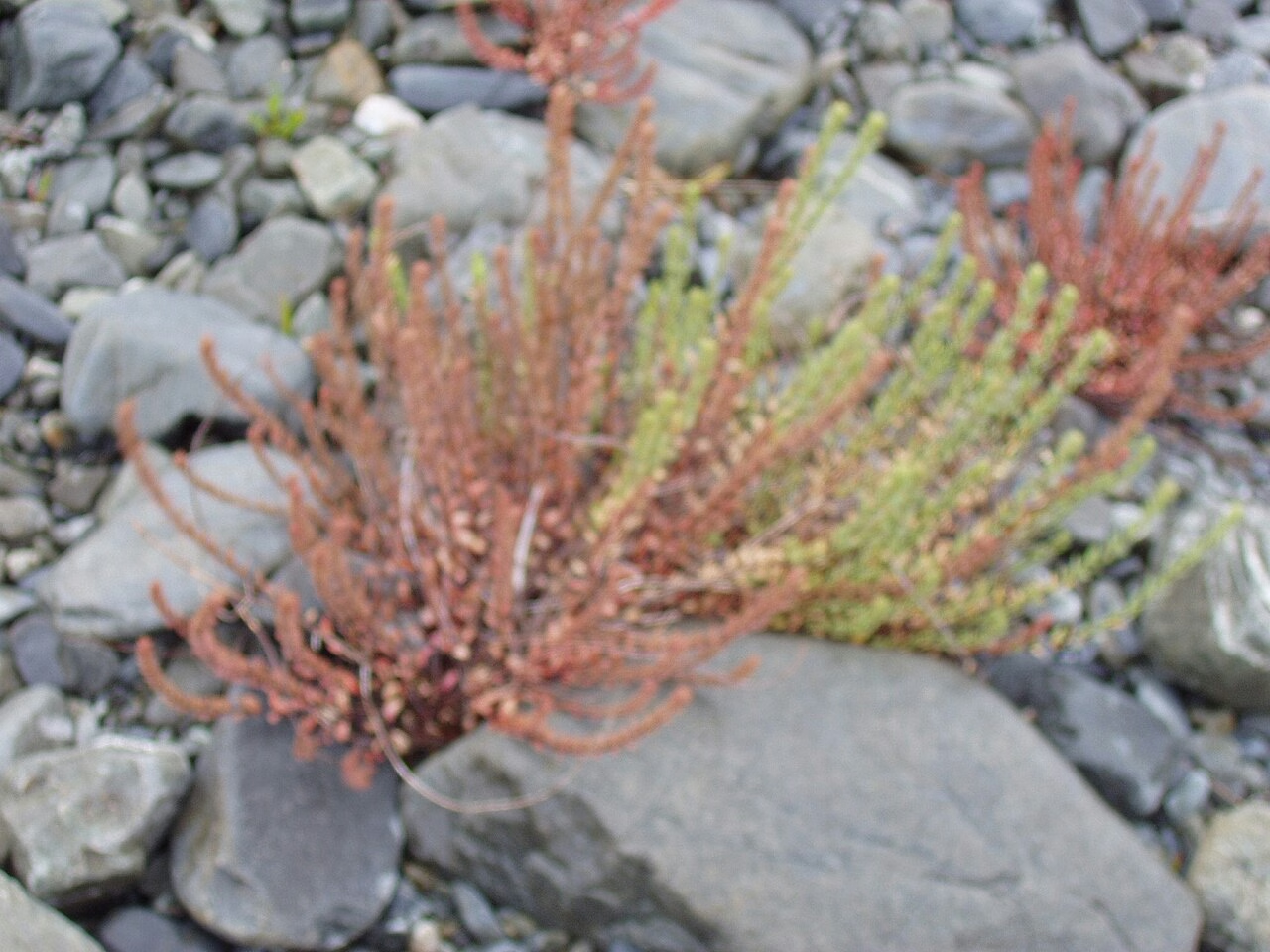
Epilobium rostratum is a low, tufted willowherb endemic to the eastern South Island, only 4 to 12 cm tall and well branched from the base. Its grey-green or reddish stems are covered in short hairs, the narrow leaves are 4 to 9 mm long, and the white or rose-purple flowers become flushed rose after pollination, appearing from December to February. Its name, meaning beaked, refers to its hairy, prominently beaked capsules, which open late. It grows on stony ground and in tussock grassland at 300 to 850 m from the Awatere and Clarence catchments south to Naseby and the upper Clutha. It is ranked Not Threatened. Explore more native flowering plants in our native plant guide.
Plant Description
Epilobium rostratum is a low, tufted herb 4 to 12 cm tall, well branched from the base and sometimes also above. The stems are grey-green or reddish and more or less densely covered with short, erect or flattened, non-glandular hairs. The leaves are narrowly elliptic and small, 4 to 9 mm long and 1 to 3 mm wide.
The flowers have a floral tube 0.5 to 1 mm deep that is densely hairy outside, and white or rose-purple petals 2.8 to 9 mm long that become flushed rose after pollination. Flowering is from December to February. The capsules are densely covered in erect or flattened hairs, 1 to 1.9 cm long, nearly stalkless and prominently beaked.
The Flora of New Zealand singles out its tardily opening capsules with prominent beaks as the key distinguishing feature. Together with its small size, hairy grey-green stems and narrow leaves, this sets it apart from other low willowherbs of dry eastern grassland.
Quick Facts
| Scientific Name | Epilobium rostratum |
|---|---|
| Height | 0.04-0.12 m |
| Spread | Small tufts, about 0.1 m |
| Water Needs | Low; dry stony ground |
| Light | Full sun |
| Frost Tolerance | High; inland South Island |
| Salt Tolerance | No information available |
| Growth Rate | Slow to moderate |
| Lifespan | Perennial |
Climate Best Suited to
Suits the dry, continental climates of inland Marlborough, Canterbury and Otago, with hot dry summers and cold, frosty winters.
Regional Suitability
| City | Climate Suitability |
|---|---|
| Auckland | Low |
| Wellington | Low |
| Christchurch | Medium |
| Dunedin | Medium |
Plant Habitat
Epilobium rostratum is endemic to the South Island east of the Main Divide, from the catchments of the Awatere, Clarence, Ashley and Waimakariri Rivers south to Naseby and the upper Clutha River.
It grows on stony ground and in tussock grassland at 300 to 850 m, occasionally following large rivers down to as low as 45 m.
Growing Requirements
Soil Requirements
It grows on stony ground and among tussocks, typically in shallow, free-draining soils.
- Stony, gritty, free-draining soil
- Low fertility
- Avoid heavy or wet ground
Light Requirements
Its open stony and tussock grassland habitat provides full sun.
- Full sun
- Open position free of overhanging plants
Water Requirements
Its eastern South Island range is among the driest parts of New Zealand, so it is adapted to dry conditions.
- Water sparingly
- Sharp drainage essential
- Avoid humid, wet sites
Planting and Establishing
No cultivation notes for Epilobium rostratum were found in the sources consulted. If grown, a sunny, gravelly bed, trough or pot of very free-draining mix, kept on the dry side, would best match its stony habitat.
It is likely to do best in dry eastern districts such as Canterbury and Central Otago; in humid northern areas grow it under cover with good airflow.
Ecological Role
Epilobium rostratum is part of the low herb flora of stony ground and short tussock grassland in the drylands east of the South Island's Main Divide, and it also follows large braided rivers to lower elevations. Its minute seeds have a tuft of hairs and are dispersed by wind (Thorsen et al. 2009).
Its capsules are slow to split, which may hold seed on the plant for longer than in most willowherbs. No information on its pollinators was found in the sources consulted.
Uses & Significance
Garden Uses
A plant mainly of interest to dryland and alpine enthusiasts; it is very small and not commercially available.
- Dryland gravel gardens
- Troughs and small pots
- Collections of eastern South Island natives
Ecological Value
It belongs to the eastern South Island dryland flora, an ecosystem that has been heavily modified and invaded by weeds.
- Endemic to the eastern South Island
- Part of stony grassland and riverbed communities
- Regionally Vulnerable in Otago
Landscaping Uses
In a dryland garden, small tufts of Epilobium rostratum could be tucked between stones alongside short tussocks, where the grey-green stems and rose-flushed flowers can be seen at close range.
Keep it away from vigorous groundcovers that would smother such a tiny plant.
Seasonal Care Calendar
Spring
New shoots appear from the branched base.
- Weed around plants
- Top-dress with fine gravel
Summer
White to rose-purple flowers open from December to February.
- Water only in severe drought
- Keep the site open and sunny
Autumn
The beaked capsules ripen and open slowly.
- Collect seed from cultivated plants
- Sow fresh
Winter
Plants rest through cold, frosty inland winters.
- Keep pots dry
- Protect from prolonged wet
When to Prune and How Much
No pruning is needed for this tiny tufted herb.
Remove dead stems in late winter to tidy the tuft, leaving capsules on until seed has been collected.
How to Grow Willowherb
No propagation information specific to Epilobium rostratum was found in the NZPCN fact sheet or the Flora of New Zealand, and it is not known to be in commercial cultivation. The guidance below is general, based on its biology and on methods that work for other small New Zealand willowherbs. Its capsules are slow to open, so they can be collected when brown and dry and allowed to split indoors in a paper bag. The minute seeds carry a tuft of hairs and should be sown fresh. Because the plant branches from the base, small basal shoots may also root as cuttings. Given its Regionally Vulnerable status in Otago, collect seed only from cultivated plants or with permission, and grow seedlings in a lean, very free-draining mix in full sun.
From Seed
Gather capsules from late summer once they have turned brown.
- Collect ripe, dry capsules and place them in a paper bag
- Leave in a dry place until the beaked capsules split
- Sow seed on the surface of a gritty seed mix
- Keep lightly moist in full light with good ventilation
- Pot on seedlings into lean, gravelly mix once they have several leaves
From Cuttings
Short basal shoots can be tried as cuttings in spring.
- Take small shoots from the base of a cultivated plant
- Remove the lowest leaves
- Insert into pumice or coarse sand
- Keep barely moist and out of hot midday sun until rooted
Pests & Diseases
No pests or diseases are recorded for Epilobium rostratum in the sources consulted. Overwatering and humidity are the most likely causes of failure in cultivation.
In the wild, its eastern dryland and riverbed habitats are affected by weed invasion and land development, although specific threats to this species are not documented in the sources consulted.
Cultural Significance
No traditional Māori name or use is recorded for Epilobium rostratum in the sources consulted.
It was described by Thomas Cheeseman. A variety was once recognised within it, but the Flora of New Zealand now treats it as a synonym of the species. The epithet rostratum means beaked, after its distinctive capsules.
Bonus Tip
If you are trying to identify a tiny hairy willowherb on stony ground in Canterbury or Marlborough, look at the seed capsules: short, densely hairy, nearly stalkless capsules ending in an obvious beak point strongly to E. rostratum.
Related Plants
Explore other native plants that share similar characteristics or habitats with Willowherb (Epilobium rostratum), offering further insights into New Zealand's diverse flora. These related species provide context and opportunities for complementary planting in your garden.
Epilobium pernitens
Epilobium pernitens
Rock Willowherb
Epilobium petraeum
Grassland Willowherb
Epilobium pictum
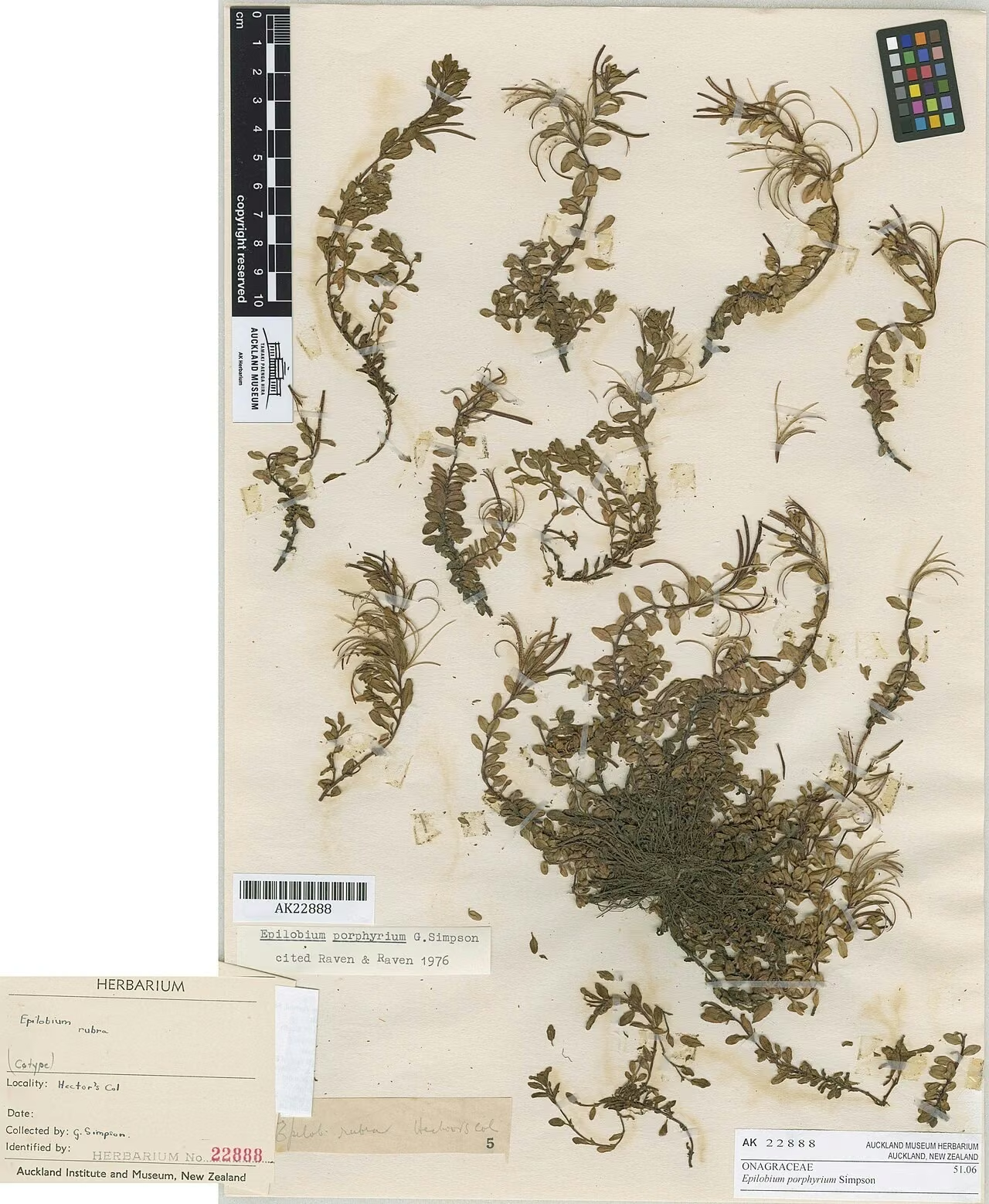
Epilobium porphyrium
Epilobium porphyrium
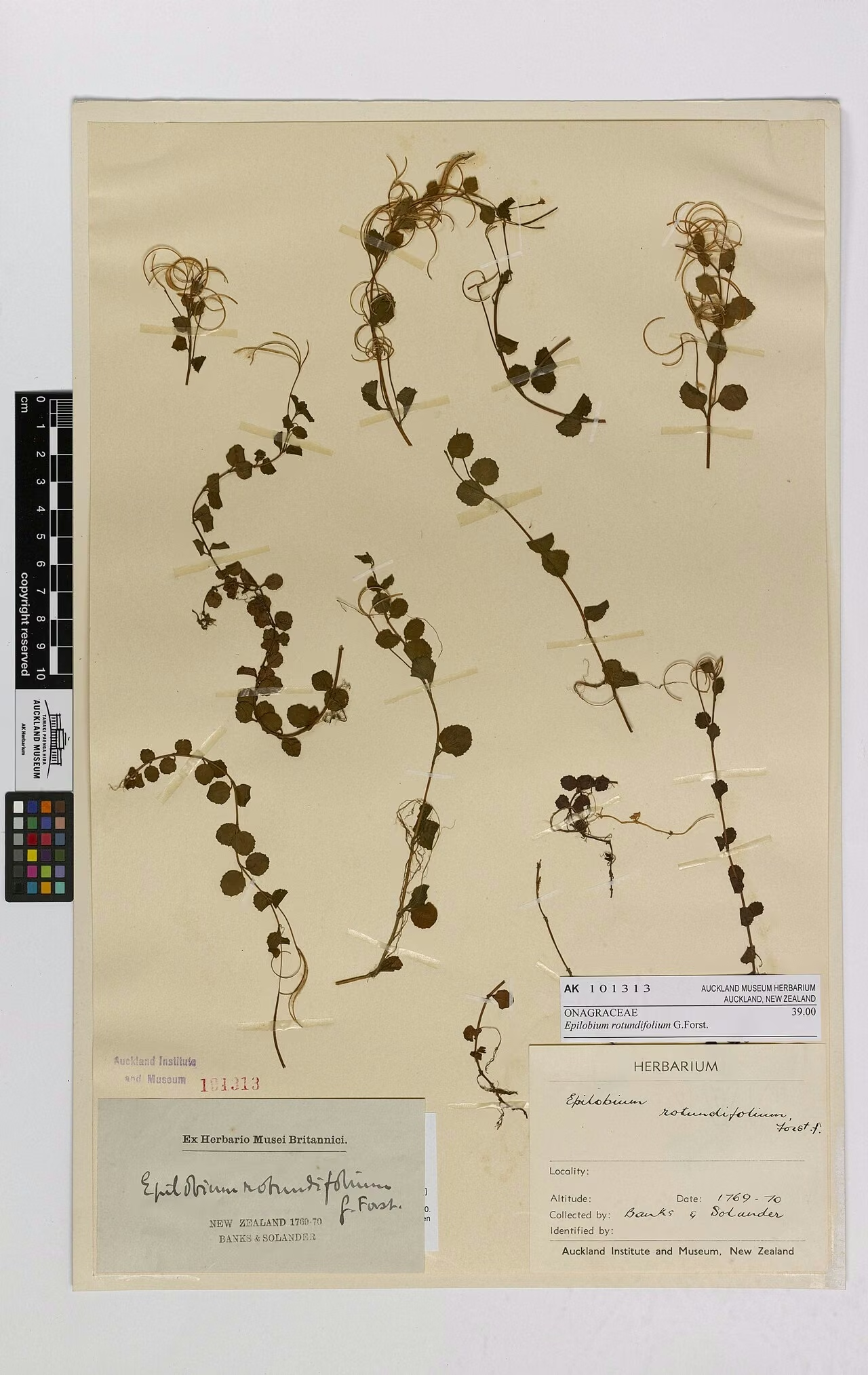
Round-Leaved Willowherb
Epilobium rotundifolium
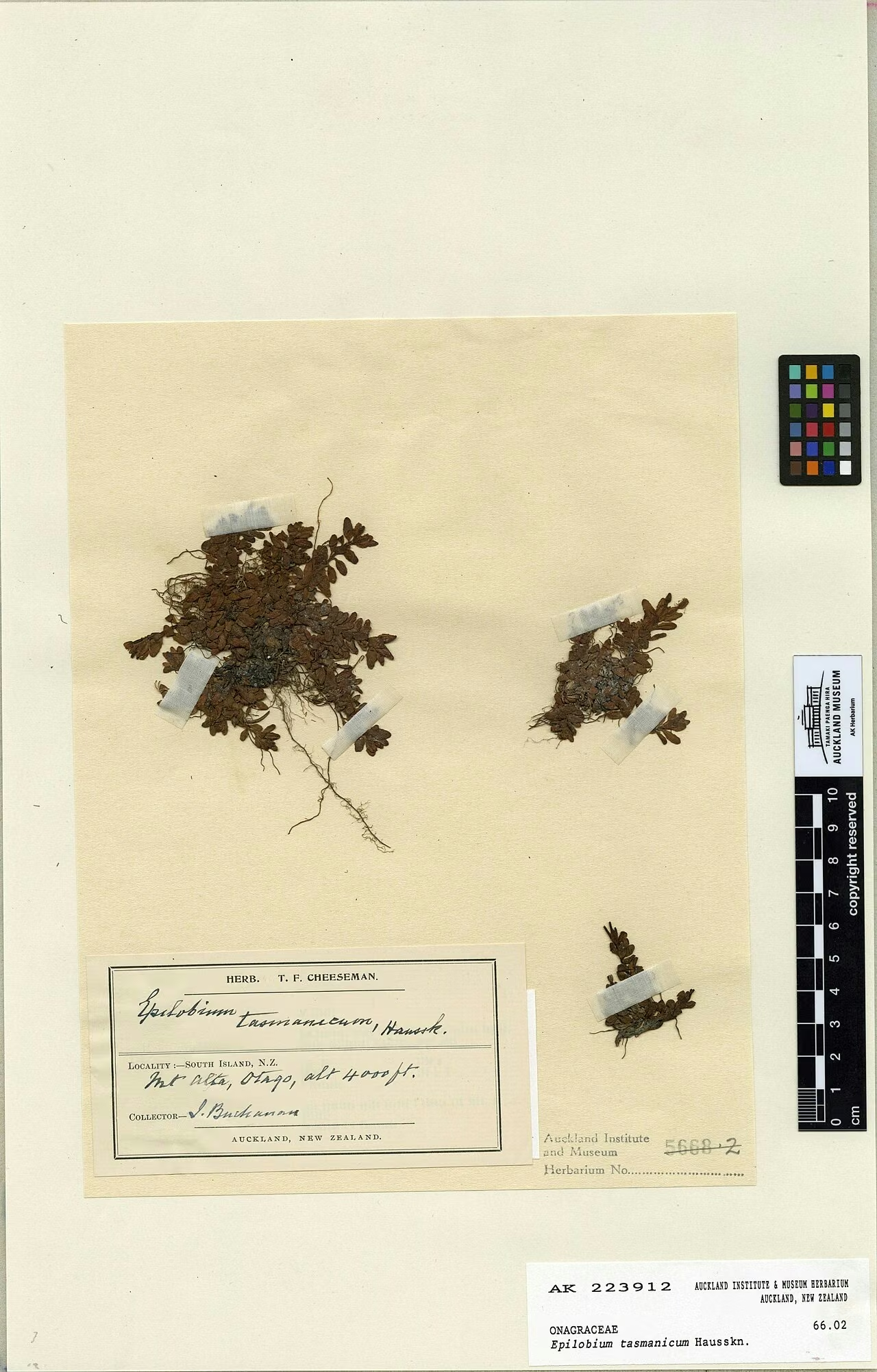
Epilobium tasmanicum
Epilobium tasmanicum
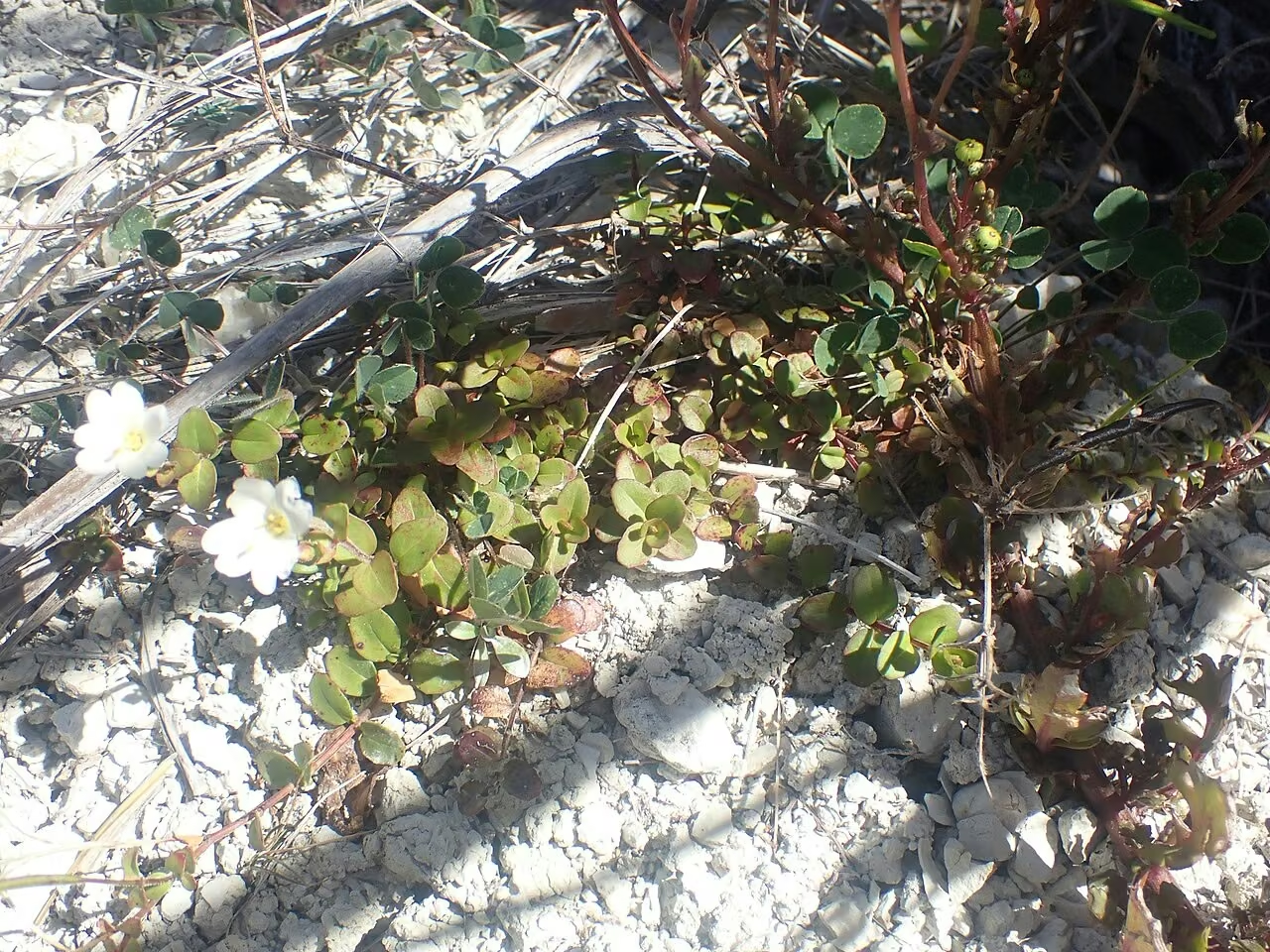
Wilson's Willowherb
Epilobium wilsonii
Eryngium undulatum
Eryngium undulatum
Plant Conservation
Epilobium rostratum is ranked Not Threatened nationally (2023), as it has been since 2004. However, the 2025 Otago regional assessment lists it as Regionally Vulnerable, with qualifiers including data poor and range restricted.
Protecting remaining stony grassland and riverbed habitats east of the Main Divide from weed invasion and conversion helps secure this small endemic.
Frequently Asked Questions
What makes Epilobium rostratum distinctive?
Its capsules are densely hairy, only 1 to 1.9 cm long, almost stalkless, slow to split open and end in a prominent beak, which is what the name rostratum (beaked) describes.
Where is Epilobium rostratum found?
It occurs east of the Main Divide in the South Island, from the Awatere, Clarence, Ashley and Waimakariri catchments south to Naseby and the upper Clutha River, mostly at 300 to 850 m.
Is Epilobium rostratum threatened?
Nationally it is ranked Not Threatened (2023), but the 2025 Otago regional assessment lists it as Regionally Vulnerable, reflecting greater concern for it in Otago, at the southern end of its range.
Sources and Further Reading
The botanical, growing, and conservation details for Willowherb (Epilobium rostratum) on this page draw on the New Zealand plant references below. Consult them for full technical records and the latest distribution data.