Willowherb
Epilobium porphyrium
Last updated:
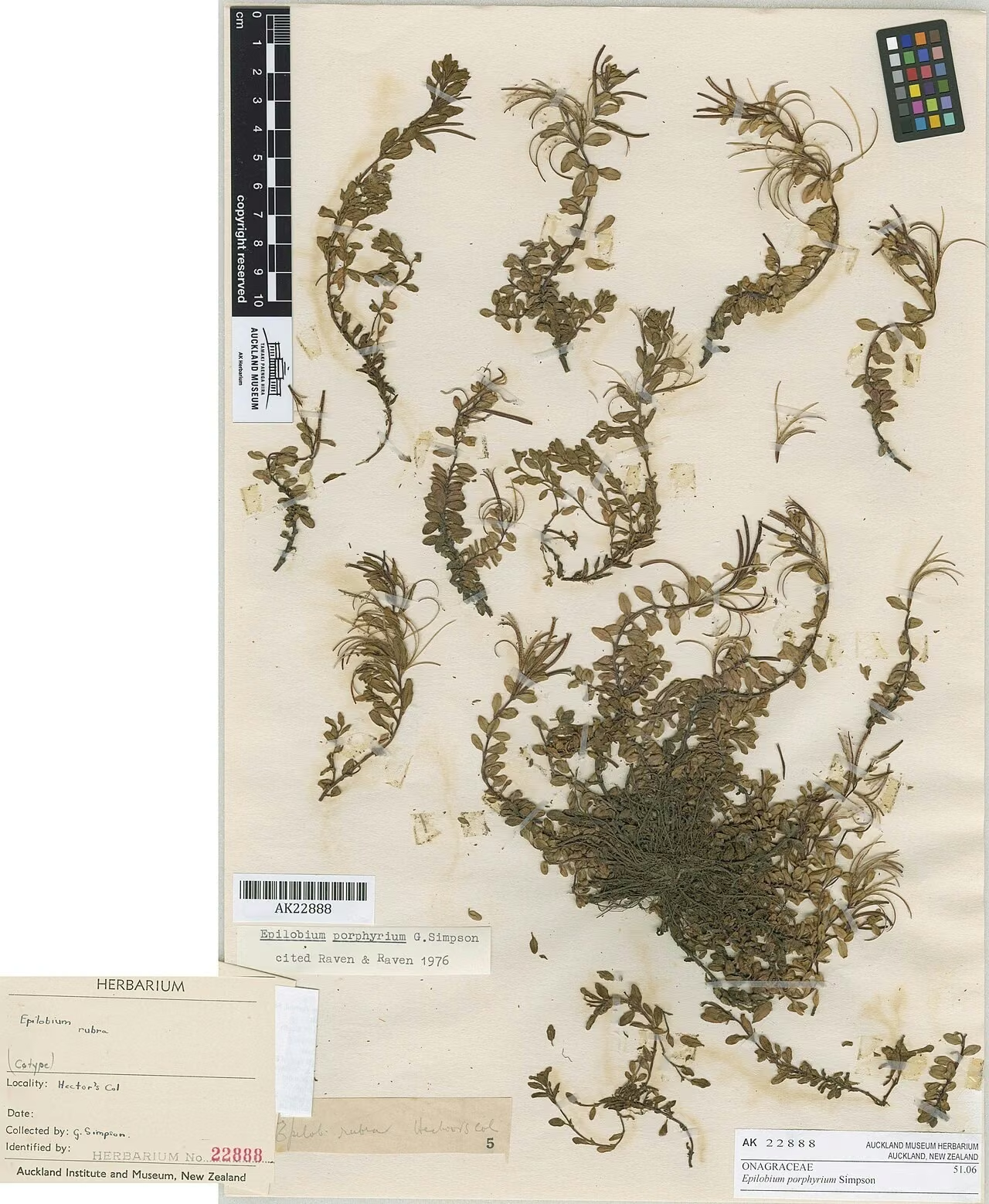
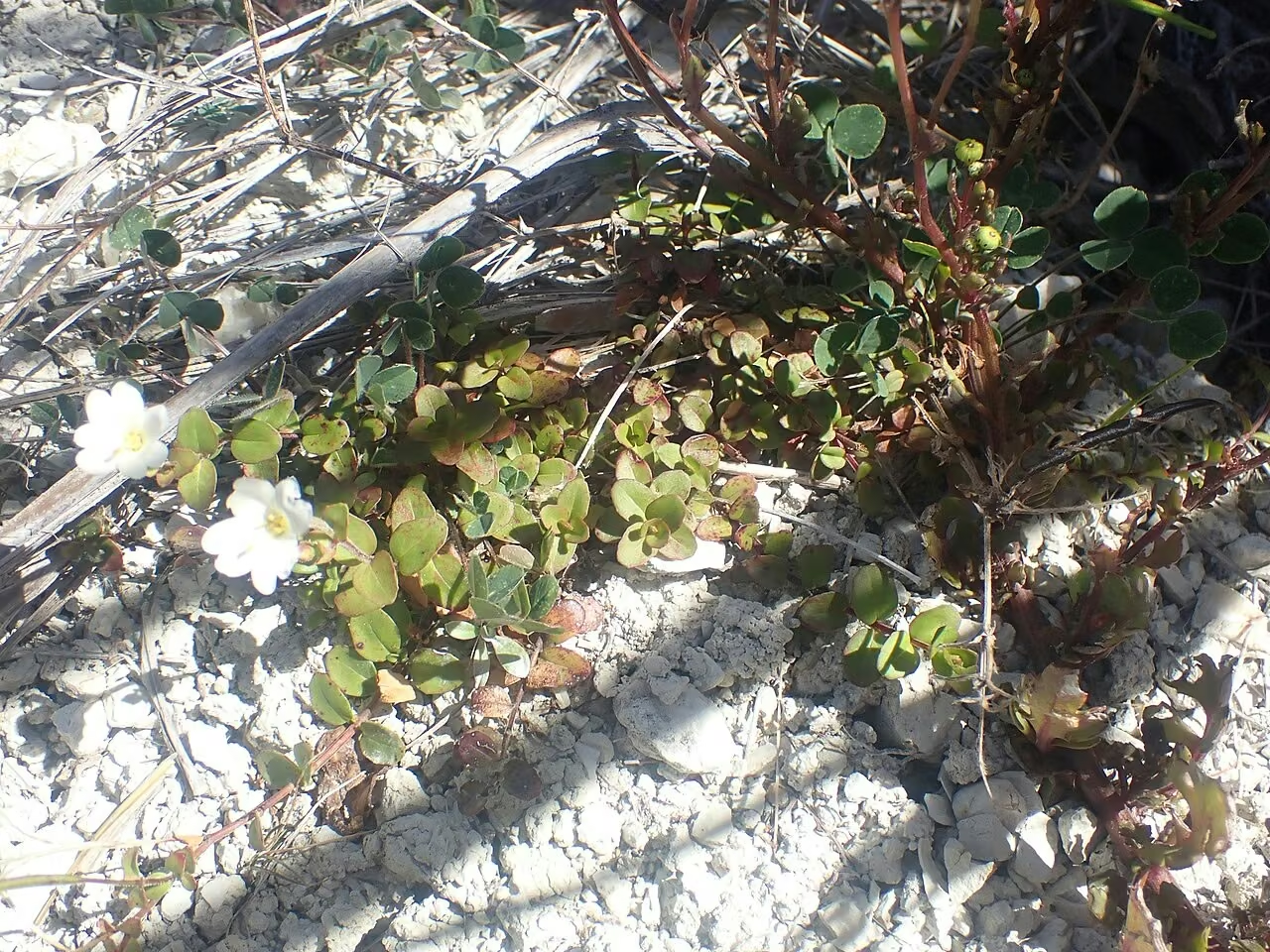
Epilobium porphyrium is a small, tufted alpine willowherb endemic to the South Island, 4 to 20 cm tall, whose whole plant has a dull purple or purplish green colour, hence the name porphyrium, the colour of porphyry. Its erect, often reddish stems carry elliptic leaves 6 to 15 mm long, and its small white flowers, later flushed pink, appear from December to March, followed by purple or dark red capsules. It grows on stable rock and debris at 1400 to 2000 m throughout the South Island, occasionally lower in the south, and is frequent only from around Mt Cook to the mountains of Otago. It is ranked Not Threatened. Explore more native flowering plants in our native plant guide.
Plant Description
Epilobium porphyrium is a tufted herb 4 to 20 cm tall, sometimes rooting near the base. Its stems are erect and often reddish, with fine lines of flattened or erect hairs running down from the margins of the leaf stalks. The leaves are elliptic, 6 to 15 mm long and 3 to 7 mm wide. The whole plant has a characteristic dull purple or purplish green colour.
The small flowers have a hairless floral tube 0.4 to 0.8 mm deep and white petals 3.2 to 5 mm long that later become flushed pink. The capsules are hairless, purple or dark red, 1.5 to 2.3 cm long and usually almost stalkless, rarely on a short stalk. It flowers from December to March.
G. Simpson, who named it, contrasted it with E. purpuratum, which can look similar in colour but has a prostrate, rooting habit and much longer flower and fruit stalks. The dull purple colouring throughout, combined with its upright tufted habit and near-stalkless dark capsules, is the most useful field character.
Quick Facts
| Scientific Name | Epilobium porphyrium |
|---|---|
| Height | 0.04-0.2 m |
| Spread | Small tufts, about 0.1-0.15 m |
| Water Needs | Moderate; free-draining |
| Light | Full sun |
| Frost Tolerance | High; 1400-2000 m |
| Salt Tolerance | No information available |
| Growth Rate | Slow |
| Lifespan | Perennial |
Climate Best Suited to
A high alpine plant of cold South Island mountain climates with long winters, snow and intense summer sun. It is poorly suited to lowland gardens.
Regional Suitability
| City | Climate Suitability |
|---|---|
| Auckland | Low |
| Wellington | Low |
| Christchurch | Low |
| Dunedin | Medium |
Plant Habitat
Epilobium porphyrium is endemic to the South Island, where the Flora of New Zealand records it throughout the mountains at 1400 to 2000 m, occasionally descending to 600 m in the southern part of its range. It is frequent only from the vicinity of Mt Cook to the mountains of Otago.
Its habitat is stable rock and debris. The type specimen came from stony debris in the upper western basin of the Matukituki River near Hector's Col, and herbarium records include the Ben Ohau Range, Aoraki Mt Cook National Park, the Eyre Mountains and the Craigieburn Range.
Growing Requirements
Soil Requirements
It roots into stable rock debris and stony alpine ground rather than developed soil.
- Coarse, stony, free-draining mix
- Low fertility
- No waterlogging
Light Requirements
As a plant of open alpine rock and debris it needs high light.
- Full sun
- Cool, airy position
Water Requirements
Alpine debris drains rapidly but receives regular rain and snowmelt. In cultivation, aim for steady moisture with perfect drainage.
- Keep evenly moist in the growing season
- Drier in winter
- Avoid wet foliage in humid weather
Planting and Establishing
No cultivation notes for Epilobium porphyrium were found in the sources consulted. If grown, treat it like other high alpine willowherbs: a pot or trough of coarse, gritty mix in full sun, kept cool and well ventilated.
It is most likely to succeed in an alpine house or in cool southern districts such as Otago and Southland.
Ecological Role
Epilobium porphyrium is part of the specialised flora of stable alpine rock and debris in the South Island mountains, occurring with scree herbs, grasses and low shrubs near the treeline according to herbarium labels. Its minute seeds carry a tuft of hairs and are dispersed by wind (Thorsen et al. 2009).
No information on its pollinators or other ecological interactions was found in the sources consulted.
Uses & Significance
Garden Uses
Of interest mainly to alpine plant specialists, as it is not commercially available and its needs are demanding.
- Alpine house pots
- Scree and trough gardens in cool districts
- Botanical collections of NZ willowherbs
Ecological Value
It adds to the diversity of the South Island alpine rock flora, a habitat with many endemic species.
- Endemic to the South Island
- Colonises stable alpine rock and debris
- Regionally Naturally Uncommon in Otago
Landscaping Uses
In an alpine trough, its dull purple tufts and dark red capsules would provide a subtle colour contrast to grey stone and silvery alpine daisies.
Group it with other small rock-dwelling natives that share a need for sharp drainage and cool conditions.
Seasonal Care Calendar
Spring
In the wild, growth begins as snow retreats from its high rock habitat.
- Top-dress pots with grit
- Resume watering
Summer
Flowering runs from December to March, with white flowers later flushed pink.
- Keep cool and well ventilated
- Water in dry spells
Autumn
Dark red capsules ripen and split to release plumed seed.
- Collect seed from cultivated plants
- Sow fresh
Winter
Plants are dormant under snow or cold in the mountains.
- Keep pots dry-ish
- Protect from persistent lowland rain
When to Prune and How Much
No pruning is needed for this small tufted herb.
Remove spent fruiting stems after seed is shed and clear away any dead foliage that could hold moisture at the base.
How to Grow Willowherb
No propagation information specific to Epilobium porphyrium was found in the NZPCN fact sheet or the Flora of New Zealand, and NZPCN does not list it as commercially available. The suggestions below are therefore general guidance drawn from its biology and from methods used for other New Zealand alpine willowherbs. It flowers from December to March and produces hairless capsules that split to release minute seeds with a tuft of hairs, so fresh seed is the most likely route. Plants sometimes root near the base, so careful separation of a rooted piece may also be possible. Any material should come from cultivated plants, or be collected with appropriate permission, since most of its habitat lies within national parks and conservation land. Grow young plants in very gritty mix, cool and in good light.
From Seed
Sow seed as soon as it is collected in late summer or autumn.
- Collect dark red capsules as they begin to split
- Sow on the surface of a coarse, gritty seed mix
- Stand the tray outdoors in a cool, bright, sheltered place
- Keep evenly moist but never waterlogged
- Pot seedlings individually once they have a few pairs of leaves
By Division
Where a cultivated plant has rooted near its base, a small rooted piece can be separated in spring.
- Ease the plant from its pot
- Gently tease away a rooted stem
- Pot into a gritty alpine mix
- Keep cool and lightly shaded until growing again
Pests & Diseases
No pests or diseases are recorded for Epilobium porphyrium in the sources consulted. In lowland cultivation, rot and mildew from warmth and humidity are the likely problems, as for other alpine willowherbs.
In the wild, no specific threats are documented; it is ranked Not Threatened nationally.
Cultural Significance
No traditional Māori name or use is recorded for Epilobium porphyrium in the sources consulted.
It was described by George Simpson from stony debris near Hector's Col at the head of the Matukituki River, in the Mt Aspiring region. The name refers to porphyry, a purple-red rock, describing the plant's colouring.
Bonus Tip
When searching alpine rock debris between Mt Cook and the Otago mountains, look for a small upright willowherb that is dull purple all over: that overall colour, rather than any single leaf feature, is what the Flora of New Zealand uses to pick out E. porphyrium.
Related Plants
Explore other native plants that share similar characteristics or habitats with Willowherb (Epilobium porphyrium), offering further insights into New Zealand's diverse flora. These related species provide context and opportunities for complementary planting in your garden.
Swamp Willowherb
Epilobium pallidiflorum
Epilobium pernitens
Epilobium pernitens
Rock Willowherb
Epilobium petraeum
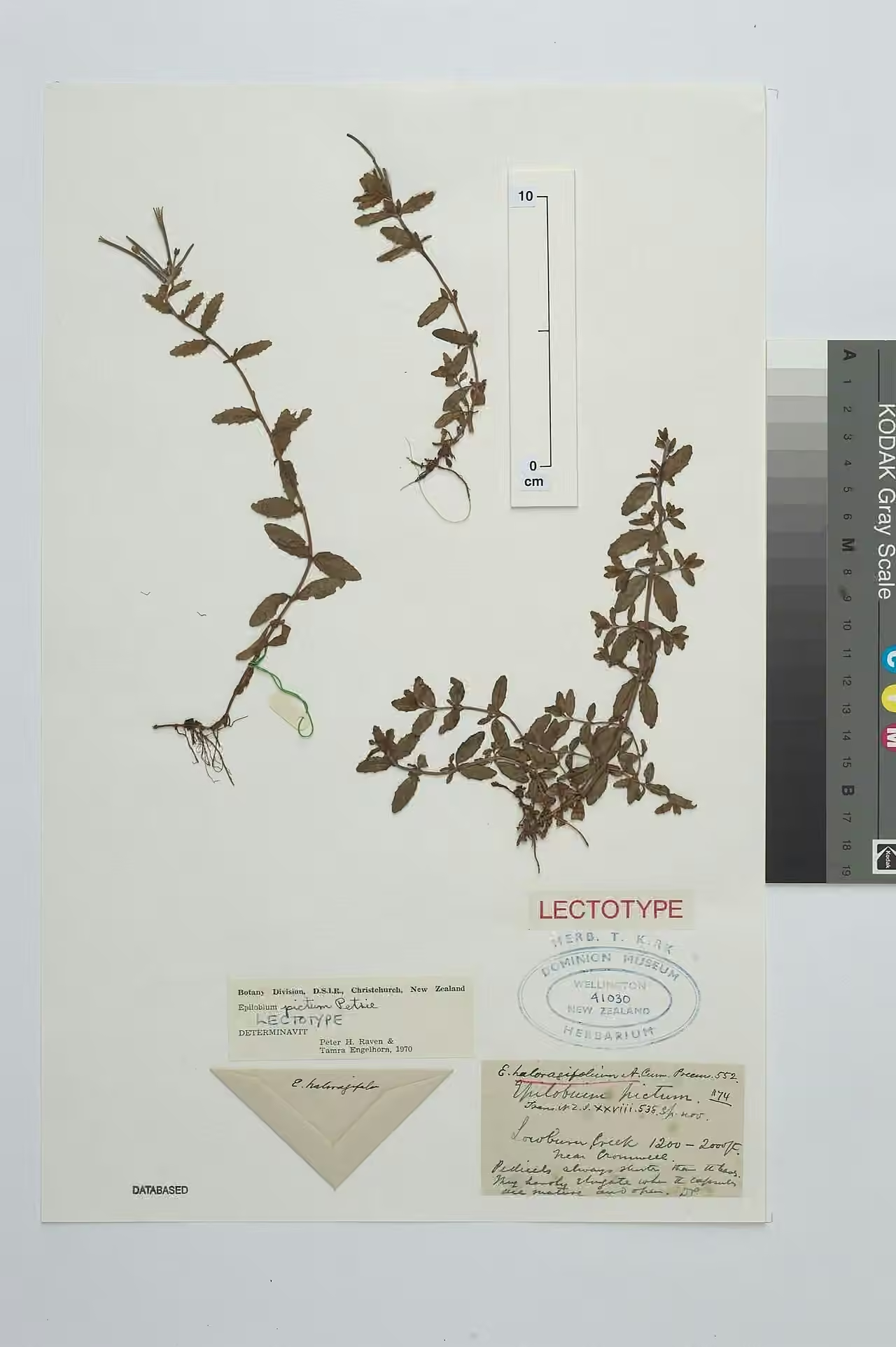
Grassland Willowherb
Epilobium pictum
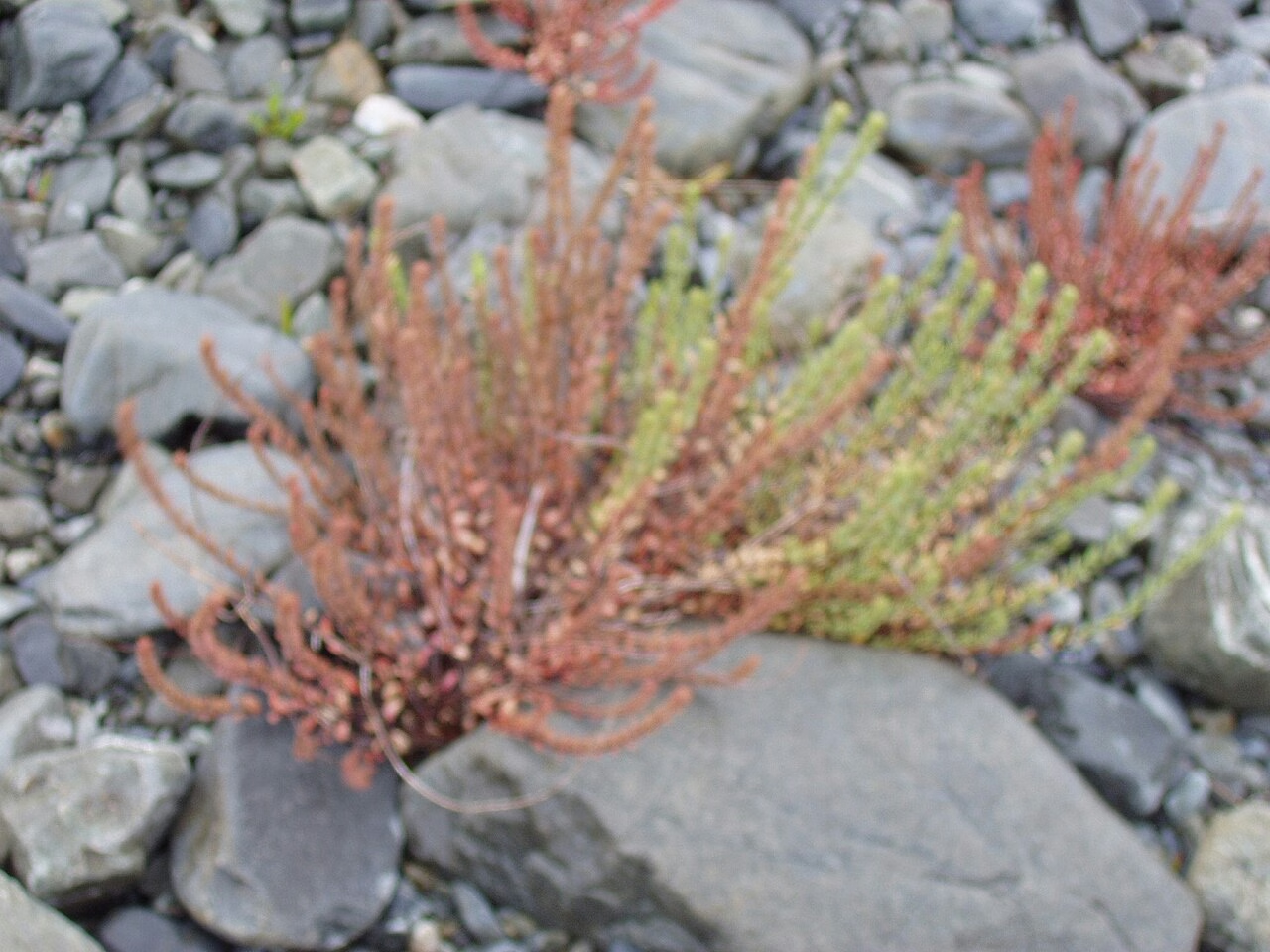
Epilobium rostratum
Epilobium rostratum
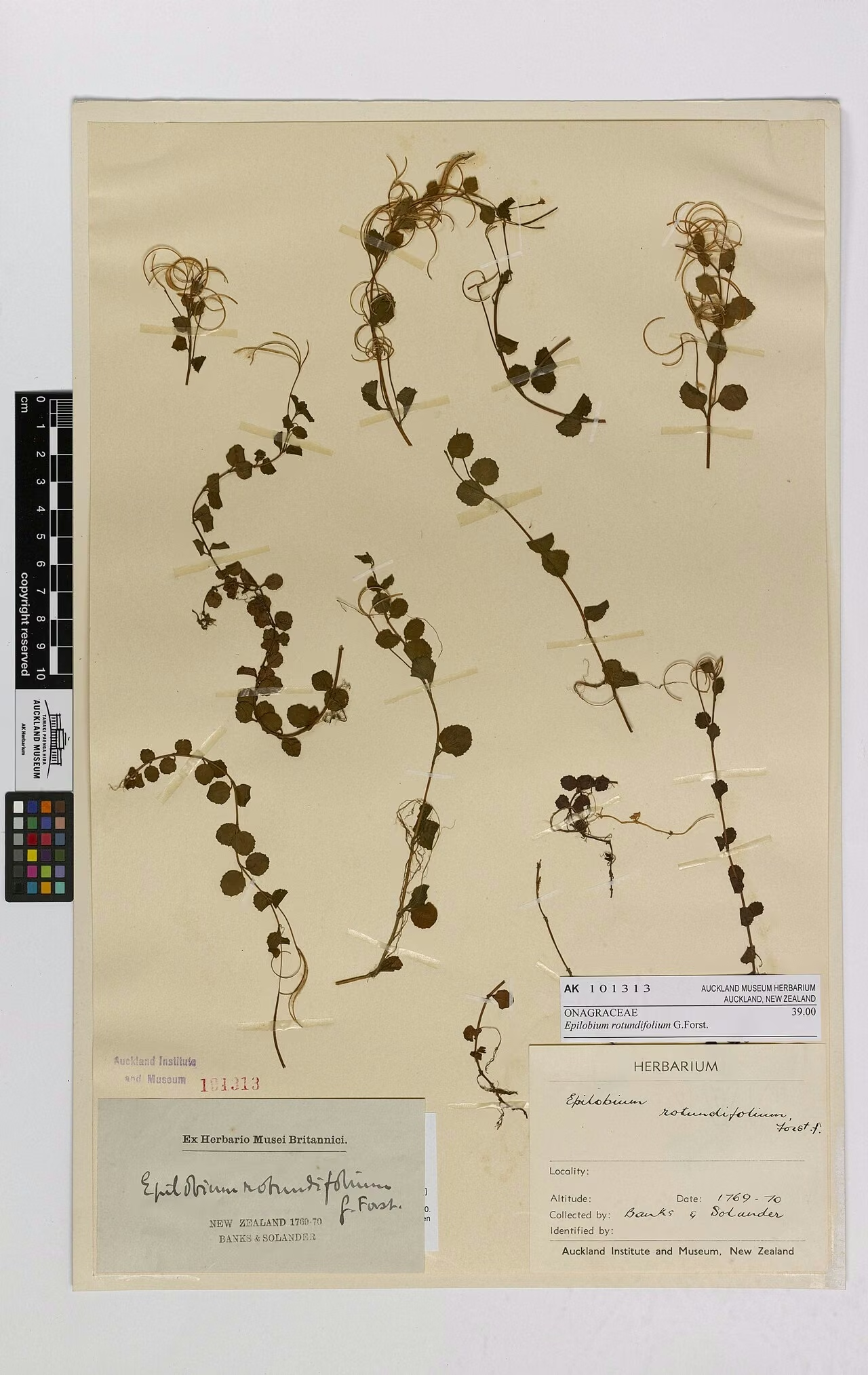
Round-Leaved Willowherb
Epilobium rotundifolium
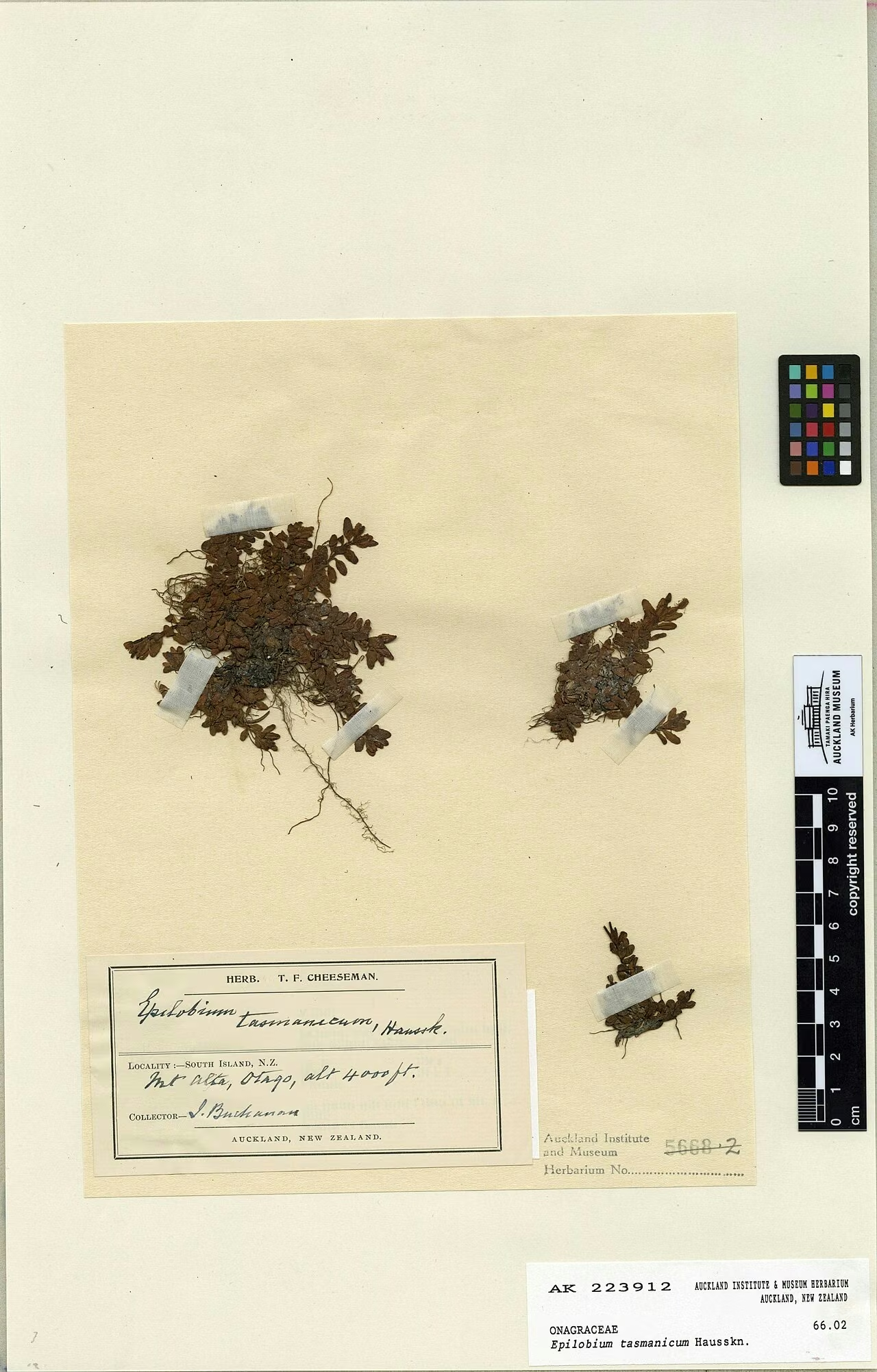
Epilobium tasmanicum
Epilobium tasmanicum
Wilson's Willowherb
Epilobium wilsonii
Plant Conservation
Epilobium porphyrium is ranked Not Threatened (2023) and has held that ranking since 2004. In Otago it is assessed as Regionally Naturally Uncommon (2025).
Its alpine rock and debris habitat lies largely within national parks and conservation land. No specific threats are documented in the sources consulted.
Frequently Asked Questions
How can you recognise Epilobium porphyrium?
The Flora of New Zealand highlights the dull purple or purplish green colour of all its vegetative parts and its purple or dark red, hairless capsules, which are usually almost stalkless.
Where does Epilobium porphyrium grow?
It is found throughout the South Island on stable rock and debris at 1400 to 2000 m, occasionally down to 600 m in the south, and is frequent only from the Mt Cook area to the mountains of Otago.
What does porphyrium mean?
It means purple-red, the colour of porphyry rock, referring to the purplish tones of the stems, leaves and capsules.
Sources and Further Reading
The botanical, growing, and conservation details for Willowherb (Epilobium porphyrium) on this page draw on the New Zealand plant references below. Consult them for full technical records and the latest distribution data.