Willowherb
Epilobium pernitens
Last updated:
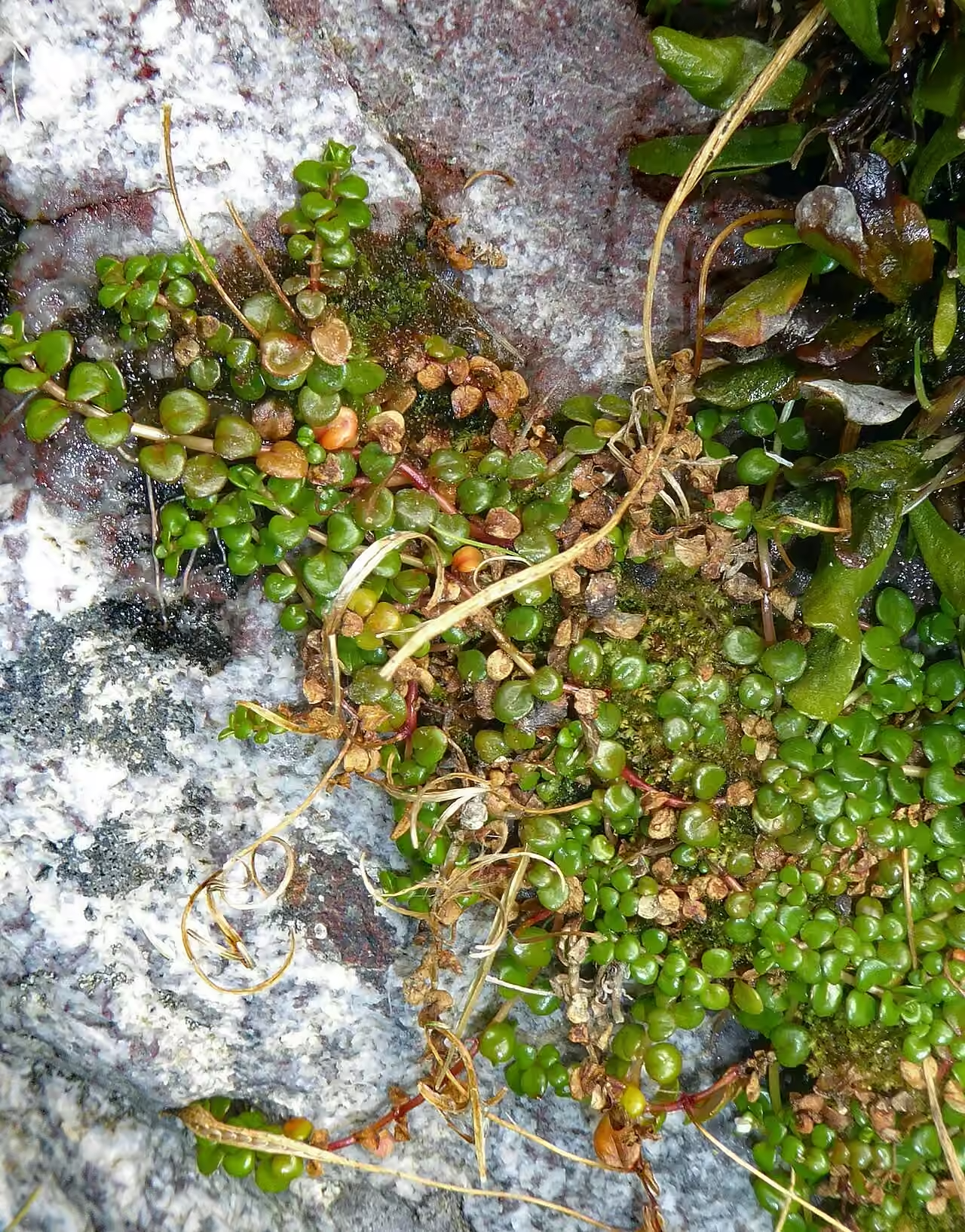
Epilobium pernitens is a compact, creeping willowherb endemic to New Zealand that forms dense patches up to 0.5 m across. Its stems root at the nodes and carry tiny, glossy, elliptic to round leaves only 1.5 to 6 mm long, each with a distinct central groove, and relatively large white flowers appear from December to February. It grows on open, moist slopes, usually above the bushline, in the Raukumara, Ruahine and Tararua Ranges, on Taranaki, through the South Island mountains and on Stewart, Auckland and Campbell Islands. The epithet pernitens means shining. It is ranked Not Threatened. Explore more native ground covers in our native plant guide.
Plant Description
Epilobium pernitens is a compact, creeping herb forming dense patches up to 0.5 m across, with stems that root at the nodes. The Flora of New Zealand describes the stems as light brown and hairless or with very sparse flattened hairs near the leaf stalks, while the NZPCN fact sheet records them as black-purple, so colour may vary.
The leaves are tiny, broadly elliptic to almost round, 1.5 to 6 mm long and 1.5 to 5 mm wide, glossy, more or less untoothed and often tinged reddish, with a conspicuous depression along the midline. The white flowers are large for such a small plant, with petals 4 to 10.7 mm long and a floral tube 1.4 to 2.5 mm deep. The hairless capsules are 1.5 to 3.8 cm long on long fruiting stalks of 2 to 6.8 cm.
Its closest look-alike is E. brunnescens, a widespread creeping willowherb with similar glossy, reddish-tinged leaves. E. pernitens differs in having stems that are hairless or only sparsely hairy.
Quick Facts
| Scientific Name | Epilobium pernitens |
|---|---|
| Height | Under 0.05 m (creeping mat) |
| Spread | Up to 0.5 m |
| Water Needs | Moist to wet |
| Light | Full sun to light shade |
| Frost Tolerance | High; alpine to 1900 m |
| Salt Tolerance | No information available |
| Growth Rate | Moderate |
| Lifespan | Perennial |
Climate Best Suited to
Suits cool, moist mountain and subantarctic climates with reliable rainfall and cold winters. It is not suited to warm, dry lowland gardens.
Regional Suitability
| City | Climate Suitability |
|---|---|
| Auckland | Low |
| Wellington | Low |
| Christchurch | Low |
| Dunedin | Medium |
Plant Habitat
Epilobium pernitens is endemic to New Zealand. In the North Island it is known from the Raukumara, Ruahine and Tararua Ranges and Mt Taranaki; in the South Island it is scattered through the mountains; it also occurs on Stewart Island and the subantarctic Auckland and Campbell Islands.
It grows on open, often moist slopes, usually above the bushline at about 900 to 1900 m, but descends lower into open, boggy or springy meadows, especially in Fiordland and on Stewart Island, where the Flora records it down to sea level. It is also often found by rock shelters.
Growing Requirements
Soil Requirements
It roots into moist alpine soils and peaty, boggy ground on open slopes and meadows.
- Moist, peaty or gritty soil
- Good organic content
- Cool root run
Light Requirements
It grows on open slopes and meadows above the bushline where light is good but temperatures are cool.
- Full sun in cool climates
- Light shade in warmer districts
Water Requirements
It is rated Facultative Wetland (FACW) on the national wetland plant list, reflecting its moist slopes and boggy meadows.
- Keep consistently moist
- Never let pots dry out
- Suits seepages and bog margins
Planting and Establishing
Grow Epilobium pernitens in a cool, moist alpine trough, bog garden edge or shallow pot of peaty, gritty mix, ideally in a cool southern district. Its rooting stems will spread across the surface.
In warmer areas give it light shade and a cool, damp root run, for example beside a rock in a shaded alpine bed.
Ecological Role
Epilobium pernitens is part of the low herb flora of moist alpine slopes, springy meadows and subantarctic grasslands, where creeping mats help stabilise wet ground. Its minute seeds have a tuft of hairs and are dispersed by wind (Thorsen et al. 2009).
Its occurrence from the North Island ranges to the Auckland and Campbell Islands makes it one of the more widely distributed small alpine willowherbs. Its pollinators are not recorded in the sources consulted.
Uses & Significance
Garden Uses
A plant for alpine enthusiasts with cool, moist growing conditions rather than general gardens.
- Alpine troughs and pans
- Moist rock garden pockets
- Bog garden edges in cool districts
Ecological Value
It contributes to the flora of moist alpine and subantarctic habitats and links mainland and offshore island plant communities.
- Endemic to New Zealand
- Ranges to the Auckland and Campbell Islands
- Mat-former on wet alpine slopes
Landscaping Uses
Use Epilobium pernitens as a tiny glossy carpet between stones in a cool alpine trough, where its comparatively large white flowers on long stalks stand out above the mat.
It pairs well with other small moist-ground alpines such as native gentians and mountain daisies in a damp scree or bog setting.
Seasonal Care Calendar
Spring
Growth resumes as snow melts on its mountain slopes.
- Keep the root zone moist
- Remove winter debris from the mat
Summer
White flowers appear from December to February, followed by long capsules.
- Shade from hot afternoon sun
- Water regularly
Autumn
Capsules split and release plumed seed.
- Collect seed
- Pot up rooted pieces
Winter
Plants rest under cold or snow in the wild.
- Little care needed
- Protect pots from waterlogging in prolonged rain
When to Prune and How Much
No pruning is needed. Remove spent flowering stalks if you want to keep the mat neat.
Trim back any part of the mat that has browned off after a dry spell.
How to Grow Willowherb
Neither NZPCN nor the Flora of New Zealand gives a specific propagation method for Epilobium pernitens, so the suggestions here are based on its growth habit and on what works for related creeping willowherbs. Because its stems root at the nodes as they spread, rooted pieces can be detached and potted, which is the most reliable way to increase a plant. It flowers from December to February, and its capsules release tiny seeds with a tuft of hairs that are dispersed by wind, so seed can also be collected from cultivated plants and sown fresh. Grow young plants in a cool, moist, gritty and peaty mix and keep them out of hot sun. Do not collect from wild populations, especially on the subantarctic islands, which are protected nature reserves.
By Division
Rooted stem sections can be taken from established mats in spring or early autumn.
- Find stems that have rooted at the nodes
- Cut off a rooted section a few centimetres long
- Settle it onto a moist mix of grit and peat or fine bark
- Keep cool, moist and lightly shaded until it grows away
From Seed
Seed from cultivated plants can be sown as soon as it is ripe in late summer or autumn.
- Collect capsules as they start to split
- Sow on the surface of a moist, gritty seed mix
- Place outdoors in a cool, sheltered spot
- Keep evenly moist and prick out seedlings when large enough to handle
Pests & Diseases
No specific pests or diseases are recorded for Epilobium pernitens in the sources consulted. In cultivation, drying out and heat stress are the most likely problems.
Slugs may graze the small leaves of potted plants kept in damp, shaded conditions.
Cultural Significance
No traditional Māori name or use is recorded for Epilobium pernitens in the sources consulted.
It was described by Leonard Cockayne and Harry Allan in 1926, in the Transactions and Proceedings of the New Zealand Institute. The name pernitens, meaning shining, refers to its glossy leaves.
Bonus Tip
If you find a small glossy willowherb mat on a wet alpine slope, run a hand lens along the stem: E. pernitens has stems that are hairless or only very sparsely hairy, the main character the Flora uses to separate it from E. brunnescens.
Related Plants
Explore other native plants that share similar characteristics or habitats with Willowherb (Epilobium pernitens), offering further insights into New Zealand's diverse flora. These related species provide context and opportunities for complementary planting in your garden.
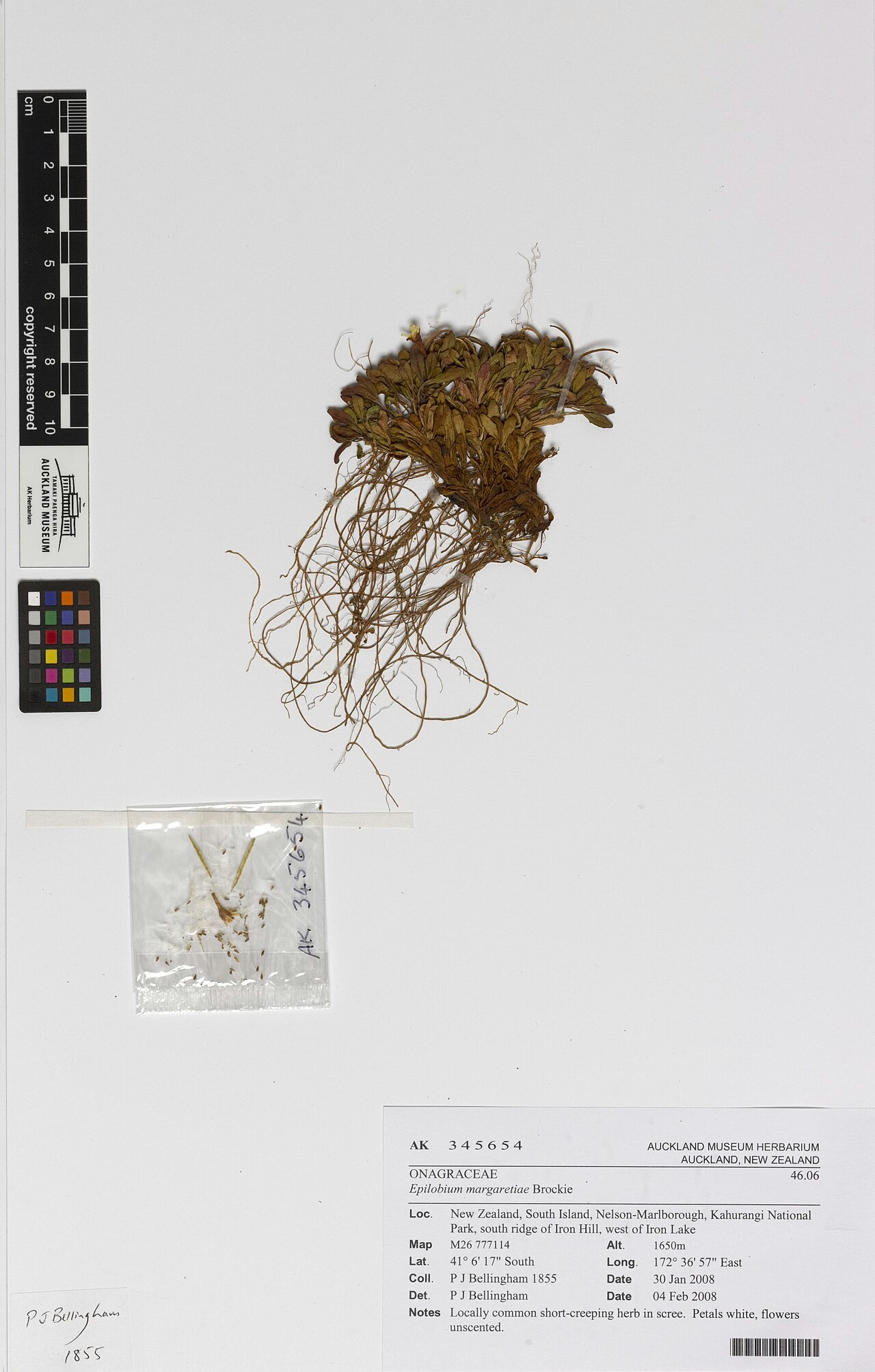
Epilobium margaretiae
Epilobium margaretiae
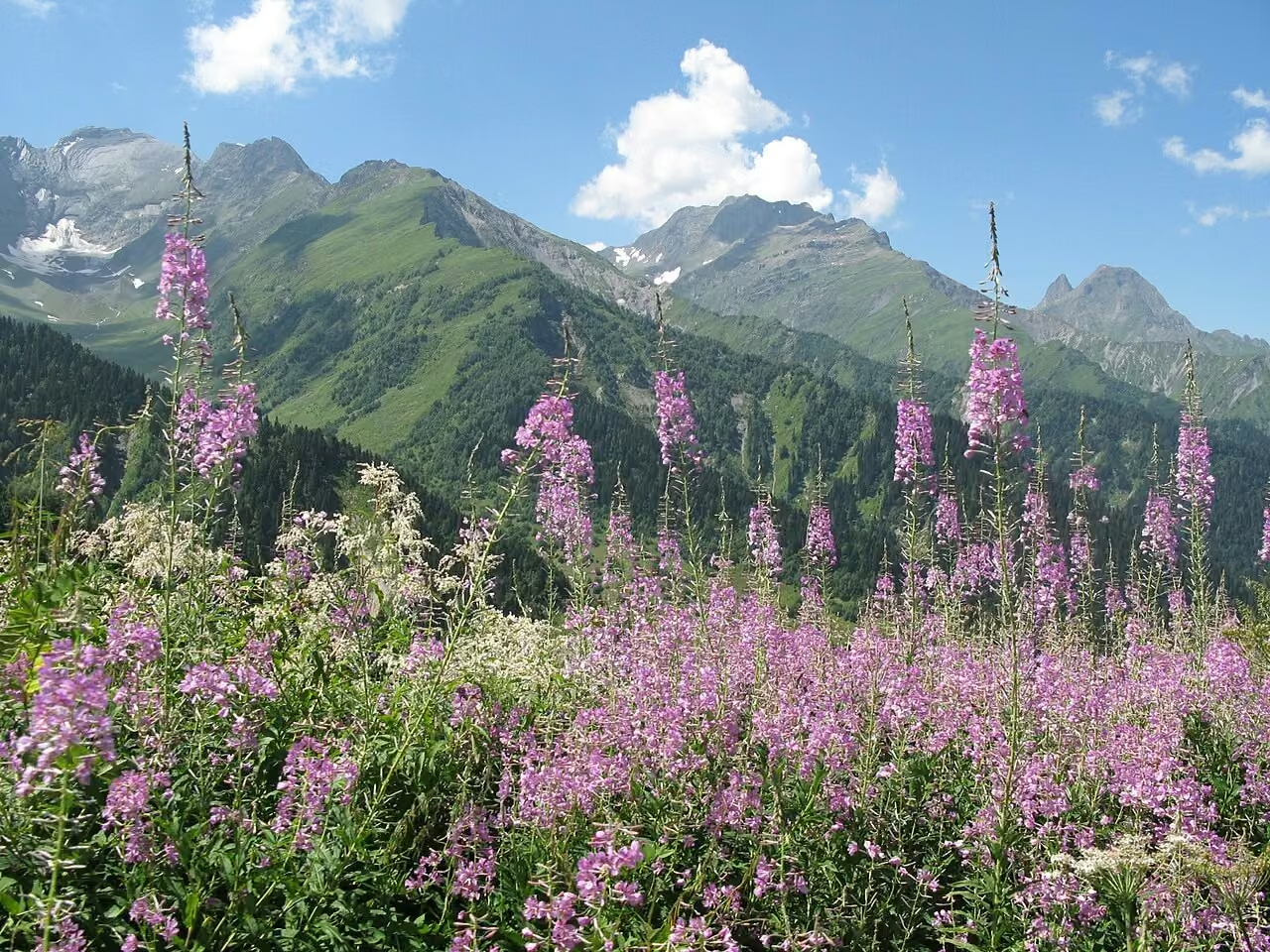
Epilobium microphyllum
Epilobium microphyllum
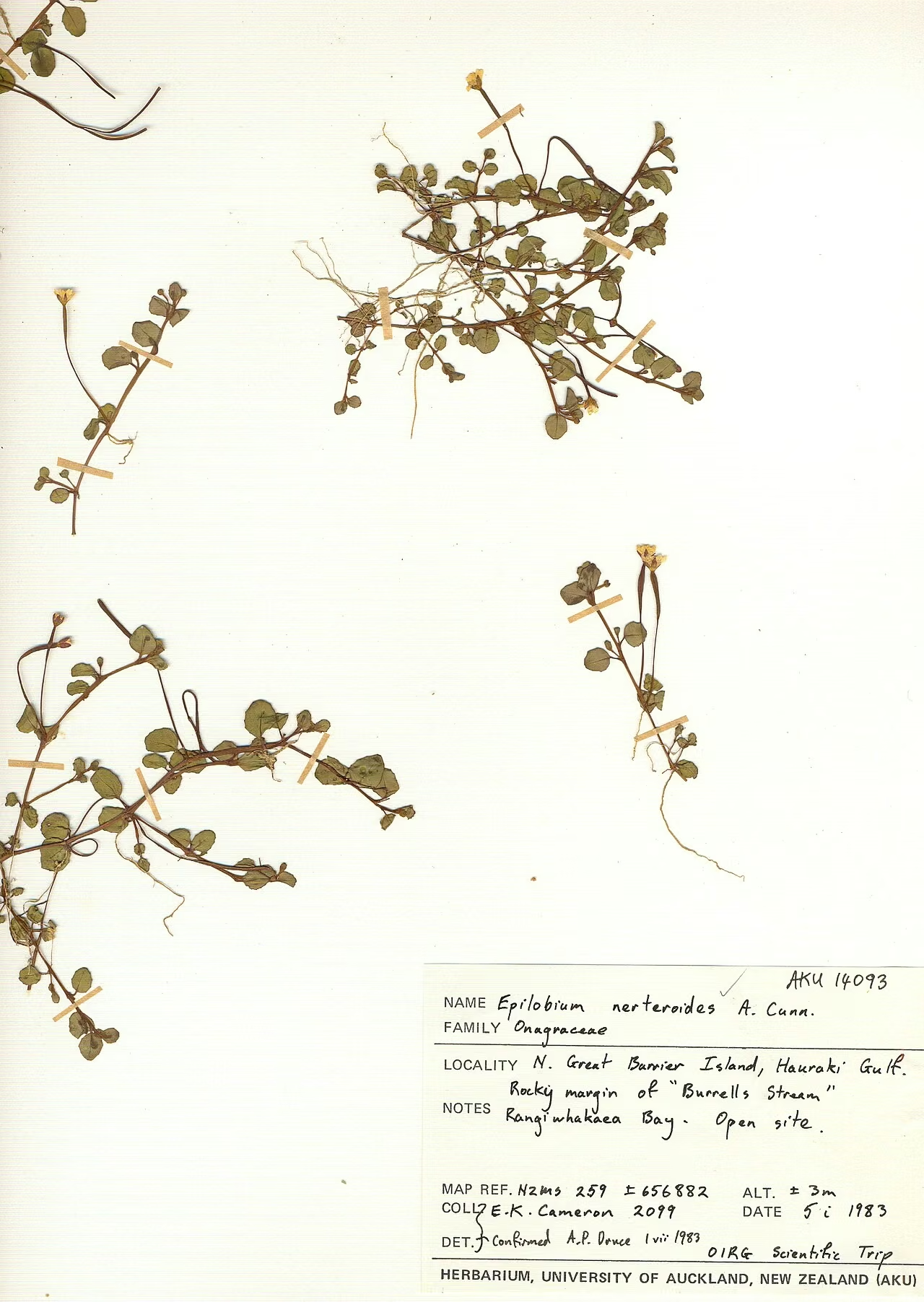
Epilobium nerteroides
Epilobium nerteroides
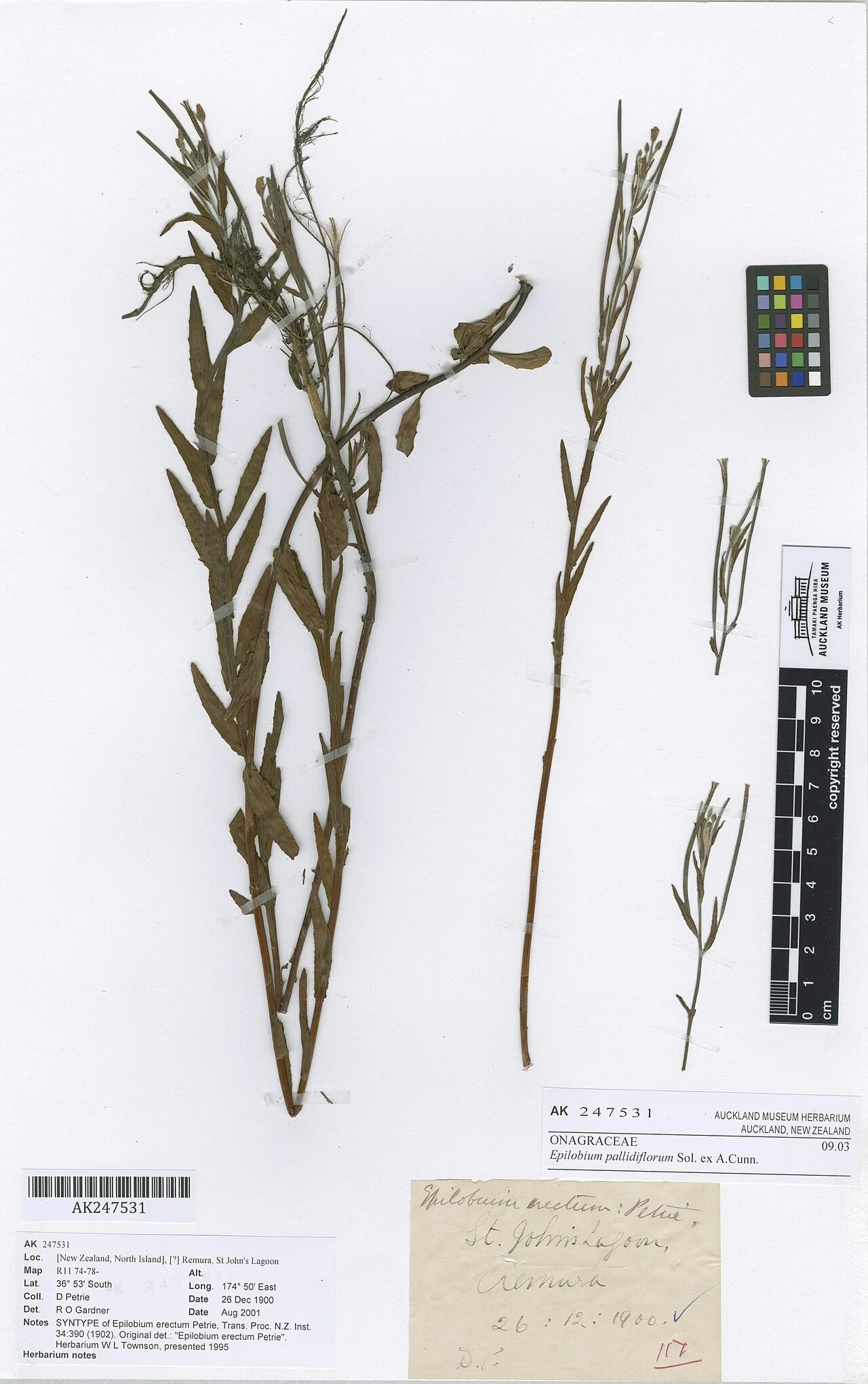
Swamp Willowherb
Epilobium pallidiflorum
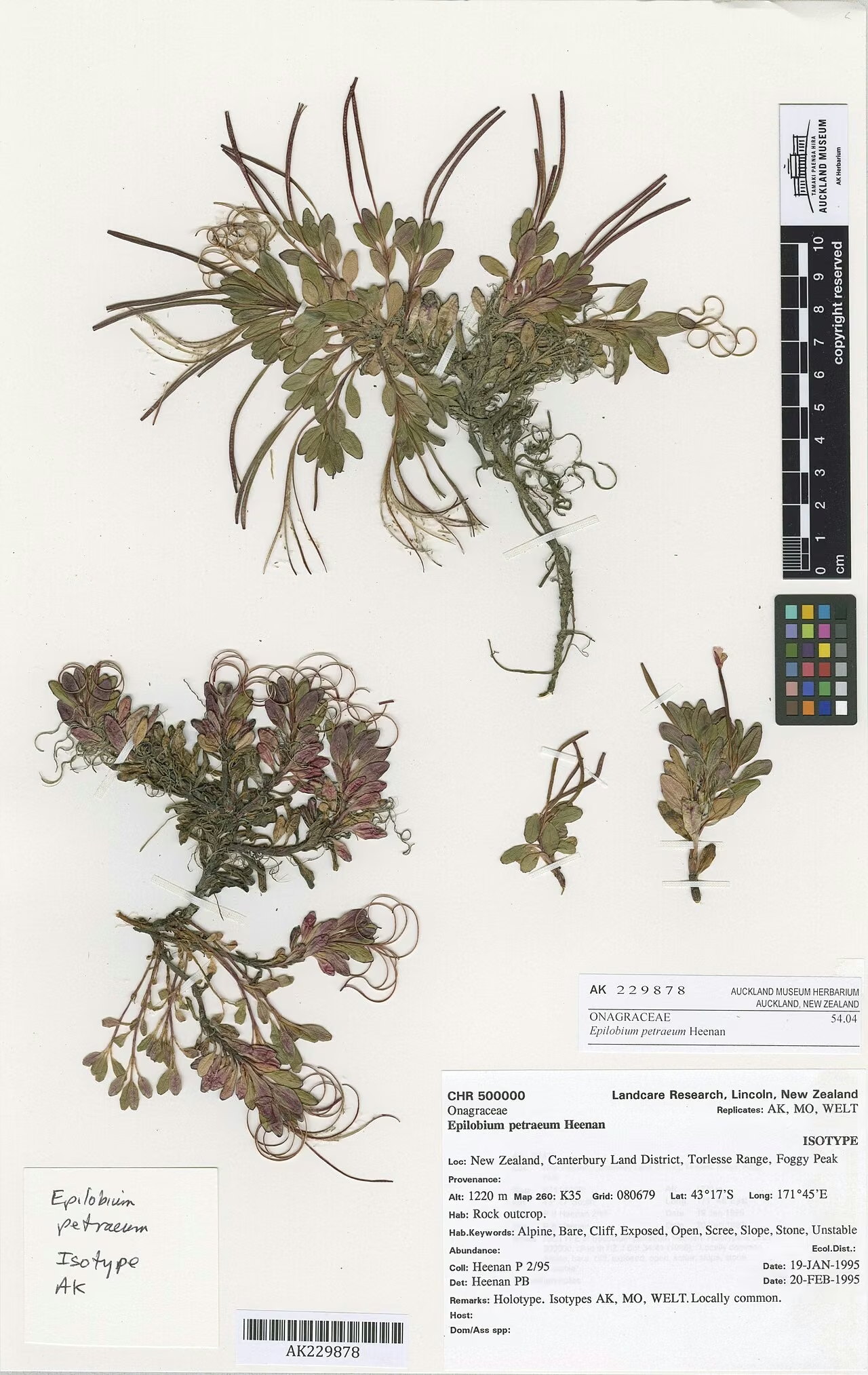
Rock Willowherb
Epilobium petraeum
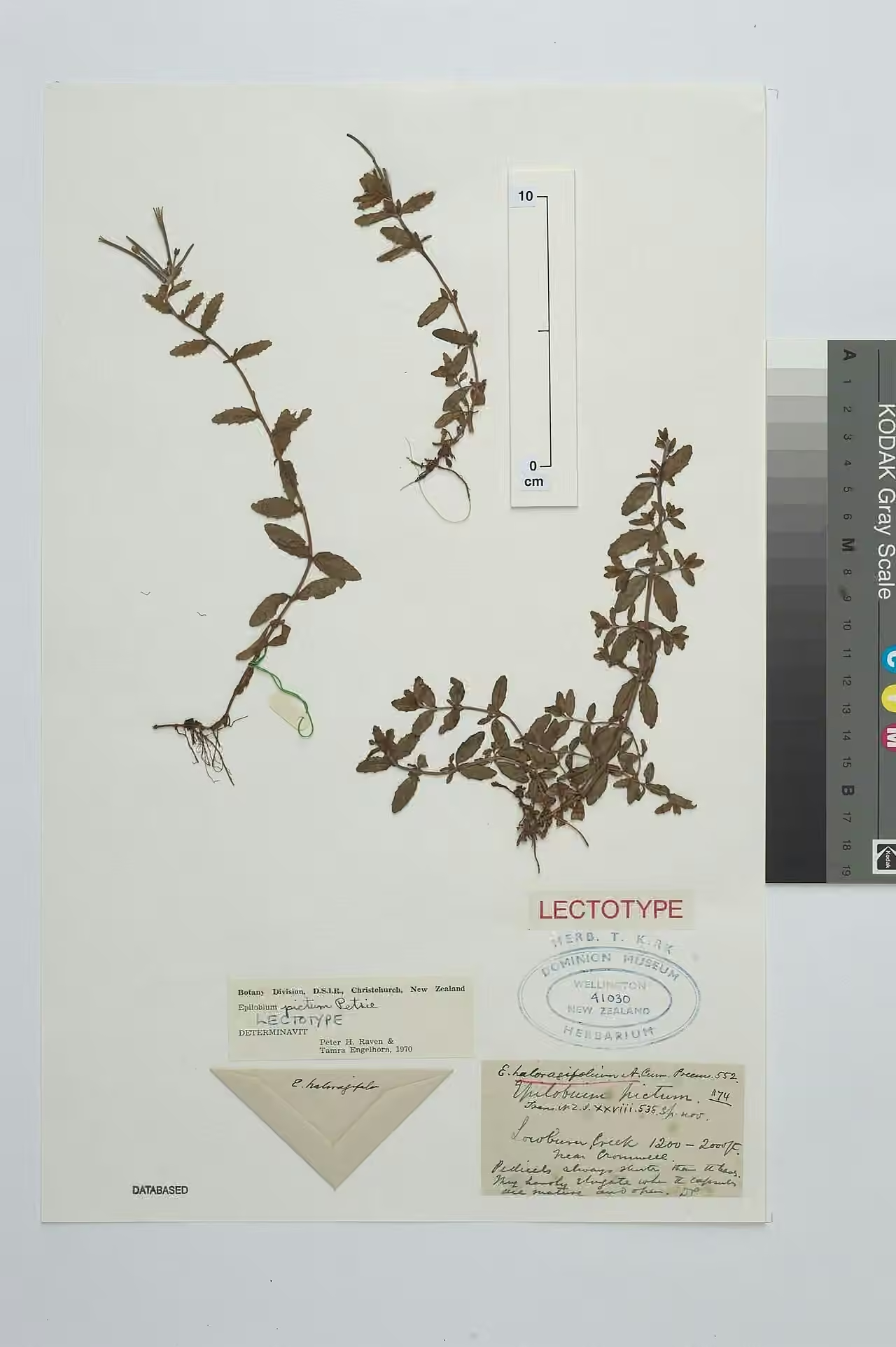
Grassland Willowherb
Epilobium pictum
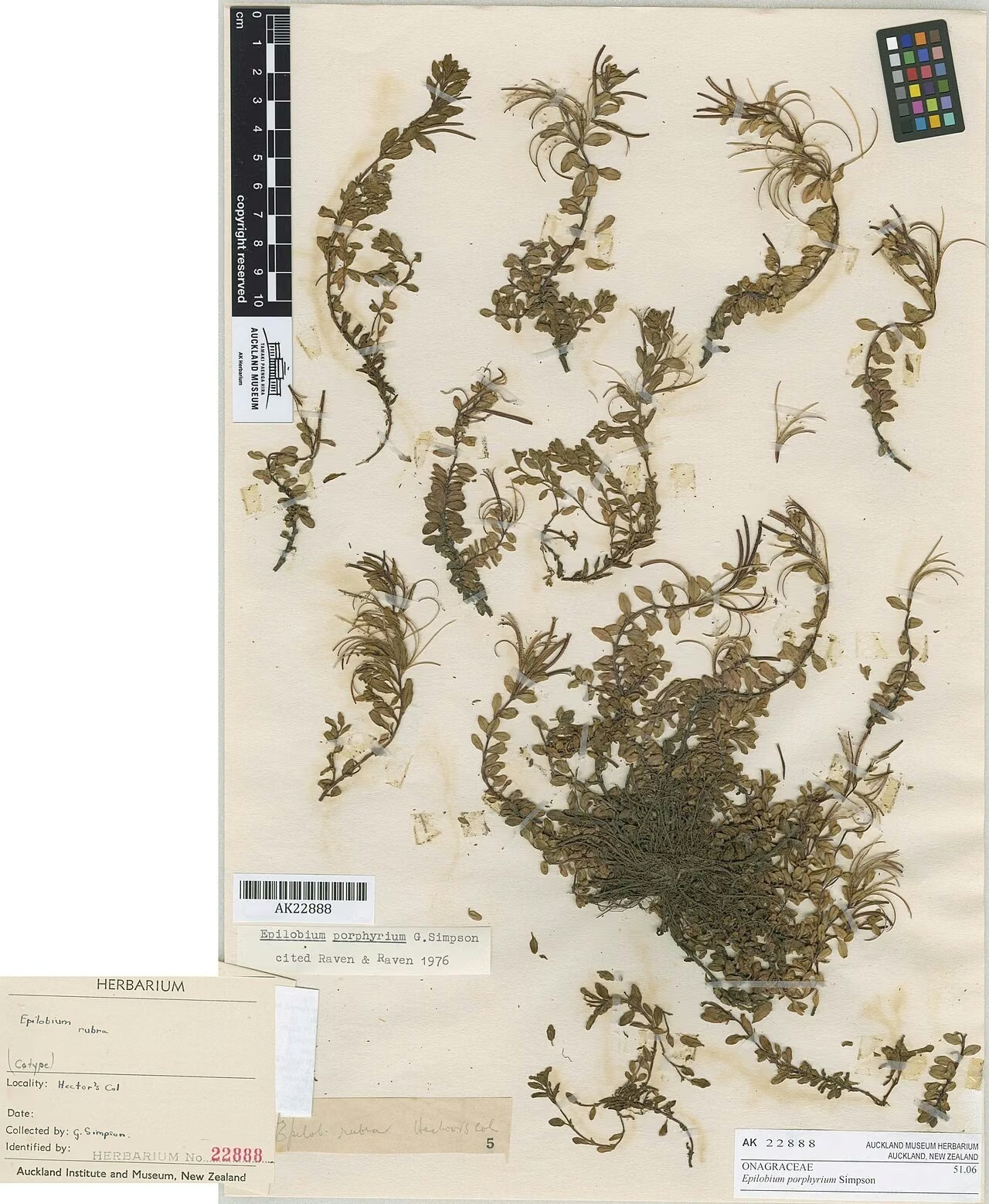
Epilobium porphyrium
Epilobium porphyrium
Epilobium rostratum
Epilobium rostratum
Plant Conservation
Epilobium pernitens is ranked Not Threatened (2023) and has been since at least 2004. It is assessed as Regionally Naturally Uncommon in the Wellington region and Regionally Not Threatened in Otago (2025).
Most of its habitat lies in protected mountain and subantarctic areas. Control of browsing animals and weeds in alpine wetlands and meadows helps maintain its habitat.
Frequently Asked Questions
Where is Epilobium pernitens found?
In the North Island it grows in the Raukumara, Ruahine and Tararua Ranges and on Mt Taranaki; it is scattered through South Island mountains and also occurs on Stewart Island and the Auckland and Campbell Islands.
What does pernitens mean?
Pernitens means shining, a reference to the glossy leaves that help identify this small creeping willowherb.
How do you distinguish Epilobium pernitens from Epilobium brunnescens?
The Flora of New Zealand separates E. pernitens by its glabrous or only sparsely hairy stems. Both have glossy, nearly toothless leaves that are often tinged reddish.
Sources and Further Reading
The botanical, growing, and conservation details for Willowherb (Epilobium pernitens) on this page draw on the New Zealand plant references below. Consult them for full technical records and the latest distribution data.