Willowherb
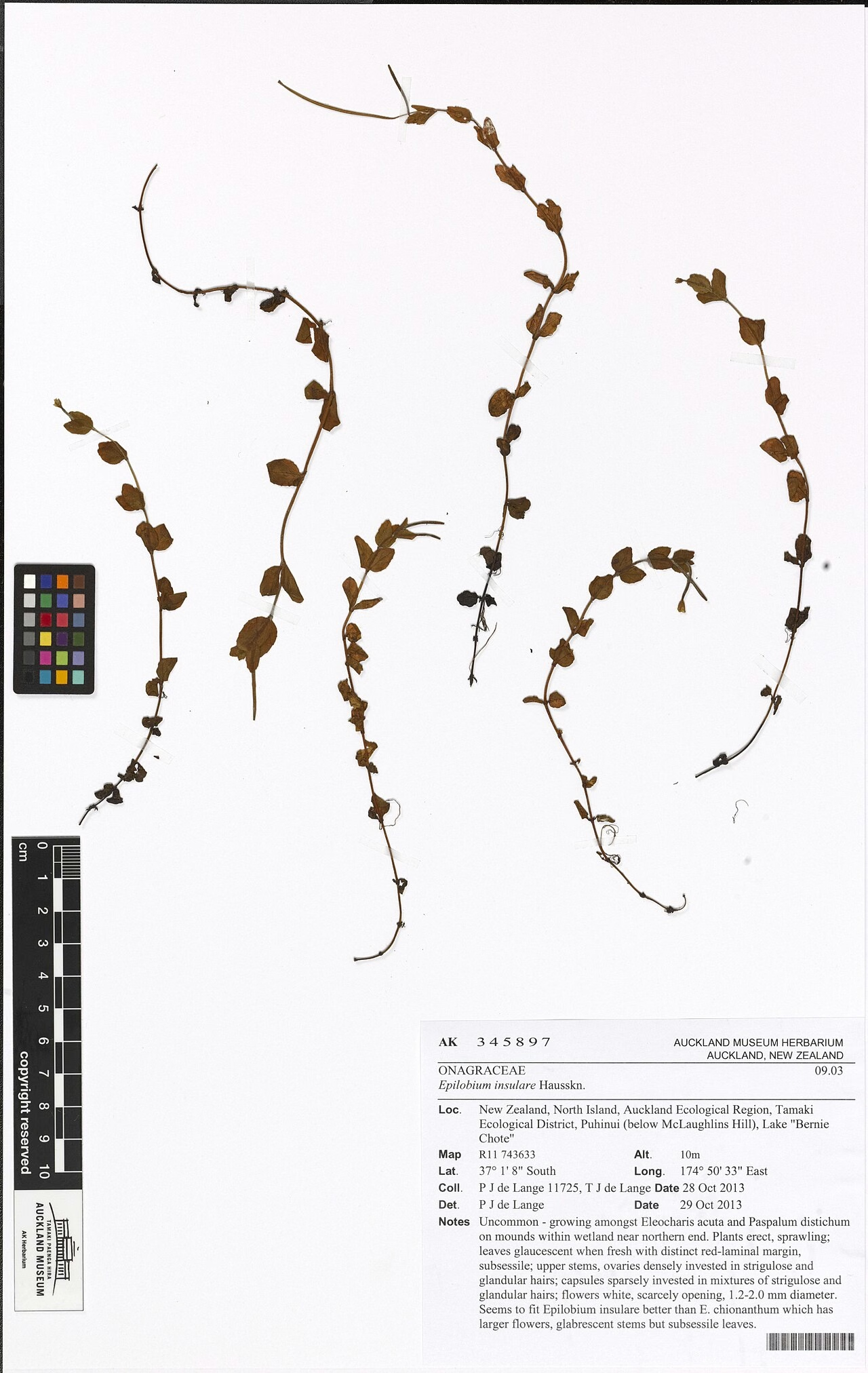
Epilobium insulare
Last updated:
Epilobium insulare is a loosely matted, soft-stemmed willowherb of open marshes, bogs and lake margins. Its branching stems reach 3 to 40 cm, creeping and rooting near the base, and carry dull bluish-green leaves with distinctly red margins and small, deeply notched white flowers. It is endemic to New Zealand, found on the North Island from near Wiri in Auckland and the Bay of Plenty southward, on the South Island and on the Chatham Islands, from sea level to 900 m. It is an obligate wetland plant and is ranked At Risk - Declining, with regional rankings of Critical in Auckland. Explore more native flowering plants in our native plant guide.
Plant Description
Epilobium insulare is a loosely matted, flaccid perennial herb, often much branched, with stems 30 to 400 mm long that creep and root near the base. The stems are finely hairy all round, more densely so in the upper parts and flowering region. The leaves are opposite, dull bluish-green with distinctly reddish margins, narrowly to very broadly ovate, 4 to 26 mm long and 4 to 14 mm wide.
The flowers have white petals 3.3 to 6.2 mm long and 1.6 to 3.5 mm wide, with prominent notches at the tip. Capsules are 25 to 55 mm long and contain orange to orange-brown seeds 0.8 to 1.1 mm long, each with a white coma that falls away readily.
It shares wet habitats with marsh willowherb (Epilobium chionanthum), which is a taller, mostly hairless plant with larger flowers, minutely toothed leaves without red margins, and grey-comose seeds.
Quick Facts
| Scientific Name | Epilobium insulare |
|---|---|
| Height | 0.03-0.4 m |
| Spread | Loose mats rooting near the base |
| Water Needs | High; permanently wet |
| Light | Full sun |
| Frost Tolerance | Moderate to high; sea level to 900 m |
| Salt Tolerance | No information available |
| Growth Rate | Fast |
| Lifespan | Perennial |
Climate Best Suited to
Grows across a wide climatic range, from lowland Auckland to the Chatham Islands and Otago, provided its wetland habitat stays wet. Open, sunny sites suit it best.
Regional Suitability
| City | Climate Suitability |
|---|---|
| Auckland | Medium |
| Wellington | High |
| Christchurch | High |
| Dunedin | High |
Plant Habitat
Epilobium insulare is endemic to New Zealand. On the North Island it occurs from near Wiri in South Auckland and the Bay of Plenty southward, and it is also found throughout the South Island and on the Chatham Islands. It ranges from sea level to 900 m.
It is an obligate wetland plant of relatively open, marshy places, bogs and lake margins. Regional assessments rank it Regionally Critical in Auckland and Regionally Vulnerable in Wellington and Otago.
Growing Requirements
Soil Requirements
It needs saturated, organic or silty wetland soils.
- Permanently wet soil
- Peaty bog or swamp soil suits it
- Low fertility is fine
Light Requirements
It favours relatively open marshes and lake margins without dense, tall cover.
- Full sun
- Keep clear of tall rushes and grasses
Water Requirements
This is an obligate wetland species and must not dry out.
- Constantly wet roots
- Plant in a swamp or pond margin
- A pot partly immersed in a pond works well
Planting and Establishing
NZPCN advises planting it into a swamp or in a pot partially immersed in a pond. Choose an open, sunny margin where taller wetland plants will not overwhelm it.
In restoration of lowland wetlands and lake edges, plant into patches of open, wet ground and keep weeds back while it establishes.
Ecological Role
Epilobium insulare is part of the low herb layer of open wetlands, where it creeps among sedges, mosses and other small marsh plants. Its minute plumed seeds are dispersed by wind to new wet ground.
Because it needs open, wet sites, drainage and the growth of taller vegetation over wetland margins reduce its habitat. Its pollinators are not recorded in the sources consulted.
Uses & Significance
Garden Uses
It is a practical native for wet spots and pond edges.
- Bog gardens
- Pond margins and pots partly submerged in water
- Wetland restoration
Ecological Value
As a declining endemic of open wetlands, it adds to the diversity of restored marshes and lake margins.
- Endemic to New Zealand
- Obligate wetland species
- Regionally threatened in several regions
Landscaping Uses
Use it as a small, mat-forming plant at the very edge of water, where its red-edged leaves and white flowers add fine detail among sedges.
Group several plants in a shallow, sunny section of a pond or rain garden that holds water, rather than in deep or shaded water.
Seasonal Care Calendar
Spring
Stems lengthen and root as they spread across wet ground.
- Divide rooted pieces
- Weed around plants
Summer
Flowering runs from November to March with small white, notched flowers.
- Keep the site wet
- Trim back overhanging vegetation
Autumn
Capsules ripen from January to April and shed tiny plumed seeds.
- Collect fresh seed
- Sow immediately
Winter
Plants persist as low, matted stems in the wet margin.
- Leave undisturbed
- Check potted plants stay wet
When to Prune and How Much
Pruning is not needed. Remove spent flowering stems if they look untidy once seed has fallen.
Managing taller neighbouring plants matters more than pruning the willowherb itself.
How to Grow Willowherb
NZPCN describes Epilobium insulare as easily grown from fresh seed and rooted pieces, and says it does best when planted into a swamp or within a pot partially immersed in a pond. Both methods are simple because its stems creep and root near the base, and it produces capsules from January to April filled with minute wind-dispersed seeds. Since it is ranked At Risk - Declining nationally and is regionally critical in Auckland, use locally sourced material wherever possible and obtain permission before collecting from wild populations. Keep everything constantly wet during propagation: seed trays and potted divisions can simply be stood in a tray of water.
From Seed
The seed is minute and its white coma falls away readily, so collect capsules just before they open and sow straight away. Fresh seed is what NZPCN recommends, so avoid storing it for long.
- Collect capsules as they start to split
- Sow seed on the surface of a fine, peaty mix
- Do not cover the seed
- Stand the tray in shallow water in good light
- Pot seedlings into small pots kept standing in water
By Division of Rooted Pieces
Stems that have rooted near the base can be separated and grown on, giving a planting-sized piece quickly.
- In spring, cut away a rooted section of stem
- Pot into a wet peat or silt mix
- Stand the pot in water
- Plant into a swamp or pond margin once growing strongly
Pests & Diseases
No specific pests or diseases are recorded for Epilobium insulare in the sources consulted.
The main problems in gardens and in the wild are drying out and being smothered by taller wetland plants and weeds.
Cultural Significance
No traditional Māori name or use is recorded for Epilobium insulare in the sources consulted.
Carl Haussknecht described the species in 1884. Thomas Kirk later named the same plant Epilobium pubens var. minor, which is now treated as a synonym.
Bonus Tip
Grow Epilobium insulare in a small pot set on a submerged brick at the shallow edge of a pond, so the pot is partly immersed. This follows NZPCN's advice, keeps it permanently wet and stops vigorous pond plants from swamping it.
Related Plants
Explore other native plants that share similar characteristics or habitats with Willowherb (Epilobium insulare), offering further insights into New Zealand's diverse flora. These related species provide context and opportunities for complementary planting in your garden.
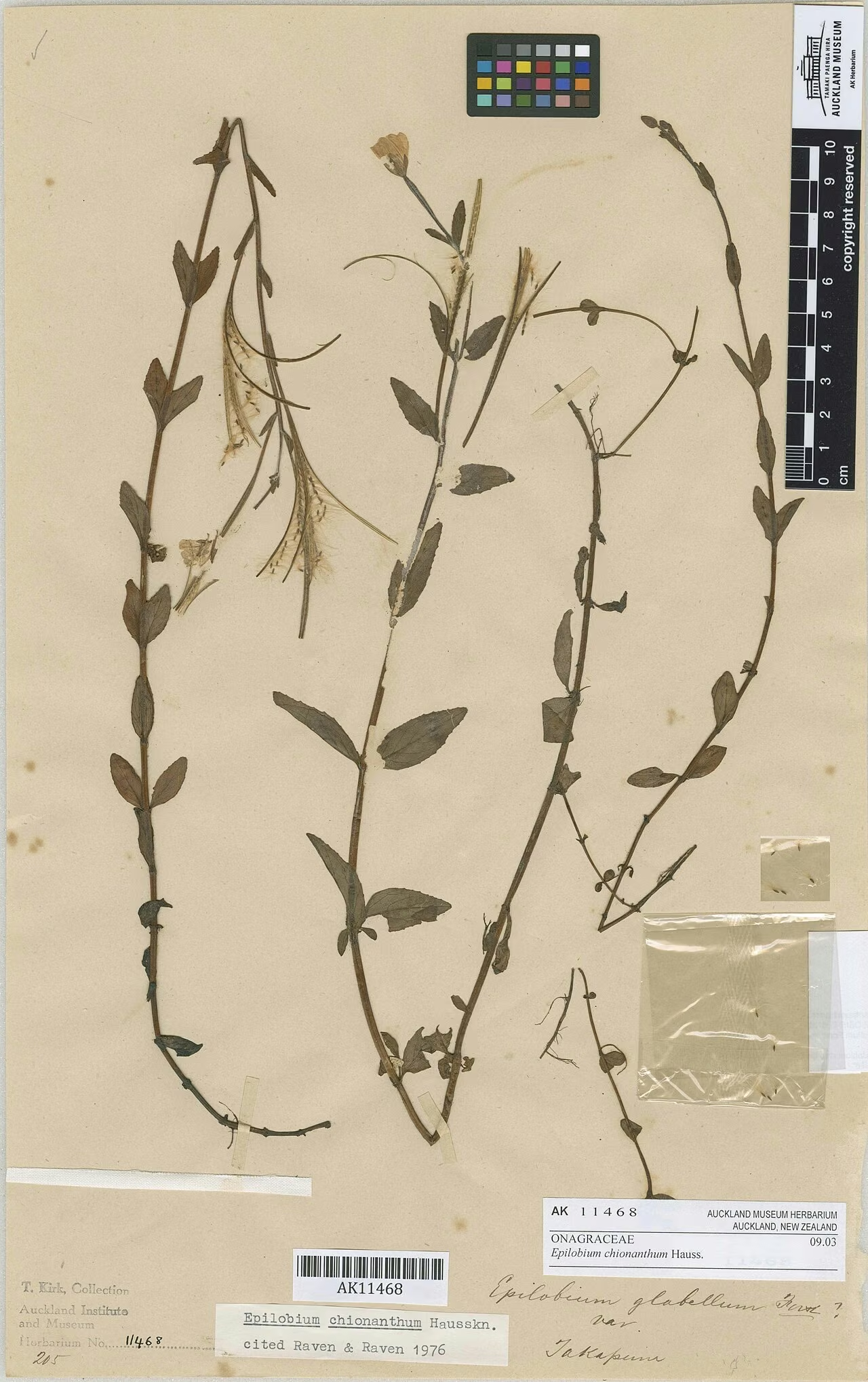
Marsh Willowherb
Epilobium chionanthum
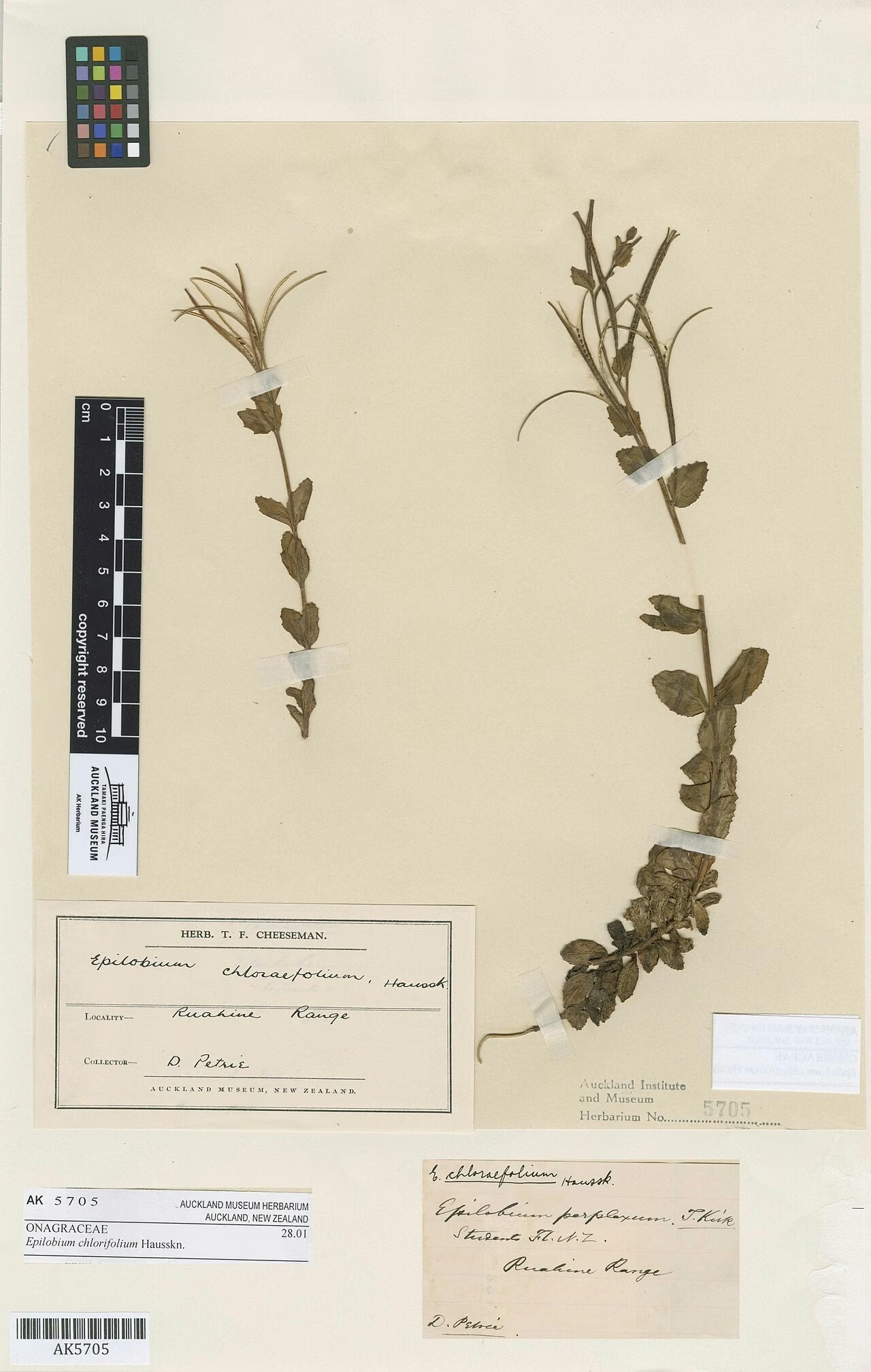
Mountain Willowherb
Epilobium chlorifolium
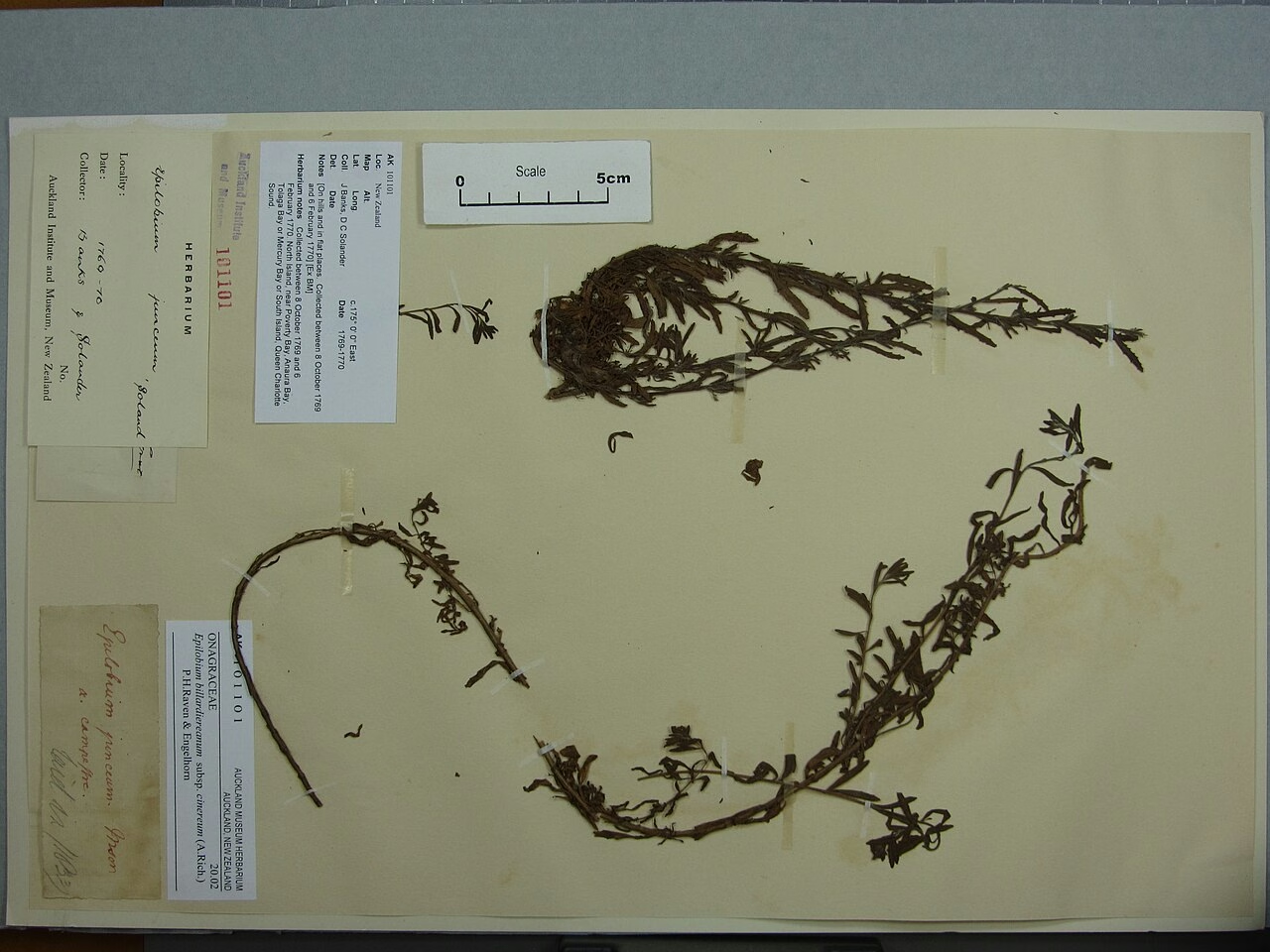
Epilobium cinereum
Epilobium cinereum
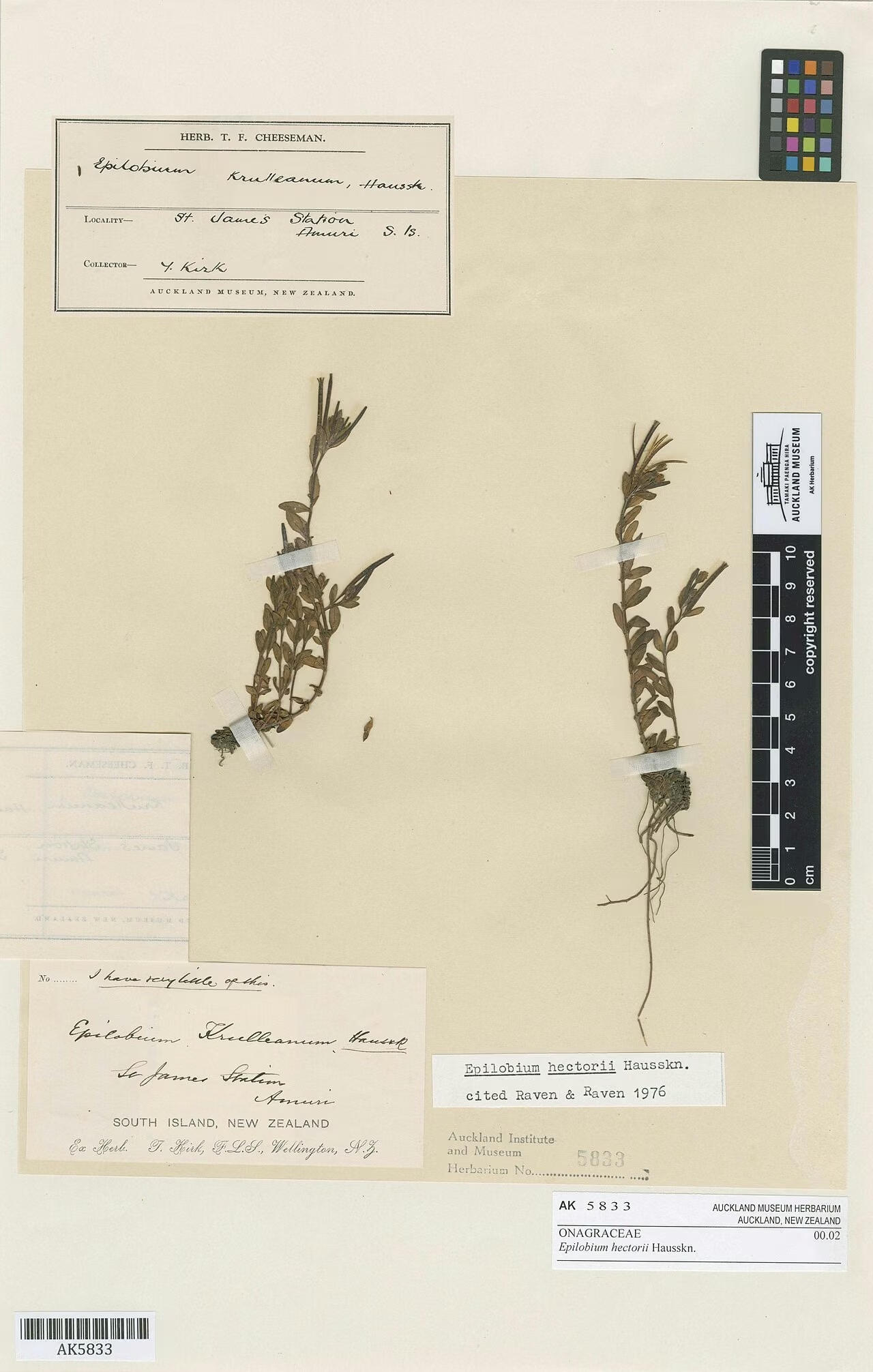
Epilobium hectorii
Epilobium hectorii
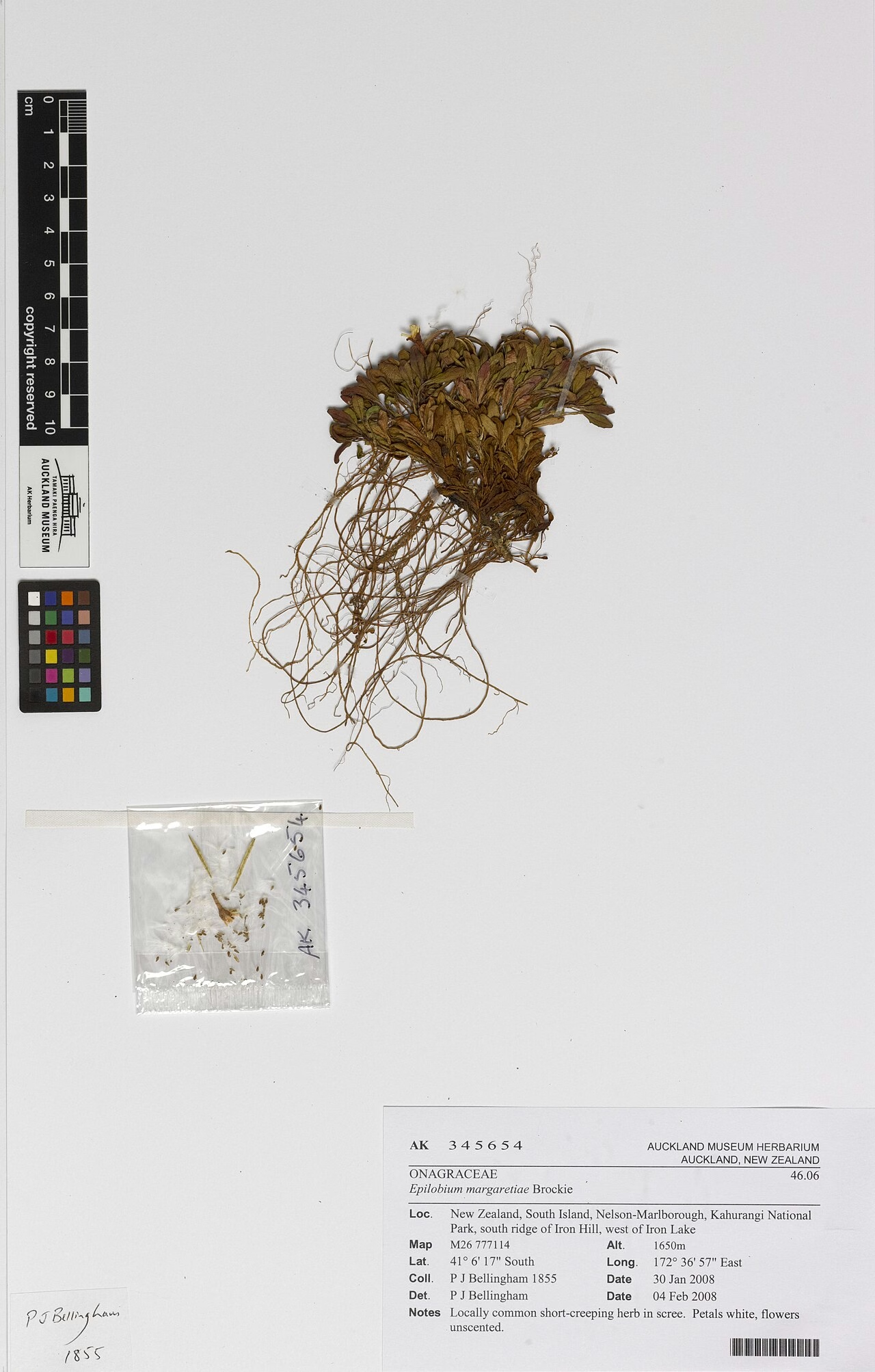
Epilobium margaretiae
Epilobium margaretiae
Epilobium microphyllum
Epilobium microphyllum
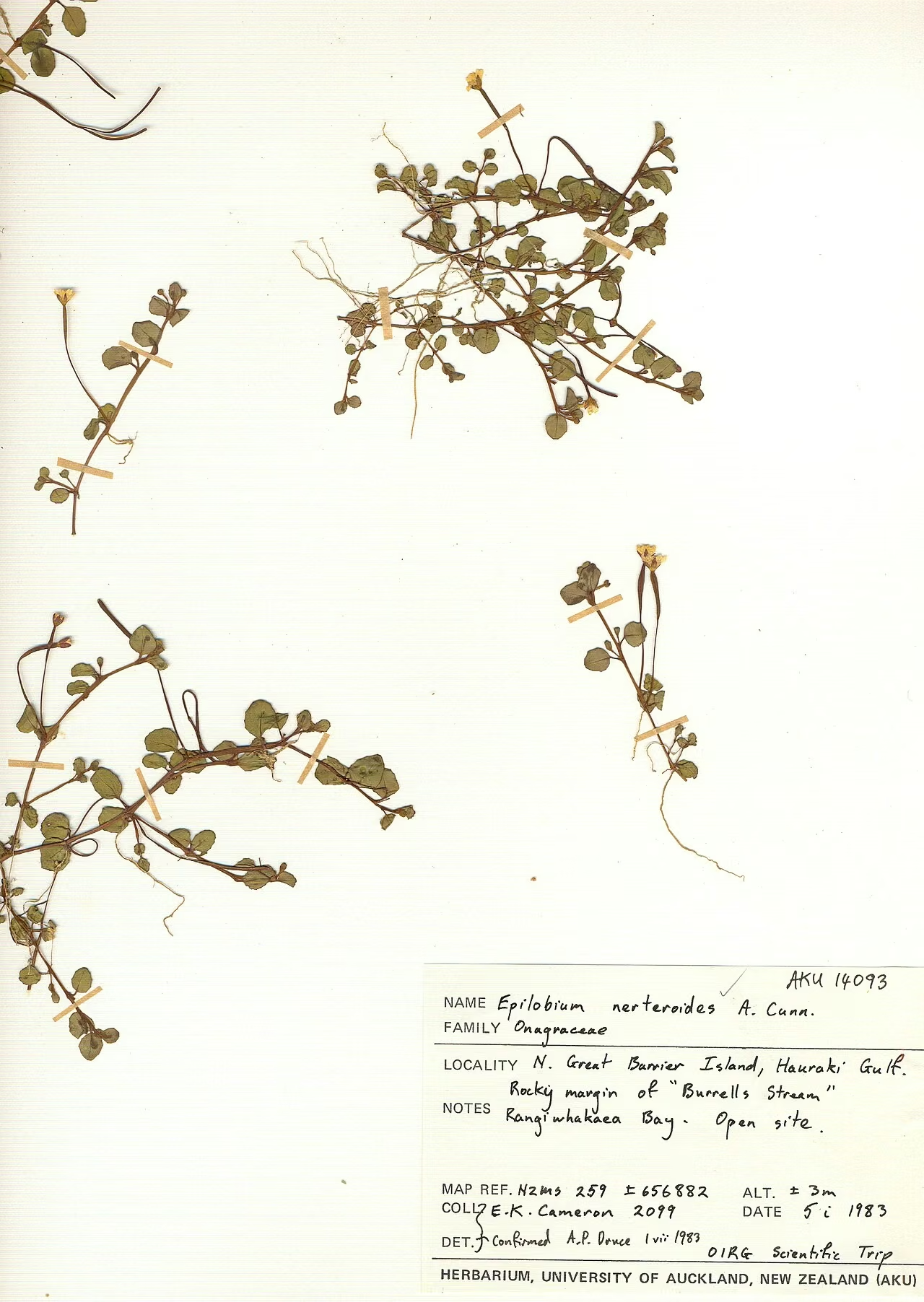
Epilobium nerteroides
Epilobium nerteroides
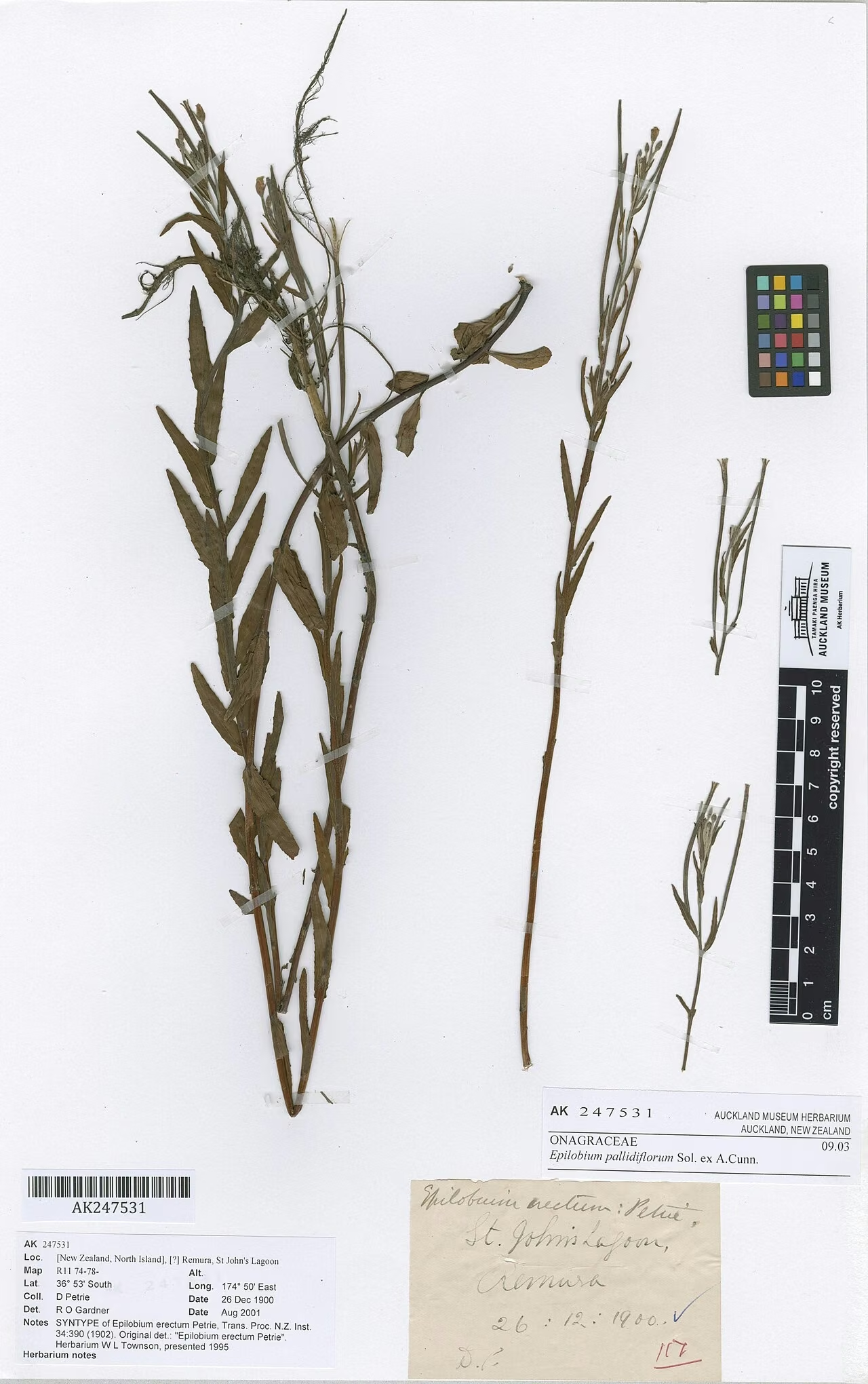
Swamp Willowherb
Epilobium pallidiflorum
Plant Conservation
Epilobium insulare is ranked At Risk - Declining (2023), with qualifiers Sp (sparse), RR (range restricted) and the data-poor qualifiers DPS and DPT, which flag uncertainty about population size and trend. Previous rankings were Not Threatened (2004), At Risk - Declining (2009 and 2017) and Data Deficient (2012).
Its habitat of open marshes, bogs and lake margins has been widely reduced by wetland drainage and weed invasion in New Zealand, and it is regionally critical in Auckland. Protecting and restoring open wetlands is the main conservation need.
Frequently Asked Questions
How do I tell Epilobium insulare from marsh willowherb?
Compared with marsh willowherb (E. chionanthum), E. insulare has young stems evenly hairy all round, distinctly red-margined leaves, smaller and more deeply notched petals, and smaller seeds with white rather than grey comas.
Where does Epilobium insulare grow?
It grows in relatively open, marshy places, bogs and around lake margins from sea level to 900 m, on the North Island from near Wiri and the Bay of Plenty south, the South Island and the Chatham Islands.
Can Epilobium insulare be grown in a garden pond?
Yes. NZPCN says it is easily grown from fresh seed and rooted pieces and does best planted into a swamp or in a pot partially immersed in a pond.
What does insulare mean?
Insulare comes from the Latin insula, meaning island. The sources consulted do not explain why this name was chosen.
Sources and Further Reading
The botanical, growing, and conservation details for Willowherb (Epilobium insulare) on this page draw on the New Zealand plant references below. Consult them for full technical records and the latest distribution data.