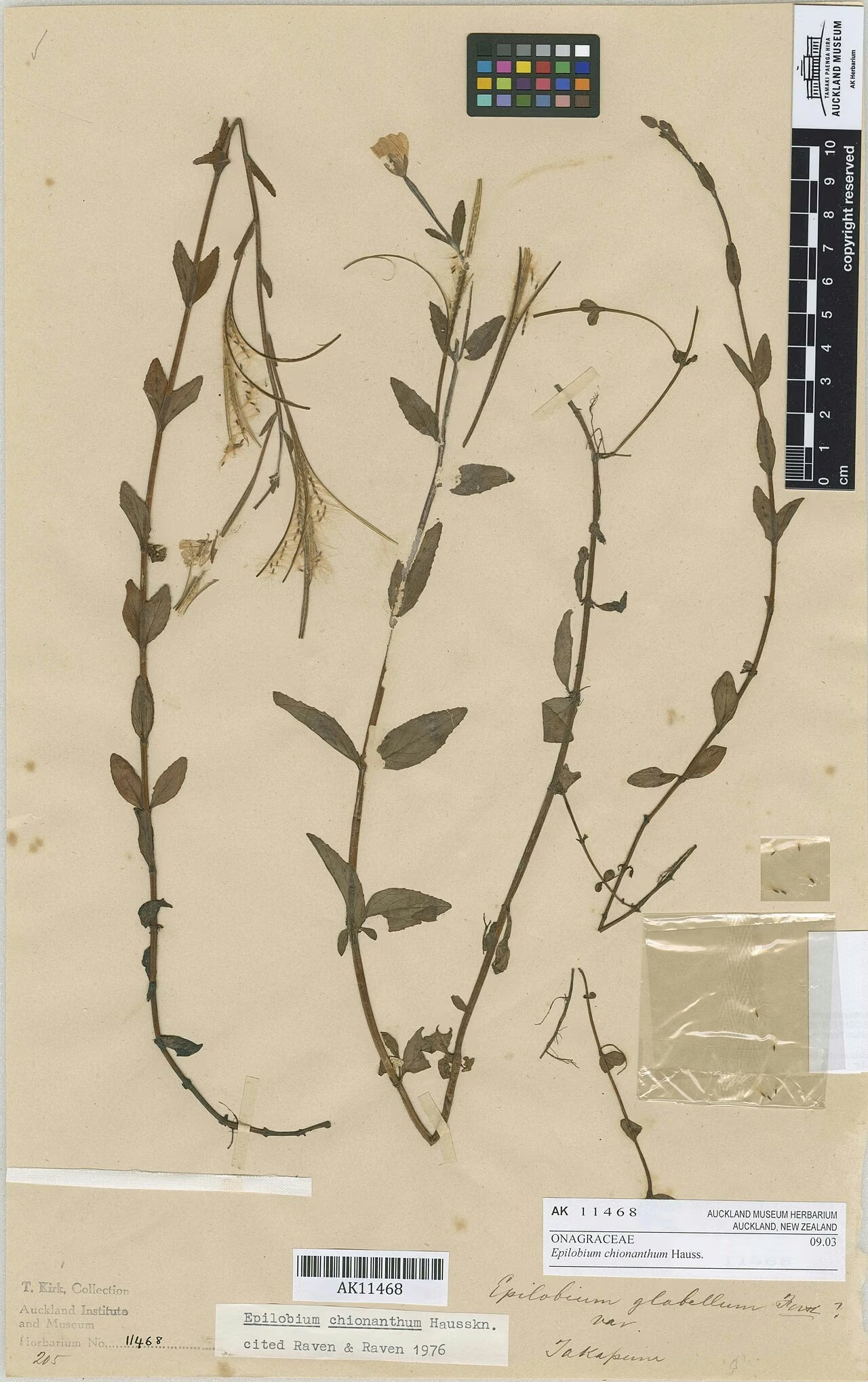
Marsh Willowherb
Epilobium chionanthum
Last updated:
Marsh willowherb (Epilobium chionanthum) is an endemic willowherb of swamps, bogs and wet grassy or sedgy swards. It forms loose clumps up to 75 cm tall from numerous leafy stolons, with often reddish, mostly hairless stems, dull green finely toothed leaves and some of the largest flowers among New Zealand willowherbs, white and often flushing pink. The name chionanthum means snowy-white flower. It grows on the North, South and Chatham Islands from the lowlands to about 900 m. Wetland drainage, weeds and coastal development have caused it to decline, and it is ranked At Risk - Declining. Explore more native flowering plants in our native plant guide.
Plant Description
Epilobium chionanthum is a loosely clumped perennial herb up to 0.75 m tall with numerous leafy stolons. The stems are often reddish and mostly hairless, apart from lines of short flattened hairs running down from the margins of the leaf stalks. The leaves are opposite, dull green and much shorter than the internodes, with a blade 12 to 40 mm long and 7 to 15 mm wide, elliptic to ovate, with finely toothed margins bearing 7 to 14 minute teeth on each side.
The flowers are erect and large for a New Zealand willowherb, with petals 6 to 11 mm long and 4.5 to 6 mm wide, white and often flushed pink as they age. Capsules are 4 to 6 cm long and split to release small seeds with a tuft of hairs for wind dispersal.
NZPCN distinguishes it from related species by its large flowers and hairless, dull green leaves with minute teeth. The similar Epilobium insulare, which shares its marshy habitat, has young stems evenly hairy all round, distinctly red-margined leaves, smaller and more deeply notched petals, and smaller seeds with white rather than grey comas.
Quick Facts
| Scientific Name | Epilobium chionanthum |
|---|---|
| Height | Up to 0.75 m |
| Spread | Loose clumps spreading by leafy stolons |
| Water Needs | High; permanently wet ground |
| Light | Full sun |
| Frost Tolerance | Moderate to high; lowland to upland wetlands |
| Salt Tolerance | No information available |
| Growth Rate | Fast |
| Lifespan | Short-lived perennial |
Climate Best Suited to
Suits temperate lowland to upland climates where ground stays wet year round. It grows from the North Island to the Chatham Islands, so climate matters less than a permanently damp site.
Regional Suitability
| City | Climate Suitability |
|---|---|
| Auckland | Medium |
| Wellington | High |
| Christchurch | High |
| Dunedin | High |
Plant Habitat
Marsh willowherb is endemic to New Zealand, occurring on the North, South and Chatham Islands. It ranges from the lowlands to the uplands, mostly below 900 m above sea level.
It grows in swamps and in wet swards of grasses or sedges beside lakes or rivers, and in bogs. These open, waterlogged sites have been widely drained or invaded by weeds, which is the main reason for its decline.
Growing Requirements
Soil Requirements
It needs permanently wet soil, from peat in bogs to silty swamp margins.
- Waterlogged or saturated soil
- Peat or silt is suitable
- Low to moderate fertility
Light Requirements
It resents competition, so it needs an open, sunny position where taller plants do not crowd it.
- Full sun
- Open wet swards rather than dense rush beds
Water Requirements
As a swamp and bog plant it must never dry out.
- Keep roots constantly wet
- Suits pond margins and bog gardens
- A pot stood in a shallow pond works well
Planting and Establishing
Plant in spring into the wet margin of a pond, bog garden or restored swamp in full sun. Keep the area around it free of tall grasses and rushes so it is not shaded out.
Because individual plants are short-lived, plant several and allow them to self-seed and spread by stolons to keep a population going.
Ecological Role
Marsh willowherb is a component of open lowland and upland wetland vegetation, growing among low grasses and sedges. Its plumed seeds disperse on the wind to newly opened wet ground.
Its short life and dislike of competition mean it relies on disturbance that keeps wetland margins open. The insects that visit its large white flowers are not documented in the sources consulted.
Uses & Significance
Garden Uses
Its large white flowers make it one of the more attractive native willowherbs for a wet garden.
- Bog gardens
- Pond and stream margins
- Wetland restoration plantings
Ecological Value
It is an endemic indicator of open, natural wetlands, a habitat that has been heavily reduced in New Zealand.
- Endemic to New Zealand
- Declining wetland species
- Adds diversity to restored swamps
Landscaping Uses
Plant drifts of marsh willowherb along a sunny pond edge, where the white flowers stand out against water and low sedges.
Keep companions low, such as small sedges, so the willowherb is not overtopped, and accept that individual plants will come and go as the colony renews itself.
Seasonal Care Calendar
Spring
Flowering starts from about October or November as stolons send up new shoots.
- Plant or divide
- Weed around clumps
Summer
Peak flowering, with large white flowers often flushing pink.
- Keep the site wet
- Cut back competing growth
Autumn
Capsules ripen from November to April and release plumed seed.
- Collect fresh seed
- Let some seed fall to replace old plants
Winter
Flowering and fruiting have finished, and the plant persists through winter as its clump of leafy stolons.
- Keep the area clear of smothering weeds
- No feeding needed
When to Prune and How Much
Cut back spent flowering stems after seed has been shed, leaving the leafy stolons at the base intact.
The more important task is controlling neighbouring vegetation, as marsh willowherb resents competition.
How to Grow Marsh Willowherb
NZPCN describes marsh willowherb as easy to raise from rooted pieces and fresh seed, but notes that it tends to be short-lived and resents competition. That makes propagation an ongoing job rather than a one-off: plan to raise replacement plants every year or two, or let the colony self-seed into open wet ground. Seed is produced over a long fruiting season, and the leafy stolons root readily into wet soil, giving ready-made plants. Because the species is ranked At Risk - Declining, source seed or stolons from cultivated plants or, with permission, from the same district where plants will be used, and never strip wild populations. Keep all propagation material constantly moist, as this is a plant of swamps and bogs.
From Seed
Fresh seed germinates readily when kept wet.
- Collect capsules as they begin to split
- Sow on the surface of a peaty seed mix
- Stand the tray in shallow water so the mix stays saturated
- Keep in good light
- Prick out seedlings into individual pots kept standing in water
By Division of Rooted Stolons
Leafy stolons root into wet ground and can be cut away with roots attached. Division is the quickest way to bulk up a planting and keeps the exact character of a local population.
- In spring, lift a rooted stolon from the edge of a clump
- Pot into a wet peat-based mix
- Stand the pot in a saucer of water
- Plant out into a bog or pond margin once established
Pests & Diseases
No specific pests are recorded for marsh willowherb in the sources consulted. The biggest problem in gardens is being crowded out by vigorous grasses and rushes.
In the wild, invasive wetland weeds and drainage are the main threats rather than pests or diseases.
Cultural Significance
No traditional Māori name or use is recorded for Epilobium chionanthum in the sources consulted.
The species name comes from the Greek for snow and flower, describing its white blooms, while Epilobium combines the Greek epi (upon) and lobos (pod), because the flower sits on top of the long ovary.
Bonus Tip
Grow marsh willowherb in a pot of peaty mix sunk to its rim in the shallow edge of a pond. This keeps the roots permanently wet while stopping more vigorous pond plants from swamping it, and makes it easy to collect seed for replacement plants.
Related Plants
Explore other native plants that share similar characteristics or habitats with Marsh Willowherb (Epilobium chionanthum), offering further insights into New Zealand's diverse flora. These related species provide context and opportunities for complementary planting in your garden.

Epilobium angustum
Epilobium angustum
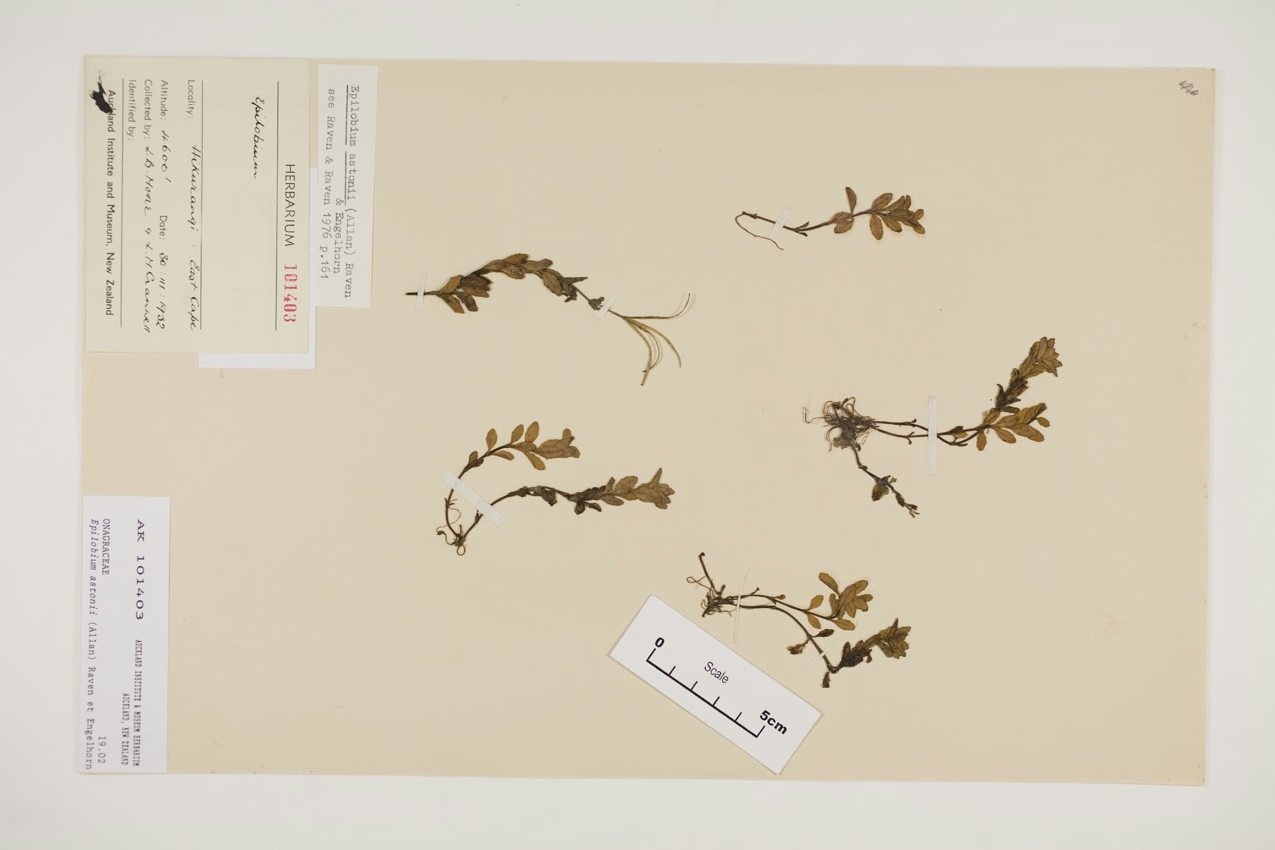
Aston's Willowherb
Epilobium astonii
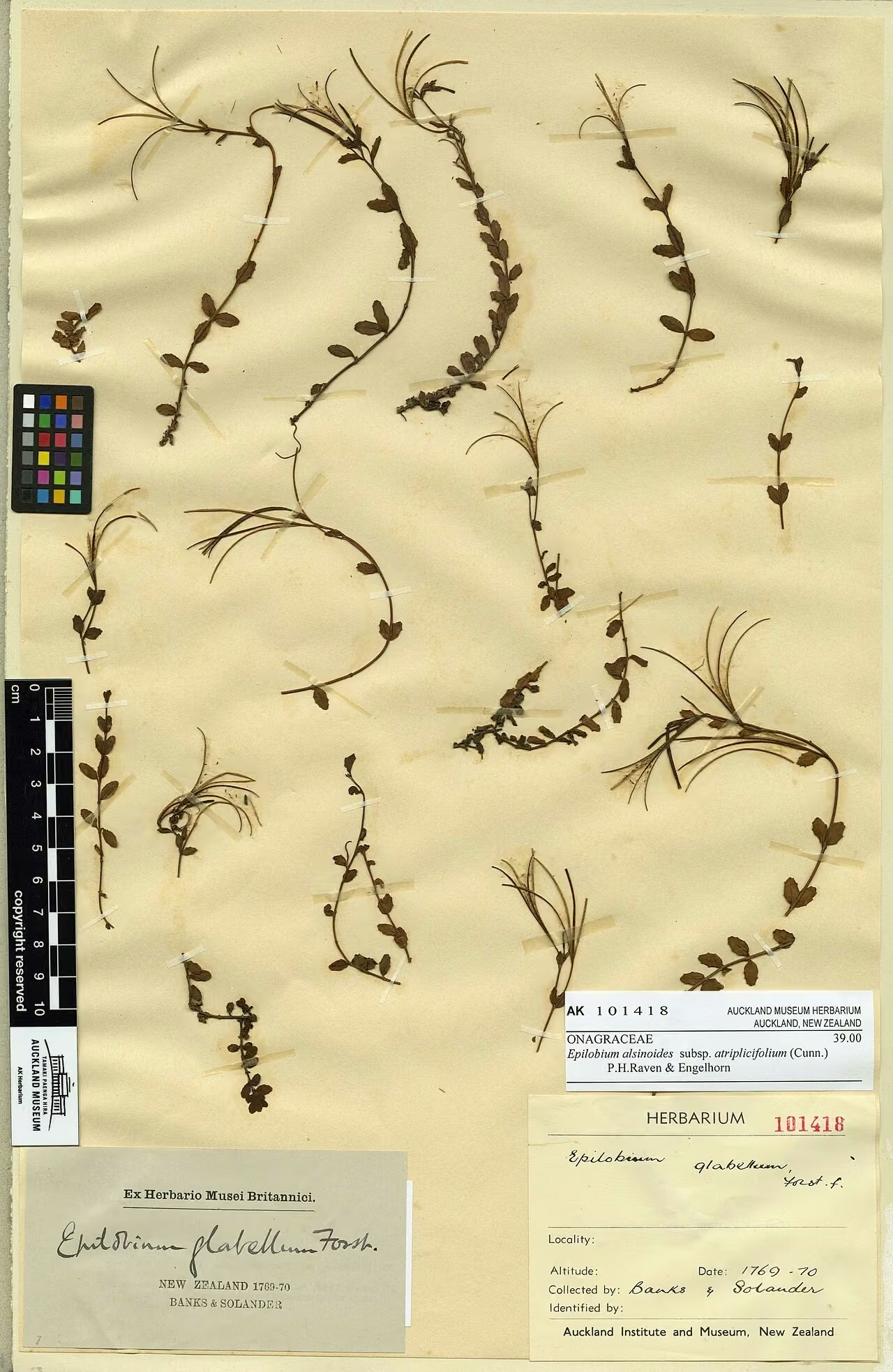
Epilobium atriplicifolium
Epilobium atriplicifolium
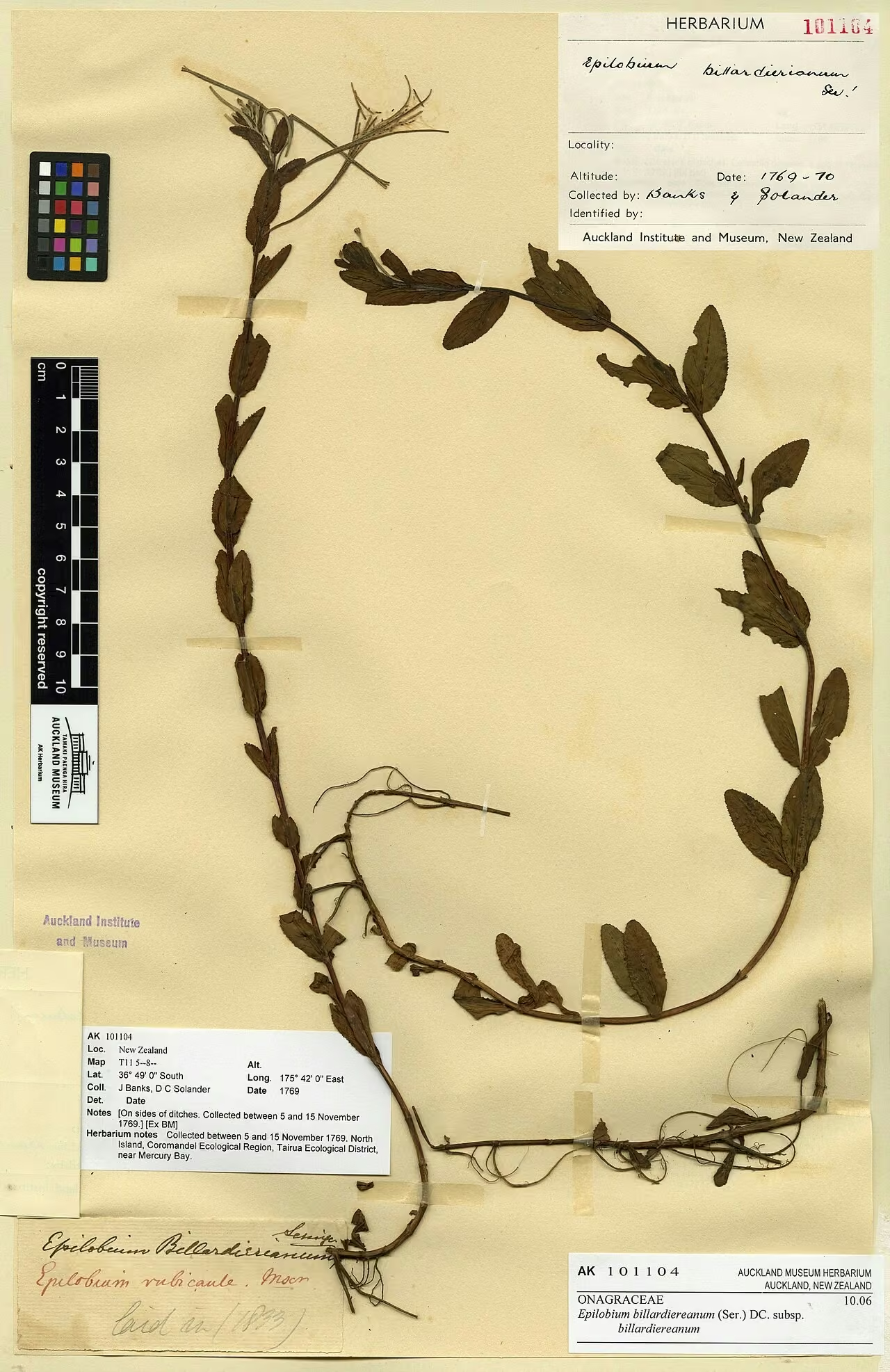
Epilobium billardiereanum
Epilobium billardiereanum
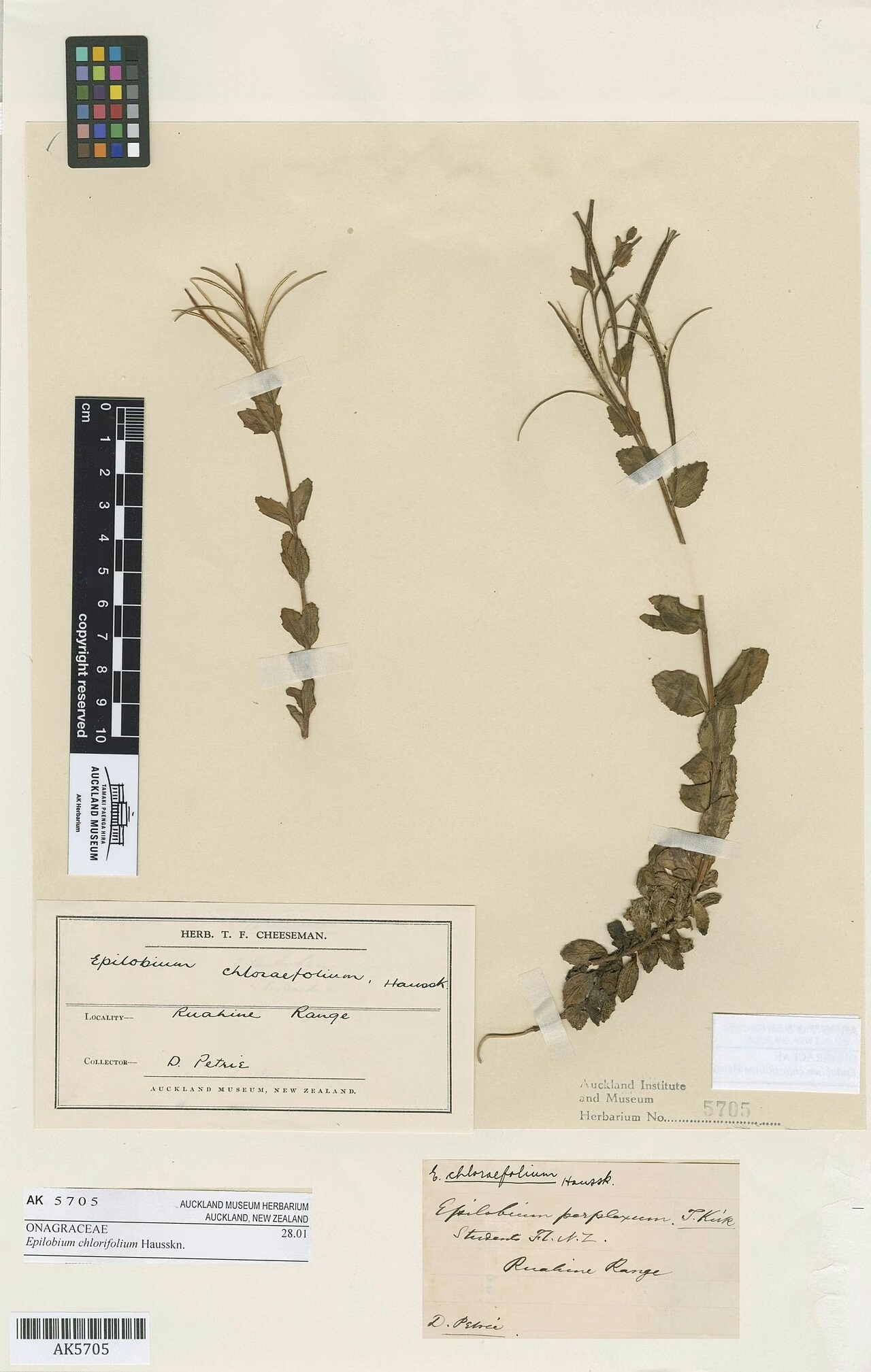
Mountain Willowherb
Epilobium chlorifolium
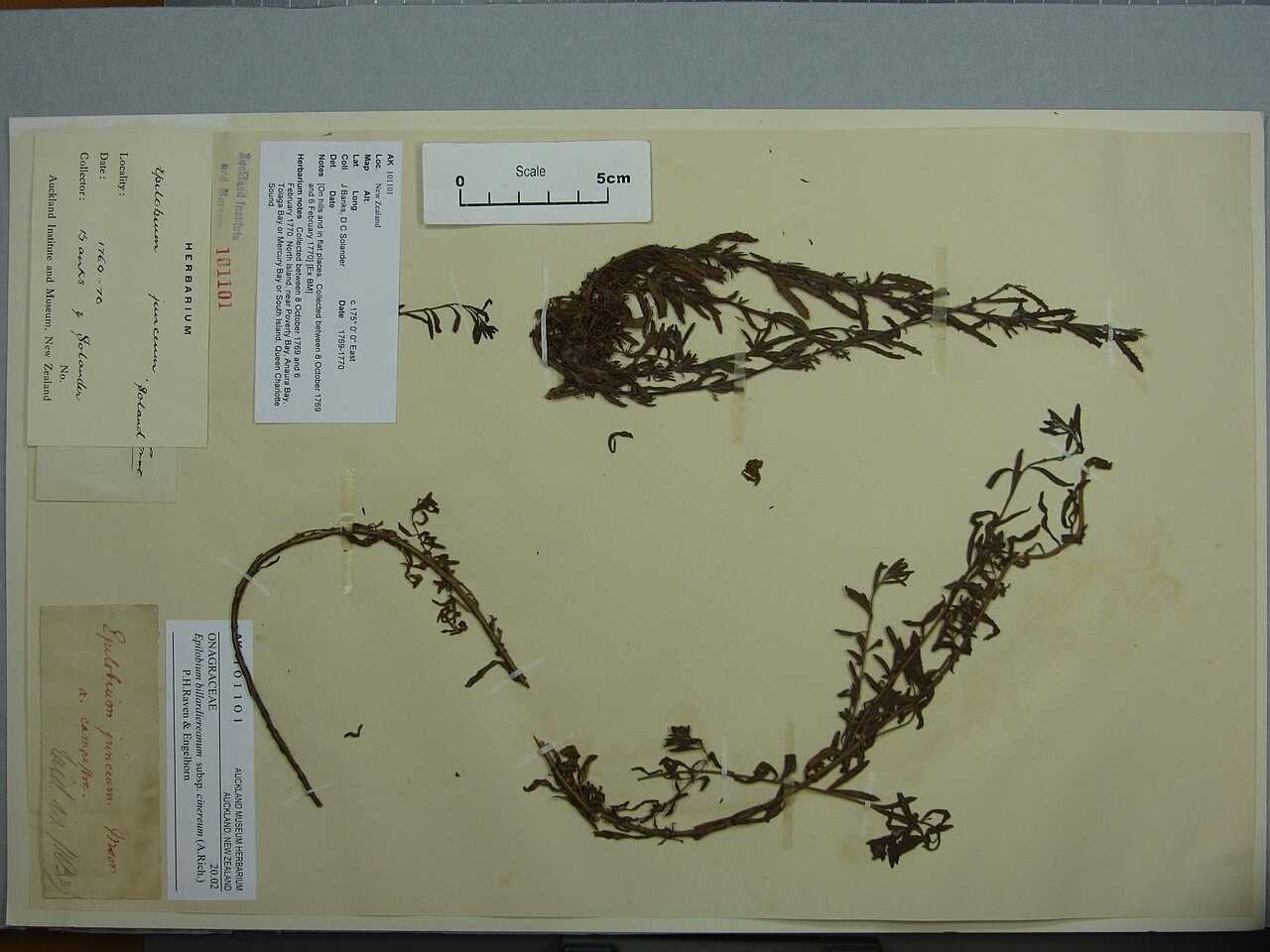
Epilobium cinereum
Epilobium cinereum
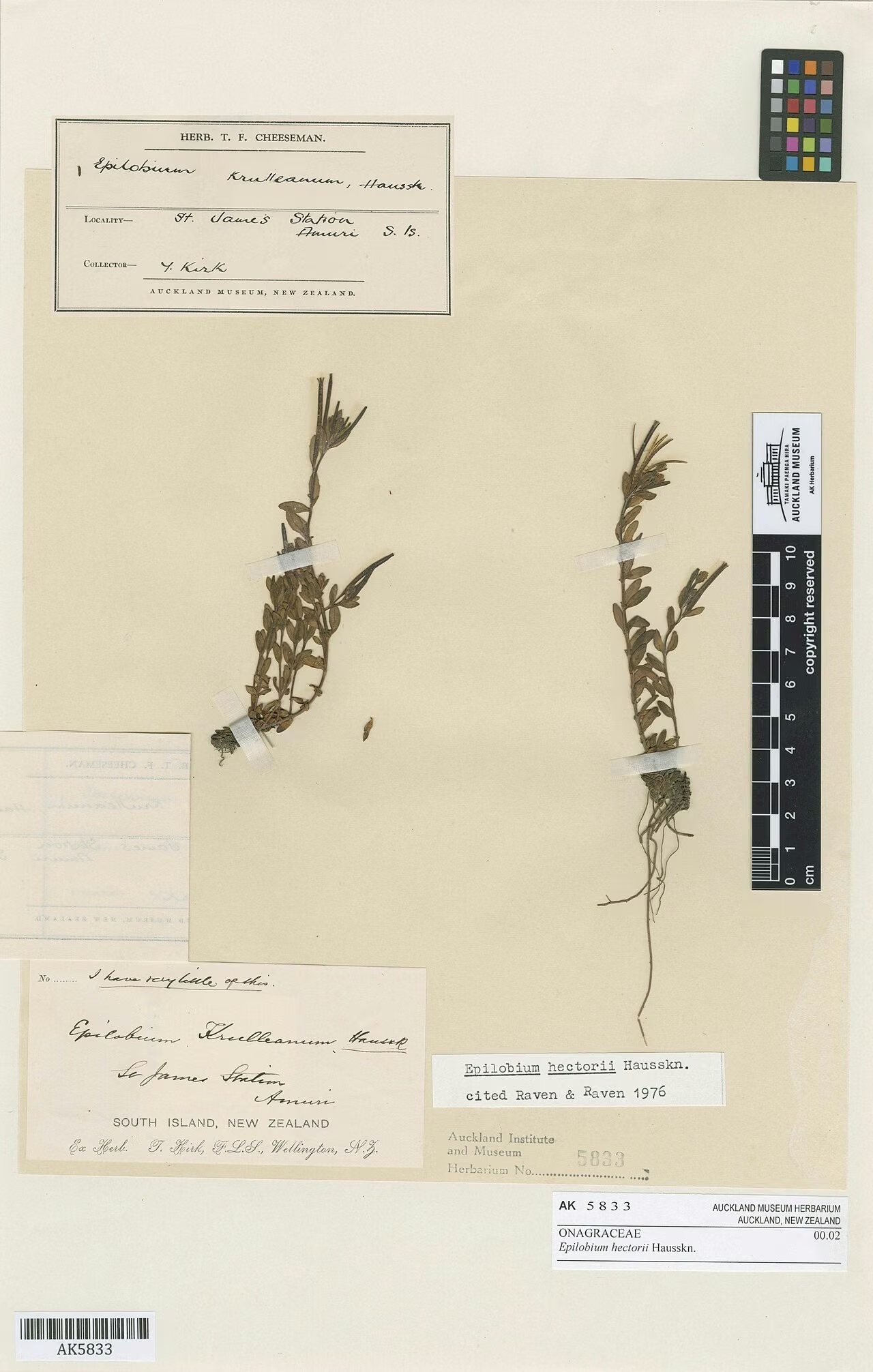
Epilobium hectorii
Epilobium hectorii
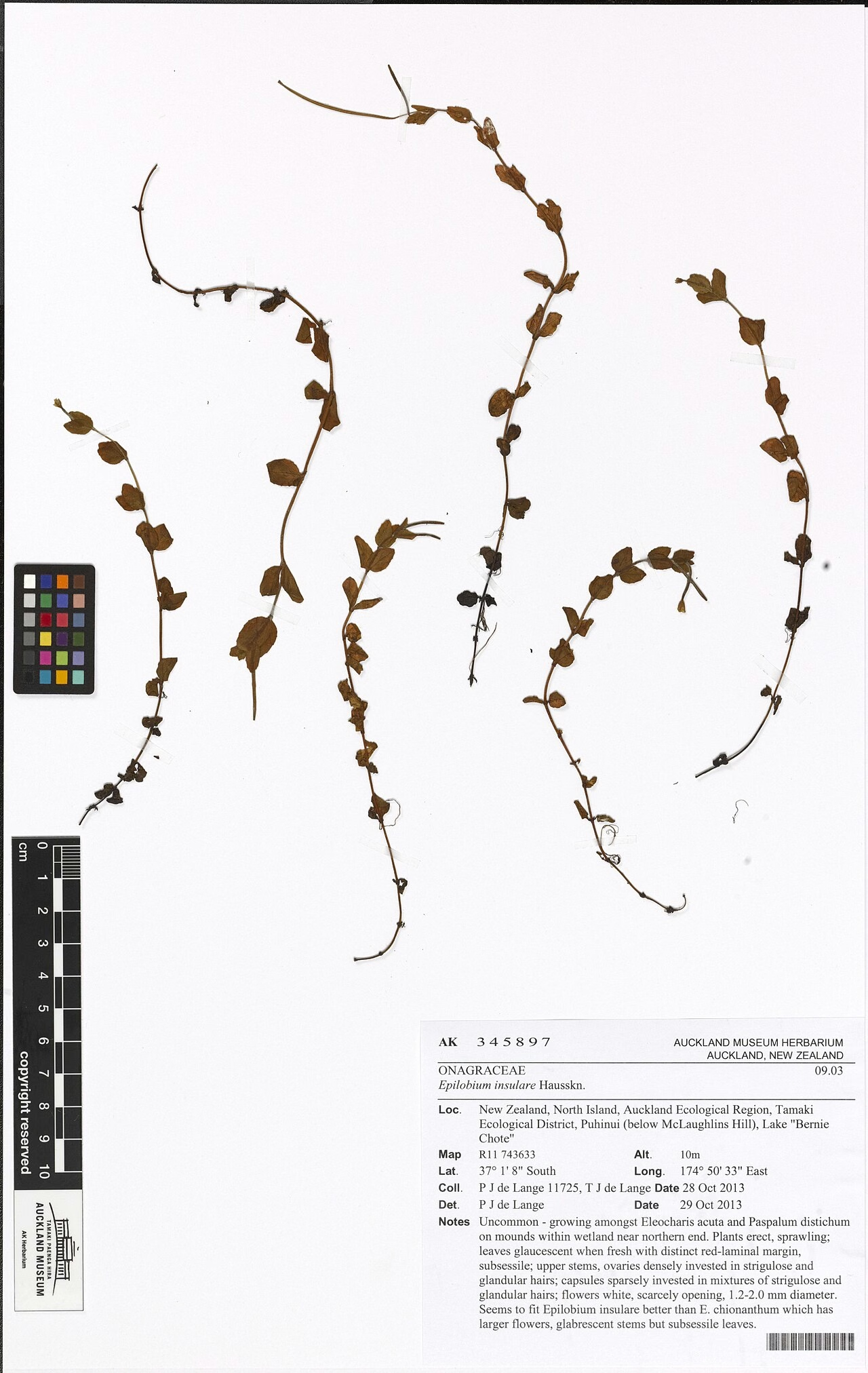
Epilobium insulare
Epilobium insulare
Plant Conservation
Epilobium chionanthum is ranked At Risk - Declining (2023). Its qualifiers include the data-poor qualifiers DPR, DPS and DPT, which flag uncertainty about recognition, population size and trend, along with PF (population fragmentation) and RR (range restricted). NZPCN lists wetland drainage, the spread of invasive weeds and coastal development as threats.
Protecting and restoring open lowland wetlands, controlling weeds such as tall exotic grasses around known populations, and growing it in wetland restoration projects all help.
Frequently Asked Questions
Why is it called marsh willowherb?
Epilobium chionanthum grows in swamps, bogs and wet swards of grasses or sedges beside lakes and rivers, so it is a willowherb of marshy ground.
How do you identify Epilobium chionanthum?
Look for a loosely clumped wetland willowherb with large white flowers (petals 6 to 11 mm long) and dull green, hairless leaves with minute teeth, much shorter than the stem sections between them.
Why is marsh willowherb declining?
NZPCN lists wetland drainage, the spread of invasive weeds and coastal development as threats, and the species resents competition from taller plants.
Is marsh willowherb easy to grow?
It is easy from rooted pieces and fresh seed, but NZPCN notes that it tends to be short-lived and resents competition, so it needs an open, wet spot.
Sources and Further Reading
The botanical, growing, and conservation details for Marsh Willowherb (Epilobium chionanthum) on this page draw on the New Zealand plant references below. Consult them for full technical records and the latest distribution data.