Willowherb
Epilobium cinereum
Last updated:
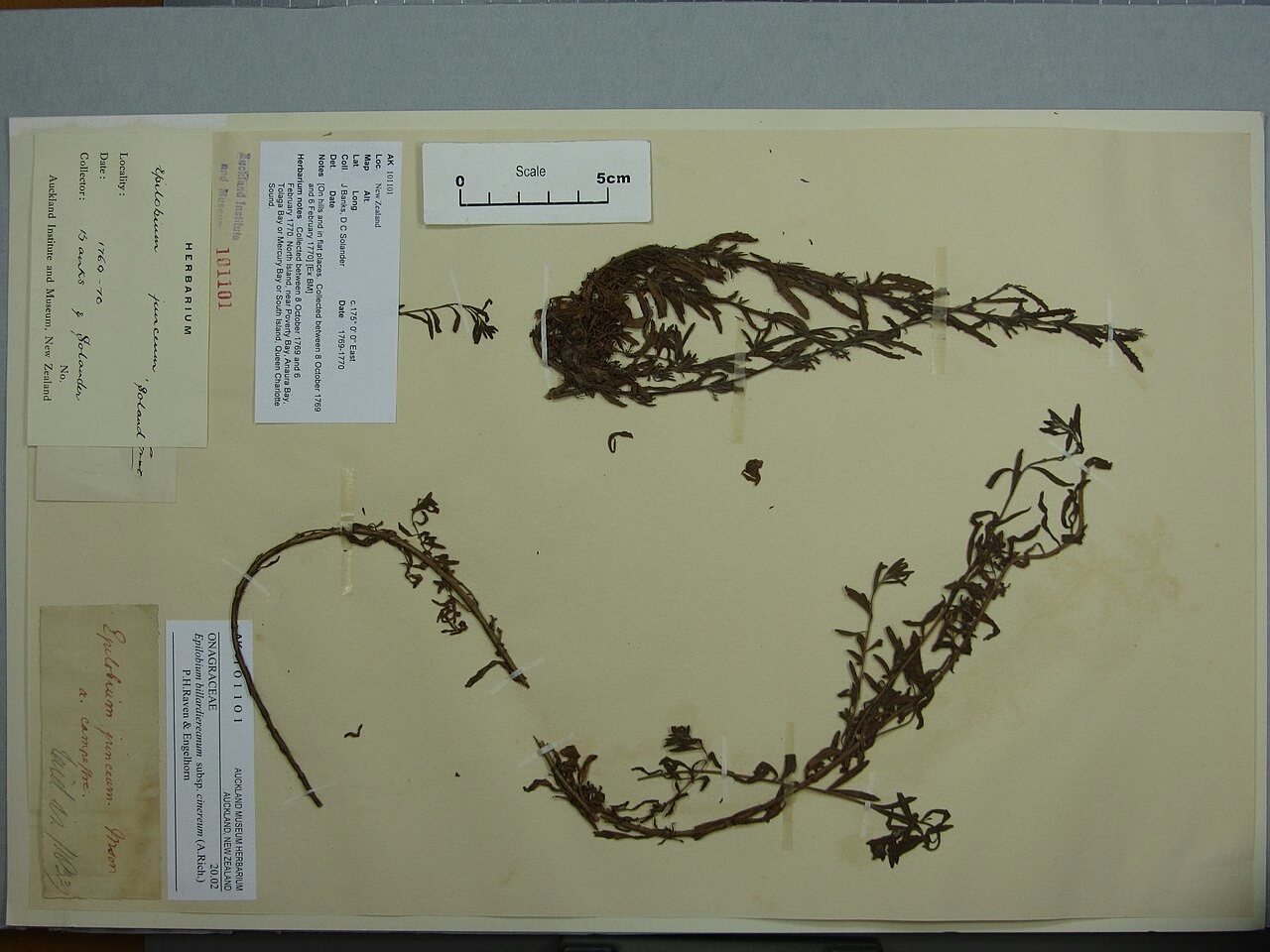
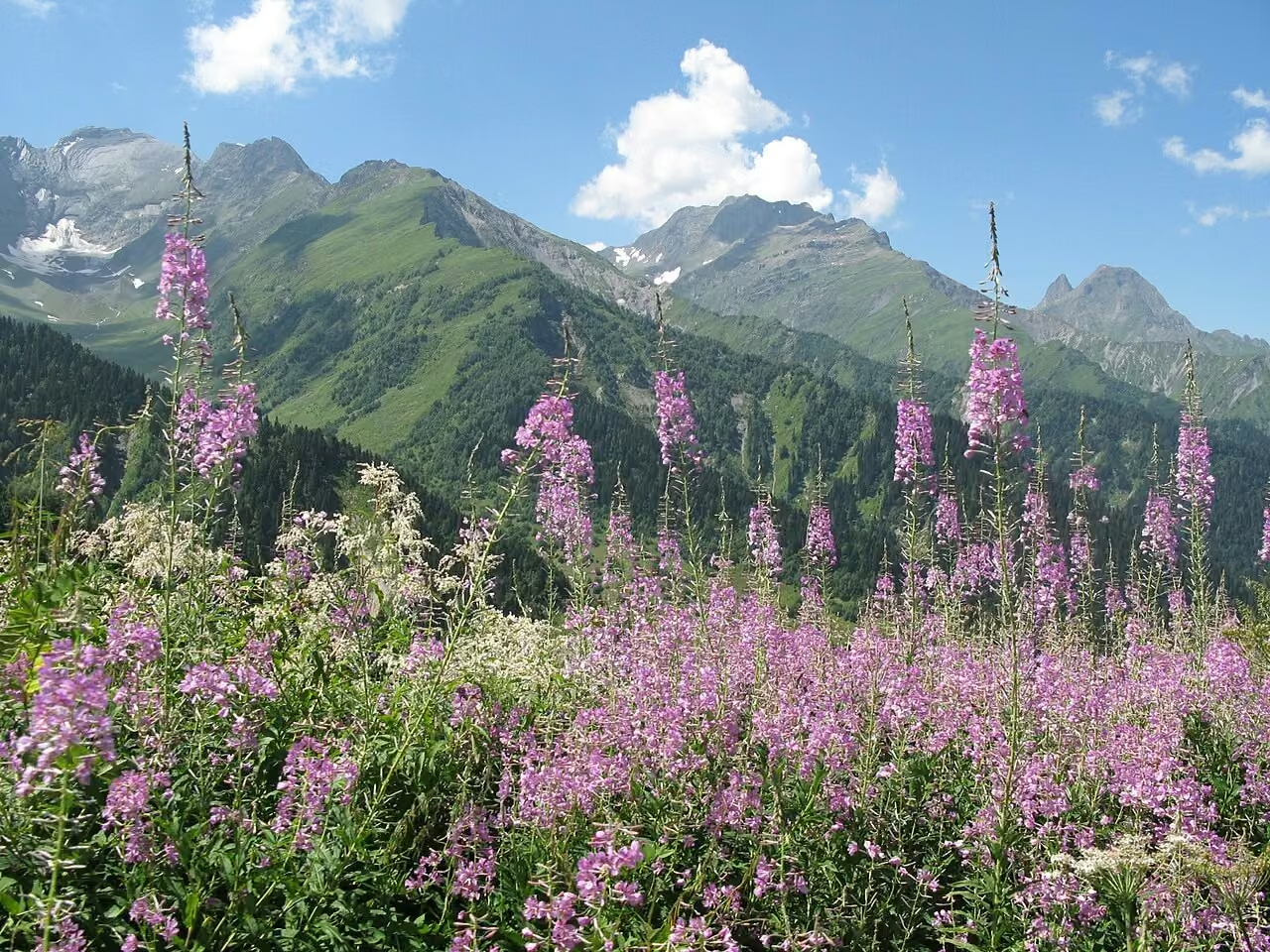
Epilobium cinereum is an upright, heavily branched willowherb 15 to 60 cm tall, with ash-grey, often red-tinged hairy stems and leaves and widely opening rose-purple flowers. The name cinereum means ash-grey. It is indigenous to the North, South, Stewart and Chatham Islands and also native to Australia, and it has become naturalised in Hawaii. It grows from the coast to the upper montane zone on banks, rock outcrops and water margins, and is one of the native plants most often seen in towns, popping up in car parks and neglected sections. It is ranked Not Threatened, and NZPCN regards it as too weedy to recommend for gardens. Explore more native flowering plants in our native plant guide.
Plant Description
Epilobium cinereum is an erect, much-branched perennial or annual herb 0.15 to 0.6 m tall, often tinged reddish and not obviously stoloniferous. The stems are hairy all round with fine, flattened hairs mixed with glandular or non-glandular erect hairs, and are often somewhat woody and peeling near the base. The leaves are grey-green, often reddish, densely hairy, 5 to 23 mm long and 1.5 to 7 mm wide, linear to narrowly elliptic, with coarsely toothed margins bearing only 1 to 8 widely spaced teeth on each side.
The erect flowers have petals 3.5 to 12 mm long, notched at the tip and rose-purple (very rarely white), and they open widely. The floral tube usually has a conspicuous ring of long hairs inside. Capsules are 30 to 68 mm long and densely hairy, and the brown seeds, about 1 mm long with a rounded tip, carry a white coma 7 to 10.5 mm long that breaks off readily.
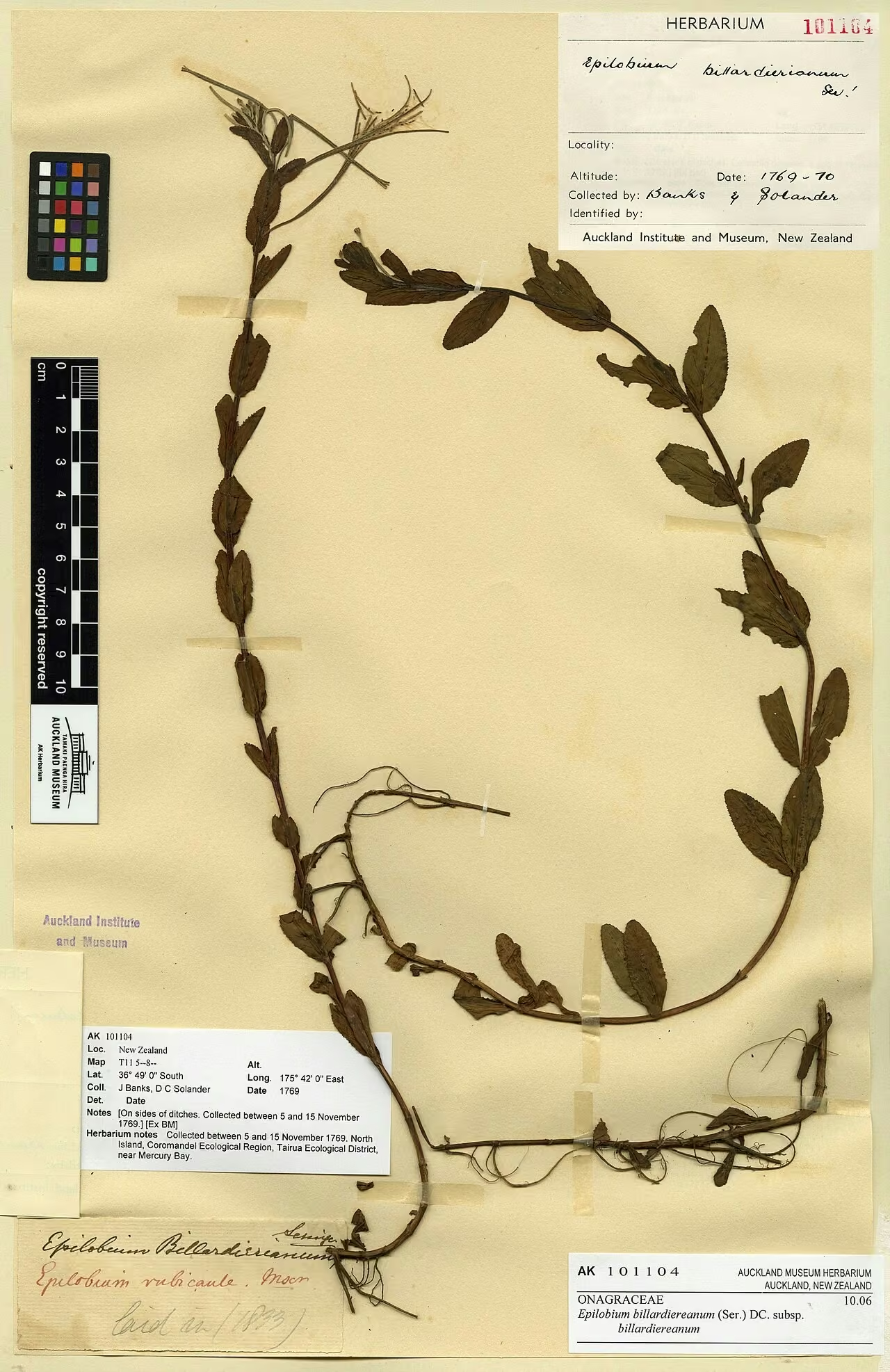
NZPCN singles it out by its upright, heavily branched habit, finely hairy greyish and often red-tinged stems, foliage, pedicels and capsules, and dark rose-purple flowers that open widely. Epilobium billardiereanum in the narrow sense is a sprawling coastal plant with densely toothed, glossy leaves and white flowers.
Quick Facts
| Scientific Name | Epilobium cinereum |
|---|---|
| Height | 0.15-0.6 m |
| Spread | Upright, branched plants about as wide as tall |
| Water Needs | Low to moderate |
| Light | Full sun |
| Frost Tolerance | Moderate to high; coastal to upper montane |
| Salt Tolerance | No information available, though it occurs in coastal sites |
| Growth Rate | Fast |
| Lifespan | Short-lived perennial or annual |
Climate Best Suited to
Tolerates a wide range of New Zealand climates from the coast to the upper montane zone. It thrives in dry, sunny, disturbed places, especially in the drier east.
Regional Suitability
| City | Climate Suitability |
|---|---|
| Auckland | High |
| Wellington | High |
| Christchurch | High |
| Dunedin | High |
Plant Habitat
Epilobium cinereum is indigenous to the North, South, Stewart and Chatham Islands and to Australia, and is naturalised in the Hawaiian Islands. Early New Zealand collections came from Northland, including Whangaroa and the Bay of Islands, among grass on river banks.
It ranges from coastal to upper montane elevations, growing on banks, rock outcrops and around water margins. It is also common in urban settings, on neglected properties and in car parks, particularly in eastern towns and cities.
Growing Requirements
Soil Requirements
It colonises almost any open, disturbed ground, from rock outcrops and gravel to compacted urban soil.
- Tolerates poor, stony soils
- Thrives in disturbed ground
- Drainage matters more than fertility
Light Requirements
A plant of open, sunny sites that rarely persists in shade.
- Full sun
- Open, disturbed ground
Water Requirements
It copes with dry banks and car-park cracks as well as moister water margins.
- Little watering needed
- Tolerates dry summers
Planting and Establishing
NZPCN recommends against cultivating it because it is very weedy and spreads rapidly. If it is wanted for a restoration site on dry, open banks, it will usually arrive on its own from wind-blown seed.
Where it is unwanted, pull plants before the capsules ripen to prevent seeding.
Ecological Role
Epilobium cinereum is a fast-colonising pioneer of open, disturbed ground. Its very abundant seeds, each carrying a white plume, are carried long distances on the wind, which is how it reaches car parks, building sites and road edges.
It is one of the native plants that thrives in human-modified environments, and NZPCN describes it as a common urban weed in eastern New Zealand. Its pollinators are not documented in the sources consulted.
Uses & Significance
Garden Uses
It is generally treated as a weed in gardens rather than a plant to grow.
- Not recommended for planting
- May have a role on bare, dry banks in restoration
Ecological Value
It quickly covers bare ground and is an example of a native plant that has adapted well to towns.
- Indigenous to New Zealand and Australia
- Early coloniser of bare, disturbed ground
- Common in urban areas
Landscaping Uses
It has little place in designed landscapes because it self-seeds freely. In wild or meadow-style plantings on dry banks it can be tolerated for its long season of rose-purple flowers.
Remove seedlings from rock gardens and paving cracks, where it can quickly outcompete slower native alpine plants.
Seasonal Care Calendar
Spring
Flowering begins as early as September.
- Pull unwanted seedlings while small
Summer
Plants flower heavily, with widely opening rose-purple flowers on grey, red-tinged stems.
- Remove plants before capsules ripen if you want to limit spread
Autumn
Flowering can continue into May, and long capsules split to release clouds of plumed seed.
- Expect seedlings nearby
Winter
Fruiting is recorded as late as July, so some capsules may still be shedding seed.
- Clear old stems from paths and car parks
When to Prune and How Much
If plants are kept, cutting off flowering stems before the capsules ripen stops them self-seeding.
Plants that become woody and straggly are best pulled out and left to be replaced by younger seedlings rather than pruned.
How to Grow Willowherb
NZPCN does not give propagation advice for Epilobium cinereum beyond a clear warning: it is very weedy and probably best not cultivated, as it is inclined to spread rapidly. It is a common urban weed across eastern New Zealand towns and cities, and its abundant, wind-dispersed seed means that wherever there is open, disturbed ground, it usually propagates itself. For restoration projects that genuinely need it, such as revegetating bare, dry banks with local native species, the simplest approach is to let it seed in naturally or to transplant self-sown seedlings. If you must raise it, it behaves like other willowherbs: fresh seed sown on the surface germinates readily. Think carefully before introducing it anywhere it does not already grow, since it can swamp small, slow-growing native plants.
From Seed
Seed is produced in large quantities over a long season, from flowering in September to fruiting as late as July, and germinates without special treatment. Collect only what you need, as surplus seed escapes readily.
- Collect capsules as they begin to split
- Sow on the surface of a free-draining mix
- Keep moist in full light
- Plant out seedlings while small
By Transplanting Self-Sown Seedlings
Self-sown seedlings are usually plentiful wherever the plant already grows, so moving a few young plants to where they are wanted is often easier than sowing seed.
- Lift young seedlings with a ball of soil
- Replant into open, sunny ground
- Water in well until established
Pests & Diseases
No specific pests or diseases are recorded for Epilobium cinereum in the sources consulted. It is a tough, adaptable plant that tolerates poor conditions.
In gardens the plant itself is the more common problem, as it self-seeds into paths, paving and beds.
Cultural Significance
No traditional Māori name or use is recorded for Epilobium cinereum in the sources consulted.
It was described by Achille Richard from early nineteenth-century collections. The epithet cinereum means ash-grey, referring to the fine greyish hairs that cover the plant.
Bonus Tip
If a native willowherb with grey, red-tinged stems and rose-purple flowers appears in your car park or gravel drive, it is probably this species colonising on its own. Leave a few on a dry bank if you like them, but pull the rest before the capsules split, because the plumed seed blows widely and seedlings soon appear in paths and beds.
Related Plants
Explore other native plants that share similar characteristics or habitats with Willowherb (Epilobium cinereum), offering further insights into New Zealand's diverse flora. These related species provide context and opportunities for complementary planting in your garden.
Epilobium atriplicifolium
Epilobium atriplicifolium
Epilobium billardiereanum
Epilobium billardiereanum
Marsh Willowherb
Epilobium chionanthum
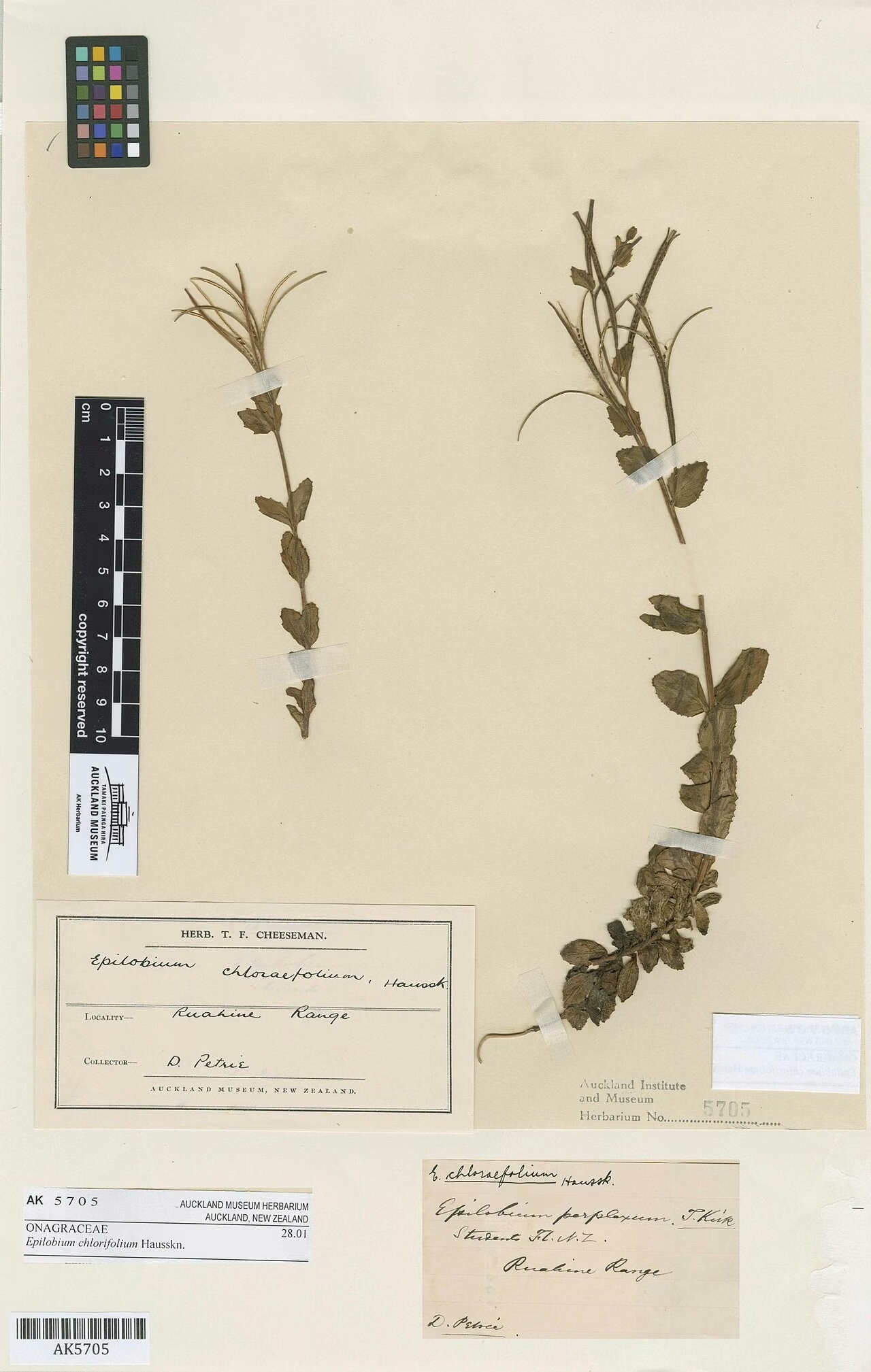
Mountain Willowherb
Epilobium chlorifolium
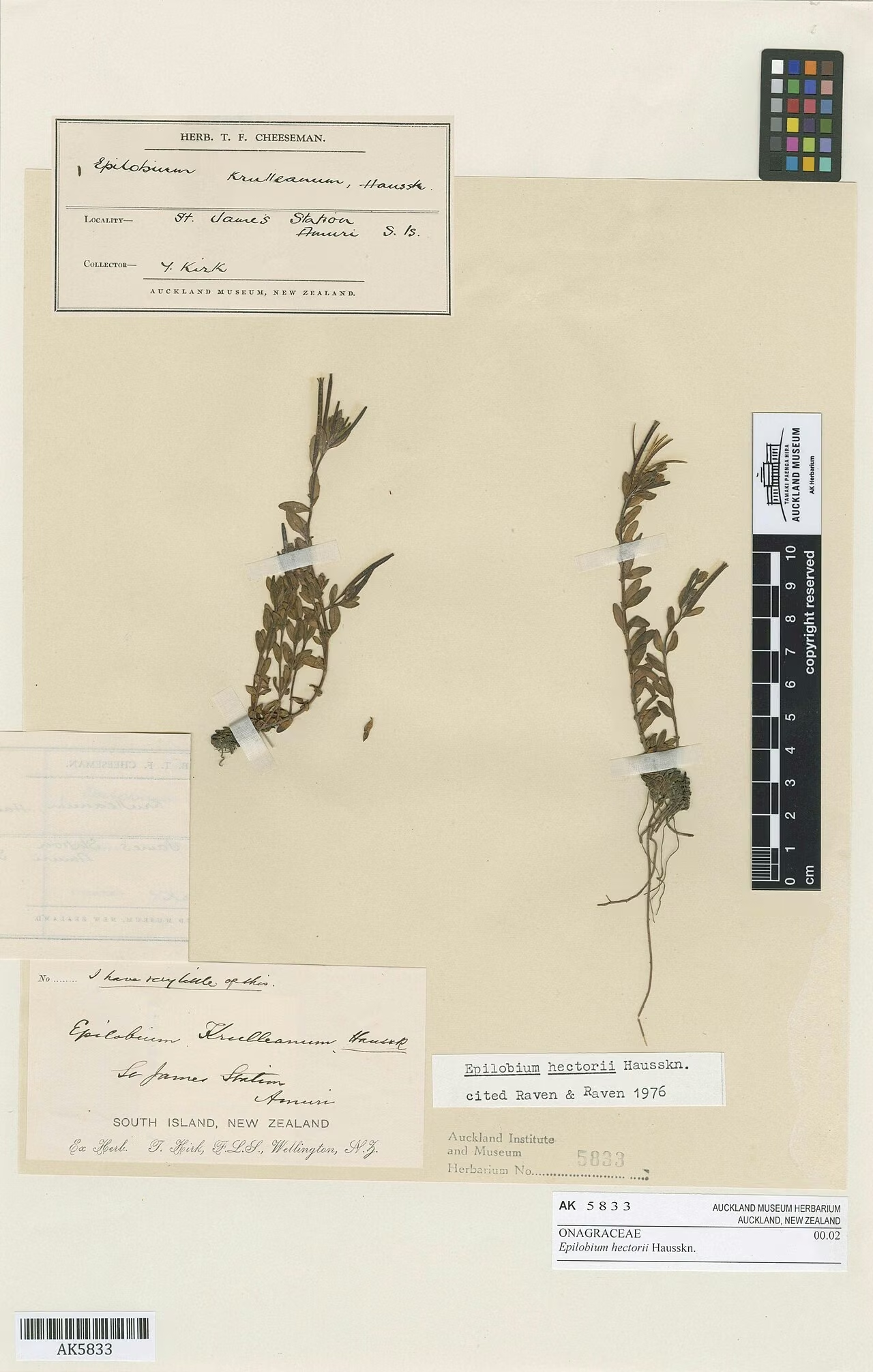
Epilobium hectorii
Epilobium hectorii
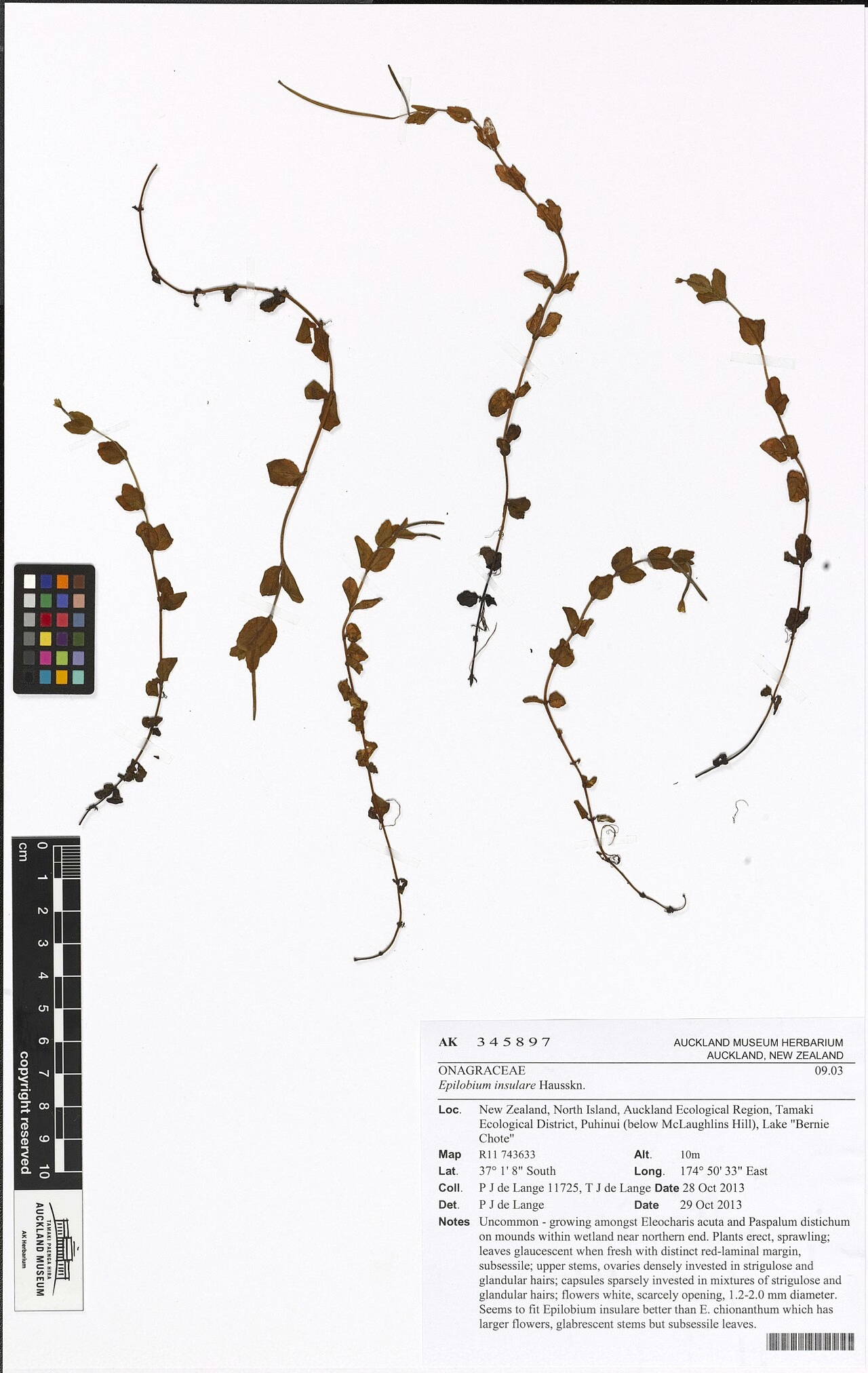
Epilobium insulare
Epilobium insulare
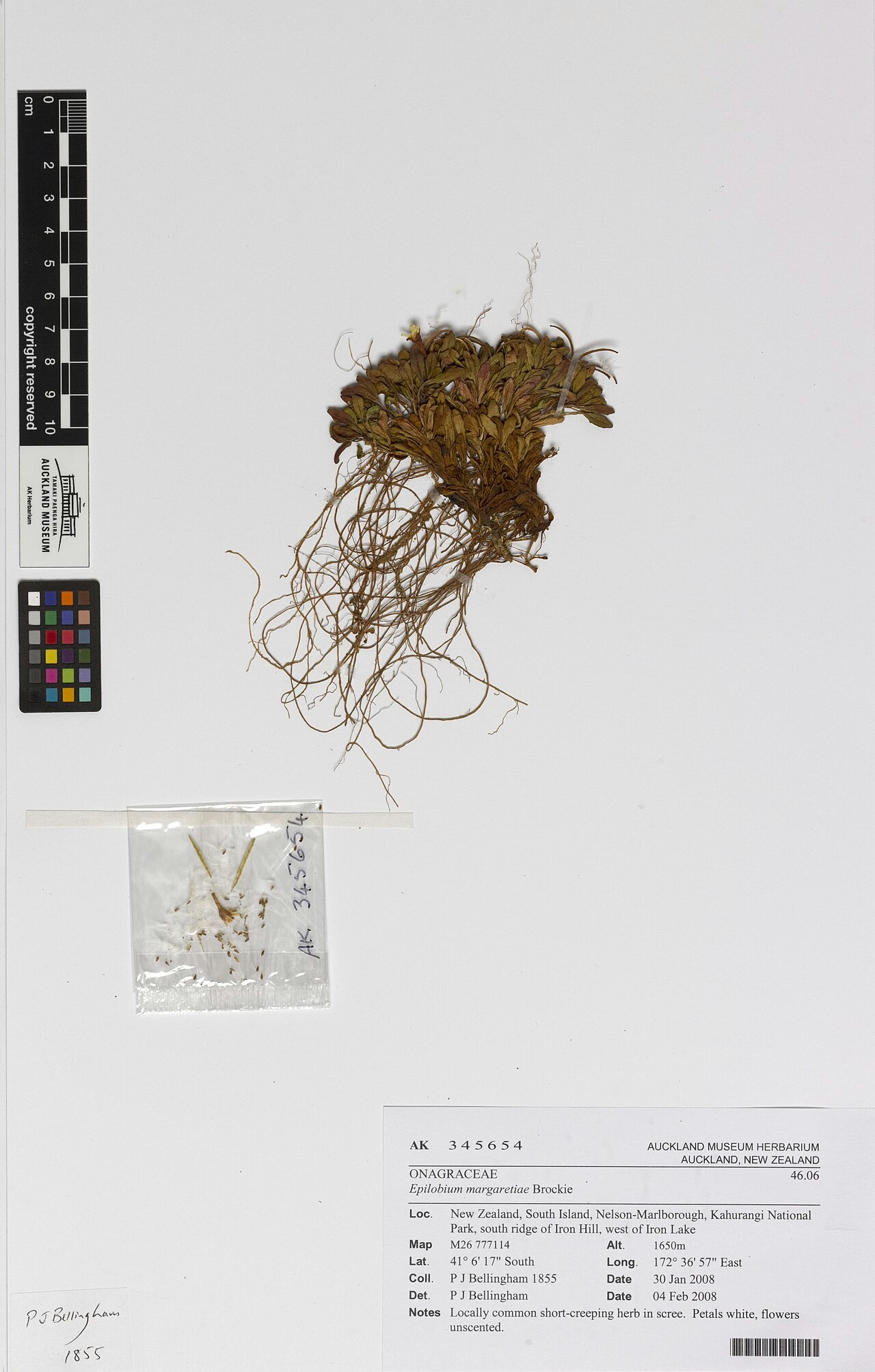
Epilobium margaretiae
Epilobium margaretiae
Epilobium microphyllum
Epilobium microphyllum
Plant Conservation
Epilobium cinereum is ranked Not Threatened (2023), with the qualifier Secure Overseas because it is also native to Australia. It is widespread and common, including in towns and on disturbed ground.
No conservation action is needed. NZPCN instead advises caution about cultivating it, given its weedy tendencies.
Frequently Asked Questions
What is the weedy willowherb with pink flowers in car parks?
In eastern New Zealand towns it is often Epilobium cinereum, a native willowherb with grey, red-tinged hairy stems and dark rose-purple flowers that NZPCN describes as a common urban weed.
Is Epilobium cinereum native or introduced?
It is native. It is indigenous to New Zealand and Australia, although it behaves like a weed in towns and has become naturalised in the Hawaiian Islands.
Should I plant Epilobium cinereum in my garden?
NZPCN advises it is very weedy and probably best not cultivated, because it spreads rapidly from its abundant wind-blown seed.
How is Epilobium cinereum different from Epilobium hirtigerum?
The threatened E. hirtigerum is larger, has a different growth pattern and stem hairs, and has white flowers that scarcely open, whereas E. cinereum has widely opening rose-purple flowers.
Sources and Further Reading
The botanical, growing, and conservation details for Willowherb (Epilobium cinereum) on this page draw on the New Zealand plant references below. Consult them for full technical records and the latest distribution data.