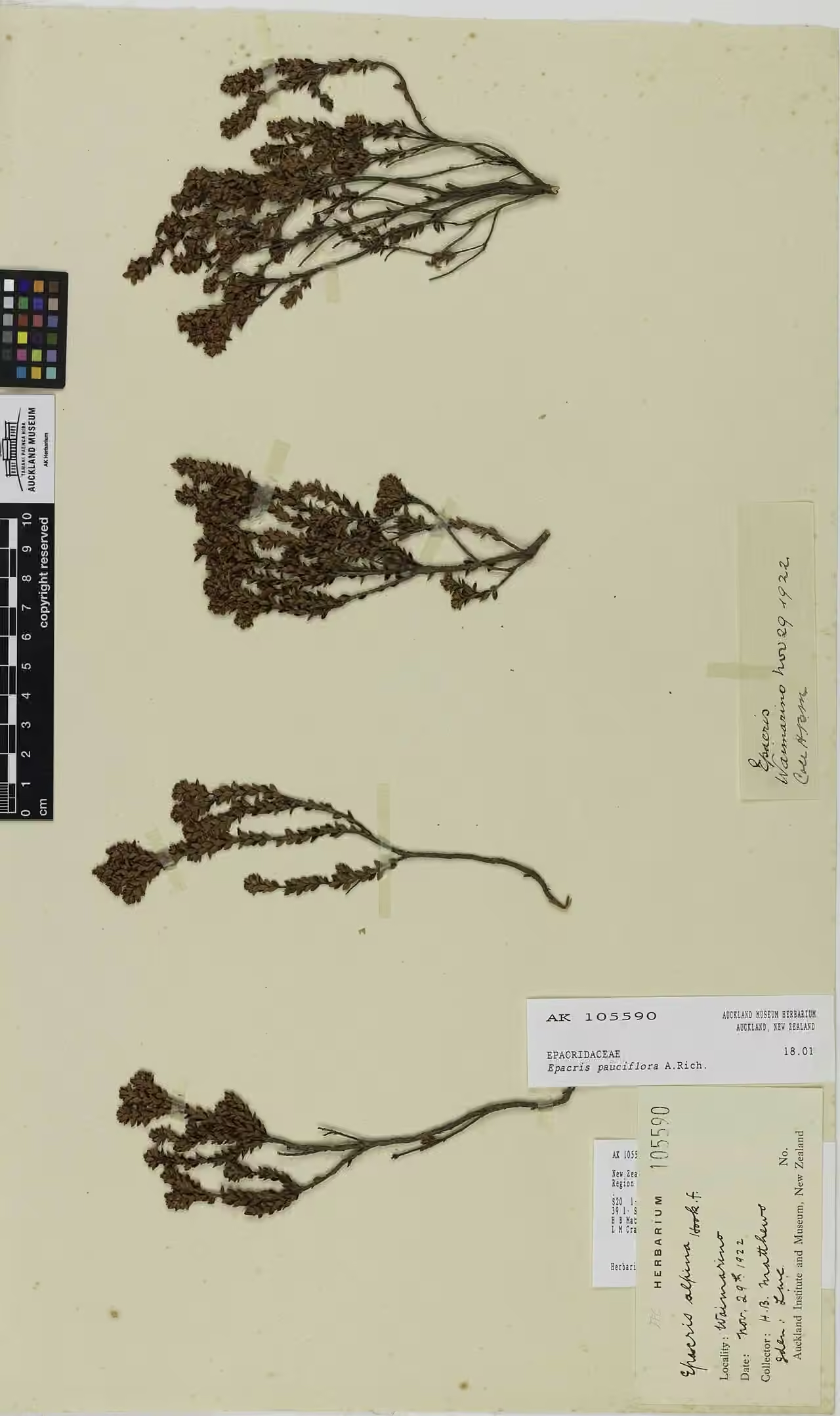
Tamingi
Epacris pauciflora
Last updated:
Tamingi (Epacris pauciflora) is an endemic heath shrub with slender, upright branches densely clothed in small, hard leaves 4 to 7 mm long. It usually grows 1 to 2 m tall, though it can flower when very small, and bears tiny white flowers singly in the leaf axils almost all year round. It is a signature plant of New Zealand's infertile heathlands: Northland gumland scrub, West Coast pakihi and acid bogs, from Te Paki south to near Charleston. Alongside mānuka it is one of the main shrubs of these wet, nutrient-poor landscapes. It is ranked Not Threatened. Explore more native shrubs in our native plant guide.
Plant Description
Tamingi is a slender, erect shrub up to 2 m tall, sometimes flowering when very small. Its branches are often clustered and upright like whips, and the twigs are covered in fine hairs. The leaves are close-set and spread out from the stem, 4 to 8 mm (occasionally 10 mm) long and 1 to 4 mm wide, hard, leathery and hairless. They are widest in the middle, often tinted red, and have three darker green lines on the underside.
The flowers are borne singly in the leaf axils but crowded towards the tips of the branchlets, so each twig ends in a spike of white flowers about 4 to 5 mm across, occasionally tinged red or pink. The broad corolla lobes spread wide and are longer than the tube. The fruit is a small, dry, lobed capsule about 1.5 mm long containing minute, wind-dispersed seeds.
Its mountain relative Epacris alpina has shorter leaves (3 to 5 mm) with a single prominent ridge underneath and grows in montane grassland rather than lowland bog. Tamingi can also be confused with mingimingi (Leucopogon fasciculatus) in gumland scrub, but that shrub has longer, narrower leaves and small drooping spikes of flowers followed by fleshy fruit.
Quick Facts
| Scientific Name | Epacris pauciflora |
|---|---|
| Height | 0.3-2 m |
| Spread | 0.3-1 m |
| Water Needs | High; tolerates waterlogged soil |
| Light | Full sun |
| Frost Tolerance | Moderate |
| Salt Tolerance | Low to moderate; occurs in some coastal heathland |
| Growth Rate | Slow |
| Lifespan | Perennial shrub |
Climate Best Suited to
Suits mild, wet lowland climates of the northern North Island and the West Coast, where heathland develops on leached soils.
Regional Suitability
| City | Climate Suitability |
|---|---|
| Auckland | High |
| Wellington | Medium |
| Christchurch | Low |
| Dunedin | Low |
Plant Habitat
Tamingi is endemic to New Zealand, occurring in the North and South Islands from Te Paki in the far north south to near Charleston on the West Coast of the South Island.
It is a characteristic shrub of heathlands on infertile, acidic soils. Te Ara describes it as one of the heath shrubs of Northland gumlands, together with mānuka, kūmarahou and Dracophyllum, and as one of the main shrubs, with mānuka, in the treeless pakihi of the West Coast. It also grows in acid bogs and other open shrublands.
Growing Requirements
Soil Requirements
It thrives on poor, leached, acidic soils such as gumland podzols and pakihi peats where few other plants compete.
- Acidic, low-fertility soil or peat
- Tolerates poorly drained and waterlogged ground
- Never add lime or fertiliser
Light Requirements
It grows in open, treeless heathland and needs full sun.
- Full sun
- Becomes sparse and short-lived when overtopped by taller shrubs
Water Requirements
Its natural habitats are wet for much of the year, although gumland soils can dry hard in summer.
- Keep soil moist to wet
- Tolerates seasonal waterlogging
- Water young plants during summer dry spells
Planting and Establishing
Plant tamingi in a bog garden, wet heath planting or restoration site with acidic, infertile soil in full sun. It is best planted in groups with other heathland natives such as mānuka and small sedges.
Avoid enriching the soil with compost or fertiliser, which encourages weeds and does not suit this shrub. Handle the root ball gently when planting.
Ecological Role
Tamingi is a key component of New Zealand's heathland ecosystems, helping form the low shrub cover of gumland and pakihi alongside mānuka. Its long flowering season provides small white flowers for much of the year, likely visited by small native insects, though specific pollinators are not recorded in the sources consulted.
Its minute seeds are wind dispersed, allowing it to colonise open, nutrient-poor ground. Gumland heathlands are now much reduced, and tamingi is one of the plants that defines what remains.
Uses & Significance
Garden Uses
Tamingi is grown by native plant enthusiasts for bog gardens and heathland restoration.
- Bog and wet acid-soil gardens
- Gumland and pakihi restoration plantings
- Fine-textured accent among sedges and rushes
Ecological Value
It is one of the defining shrubs of gumland and pakihi, ecosystems that have been extensively drained and converted.
- Characteristic shrub of Northland gumland
- Main shrub of West Coast pakihi with mānuka
- Flowers available through most of the year
Landscaping Uses
Use tamingi to create a naturalistic heathland look with its upright, whippy stems and fine leaves, planting in drifts among sedges, rushes and low mānuka. The red-tinted foliage and white flower spikes give subtle year-round interest.
It suits the margins of natural ponds and wet hollows where most ornamental shrubs would fail.
Seasonal Care Calendar
Spring
Flowering continues, with fresh growth on the branch tips.
- Plant new shrubs
- Weed around young plants
Summer
Flowers and capsules may be present together.
- Water in prolonged dry spells
- Collect ripe capsules for seed
Autumn
Flowering and fruiting continue in mild areas.
- Sow fresh seed
- Take semi-hardwood cuttings
Winter
It keeps flowering sporadically through winter, and leaves often take on deeper red tints.
- Check drainage is not stagnant
- No feeding required
When to Prune and How Much
Little pruning is needed. Light tip pruning after a flush of flowering can encourage bushier growth.
Avoid cutting into bare old wood, as heath shrubs often regrow poorly from it.
How to Grow Tamingi
NZPCN notes that the minute seeds of tamingi are wind dispersed, but gives no detailed propagation method. Tamingi is offered by some native nurseries, and the techniques below follow general practice for small native heath shrubs in the Ericaceae: surface-sowing very fine seed on an acidic, peaty mix, or striking short semi-hardwood cuttings. Heath plants associate with specialised root fungi and are often slow in cultivation, so patience is needed, and using a little soil or peat from beneath established plants in the mix may help. Because it flowers and fruits throughout the year, seed can be gathered in most seasons. For restoration plantings, source seed locally so new plants suit local gumland or pakihi conditions, and always obtain permission before collecting.
From Seed
The tiny capsules can be collected at most times of year. The seed is dust-like and must be sown on the surface.
- Collect ripe brown capsules from the branch tips
- Dry in a paper bag to release the seed
- Sow on the surface of moist, acidic peat-based mix
- Stand the tray in a saucer of water to keep it wet
- Keep in bright light out of hot sun
- Prick out seedlings when large enough to handle
From Cuttings
Short semi-hardwood tip cuttings may be tried in late summer or autumn.
- Take 4 to 6 cm tip cuttings of firm new growth
- Strip the lower leaves
- Insert into a mix of peat or fine bark and sand
- Keep humid and lightly shaded until rooted
- Pot on into acidic, low-fertility mix
Pests & Diseases
No serious pests are recorded for tamingi. In cultivation, the commonest problems are decline in rich or limed soil and shading by more vigorous plants.
In the wild, its habitats are threatened by drainage, fire, conversion to farmland or forestry and invasion by weeds such as hakea and pines.
Cultural Significance
Tamingi and tūmingi are the Māori names recorded for this shrub in the Flora of New Zealand. No specific traditional uses are recorded in the sources consulted.
The species epithet pauciflora means few-flowered, although plants often carry many flowers. In Northland it grows in the gumlands that were dug over for kauri gum in the nineteenth and early twentieth centuries.
Bonus Tip
If you are trying to establish tamingi in a garden, resist the urge to improve the soil. Plant it straight into poor, wet, acidic ground or a peat-and-sand bed, as fertile conditions mostly benefit the weeds and taller plants that will crowd it out.
Related Plants
Explore other native plants that share similar characteristics or habitats with Tamingi (Epacris pauciflora), offering further insights into New Zealand's diverse flora. These related species provide context and opportunities for complementary planting in your garden.
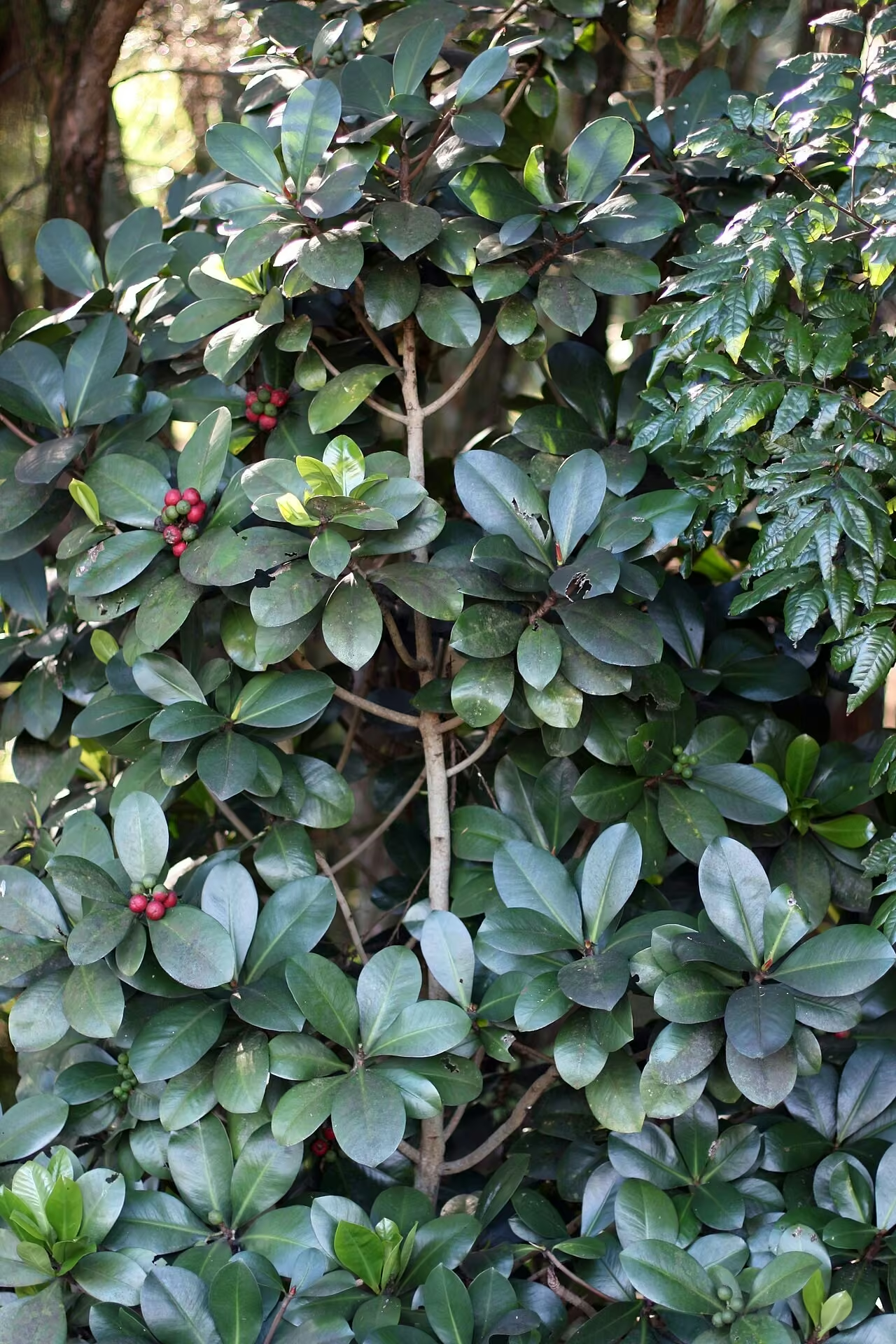
Elingamita johnsonii
Elingamita johnsonii

Prostrate Bluegrass
Connorochloa tenuis
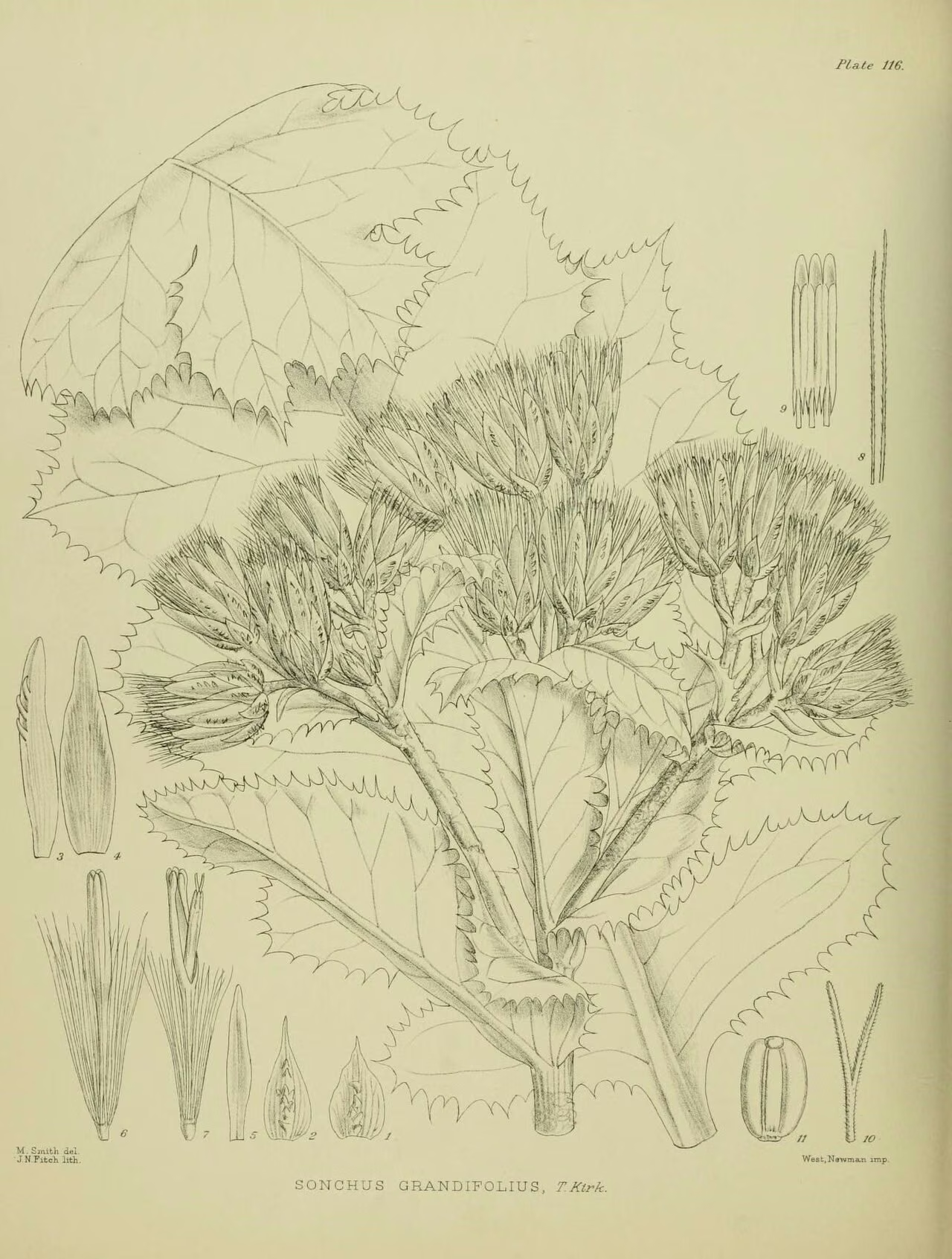
Chatham Island Sow Thistle
Sonchus grandifolius
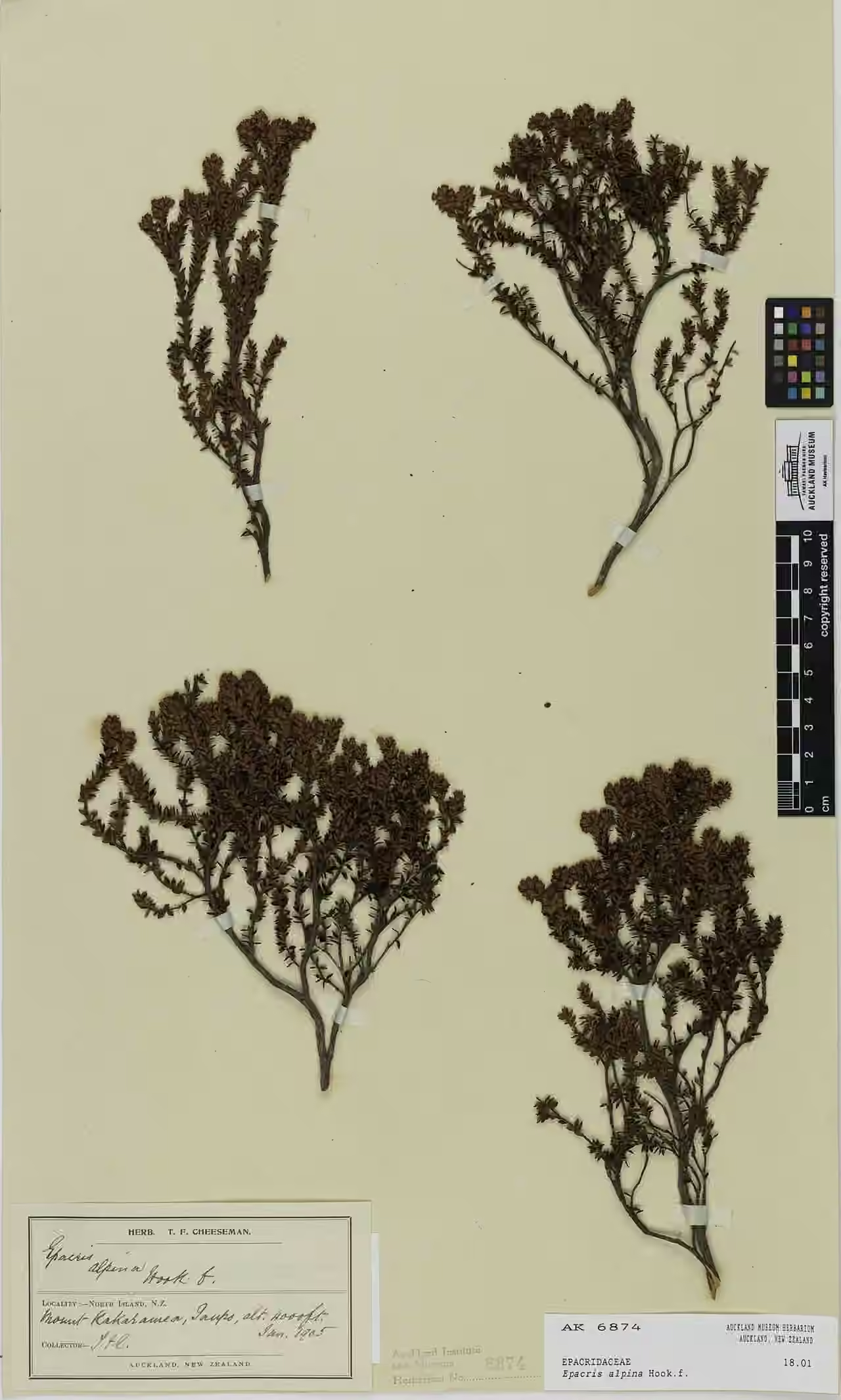
Epacris alpina
Epacris alpina
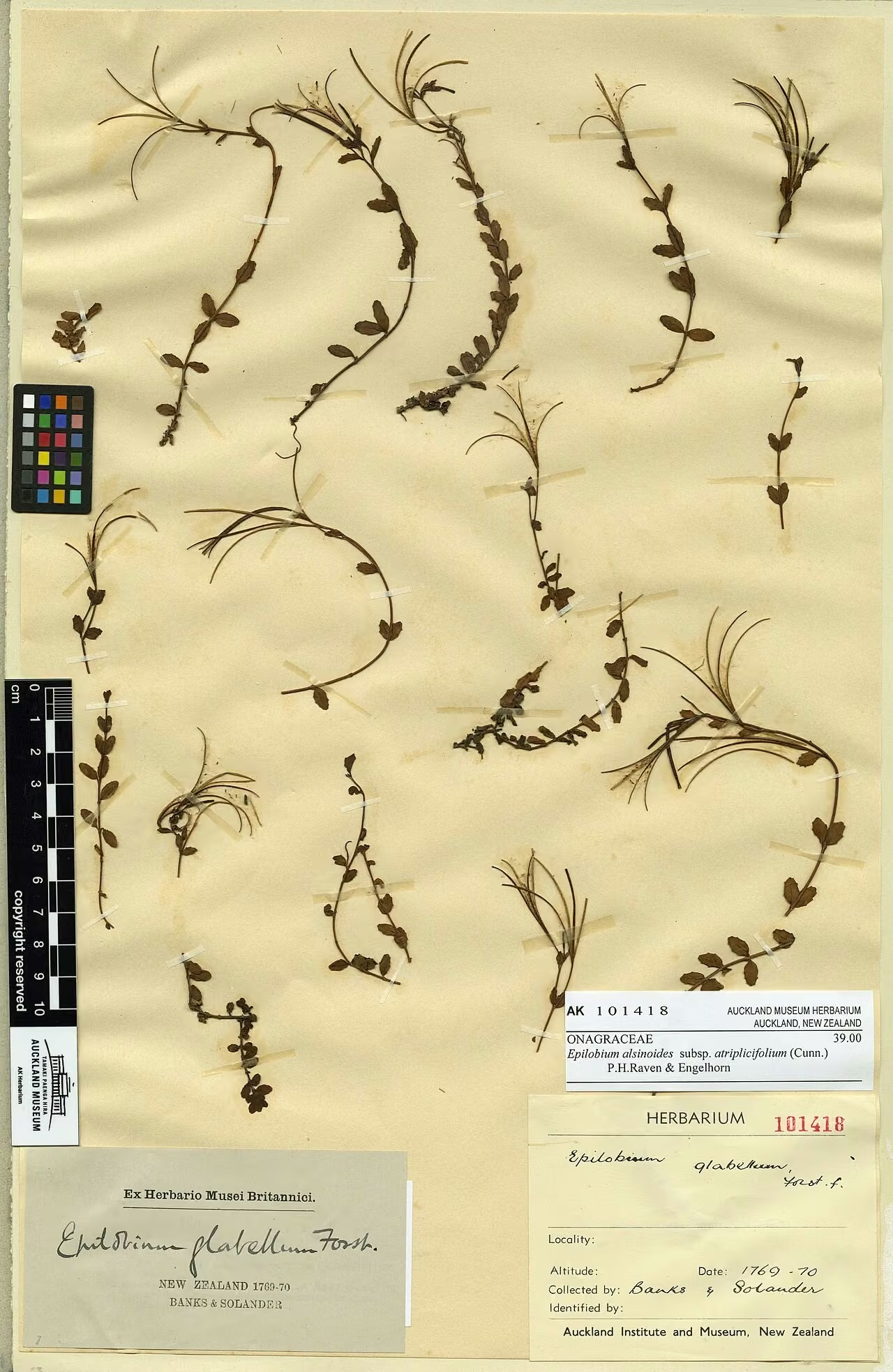
Epilobium alsinoides
Epilobium alsinoides
Epilobium angustum
Epilobium angustum
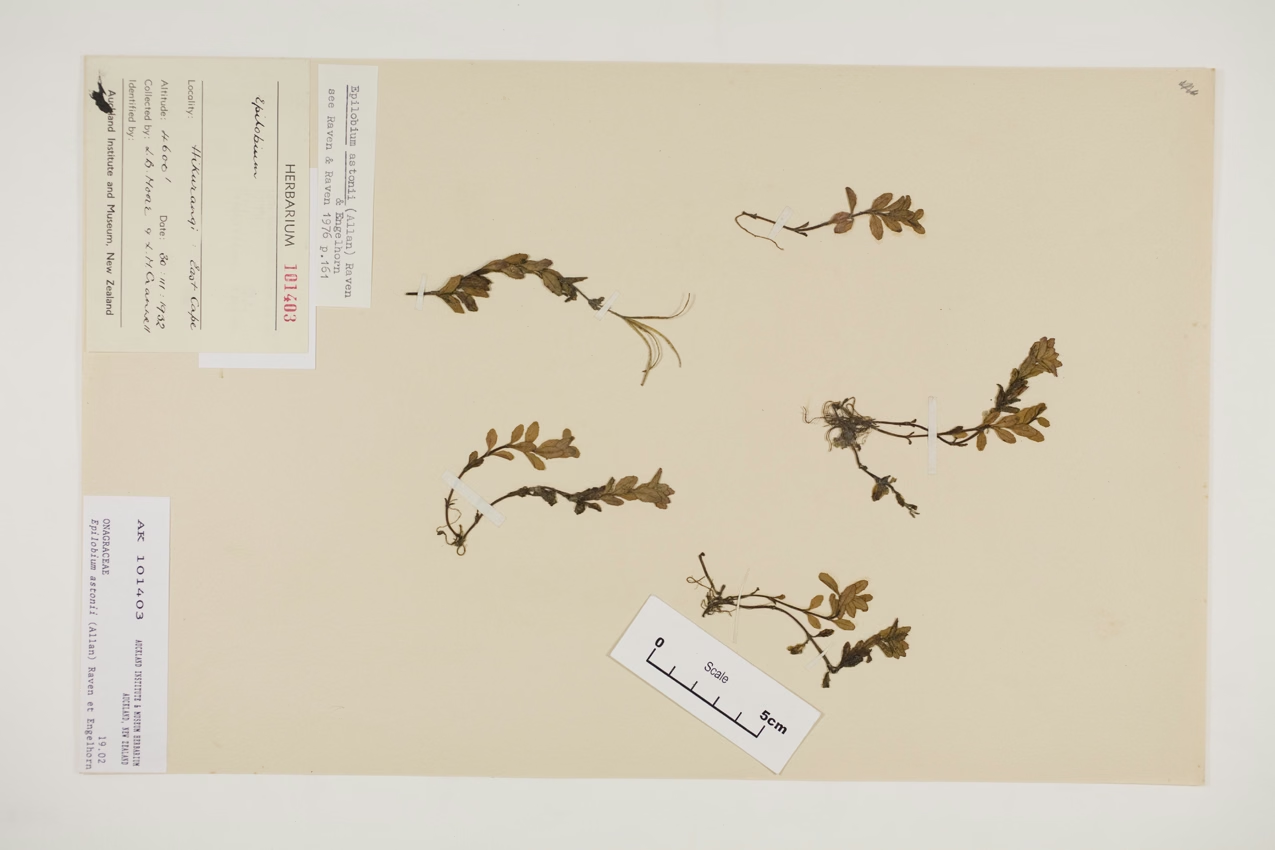
Aston's Willowherb
Epilobium astonii
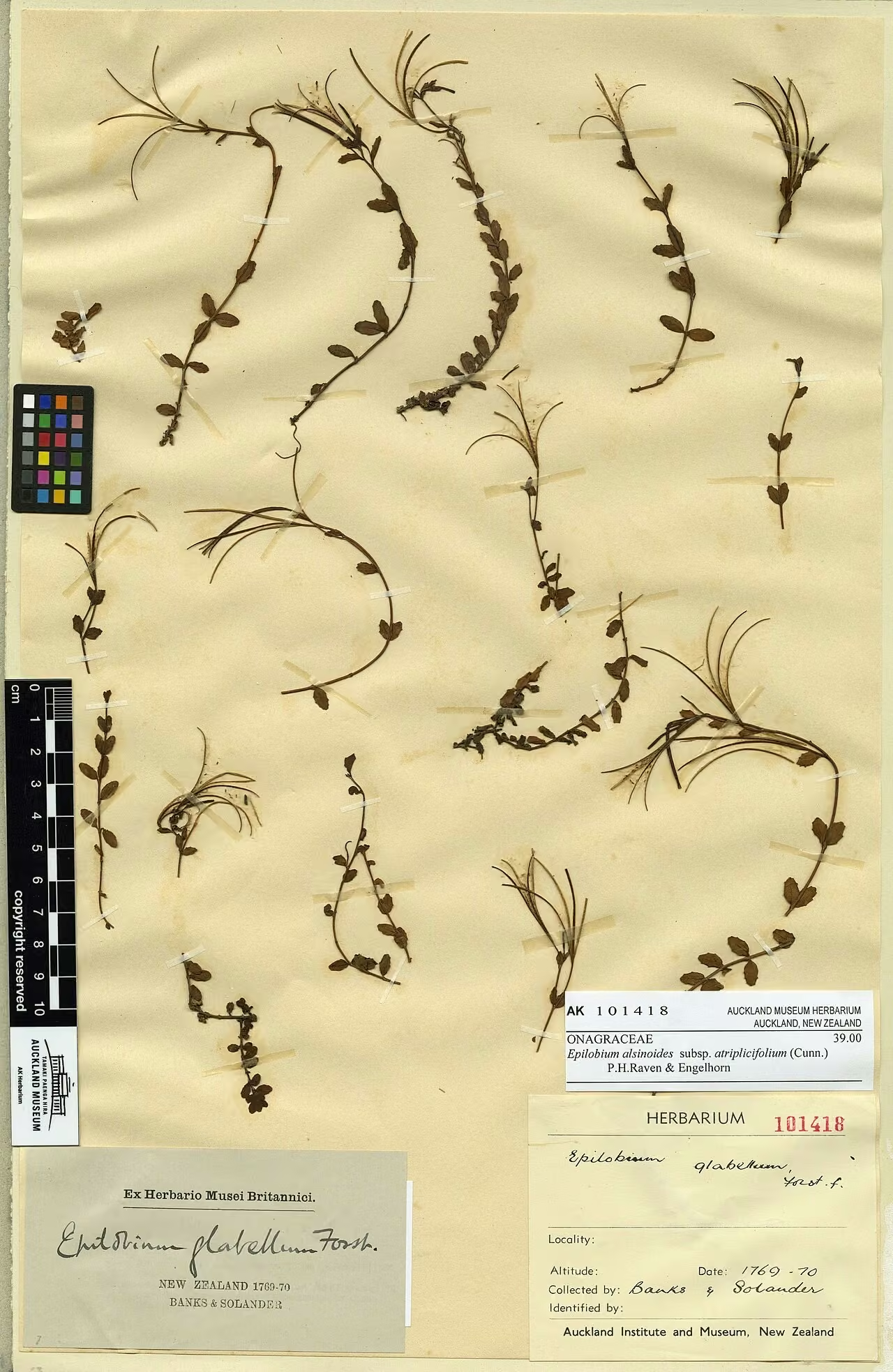
Epilobium atriplicifolium
Epilobium atriplicifolium
Plant Conservation
Epacris pauciflora is ranked Not Threatened (2023) and remains common in suitable heathland across its range.
However, the gumland and pakihi ecosystems it characterises have been greatly reduced. Protecting remaining heathlands from drainage, fire and weed invasion, especially by hakea and wilding pines, keeps tamingi and its companions secure.
Frequently Asked Questions
What is tamingi?
Tamingi is Epacris pauciflora, an endemic heath shrub in the Ericaceae with small hard leaves and white flowers, also known as tūmingi and bog epacris.
Where does tamingi grow?
It grows in acidic bogs, gumland scrub and pakihi heathland from Te Paki in the far north south to near Charleston on the South Island's West Coast.
When does tamingi flower?
Tamingi can flower and fruit throughout the year, with small white flowers, sometimes tinged red or pink, clustered towards the tips of the branchlets.
Can tamingi be grown in a garden?
It can be grown in a bog or acid-soil garden that mimics its natural heathland, with wet, infertile, acidic soil in full sun. It dislikes rich, limed or fertilised soils.
Sources and Further Reading
The botanical, growing, and conservation details for Tamingi (Epacris pauciflora) on this page draw on the New Zealand plant references below. Consult them for full technical records and the latest distribution data.