Marble Inaka
Dracophyllum marmoricola
Last updated:
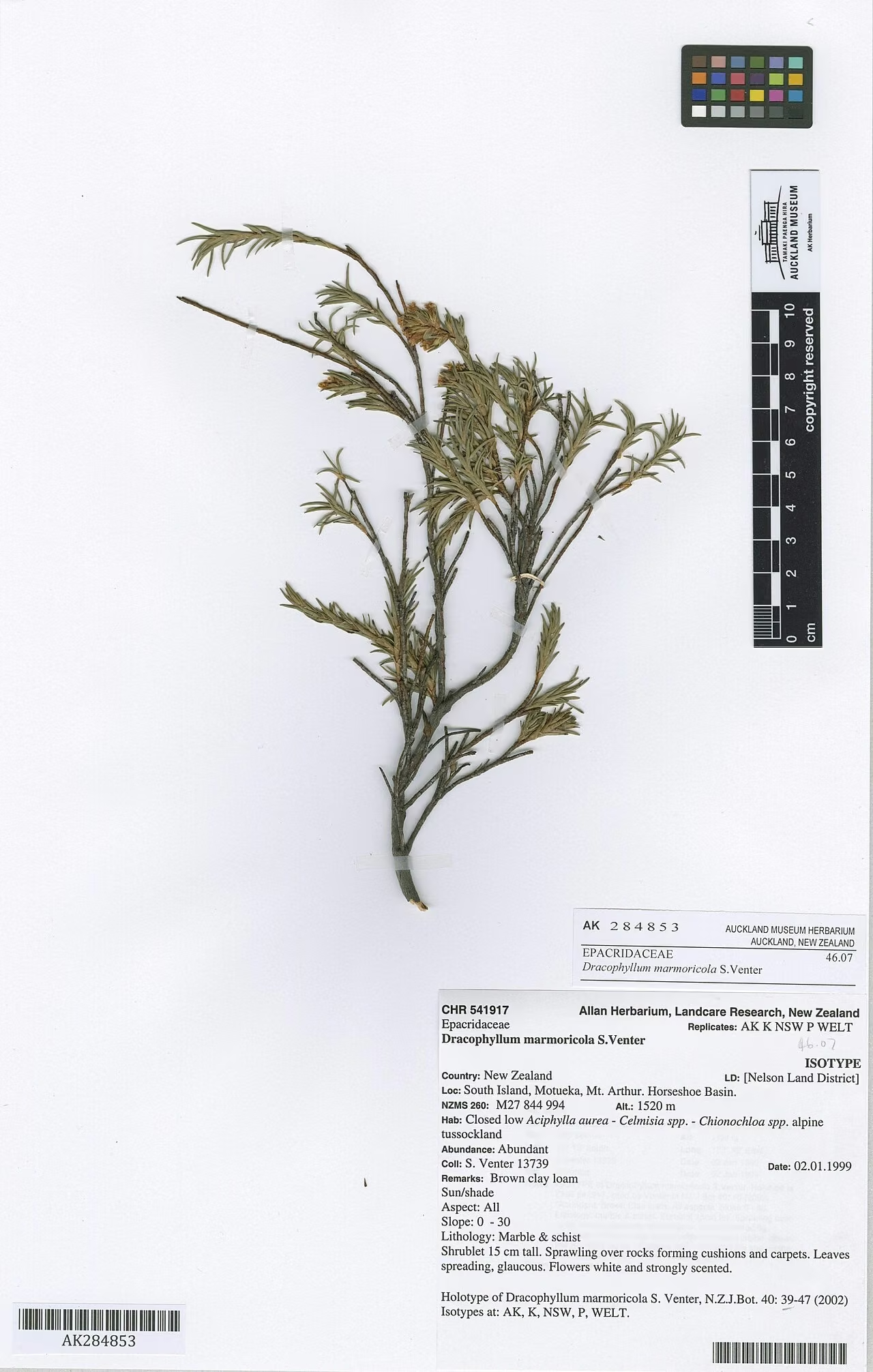
Marble inaka (Dracophyllum marmoricola) is a tiny, blue-green shrublet that grows only on marble in the mountains of North-West Nelson. Just 2 to 15 cm tall, it sprawls as a mat or forms compact cushions, with short, grass-like leaves crowded at the branch tips and dense clusters of small white tubular flowers in summer. It is restricted to alpine marble outcrops in Kahurangi National Park between about 1310 and 1790 m, including Horseshoe Basin on Mount Arthur, where it was first collected. Described only in 2002, it is ranked At Risk - Naturally Uncommon because of its very restricted range. Explore more native shrubs in our native plant guide.
Plant Description
Dracophyllum marmoricola is a multi-stemmed shrublet 2 to 15 cm tall, decumbent to prostrate and sometimes forming compact cushions. Its bark is grey and smooth to finely fissured. The leaves are crowded at the branch tips, glaucous blue-green, linear-triangular to broadly linear-triangular, and about 6 to 32 mm long by 0.75 to 2 mm wide, giving the plant a grassy, spiky appearance typical of the genus.
The flowers are white with a cylindrical corolla tube and are held in dense terminal racemes of 3 to 8 flowers at the tips of the branches. Flowering runs from December to March and the small capsules mature from April to May, releasing minute seeds.
Venter distinguished it from similar small alpine Dracophyllum species by its warty (verrucose) leaves, leaf tips that are not recurved, and a flat-topped (truncate) ovary apex. Its blue-green colour and strict association with marble also help to identify it in the field.
Quick Facts
| Scientific Name | Dracophyllum marmoricola |
|---|---|
| Height | 0.02-0.15 m |
| Spread | Sprawling mats or small cushions; no published maximum width found |
| Water Needs | Moderate; well-drained but moist alpine soil |
| Light | Full sun in open, exposed sites |
| Frost Tolerance | Very high; alpine species |
| Salt Tolerance | Low; an inland alpine species with no coastal record |
| Growth Rate | Very slow |
| Lifespan | Long-lived perennial shrublet |
Climate Best Suited to
Suits the cold, snowy alpine climate of the North-West Nelson mountains, with high rainfall, strong winds and hard winter frosts. It is not suited to lowland conditions.
Regional Suitability
| City | Climate Suitability |
|---|---|
| Auckland | Low |
| Wellington | Low |
| Christchurch | Low |
| Dunedin | Low |
Plant Habitat
Marble inaka is endemic to New Zealand and restricted to North-West Nelson in the northern South Island, within Kahurangi National Park. The type locality is Horseshoe Basin on Mount Arthur at about 1520 m, where it grows in herbland with Hebe albicans, golden speargrass (Aciphylla aurea) and snow tussocks (Chionochloa).
It occurs in the alpine zone between about 1310 and 1790 m, exclusively on marble exposures. There it grows in dark sandy loam in open and exposed sites, or in rock crevices in low marble cliffs within alpine tussockland.
Growing Requirements
Soil Requirements
It is confined to marble, growing in dark, sandy loam derived from the rock or in crevices in the marble itself.
- Lime-rich soil derived from marble
- Sandy, free-draining loam
- Rock crevices with minimal soil
Light Requirements
Its habitat is open and exposed alpine ground with no shade from taller plants.
- Full sun and full exposure
- Shading by tussock or shrubs would disadvantage it
Water Requirements
The Kahurangi mountains receive high rainfall, but marble and sandy soils drain freely, so the roots are moist yet never waterlogged.
- Regular moisture from rain, mist and snowmelt
- Sharp drainage through rock and sandy loam
Planting and Establishing
This species is not suitable for general planting. NZPCN describes it as difficult to propagate and advises that it should not be removed from the wild, and it is not available commercially. Seeing it means visiting the marble country of Kahurangi National Park.
If material ever becomes available through conservation programmes, it would need an alpine house or trough with a gritty limestone or marble chip mix, constant cool temperatures, bright light and careful watering.
Ecological Role
Like other Dracophyllum species it produces small tubular flowers with nectar, and its minute seeds are dispersed by wind. Pollinators of this particular species are not documented in the sources consulted, though the small white flowers of alpine Dracophyllum are typically visited by insects.
It is one of several plants restricted to the marble and limestone landscapes of North-West Nelson, which support an unusually rich and distinctive alpine flora. On open marble ground it forms part of a low herbland community with tussocks, speargrass and hebes.
Uses & Significance
Garden Uses
It has no practical garden use because it is difficult to grow and should not be collected from the wild.
- Of interest to botanists and alpine plant enthusiasts
- Potential subject for specialist conservation cultivation only
Ecological Value
It is part of the specialised marble flora of Kahurangi National Park, one of New Zealand's botanical hotspots.
- Endemic to a single region and rock type
- Contributes to alpine herbland diversity
- An indicator of intact marble alpine vegetation
Landscaping Uses
Marble inaka is not used in landscaping. Its blue-green mats among white marble rock and tussock are best appreciated in the wild on tracks such as those around Mount Arthur and Horseshoe Basin.
Alpine gardeners inspired by it can create a similar look using commercially available small native shrubs and cushion plants set among pale limestone or marble rocks in a trough.
Seasonal Care Calendar
Spring
The shrublet emerges from winter snow and resumes growth as the alpine season starts.
- Snow melt brings moisture
- New leaves form at the branch tips
Summer
Dense clusters of white tubular flowers open at the branch tips from December.
- Peak flowering December to February
- Best time to see it in the wild
Autumn
Flowering ends in March and capsules ripen from April to May, releasing minute wind-blown seeds.
- Seed dispersal by wind
- Growth slows with cooling weather
Winter
The plant rests under snow or endures hard frost on exposed marble.
- Dormant period
- Snow cover insulates the low mats
When to Prune and How Much
No pruning is required or appropriate. In the wild the plant's low, compact form is shaped by wind, cold and snow.
In any specialist cultivation, only remove obviously dead stems, as the plant grows very slowly and any loss of foliage takes a long time to replace.
How to Grow Marble Inaka
NZPCN describes propagation of Dracophyllum marmoricola as difficult and states that it should not be removed from the wild. The genus as a whole is notoriously hard to propagate, and there is no published record of this species being grown successfully in cultivation in the sources consulted. The notes below describe the general approach used for alpine Dracophyllum and should only be applied by conservation workers holding the appropriate Department of Conservation authority, since the species grows within a national park.
From Seed
Seed would need to be collected from April to May, when the capsules ripen. The seeds are minute and wind dispersed, so capsules must be gathered just before they open. Alpine Dracophyllum seed generally germinates slowly and erratically.
- Collect ripening capsules in April or May under permit
- Dry in a paper envelope to release the minute seeds
- Surface-sow on a fine, gritty mix containing marble or limestone chip
- Do not cover the seed; keep it cool and evenly moist
- Expose the tray to winter cold outdoors
- Be patient: germination may take many months
- Grow seedlings on slowly in a cool, bright, well-ventilated alpine house
From Cuttings
Semi-hardwood cuttings are sometimes tried for small Dracophyllum species, but rooting is slow and unreliable. Very small material from a cushion-forming plant is especially hard to root.
- Take short tip cuttings in late summer
- Insert into a sterile, gritty propagation mix
- Keep cool and humid with bottom warmth
- Check for roots only after several months
Pests & Diseases
No specific pests or diseases are recorded for marble inaka. Its exposed alpine habitat limits most garden pests.
Potential threats to the population include trampling at popular sites, browsing animals and any weeds that invade open marble ground, although the sources consulted do not identify any active decline. Its ranking reflects natural range restriction rather than documented loss.
Cultural Significance
No Māori name or traditional use specific to this species is recorded in the sources consulted, which is unsurprising for a dwarf alpine shrub described only in 2002. The genus name Dracophyllum means dragon leaf.
The species was named by Stephan Venter, whose research, culminating in a 2021 monograph, revised the genus Dracophyllum in New Zealand and Australia. Its discovery on the much-visited Mount Arthur shows that new plant species were still being recognised in well-known places at the end of the twentieth century.
Bonus Tip
When walking in Horseshoe Basin or other marble country on Mount Arthur in midsummer, look closely at low blue-green mats in rock crevices and sandy pockets on bare marble: a cluster of tiny white tubular flowers at the shoot tips is the clue that you have found marble inaka.
Related Plants
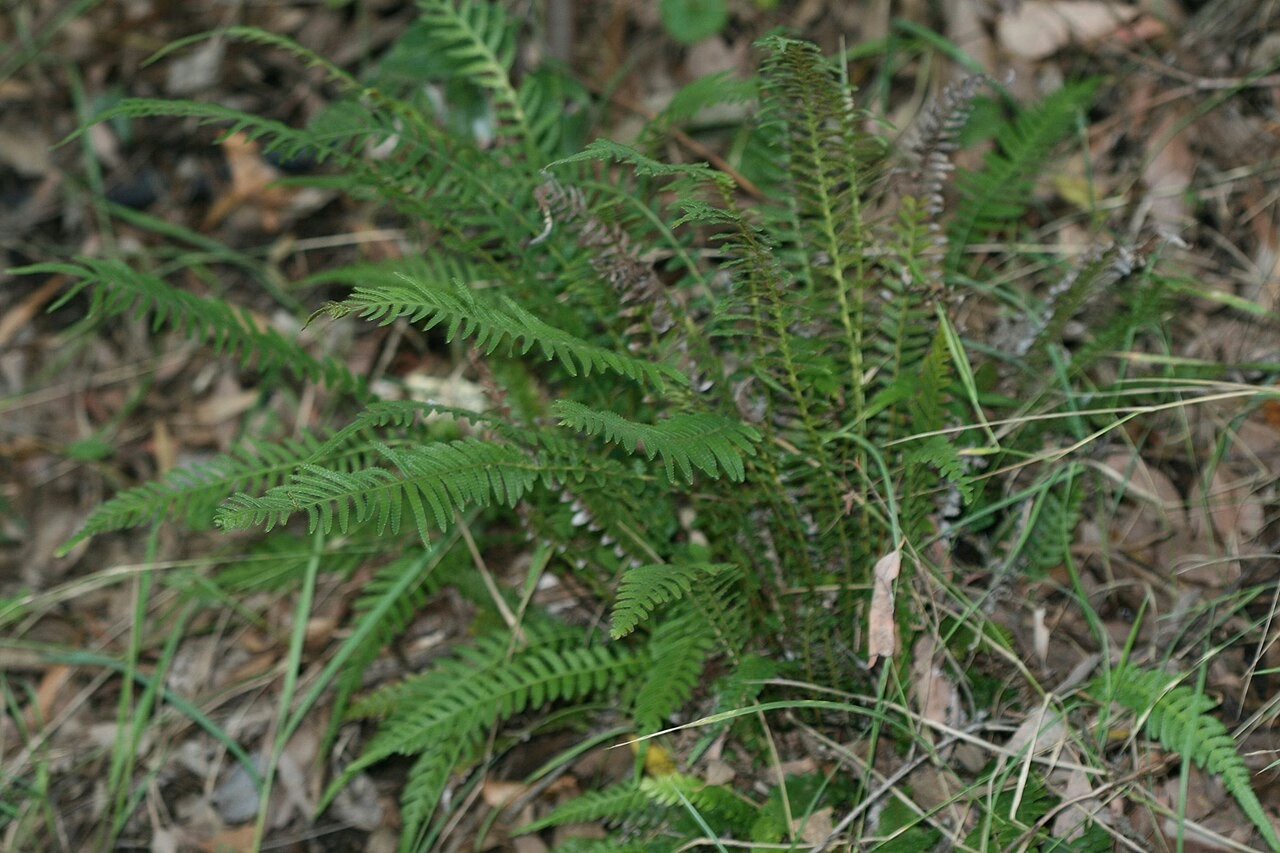
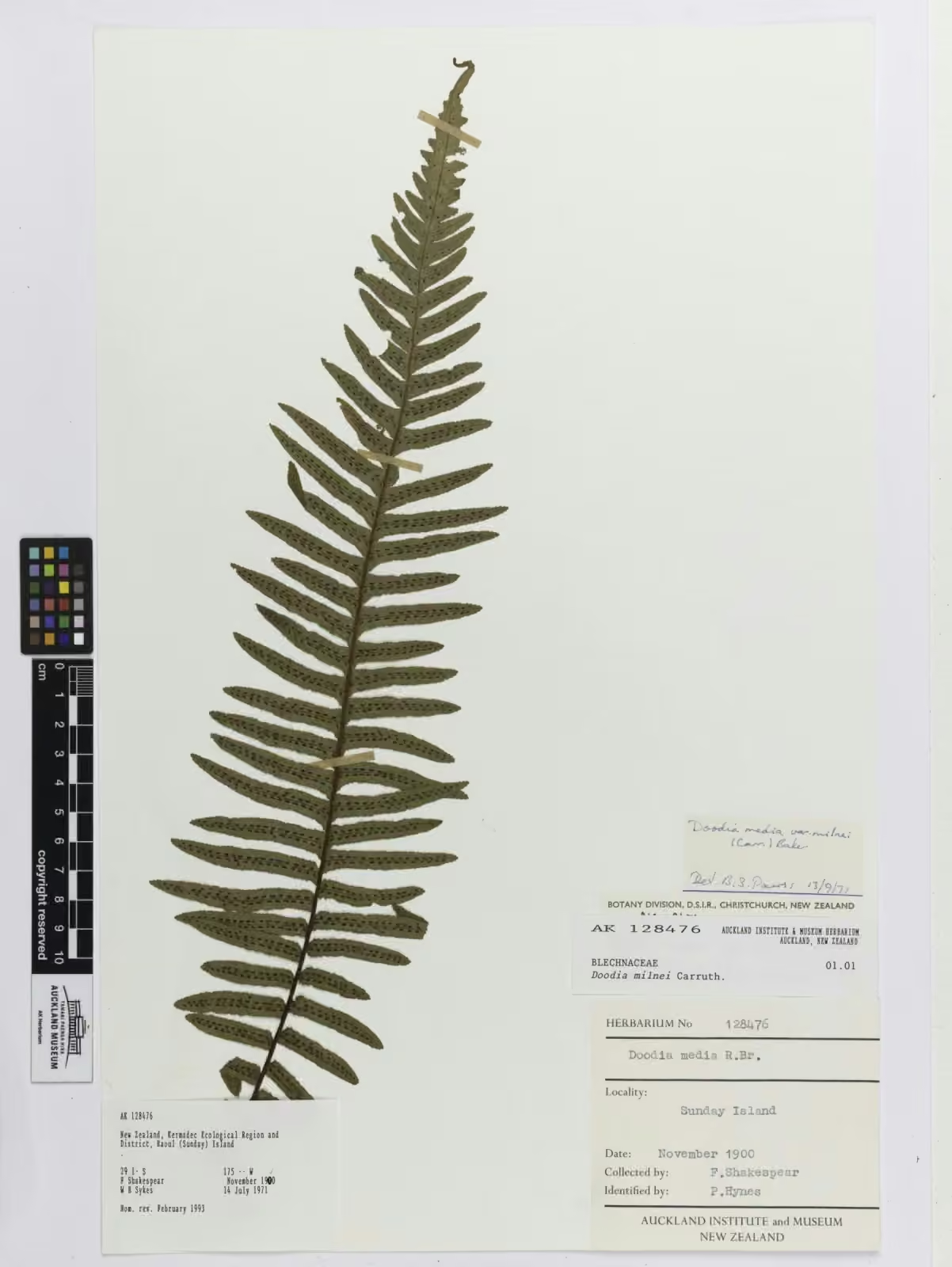
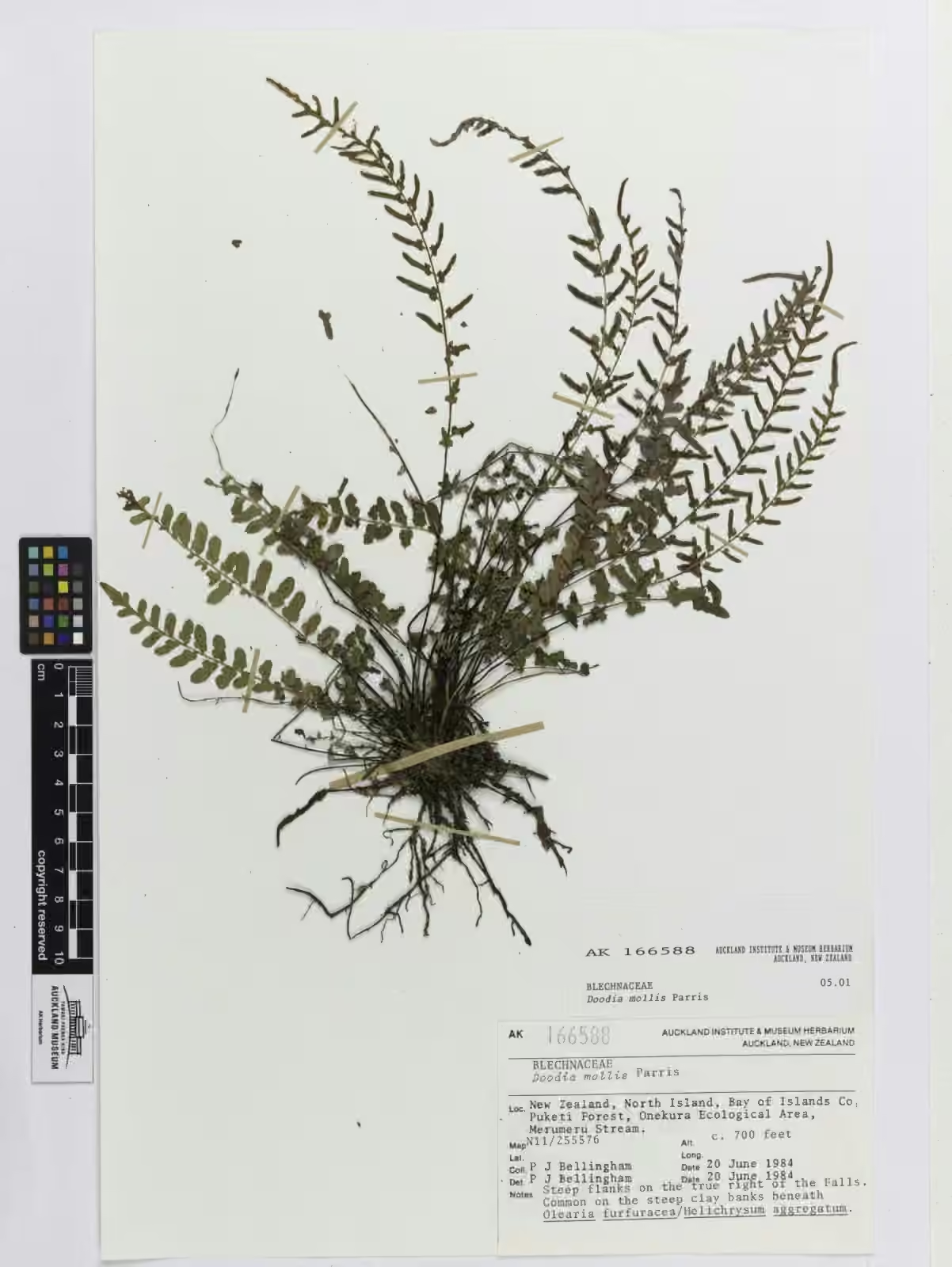
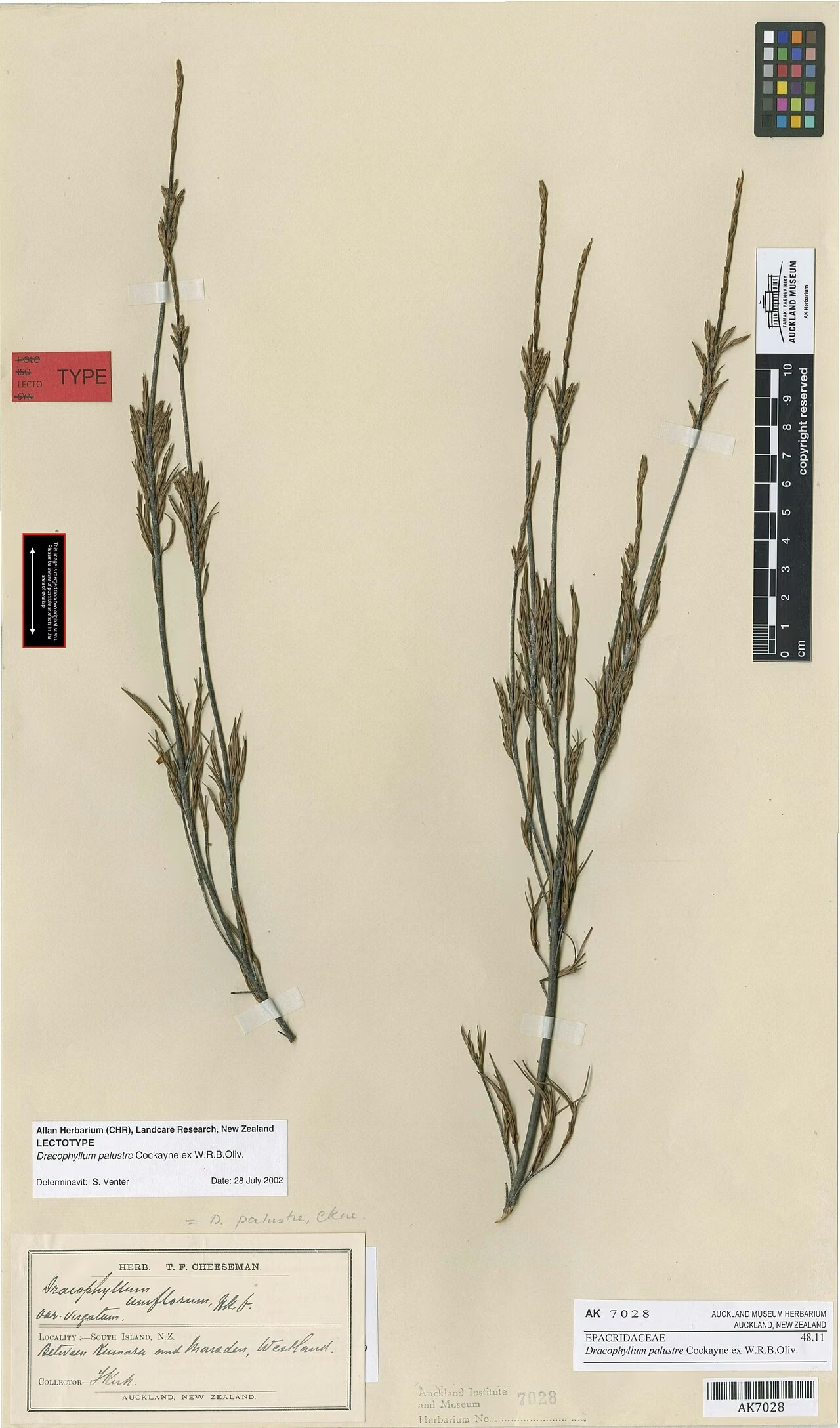
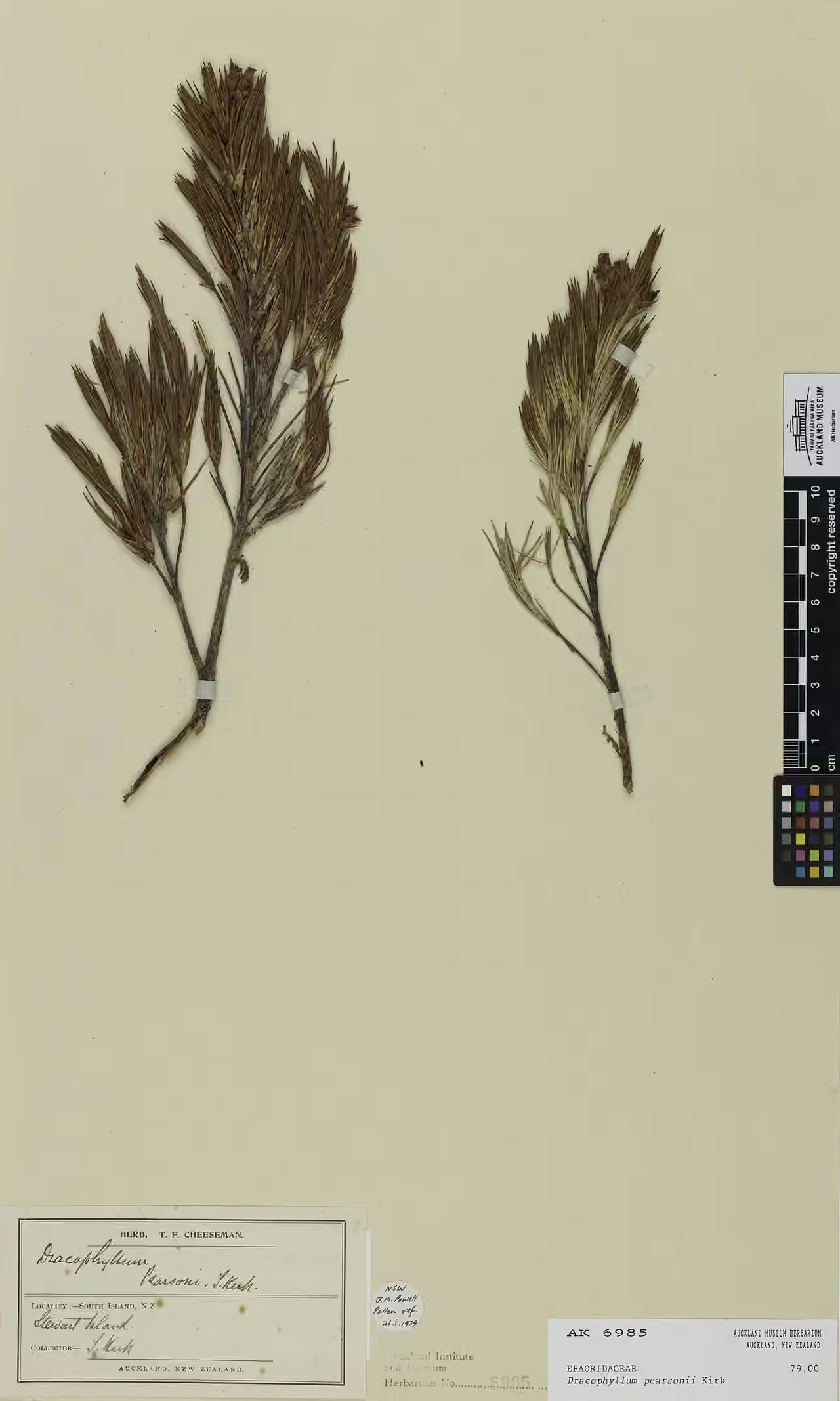
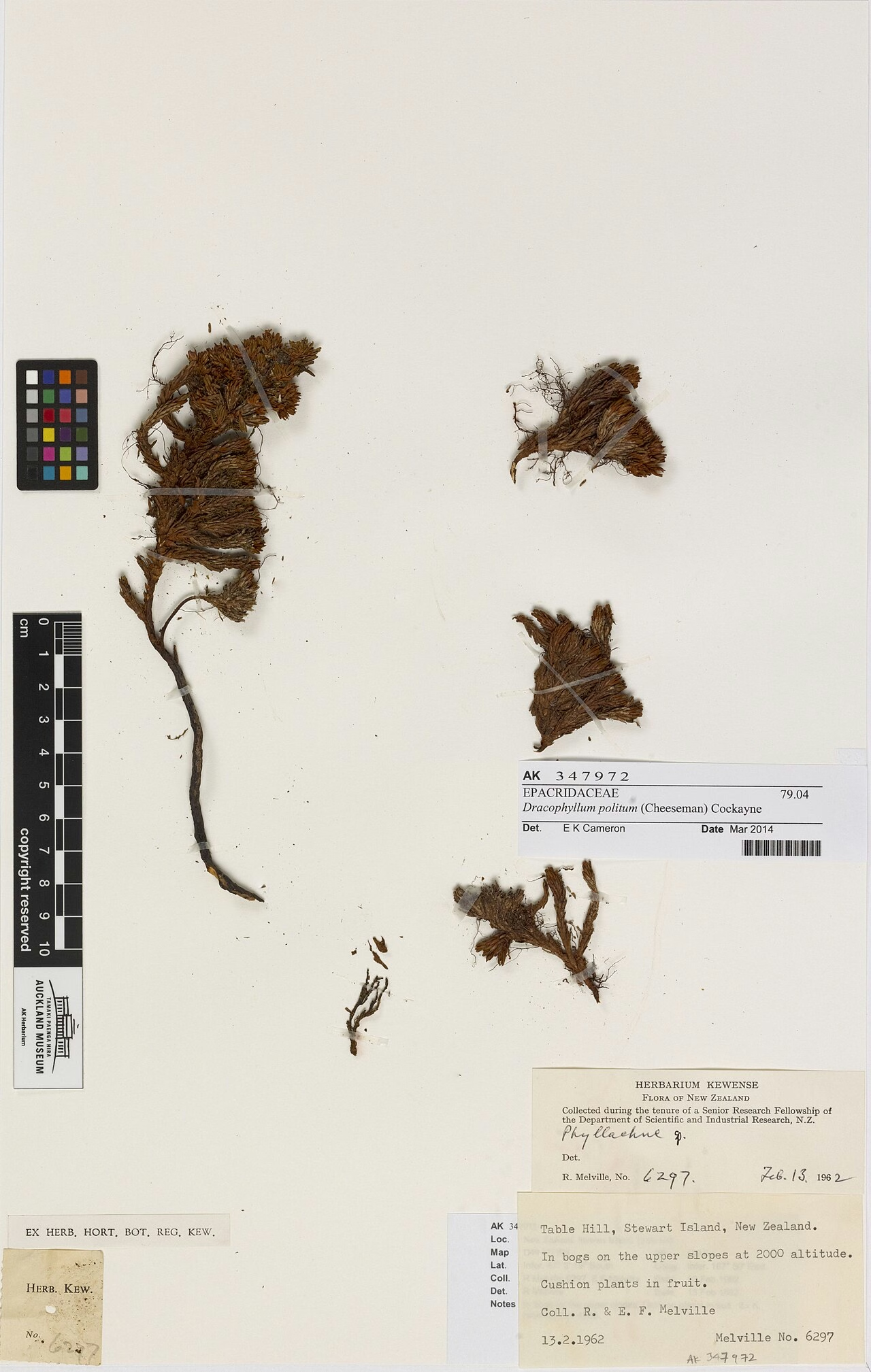
Explore other native plants that share similar characteristics or habitats with Marble Inaka (Dracophyllum marmoricola), offering further insights into New Zealand's diverse flora. These related species provide context and opportunities for complementary planting in your garden.
Plant Conservation
Dracophyllum marmoricola is ranked At Risk - Naturally Uncommon (2023) with the qualifier Range Restricted, as it is confined to marble in a small part of North-West Nelson.
All known sites are within Kahurangi National Park, which provides legal protection. Staying on tracks, not collecting plants and continued control of browsing animals and weeds in the park all help to keep its populations secure.
Frequently Asked Questions
Where does Dracophyllum marmoricola grow?
It is found only in North-West Nelson, in Kahurangi National Park, on marble exposures in the alpine zone between about 1310 and 1790 m, such as Horseshoe Basin on Mount Arthur.
What does the name marmoricola mean?
The name means marble dweller or lover of marble, referring to the fact that this shrublet grows exclusively on marble rock and the soils derived from it.
When was marble inaka discovered?
It was formally described by the botanist Stephan Venter in 2002, from a type specimen collected at Horseshoe Basin, Mount Arthur, in January 1999.
Can you grow marble inaka?
NZPCN rates it difficult to propagate and advises that it should not be removed from the wild. It is not available from nurseries.
Sources and Further Reading
The botanical, growing, and conservation details for Marble Inaka (Dracophyllum marmoricola) on this page draw on the New Zealand plant references below. Consult them for full technical records and the latest distribution data.