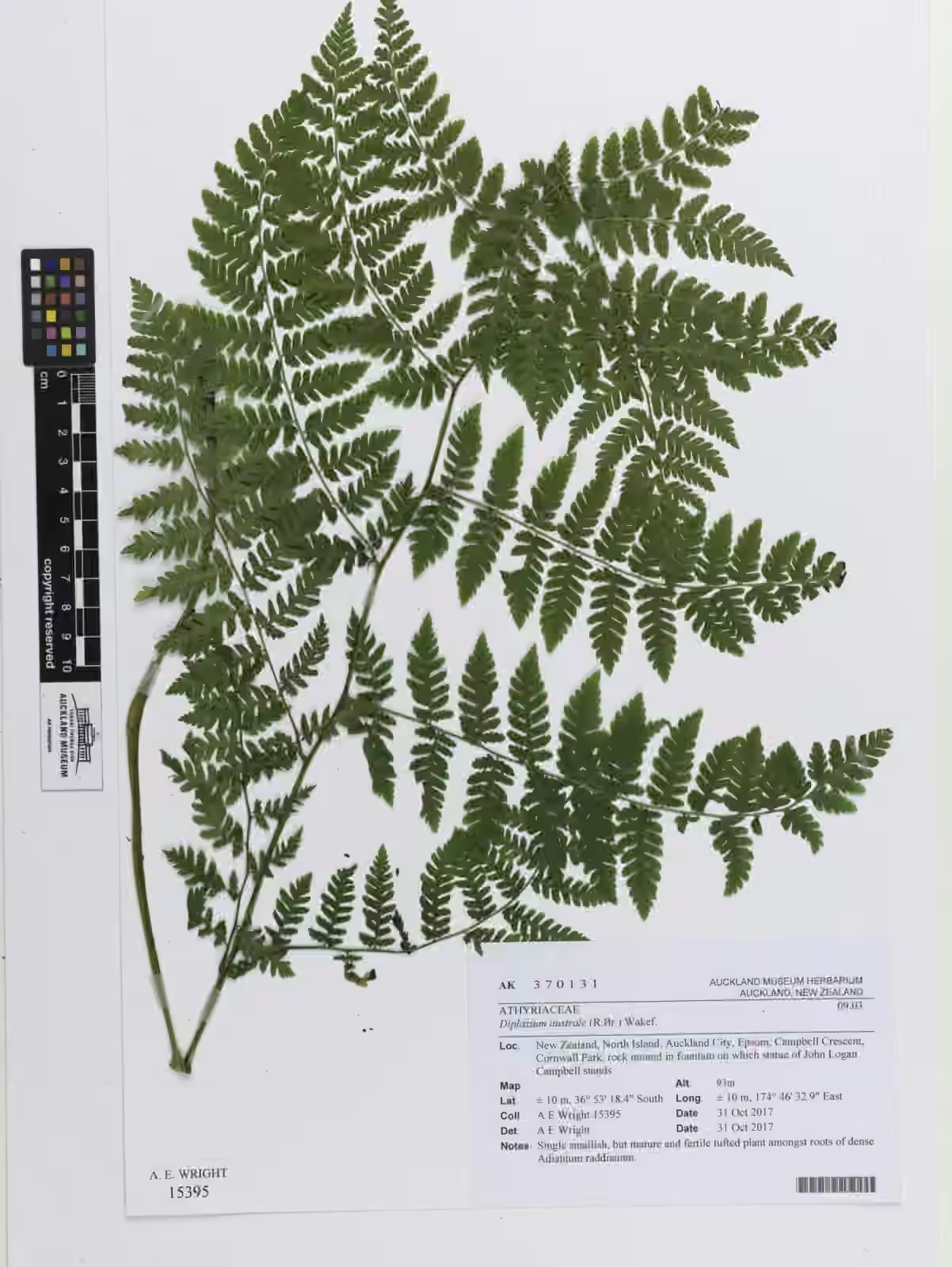
Austral Lady Fern
Diplazium australe
Last updated:
Austral lady fern (Diplazium australe) is a large, soft, tufted ground fern with brittle, bright to dark green, finely divided fronds usually 0.3 to 1.4 m long, occasionally to 2 m. It grows in damp soils along streams, on alluvial flats and swamp margins, in gullies and under forest, scrub, pines and willows through most of the North Island and in Nelson, Marlborough and Westland. It is indigenous, also occurring in eastern Australia and Norfolk Island. Once considered rare, it has spread with human disturbance and is now one of New Zealand's most widespread urban ferns. It is fast growing and easy from spores or division. Explore more native ferns in our native plant guide.
Plant Description
Diplazium australe is a terrestrial, tufted fern whose erect rhizome sometimes builds a short woody trunk, covered in narrow dark brown scales up to 6 mm long. The fronds are 340 to 1400 mm long, arching, membranous and brittle. The stipes are 80 to 800 mm long, blackish-brown and scaly at the base, becoming yellow-brown or red-brown above, and deeply grooved. Larger fronds have been reported up to 2 m long in the wild.
The blade is broadly triangular to ovate, 2-pinnate-pinnatifid to 3-pinnate-pinnatifid, up to 780 mm long and 740 mm wide, dark green on both surfaces and hairless. There are 9 to 18 pairs of primary pinnae, the longest at or near the base. The final segments are oblong with toothed or lobed margins. The sori are linear and elongated along the veins, usually single but sometimes paired back to back, covered by a pale brown indusium that opens away from the vein.
It is often confused with Deparia petersenii subsp. congrua, which commonly grows with it, and both can resemble Asplenium because of their herringbone sori. Unlike Asplenium, both have some sori paired back to back. Diplazium differs from Deparia in its much larger, more divided, glabrous fronds, and the U-shaped groove of its rachis is open and continuous with the grooves of the pinna midribs.
Quick Facts
| Scientific Name | Diplazium australe |
|---|---|
| Height | 0.5-1.4 m, occasionally to 2 m |
| Spread | 1-1.8 m |
| Water Needs | High; needs permanently damp soil |
| Light | Shade to partial shade; full sun only in wet ground |
| Frost Tolerance | Low to moderate; dies down in cold winters |
| Salt Tolerance | No information available |
| Growth Rate | Very fast |
| Lifespan | Perennial |
Climate Best Suited to
Suits mild, moist, lowland climates and grows fastest in sheltered, frost-free areas. In cooler districts it survives by dying back to its rhizome in winter.
Regional Suitability
| City | Climate Suitability |
|---|---|
| Auckland | High |
| Wellington | High |
| Christchurch | Low |
| Dunedin | Low |
Plant Habitat
In New Zealand Austral lady fern occurs in lowland areas through much of the North Island from Te Paki to Wellington, but is absent from large parts of the drier east coast. It is most common below 350 m but reaches 500 m in Taranaki and on Rainbow Mountain near Rotorua, and 800 m on Mount Pirongia. In the South Island it is confined to lowland Marlborough Sounds, Nelson and the West Coast south to around Greymouth or Hokitika. It does not occur on any offshore islands. Overseas it is found in Queensland, New South Wales, Victoria, Tasmania and on Norfolk Island.
It grows in damp soils and silt along stream banks, on alluvial terraces and swamp margins, in damp paddocks and ditches, on forest margins and in clearings. It occurs under podocarp forest, especially kahikatea, and broadleaved forest, under mature mānuka and kānuka, and beneath pines and willows, and it is common in urban areas.
Growing Requirements
Soil Requirements
It favours damp, silty or humus-rich soils such as alluvium beside streams and swamp margins.
- Moist, fertile, humus-rich soil
- Tolerates silt and periodically wet ground
- Avoid dry, free-draining sites
Light Requirements
It prefers shade but, according to NZPCN, copes well in full sun if the ground stays permanently damp.
- Full or dappled shade is ideal
- Full sun only in constantly wet soil
Water Requirements
Consistent moisture is essential; its natural sites are stream banks, ditches and swamp margins.
- Never let the soil dry out
- Water heavily in dry summers if not beside water
Planting and Establishing
Plant Austral lady fern in a damp, sheltered, shaded spot such as a stream bank, the edge of a pond or a moist gully. Allow plenty of room, as mature plants can spread 1 to 1.8 m across.
Mulch to keep the soil cool and moist. Be aware that NZPCN describes it as very fast growing and inclined to become weedy, so avoid planting it where it may smother smaller, rarer ferns.
Ecological Role
Its minute spores are wind dispersed (Thorsen et al. 2009), which explains how readily it colonises new damp, disturbed sites, from drains and stream banks to the understorey of willow and pine plantings.
NZPCN notes that it appears to have flourished and expanded its range in New Zealand as a result of human disturbance, so that a fern once considered very uncommon is now one of the most widespread indigenous ferns in towns. It often grows with Deparia petersenii in alluvial forest and under kahikatea.
Uses & Significance
Garden Uses
A bold, quick-growing fern for damp, shaded gardens that gives a lush, subtropical look.
- Shaded stream and pond margins
- Damp woodland and under established trees
- Rapid cover in urban revegetation and riparian planting
Ecological Value
It is a native colonist of damp, disturbed ground that quickly provides ground cover along waterways.
- Helps cover and shade stream banks and alluvial flats
- Thrives in modified habitats such as willow and pine stands
- An indigenous fern that has benefited from human disturbance
Landscaping Uses
Use it in groups along a shaded stream or beneath large trees, where its soft, lacy fronds contrast with the strap-like leaves of sedges and the bold leaves of shrubs like rangiora.
As it can become weedy, keep it to larger, informal plantings and away from small, slow-growing ferns that it might overwhelm.
Seasonal Care Calendar
Spring
New croziers unfurl rapidly, with dark brown scales at their bases.
- Plant or divide now
- Remove last year's dead fronds
Summer
Fronds reach full size and sori develop under the pinnules.
- Keep the soil constantly moist
- Collect spores when sori turn brown
Autumn
Plants remain lush in mild areas while spores are released.
- A good time for planting in damp sites
- Watch for unwanted spread
Winter
In cooler districts the fronds die back to the rhizome, while in mild areas they persist.
- Leave dead fronds to protect the crown until spring
- No watering needed in wet winters
When to Prune and How Much
Remove dead, brown or broken fronds at the base whenever they appear. The fronds are brittle, so tidy plants away from busy paths.
Where it has died back over winter, clear the old fronds in early spring before the new croziers emerge.
How to Grow Austral Lady Fern
NZPCN describes Diplazium australe as easy from spores and rooted pieces, very fast growing and inclined to become weedy. It prefers a shaded site but copes well in full sun provided it is planted in permanently damp ground, and in cooler parts of the country it dies down to the rhizome over winter. Because it establishes so readily, gardeners rarely need more than a single plant to start with, and any young sporelings that do appear in damp ground nearby can be lifted carefully and moved to where they are wanted.
From Spores
The sori are elongated along the veins beneath the pinnules. Collect fronds when the sori turn brown and the indusia begin to lift.
- Place a fertile frond on clean paper for a day or two to release spores
- Sow the dust-like spores on sterilised, moist seed mix
- Cover with glass or clear plastic and keep in indirect light
- Mist to keep humid until a green film of prothalli forms
- Prick out young ferns once they have a few fronds
By Division
Plants with more than one crown, or rooted offsets around the base, can be separated in spring.
Division is the quickest way to get a sizeable plant, and because the species grows very fast, divided pieces usually fill out within a season or two if kept moist and shaded.
- Lift the clump while the soil is moist
- Separate crowns, keeping roots attached
- Replant at the same depth in damp soil
- Keep well watered until new fronds appear
Pests & Diseases
No serious pests are recorded for Austral lady fern. The brittle fronds are easily broken by wind, pets and people, and drought quickly scorches them.
Its own vigour is more of a garden issue than pests, as it can spread into areas where it is not wanted.
Cultural Significance
No Māori name or traditional Māori use is recorded for Diplazium australe in the sources consulted.
The species was first described by Robert Brown in 1810 as Allantodia australis from Tasmanian material, and was later known in New Zealand as Athyrium australe. Earlier New Zealand floras misapplied the names Asplenium umbrosum and Athyrium umbrosum to it. The name australe means southern.
Bonus Tip
To check whether a lacy fern by a stream is Diplazium or the similar Deparia, run a finger down the top of the main stem: in Diplazium the groove is open and runs continuously into the grooves of the side branches, while in Deparia the grooves are not connected and the fronds are hairy.
Related Plants
Explore other native plants that share similar characteristics or habitats with Austral Lady Fern (Diplazium australe), offering further insights into New Zealand's diverse flora. These related species provide context and opportunities for complementary planting in your garden.
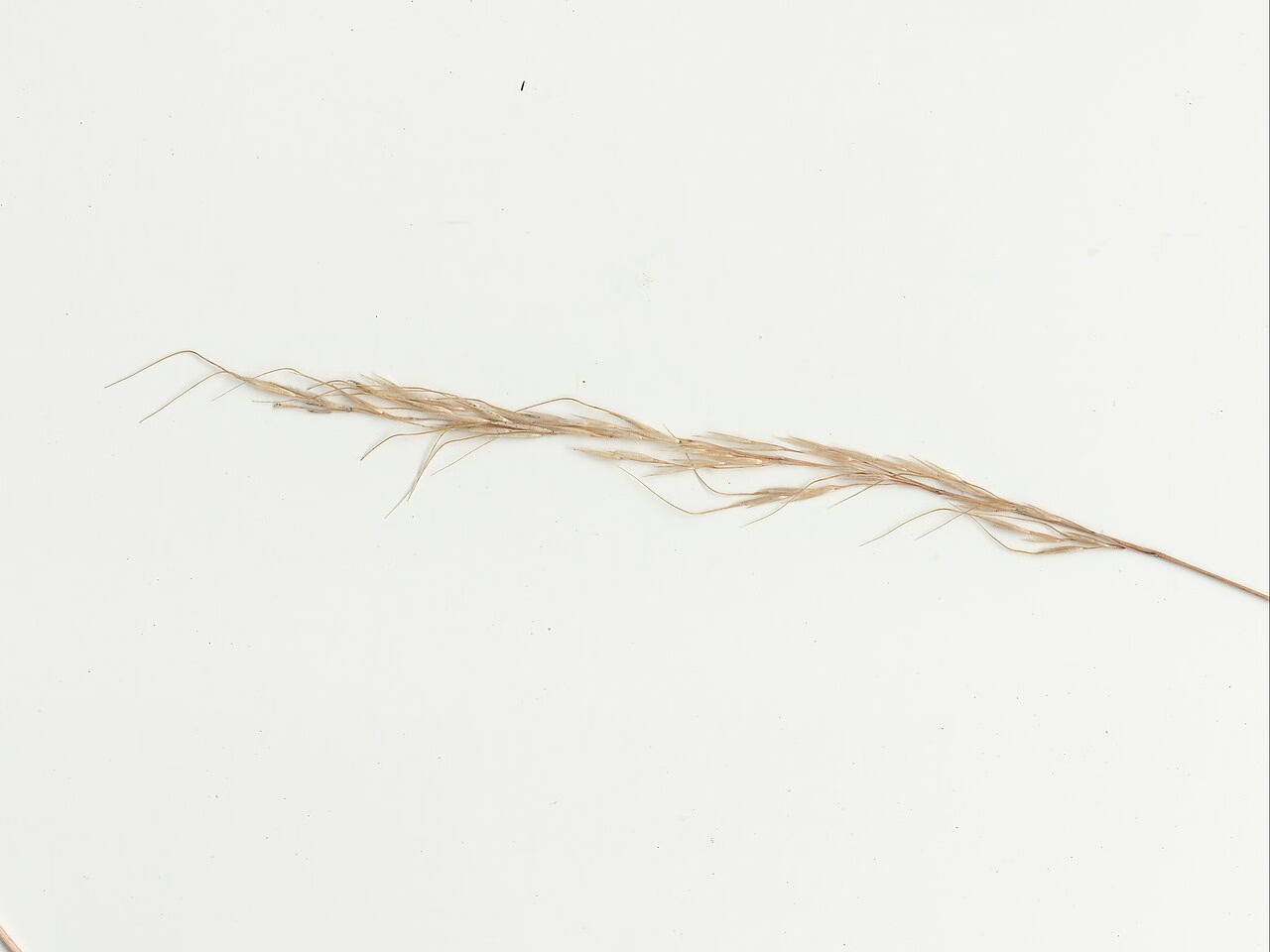
Short-Hair Plume Grass
Pentapogon inaequiglumis
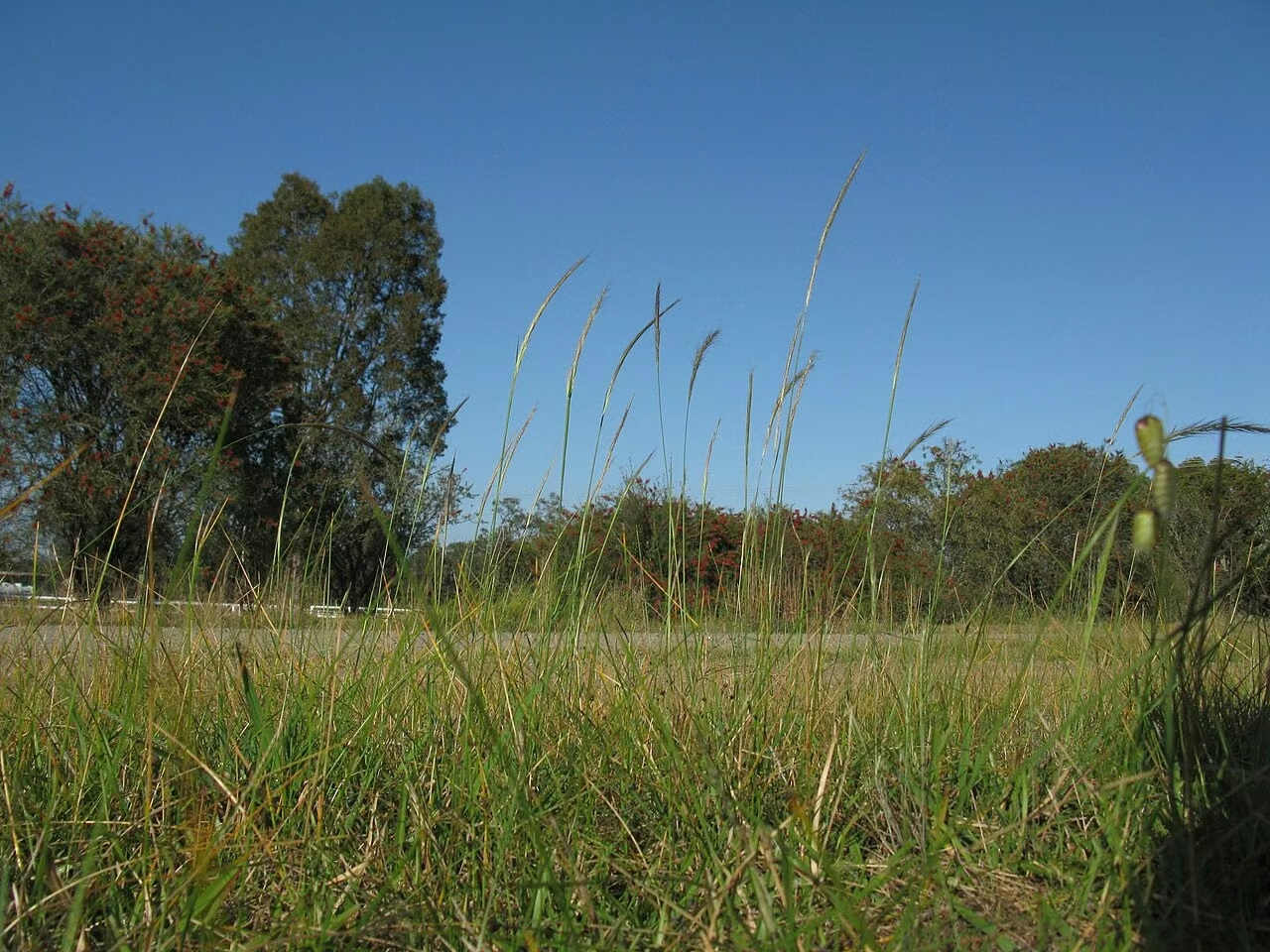
Purple Plume Grass
Pentapogon micranthus
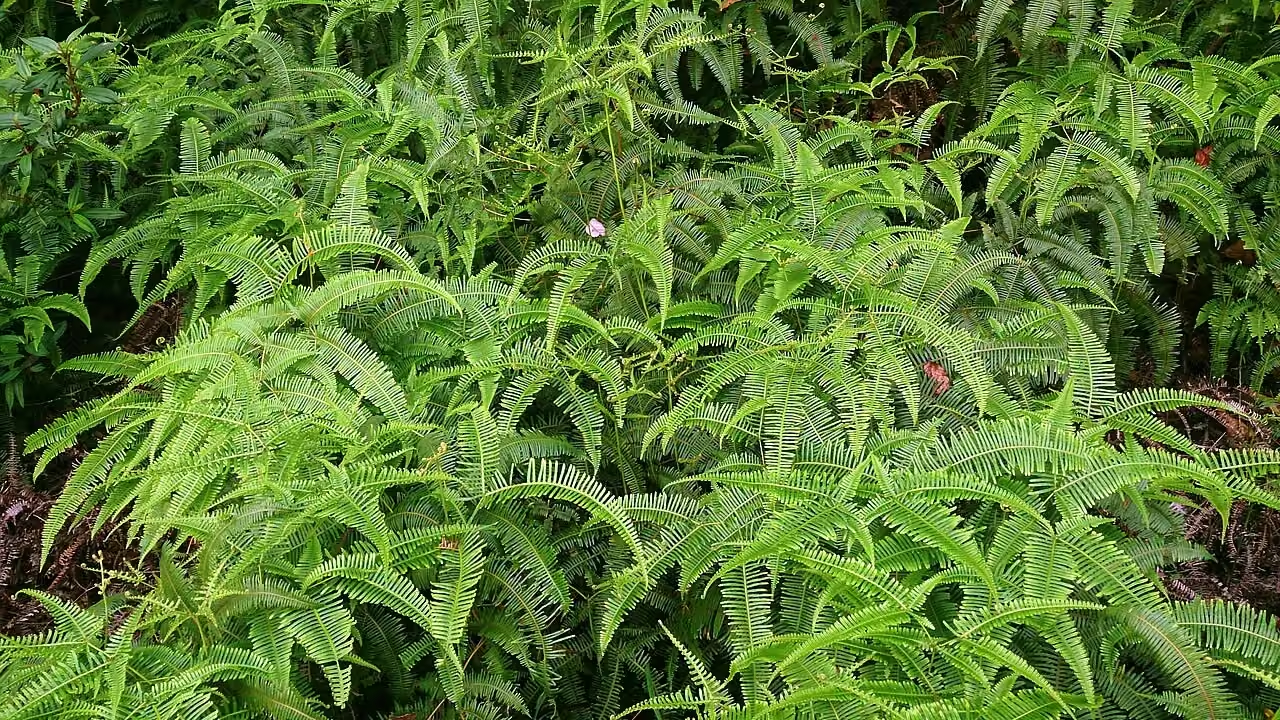
Dicranopteris linearis
Dicranopteris linearis
Jellybeans
Disphyma clavellatum
White Snow Marguerite
Dolichoglottis scorzoneroides
Prickly Rasp Fern
Doodia aspera
Doodia milnei
Doodia milnei
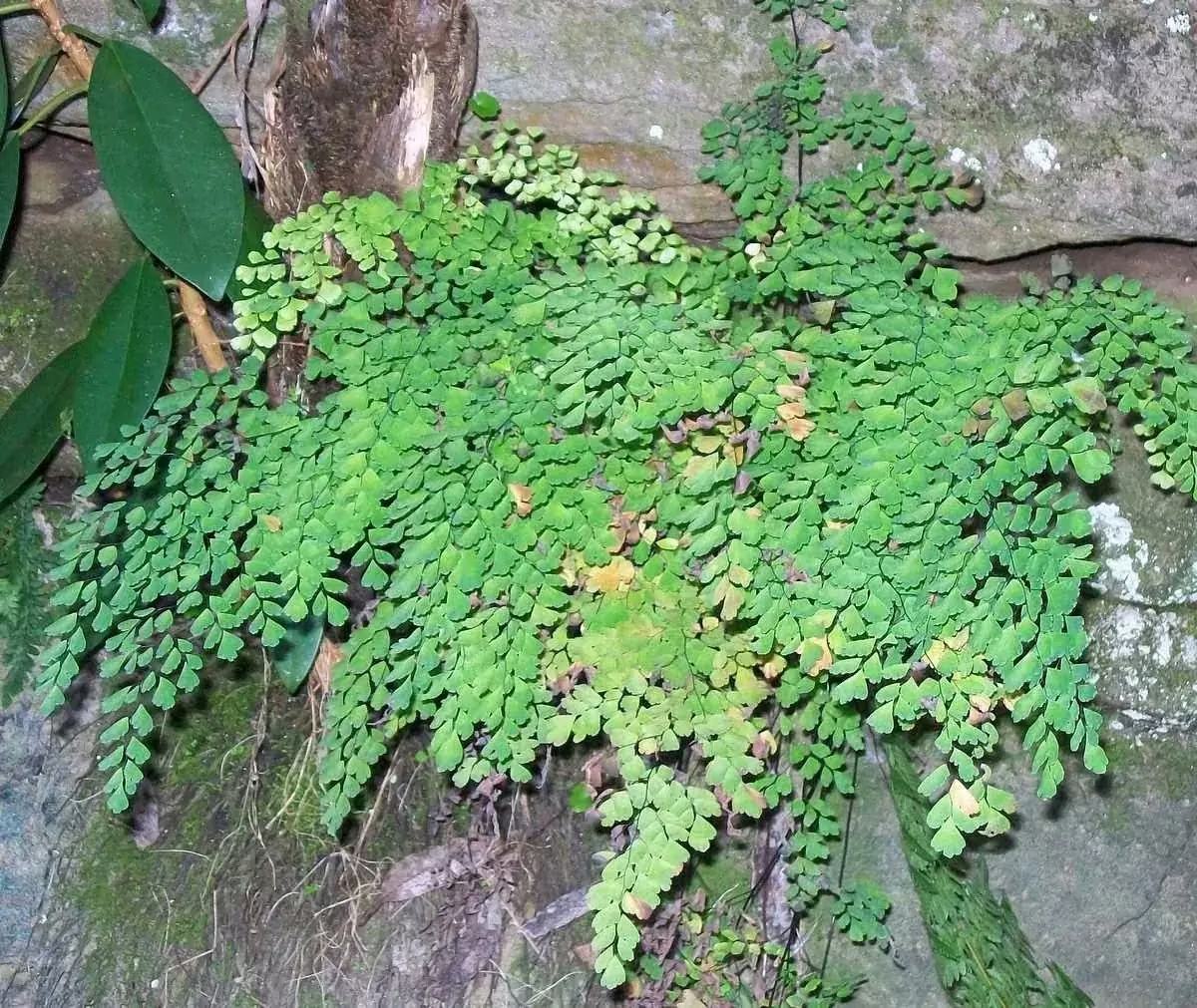
True Maidenhair Fern
True Maidenhair Fern
Plant Conservation
Austral lady fern is ranked Not Threatened (2023) with the qualifier Secure Overseas. NZPCN notes it was once considered very uncommon, but it has flourished and expanded its range following human disturbance.
It needs no special conservation measures. Its spread into modified sites makes it a useful native component of riparian and urban restoration, though its vigour should be managed near rarer ferns.
Frequently Asked Questions
How do you identify Austral lady fern?
Look for a tufted fern with soft, glabrous, 2 to 3 times divided triangular fronds, a stipe that is black and scaly at the base, and elongated sori lying along the veins, some paired back to back.
How is Diplazium australe different from Deparia petersenii?
Both have herringbone-patterned sori, but Diplazium australe has much larger, more divided, hairless fronds, and its rachis groove opens into the grooves of the pinna midribs.
Is Austral lady fern deciduous?
In cooler parts of New Zealand it dies down to its rhizome over winter and regrows in spring, while in mild areas it keeps its fronds.
Can Austral lady fern grow in full sun?
NZPCN says it prefers shade but copes well with full sun if planted in permanently damp ground.
Sources and Further Reading
The botanical, growing, and conservation details for Austral Lady Fern (Diplazium australe) on this page draw on the New Zealand plant references below. Consult them for full technical records and the latest distribution data.