True Maidenhair Fern
Adiantum aethiopicum
Last updated:
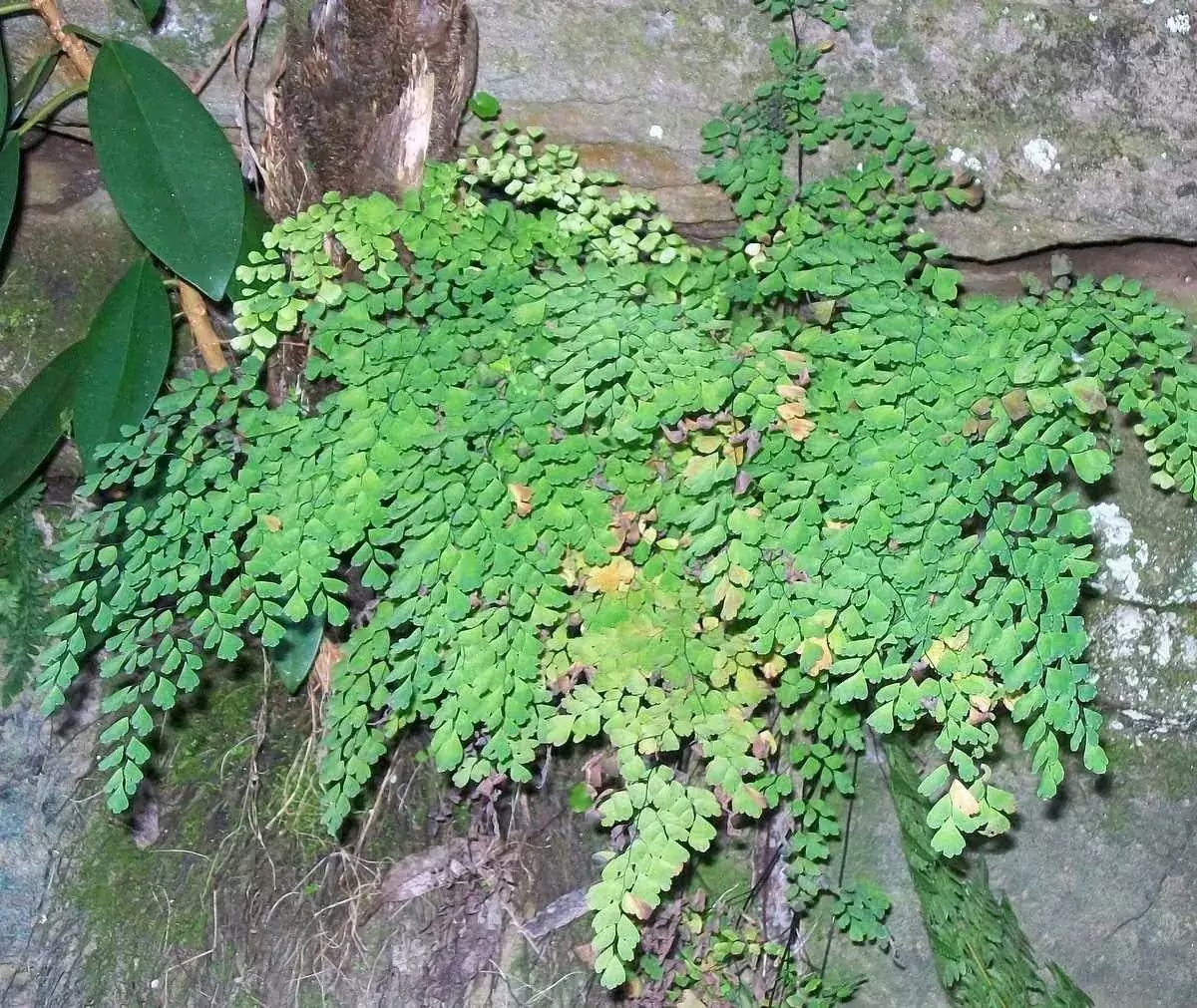
True maidenhair fern (Adiantum aethiopicum) is a delicate native fern that forms lush, spreading clumps 30 to 50 cm tall. Its most striking feature is the ultra-fine, polished black stipes that contrast with airy, three-pinnate fronds of small, fan-shaped, lime-green leaflets. Unlike many ferns that demand deep shade, it often colonises open, sunny sites where the soil stays damp, spreading up to about 75 cm across. In New Zealand it grows on coastal cliffs, rocky banks, stream-sides and lowland forest margins, especially in the North Island, and is frequently found under manuka or kanuka scrub. It is not threatened and tolerates light frosts once established. Explore more native plants such as Cunningham's Maidenhair Fern.
Plant Description
Identification and Physical Characteristics
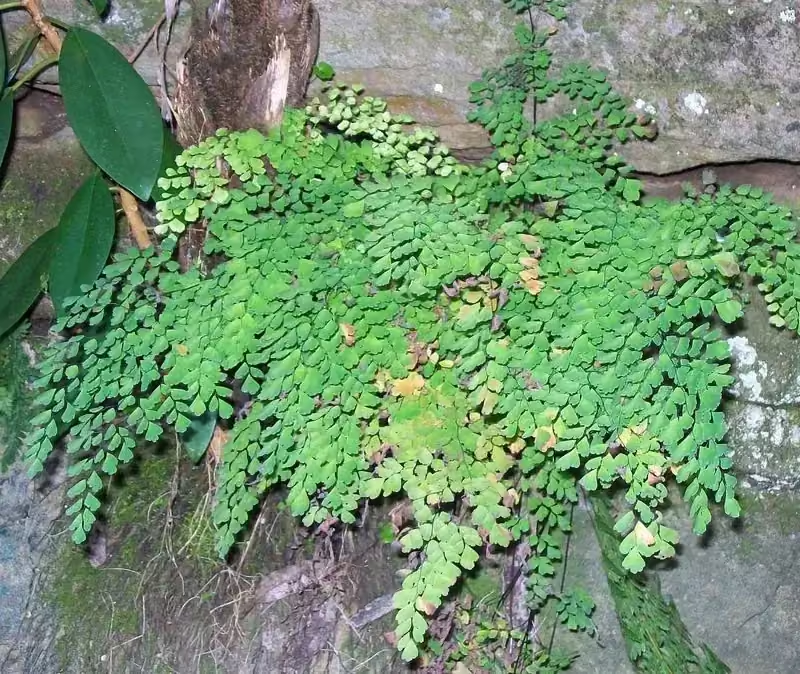
Adiantum aethiopicum forms lush, spreading clumps of delicate fronds that typically grow between 30 and 50 cm in height. The most striking feature of this fern is its ultra-fine, polished black or dark brown stipes (stems), which provide a stark contrast to the vibrant foliage. The fronds are three-pinnate, meaning they are divided three times into small, almost round or fan-shaped leaflets. These leaflets possess a light, papery texture and a bright, lime-green coloration. Unlike many other ferns that prefer deep shade, the True Maidenhair often colonizes more open, sunny sites, where its airy rosettes can spread up to 75 cm across.
Quick Facts
| Scientific Name | Adiantum aethiopicum |
|---|---|
| Height | 0.3 - 0.5 metres |
| Spread | 0.5 - 0.75 metres |
| Water Needs | High - requires consistent soil moisture |
| Light | Partial shade to full sun (if damp) |
| Frost Tolerance | Moderate - survives light frosts |
| Salt Tolerance | Medium - suitable for sheltered coastal sites |
| Growth Rate | Moderate |
| Lifespan | Long-lived perennial fern |
Climate Best Suited to
True Maidenhair Fern is a versatile species adapted to the warm-temperate and subtropical climates of New Zealand. It thrives in lowland regions with high annual rainfall and moderate humidity. While it is reasonably frost-tolerant once established, it performs best in frost-free or lightly frosted areas. It is exceptionally well-suited to the North Island's coastal and lowland environments, where the air is clear and soil moisture is consistent.
Regional Suitability
| City | Climate Suitability |
|---|---|
| Auckland | High |
| Wellington | High |
| Christchurch | Medium (requires shelter and moisture) |
| Nelson | High |
Plant Habitat
Natural Occurrence and Ecology
In its natural range, Adiantum aethiopicum is found in a variety of environments, from coastal cliffs to lowland forest margins. It is particularly common in the North Island, where it colonizes rocky banks, stream-sides, and damp depressions in short grasslands. It is often seen growing under the light canopy of Mānuka or Kānuka scrub and can even be found on stable sand dune systems. Its ability to tolerate more light and drier conditions than most Maidenhair ferns makes it a successful colonizer of open, disturbed ground.
Growing Requirements
Soil Requirements
Thrives in rich, fertile, and free-draining but moisture-retentive soil. A mix high in organic matter, such as compost or leaf mold, is ideal. It can tolerate clay if the site is not prone to waterlogging in winter.
- Moisture-retentive
- Rich in organic matter
- Free-draining
Light Requirements
Prefers partial shade but is remarkably adaptable. It can tolerate full sun if the soil is kept consistently moist. Shady, humid spots will result in the most lush and vibrant green foliage.
- Partial Shade (ideal)
- Full Sun (if moist)
Water Requirements
This fern requires high and consistent water levels. The soil should never be allowed to dry out completely. Regular watering during dry summer spells is essential to maintain the health of the delicate fronds.
- High / Consistent
- Never allow to dry out
Planting and Establishing
Establishment Guidance
True Maidenhair Fern is best planted in autumn or early spring when the weather is mild and moisture is plentiful. Choose a sheltered position away from drying winds. Incorporate plenty of organic matter into the planting hole. Water thoroughly after planting and maintain consistent moisture until the fern is clearly established. Due to its spreading habit, it should be given enough room to expand and create a dense, airy groundcover.
Ecological Role
Biodiversity and Ecosystem Impact
In lowland ecosystems, Adiantum aethiopicum provides important ground-level habitat. Its dense clumps offer shelter for small native invertebrates and help maintain a cool, moist micro-climate at the soil surface. By colonizing rocky banks and stream-sides, it also assists in stabilizing soil against erosion. Its delicate presence is a sign of a healthy, moisture-rich lowland forest or grassland community.
Uses & Significance
Garden Uses
The True Maidenhair is a premier choice for native ferneries, shaded garden borders, and containers. Its delicate texture provides a beautiful contrast to broader-leaved plants. It is exceptionally effective when used as a groundcover in moist, sheltered areas. Its graceful form also makes it a popular indoor plant for bright, humid rooms like bathrooms.
- Native ferneries
- Lush groundcover
- Container / Indoor plant
Ecological Value
Supports soil stability and provides micro-habitat for specialized lowland invertebrates.
- Soil stabilization
- Invertebrate habitat
Landscaping Uses
In professional landscape design, Adiantum aethiopicum is used to create a sense of softness and tranquility. Its airy fronds are perfect for filling gaps between larger structural plants or for softening the edges of paved areas and water features. It is ideal for modern native designs that aim to replicate the lush, green character of New Zealand's lowland environments.
Seasonal Care Calendar
Spring
Watch for the emergence of new, delicate croziers (unfurling fronds). This is the best time for a light application of organic fertilizer and ensuring the mulch layer is replenished to retain moisture.
- Monitor new growth
- Light organic feeding
Summer
The peak growing season. Monitor soil moisture closely and water regularly. In very dry conditions, misting the fronds in the morning can help maintain necessary humidity.
- Consistent watering
- Maintain humidity
Autumn
The ideal time for new plantings and for dividing established clumps. Tidy up the area by removing any dead fronds to improve appearance and air circulation.
- Planting / Division
- Remove dead fronds
Winter
Maintain the mulch layer to protect the root system. In areas prone to frost, ensure the fern is in a sheltered position. The plant may become dormant but will recover in spring.
- Maintain mulch
- Frost shelter
When to Prune and How Much
True Maidenhair Fern requires very little formal pruning. The main task is to remove old, brown, or damaged fronds to keep the plant looking fresh and to encourage new growth. This should be done carefully at the base of the stipe with sharp scissors. Regular tidying helps prevent fungal issues and keeps the airy structure of the fern clear.
- Remove old fronds regularly
- Trim winter-damaged growth
Always use clean, sharp tools to avoid damaging the delicate stems.
How to Grow True Maidenhair Fern
Growing True Maidenhair Fern ( Adiantum aethiopicum ) from division or spores is a rewarding process for the native plant enthusiast. This graceful species, adapted to the moist and sheltered conditions of lowland New Zealand, requires specific care to ensure successful propagation and healthy long-term development. The most critical factors for success are providing consistently damp soil, high humidity, and a position that offers shelter from strong winds and intense, drying sunlight. Because it is a resilient colonizer in the wild, it is often easier to establish than many other Maidenhair varieties.
From Division
Vegetative propagation via division is the most common and reliable method for home gardeners. The best time to divide Adiantum aethiopicum is in early spring as new growth begins. Carefully lift a mature clump and use a sharp knife to separate the rhizomes, ensuring each new division has a healthy portion of roots and at least one or two fronds or active growing points. Replant the divisions immediately into well-prepared, organic-rich soil and water thoroughly. Maintain high humidity and consistent moisture until the new plants are clearly established and showing signs of vigorous growth.
- Divide in early spring
- Ensure healthy rhizomes and roots
- Replant in organic soil
- Maintain consistent moisture
From Spores
Propagation from spores is a slower but fascinating process. Collect spores from the underside of mature fronds in late summer or autumn when the sori (spore cases) turn brown. Sow the spores onto the surface of a sterilized, moist, peaty mix in a sealed container. Keep the container in a warm, bright spot out of direct sunlight. The spores will first develop into a green, heart-shaped structure called a prothallus, from which the small fern fronds will eventually emerge. This process requires patience and meticulous attention to maintaining high humidity and sterile conditions to avoid contamination by fungi or algae.
- Collect mature spores in autumn
- Sow on sterile peaty mix
- Maintain high humidity in sealed container
- Provide bright, indirect light
Additional Methods
Establishing young, nursery-grown ferns is the easiest method for most. The key to long-term success is meticulous site selection. Choose a spot that mimics the cool, moist, and sheltered lowland forest margins that this species calls home. Using a deep organic mulch around the base of the fern is vital; it keeps the roots cool, suppresses weeds, and maintains the consistent soil moisture that this delicate specialist craves.
- Select a sheltered, moist site
- Use deep organic mulch
- Avoid root disturbance once planted
Pests & Diseases
True Maidenhair Fern is generally resistant to many common pests. However, in humid lowland gardens, it can occasionally be susceptible to scale insects or aphids on the new fronds. Slugs and snails can be a problem for young growth. Maintain good air circulation and avoid over-watering in stagnant conditions to prevent fungal issues.
Cultural Significance
Maidenhair ferns, known to Māori as Makaka, have long been recognized for their delicate beauty and resilience. While specific traditional uses are less documented than for larger tree ferns, they are an integral part of the botanical heritage of lowland Aotearoa. Their graceful presence in the forest understory is a symbol of the lushness and biodiversity that defines the New Zealand landscape. Today, they are highly valued by gardeners and botanists alike for their unique form and historical significance.
- Lowland botanical heritage
- Symbol of forest lushness
Bonus Tip
Plant near a mossy rock or a small water feature to enhance the natural, tranquil forest atmosphere that this fern creates.
Cultivating this species effectively involves a deep understanding of its natural adaptations and environmental preferences. By mimicking its native habitat-whether that be the cool, moist understory of a temperate rainforest or the exposed, well-drained slopes of an alpine range-gardeners can ensure robust growth and long-term health. Regular observation and minimal, targeted intervention are often the best strategies for maintaining the unique characteristics and ecological contributions of this remarkable New Zealand native plant.
Related Plants
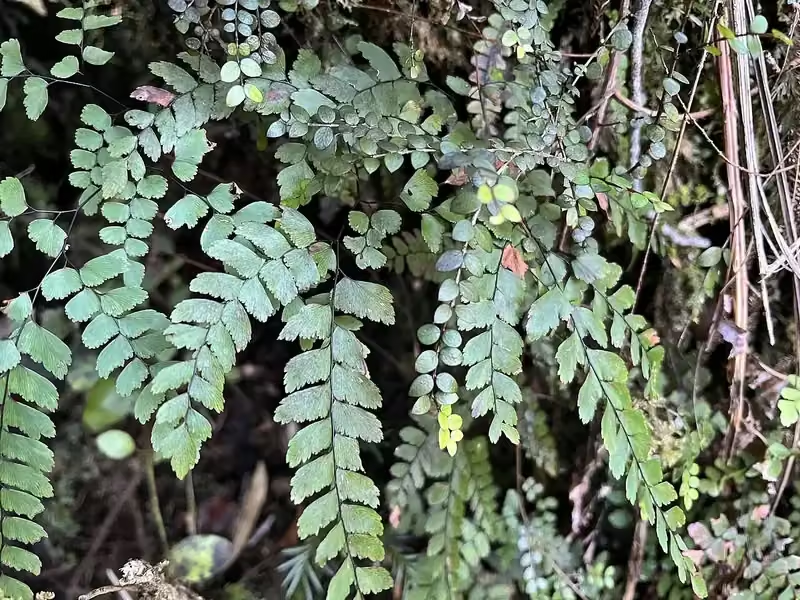
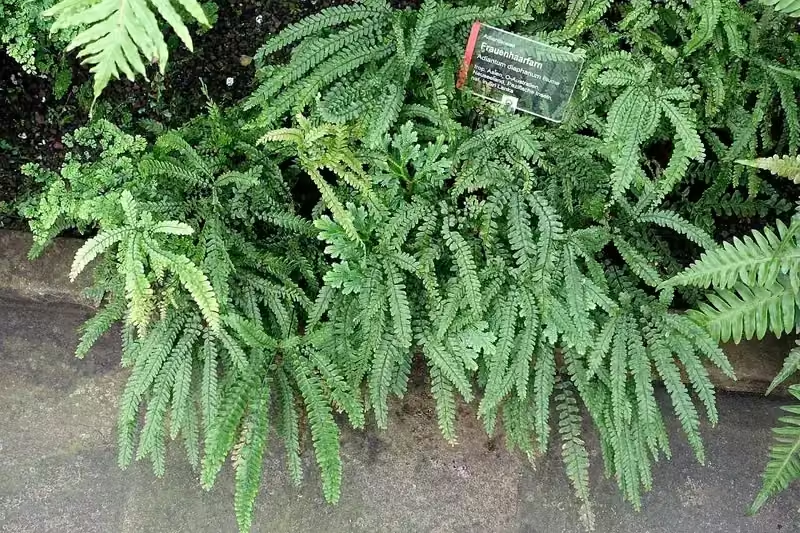
Explore other native plants that share similar characteristics or habitats with True Maidenhair Fern ( Adiantum aethiopicum ), offering further insights into New Zealand's diverse flora. These related species provide context and opportunities for complementary planting in your garden.



Plant Conservation
Conservation Status and Threats
Currently classified as "Not Threatened," Adiantum aethiopicum maintains widespread populations throughout its northern range. However, its survival depends on the continued health of lowland forest and wetland margins. Like all moisture-sensitive species, it is vulnerable to habitat loss and the increasing frequency of extreme drought events caused by climate change. Protecting New Zealand's lowland forest fragments is essential for its long-term success.
Frequently Asked Questions
How tall does true maidenhair fern grow?
It typically grows 30 to 50 cm tall and spreads up to about 75 cm wide.
Does Adiantum aethiopicum need shade?
It grows in partial shade to full sun, provided the soil stays consistently moist.
Is true maidenhair fern frost hardy?
It has moderate frost tolerance and survives light frosts once established.
Where does true maidenhair fern grow in New Zealand?
It is most common in the North Island, on coastal cliffs, rocky banks and lowland forest margins.
Sources and Further Reading
The botanical, growing, and conservation details for True Maidenhair Fern (Adiantum aethiopicum) on this page draw on authoritative New Zealand plant references and citizen-science observation records. Consult the sources below for full technical records and the latest distribution data.