Deparia
Deparia petersenii subsp. congrua
Last updated:
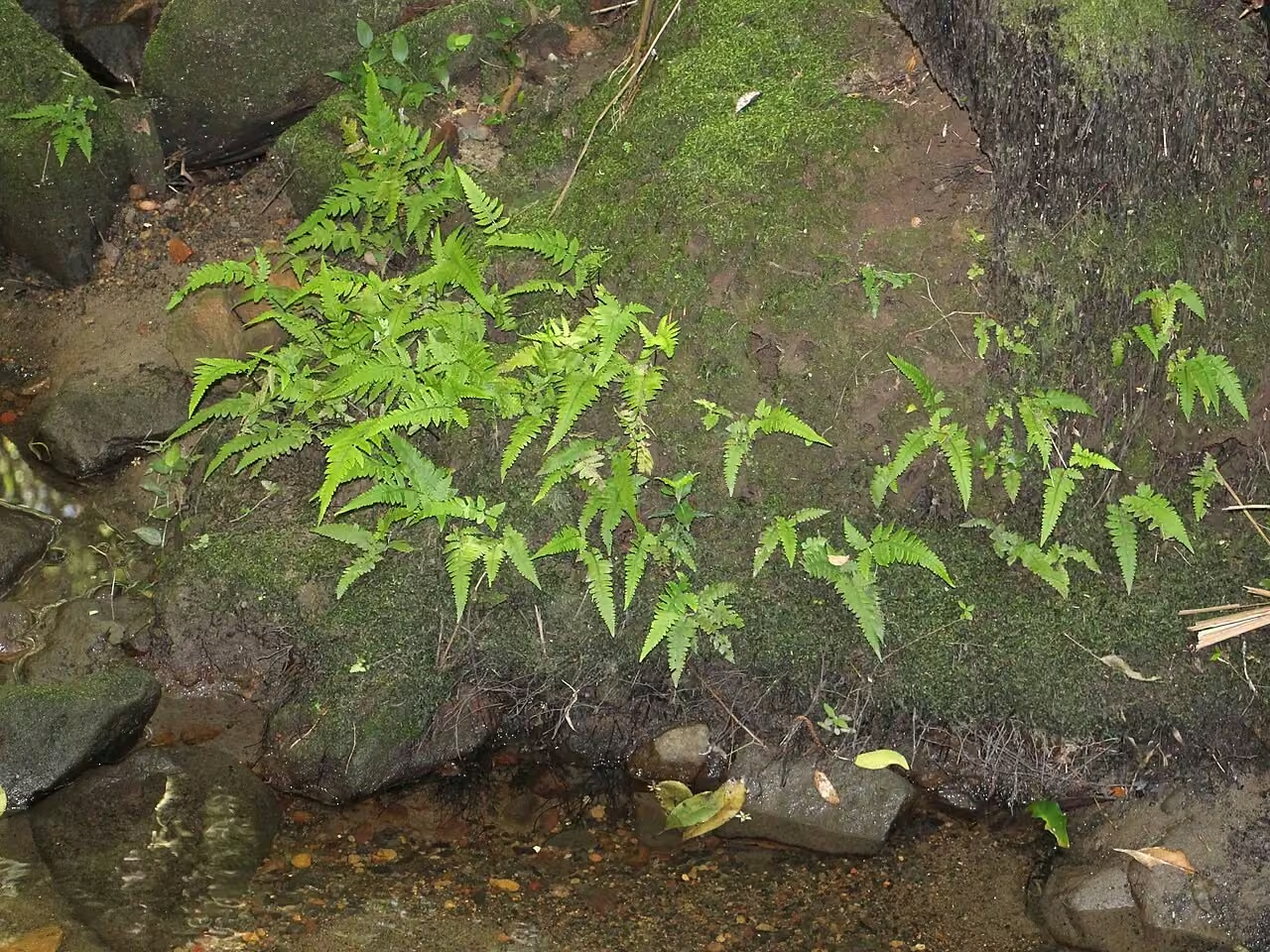
Deparia petersenii subsp. congrua is a native ground fern that spreads by long-creeping rhizomes to form colonies of brittle, yellow-green, two- to three-pinnate fronds 150 to 500 mm long, which have an unpleasant smell. It is common from Te Paki to southern Waikato and the Bay of Plenty, reaches Raoul Island, and extends to about Westport in the South Island. It grows in damp, semi-shaded to shaded places on river flats, forest margins, disturbed forest, rough pasture and even urban sites. NZPCN considers it a relatively recent natural arrival that is still expanding south. It is easy to grow and Not Threatened. Explore more native ferns in our native plant guide.
Plant Description
This is a terrestrial fern with a long-creeping rhizome about 5 mm in diameter, covered in thin, broad, brown scales. Fronds arise close together along the rhizome. The stipes are 20 to 500 mm long, scaly and swollen at the base and faintly winged.
The blades are 150 to 500 mm long and 60 to 250 mm wide, yellow-green to green, brittle and two- to three-pinnate. Pinnae are 70 to 100 mm long and 15 to 25 mm wide, lobed almost to the midvein. The main rachis carries numerous septate (jointed) hairs, and the underside is scaly. The sori are elongated, lying along the veins and often paired back to back in a herringbone pattern, each with a thin indusium.
NZPCN notes it is easily distinguished from other New Zealand ferns by the combination of its long-creeping habit, brittle scaly fronds and unpleasant smell. It is sometimes confused with Diplazium australe, which has larger, hairless fronds and different rachis grooves.
Quick Facts
| Scientific Name | Deparia petersenii subsp. congrua |
|---|---|
| Height | Fronds 0.2-1 m long including stipe |
| Spread | Spreads indefinitely by creeping rhizomes |
| Water Needs | Moist; prefers damp ground |
| Light | Semi-shade to heavy shade |
| Frost Tolerance | Low to moderate; mainly a northern lowland fern |
| Salt Tolerance | Low to moderate; grows near the coast but not in salt spray |
| Growth Rate | Fast |
| Lifespan | Perennial |
Climate Best Suited to
A warm-temperate to subtropical fern that thrives in humid, mild northern New Zealand and is gradually extending into cooler districts.
Regional Suitability
| City | Climate Suitability |
|---|---|
| Auckland | High |
| Wellington | Medium |
| Christchurch | Low |
| Dunedin | Low |
Plant Habitat
In New Zealand this subspecies grows on Raoul Island in the Kermadecs and in the North Island, where it is common from Te Paki to southern Waikato and the Bay of Plenty and is expanding southward. In the South Island its southern limit is near Westport. Beyond New Zealand it occurs in Australia, Malesia, Polynesia and on Norfolk Island.
It is a coastal to lowland fern, rarely reaching montane elevations, that favours damp ground in semi-shade to heavy shade. Typical sites include river flats, disturbed forest, forest margins and rough pasture, and it readily colonises urban gardens, banks and waste ground.
Growing Requirements
Soil Requirements
NZPCN recommends moist, fertile soil; it is tolerant of disturbed ground.
- Moist, fertile soil
- Copes with clay and disturbed soils
- Mulch to keep the rhizomes moist
Light Requirements
It flourishes in semi-shade and also grows in heavy shade.
- Semi-shade is ideal
- Tolerates deep shade
- Fronds scorch in hot, dry sun
Water Requirements
It is a fern of damp ground and does best with constant moisture.
- Keep the soil moist year round
- Water during summer dry spells
- Tolerates periodically wet river flats
Planting and Establishing
NZPCN describes this as an easily cultivated fern that flourishes in semi-shade in moist, fertile soil. Plant divisions or potted plants in autumn or spring, spacing them 40 to 60 cm apart for quick cover.
Because it spreads freely by long-creeping rhizomes, place it where it has room to run, or contain it with a root barrier in small gardens. Its fronds are brittle, so keep it away from paths and play areas.
Ecological Role
This fern colonises disturbed, damp ground in lowland forest margins and river flats, where its spreading rhizomes quickly cover bare soil. NZPCN regards it as a relatively recent natural arrival in New Zealand and notes it is still extending its range.
It reproduces by wind-dispersed spores and by vegetative spread. Its dense patches shade the ground and offer cover for invertebrates, though specific animal associations are not documented in the sources consulted.
Uses & Significance
Garden Uses
A tough, fast groundcover fern for damp, shady parts of northern gardens.
- Groundcover under trees
- Stabilising damp, shady banks
- Filling difficult shade where little else grows
Ecological Value
It provides quick native cover on disturbed, shaded ground.
- Covers bare soil on forest margins and stream flats
- Helps suppress weeds in shade
- A native alternative to exotic shade groundcovers
Landscaping Uses
The bright yellow-green fronds lighten dark corners and contrast well with dark-leaved shrubs such as kawakawa or with glossy groundcovers. Use it in drifts rather than as single specimens, as that is how it naturally grows.
Bear in mind the unpleasant smell of brushed fronds and its tendency to spread when choosing a site; it is better suited to the back of shady borders and bank plantings than to areas close to seating.
Seasonal Care Calendar
Spring
New fronds emerge rapidly along the rhizomes.
- Plant or divide now
- Mulch to conserve moisture
Summer
Main growth season; patches expand quickly with enough water.
- Water in dry spells
- Check spread toward paths
Autumn
Fronds mature and sori ripen along the veins.
- Collect spores if wanted
- Good time for division
Winter
Growth slows; fronds may brown in cold areas or after frost.
- Remove frosted fronds in spring
When to Prune and How Much
Remove broken, brown or frost-damaged fronds at the base whenever they appear; the brittle fronds snap easily, so tidying is a regular task in busy areas.
Edge the patch with a spade once or twice a year if it is spreading beyond where it is wanted.
How to Grow Deparia
NZPCN reports that this fern grows very easily from division or spores. Division is the quickest way to get established plants, while spores give large numbers of new plants. Because it spreads readily, one garden plant usually supplies plenty of material.
By Division
The long-creeping rhizomes make division simple. Each length of rhizome with a growing tip, a few fronds and roots will form a new plant. Divide in spring or autumn when the soil is moist.
- Dig up a section of the patch with a spade.
- Cut the rhizome into pieces at least 10 cm long, each with a growing tip.
- Replant at the same depth in moist, fertile soil or pot into potting mix.
- Water well and keep in shade until new fronds appear.
From Spores
The elongated sori lie along the veins on the underside of the pinnae, often in back-to-back pairs. Collect a fertile frond when the sori are brown and dusty, and dry it on paper to release the spores.
Sow on a sterile, moist surface under cover. Prothalli develop within weeks in warm conditions and young fronds follow. This fern is vigorous from spore, so expect many sporelings.
- Sterilise fine potting mix with boiling water and allow to cool.
- Sprinkle spores thinly over the surface.
- Cover with glass or plastic and keep warm in indirect light.
- Keep the surface constantly moist.
- Prick out clumps once fronds form and grow on in shade.
Pests & Diseases
No serious pests are recorded for this fern in the sources consulted. Slugs and snails may chew young fronds, and dry conditions cause browning.
Its main problem in gardens is its own vigour: it can spread into areas where it is not wanted, so keep an eye on its edges.
Cultural Significance
No Māori name or traditional use for this fern is recorded in the sources consulted, consistent with NZPCN's view that it is a relatively recent natural arrival.
The species was formerly placed in Asplenium as Asplenium petersenii. Elsewhere in the world Deparia petersenii, known as Japanese lady fern, has become invasive in places such as the south-eastern United States, Hawaii and Madeira.
Bonus Tip
If you are unsure whether a patch of pale, lacy ground fern is Deparia, gently crush a pinna and sniff it: the distinctive unpleasant smell, together with the long-creeping rhizome, is a quick field check.
Related Plants
Explore other native plants that share similar characteristics or habitats with Deparia (Deparia petersenii subsp. congrua), offering further insights into New Zealand's diverse flora. These related species provide context and opportunities for complementary planting in your garden.
Cyrtostylis oblonga
Cyrtostylis oblonga
Cyrtostylis rotundifolia
Cyrtostylis rotundifolia
Cystopteris tasmanica
Cystopteris tasmanica
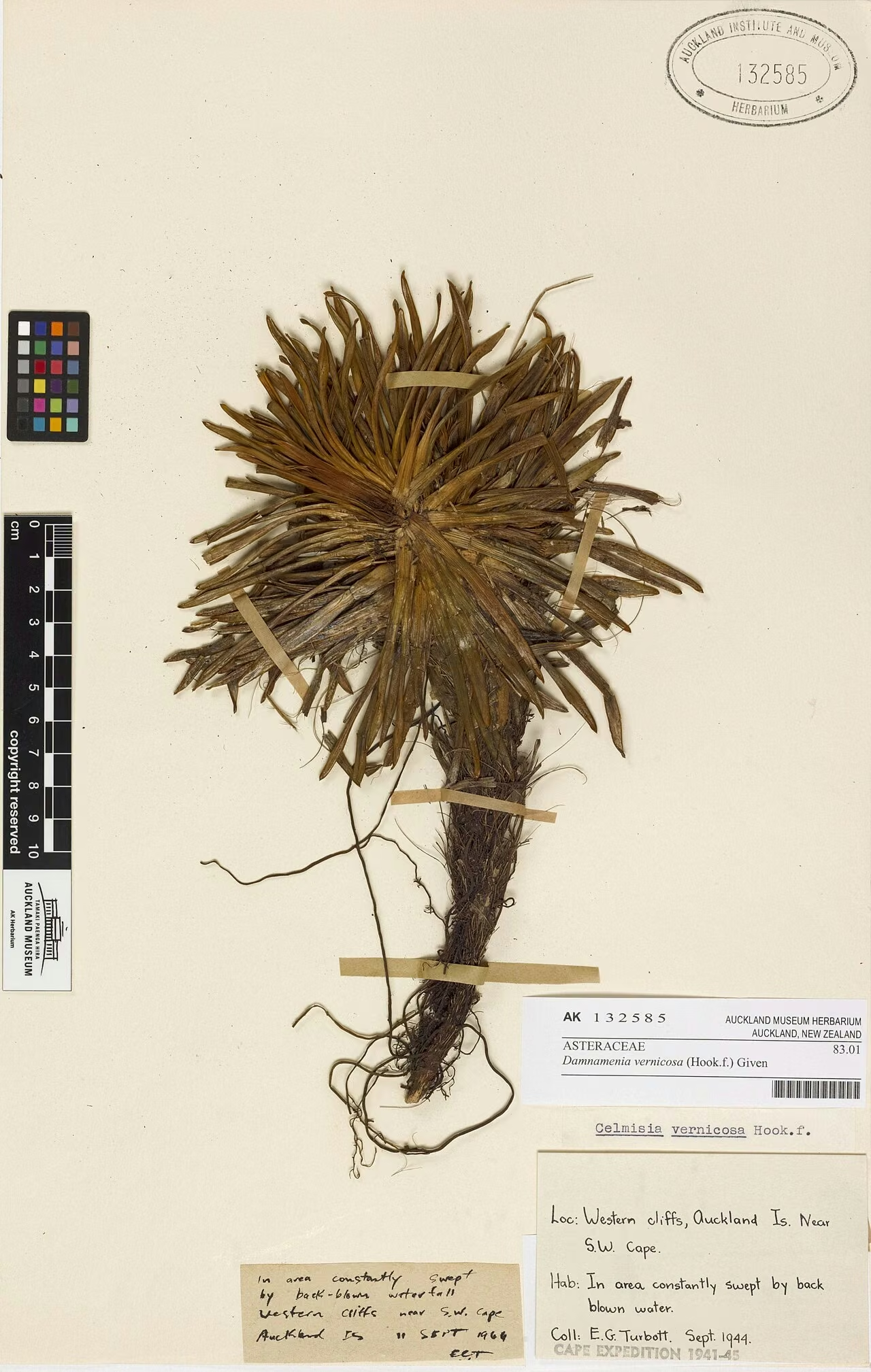
Damnamenia vernicosa
Damnamenia vernicosa
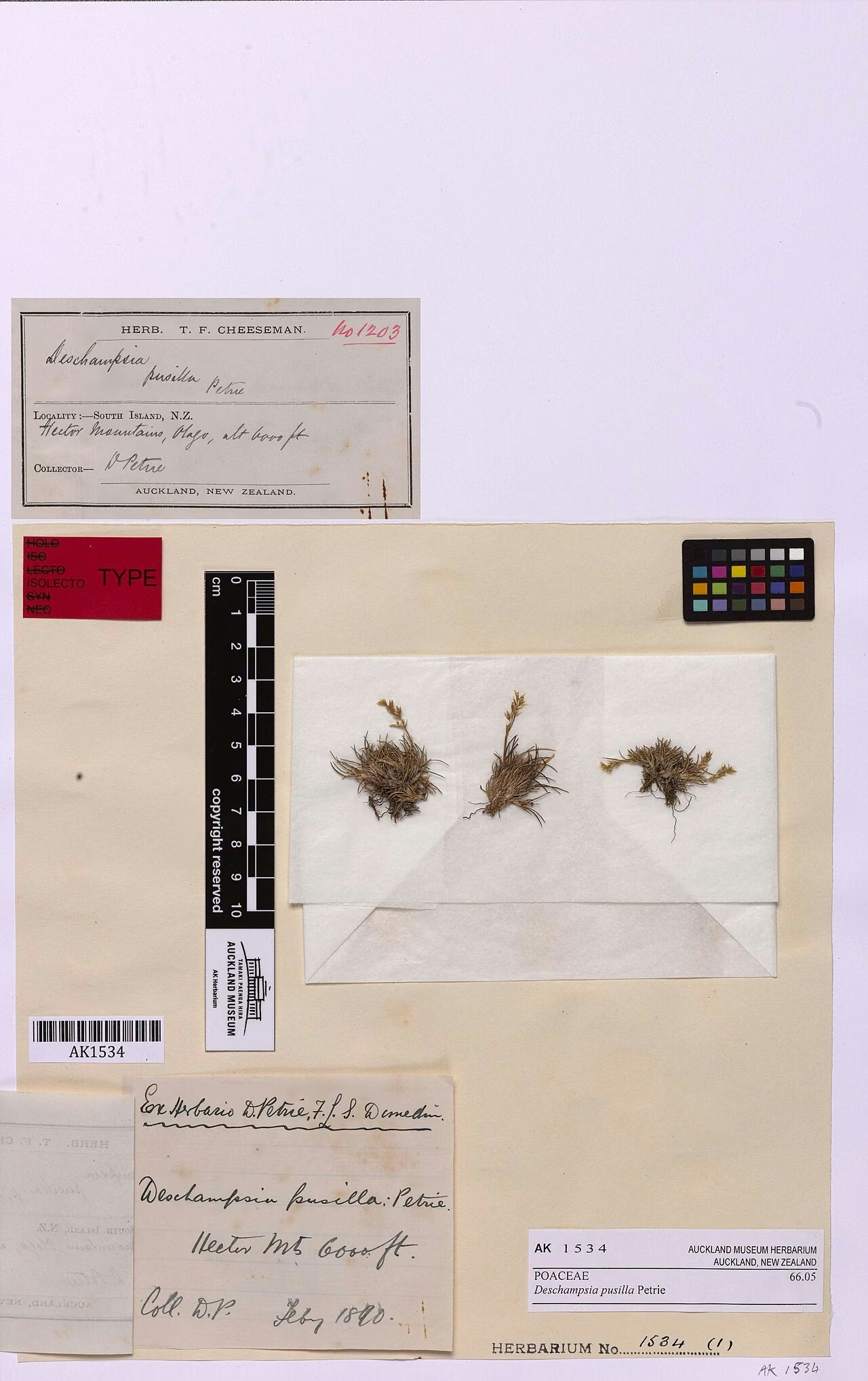
Deschampsia pusilla
Deschampsia pusilla
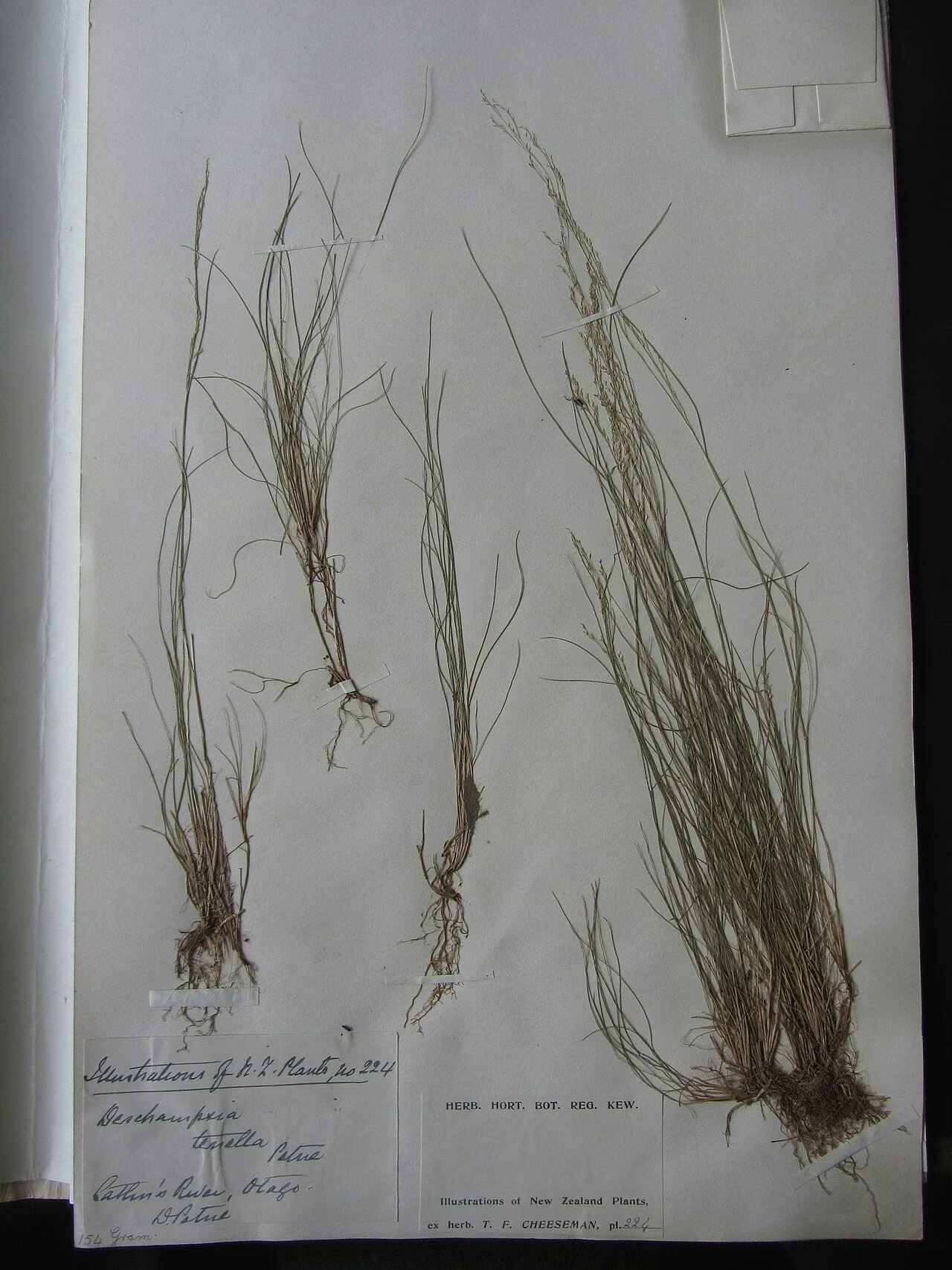
Deschampsia tenella
Deschampsia tenella
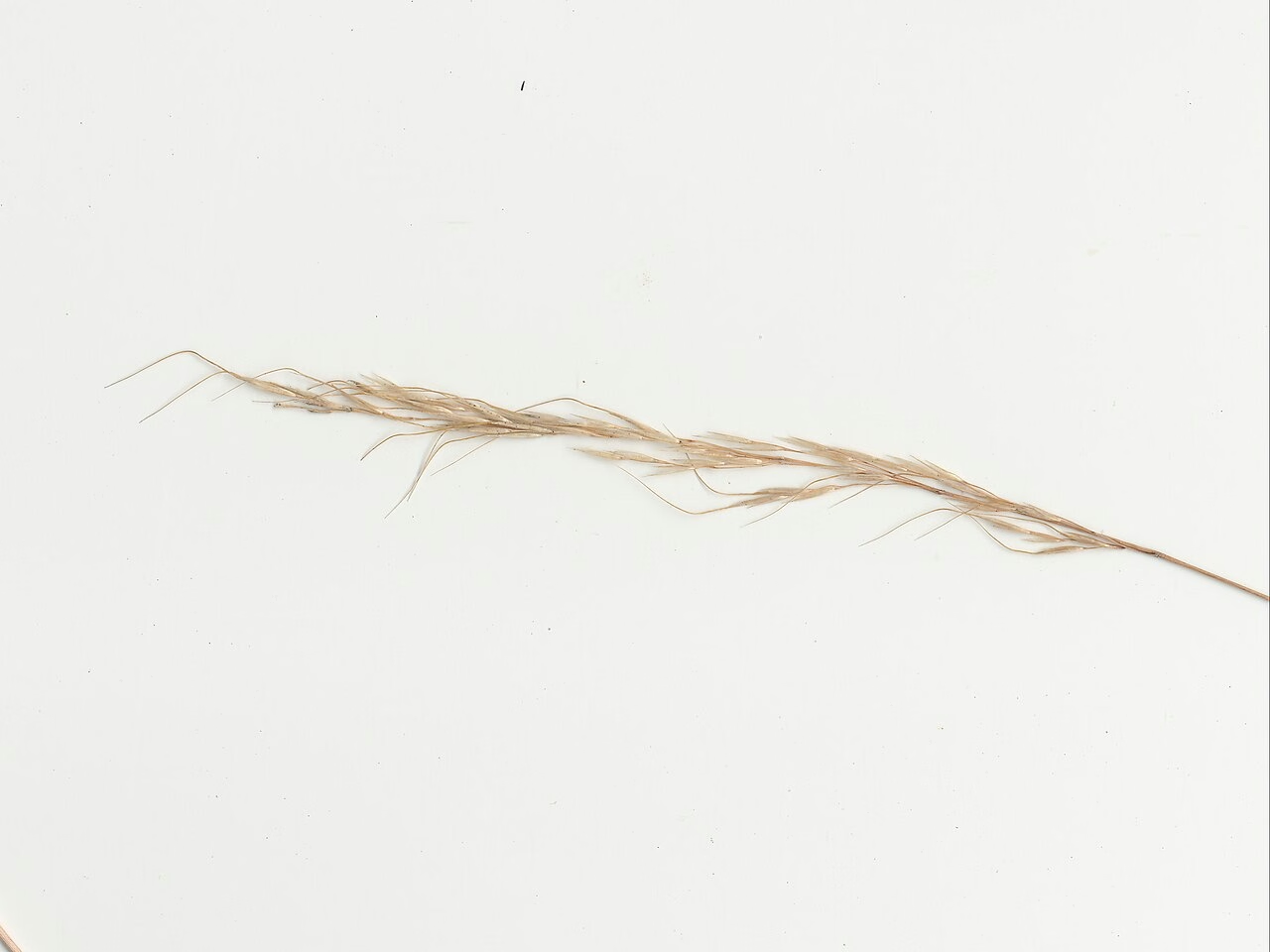
Short-Hair Plume Grass
Pentapogon inaequiglumis
True Maidenhair Fern
True Maidenhair Fern
Plant Conservation
Deparia petersenii subsp. congrua is ranked Not Threatened (2023) with the qualifier SO (secure overseas). It is common through much of the northern North Island and is increasing its range.
No conservation action is needed. Its spread is natural, so it is generally regarded as a welcome native groundcover rather than a weed.
Frequently Asked Questions
Is Deparia petersenii native to New Zealand?
Yes. The subspecies congrua is indigenous, also occurring in Australia, Malesia, Polynesia and Norfolk Island. NZPCN thinks it arrived naturally relatively recently and is still spreading southward.
Why do Deparia fronds smell?
NZPCN describes the fronds as unpleasantly aromatic; crushing or brushing them releases the odour, which is one of the easiest ways to recognise this fern.
How can I tell Deparia from Diplazium australe?
Deparia has a long-creeping rhizome forming patches, brittle scaly fronds with numerous septate hairs on the rachis and an unpleasant smell. Diplazium australe has larger, hairless fronds and a different groove on the rachis.
Is this the same as Japanese lady fern?
Japanese lady fern is a name used overseas for Deparia petersenii as a whole. The New Zealand plants belong to subspecies congrua, which is native here and has no established New Zealand common name.
Sources and Further Reading
The botanical, growing, and conservation details for Deparia (Deparia petersenii subsp. congrua) on this page draw on the New Zealand plant references below. Consult them for full technical records and the latest distribution data.