Hair Grass
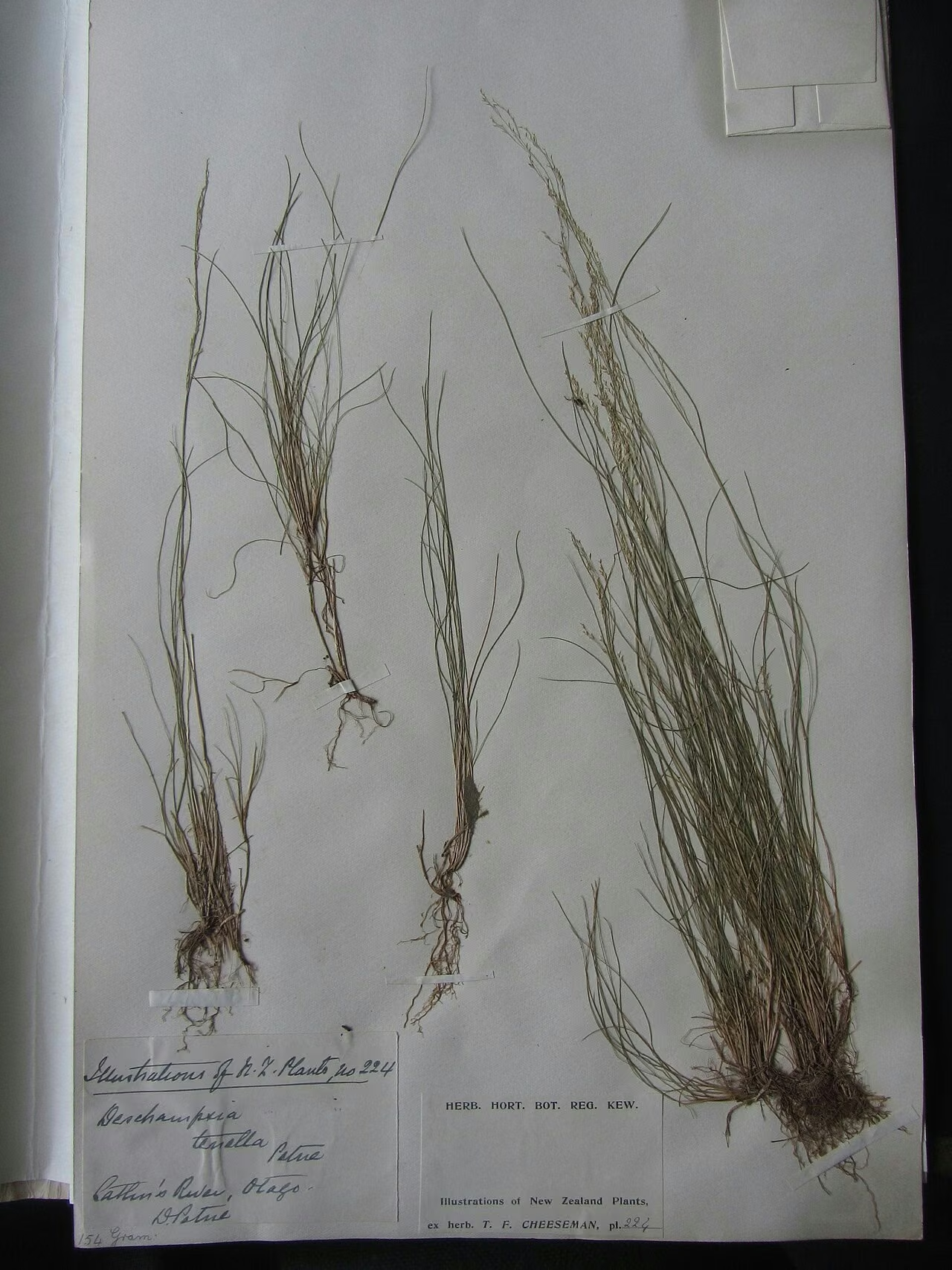
Deschampsia tenella
Last updated:
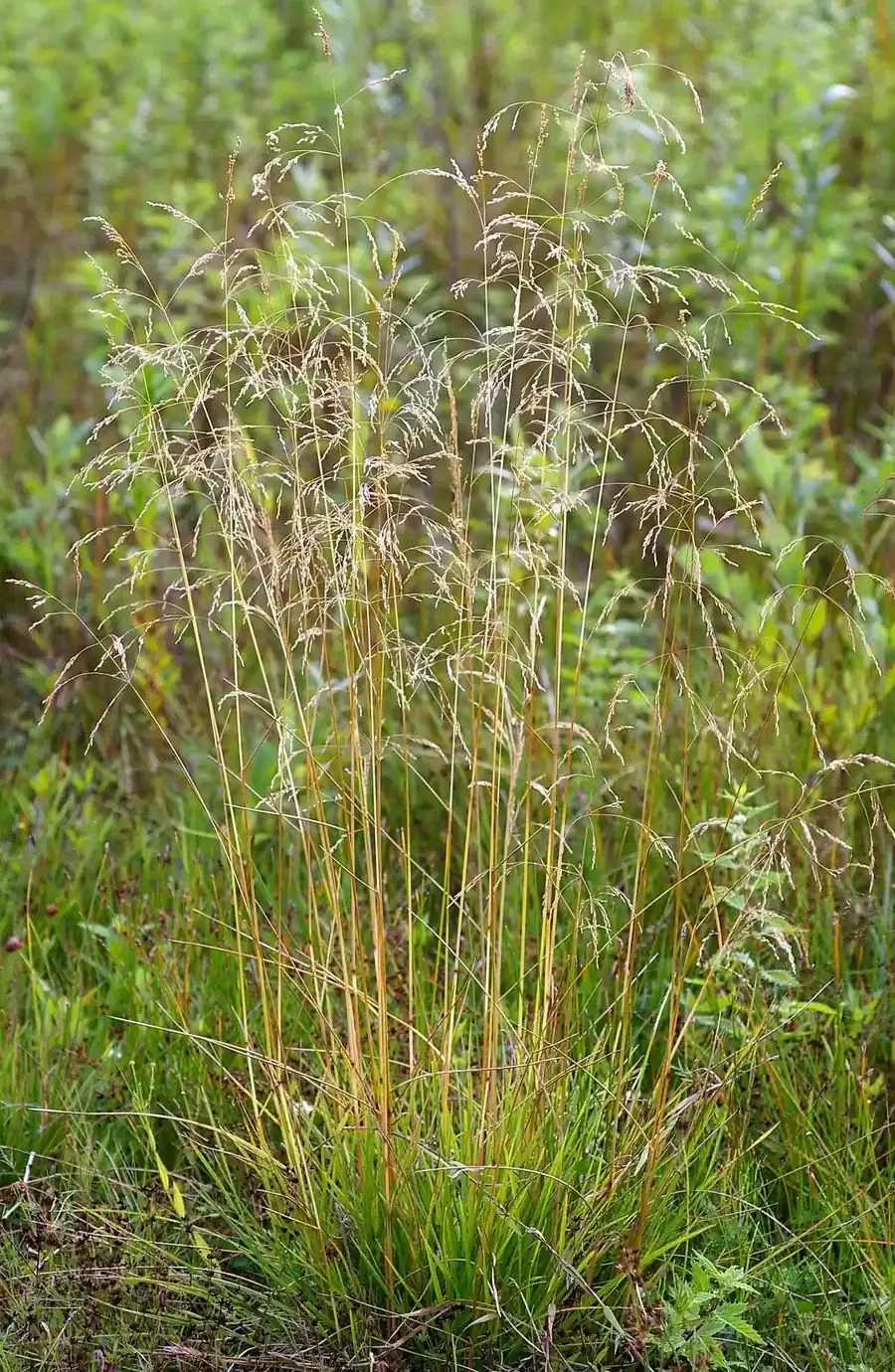
Deschampsia tenella, known as hair grass, is a slender, endemic New Zealand grass that forms smooth, leafy tufts usually 9 to 35 cm tall, sometimes spreading into a sward. Its thread-like leaves and very lax, delicately branched, shining flower heads give it a fine, airy look. It grows from sea level to the alpine zone in forest, scrub and tussock grassland, and is often found on stream banks or in boggy ground. It occurs in the southern half of the North Island, is common in Nelson and Fiordland, and reaches Stewart Island. It is ranked Not Threatened. Explore more native grasses and flaxes in our native plant guide.
Plant Description
Deschampsia tenella forms slender, smooth, leafy tufts 9 to 35 cm tall, occasionally up to 50 cm, and sometimes knits together into a sward. The leaf sheaths are membranous, broader than the blades, rounded and light brown, sometimes purplish. The ligule is 1 to 4 mm long and tapers to a fine point. The leaf blades are 5 to 15 cm long but only 0.3 to 0.6 mm across, rolled inwards and thread-like, soft and smooth, with a minutely rough tip.
The flowering stems are erect or bent at the base, green or purplish, and usually stand above the leaves. The panicle is 4 to 12 cm long and very lax, with a few hair-fine branches that are bare below and tipped by one to a few spikelets. The spikelets are 2 to 4 mm long and shining, ranging from almost transparent to light green or brownish. The lemma is irregularly 3 to 4 toothed and either awnless or with a tiny awn up to about 1 mm, and the rachilla carries a tuft of silky hairs about 0.5 mm long.
Its fine, soft leaves and airy, glistening panicle separate it from most other small tufted grasses in damp places. Deschampsia pusilla is far smaller, only a few centimetres tall, and confined to the Central Otago alpine zone, while the much larger Deschampsia cespitosa forms coarse tussocks. A tall, stout form once named var. procera from Fiordland is now included within D. tenella.
Quick Facts
| Scientific Name | Deschampsia tenella |
|---|---|
| Height | 0.09-0.35 m, occasionally to 0.5 m |
| Spread | Small tufts, sometimes forming a sward |
| Water Needs | Moist to wet; often on stream banks and boggy ground |
| Light | Full sun to partial shade |
| Frost Tolerance | High; ranges up to the alpine zone |
| Salt Tolerance | No information available |
| Growth Rate | Moderate |
| Lifespan | Perennial |
Climate Best Suited to
Suits cool, moist temperate climates, from mild lowland valleys to cold alpine sites. It does best where rainfall is reliable and the ground stays damp, as in Nelson, Westland and Fiordland.
Regional Suitability
| City | Climate Suitability |
|---|---|
| Auckland | Low |
| Wellington | Medium |
| Christchurch | Medium |
| Dunedin | High |
Plant Habitat
Deschampsia tenella is endemic to New Zealand. The Flora of New Zealand records it from the southern half of the North Island, as common in Nelson and Fiordland in the South Island but scattered in eastern areas, and from Stewart Island. Herbarium records include Tongariro National Park, the Toaroha Valley in Westland and the peaks of Stewart Island. The type was collected by Donald Petrie at the Catlins River in South Otago, and the larger form he called var. procera came from the Clinton Valley near Te Anau.
It grows from sea level to the alpine zone in forest, scrub and tussock grassland, and is often found on stream banks or in boggy ground. A tall, stout plant collected on West Dome in Southland at about 700 m shows that robust forms occur in fertile, damp sites.
Growing Requirements
Soil Requirements
It favours damp soils, from silty stream banks to peaty boggy ground and moist forest floors.
- Moist to wet, poorly drained soils are tolerated
- Peaty or silty substrates near water
- Low to moderate fertility
Light Requirements
Its range of habitats, from forest to open tussock grassland, shows it tolerates both shade and full sun.
- Full sun in tussock grassland and on stream banks
- Partial shade under scrub or open forest
Water Requirements
Water is the key to this grass; its typical sites are stream banks and boggy ground.
- Keep the root zone consistently moist
- Suits wet, soggy spots where many grasses fail
Planting and Establishing
Deschampsia tenella is not generally sold by nurseries, so it is mainly of interest for ecological restoration using locally sourced seed. Plant it where the soil stays damp, such as stream edges, seepage lines, pond margins or boggy hollows.
Space small tufts about 15 to 20 cm apart if a sward is wanted, and plant in autumn or spring when soils are moist. Keep taller, vigorous grasses and weeds away while the plants establish.
Ecological Role
Like other Deschampsia, its florets are wind dispersed (Thorsen et al. 2009), and the grass is wind pollinated. The light, shining spikelets carried on hair-fine branches are easily shaken loose and carried across damp open ground.
It is a component of the native ground layer in damp forest openings, scrub and tussock grassland, helping bind silty stream banks and boggy soils. Specific insects or birds that rely on it are not recorded in the sources consulted.
Uses & Significance
Garden Uses
In a garden it would suit a naturalistic wet area, where its fine leaves and glistening flower heads add texture.
- Bog gardens and pond margins
- Restoration of stream banks within its natural range
- Fine texture among larger sedges and rushes
Ecological Value
It is a widespread endemic grass of damp habitats from the coast to the mountains.
- Part of the native ground cover in wet forest openings and tussock grassland
- Helps stabilise stream banks and boggy ground
- An endemic species found nowhere else
Landscaping Uses
Use it in drifts at the edge of water, where the lax, shining panicles catch the light and move in the slightest breeze. It pairs well with native sedges such as Carex and with low wetland herbs.
Because the tufts are small and fine, it works best planted in groups rather than as a single specimen, and it should be kept away from aggressive exotic grasses that would swamp it.
Seasonal Care Calendar
Spring
New leaves grow quickly as damp soils warm.
- Plant or divide tufts now
- Weed around young plants
Summer
The lax, shining panicles are most conspicuous in summer; exact flowering months are not recorded in the sources consulted.
- Keep garden plants well watered
- Enjoy the glistening flower heads
Autumn
Seed ripens and is shed on the wind from the fine panicle branches.
- Collect ripe seed for sowing
- Autumn is a good time for planting in damp sites
Winter
Growth slows, and alpine populations sit beneath snow.
- Little maintenance needed
- Avoid trampling waterlogged ground
When to Prune and How Much
Hair grass needs little pruning. Once seed has dropped, spent flowering stems can be trimmed off to tidy the tufts.
If plants become untidy with dead leaves, comb them out by hand in early spring rather than cutting hard into the crown.
How to Grow Hair Grass
NZPCN gives no specific propagation technique for Deschampsia tenella, and it is not a common nursery plant. The approaches below are those generally used for small tufted native grasses and are offered as practical guidance rather than published protocols for this species. Seed is the best way to raise numbers for restoration, while division suits gardeners who already have a plant. Whichever method you use, source material locally and from cultivated plants or with permission, keep everything consistently moist, and remember this is a grass of damp places, so young plants suffer quickly if the mix dries out.
From Seed
The small grains, 1 to 1.5 mm long, are shed with their florets on the wind, so collect panicles just as they turn straw coloured. Fresh seed sown promptly generally gives the best results with native grasses.
- Cut ripe panicles into a paper bag and let them dry for a few days
- Rub out the florets and sow thinly on a moist seed-raising mix
- Cover very lightly and keep the tray damp in good light
- Prick out seedlings into small pots once they have several leaves
By Division
Established tufts, especially those that have spread into a sward, can be split into smaller pieces in spring or autumn.
- Lift a healthy clump when the soil is moist
- Pull or cut it into pieces each with several shoots and roots
- Replant straight away into damp soil or pots
- Water well and keep moist until new growth appears
Pests & Diseases
No specific pests or diseases are recorded for this species. In the wild the main pressure is competition from taller introduced pasture grasses and weeds in damp lowland sites.
In cultivation, allowing the soil to dry out is the most likely cause of failure, so keep it damp through summer.
Cultural Significance
No Māori name or traditional Māori use is recorded specifically for Deschampsia tenella in the sources consulted.
Donald Petrie described the species in 1891 from plants he collected at the Catlins River, and in 1901 he named a larger Fiordland form var. procera from the Clinton Valley, which is now treated as part of the same species. The epithet tenella means delicate, a fitting description of its fine leaves and airy panicles.
Bonus Tip
To tell this hair grass from other fine grasses on a damp stream bank, look closely at a spikelet with a hand lens: Deschampsia tenella has a tuft of silky hairs on the rachilla and a lemma with three or four irregular teeth at its tip, usually without an obvious awn.
Related Plants
Explore other native plants that share similar characteristics or habitats with Hair Grass (Deschampsia tenella), offering further insights into New Zealand's diverse flora. These related species provide context and opportunities for complementary planting in your garden.
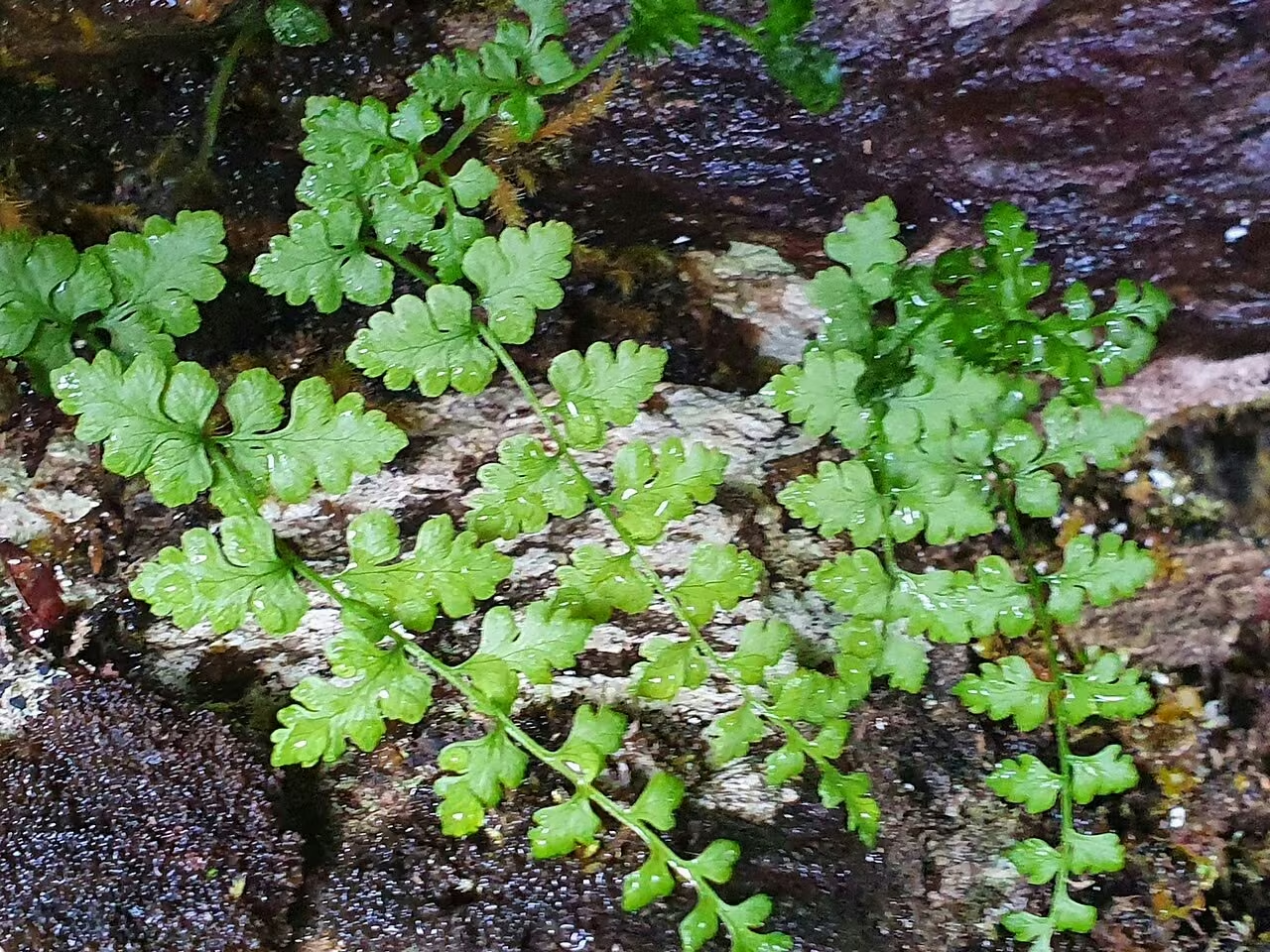
Cystopteris tasmanica
Cystopteris tasmanica
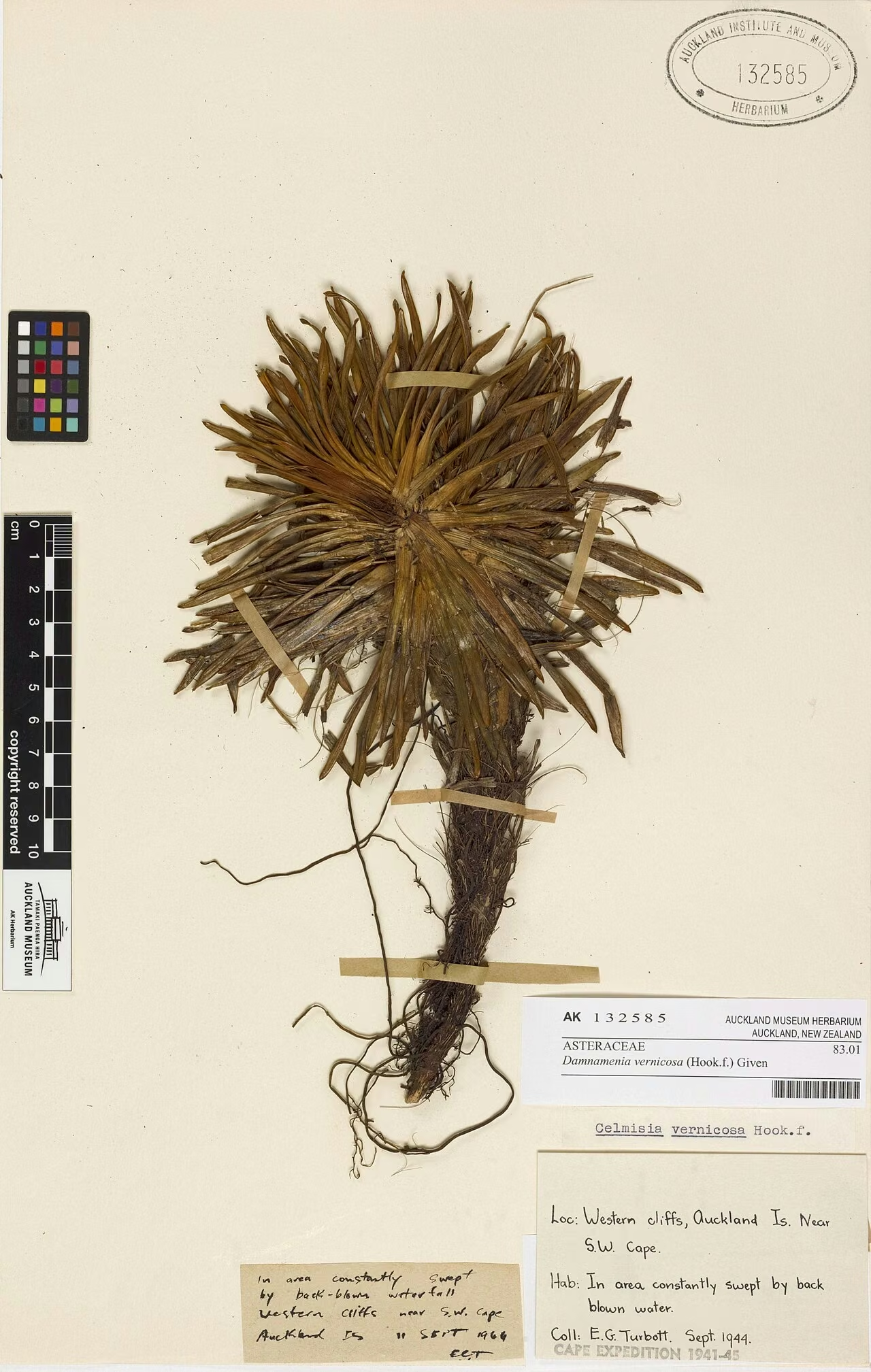
Damnamenia vernicosa
Damnamenia vernicosa
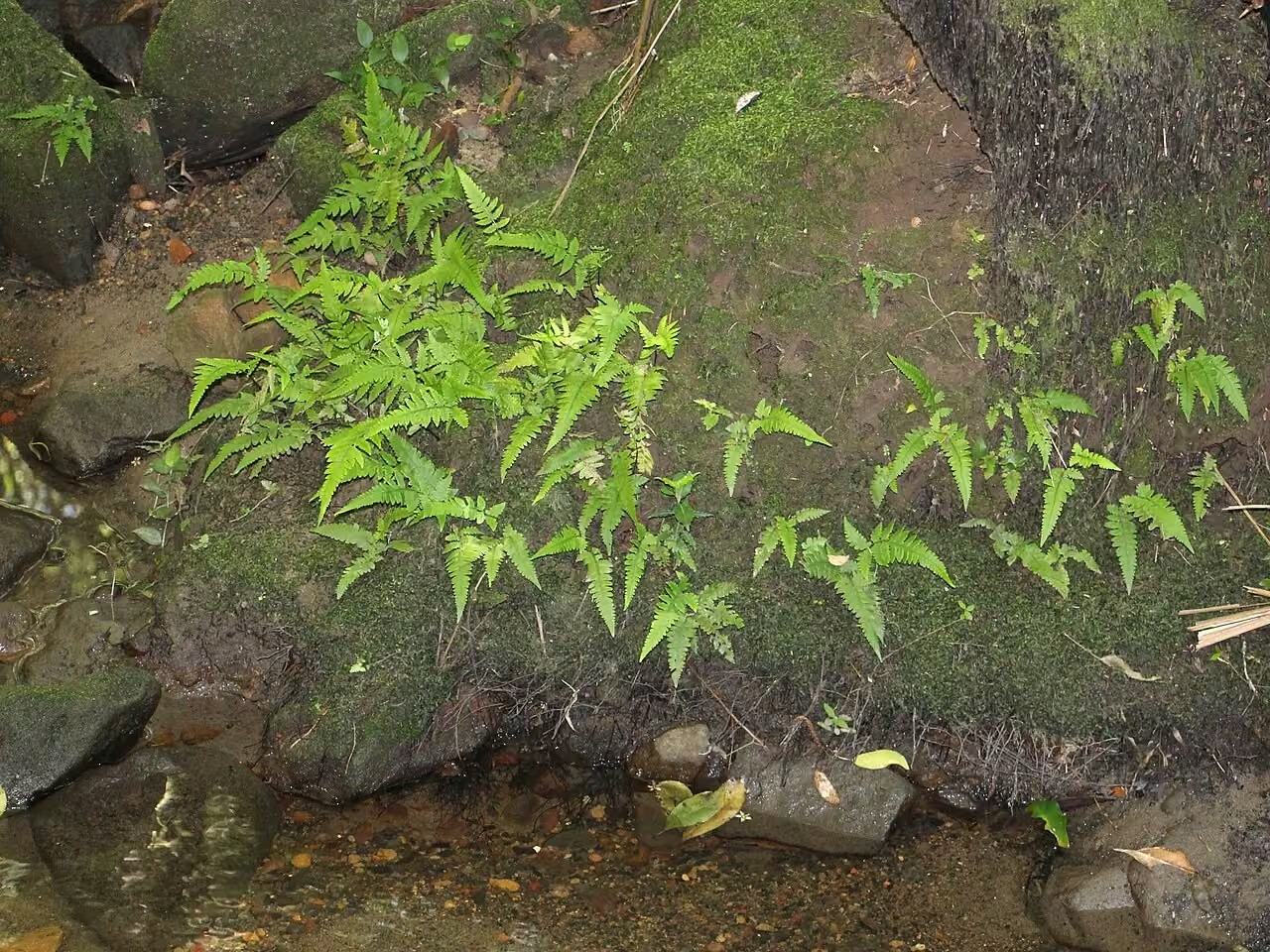
Deparia petersenii subsp. congrua
Deparia petersenii subsp. congrua
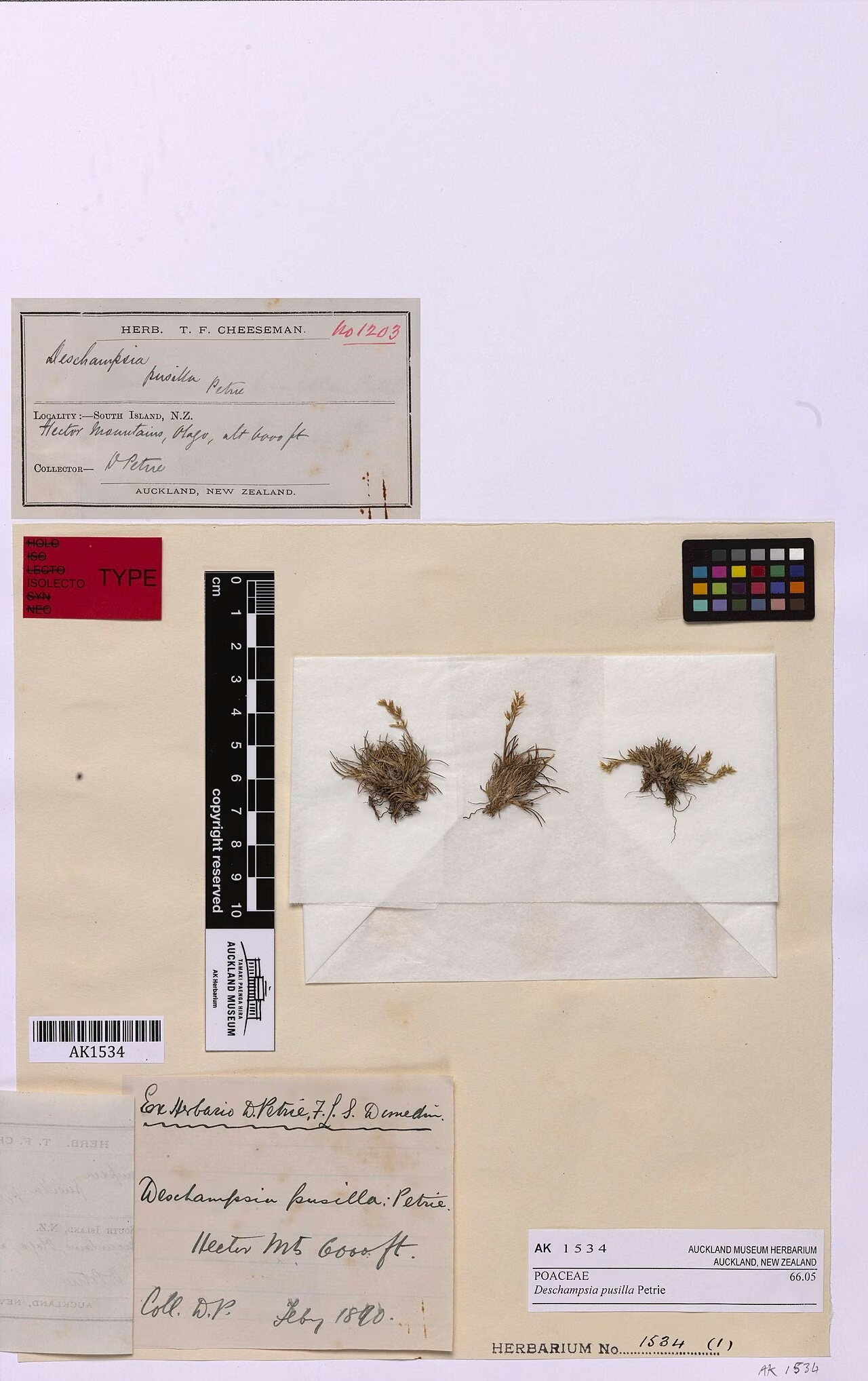
Deschampsia pusilla
Deschampsia pusilla
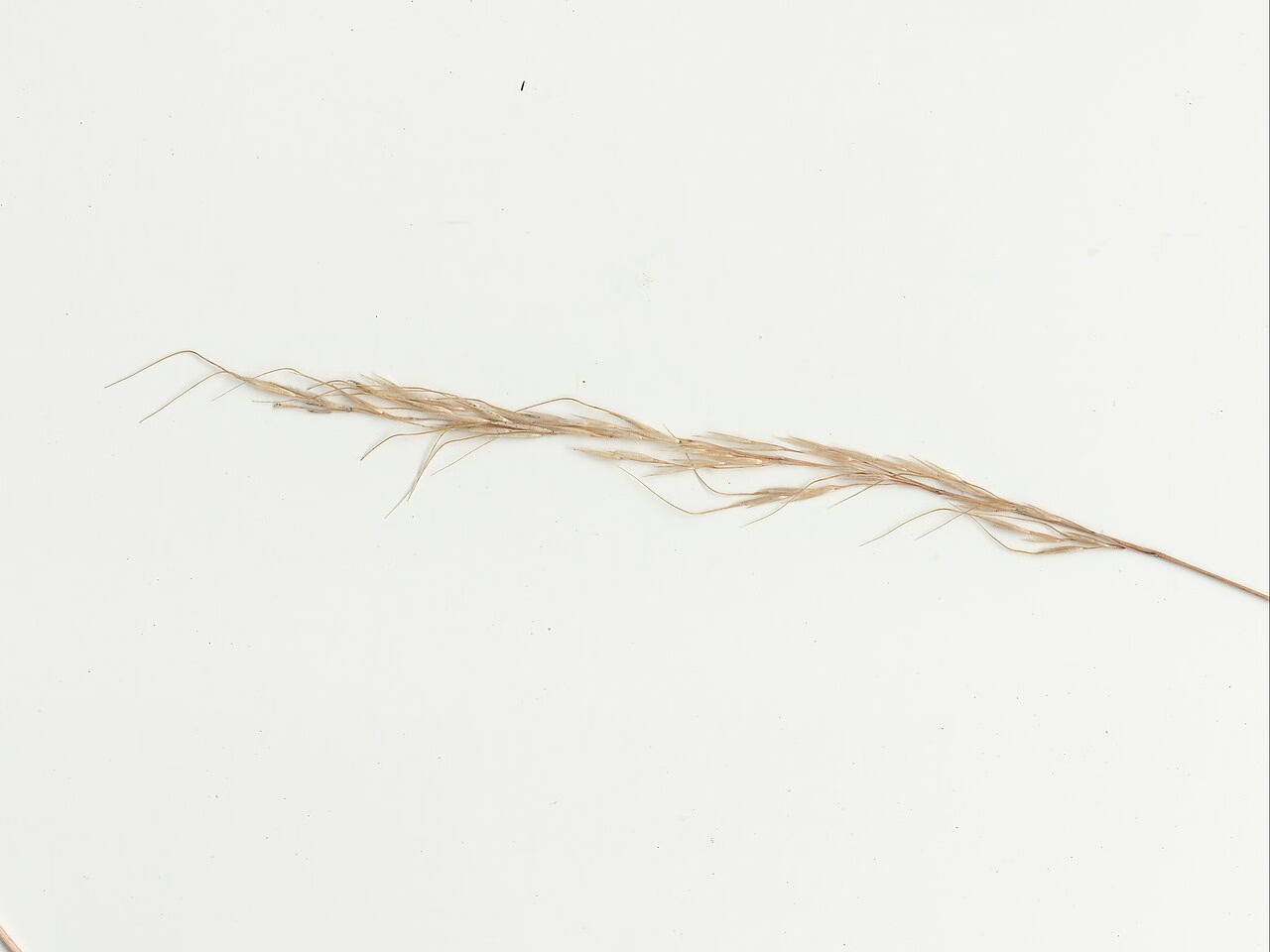
Short-Hair Plume Grass
Pentapogon inaequiglumis
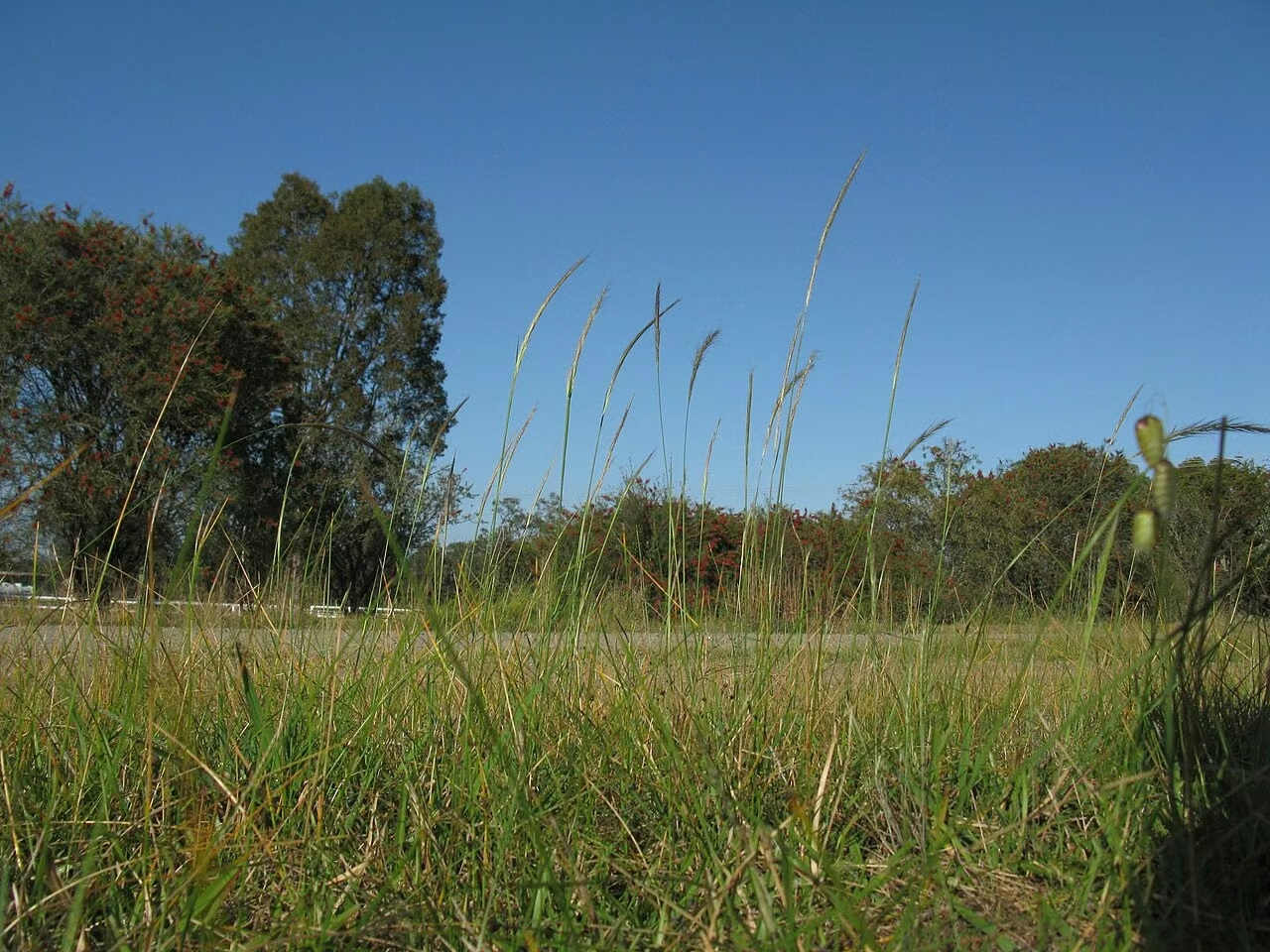
Purple Plume Grass
Pentapogon micranthus
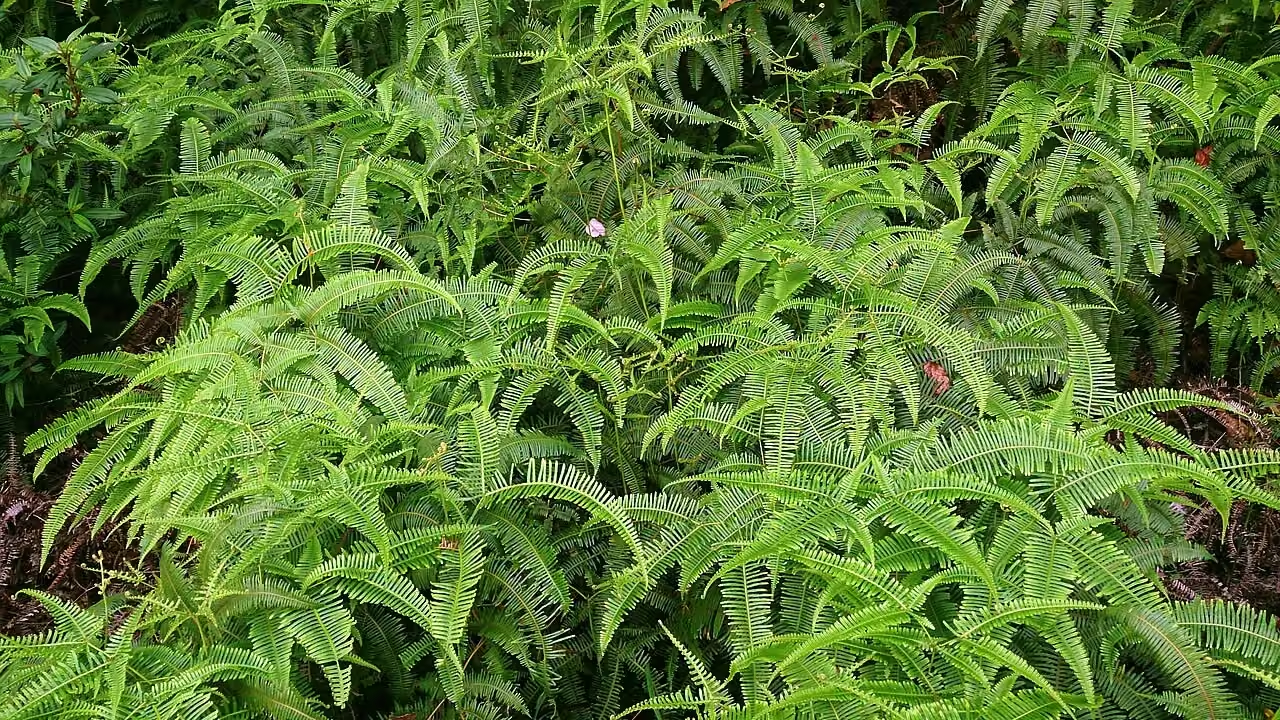
Dicranopteris linearis
Dicranopteris linearis
Cespitosa Grass
Deschampsia Cespitosa Grass
Plant Conservation
Deschampsia tenella is ranked Not Threatened (2023), as it has been in every national assessment since 2004. The 2025 Otago regional assessment ranks it Regionally Not Threatened, while the 2025 Wellington regional assessment lists it as Regionally Data Deficient, reflecting how little is known about it there.
Protecting stream banks and wetlands from drainage, stock trampling and weed invasion benefits this grass along with many other damp-ground natives.
Frequently Asked Questions
What does Deschampsia tenella look like?
It forms slender, smooth tufts 9 to 35 cm tall with fine, rolled, thread-like leaves and a very open panicle up to 12 cm long carrying small, shining, pale green to brownish spikelets.
Where is hair grass found in New Zealand?
Deschampsia tenella grows in the southern half of the North Island, throughout the South Island (commonest in Nelson and Fiordland) and on Stewart Island, from sea level to alpine areas.
What habitat does Deschampsia tenella prefer?
It grows in forest, scrub and tussock grassland and is often found on stream banks or in boggy ground, so it favours damp sites.
Is Deschampsia tenella threatened?
No. It is ranked Not Threatened nationally, and the 2025 Otago regional assessment also lists it as Regionally Not Threatened.
Sources and Further Reading
The botanical, growing, and conservation details for Hair Grass (Deschampsia tenella) on this page draw on the New Zealand plant references below. Consult them for full technical records and the latest distribution data.