Bladder Fern
Cystopteris tasmanica
Last updated:
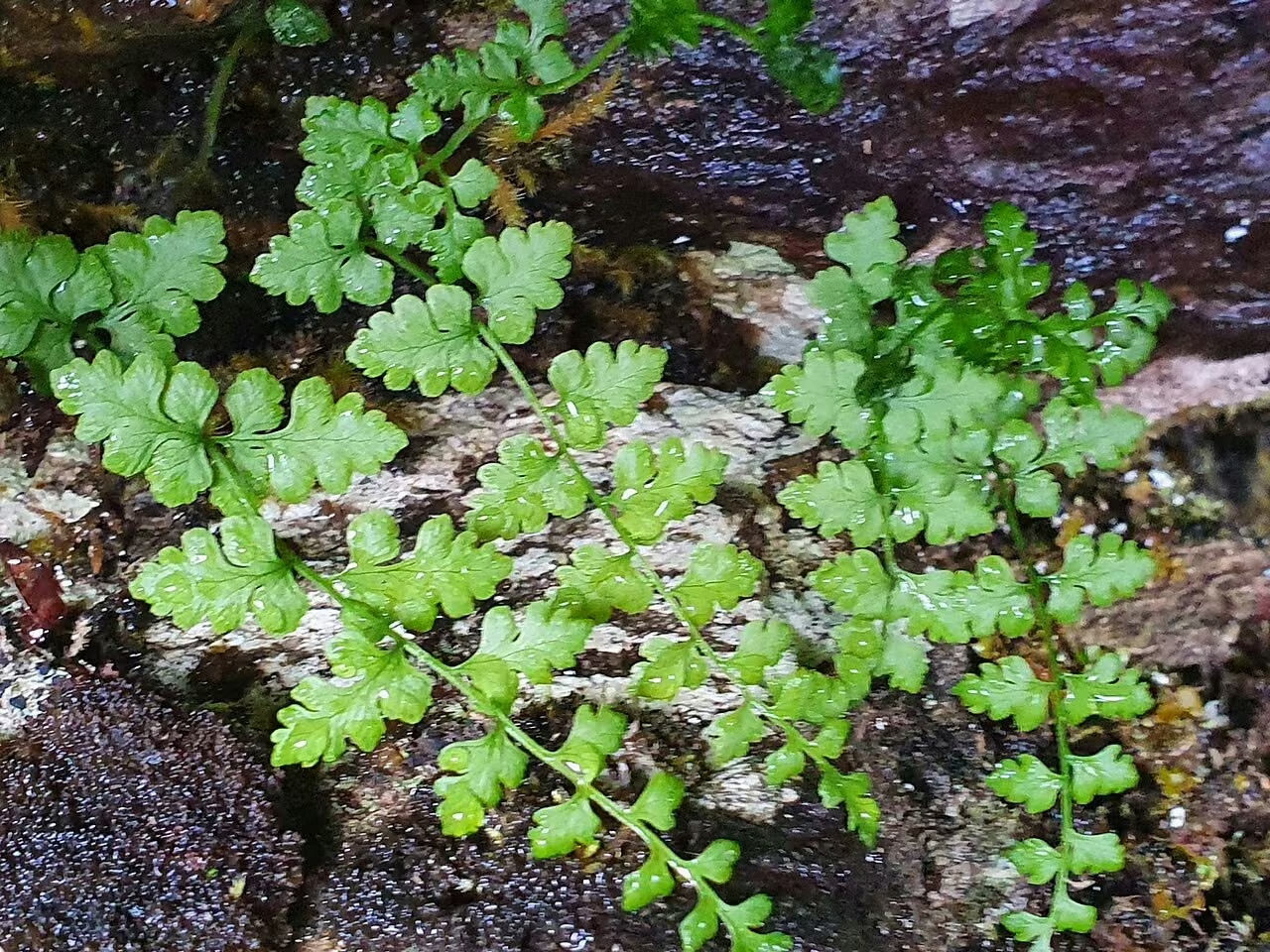
Bladder fern (Cystopteris tasmanica) is a small, delicate, deciduous fern that grows in rock crevices, under overhangs and among boulders in New Zealand's mountains. Its tufted, brittle fronds are 25 to 430 mm long and soft yellow-green, dying back each winter. It is widespread in the South Island from Nelson to Southland and uncommon in the North Island, mainly on Mt Taranaki, the Volcanic Plateau and the ranges from Gisborne to the Tararua, at 300 to 1900 m. It favours limestone and marble. It also grows in south-eastern Australia and is Not Threatened. Explore more native ferns in our native plant guide.
Plant Description
Cystopteris tasmanica is a small terrestrial fern, often growing on rock, with a short-creeping rhizome up to about 60 mm long. The rhizome carries thin, glossy brown scales with hair-like tips. Fronds grow in tufts and are 25 to 430 mm long, with thin, brittle stipes 10 to 225 mm long.
The blades are ovate to narrowly ovate, yellow-green to green, membranous and very delicate, usually one- to two-pinnate (rarely with the final segments further lobed). Young fronds may carry minute glandular hairs that soon disappear. Round sori sit near the margins of the segments, each covered by a pale, delicate, ovate indusium attached at its broader end, which gives the genus its name.
It is most easily confused with the naturalised European brittle bladder fern, Cystopteris fragilis. The native species is smaller, with fronds less divided (one- to two-pinnate rather than two- to three-pinnate), primary pinnae 6 to 42 mm long rather than 16 to 95 mm, and blunt, rounded rather than pointed pinna tips.
Quick Facts
| Scientific Name | Cystopteris tasmanica |
|---|---|
| Height | Fronds 0.025-0.43 m long |
| Spread | Small tufts 0.1-0.3 m across |
| Water Needs | Moist but free-draining |
| Light | Shade or part shade |
| Frost Tolerance | High; a montane to subalpine fern |
| Salt Tolerance | Low; an inland mountain species |
| Growth Rate | Moderate during the growing season |
| Lifespan | Perennial (deciduous) |
Climate Best Suited to
A cool-climate mountain fern suited to cold winters and moist, mild summers; NZPCN notes it grows easily in colder areas.
Regional Suitability
| City | Climate Suitability |
|---|---|
| Auckland | Low |
| Wellington | Medium |
| Christchurch | Medium |
| Dunedin | High |
Plant Habitat
Bladder fern is indigenous to New Zealand and south-eastern Australia, including New South Wales, Victoria and Tasmania. In the North Island it is uncommon, found at 1000 to 1900 m on Mt Taranaki and Mt Ruapehu and through the ranges from Gisborne to the Tararua, including the Kaimai Range. In the South Island it is widespread from Nelson and Marlborough through Westland, Canterbury, Otago, Fiordland and Southland, at 300 m in places such as the Rakaia Gorge up to more than 1750 m on Mt Owen.
It is montane to subalpine in the north of its range, descending to lower elevations in the south. It grows most often on limestone or marble, sometimes on greywacke or granite, in crevices on cliff faces, under rock overhangs and boulders, in sinkholes and caves, on wet rock faces and stable scree, and occasionally on track and river banks, in grassland or in beech forest.
Growing Requirements
Soil Requirements
NZPCN recommends a humus-rich, free-draining but moist soil and notes that the fern benefits from lime, reflecting its preference for limestone and marble.
- Humus-rich, gritty, free-draining mix
- Add limestone chips or garden lime
- Rock crevices or a stone wall suit it well
Light Requirements
In the wild it shelters under overhangs and between boulders out of direct sun.
- Shade to part shade
- Protect the brittle fronds from wind
- Avoid hot, sunny positions
Water Requirements
It needs reliable moisture during the growing season but sharp drainage around the rhizome.
- Keep moist in spring and summer
- Reduce watering when fronds die back
- Do not let water sit around the rhizome in winter
Planting and Establishing
NZPCN says bladder fern is easily grown in colder areas, with the best results in a shady site and humus-rich, free-draining but moist soil, with some lime added. Plant in spring as new fronds start to appear, tucking the rhizome into a gap between rocks or into a shaded rockery pocket.
It is ideal for a cool, shaded rock garden, alpine house or the north side of a stone wall in southern gardens. In warm northern districts it struggles with heat and humidity. Mark its position, because the deciduous fronds vanish over winter and it is easy to dig up by mistake.
Ecological Role
Bladder fern is part of the specialised plant community of limestone and marble outcrops, caves and sinkholes in the South Island mountains, places that hold many lime-loving native plants. Its small tufts colonise sheltered crevices where little else can root.
Its winged spores are dispersed by wind, allowing it to reach scattered rock outcrops. No particular animal associations are documented in the sources consulted.
Uses & Significance
Garden Uses
A dainty fern for rock gardens and troughs in cool climates.
- Shaded rockeries and limestone gardens
- Crevices in stone walls
- Alpine troughs and alpine houses
Ecological Value
It is part of the distinctive flora of limestone and marble country.
- Colonises cliff crevices and cave entrances
- Contributes to native fern diversity in mountain areas
- Shared with south-eastern Australia, linking the two floras
Landscaping Uses
The fine, pale green fronds look best against grey limestone or dark schist, tucked into shaded gaps where their lacy texture stands out. Plant several tufts together for a fuller look, as single plants are small.
Combine it with other small mountain ferns and cushion plants in a cool trough. Because it is deciduous, pair it with evergreen companions so the planting is not bare in winter.
Seasonal Care Calendar
Spring
New fronds emerge from the short rhizome as the weather warms.
- Plant or divide now
- Top dress with gritty, limy compost
Summer
Fronds are fully expanded and sori ripen underneath.
- Keep evenly moist
- Shelter from hot sun
Autumn
Fronds yellow and wither as the plant becomes dormant.
- Collect spores before fronds collapse
- Reduce watering
Winter
Dormant and very cold hardy; nothing shows above ground.
- Mark the site
- Avoid waterlogging
When to Prune and How Much
No pruning is needed. Once the fronds have died back in autumn, the old stipes can be tidied away by hand.
Take care when removing debris not to damage the shallow rhizome or emerging croziers in spring.
How to Grow Bladder Fern
Bladder fern can be raised from spores and established clumps can be divided. NZPCN notes that its spores are winged and wind dispersed, and that the plant is easily grown in colder areas. Only propagate from cultivated plants or with permission; do not dig wild plants from public conservation land.
From Spores
Round sori form near the edges of the segments under pale, hood-like indusia. Collect a fertile frond in summer when the sporangia have turned brown, before the frond withers, and leave it on clean paper for a day or two to release the spores.
Sow on a sterile, lime-amended mix and keep cool and humid. Prothalli appear first, followed by tiny fronds; grow the sporelings on in a cool, shaded spot, remembering that they will die back in their first autumn.
- Sterilise a pot of fine seed mix with a little added lime by pouring boiling water through it.
- Dust the spores thinly over the cooled surface.
- Cover with clear plastic and keep in cool, bright shade.
- Water from below to keep the surface damp.
- Prick out small clumps when the first true fronds appear.
By Division
Larger garden clumps with several crowns along the short-creeping rhizome can be divided. Do this in early spring as growth starts, so the divisions establish quickly.
- Lift the clump carefully, keeping soil around the roots.
- Separate pieces of rhizome, each with at least one crown.
- Replant in gritty, humus-rich, limy soil in shade and keep moist.
Pests & Diseases
No significant pests are recorded for this fern in the sources consulted. Slugs and snails may graze the soft new fronds in spring.
In gardens, heat, drought and poor drainage are more common causes of loss than pests.
Cultural Significance
No Māori name or traditional use specific to this fern is recorded in the sources consulted.
For many years New Zealand botanists treated this plant as the European Cystopteris fragilis. Later study showed the native ferns match the Tasmanian Cystopteris tasmanica, and the Flora of New Zealand now gives priority to that name. The epithet tasmanica refers to Tasmania.
Bonus Tip
If your bladder fern sulks, try adding crushed limestone or a sprinkle of garden lime to its soil; in the wild it is most common on limestone and marble, and NZPCN notes it benefits from lime.
Related Plants
Explore other native plants that share similar characteristics or habitats with Bladder Fern (Cystopteris tasmanica), offering further insights into New Zealand's diverse flora. These related species provide context and opportunities for complementary planting in your garden.
Milne's Tree Fern
Alsophila milnei
Cyrtostylis oblonga
Cyrtostylis oblonga
Cyrtostylis rotundifolia
Cyrtostylis rotundifolia
Damnamenia vernicosa
Damnamenia vernicosa
Deparia petersenii subsp. congrua
Deparia petersenii subsp. congrua
Deschampsia pusilla
Deschampsia pusilla
Deschampsia tenella
Deschampsia tenella
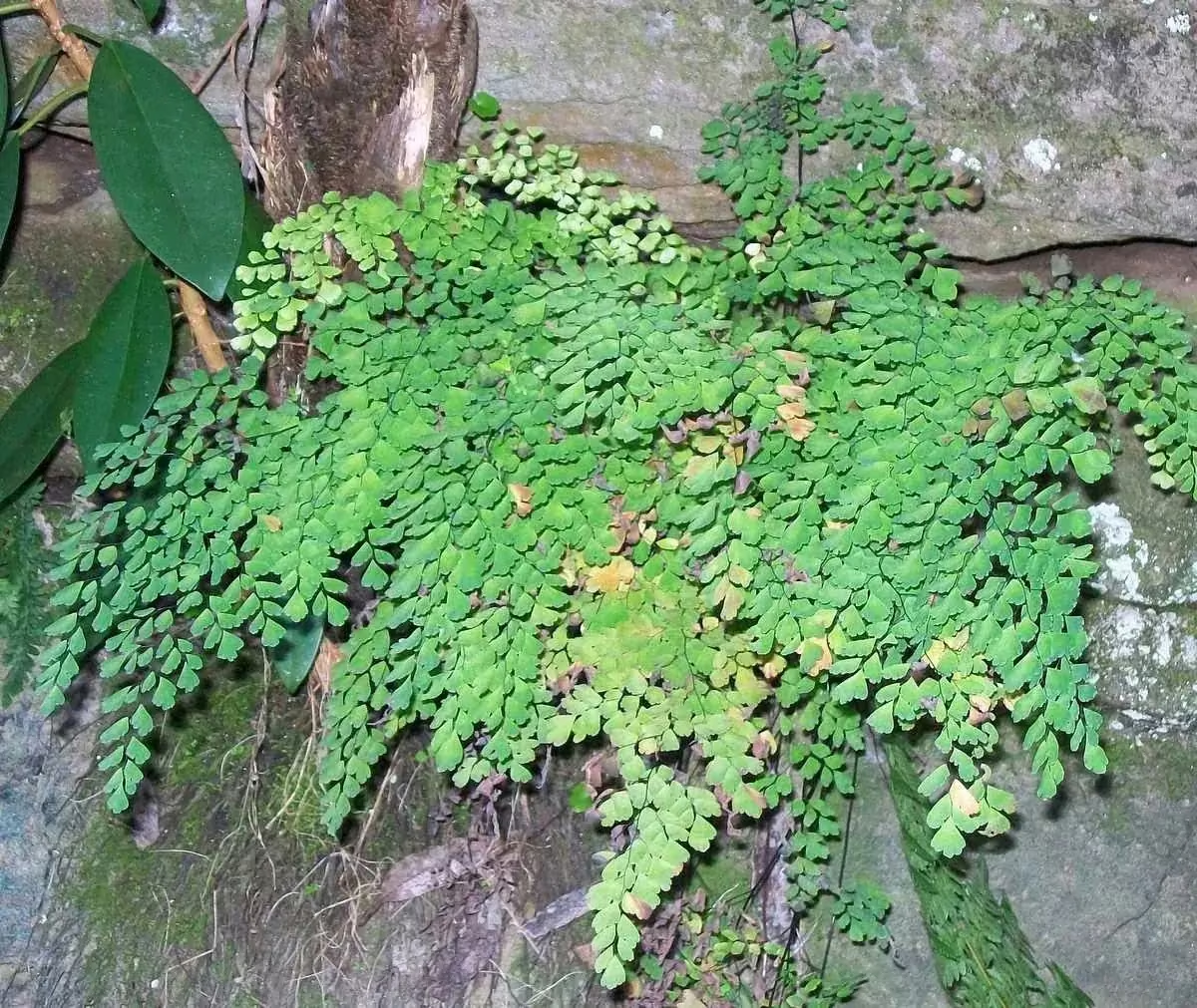
True Maidenhair Fern
True Maidenhair Fern
Plant Conservation
Cystopteris tasmanica is ranked Not Threatened (2023) with the qualifier SO (secure overseas), as it is also found in south-eastern Australia. It is widespread in the South Island but uncommon in the North Island.
Its rock and cave habitats are mostly stable, but quarrying of limestone, trampling around cave entrances and weed invasion of scree and banks could affect local populations.
Frequently Asked Questions
Why is it called bladder fern?
The name Cystopteris comes from the Greek kystis, bag or bladder, and pteris, fern, referring to the inflated, hood-like indusium that covers each young sorus.
Is Cystopteris tasmanica the same as brittle bladder fern (Cystopteris fragilis)?
No. New Zealand plants were long called Cystopteris fragilis, but the native fern is Cystopteris tasmanica. It has smaller, less divided fronds, shorter primary pinnae (6 to 42 mm) and rounded pinna tips.
Does bladder fern lose its fronds in winter?
Yes. It is deciduous, so its thin fronds die back in autumn and new fronds emerge from the short rhizome in spring.
Where can I see bladder fern in New Zealand?
Look in shaded crevices, sinkholes, caves and under overhangs on limestone or marble in South Island mountains, such as north-west Nelson, between about 300 and 1900 m.
Sources and Further Reading
The botanical, growing, and conservation details for Bladder Fern (Cystopteris tasmanica) on this page draw on the New Zealand plant references below. Consult them for full technical records and the latest distribution data.