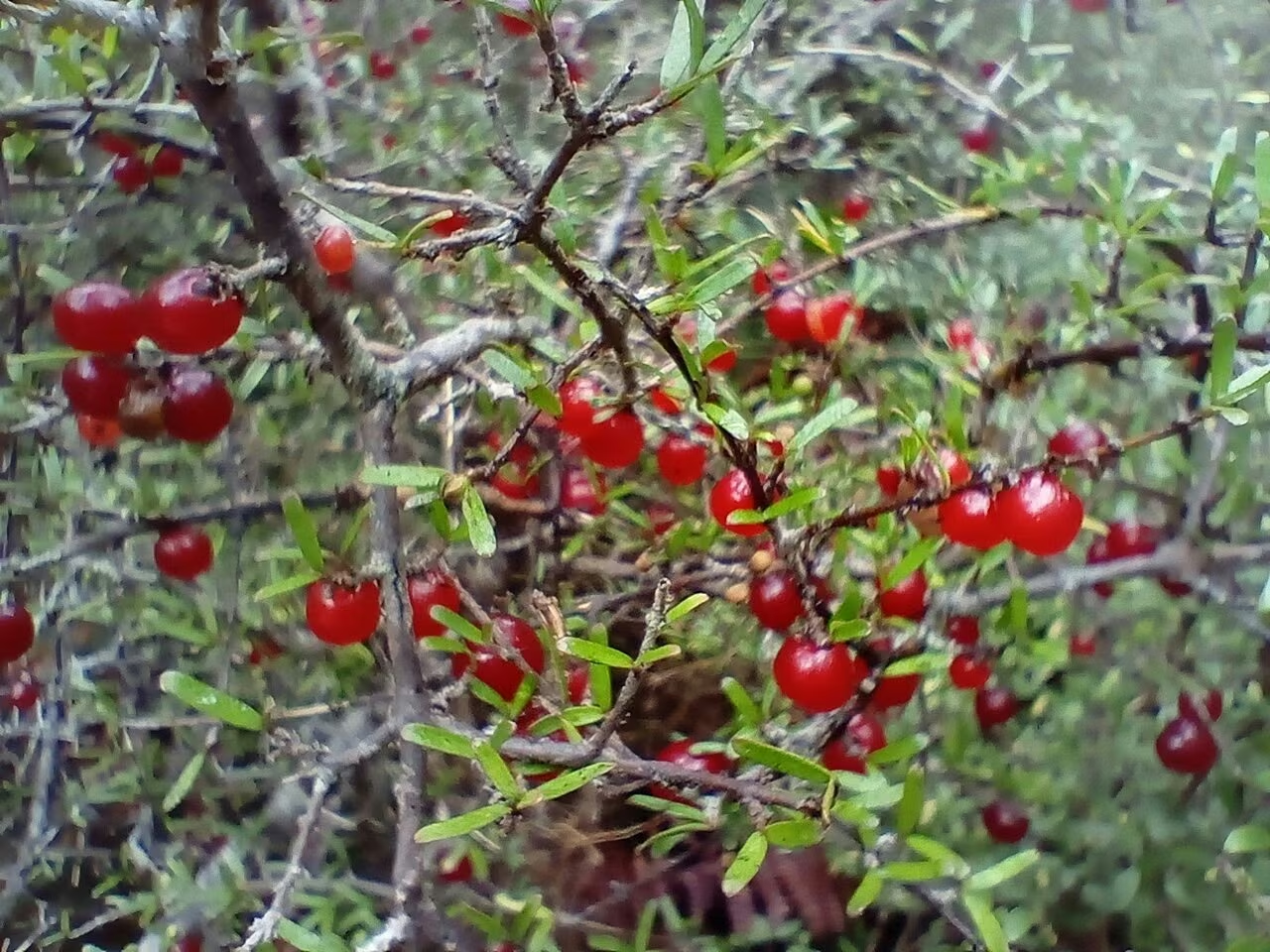
Coprosma
Coprosma decurva
Last updated:
Coprosma decurva is a New Zealand native plant whose profile focuses on identification, habitat, and responsible cultivation. Use local ecological knowledge when planting or restoring this species within the Native Plants.
Plant Description
Coprosma (Coprosma decurva) is an indigenous New Zealand plant. This profile summarises its habitat, ecology, conservation status, and cultivation needs.
Consult regional gardening resources for guidance tailored to your specific site conditions.
Quick Facts
| Scientific Name | Coprosma decurva |
|---|---|
| Height | Varies by habitat |
| Spread | Varies by habitat |
| Water Needs | Moderate |
| Light | Full sun to partial shade |
| Frost Tolerance | Species-dependent |
| Salt Tolerance | Species-dependent |
| Growth Rate | Species-dependent |
| Lifespan | Perennial |
Climate Best Suited to
This plant is adapted to regional New Zealand conditions; use locally sourced material where possible.
Regional Suitability
| City | Climate Suitability |
|---|---|
| Aotearoa New Zealand | Suitable within the natural range |
Plant Habitat
It contributes to native habitats and supports local ecological communities.
Its natural range and site preferences influence its role within the wider ecosystem, so understanding local conditions helps ensure successful establishment.
Growing Requirements
Soil Requirements
Use well-drained soil appropriate to the plant's natural habitat.
- Maintain drainage and organic matter.
- Avoid unnecessary fertiliser.
Light Requirements
Match light levels to the natural site.
- Provide shelter while establishing.
Water Requirements
Water consistently during establishment, then follow local rainfall patterns.
- Water deeply rather than frequently.
Planting and Establishing
Plant during a mild, moist season and protect young plants from browsing.
Prepare the planting site well, ensure adequate drainage, and water regularly until the plant is fully established.
Ecological Role
As a native species, it forms part of New Zealand's distinctive ecological networks.
It provides habitat value and contributes to the broader web of native flora and fauna interactions in its local environment.
Uses & Significance
Garden Uses
Suitable for conservation planting and habitat gardens where conditions match its natural range.
- Eco-source plants locally.
Ecological Value
Supports biodiversity and resilient native landscapes.
- Contributes shelter and food to associated organisms.
Landscaping Uses
Use as part of a diverse, locally appropriate native planting scheme.
Pair it with other locally sourced native species to create a resilient, low-maintenance planting that supports biodiversity.
Seasonal Care Calendar
Spring
Check establishment and remove competing weeds.
- Refresh mulch without covering the stem.
Summer
Monitor moisture during dry periods.
- Water new plantings as needed.
Autumn
Allow natural seasonal growth and remove invasive plants.
- Collect seed only with permission.
Winter
Protect vulnerable young plants from exposure.
- Limit disturbance around roots.
When to Prune and How Much
Prune only to remove damaged material or maintain safe access.
- Use clean, sharp tools.
Avoid heavy pruning unless recommended for this species.
How to Grow Coprosma decurva
Cultivating Coprosma decurva (Coprosma decurva) is a rewarding endeavor for any gardener interested in New Zealand's unique flora. This species can be propagated through several methods, each requiring specific conditions to ensure healthy growth and establishment. Successful propagation depends on mimicking the plant's natural environment and providing consistent care during the early stages of development.
From Seed
Propagation from seed is often the most effective way to produce a large number of Coprosma decurva plants. Seeds should be collected when they are fully mature. Freshly collected seeds generally have higher germination rates than those that have been stored for long periods.
Follow specialist guidance for dormancy and germination.
- Collect mature seed responsibly.
- Sow in a free-draining medium.
Keep records of provenance and germination conditions.
From Cuttings
For those wishing to replicate specific characteristics of a parent plant, vegetative propagation via cuttings is the preferred method. This technique ensures that the new plants are genetically identical to the source. Semi-hardwood cuttings taken during the appropriate season usually yield the best results for this species.
Cuttings may work for some species when taken at the correct stage.
- Use healthy material.
- Keep humidity steady.
Additional Methods
Depending on the growth habit of Coprosma decurva, other methods such as division or layering might also be viable options. Division is particularly suitable for plants that form dense clumps or have spreading root systems, while layering can be used for species with trailing or flexible stems.
Division or layering may suit particular growth forms.
- Choose a method suited to the plant.
Pests & Diseases
Monitor for stress, browsing, and poorly drained conditions; seek local advice for diagnosis.
Good airflow, appropriate spacing, and healthy soil conditions can help reduce the likelihood of pest and disease problems.
Cultural Significance
Respect Māori relationships with native flora and follow tikanga when collecting or planting.
Local iwi and community groups can offer valuable guidance on culturally respectful planting practices.
- Use culturally appropriate names and sources.
Bonus Tip
Eco-sourced plants are usually the best choice for restoration and long-term resilience.
Choosing plants grown from seed collected nearby helps preserve genetic diversity adapted to local conditions.
Related Plants
Explore other native plants that share similar characteristics or habitats with Coprosma decurva (Coprosma decurva), offering further insights into New Zealand's diverse flora. These related species provide context and opportunities for complementary planting in your garden.
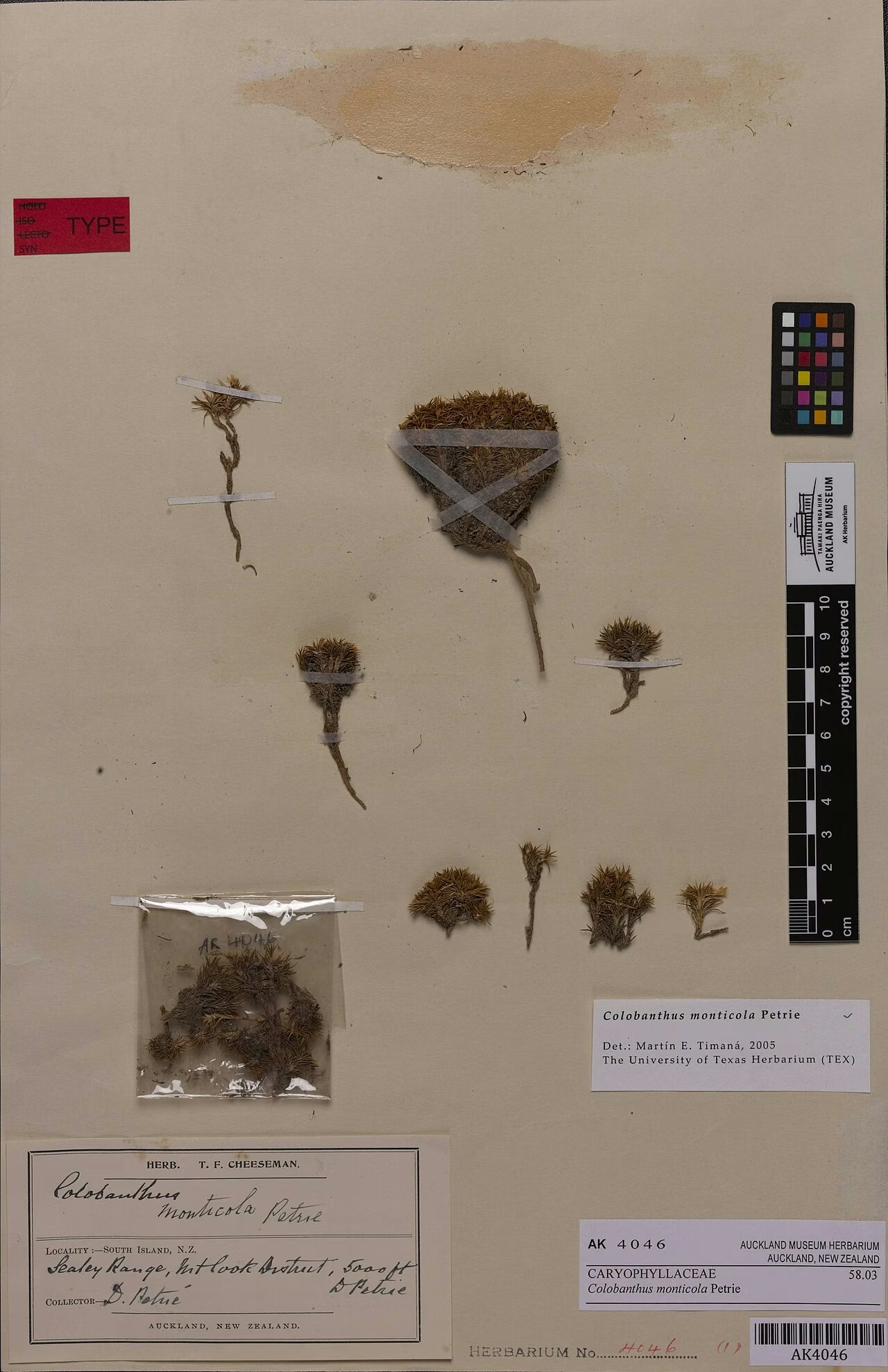
Colobanthus monticola
Colobanthus monticola
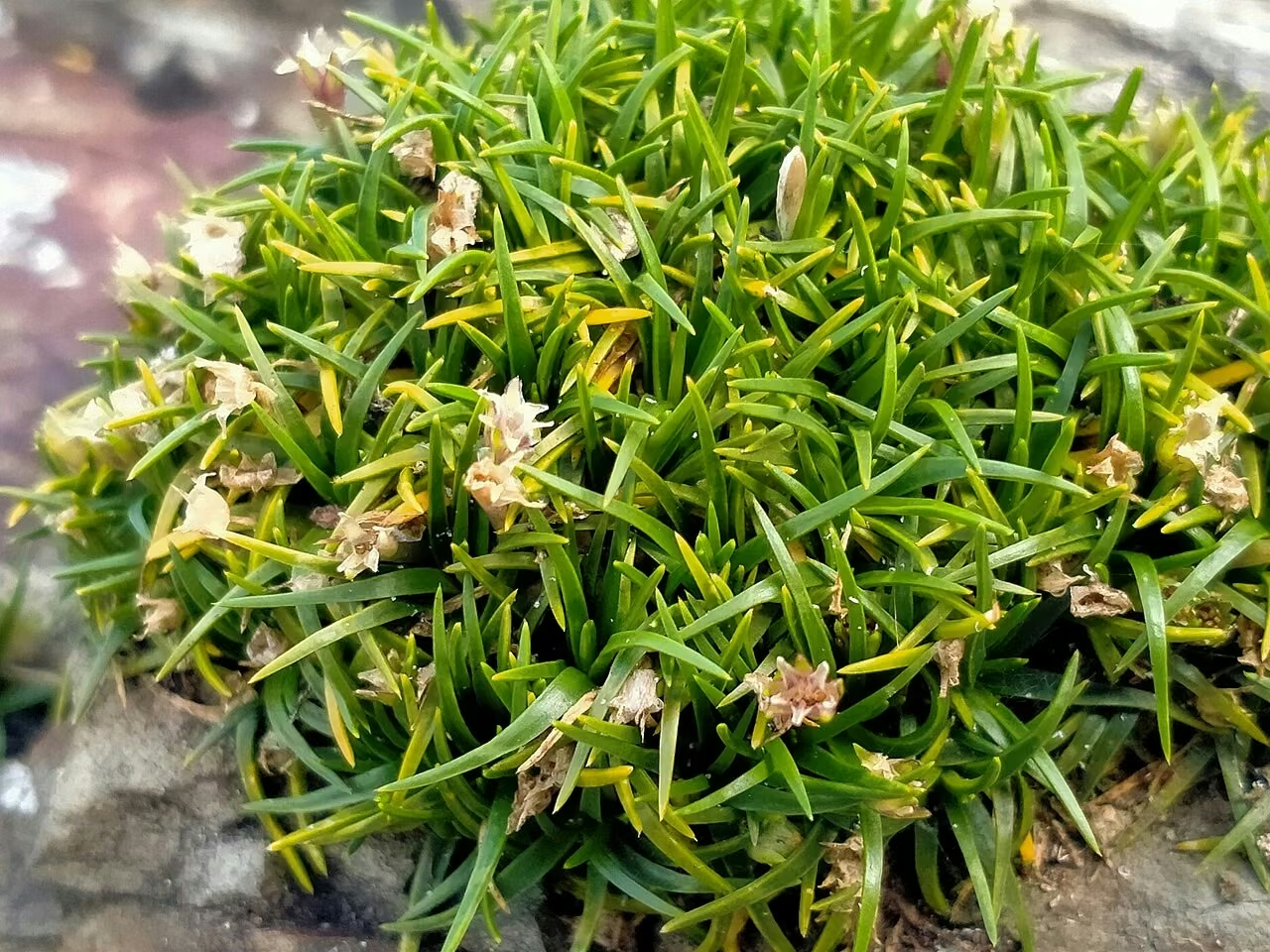
Colobanthus muelleri
Colobanthus muelleri
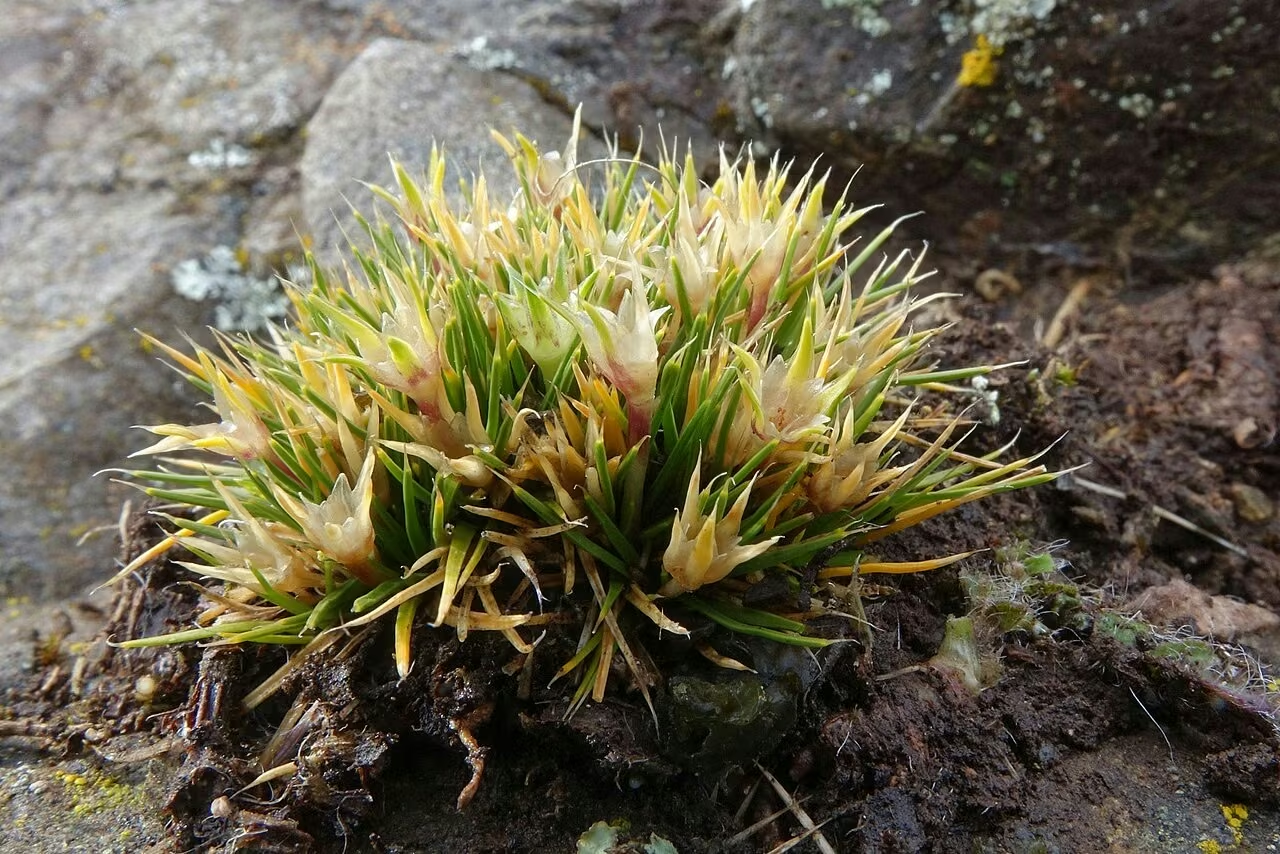
Colobanthus strictus
Colobanthus strictus
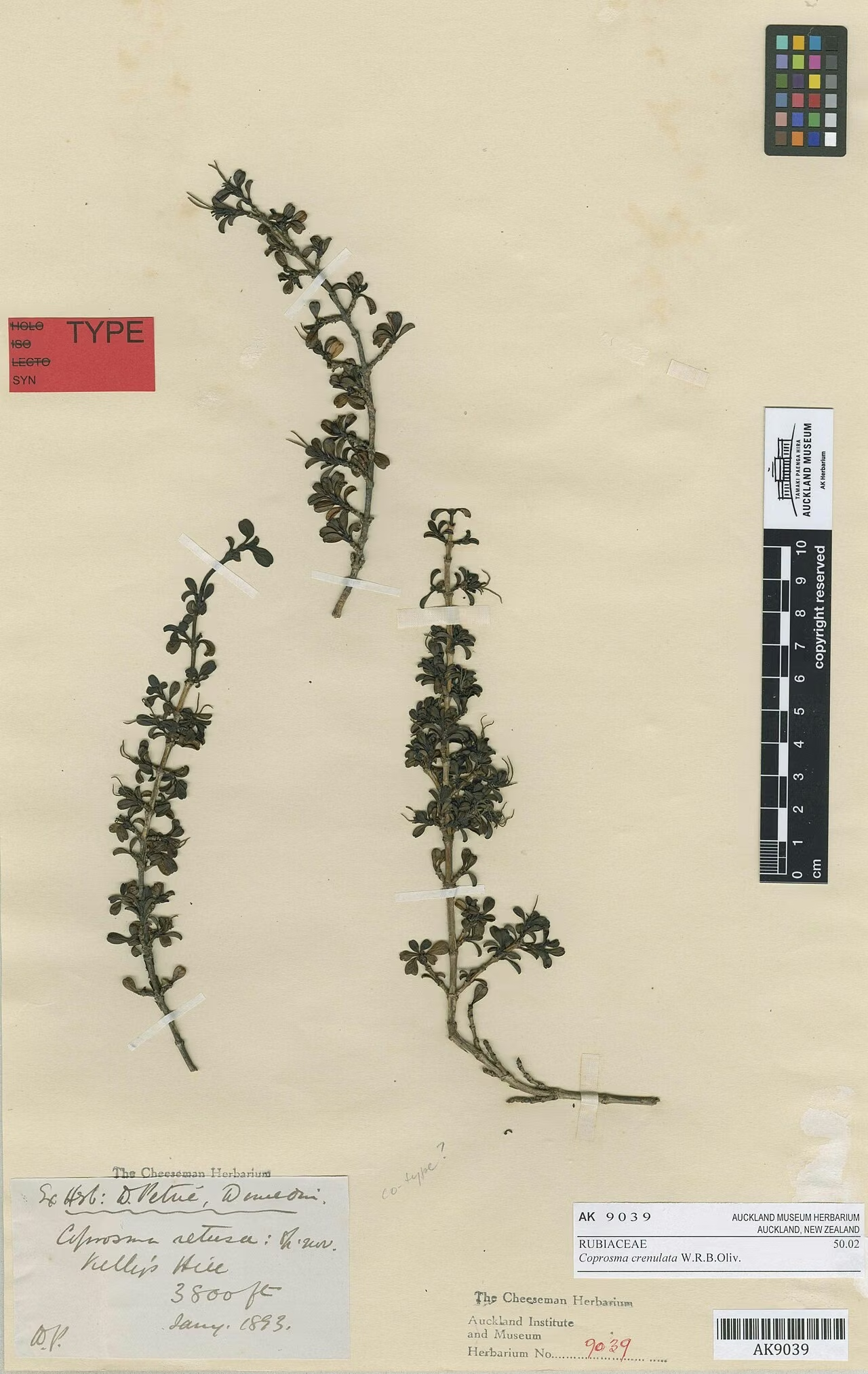
Coprosma crenulata
Coprosma crenulata
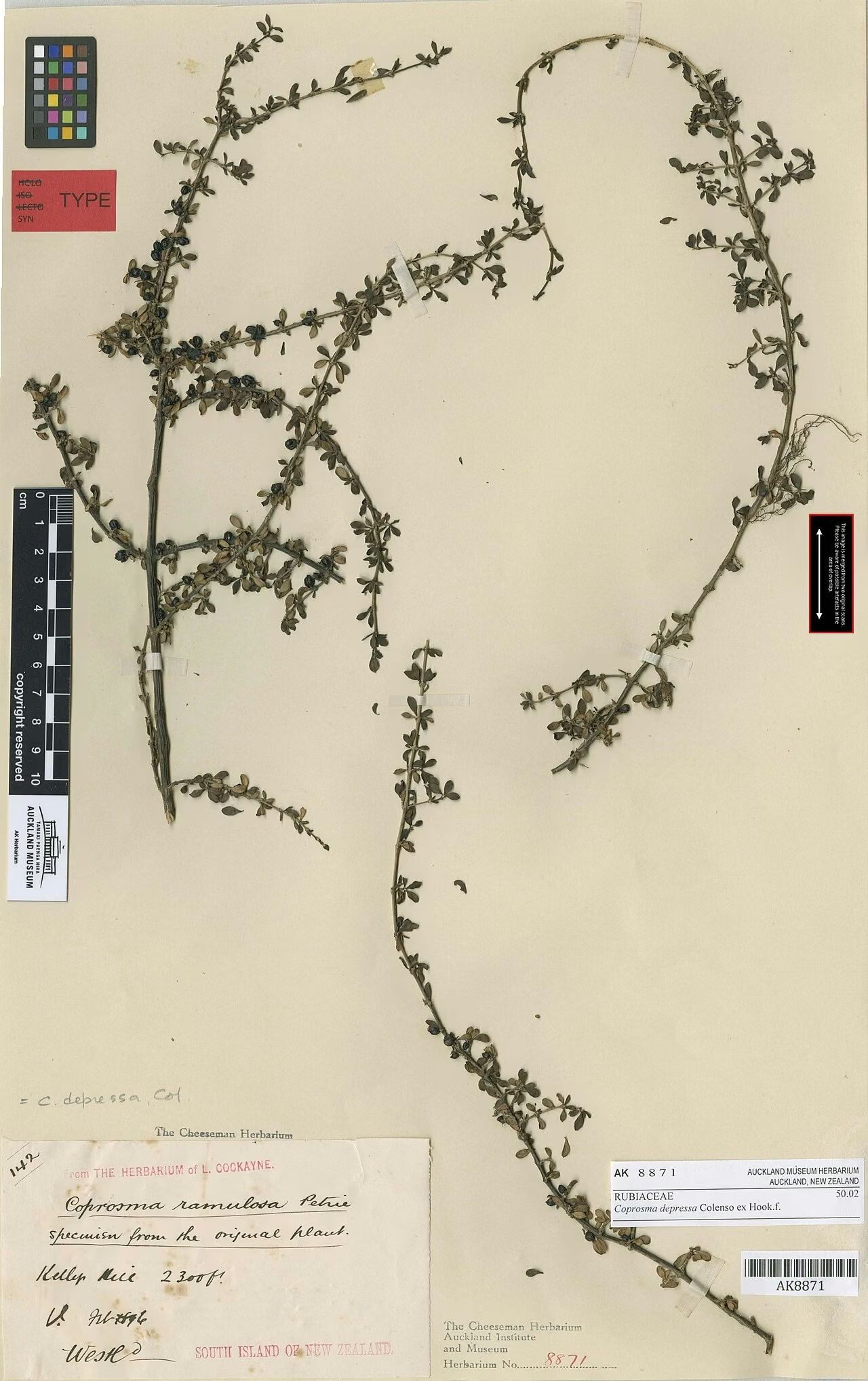
Coprosma depressa
Coprosma depressa
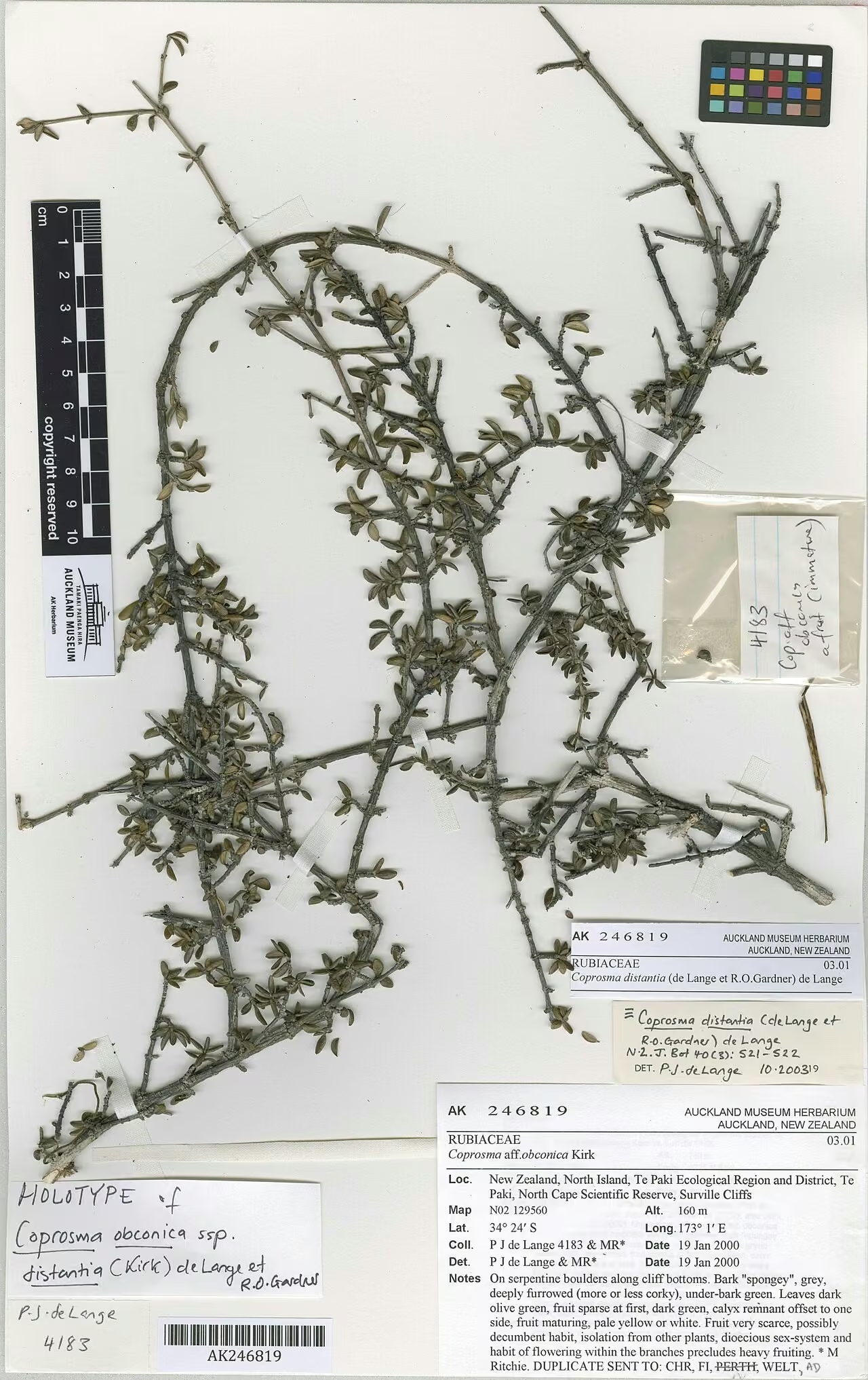
Coprosma distantia
Coprosma distantia
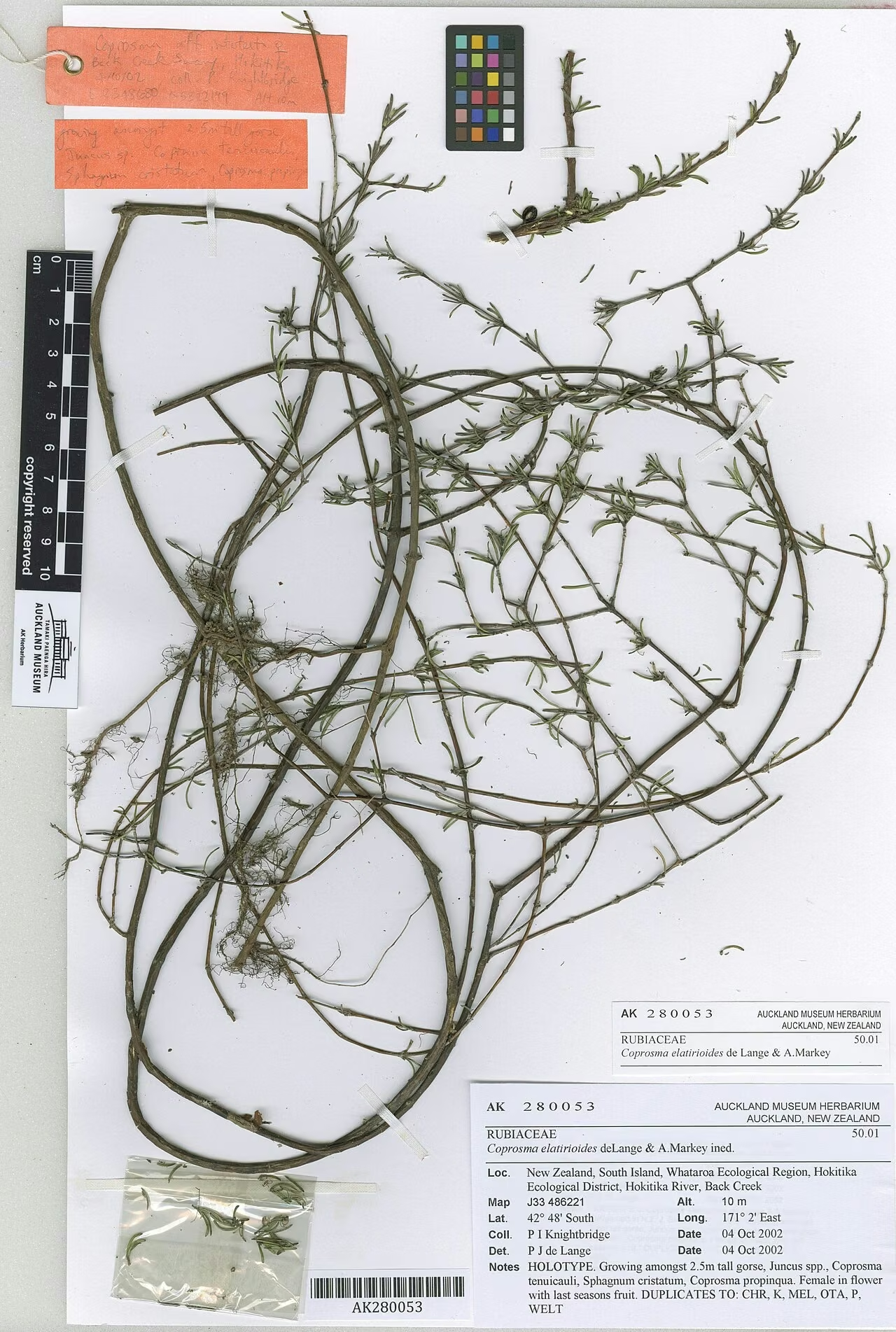
Coprosma elatirioides
Coprosma elatirioides
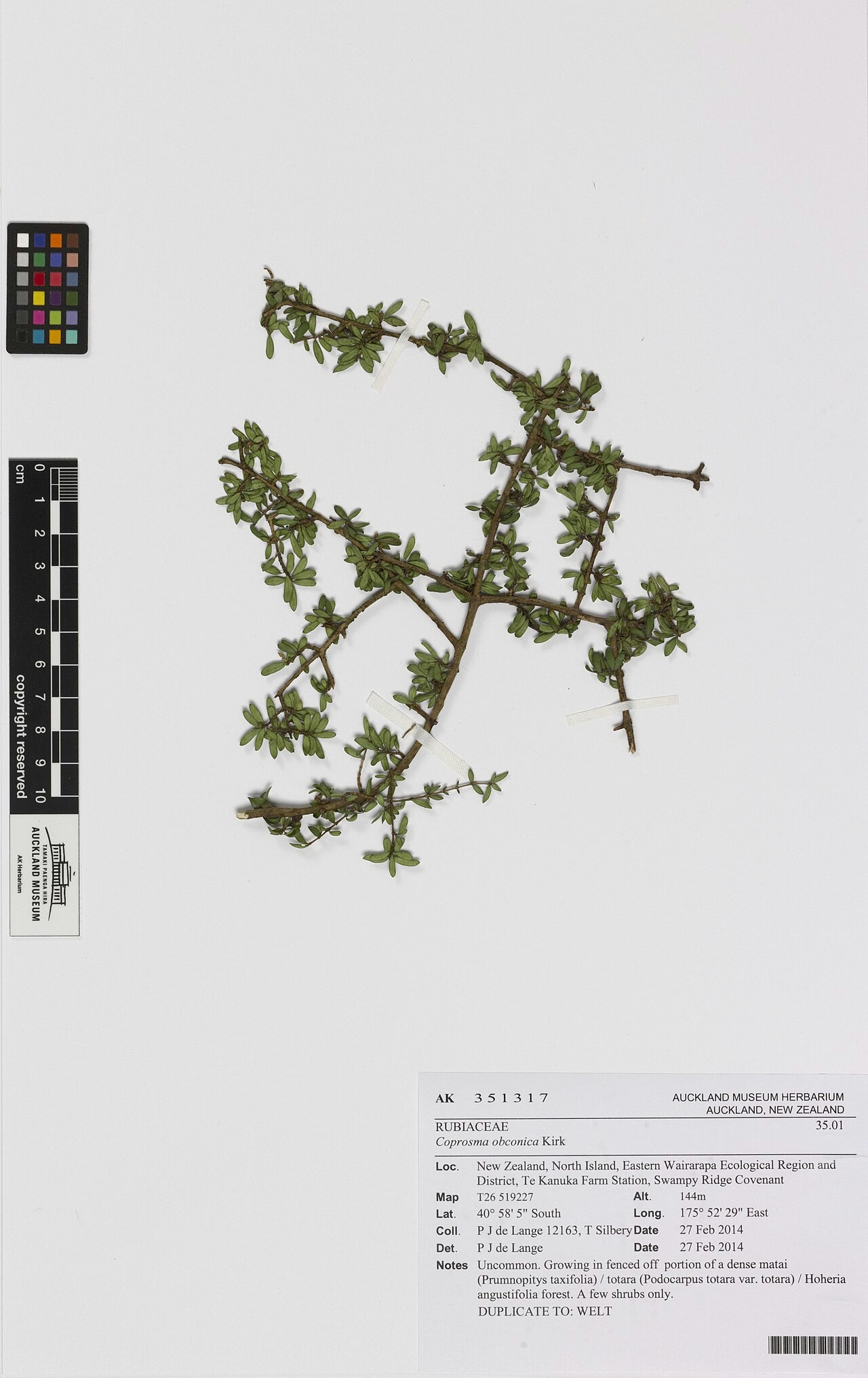
Coprosma obconica
Coprosma obconica
Plant Conservation
Protect wild populations by supporting habitat restoration and avoiding removal from natural sites.
Reporting sightings to regional conservation groups can help track population trends and guide protection efforts.
Frequently Asked Questions
How tall does Coprosma decurva grow?
Height varies by habitat, so check local growing conditions for its typical size in your area.
Where does Coprosma decurva grow?
It is native to New Zealand and suited to conditions within its natural range across Aotearoa.
Is Coprosma decurva frost hardy?
Frost tolerance is species-dependent, so consult local growing guides to confirm suitability for your climate.
What conditions does Coprosma decurva prefer?
It prefers full sun to partial shade with moderate water needs, typical growing conditions for this species.
Sources and Further Reading
The botanical, growing, and conservation details for Coprosma decurva (Coprosma decurva) on this page draw on authoritative New Zealand plant references and citizen-science observation records. Consult the sources below for full technical records and the latest distribution data.