Centrolepis
Centrolepis strigosa
Last updated:
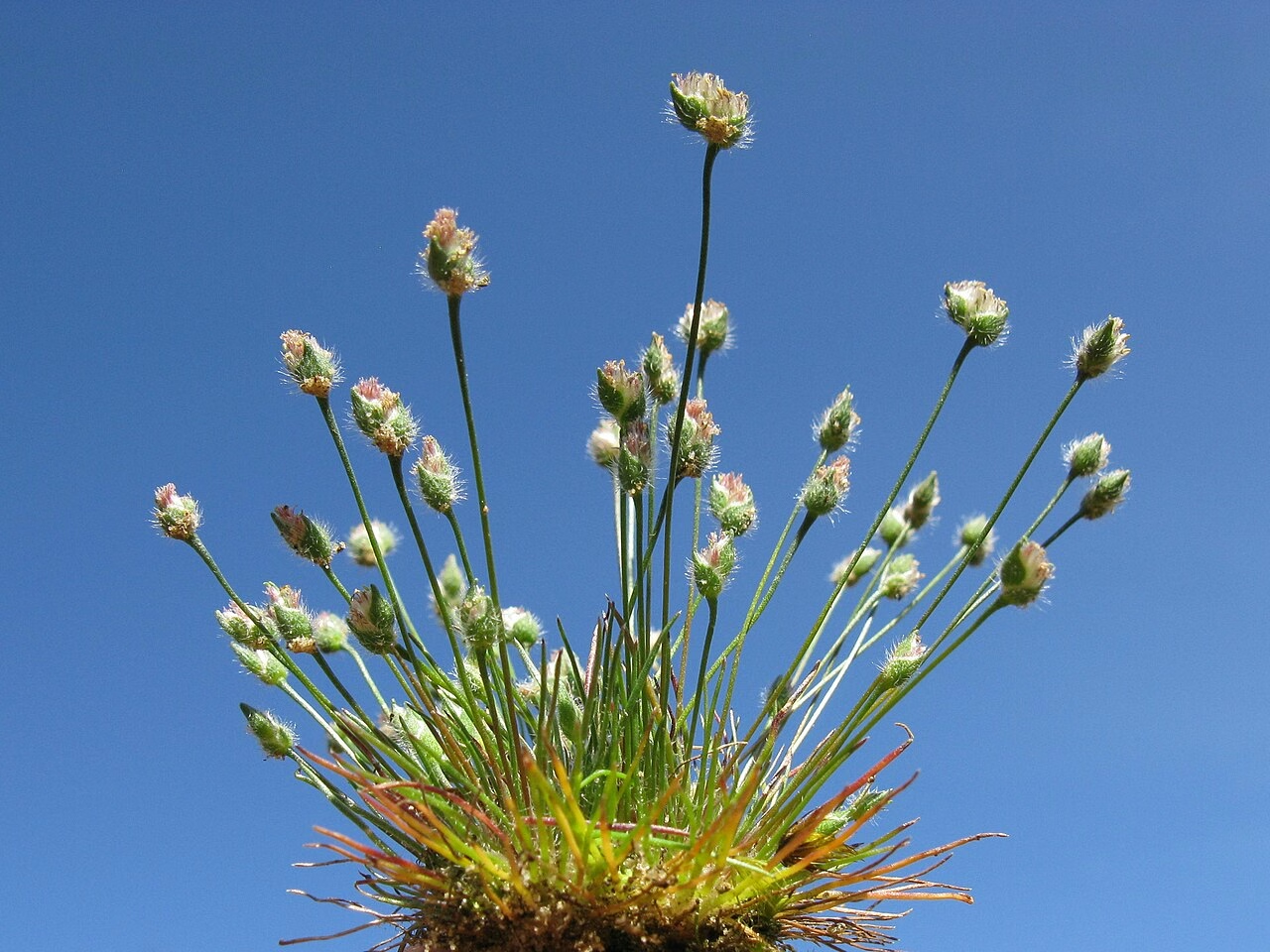
Centrolepis strigosa is a minute, tufted annual herb, usually only 15 to 70 mm tall, that grows on damp, open sand and clay near coastal lakes and ponds. Its thread-like leaves are covered in long, stiff white hairs, and its flowering stems rise well above the leaves in early summer. In New Zealand it is known from the Kai Iwi Lakes and the coast near Dargaville south to Lake Ototoa in Northland, and from near Bluff Hill and Invercargill in Southland. It also grows in Australia. As a seasonal annual of a rare habitat it is ranked Threatened - Nationally Endangered. Explore more native grasses and flaxes in our native plant guide.
Plant Description
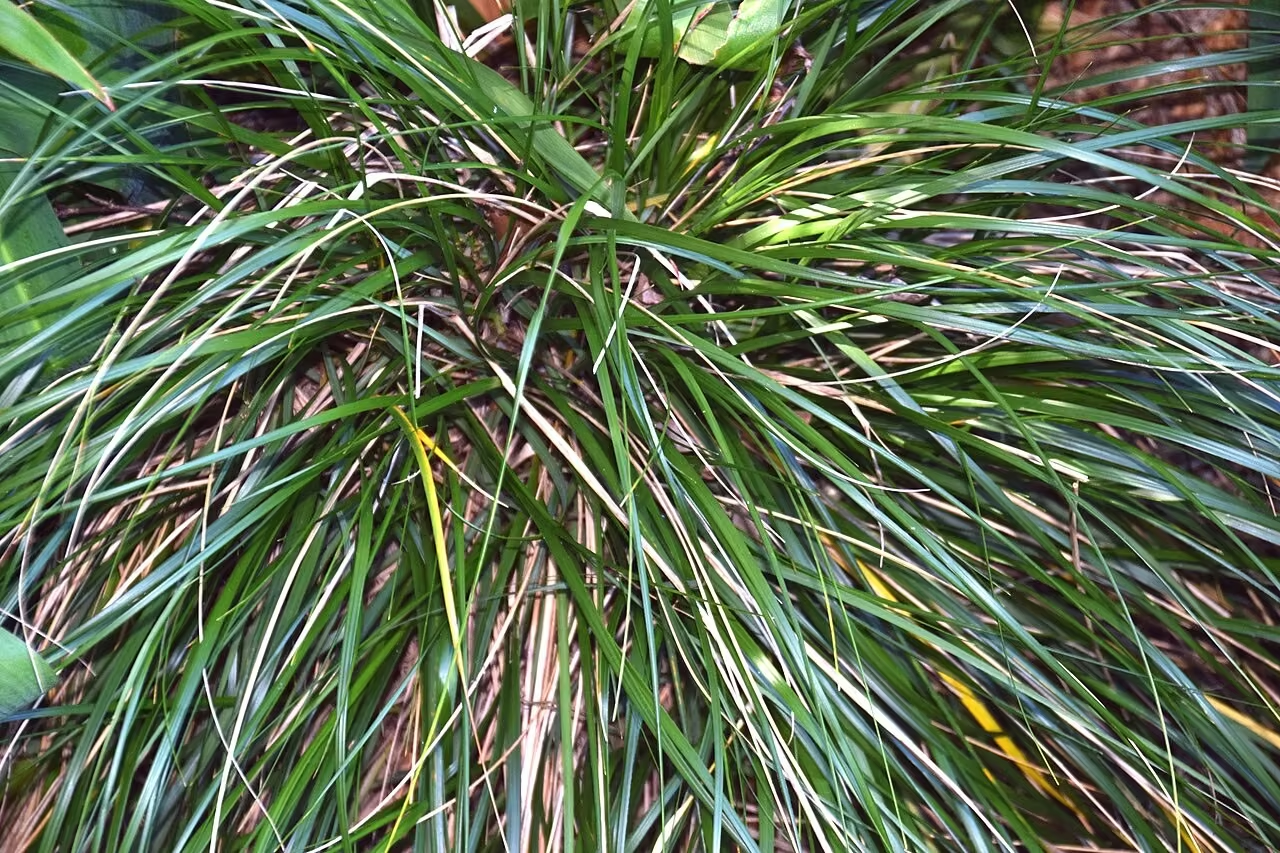
Centrolepis strigosa forms a delicate tuft 15 to 70 mm tall from fine fibrous roots. The leaves are spirally arranged but appear basal and spreading, thread-like, 10 to 30 mm long and only about 0.2 mm wide, and are clothed in long, white, rigid multicellular hairs that give the whole plant a bristly look.
The flowering stems are noticeably taller than the leaves. Each ends in a small head enclosed by bracts, holding four to eight pseudanthia, which are tiny clusters of reduced male and female flowers with distinctive transparent scales. Flowering is from about November to February and fruiting from December to March, occasionally April.
NZPCN describes it as a very distinctive species with little resemblance to the endemic New Zealand Centrolepis species, which form small cushions in bogs. Its hairy, upright annual tufts on bare sand are characteristic.
Quick Facts
| Scientific Name | Centrolepis strigosa |
|---|---|
| Height | 15-70 mm (up to 80 mm) |
| Spread | A single small tuft a few centimetres across |
| Water Needs | High; damp sand, clay or silt |
| Light | Full sun in open sites |
| Frost Tolerance | No specific information; grows in both Northland and Southland |
| Salt Tolerance | No information available; grows near the coast |
| Growth Rate | Fast; completes its life cycle in one season |
| Lifespan | Annual |
Climate Best Suited to
Grows in mild coastal climates at both ends of New Zealand, from warm Northland to cool Southland, wherever open sandy ground stays damp in early summer.
Regional Suitability
| City | Climate Suitability |
|---|---|
| Auckland | Medium |
| Wellington | Low |
| Christchurch | Low |
| Dunedin | Low |
Plant Habitat
In the North Island it is known from the Kai Iwi Lakes, Glinks Gully and Bayly's Beach near Dargaville south to Lake Ototoa, a stretch of about 90 km of coast. In the South Island it is known near Bluff Hill and Invercargill, where it has been recorded since about 1890 but is not well known in recent years. Overseas it occurs in Australia.
It is a coastal to lowland plant of open clay, sand or silty damp places near lake or pond margins, and of open sand pans within gumland scrub. Flora of New Zealand describes its habitat as wet coastal sand, sandy peat, shores of dune lakes and open coastal heathland on infertile soils from sea level to 260 m.
Growing Requirements
Soil Requirements
It grows on infertile, open, damp sand, sandy peat, silt or clay where competition from other plants is very low.
- Bare, nutrient-poor sand or sandy peat
- Seasonally damp, not deeply flooded
- Free of dense vegetation
Light Requirements
As a minute annual, it needs fully open ground and is quickly lost when taller plants close over its habitat.
- Full sun
- Open sand pans and lake shores
Water Requirements
It depends on ground that is wet in spring and early summer while it grows, flowers and sets seed.
- Moist during the growing season
- Habitat may dry out later in summer after seed is set
Planting and Establishing
Centrolepis strigosa is not a plant for gardens. NZPCN describes it as difficult to grow and states that it should not be removed from the wild.
The best way to support it is to protect and manage its natural dune lake and gumland habitats.
Ecological Role
This species is a seasonal annual of open, infertile, damp ground, growing among other small herbs on bare sand and lake shore turf. It relies on habitat that stays open through natural disturbance such as fluctuating lake levels.
Flora of New Zealand suggests it may have arrived in New Zealand relatively recently, possibly carried across the Tasman by migrating birds or by human activity. Its pollination has not been studied in New Zealand.
Uses & Significance
Garden Uses
It has no practical garden use; it is difficult to cultivate and should be left in the wild.
- Of interest to botanists surveying dune lakes
- Indicator of intact open lake shore habitat
Ecological Value
It is part of the specialised small-herb flora of dune lake margins and gumland sand pans, among New Zealand's most threatened habitats.
- Contributes to the diversity of ephemeral lake shore turf
- Its presence signals open, infertile habitat in good condition
- Rare in New Zealand
Landscaping Uses
This tiny annual has no role in landscaping. Restoration plantings near dune lakes should avoid smothering the open sand margins where it grows.
Managing tall weeds and maintaining open sand pans in gumland is more valuable for this species than planting.
Seasonal Care Calendar
Spring
Seedlings appear on damp sand and lake margins.
- Avoid trampling lake shores
- Watch for tiny bristly tufts
Summer
Flowering occurs from November to February and fruit develops from December.
- Best time for surveys
- Look for flowering stems taller than the leaves
Autumn
Fruiting ends by March or April and the plants die.
- Seed remains in the soil
- Leave habitat undisturbed
Winter
The species persists only as seed in the ground.
- Lake levels rise and cover habitat
- No plants visible
When to Prune and How Much
No pruning applies to this tiny annual.
In the wild, management focuses on keeping surrounding vegetation low so open ground remains for it.
How to Grow Centrolepis
NZPCN states that Centrolepis strigosa is difficult to propagate and should not be removed from the wild. No published propagation protocol for this species was found in the sources consulted. As an annual, it can only be propagated from seed, and the notes below describe the general approach botanists use for tiny annual herbs of wet sand rather than a proven method for this species. Any collection should be undertaken only by conservation agencies with appropriate permission, because the New Zealand populations are small, localised and Nationally Endangered.
From Seed
Fruit ripens from December to March. The seeds are minute, so the whole dry flowering heads need to be collected and kept in paper envelopes.
Germination requirements are not known. Seed of small annuals from seasonally wet sands often germinates when cool, damp conditions return in autumn or spring, so sowing could be trialled at both times.
Seedlings should be grown on in the same pot without pricking out, since tiny annuals with fine fibrous roots resent disturbance. Allowing cultivated plants to flower and shed seed back into the pot is the simplest way to maintain a population ex situ.
- Collect dry flowering heads under permit, taking only a small fraction of the seed
- Store in paper envelopes in a cool, dry place
- Sow onto the surface of a pot of fine, low-nutrient sand kept moist
- Stand the pot in shallow water in a bright, cool position
- Record germination timing to build knowledge of the species
Pests & Diseases
No specific pests are recorded. The main threats are loss of open habitat through weed invasion, shading by taller vegetation and changes to lake levels.
Trampling by people and stock on lake shores and sand pans can also damage the tiny plants during their short growing season.
Cultural Significance
No traditional Māori name or use is recorded for Centrolepis strigosa in the sources consulted.
The genus name Centrolepis means pointed scale, referring to the bracts of the flower heads. It was first described as Desvauxia strigosa by the botanist Robert Brown.
Bonus Tip
If surveying dune lakes such as the Kai Iwi Lakes in early summer, kneel and look closely at bare damp sand near the water line. The plants are so small that they are usually noticed only by the white glint of their stiff hairs.
Related Plants
Explore other native plants that share similar characteristics or habitats with Centrolepis (Centrolepis strigosa), offering further insights into New Zealand's diverse flora. These related species provide context and opportunities for complementary planting in your garden.
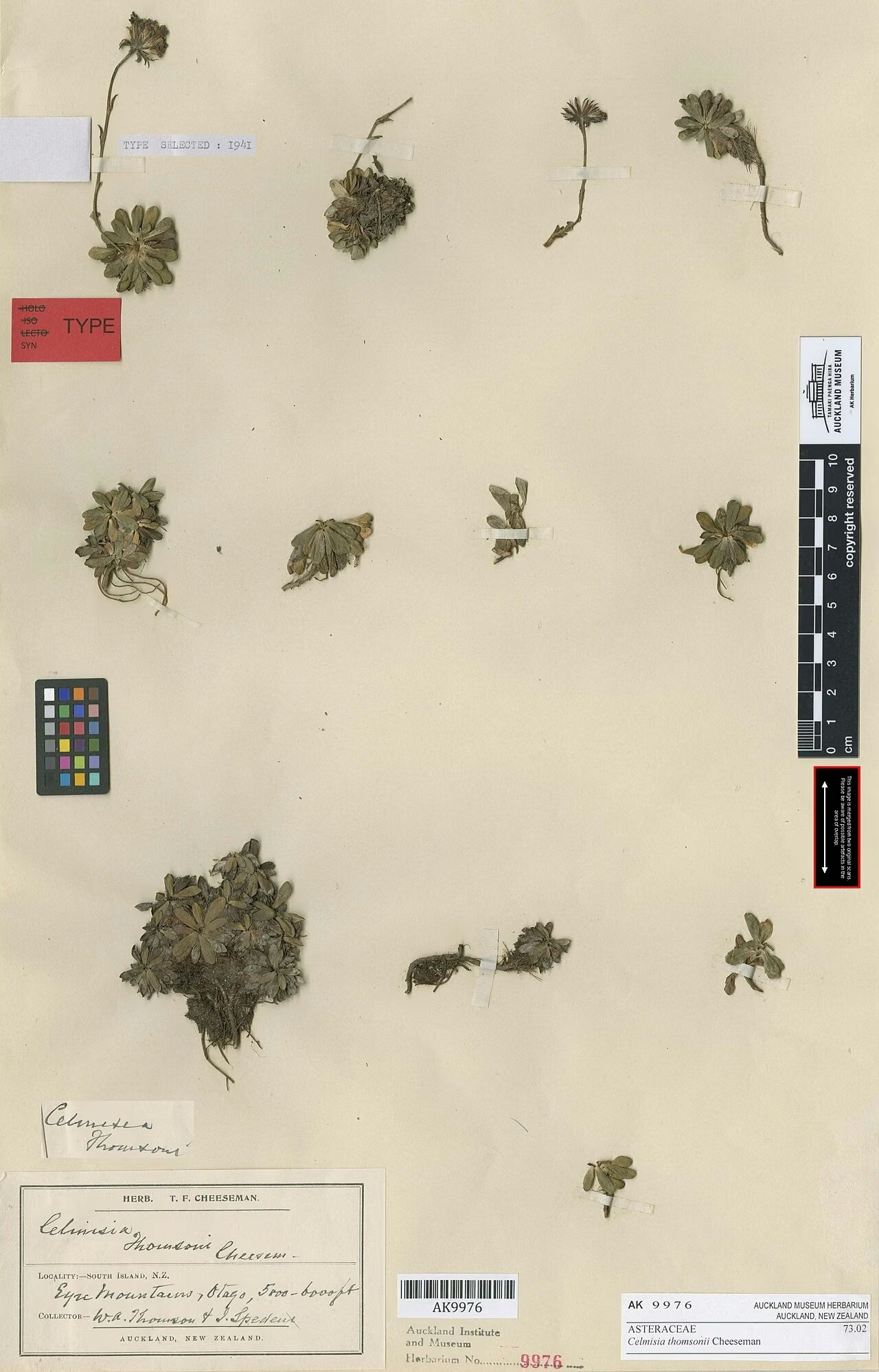
Thomson's Mountain Daisy
Celmisia thomsonii
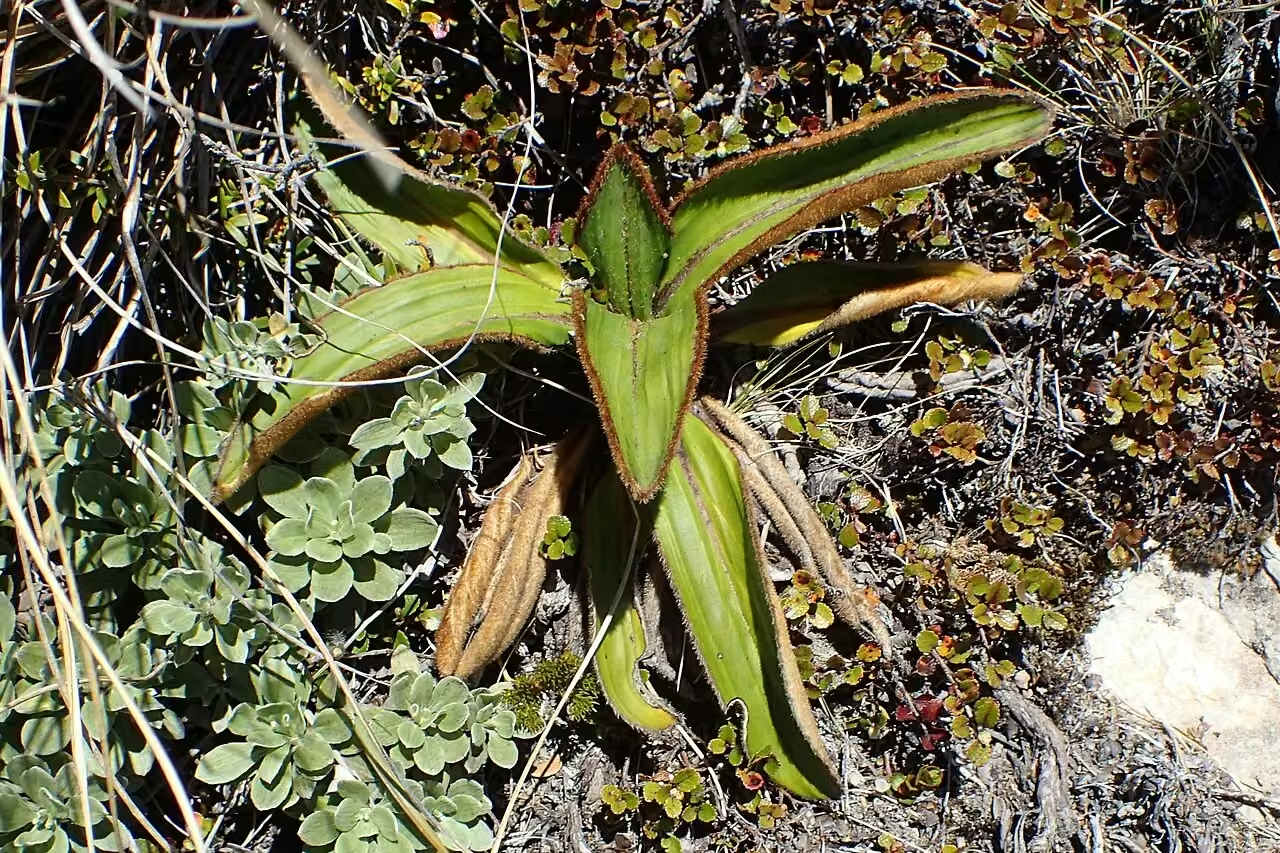
Celmisia traversii
Celmisia traversii
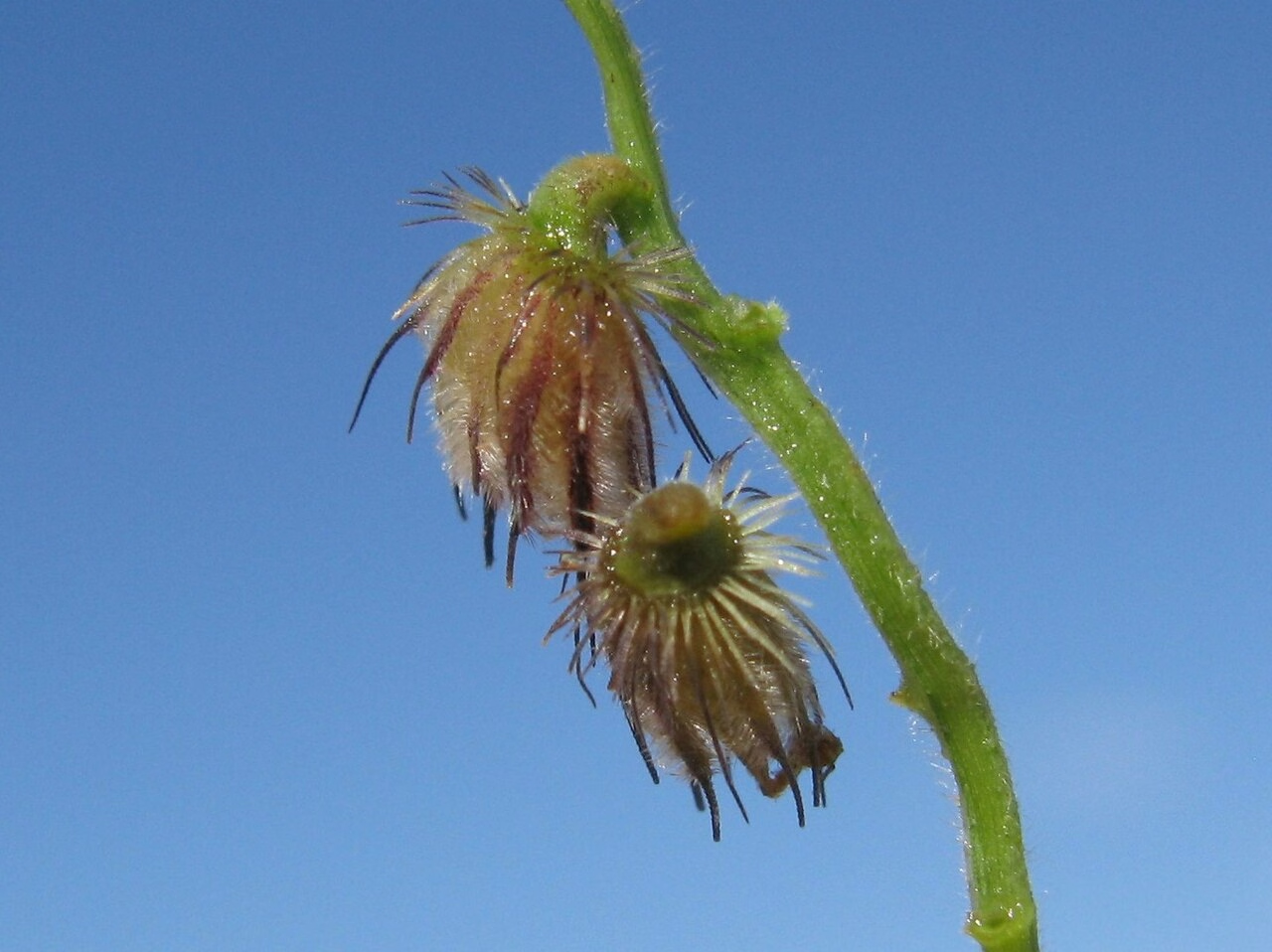
Large Burr Grass
Cenchrus caliculatus
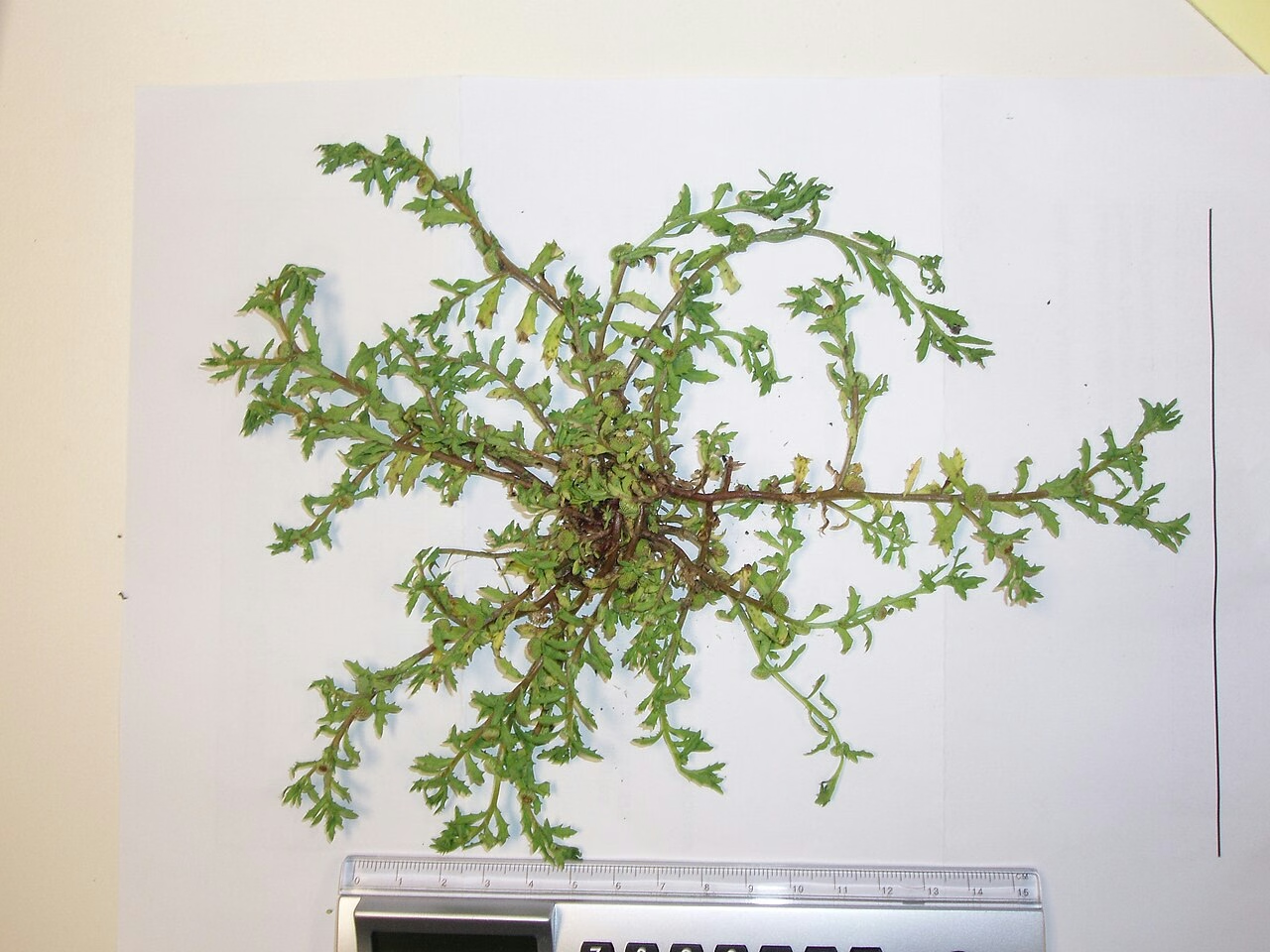
New Zealand Sneezewort
Centipeda aotearoana
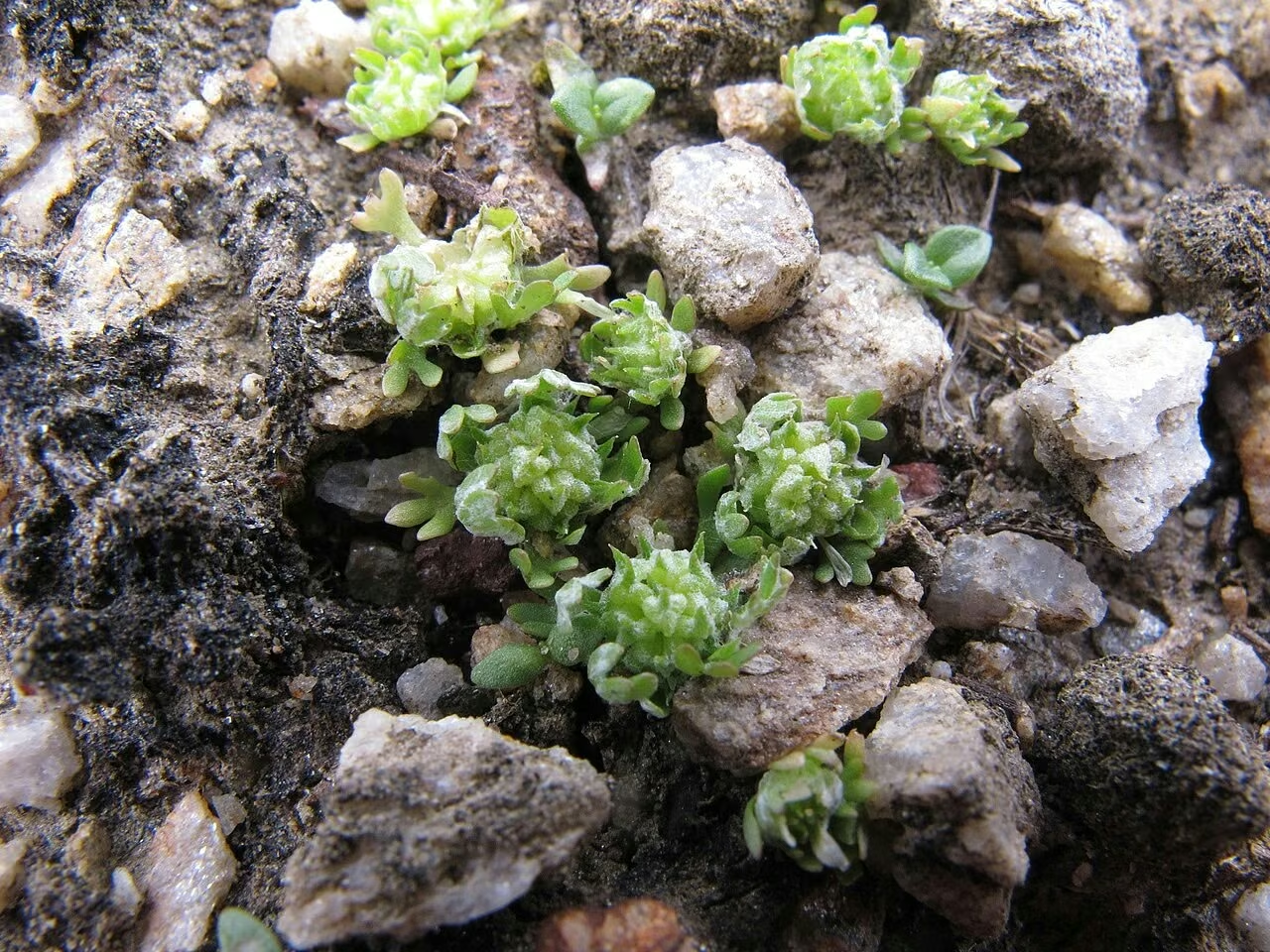
Ceratocephala pungens
Ceratocephala pungens
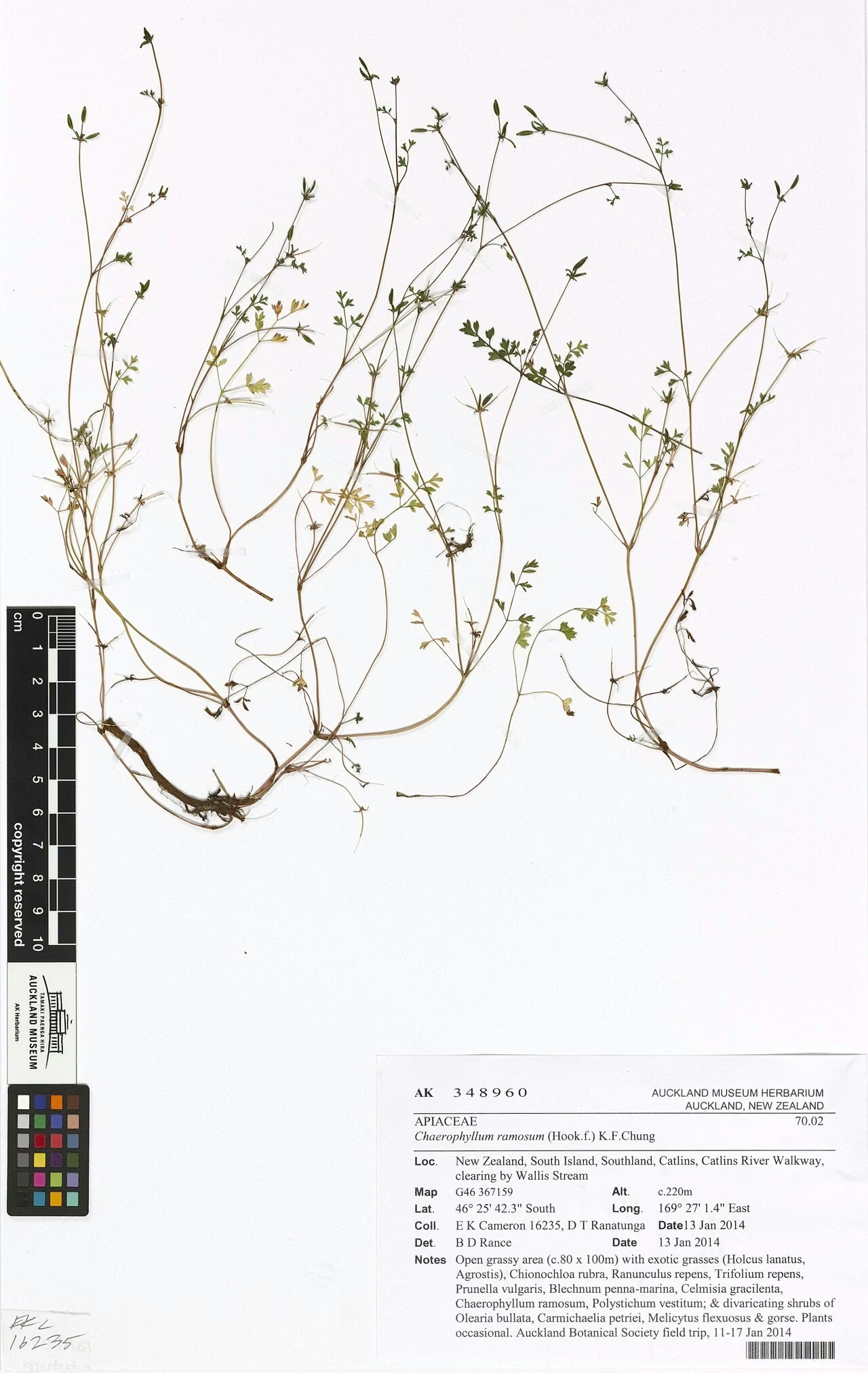
Chaerophyllum ramosum
Chaerophyllum ramosum
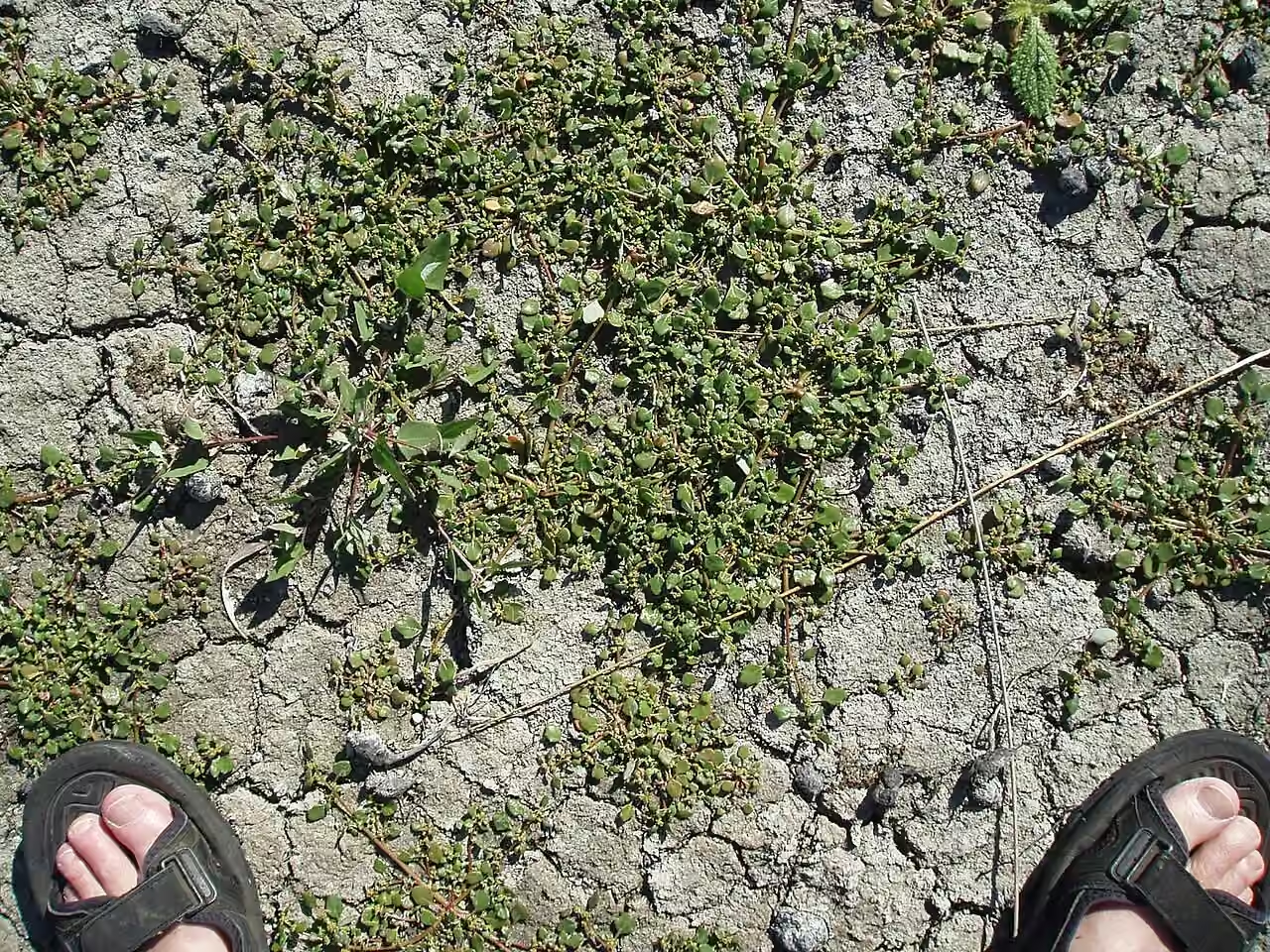
Glaucous Goosefoot
Oxybasis ambigua
Beddie's Tussock
Chionochloa beddiei
Plant Conservation
Centrolepis strigosa is ranked Threatened - Nationally Endangered (2023) with the qualifiers Sparse, Data Poor Trend, Range Restricted and Secure Overseas. It is a naturally uncommon seasonal annual, and the Southland populations are probably still present despite a lack of recent reports.
Keeping dune lake margins and gumland sand pans open, controlling invasive grasses and woody weeds, and targeted surveys of the Southland sites would all help this species.
Frequently Asked Questions
What is Centrolepis strigosa?
It is a tiny tufted annual in the restiad family, 15 to 70 mm tall, with hair-like leaves bristling with long white hairs, found on damp coastal sands and lake margins.
Where does Centrolepis strigosa grow in New Zealand?
It is recorded from Northland dune lakes and coast, including the Kai Iwi Lakes, Glinks Gully and Bayly's Beach to Lake Ototoa, and in Southland near Bluff Hill and Invercargill.
Is Centrolepis strigosa native to New Zealand?
It is treated as indigenous, also occurring in Australia, although Flora of New Zealand notes its native versus naturalised status has been debated and it may have arrived relatively recently.
How is it different from other New Zealand Centrolepis?
NZPCN describes it as very distinctive and singular, bearing little resemblance to the endemic cushion-forming Centrolepis species of New Zealand bogs and alpine areas.
Sources and Further Reading
The botanical, growing, and conservation details for Centrolepis (Centrolepis strigosa) on this page draw on the New Zealand plant references below. Consult them for full technical records and the latest distribution data.