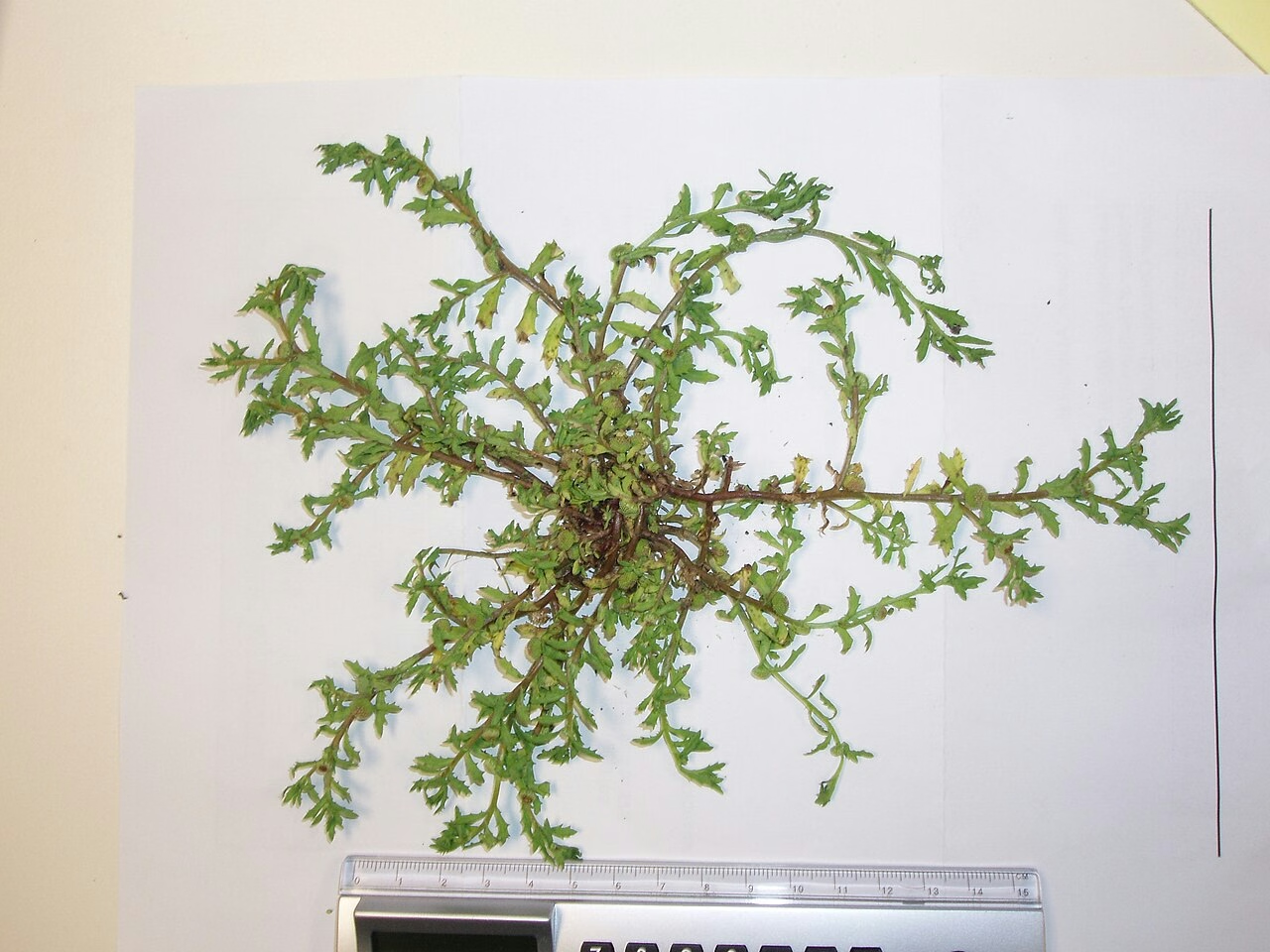
New Zealand Sneezewort
Centipeda aotearoana
Last updated:
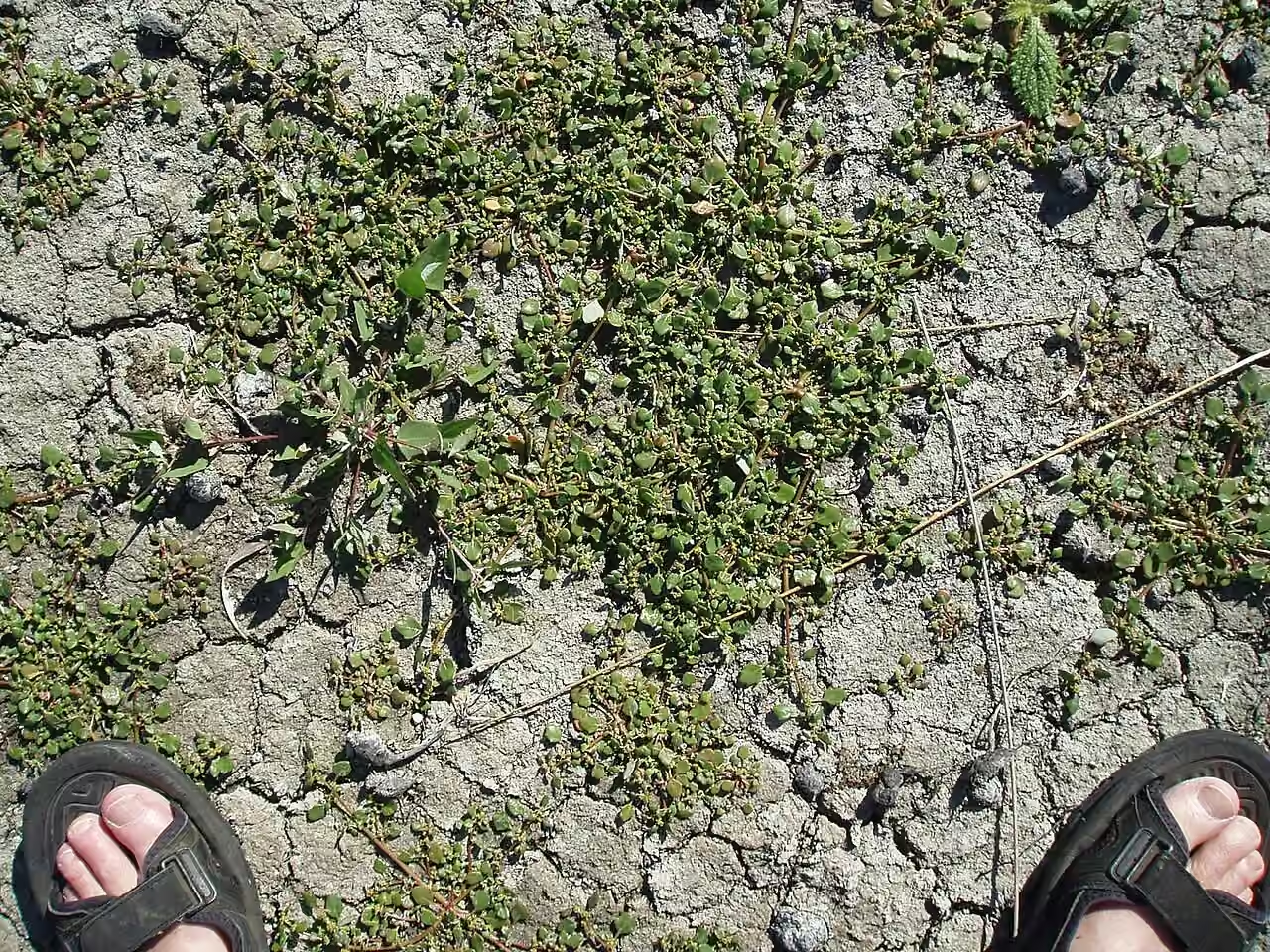
New Zealand sneezewort (Centipeda aotearoana) is a small, prostrate member of the daisy family endemic to New Zealand. It is an annual or short-lived perennial that forms circular patches 10 to 30 cm across, with trailing stems, tiny toothed yellow-green leaves and stalkless, button-like flower heads 3 to 4 mm wide. It grows on open damp ground on the Three Kings Islands and the North and South Islands, especially on lake, tarn and river margins, ephemeral wetlands and even drains. Easily overlooked, it is an opportunistic coloniser of bare wet mud, appearing where water levels fall and open ground is exposed. Explore more native ground covers in our native plant guide.
Plant Description
Centipeda aotearoana is a prostrate herb whose trailing stems spread out to form circular patches 10 to 30 cm in diameter. The stems carry sparse to moderate cottony hairs. The leaves are yellow-green, obovate to spathulate, usually 4 to 8 mm long (occasionally to 12 mm) and 1.5 to 4 mm wide, with one to three acute or blunt teeth along the margins.
The flower heads are unstalked and hemispherical, 3 to 4 mm in diameter and occasionally up to 7 mm, sitting in the leaf axils. Each head contains about 60 to 120 tiny female florets around 8 to 16 bisexual florets. There are no showy ray florets, so the heads look like small green to yellowish buttons.
It differs from Centipeda elatinoides in its hemispherical fruiting heads, and from Centipeda cunninghamii in its prostrate growth form and leaves less than 10 mm long. The species was described by the Australian botanist Neville Walsh.
Quick Facts
| Scientific Name | Centipeda aotearoana |
|---|---|
| Height | Prostrate, a few centimetres tall |
| Spread | Patches 10-30 cm across |
| Water Needs | High; damp to seasonally wet ground |
| Light | Full sun in open sites |
| Frost Tolerance | No specific information found; grows from the far north to the South Island |
| Salt Tolerance | No information available |
| Growth Rate | Fast; an opportunistic coloniser |
| Lifespan | Annual to short-lived perennial |
Climate Best Suited to
Grows across a wide range of New Zealand lowland climates from the Three Kings Islands southwards, wherever open ground stays damp through summer.
Regional Suitability
| City | Climate Suitability |
|---|---|
| Auckland | High |
| Wellington | Medium |
| Christchurch | Medium |
| Dunedin | Medium |
Plant Habitat
This sneezewort is endemic to New Zealand, recorded from the Three Kings Islands and the North and South Islands. Its occurrence is patchy and often temporary, because it depends on the exposure of bare damp ground.
It inhabits open damp ground, lake, tarn and river margins, ephemeral wetlands and drains. These are places where water levels fluctuate, leaving mud or silt open for colonisation in summer and autumn.
Growing Requirements
Soil Requirements
It colonises bare, damp mud, silt and sand at the edges of water bodies and in seasonally wet hollows.
- Moist silt, mud or sandy loam
- Open ground free of competing vegetation
- Tolerates periodic inundation
Light Requirements
As a low, opportunistic herb it needs open, unshaded ground; it is quickly smothered by taller plants.
- Full sun
- Keep surrounding vegetation short
Water Requirements
Keep the soil constantly damp. In the wild it follows falling water levels onto exposed margins.
- Never allow pots to dry out
- A saucer of water under the pot suits it
Planting and Establishing
Plant on the margin of a pond, bog garden or damp hollow where the soil stays wet but not deeply flooded during the growing season. Clear competing weeds first.
Because it is annual to short-lived, allow it to set seed so new plants appear the following season.
Ecological Role
Centipeda aotearoana is an opportunist of disturbed, seasonally wet ground, part of the turf communities of ephemeral wetlands and lake shores. NZPCN considers it naturally sparse, appearing when conditions allow.
Its cypselae (seeds) are dispersed by wind, by attachment and by granivory, meaning seed-eating animals such as birds may spread them between wetlands. Flowering runs from mid-summer into autumn and sometimes winter.
Uses & Significance
Garden Uses
A small curiosity for wetland and bog gardens rather than a showy plant.
- Pond and bog garden margins
- Ephemeral wetland restoration
- Pots of native wetland turf plants
Ecological Value
It contributes to the diverse low turf of ephemeral wetlands and lake margins, habitats that are under pressure in New Zealand.
- Endemic coloniser of bare wet ground
- Seed food for granivores
- Indicator of intact ephemeral wetland habitat
Landscaping Uses
Use it as part of a low wetland turf at the edge of a stormwater pond or natural swale, alongside other small native turf plants.
It is too small and short-lived to be a landscape feature on its own, but can fill gaps between stepping stones in permanently damp ground.
Seasonal Care Calendar
Spring
Seedlings emerge on damp ground as temperatures rise.
- Keep competing weeds clear
- Keep the soil wet
Summer
Flowering begins in mid-summer as patches spread across exposed mud.
- Do not let the ground dry out
- Watch for flower heads in leaf axils
Autumn
Fruiting occurs in late summer and autumn and flowering continues.
- Collect ripe heads for seed
- Let some seed fall to self-sow
Winter
Some plants may keep flowering into winter while others die off.
- Leave the ground undisturbed for seedlings
- Mark the area so it is not weeded out
When to Prune and How Much
No pruning is needed. Trailing stems that stray beyond their space can be pinched off.
Leave old plants in place until seed has dropped, since new plants arise from seed.
How to Grow New Zealand Sneezewort
NZPCN notes that Centipeda aotearoana is easily grown from rooted pieces and from fresh seed. As an annual to short-lived perennial, it is best maintained in cultivation by letting it set seed each year, with rooted pieces used to start new patches quickly. Seed ripens in late summer and autumn. Propagation material should come from cultivated plants or legally collected seed, and plants should be kept constantly moist, as their natural habitat is wet margins and ephemeral wetlands.
From Seed
The tiny cypselae are produced in large numbers in each flower head. Collect heads when they turn brown and begin to crumble.
Because the species is an opportunist of freshly exposed mud, seed germinates best on bare, wet, uncompetitive ground. A shallow tray kept permanently damp imitates the drying margin of a tarn or pond in summer.
- Collect mature flower heads in late summer or autumn
- Rub them gently to release the seed
- Scatter seed onto the surface of a moist, fine seed mix without covering
- Stand the tray in a saucer of water in good light
- Prick out small clumps of seedlings into pots of wet mix
From Rooted Pieces
Trailing stems in contact with damp soil often root, and these pieces establish quickly.
This is the fastest way to start a new patch in a bog garden, since a well-rooted piece already has trailing stems ready to spread across damp ground.
- Lift a section of stem with roots attached
- Pot into a moist silty or peaty mix
- Keep wet and in light shade for a week, then move into full sun
- Plant out onto damp ground once growing strongly
Pests & Diseases
No specific pests are recorded for this species. The main threat in gardens and in the wild is being overgrown by taller weeds and grasses.
Slugs and snails may graze small seedlings in damp conditions.
Cultural Significance
No traditional Māori name or use for Centipeda aotearoana is recorded in the sources consulted. The species epithet aotearoana comes from Aotearoa, the Māori name for New Zealand, often translated as land of the long white cloud.
The genus name Centipeda means one hundred feet in Greek. The common name sneezewort is generally linked to the pungent, sneeze-inducing smell of some Centipeda species overseas; no comparable use of this New Zealand species is recorded.
Bonus Tip
Search for New Zealand sneezewort in late summer on the exposed mud of a lake or tarn whose level has dropped. Look closely among other low turf plants for flat, yellow-green rosettes studded with tiny green buttons in the leaf axils.
Related Plants
Explore other native plants that share similar characteristics or habitats with New Zealand Sneezewort (Centipeda aotearoana), offering further insights into New Zealand's diverse flora. These related species provide context and opportunities for complementary planting in your garden.
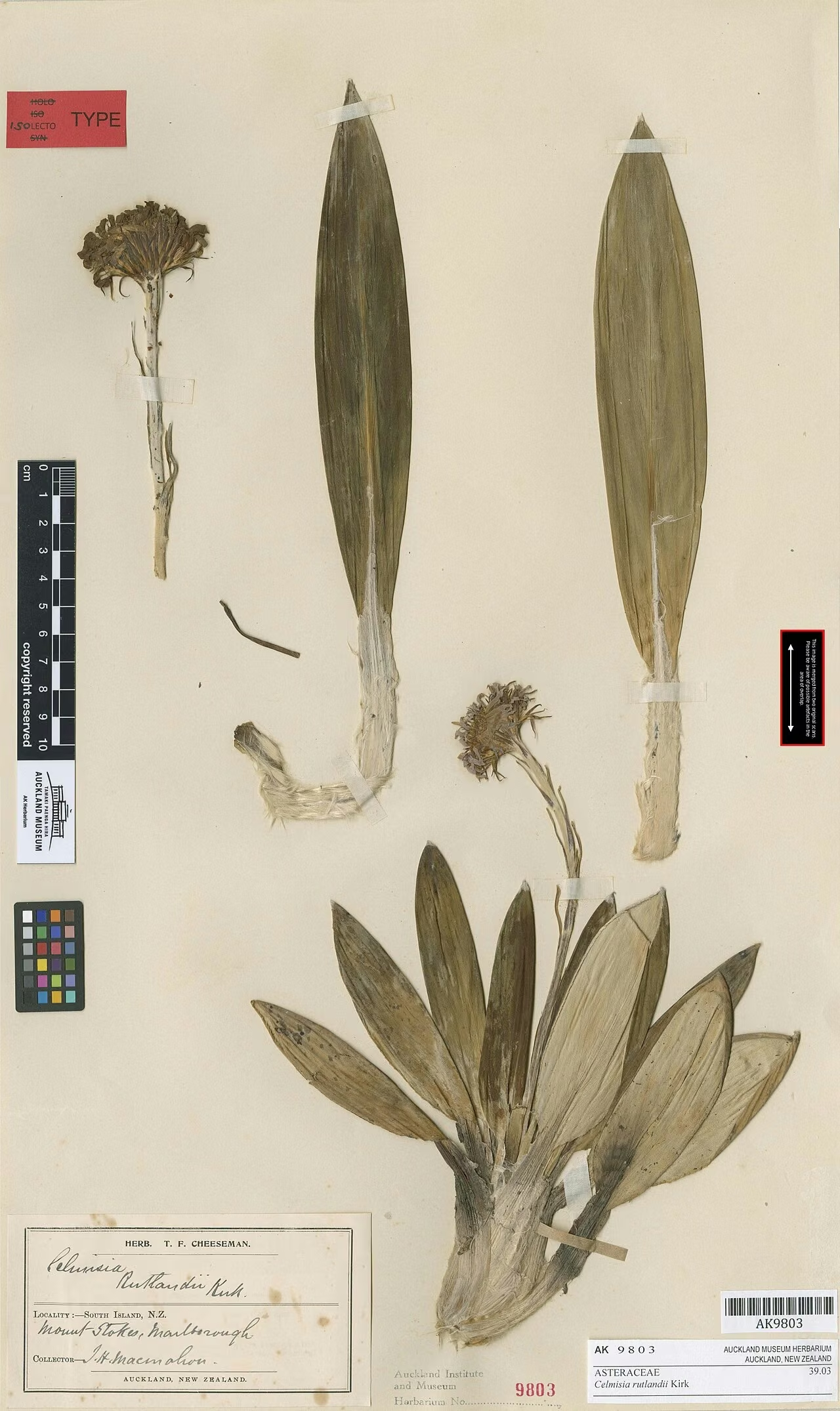
Celmisia rutlandii
Celmisia rutlandii
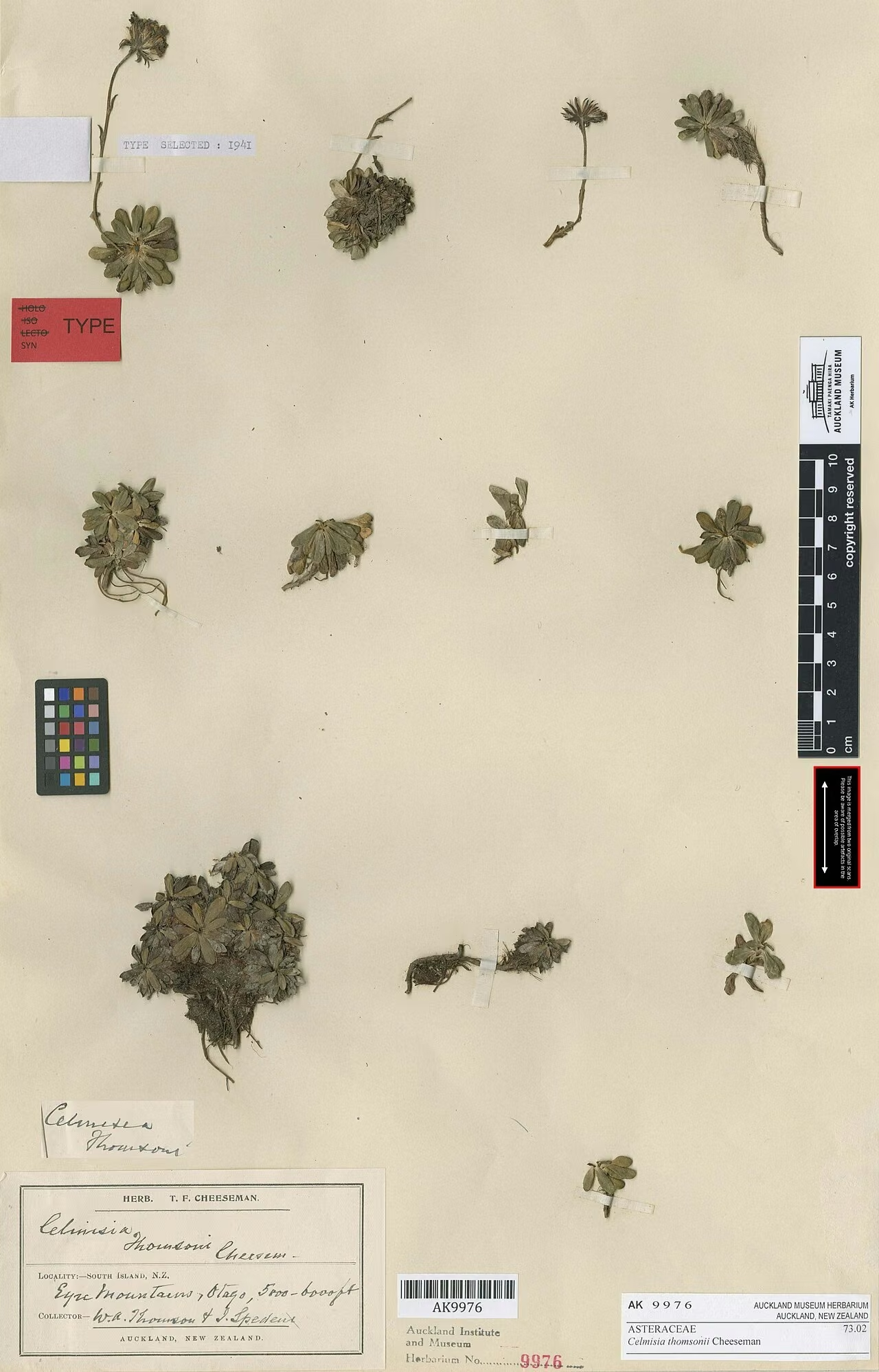
Thomson's Mountain Daisy
Celmisia thomsonii
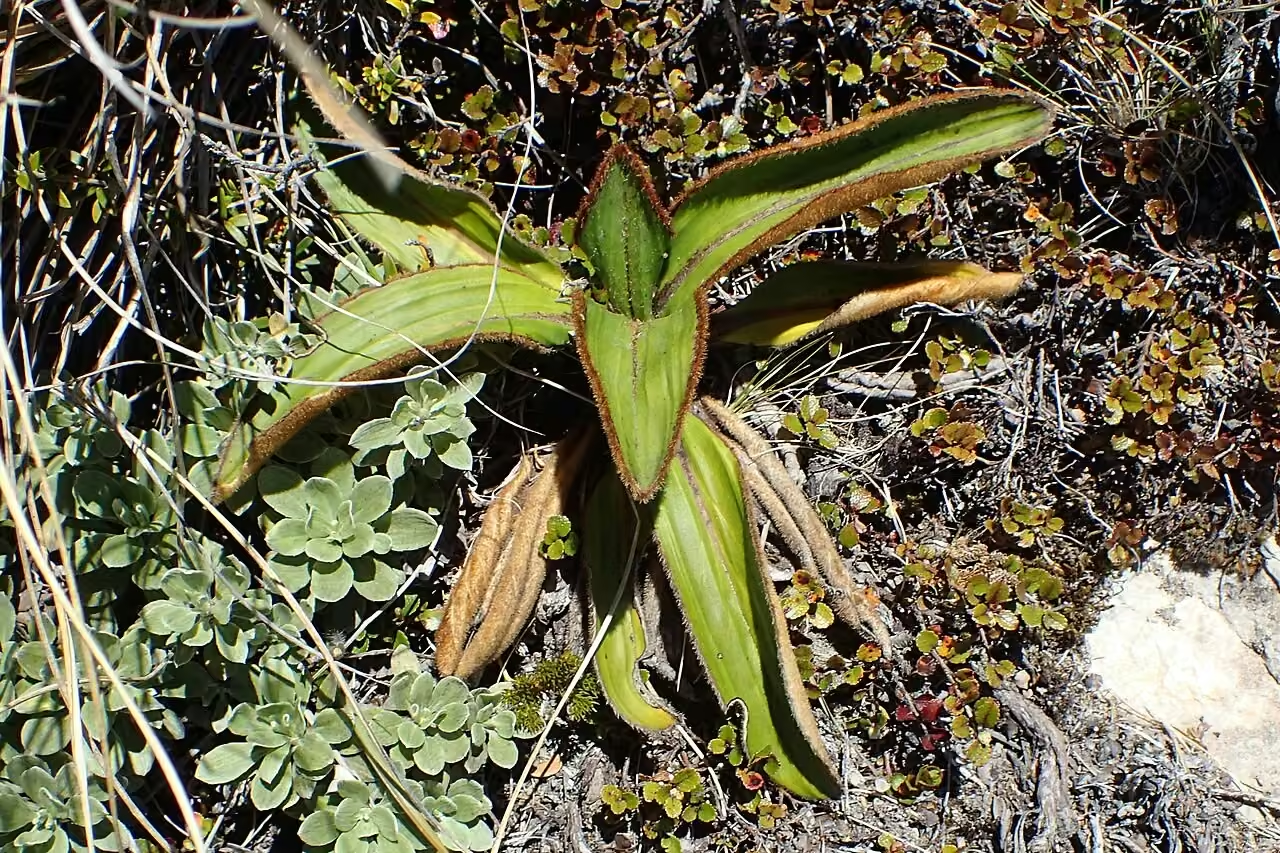
Celmisia traversii
Celmisia traversii
Large Burr Grass
Cenchrus caliculatus
Centrolepis strigosa
Centrolepis strigosa
Ceratocephala pungens
Ceratocephala pungens
Chaerophyllum ramosum
Chaerophyllum ramosum
Glaucous Goosefoot
Oxybasis ambigua
Plant Conservation
Centipeda aotearoana is ranked Not Threatened (2023), having earlier been listed as Naturally Uncommon. At the time it was described it was noted not to appear rare, and NZPCN regards it as a naturally sparse, opportunistic species.
Its ephemeral wetland and lake margin habitats are vulnerable to drainage, weed invasion and altered water levels. Protecting natural water level fluctuation and controlling weeds on margins helps it persist.
Frequently Asked Questions
What does New Zealand sneezewort look like?
It forms flat, circular patches 10 to 30 cm across of trailing stems with yellow-green leaves 4 to 8 mm long, each with one to three teeth, and small stalkless hemispherical flower heads.
How do you tell Centipeda aotearoana from other Centipeda species?
NZPCN separates it from C. elatinoides by its hemispherical fruiting heads and from C. cunninghamii by its prostrate habit and leaves under 10 mm long.
Where is Centipeda aotearoana found?
It occurs on the Three Kings Islands and the North and South Islands, on open damp ground such as lake, tarn and river margins, ephemeral wetlands and drains.
Is New Zealand sneezewort rare?
It is ranked Not Threatened (2023), although NZPCN considers it a naturally sparse, opportunistic species that appears where suitable bare damp ground is available.
Sources and Further Reading
The botanical, growing, and conservation details for New Zealand Sneezewort (Centipeda aotearoana) on this page draw on the New Zealand plant references below. Consult them for full technical records and the latest distribution data.