Mountain Daisy
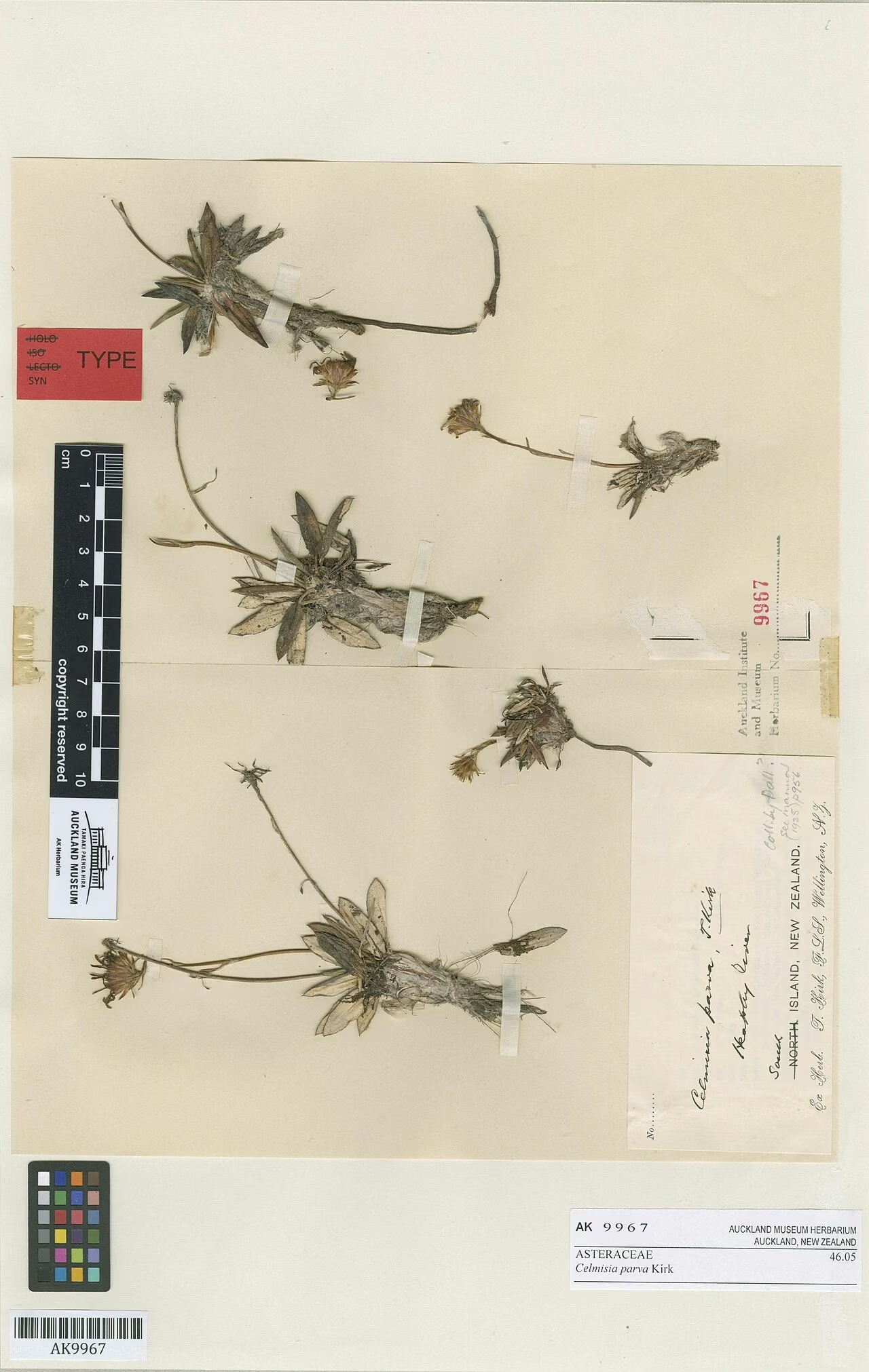
Celmisia parva
Last updated:
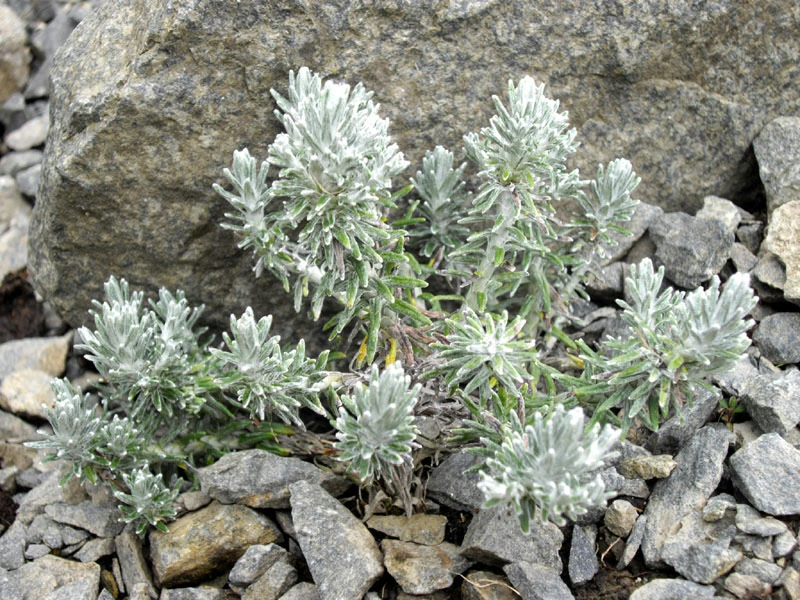
Celmisia parva is a small, ground-hugging mountain daisy endemic to the western South Island, from North-West Nelson south to about the Paparoa Range. It forms low patches of branching stems with rosettes of leaves only 10 to 30 mm long, green above and densely felted with soft, satiny white hairs beneath. From November to January it bears small white daisies 10 to 15 mm across. It grows from the lowlands to the subalpine zone on poorly drained ground in shrubland, pakihi, grassland, herbfield and around rock outcrops. It is ranked Not Threatened, though its population size and trend are poorly known. Explore more native ground covers in our native plant guide.
Plant Description
Celmisia parva is a small branching herb that hugs the ground in small patches, with its leaves spreading in rosettes at the tips of the branchlets. The leaf blades are about 10 to 30 mm long and 3 to 10 mm wide, linear- to oblong-lanceolate or narrow-oblong. The upper surface is hairless or nearly so with visible midrib and veins, and the underside is densely clad in appressed, soft to satiny white hairs.
The flower heads are small, about 10 to 15 mm across, with white ray florets up to 8 mm long. Flowering is from November to January and fruiting from January to April.
Celmisia bellidioides and C. thomsonii have a similar low growth habit, but their leaf undersides are hairless or only sparsely hairy, whereas C. parva has densely white-hairy undersides. Celmisia densiflora has much larger leaves, over 60 mm long, with more conspicuous teeth.
Quick Facts
| Scientific Name | Celmisia parva |
|---|---|
| Height | Ground-hugging; flower heads held just above the leaves |
| Spread | Small patches; spread not documented |
| Water Needs | Permanently moist; tolerates poorly drained ground |
| Light | Shade in cultivation; open sites in the wild |
| Frost Tolerance | High; ranges to the subalpine zone |
| Salt Tolerance | Not documented |
| Growth Rate | Slow |
| Lifespan | Perennial |
Climate Best Suited to
Suits the wet, mild to cool climate of the West Coast and North-West Nelson, from lowland pakihi to subalpine herbfield, with high rainfall throughout the year.
Regional Suitability
| City | Climate Suitability |
|---|---|
| Auckland | Low |
| Wellington | Low |
| Christchurch | Low |
| Dunedin | Medium |
Plant Habitat
Celmisia parva is endemic to the South Island, with a westerly distribution from North-West Nelson south to about the Paparoa Range.
It grows from the lowland to the subalpine zone on poorly drained ground in shrubland, pakihi, grassland and herbfield, and around rock outcrops. Its tolerance of low-lying pakihi as well as mountain herbfield gives it an unusually wide altitudinal range for a small Celmisia.
Growing Requirements
Soil Requirements
In the wild it grows on wet, infertile, acidic ground. NZPCN recommends a permanently moist, free-draining, acidic soil in cultivation.
- Acidic, low-fertility soil
- Constant moisture
- Gritty top layer to keep the small rosettes clean
Light Requirements
It is easily grown in a shaded site in gardens, where cooler conditions compensate for warmer air than in its native habitat.
- Light to moderate shade
- Avoid hot, dry exposures
Water Requirements
It will not tolerate drying out and dislikes humidity, so it needs reliably moist soil with fresh air around the leaves.
- Water often in dry spells
- Avoid crowding by taller plants that trap humid air
Planting and Establishing
Plant in a cool, shaded trough, peat bed or rock garden pocket with acidic, moist soil. Its small size means it is easily lost among bigger plants, so give it a spot near the front where it will not be overgrown.
It is not commercially available, so plants usually come from seed raised by alpine enthusiasts. Never collect plants from the wild.
Ecological Role
Celmisia parva is part of the low herb layer of West Coast pakihi, shrubland and herbfield, where infertile, waterlogged soils keep competing vegetation sparse. Its wind-dispersed achenes help it colonise open ground.
The insects that visit its small white flowers are not documented in the sources consulted.
Uses & Significance
Garden Uses
A miniature mountain daisy for troughs and specialist collections.
- Shaded alpine trough
- Peat or bog garden margin
- Collections of small New Zealand daisies
Ecological Value
It adds to the plant diversity of the West Coast's distinctive pakihi and upland vegetation.
- Endemic to the western South Island
- Occurs from lowland pakihi to subalpine herbfield
- Summer flowers for small insects
Landscaping Uses
Its tiny silvery-backed rosettes form a neat mat that suits close viewing in a trough or container.
Combine it with other small natives of wet, acidic ground, such as small sedges and mosses, to evoke a pakihi or herbfield scene.
Seasonal Care Calendar
Spring
New rosettes expand as temperatures rise.
- Keep soil moist
- Protect from slugs
Summer
Small white daisies appear from November to January.
- Shade during hot weather
- Water regularly
Autumn
Seed ripens from January to April.
- Collect and sow seed
- Remove spent stems
Winter
The patches stay evergreen and tolerate frost.
- Keep drainage clear
- Remove fallen leaves that smother the mat
When to Prune and How Much
No pruning is required for this small plant.
Snip off old flower stems and gently remove any dead rosettes to keep the patch healthy.
How to Grow Mountain Daisy
NZPCN describes Celmisia parva as easily grown and best propagated from fresh seed, stratified in a fridge or freezer for 1 to 3 months. Seed ripens from January to April. The seed of Celmisia generally loses viability quickly, so sow it promptly after the cold treatment. Because the plant branches and forms small patches with rosettes at the branch tips, rooted pieces can also be separated, a common technique with small patch-forming daisies, though not specifically described for this species in the sources consulted. Use an acidic, gritty, moisture-retentive mix and raise young plants in a cool, shaded and airy place, never letting them dry out. Because the plant is so small, sow seed thinly in a shallow pan and prick out seedlings early, before their roots tangle. Grow them on in small pots until each forms a firm rosette.
From Seed
Gather ripe heads when the pappus fluffs open. Stratification helps break dormancy.
- Collect seed from January to April
- Place seed in a sealed bag in the fridge or freezer for 1 to 3 months
- Sow on the surface of an acidic, gritty seed mix
- Keep the pot cool, shaded and moist
- Pot on seedlings when they form small rosettes
By Division
Rooted branchlets at the edge of a patch can be detached in cool, moist weather.
- Find rosettes that have rooted into the soil
- Cut them away with a little root attached
- Pot into moist, acidic, gritty mix and keep shaded
Pests & Diseases
No species-specific pests are recorded. Slugs and snails can quickly destroy such a small plant, so check regularly.
Humidity and stagnant air can lead to rot, so avoid crowding it.
Cultural Significance
No traditional Māori name or use specific to Celmisia parva is recorded in the sources consulted.
Thomas Kirk described the species in 1895. The genus name Celmisia refers to Kelmis, one of the Idaean Dactyls of Greek mythology.
Bonus Tip
Because it occurs naturally on waterlogged pakihi as well as in the mountains, Celmisia parva is worth trying on the damp, shaded margin of a bog garden, where many other Celmisia would rot. Keep competing plants trimmed back so it stays in the light.
Related Plants
Explore other native plants that share similar characteristics or habitats with Mountain Daisy (Celmisia parva), offering further insights into New Zealand's diverse flora. These related species provide context and opportunities for complementary planting in your garden.
Celmisia dubia
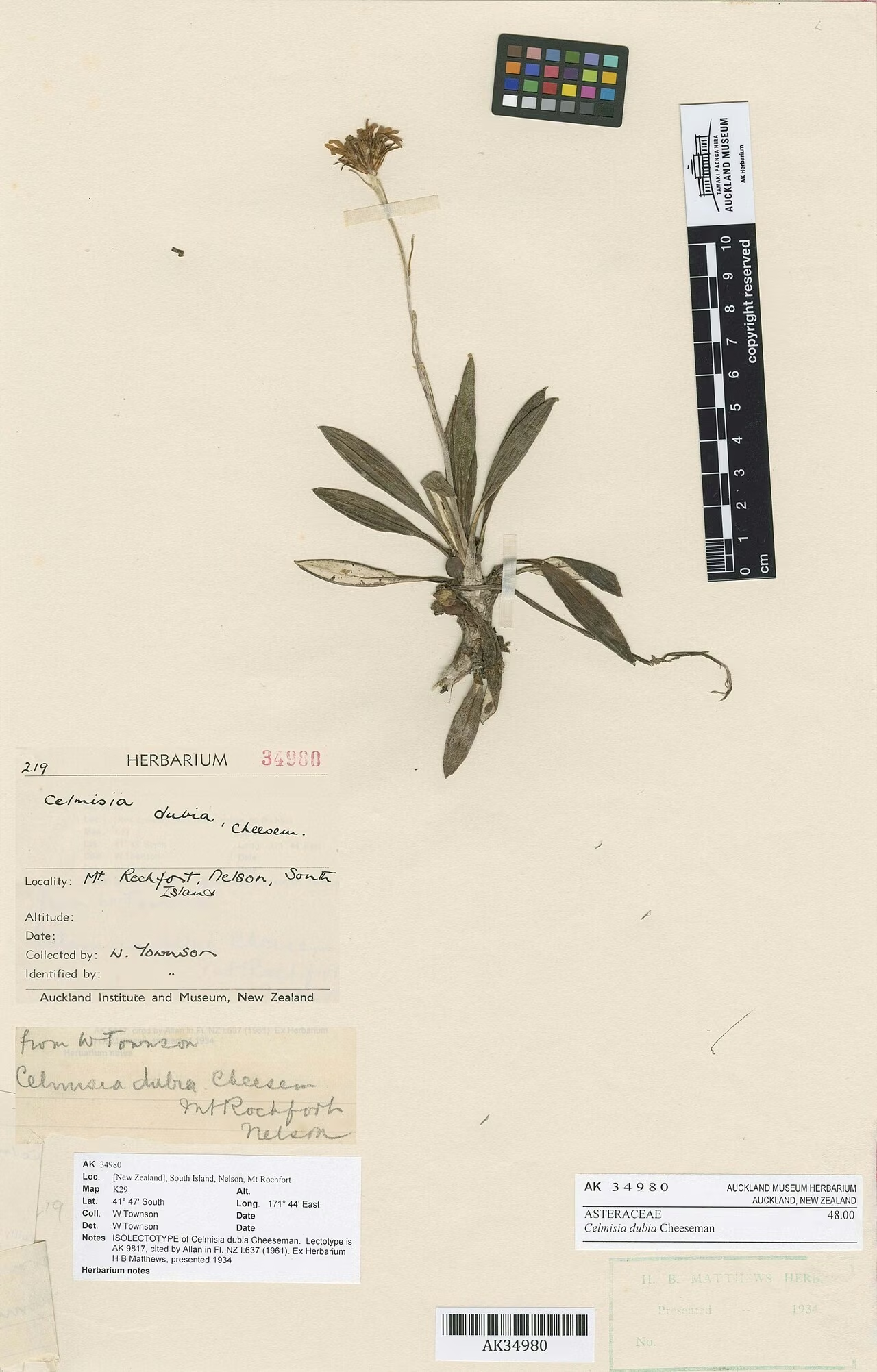
Celmisia dubia
Gibbs's Mountain Daisy
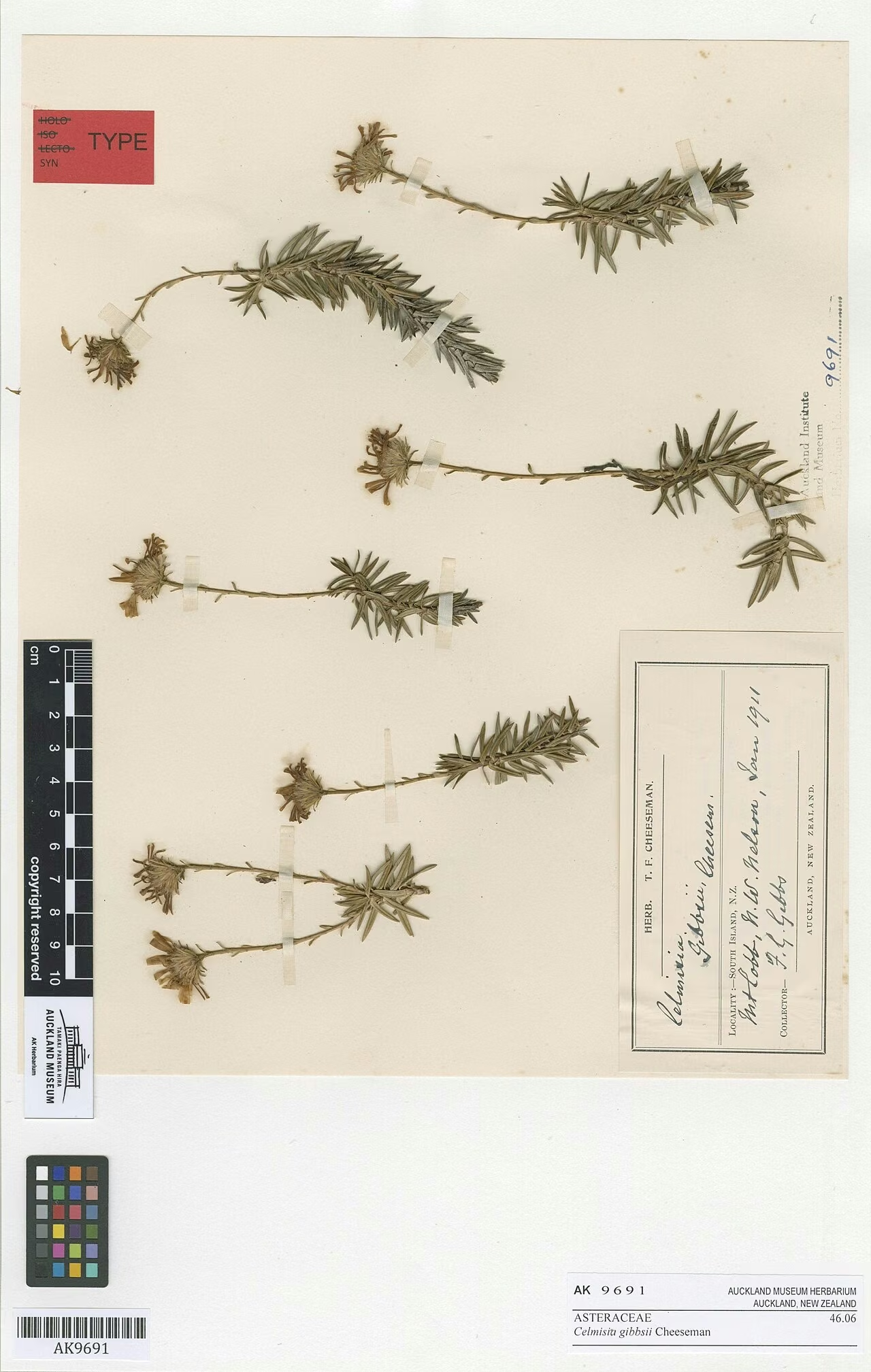
Celmisia gibbsii
Celmisia graminifolia
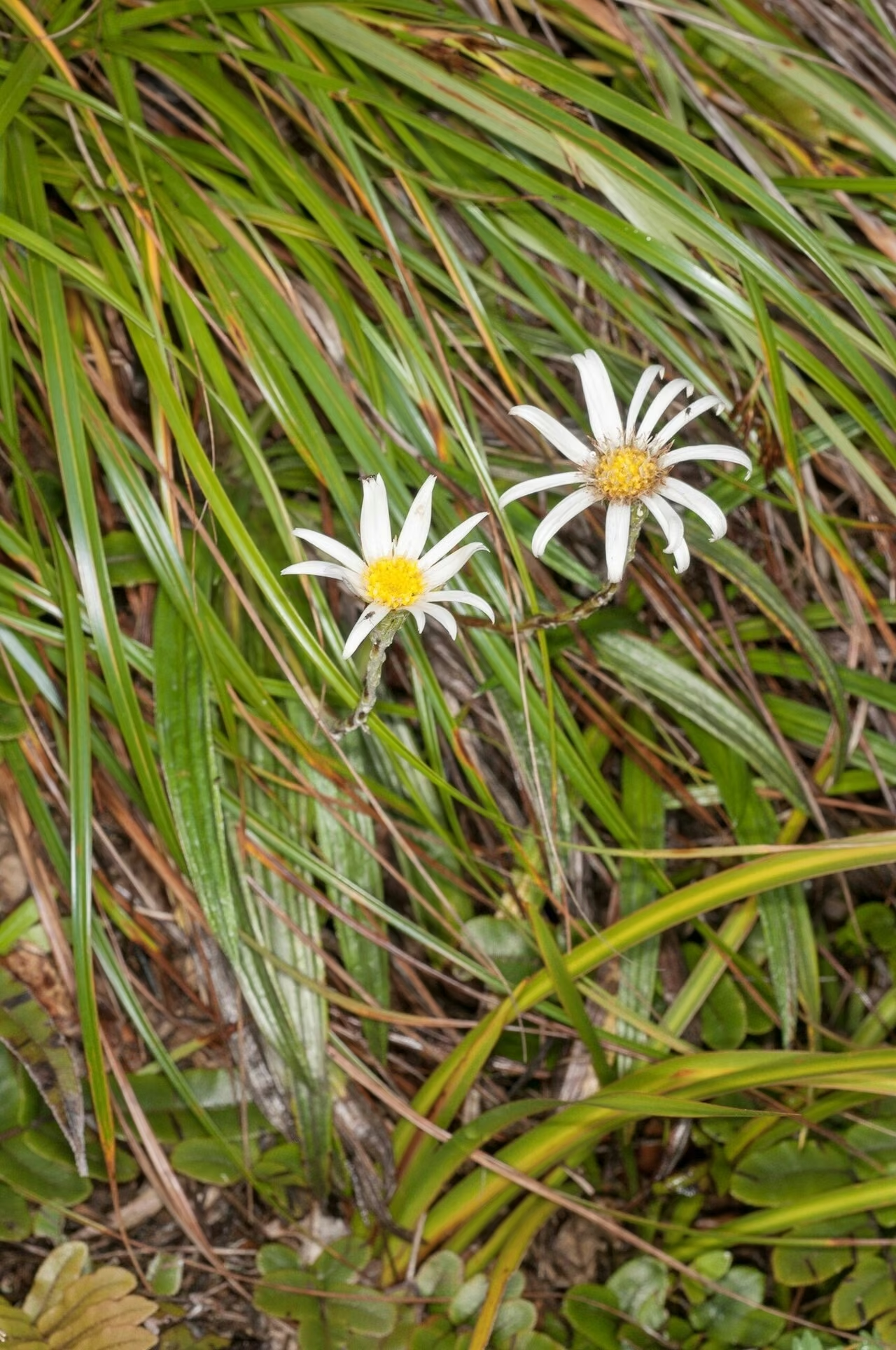
Celmisia graminifolia
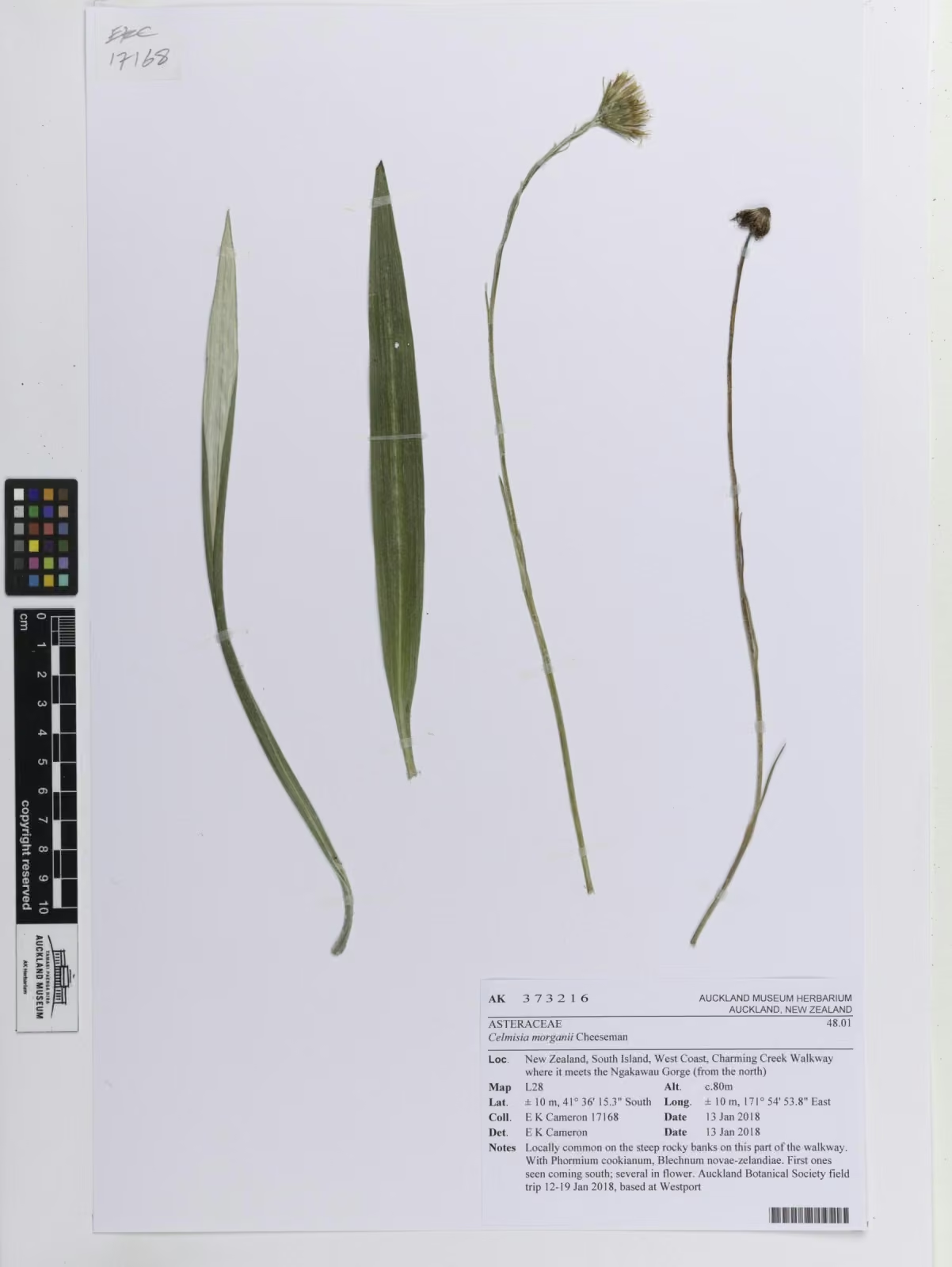
Ngakawau Gorge Daisy
Celmisia morganii
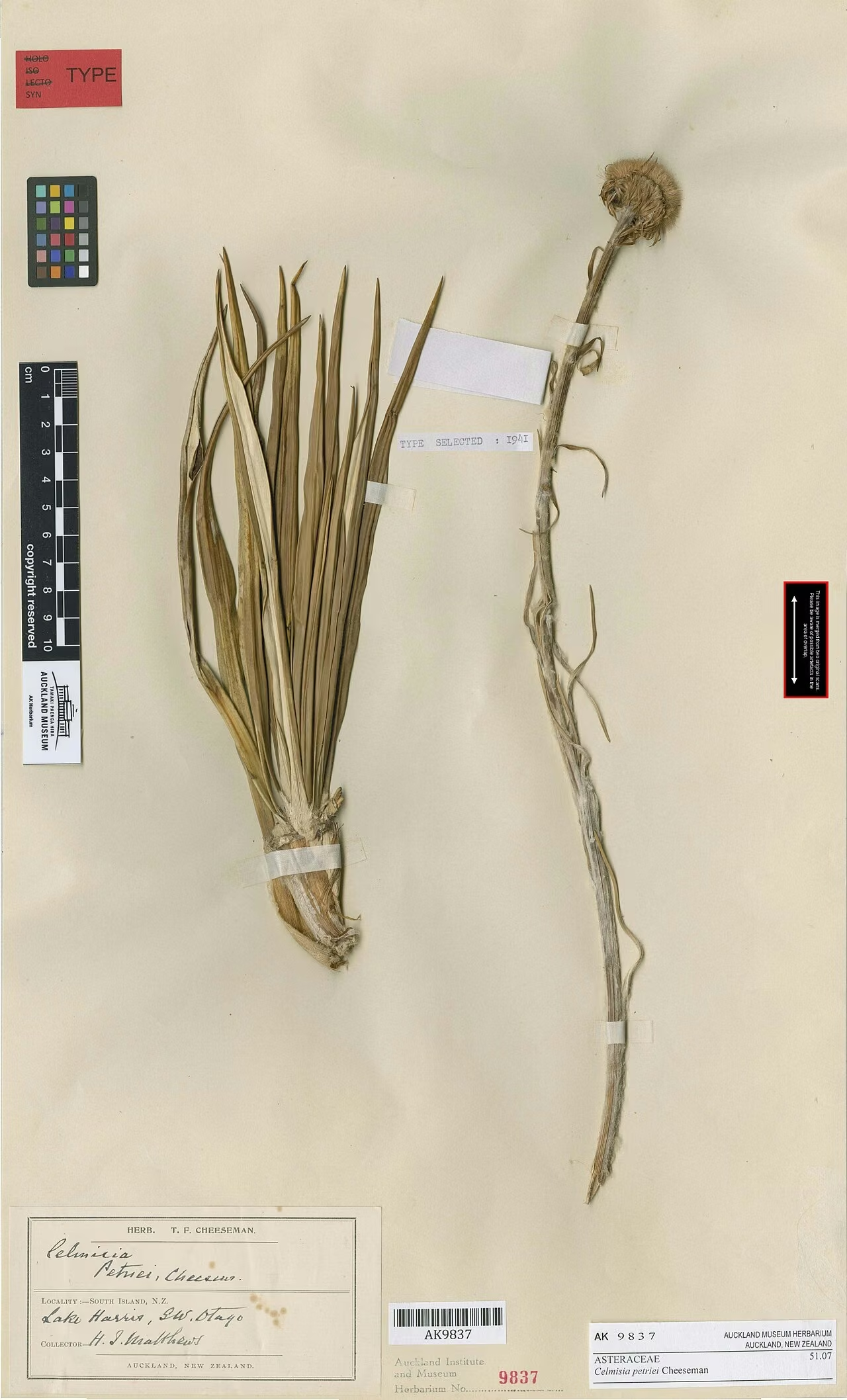
Petrie's Mountain Daisy
Celmisia petriei
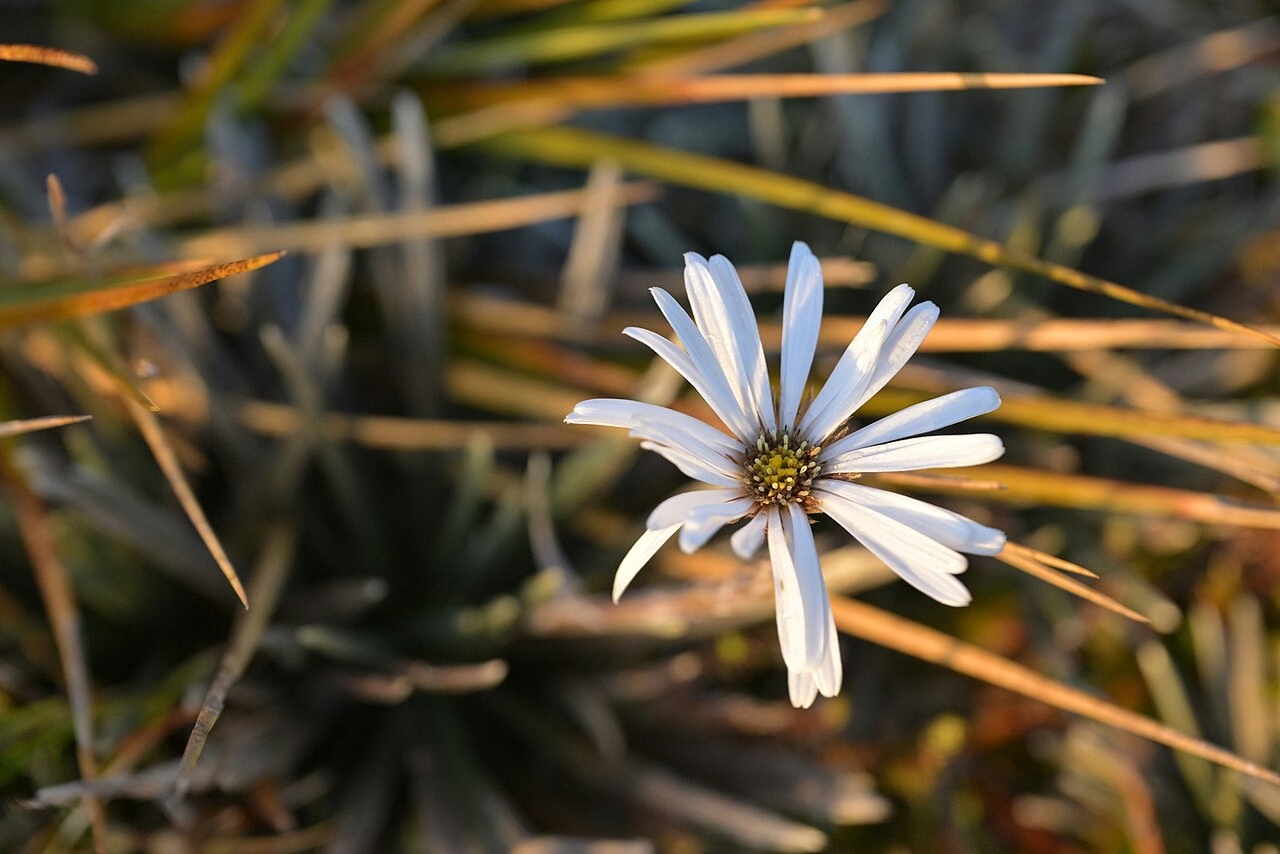
Tin Range Mountain Daisy
Celmisia polyvena
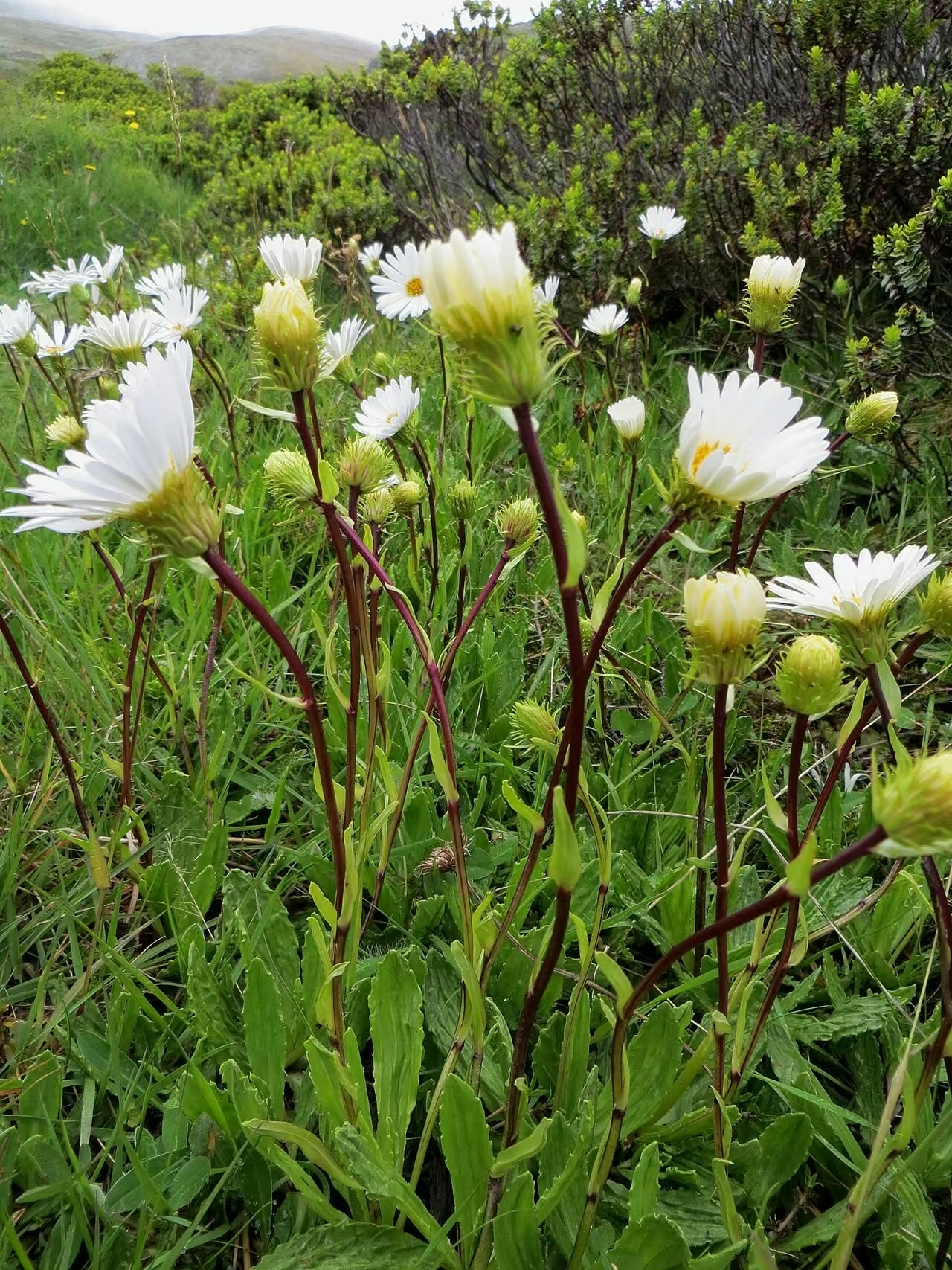
Celmisia prorepens
Celmisia prorepens
Celmisia ramulosa var. ramulosa
Celmisia ramulosa var. ramulosa
Plant Conservation
Celmisia parva is ranked Not Threatened (2023) with the qualifiers DPS (data poor, size) and DPT (data poor, trend), meaning more information on its population is needed.
Pakihi and lowland wetlands on the West Coast have been reduced by drainage and development, so protecting remaining pakihi helps lowland populations. Wild plants should not be collected.
Frequently Asked Questions
What does parva mean in Celmisia parva?
Parva is Latin for small, which fits this tiny mountain daisy with leaves only 10 to 30 mm long and flower heads 10 to 15 mm across.
How do you tell Celmisia parva from Celmisia bellidioides?
Both form low patches, but Celmisia parva has leaf undersides densely covered in white hairs, while C. bellidioides and C. thomsonii have hairless or sparsely hairy undersides.
What is pakihi and does Celmisia parva grow there?
Pakihi is the poorly drained, infertile open shrubland and wetland of the West Coast and Nelson, and NZPCN lists it among the habitats of Celmisia parva.
Sources and Further Reading
The botanical, growing, and conservation details for Mountain Daisy (Celmisia parva) on this page draw on the New Zealand plant references below. Consult them for full technical records and the latest distribution data.