Mountain Daisy
Celmisia ramulosa var. ramulosa
Last updated:
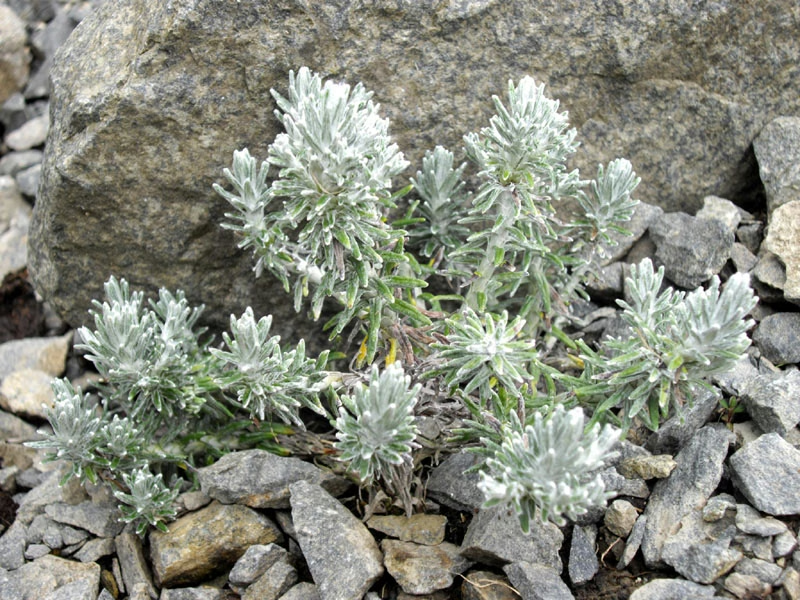
Celmisia ramulosa var. ramulosa is a small, much-branched woody mountain daisy from the upper montane and subalpine rocks and fellfield of Otago, Southland and Fiordland. Its stout, sprawling stems, up to about 20 cm long, are packed with tiny needle-like leaves only 5 to 10 mm long, green above and white-felted beneath. From November to February it carries white daisies 2 to 2.5 cm across on short, sticky-hairy stalks. The name ramulosa refers to its many branchlets. It is the typical variety of the species, separated from var. tuberculata by its smooth leaf margins, and is ranked Not Threatened. Explore more native ground covers in our native plant guide.
Plant Description
This is a small shrub or subshrub with rather stout, procumbent to ascending, branched woody stems up to about 20 cm long. The leaves are densely arranged along the branchlets, linear-oblong to awl-shaped, about 5 to 10 mm long and 1.5 to 2 mm wide. They are pale green above and covered beneath with white tomentum, with strongly rolled-under margins and a blunt tip.
Flower heads 20 to 25 mm across sit on densely glandular-hairy stalks that hold them just above the foliage. They have narrow white ray florets and yellow tubular disc florets. The seeds are narrow, about 3 to 4 mm long, and carry fine white pappus hairs that let them blow away on the wind.
Several small woody Celmisia look similar, including C. brevifolia, C. gibbsii, C. rupestris, C. lateralis and C. walkeri; NZPCN separates C. ramulosa by its scape length and leaf dimensions. Within the species, var. ramulosa has smooth, entire leaf margins, whereas var. tuberculata has margins roughened with hair-tipped papillae.
Quick Facts
| Scientific Name | Celmisia ramulosa var. ramulosa |
|---|---|
| Height | Low, under about 0.1 m |
| Spread | Woody stems up to about 20 cm long |
| Water Needs | Moist but sharply drained |
| Light | Full sun |
| Frost Tolerance | High; subalpine species |
| Salt Tolerance | No information available |
| Growth Rate | Slow |
| Lifespan | Long-lived perennial |
Climate Best Suited to
Suits cold, wet to moderately dry mountain climates of the southern South Island, with snow and hard frosts in winter and cool summers. It does poorly in warm or humid lowland gardens.
Regional Suitability
| City | Climate Suitability |
|---|---|
| Auckland | Low |
| Wellington | Low |
| Christchurch | Low |
| Dunedin | Medium |
Plant Habitat
Var. ramulosa is endemic to the South Island, occurring in Otago, Southland and Fiordland. The type of the species was collected in 1865 from the mountains around Dusky Bay (Dusky Sound) in Fiordland at about 3,500 ft.
It grows in upper montane to subalpine rocky places and fellfield, where its compact woody stems spread over and between rocks in thin, stony soil.
Growing Requirements
Soil Requirements
In the wild it roots into thin, stony soils and rock crevices.
- Very free-draining, gritty mix
- Low fertility; no fertiliser
- Stone chip mulch around the stems
Light Requirements
As a plant of open rock and fellfield it receives full light.
- Full sun in cool climates
- Some afternoon shade where summers are hot
Water Requirements
Its habitat is often wet with rain, mist and snowmelt, but water drains away quickly through the rock.
- Keep the root zone moist in summer
- Never let water sit around the stems
Planting and Establishing
It is not a general garden plant. NZPCN describes it as difficult and says it should not be removed from the wild, so cultivation is for experienced alpine growers only.
If plants are available from a legitimate source, grow them in a scree bed, crevice garden or alpine trough in a cool district, with rock around the stems to keep the roots cool.
Ecological Role
Its pappate cypselae, small seeds with a parachute of hairs, are dispersed by wind across rocky mountain terrain. The low woody stems help stabilise fine soil among rocks in fellfield.
The insects that pollinate this variety have not been recorded in the sources consulted.
Uses & Significance
Garden Uses
It is suited only to specialist alpine collections.
- Crevice gardens and troughs in southern districts
- Alpine house collections
- Botanic garden displays of southern alpine flora
Ecological Value
It is a typical small woody daisy of rock and fellfield communities in the southern mountains.
- Endemic to the South Island
- Part of the diverse Celmisia flora of Fiordland and Otago
- Wind-dispersed seed colonises bare rocky ground
Landscaping Uses
In a crevice garden the tight, grey-green stems and white daisies look natural spilling over a rock edge, at eye level where the tiny leaves can be appreciated.
Combine it with cushion plants and small tussocks that need the same sharp drainage.
Seasonal Care Calendar
Spring
New shoots develop at the tips of the branchlets.
- Refresh grit mulch
- Check for slug damage
Summer
Flowering runs from November to February.
- Water in dry weather
- Provide shade during hot spells
Autumn
Fruiting continues from January to May as the seeds ripen.
- Collect seed from cultivated plants
- Sow fresh
Winter
Growth stops in the cold, and wild plants may be buried by snow.
- Protect pots from prolonged winter wet
- No feeding
When to Prune and How Much
No pruning is needed. Remove spent flower stalks and any dead shoots by hand.
Avoid cutting back into old wood, which regrows slowly if at all.
How to Grow Mountain Daisy
NZPCN rates Celmisia ramulosa var. ramulosa as difficult to propagate and states that it should not be removed from the wild. No detailed published protocol was found, so the following methods are based on general practice for small woody Celmisia and should be treated as trials with an expectation of losses. Work only with plants already in cultivation or with material collected under permit for conservation, and keep everything cool, airy and freely drained, since high humidity and warmth cause most failures in this group.
From Seed
Seed ripens between January and May. Celmisia seed is best sown immediately, as it does not store well.
- Collect seed heads from cultivated plants as the white pappus fluffs out
- Sow on a gritty, low-fertility mix and cover lightly with fine grit
- Keep outdoors in a cool, shaded spot and do not let the mix dry
- Pot seedlings individually when they have a few true leaves
From Cuttings
Small woody Celmisia can sometimes be rooted from short side shoots taken from cultivated plants, though success is variable.
- Take 3 to 4 cm tip cuttings in late spring or early autumn
- Strip the lowest leaves and insert into pure pumice or sharp sand
- Keep cool, shaded and lightly moist with good air movement
- Pot on gently once roots have formed, using a gritty mix and keeping the young plant in a cool, bright, sheltered spot through its first summer
Pests & Diseases
No specific pests are recorded. Slugs and snails may attack the flower stalks and young shoots in cultivation.
Fungal rot is the most common cause of death in gardens, particularly in humid weather or where water collects around the woody stems.
Cultural Significance
No traditional Māori name or use is recorded for Celmisia ramulosa in the sources consulted.
The species was first collected in 1865 from the mountains of Dusky Bay, one of the early botanical collections from the Fiordland mountains.
Bonus Tip
If you have both varieties, check the leaf edges with a hand lens. Smooth, hairless margins mean var. ramulosa; tiny hair-tipped bumps along the margins mean var. tuberculata.
Related Plants
Explore other native plants that share similar characteristics or habitats with Mountain Daisy (Celmisia ramulosa var. ramulosa), offering further insights into New Zealand's diverse flora. These related species provide context and opportunities for complementary planting in your garden.
Celmisia parva
Celmisia parva
Petrie's Mountain Daisy
Celmisia petriei
Tin Range Mountain Daisy
Celmisia polyvena
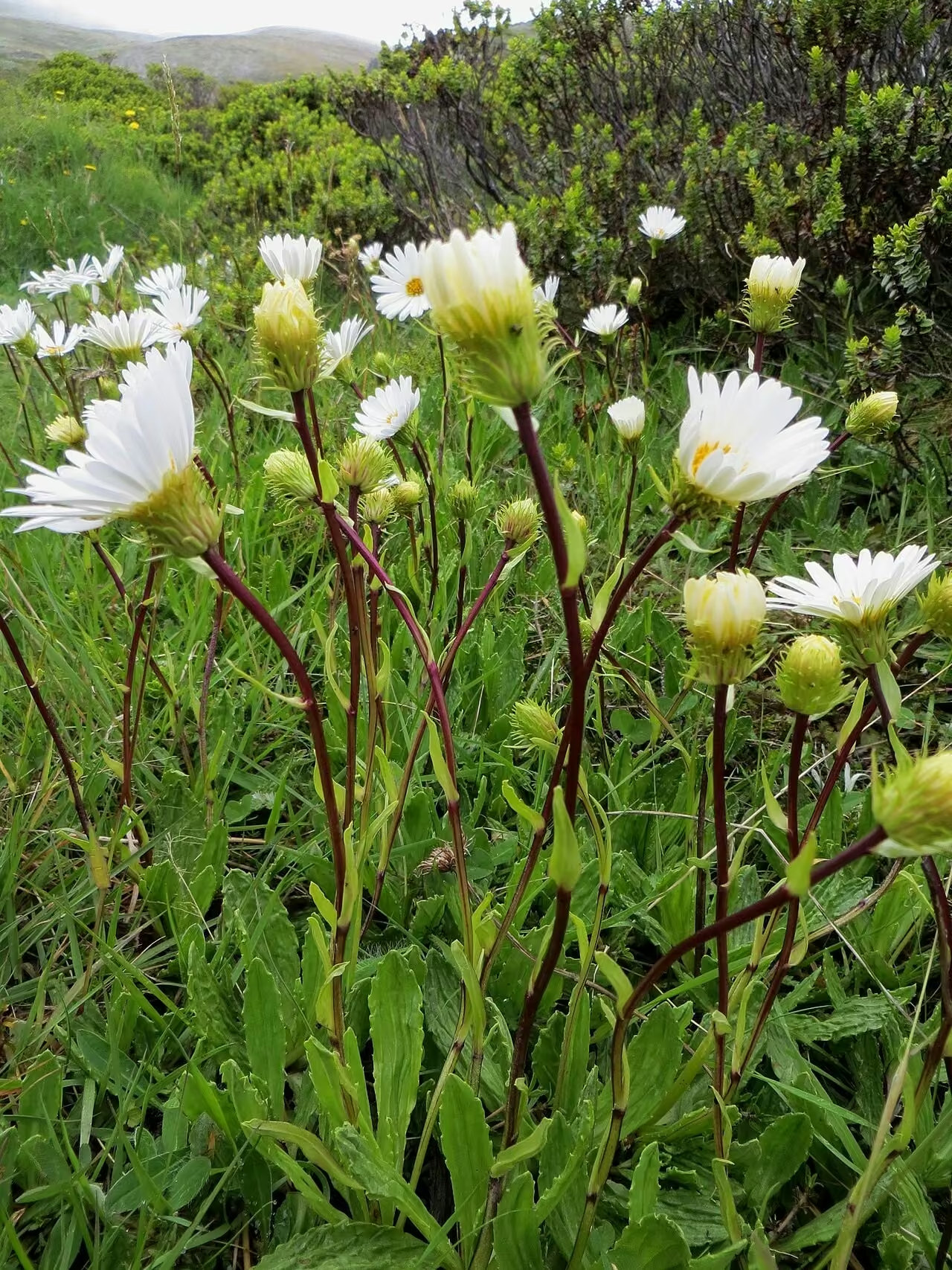
Celmisia prorepens
Celmisia prorepens
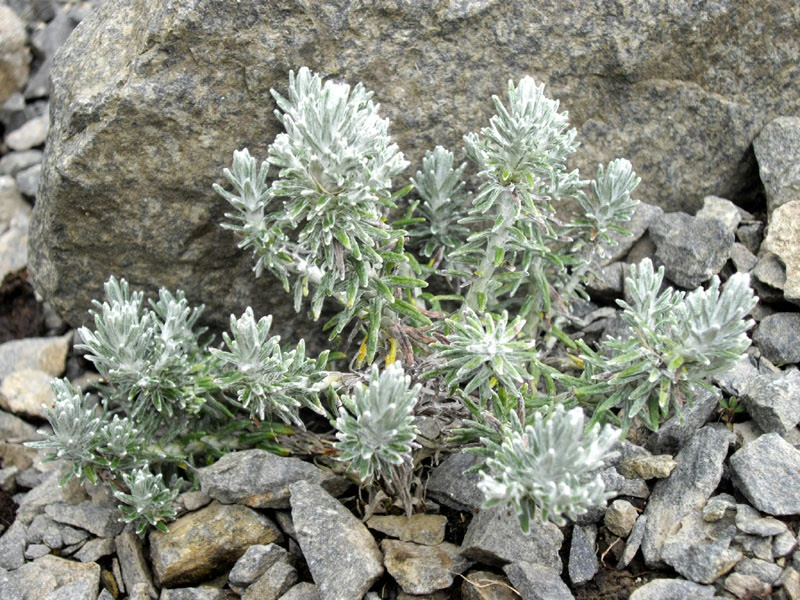
Celmisia ramulosa var. tuberculata
Celmisia ramulosa var. tuberculata
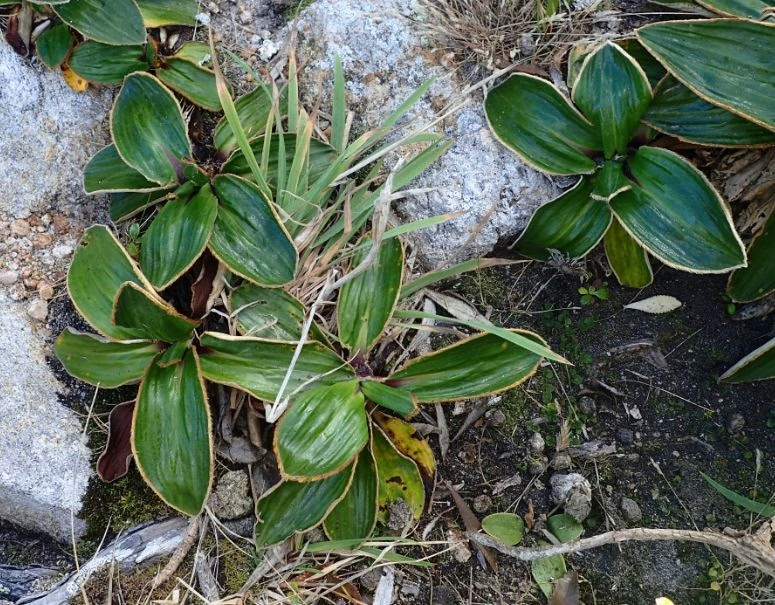
Celmisia rigida
Celmisia rigida
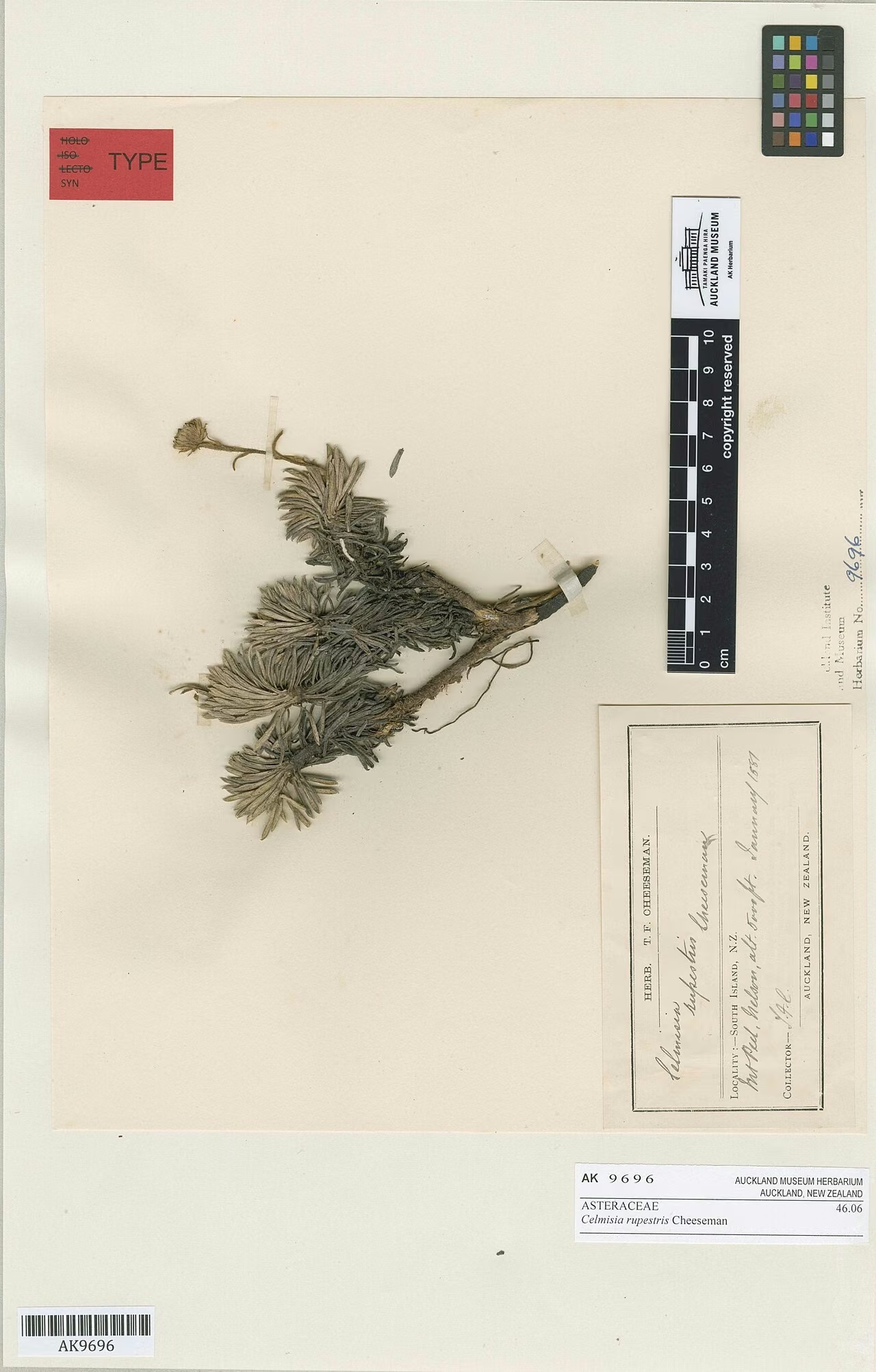
Celmisia rupestris
Celmisia rupestris
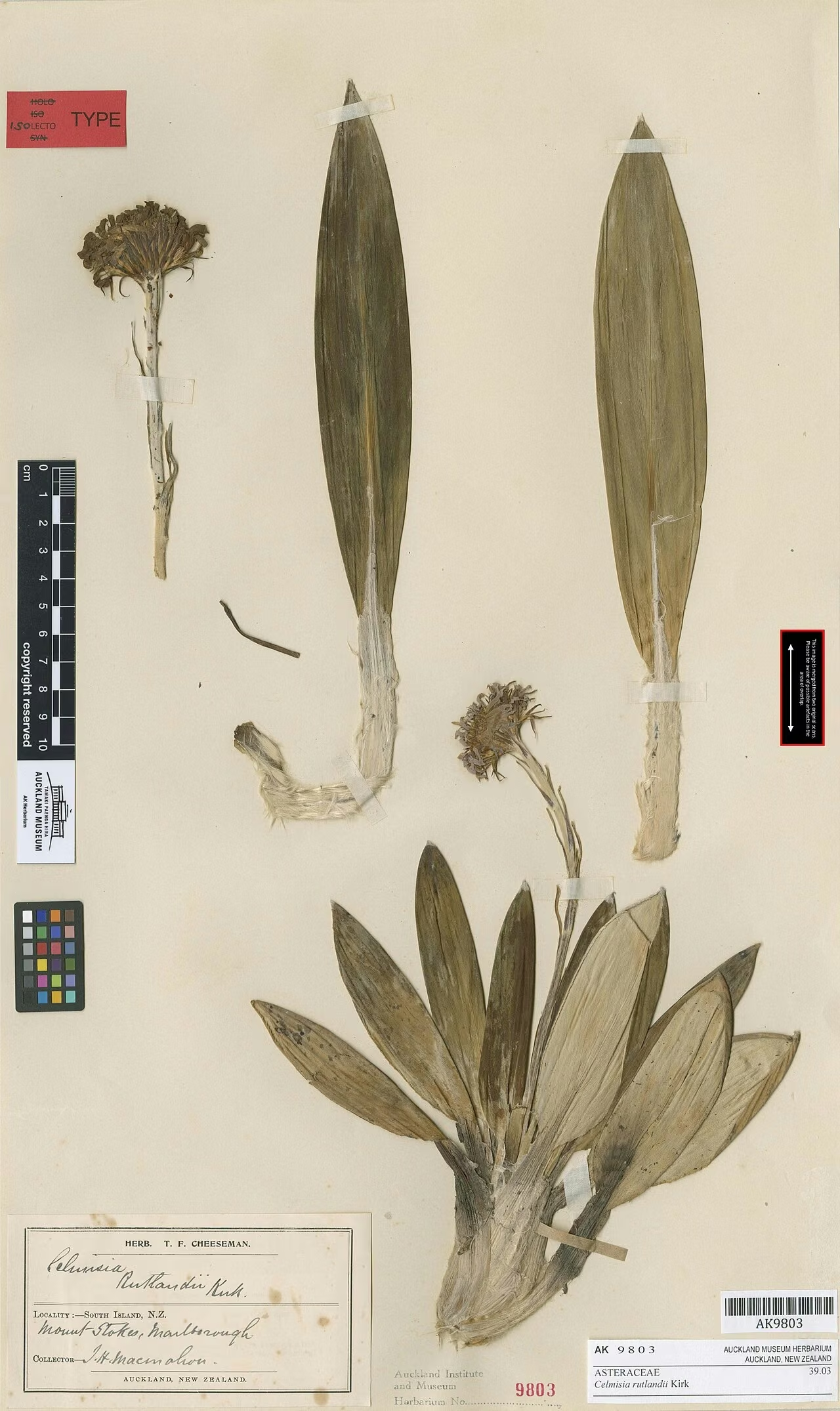
Celmisia rutlandii
Celmisia rutlandii
Plant Conservation
Celmisia ramulosa var. ramulosa has been ranked Not Threatened in every assessment from 2004 to 2023. Much of its range lies in Fiordland National Park and other protected mountain land.
Its rocky habitat is relatively secure. Visitors can help by staying on tracks in alpine areas and never collecting plants.
Frequently Asked Questions
How do you tell the two varieties of Celmisia ramulosa apart?
Var. ramulosa has leaf margins that are entire and hairless, while var. tuberculata of eastern Central Otago has margins that are distinctly papillate-hairy. The two otherwise share the same small woody habit.
Where does Celmisia ramulosa var. ramulosa grow?
It is endemic to the South Island in Otago, Southland and Fiordland, on upper montane to subalpine rocky places and fellfield. The species was first collected in the mountains around Dusky Sound.
Can Celmisia ramulosa be grown in a garden?
NZPCN describes it as difficult to propagate and says it should not be removed from the wild. It is best suited to specialist alpine growers using legitimately sourced plants.
Sources and Further Reading
The botanical, growing, and conservation details for Mountain Daisy (Celmisia ramulosa var. ramulosa) on this page draw on the New Zealand plant references below. Consult them for full technical records and the latest distribution data.