Mountain Daisy
Celmisia prorepens
Last updated:
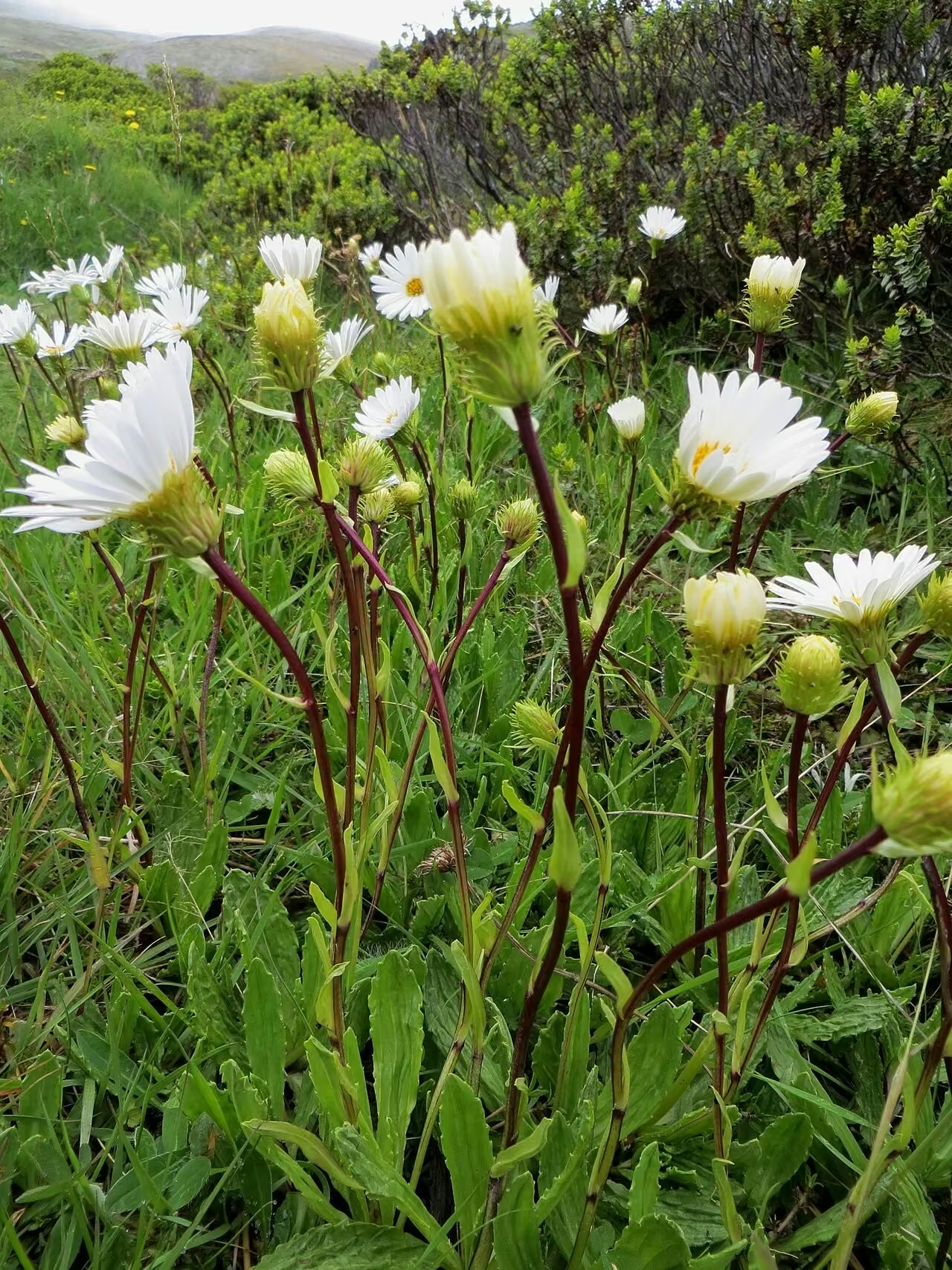
Celmisia prorepens is a creeping mountain daisy from the high block mountains of Otago, first collected on the Old Man Range. Its much-branched stock creeps over the ground and roots as it goes, building sticky patches up to about 1 m across with tight rosettes of wrinkled, coarsely toothed leaves at the branch tips. In early summer white daisies 2 to 4 cm across rise on stalks to about 20 cm. The name prorepens means creeping. It is Not Threatened nationally but is regarded as Regionally Naturally Uncommon in Otago, and it has no established common name. Explore more native ground covers in our native plant guide.
Plant Description
Celmisia prorepens is a herb with a stout, much-branched stock covered in the remains of old leaves. The branches creep along the ground and root at the nodes, and the living leaves form close rosettes at the tips of the branchlets. The whole plant is viscid (sticky), and a single plant can form a patch up to about 1 m in diameter.
The leaves are somewhat leathery, 35 to 50 mm long, elliptic to obovate, with strongly wrinkled surfaces and coarsely serrated margins. Flower stalks reach about 20 cm and carry heads 2 to 4 cm across, with white ray florets 15 to 20 mm long surrounding yellow disc florets about 7 mm long.
The combination of creeping branches that root as they go, sticky foliage, and short wrinkled leaves with coarsely toothed margins is the best way to recognise it among the many mountain daisies of the Otago ranges.
Quick Facts
| Scientific Name | Celmisia prorepens |
|---|---|
| Height | Leaf rosettes low to the ground; flower stalks to about 20 cm |
| Spread | Patches up to about 1 m across |
| Water Needs | Moist but free-draining |
| Light | Full sun to light shade |
| Frost Tolerance | High; grows on high Otago ranges |
| Salt Tolerance | No information available |
| Growth Rate | Slow |
| Lifespan | Long-lived perennial |
Climate Best Suited to
Suits the continental climate of the Central Otago mountains, with cold snowy winters, strong frosts and cool, often dry summers. It would struggle in warm, humid lowland climates.
Regional Suitability
| City | Climate Suitability |
|---|---|
| Auckland | Low |
| Wellington | Low |
| Christchurch | Low |
| Dunedin | Medium |
Plant Habitat
Celmisia prorepens is endemic to the South Island. The type specimen was collected on the Old Man Range in Otago at about 4,500 ft (around 1,370 m), and herbarium collections from that range include plants from peaty hummocks at about 1,615 m. iNaturalist observations come mainly from the Otago block mountains, including the Old Man, Rock and Pillar, Lammermoor and Lammerlaw ranges, with further records near the Nevis Valley and the mountains around Kingston.
Collection notes describe peaty and hummocky ground near the summits, and the plant is found among the alpine tussock grassland and herbfield that cover these broad, rounded ranges. Detailed habitat notes are not given in NZPCN or the Flora.
Growing Requirements
Soil Requirements
It roots into thin peaty and schist-derived soils on the tops of the Otago ranges.
- Peaty, acidic, low-fertility soil
- Moist but never stagnant
- Gritty schist or pumice added to garden mixes
Light Requirements
On the open tops of the ranges it grows in full light among low tussock and herbfield.
- Full sun in cool southern gardens
- Light afternoon shade in warmer districts
Water Requirements
The high Otago ranges are cool, with snowmelt and mist keeping the ground moist through much of the year.
- Water during dry spells so the root zone does not dry out
- Avoid wet foliage in warm, humid weather
Planting and Establishing
This species is very rarely offered in cultivation. A cool, open rock garden or large trough with peaty but gritty soil gives the creeping branches room to spread and root.
Plant in autumn or early spring in southern areas, firming the stock in so the branches lie in contact with the soil and can form roots. Do not dig plants from the wild.
Ecological Role
By creeping and rooting at the nodes, Celmisia prorepens forms low mats that cover peaty ground in the alpine tussocklands. Its seeds, like those of other Celmisia, carry a pappus of fine hairs and are spread by wind.
Specific pollinators have not been recorded for this species in the sources consulted. iNaturalist photographs with flowers fall between November and January.
Uses & Significance
Garden Uses
It is mainly of interest to alpine plant enthusiasts in cool southern districts.
- Ground-hugging feature in a cool rock garden
- Large alpine trough or raised bed
- Collections of Otago alpine flora
Ecological Value
It is one of a group of Celmisia that help make up the distinctive herbfield and tussockland flora of the Central Otago block mountains.
- Mat-forming cover on peaty alpine ground
- Endemic to the South Island
- Wind-dispersed seed
Landscaping Uses
Allow the patch to spread across a gently sloping bed between rocks, where the rosettes of wrinkled leaves and white daisies can be seen at close range.
Pair it with low Otago natives such as Raoulia mats and small tussocks that share its need for cool conditions and good drainage.
Seasonal Care Calendar
Spring
New leaves emerge on the rosettes as snow clears from the ranges.
- Top-dress around the patch with fine grit
- Watch for slugs on new growth
Summer
Flowering on the ranges peaks from November to January, based on iNaturalist records.
- Water during dry spells
- Remove spent flower stalks unless saving seed
Autumn
Seed ripens and blows away on its pappus of hairs late in the season.
- Collect fluffy seed heads as they open
- Sow fresh seed promptly
Winter
On the ranges the plants spend winter under snow, protected from the coldest air.
- Avoid waterlogging in garden beds
- No feeding needed
When to Prune and How Much
Pruning is not required. Remove dead rosettes or flower stalks by hand to keep the patch tidy and reduce the chance of rot.
Do not cut into the woody stock, as the leaf remains protect the creeping stems.
How to Grow Mountain Daisy
No published propagation protocol specific to Celmisia prorepens was found; NZPCN gives no propagation notes for it. Its creeping, rooting branches suggest that separating rooted pieces is the most reliable method, and fresh seed is the usual approach for Celmisia generally. The methods below are based on that growth habit and on general mountain daisy practice, so treat them as a starting point. Use only plants already in cultivation or material obtained with permission, since wild plants should not be dug or stripped of seed.
By Division of Rooted Branches
Because branches root at the nodes as they creep, a well-grown patch naturally produces pieces that can be detached with their own roots.
- In early spring, find a branch that has rooted into the soil at the edge of the patch
- Cut it from the parent behind the roots with a clean knife
- Pot into a mix of peat or bark and coarse grit
- Keep cool, lightly shaded and evenly moist until new leaves appear
- Plant out the following autumn in southern districts
From Seed
Celmisia seed is short-lived, so it should be sown as soon as it ripens in late summer or autumn. Germination rates in the genus are often low, so sow generously.
- Collect seed heads when the pappus fluffs out
- Sow on the surface of a gritty seed mix and barely cover
- Leave the tray outdoors in a cool, shaded place over winter
- Prick out seedlings carefully when large enough to handle
Pests & Diseases
No pests or diseases specific to Celmisia prorepens are recorded. Slugs and snails will eat the leaves and flower buds of mountain daisies in gardens.
Crown rot is the main risk in warm, humid conditions or heavy, poorly drained soil.
Cultural Significance
No traditional Māori name or use specific to Celmisia prorepens is recorded in the sources consulted.
The species was described by Donald Petrie, a Dunedin school inspector and botanist, from material collected on the Old Man Range, one of the Otago mountains he explored.
Bonus Tip
When planting, lay the creeping branches flat and pin them gently to the soil with small stones. Contact with moist soil encourages rooting at the nodes, which anchors the patch and gives you rooted pieces to divide later.
Related Plants
Explore other native plants that share similar characteristics or habitats with Mountain Daisy (Celmisia prorepens), offering further insights into New Zealand's diverse flora. These related species provide context and opportunities for complementary planting in your garden.
Ngakawau Gorge Daisy
Celmisia morganii
Celmisia parva
Celmisia parva
Petrie's Mountain Daisy
Celmisia petriei
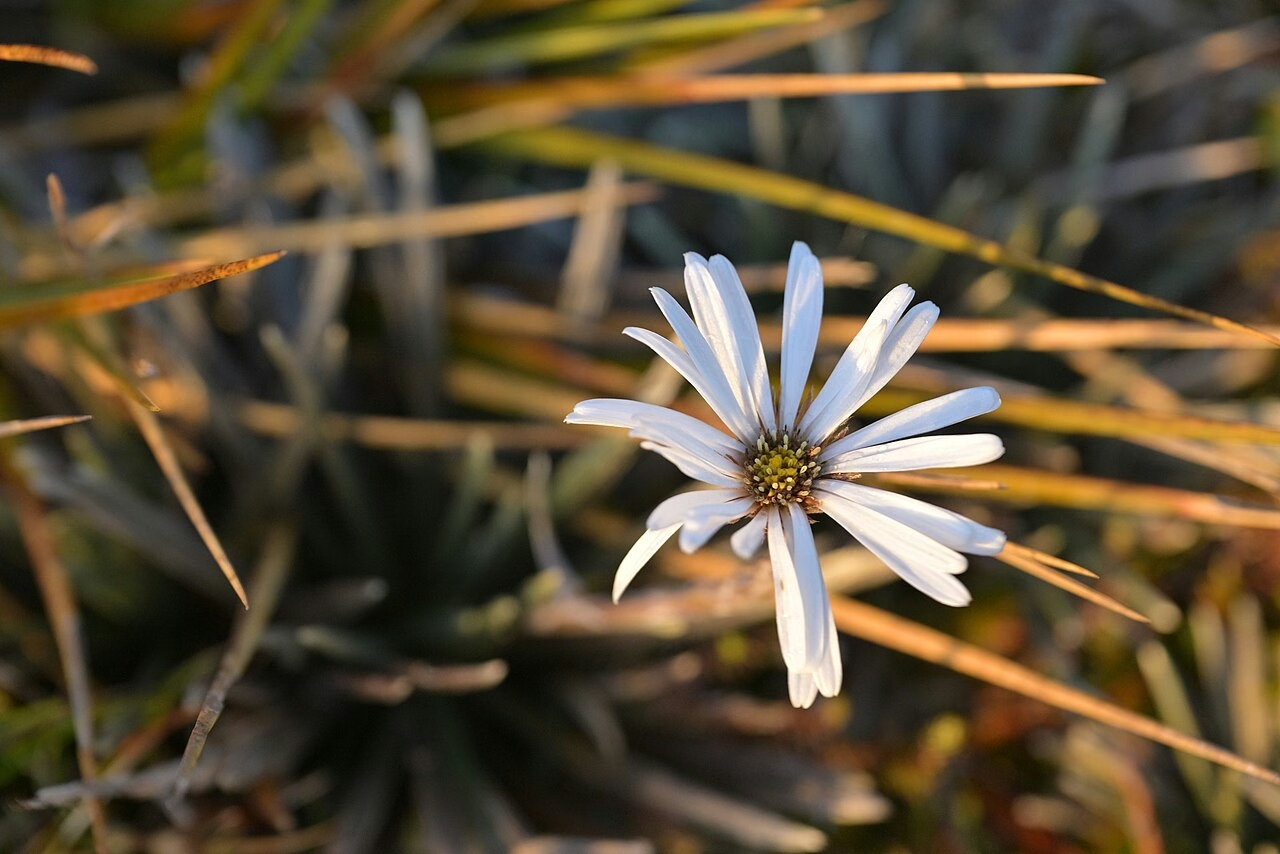
Tin Range Mountain Daisy
Celmisia polyvena
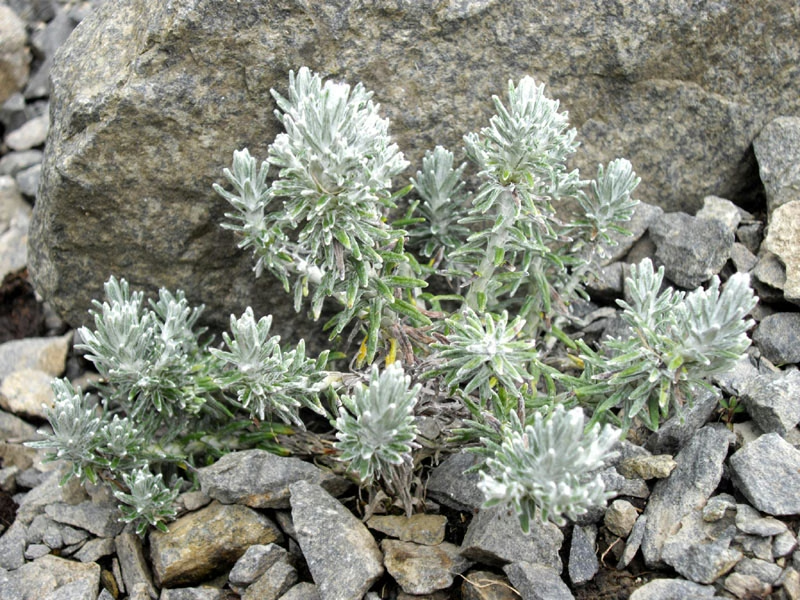
Celmisia ramulosa var. ramulosa
Celmisia ramulosa var. ramulosa
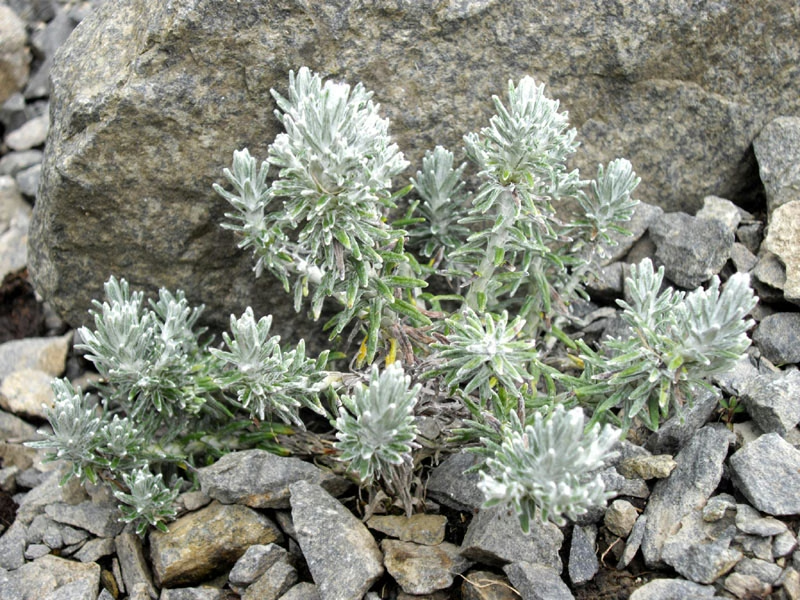
Celmisia ramulosa var. tuberculata
Celmisia ramulosa var. tuberculata
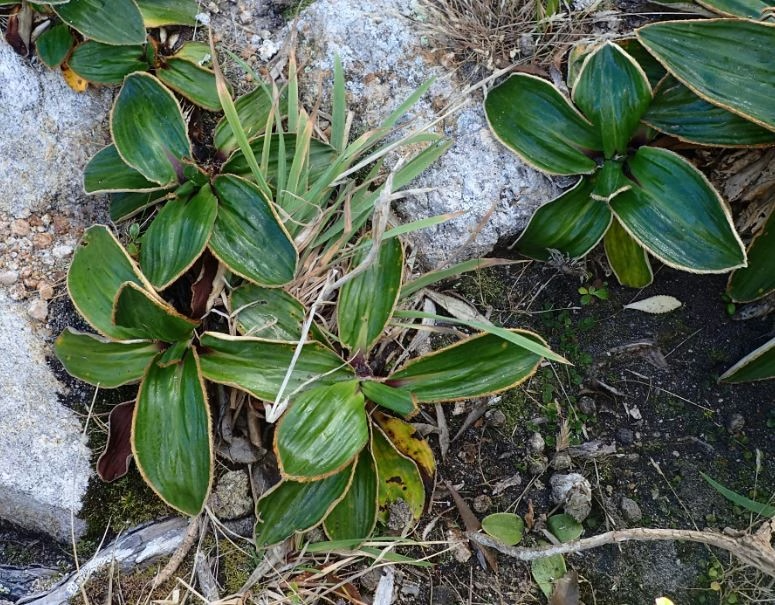
Celmisia rigida
Celmisia rigida
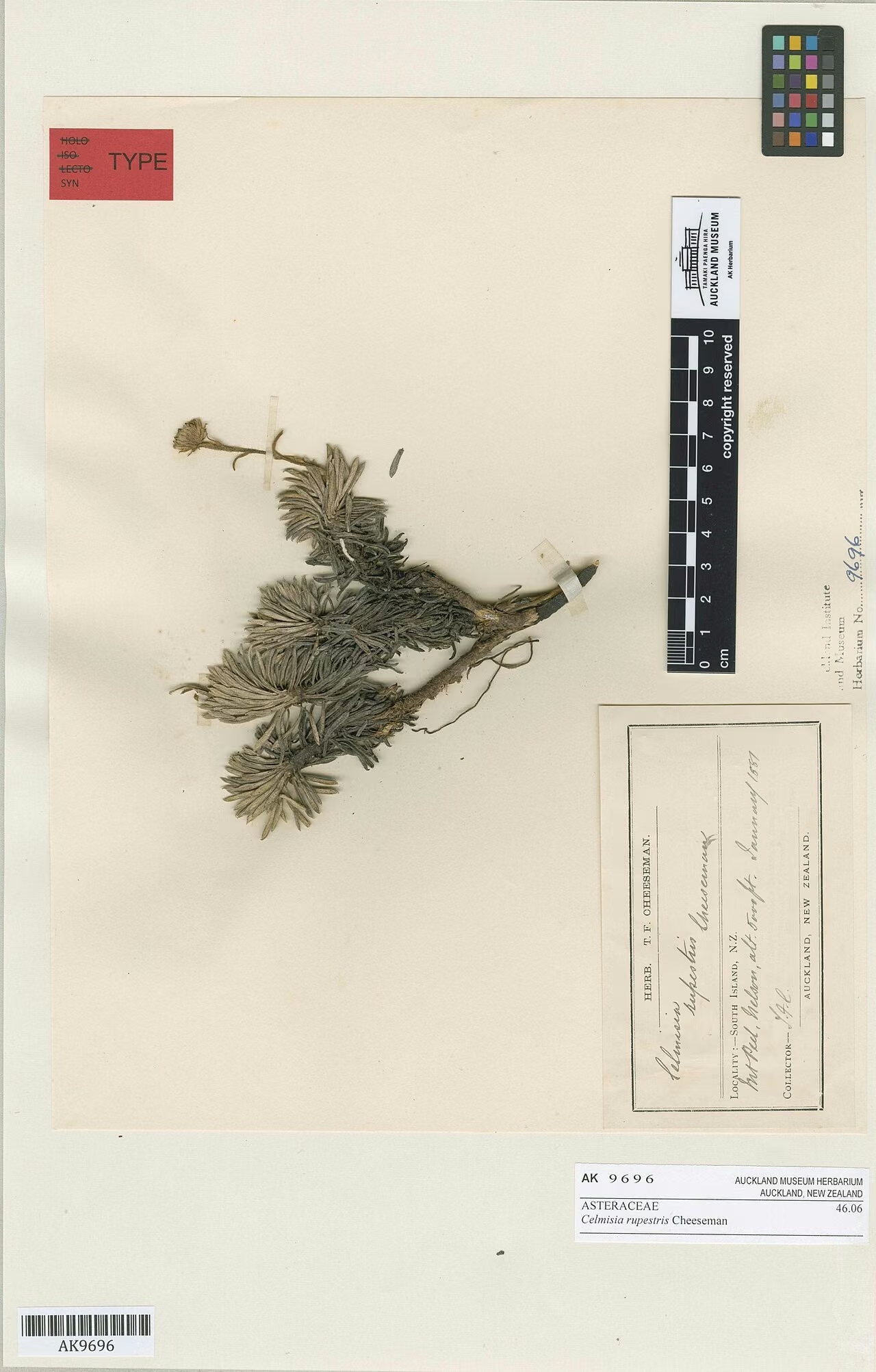
Celmisia rupestris
Celmisia rupestris
Plant Conservation
Celmisia prorepens is ranked Not Threatened nationally (2023). The Otago regional assessment (2025) lists it as Regionally At Risk - Regionally Naturally Uncommon, reflecting its confinement to high-altitude sites.
No specific threats to this species are documented. Parts of its range lie within protected areas such as Te Papanui Conservation Park on the Lammermoor Range, where iNaturalist records show it growing.
Frequently Asked Questions
What does prorepens mean in Celmisia prorepens?
The epithet means creeping and refers to the branches, which creep over the ground and root at their nodes to form patches up to about 1 m across.
Where can I see Celmisia prorepens in the wild?
Its type locality is the Old Man Range in Central Otago, and iNaturalist records also come from the Rock and Pillar, Lammermoor and Lammerlaw ranges and nearby Otago mountains.
Why are Celmisia prorepens leaves sticky?
The Flora of New Zealand describes the whole plant as viscid, meaning sticky. The leaves are also strongly wrinkled and coarsely serrated, which helps separate it from many other mountain daisies.
Sources and Further Reading
The botanical, growing, and conservation details for Mountain Daisy (Celmisia prorepens) on this page draw on the New Zealand plant references below. Consult them for full technical records and the latest distribution data.