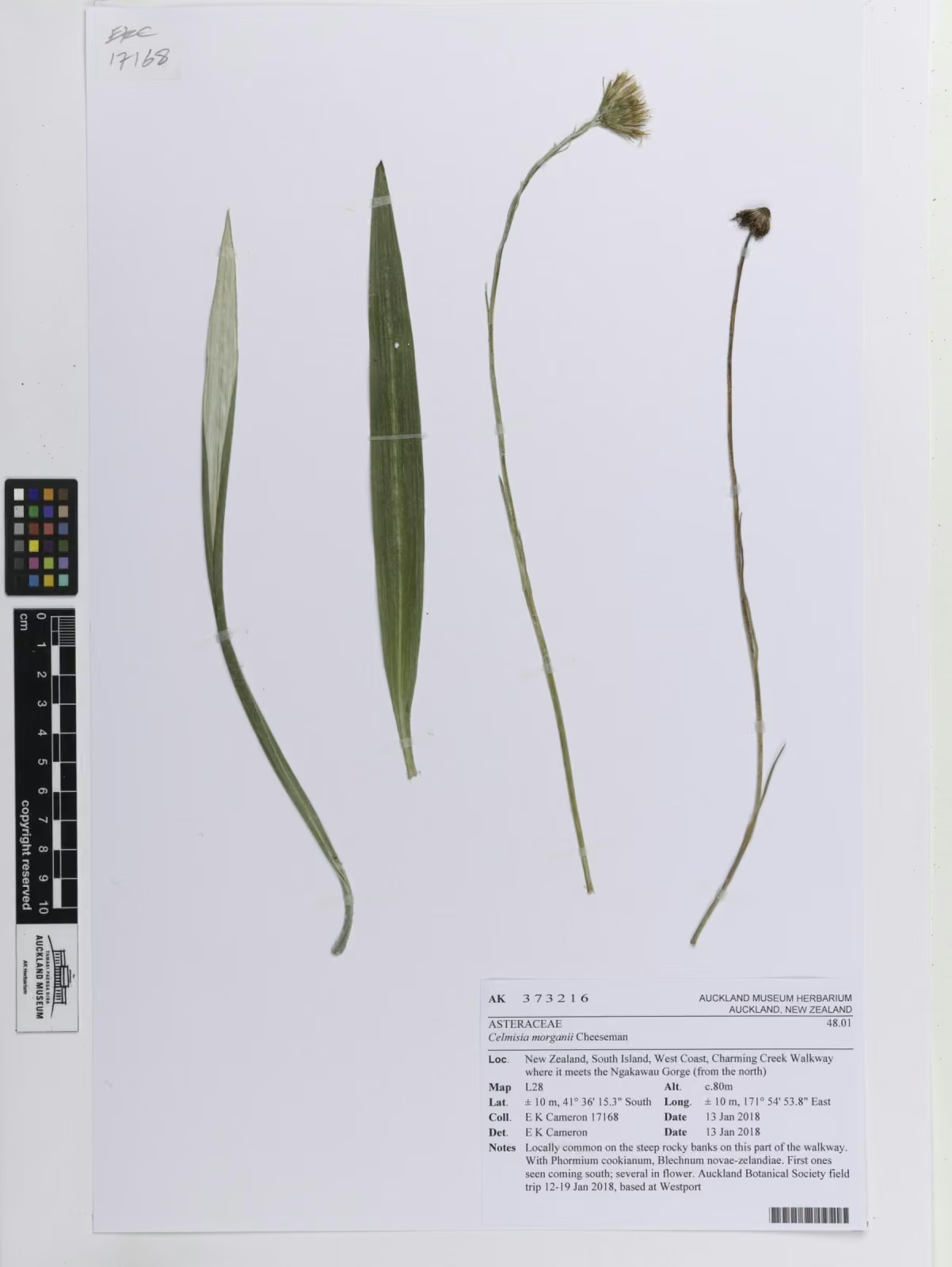
Ngakawau Gorge Daisy
Celmisia morganii
Last updated:
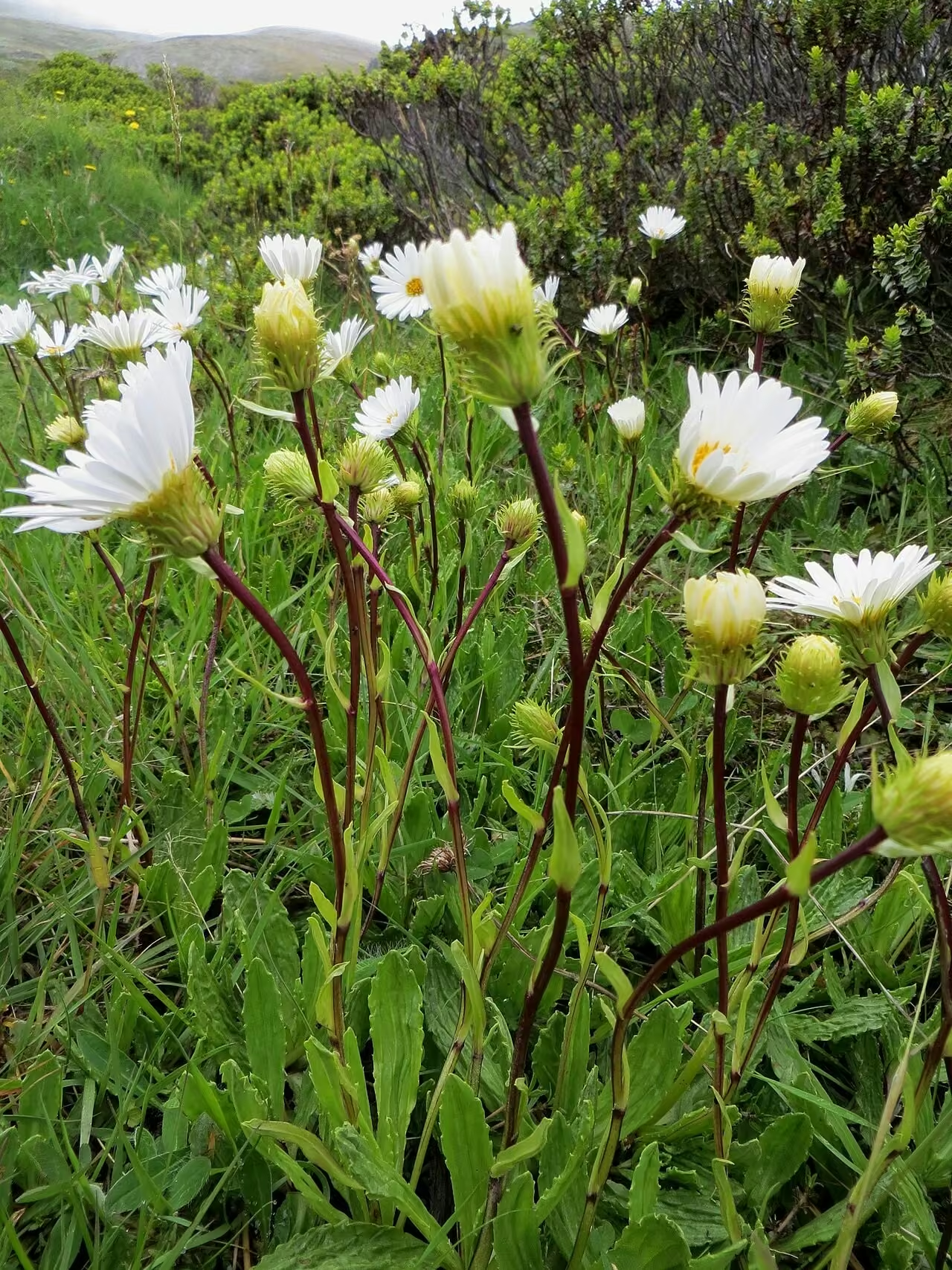
Ngakawau Gorge daisy (Celmisia morganii) is a lowland to montane daisy endemic to the Ngakawau district north of Westport, recorded from the Ngakawau River gorge, Haggard Creek and the Blackwater River. It forms irregular patches of rosettes with floppy leaves 15 to 35 cm long, dark green above and felted beneath with a purple midrib, and carries white daisies on stems up to 30 cm tall. Unusually for a Celmisia, it grows near rivers, in damp seepages, wet rock talus and on shaded, wet cliff faces in river gorges. It is ranked At Risk - Naturally Uncommon because of its very small range. Explore more native flowering plants in our native plant guide.
Plant Description
Celmisia morganii is a woody-based herb whose branchlets arise from a multi-headed stock, forming irregular patches of numerous rosettes. Its leaves are lanceolate to oblong, 150 to 350 mm long and 18 to 30 mm wide, with a dark green upper surface and a densely felted underside on which the midrib is purple.
The flowering stem reaches about 300 mm and carries a single head with roughly 40 white ray florets and 50 yellow disc florets. The achenes are 3 to 4.5 mm long, spindle-shaped and grooved. Flowering is recorded from September to July and fruiting from October to August.
It is most readily confused with Celmisia monroi. It differs in its floppy rather than erect growth habit, and in leaves that are hairless above or carry a scurfy, greenish pellicle rather than a leaden one. It is also allied to Celmisia dubia, which grows on the nearby coal plateaux.
Quick Facts
| Scientific Name | Celmisia morganii |
|---|---|
| Height | Flowering stems up to 0.3 m; leaves 0.15-0.35 m long |
| Spread | Irregular patches of rosettes; spread not documented |
| Water Needs | Permanently moist; naturally in wet seepages |
| Light | Shade |
| Frost Tolerance | Not documented; a lowland to montane species |
| Salt Tolerance | Not documented |
| Growth Rate | Not documented |
| Lifespan | Long-lived perennial |
Climate Best Suited to
Suits the mild, very wet and humid climate of the Buller coast gorges, where rainfall is high and conditions stay damp year-round.
Regional Suitability
| City | Climate Suitability |
|---|---|
| Auckland | Low |
| Wellington | Medium |
| Christchurch | Low |
| Dunedin | Medium |
Plant Habitat
Celmisia morganii is endemic to the South Island and known only from the vicinity of Ngakawau on the Buller coast of the West Coast region. Recorded sites include the Ngakawau River gorge, Haggard Creek and the Blackwater River.
It ranges from the lowland to the montane zone. It grows along rivers, in damp seepages and wet spots in rock talus above rivers and creeks, and on shaded, wet cliff faces along river gorges.
Growing Requirements
Soil Requirements
In the wild it roots into wet rock talus, seepages and cliff ledges. In cultivation it needs permanently moist but free-draining soil.
- Gritty, humus-rich mix that holds moisture
- Good drainage despite constant wetness
- Acidic conditions, as in its native gorge country
Light Requirements
It grows on shaded cliffs and banks in gorges, and NZPCN recommends a shaded site in cultivation.
- Full to partial shade
- A cool, sheltered position away from drying winds
Water Requirements
This is a plant of seepages and wet cliffs, so it must never dry out.
- Keep the root zone continuously moist
- Running or fresh water is better than stagnant wet soil
Planting and Establishing
Plant in a shaded, damp spot such as a shady bank, the edge of a water feature or the shady side of a wall, using a gritty but moisture-retentive soil. Allow room for it to develop a sprawling patch of floppy rosettes.
Plants should only come from cultivated stock or seed. Given its small wild range, never remove plants from the Ngakawau area.
Ecological Role
Ngakawau Gorge daisy occupies a niche unusual for its genus: damp, shaded lowland gorges rather than open alpine terrain. Its achenes are wind dispersed, and its pollinators are not recorded in the sources consulted.
It is part of the distinctive flora of the Buller coalfield district, which contains several narrow-range endemic plants.
Uses & Significance
Garden Uses
A good choice for a damp, shady garden in a wet climate.
- Shady, moist bank or rockery
- Margins of streams or water features
- Collections of rare West Coast plants
Ecological Value
It is a narrow-range endemic of the Buller coast gorges.
- Found only around Ngakawau
- Helps bind wet talus and cliff ledges
- A lowland member of a mostly alpine genus
Landscaping Uses
The long, arching leaves with their pale undersides and purple midribs give a lush effect in shade, and the white daisies appear over many months.
Plant it among ferns and mosses on a damp shady bank or rock wall to recreate the gorge habitat it comes from.
Seasonal Care Calendar
Spring
Flowering begins as early as September.
- Keep moist
- Watch for slugs on new leaves
Summer
Flowering and fruiting overlap through summer.
- Water generously in dry spells
- Collect seed as heads ripen
Autumn
Flowering can continue, with seed still forming.
- Sow fresh seed
- Remove spent stems
Winter
Late flowers may persist into July and fruiting until August.
- Clear dead leaves to limit rot
- Check drainage after heavy rain
When to Prune and How Much
No pruning is needed. Remove spent flower stems and old leaves to keep the patch tidy.
Thinning very congested rosettes improves airflow in damp, shady spots.
How to Grow Ngakawau Gorge Daisy
NZPCN notes that Celmisia morganii grows easily and recommends raising it from fresh seed, sown immediately or stratified for 1 to 3 months. Its very long flowering and fruiting seasons mean ripe seed can be found over much of the year on cultivated plants. Because it forms irregular patches of many rosettes from a multi-headed stock, rooted rosettes can also be separated, a routine method for patch-forming Celmisia, though division is not specifically described for this species in the sources consulted. Seed should not be gathered from wild plants, as the species has a tiny natural range, and any material used for restoration should come from the Ngakawau area. Raise young plants in shade and keep them constantly moist. Seedlings raised this way can be grown on in deep pots of moisture-retentive mix and planted out once they have formed a sturdy rosette.
From Seed
Collect heads when the pappus is fluffy and sow immediately for the best germination.
- Sow on the surface of a moist, free-draining seed mix
- Cover lightly with fine grit
- Keep the tray shaded and constantly moist
- Stratify in a fridge for 1 to 3 months if sowing is delayed
- Prick out seedlings when they have a few true leaves
By Division
Separate rooted rosettes from an established patch in mild, damp weather.
- Lift or expose the edge of the patch
- Cut away rosettes with their own roots
- Pot into moist, gritty mix and keep shaded until established
Pests & Diseases
No pests specific to this species are documented. Slugs and snails thrive in the damp, shady conditions it likes and can damage leaves and seedlings.
Rot is a risk if water stagnates around the crown, so drainage is as important as moisture.
Cultural Significance
No traditional Māori name or use specific to Celmisia morganii is recorded in the sources consulted.
Its common name comes from the Ngakawau River gorge on the Buller coast, at the heart of its small range. The sources consulted do not identify the Morgan commemorated in the scientific name.
Bonus Tip
Treat this as a shade and seepage plant rather than an alpine. In a wet-climate garden, a shady rock wall or bank kept damp by a drip line or natural seepage comes closest to the gorge cliffs where it grows wild.
Related Plants
Explore other native plants that share similar characteristics or habitats with Ngakawau Gorge Daisy (Celmisia morganii), offering further insights into New Zealand's diverse flora. These related species provide context and opportunities for complementary planting in your garden.
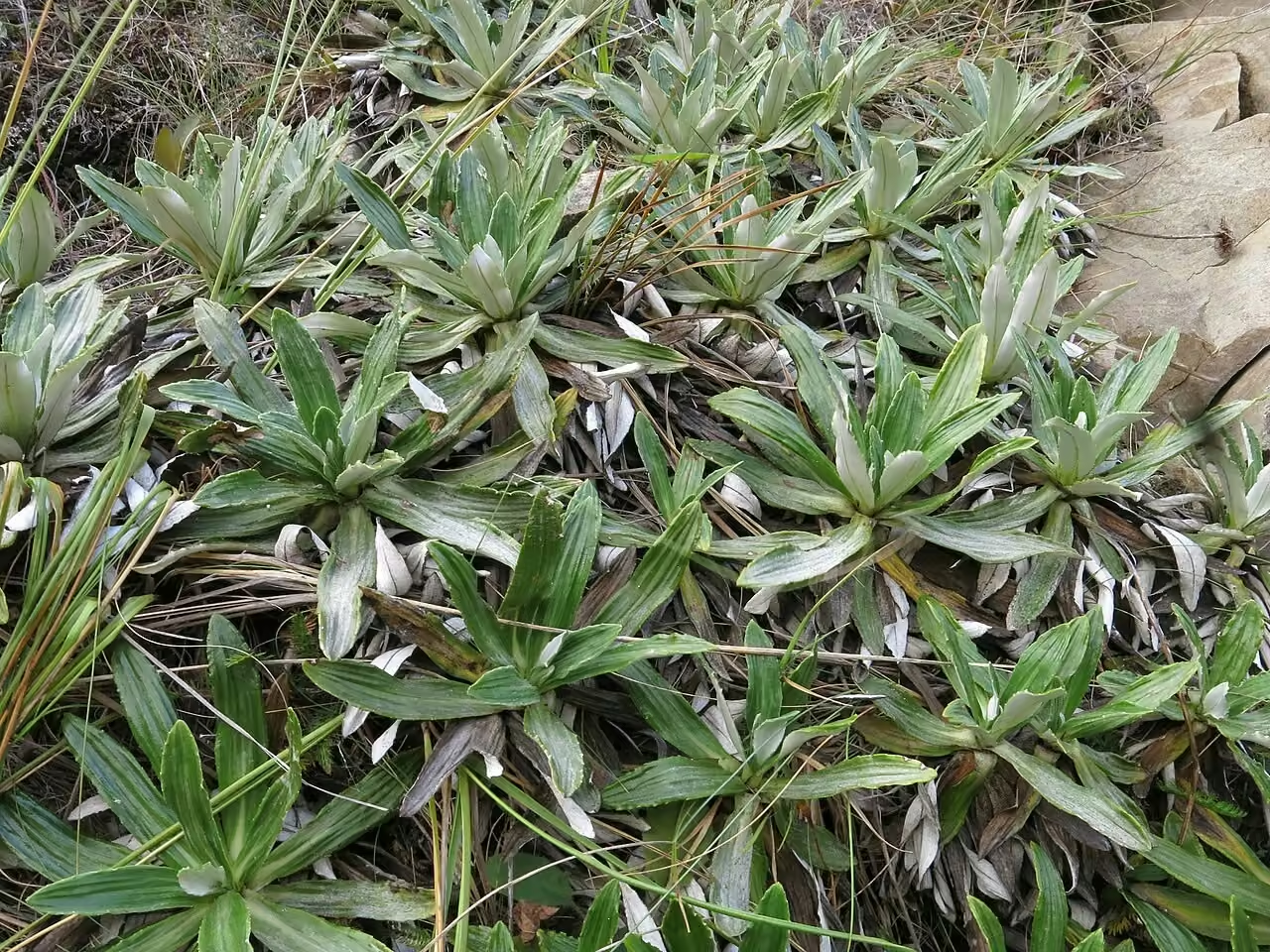
Celmisia densiflora
Celmisia densiflora
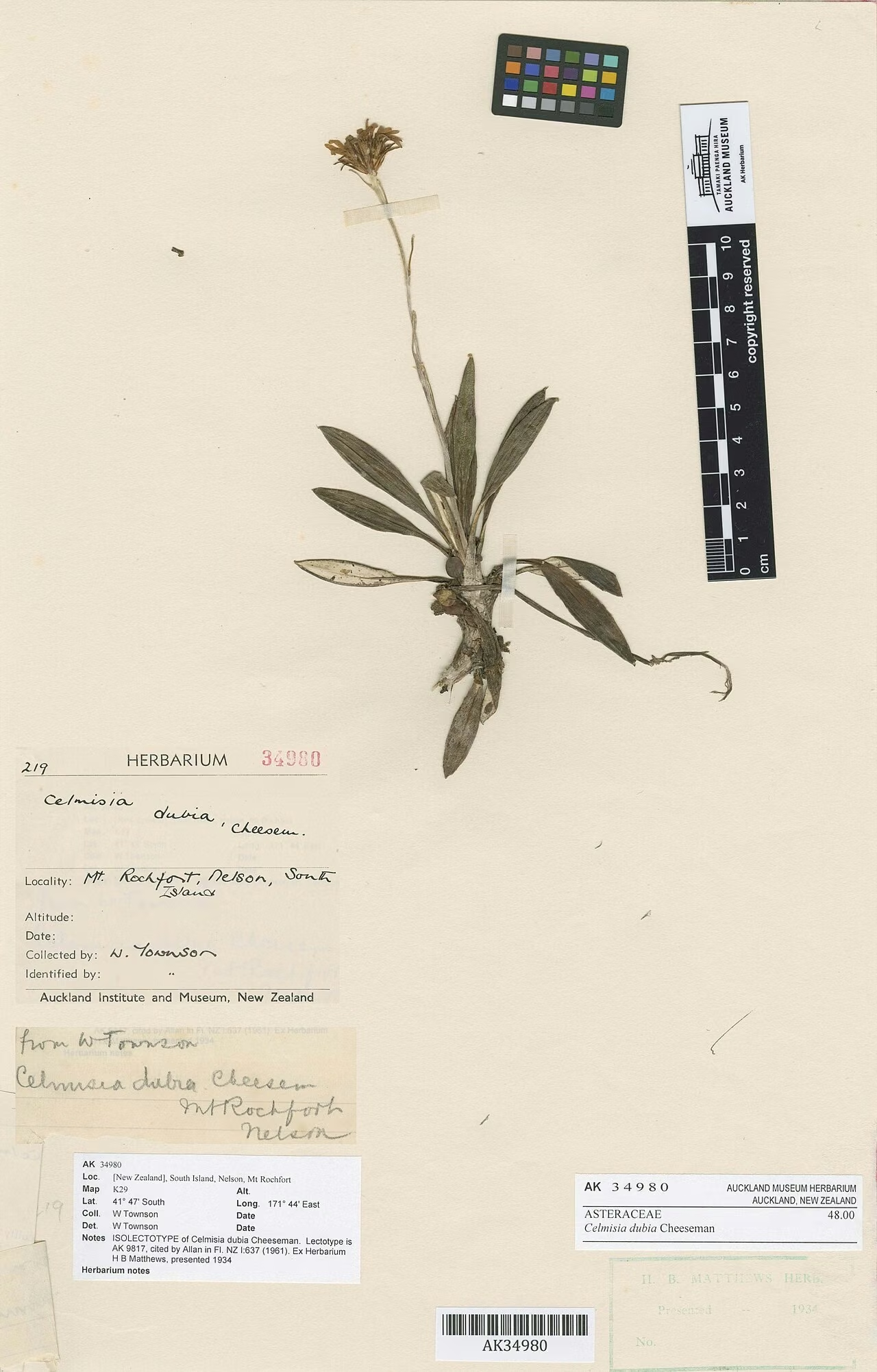
Celmisia dubia
Celmisia dubia
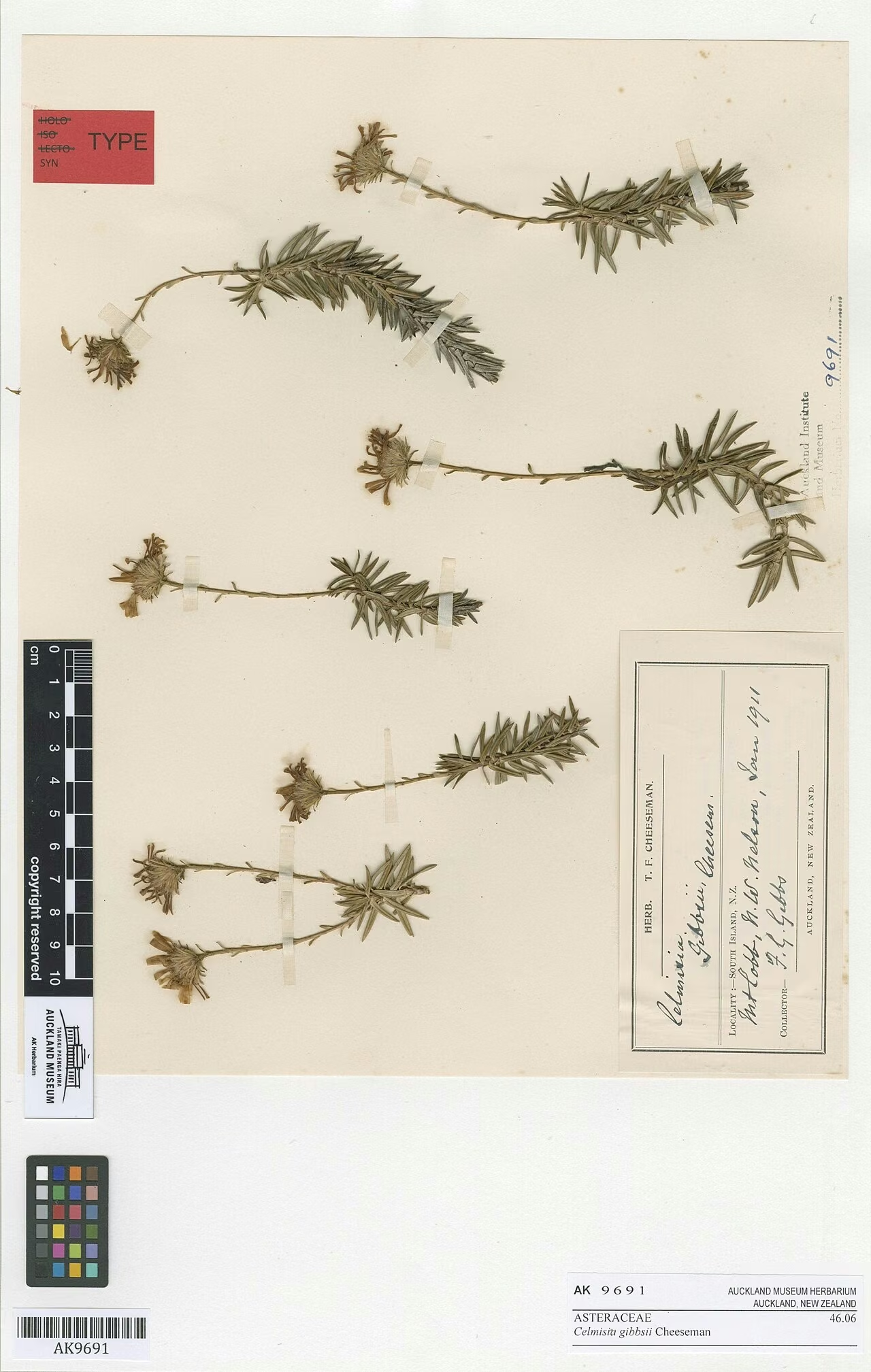
Gibbs's Mountain Daisy
Celmisia gibbsii
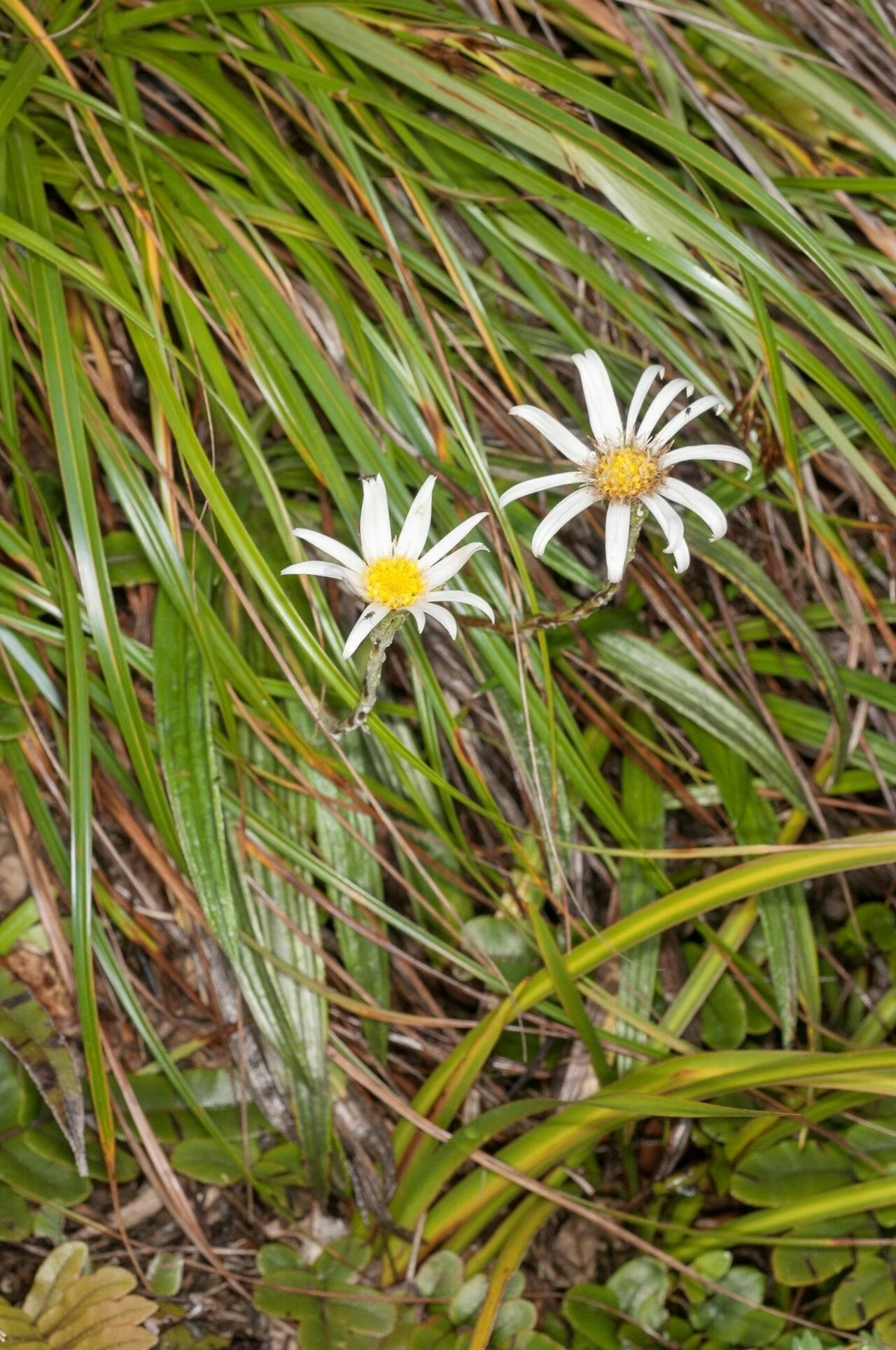
Celmisia graminifolia
Celmisia graminifolia
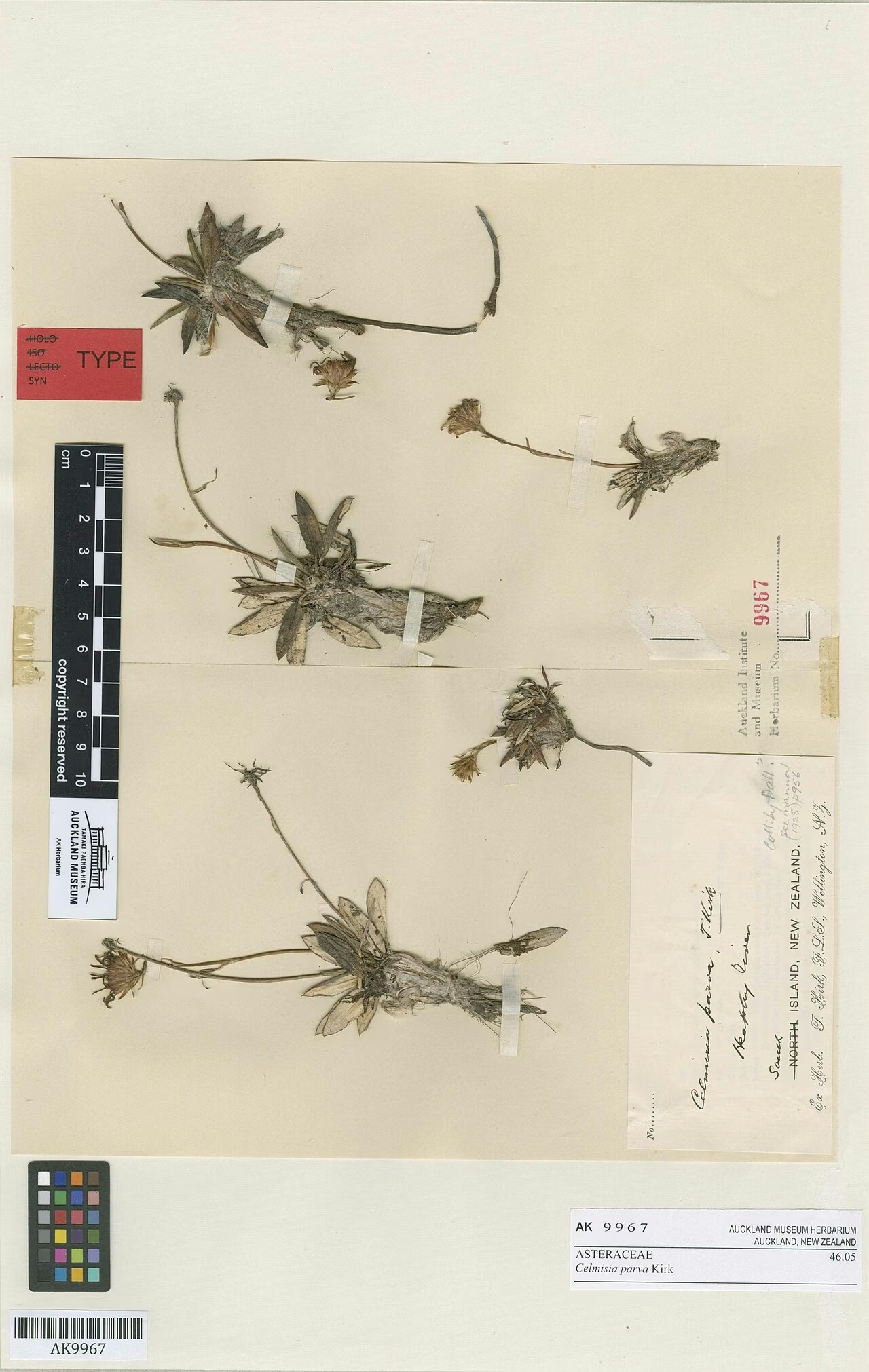
Celmisia parva
Celmisia parva
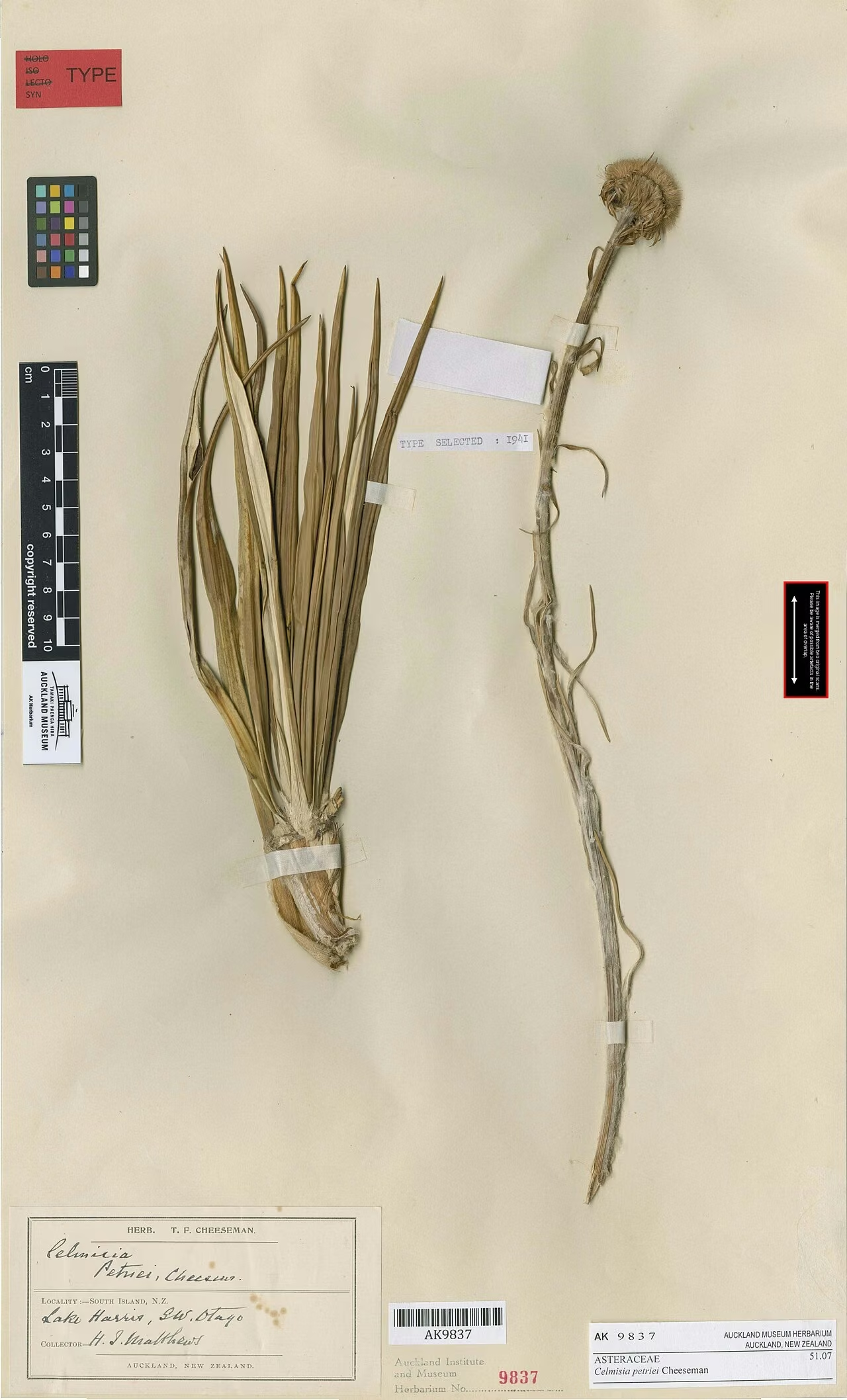
Petrie's Mountain Daisy
Celmisia petriei
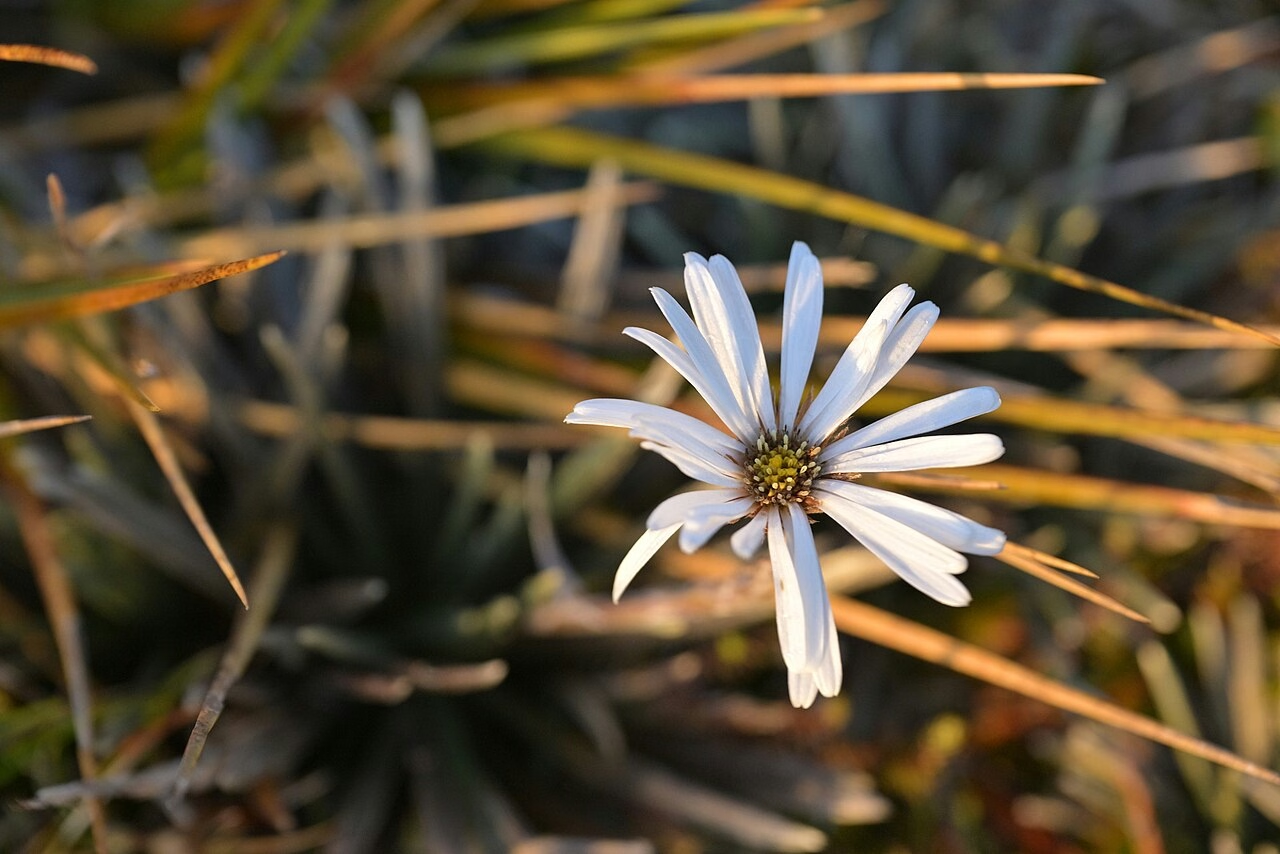
Tin Range Mountain Daisy
Celmisia polyvena
Celmisia prorepens
Celmisia prorepens
Plant Conservation
Celmisia morganii is ranked At Risk - Naturally Uncommon (2023). NZPCN lists the qualifiers DPS and DRT, replacing the 2017 qualifiers DP (data poor) and RR (range restricted).
Its tiny range in a few river gorges means it relies on protection of the riparian and cliff vegetation around Ngakawau. Keeping weeds out of these gorges and leaving wild plants undisturbed helps secure it.
Frequently Asked Questions
Where does the Ngakawau Gorge daisy grow?
It is known only from the vicinity of Ngakawau on the Buller coast, including the Ngakawau River gorge, Haggard Creek and the Blackwater River, on wet cliffs, seepages and rock talus above streams.
How is Celmisia morganii different from Celmisia monroi?
It has a floppy rather than erect habit, and its leaves are hairless above or have a scurfy, greenish rather than leaden pellicle.
When does Celmisia morganii flower?
NZPCN records an unusually long flowering period from September to July, with fruit from October to August.
Is the Ngakawau Gorge daisy easy to grow?
NZPCN says it grows easily in a shaded site with permanently moist, free-draining soil, raised from fresh seed sown immediately or after 1 to 3 months of stratification.
Sources and Further Reading
The botanical, growing, and conservation details for Ngakawau Gorge Daisy (Celmisia morganii) on this page draw on the New Zealand plant references below. Consult them for full technical records and the latest distribution data.