Mountain Daisy
Celmisia densiflora
Last updated:
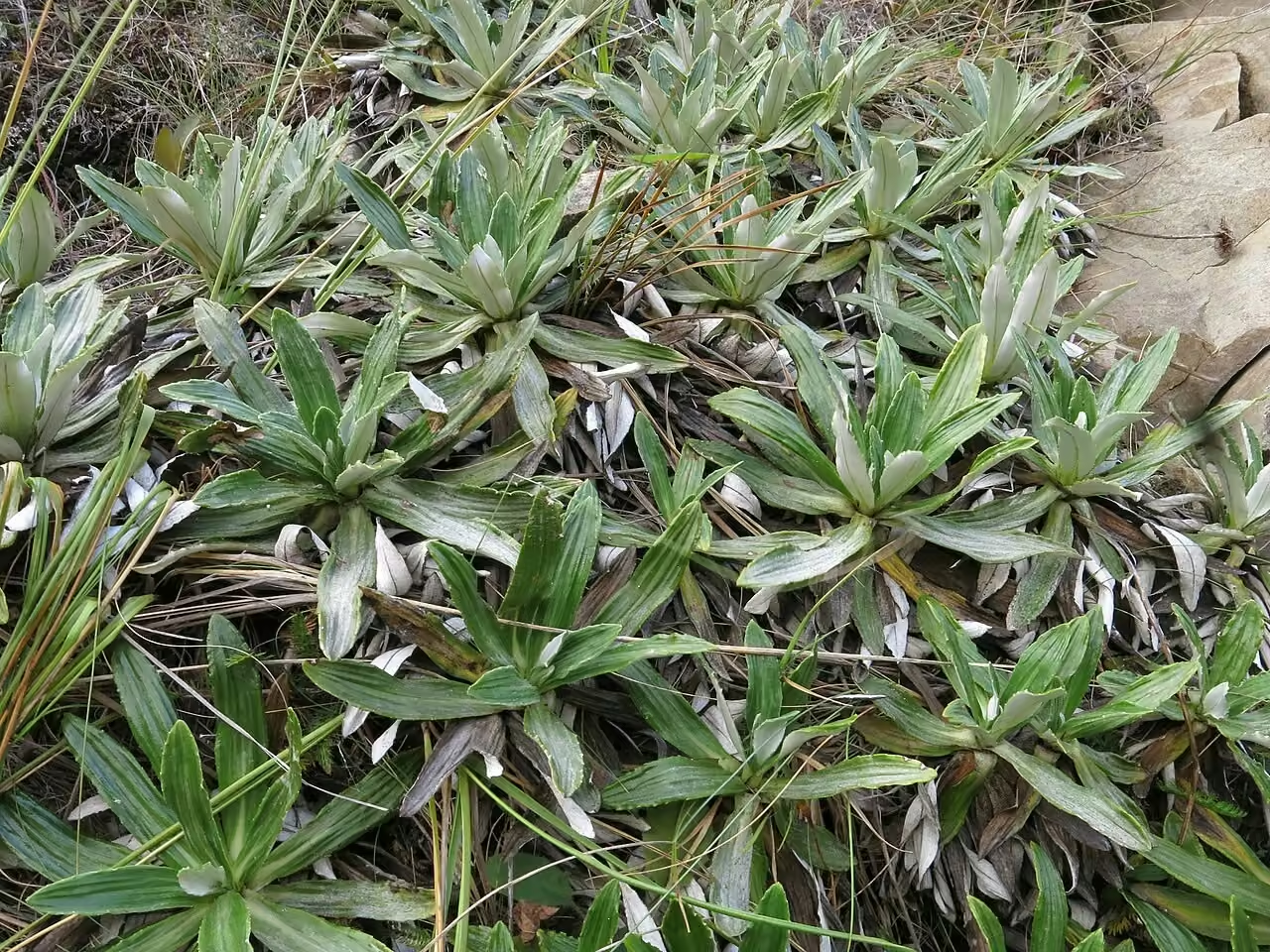
Celmisia densiflora is a tufted mountain daisy endemic to the South Island, found from southern Marlborough and North Canterbury south to northern Southland. It forms clumps of narrow, leathery leaves 6 to 15 cm long that are green above and covered beneath in a white, satiny felt, rising from a stout woody stock. From November to January sticky, purplish stems 15 to 25 cm tall carry white daisies 25 to 40 mm across. It grows in montane to subalpine grassland, herbfield, fellfield and open shrubland, and is ranked Not Threatened. Its name refers to the many florets in each flower head. Explore more native flowering plants in our native plant guide.
Plant Description
Celmisia densiflora is a tufted herb with a stout, woody, simple or sparingly branched stock. Its densely overlapping leaf sheaths form a short pseudo-stem. The leaves are leathery, narrow to narrowly obovate-oblong, 60 to 150 mm long and 15 to 40 mm wide. The upper surface is hairless or nearly so, and the underside is densely clad in appressed white satiny hairs.
The flowering stem (scape) is 15 to 25 cm long, occasionally reaching 40 cm, and is hairless, glandular-sticky and purplish. Each carries a single flower head 25 to 40 mm across with narrow white ray florets 15 to 20 mm long and funnel-shaped yellow disc florets 7 to 8 mm long. The achenes are compressed-cylindric with appressed silky hairs.
It is separated from Celmisia parva by its larger leaves with more conspicuous teeth, as C. parva has leaves less than 60 mm long and 15 mm wide with minute teeth. NZPCN notes that its relationship with Celmisia prorepens needs further study.
Quick Facts
| Scientific Name | Celmisia densiflora |
|---|---|
| Height | Flowering stems 0.15-0.25 m, occasionally to 0.4 m |
| Spread | Forms small tufted clumps; spread not documented |
| Water Needs | Permanently moist but free draining |
| Light | Shade in lowland gardens; open sites in the wild |
| Frost Tolerance | High; a montane to subalpine species |
| Salt Tolerance | Not documented; an inland mountain species |
| Growth Rate | Slow |
| Lifespan | Long-lived perennial |
Climate Best Suited to
Suits the cold winters, cool summers and clear mountain air of the eastern and central South Island ranges. It dislikes humid, warm lowland conditions.
Regional Suitability
| City | Climate Suitability |
|---|---|
| Auckland | Low |
| Wellington | Low |
| Christchurch | Low |
| Dunedin | Medium |
Plant Habitat
Celmisia densiflora is endemic to the South Island, ranging from southern Marlborough and North Canterbury south to northern Southland. It was first collected in the valley of the Hopkins River, at elevations recorded as 2,200 to 5,000 feet.
It is a montane to subalpine plant of grassland, herbfield, fellfield and open subalpine shrubland, including stony mountain slopes.
Growing Requirements
Soil Requirements
NZPCN advises a permanently moist, free-draining, acidic soil, matching the leached mountain soils where it grows wild.
- Acidic, gritty soil rich in organic matter
- Never allowed to dry out
- Free drainage around the crown to prevent rot
Light Requirements
In cultivation it is easily grown in a shaded site, which keeps the roots cool and reduces stress in warm weather.
- Light shade or a cool south-facing position
- Avoid hot, reflected sun
Water Requirements
It will not tolerate drying out, so steady moisture is essential, but it also dislikes humidity and stagnant conditions.
- Water regularly in dry spells
- Ensure excess water drains away freely
Planting and Establishing
Plant in autumn or spring into a cool, shaded rock garden, raised bed or trough filled with an acidic, gritty mix. Set the rosette at soil level and surround it with a stone mulch to keep the leaves dry and the roots cool.
It is not commercially available, so plants usually come from seed raised by alpine plant enthusiasts. Container growing lets you move plants to a cooler spot during hot summers.
Ecological Role
Its white daisies are open to a wide range of insect visitors, and the hairy achenes are dispersed by wind. The specific pollinators of this species are not recorded in the sources consulted.
It is a component of the tussock grassland and herbfield communities of the eastern South Island ranges, growing alongside snow tussocks and other alpine herbs.
Uses & Significance
Garden Uses
Best suited to alpine and rock gardens in cool parts of the country.
- Rock garden or scree in light shade
- Alpine trough or pot
- Collections of South Island mountain daisies
Ecological Value
It contributes to the diversity of daisies in South Island montane and subalpine grasslands and fellfields.
- Endemic to the South Island
- Summer nectar and pollen source for alpine insects
- Part of tussock grassland and herbfield communities
Landscaping Uses
The narrow leaves with their silvery-white undersides make tidy tufts that contrast well with grey stone and fine tussocks. The many-flowered white heads on purplish stems add a lively summer display.
Group several plants among rocks with low tussocks and smaller alpine herbs to suggest a mountain herbfield.
Seasonal Care Calendar
Spring
New leaves emerge from the centre of each tuft.
- Refresh grit mulch
- Watch for slugs on new growth
Summer
Flowering is from November to January.
- Keep evenly moist
- Provide shade during hot spells
Autumn
Seed ripens from December to April.
- Collect and sow seed fresh
- Cut down spent scapes
Winter
Plants rest as evergreen tufts and tolerate hard frost.
- Keep drainage clear
- Remove decaying leaves
When to Prune and How Much
Pruning is limited to removing spent flowering stems and any dead leaves.
Cut scapes off at the base once seed has dispersed or been collected, and tidy old leaves from the base to improve airflow around the crown.
How to Grow Mountain Daisy
NZPCN states that Celmisia densiflora is best grown from fresh seed, sown immediately or stratified first. The seed of mountain daisies does not stay viable for long, so collect it as it ripens between December and April and sow it straight away. If you must hold it, a period of 1 to 3 months in a fridge or freezer imitates a mountain winter and can improve germination. Established clumps that have formed several tufts can also be split, a general practice with tufted Celmisia, although division is not specifically mentioned for this species in the sources consulted. Raise young plants in a cool, shaded, well-ventilated place. Seedlings grow slowly, so allow at least a year or two before expecting a plant large enough to flower.
From Seed
Seed heads are ready when the pappus is fluffy and the achenes come away easily. Sow generously, because a proportion of the seed is often unfilled.
- Collect ripe heads from December to April
- Sow on the surface of an acidic, gritty seed mix
- Cover lightly with fine grit and keep cool and moist
- Stratify in a fridge for 1 to 3 months if not sown fresh
- Pot seedlings individually once large enough to handle
By Division
Divide multi-tufted plants in cool weather in early autumn or spring.
- Lift the plant with a good root ball
- Tease apart tufts that have their own roots
- Pot into gritty mix and keep shaded and moist until established
Pests & Diseases
No species-specific pests are documented. Slugs and snails can damage seedlings and soft leaves.
In humid lowland gardens, crown rot is the commonest cause of loss, so good drainage and airflow matter more than any spray.
Cultural Significance
No traditional Māori name or use specific to Celmisia densiflora is recorded in the sources consulted.
The species was described by Joseph Dalton Hooker from material collected in the Hopkins Valley. Its epithet, meaning densely flowered, refers to the many florets in each head.
Bonus Tip
If you want to try this species in a lowland garden, grow it in a pot that can be moved into deep shade over summer and back into the light in winter. Its two dislikes are drying out and humid heat, so a cool, airy, shaded spot handles both.
Related Plants
Explore other native plants that share similar characteristics or habitats with Mountain Daisy (Celmisia densiflora), offering further insights into New Zealand's diverse flora. These related species provide context and opportunities for complementary planting in your garden.
Armstrong's Mountain Daisy
Celmisia armstrongii
Common Shrub Mountain Daisy
Celmisia brevifolia
Celmisia clavata
Celmisia clavata
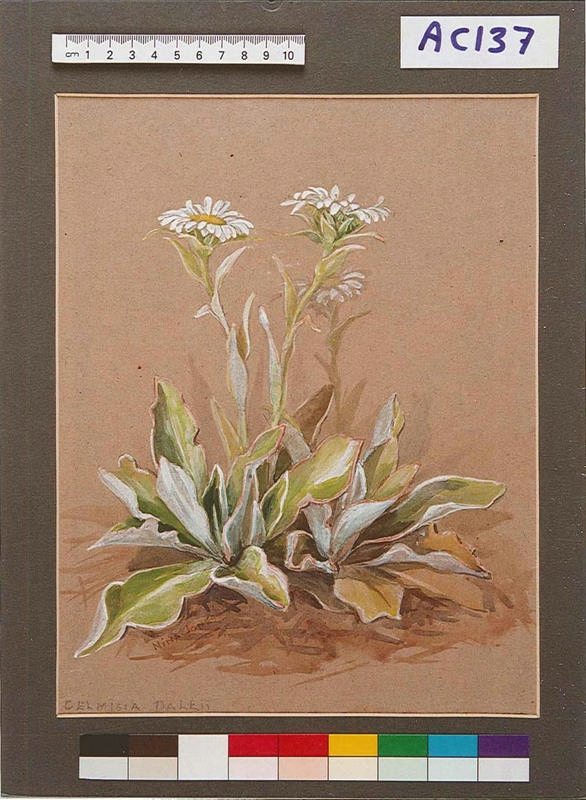
Dall's Mountain Daisy
Celmisia dallii
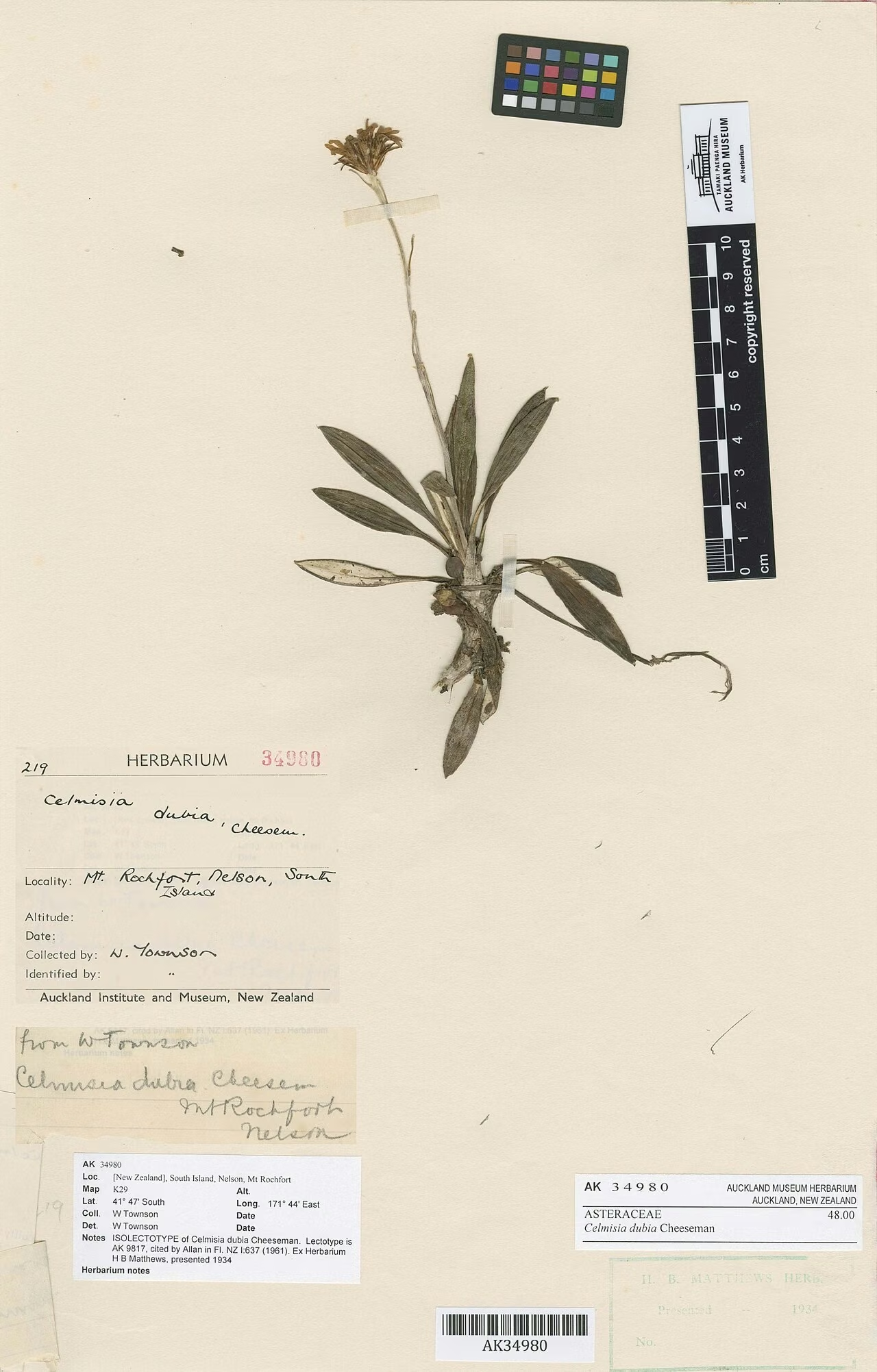
Celmisia dubia
Celmisia dubia
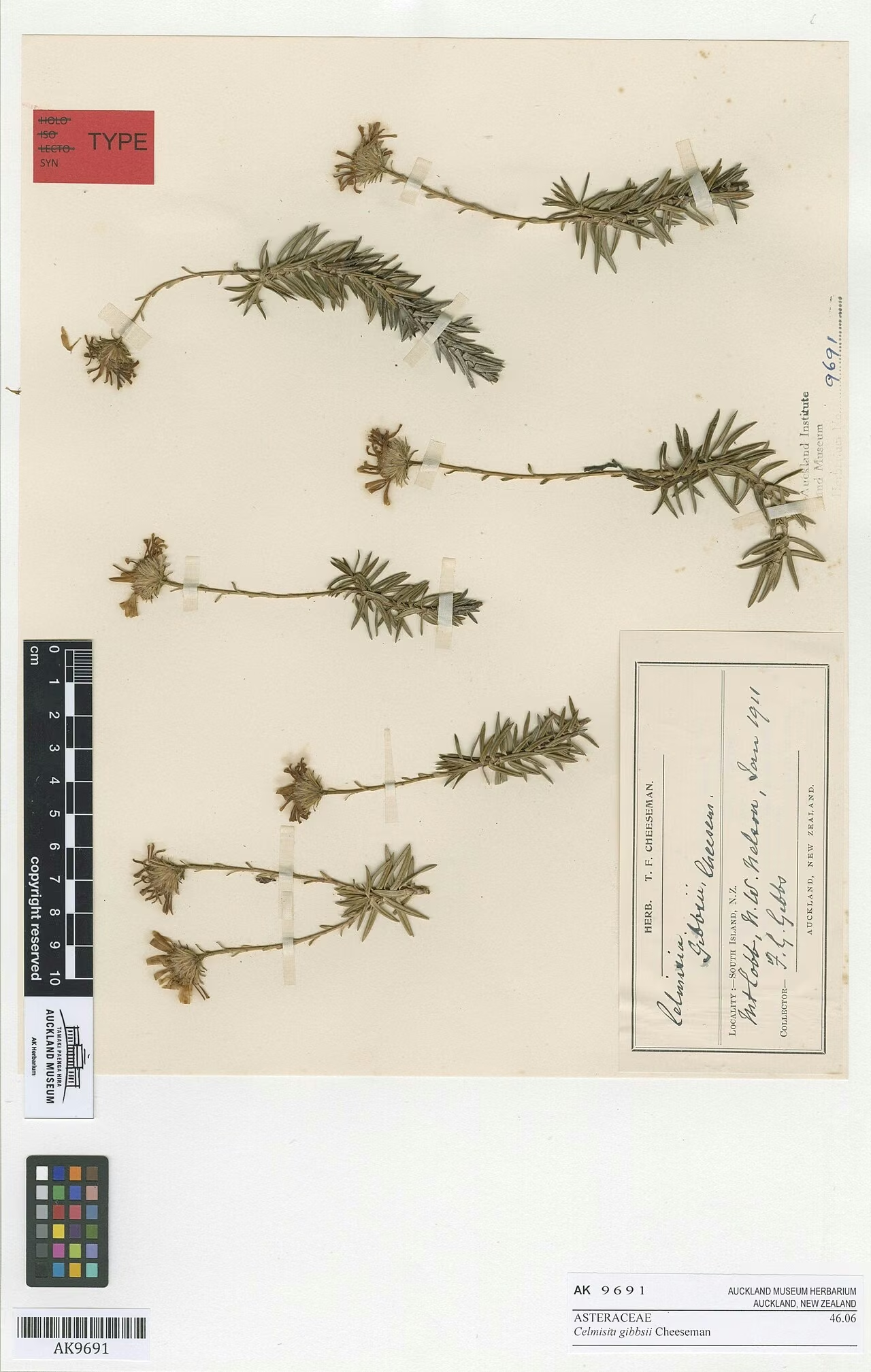
Gibbs's Mountain Daisy
Celmisia gibbsii
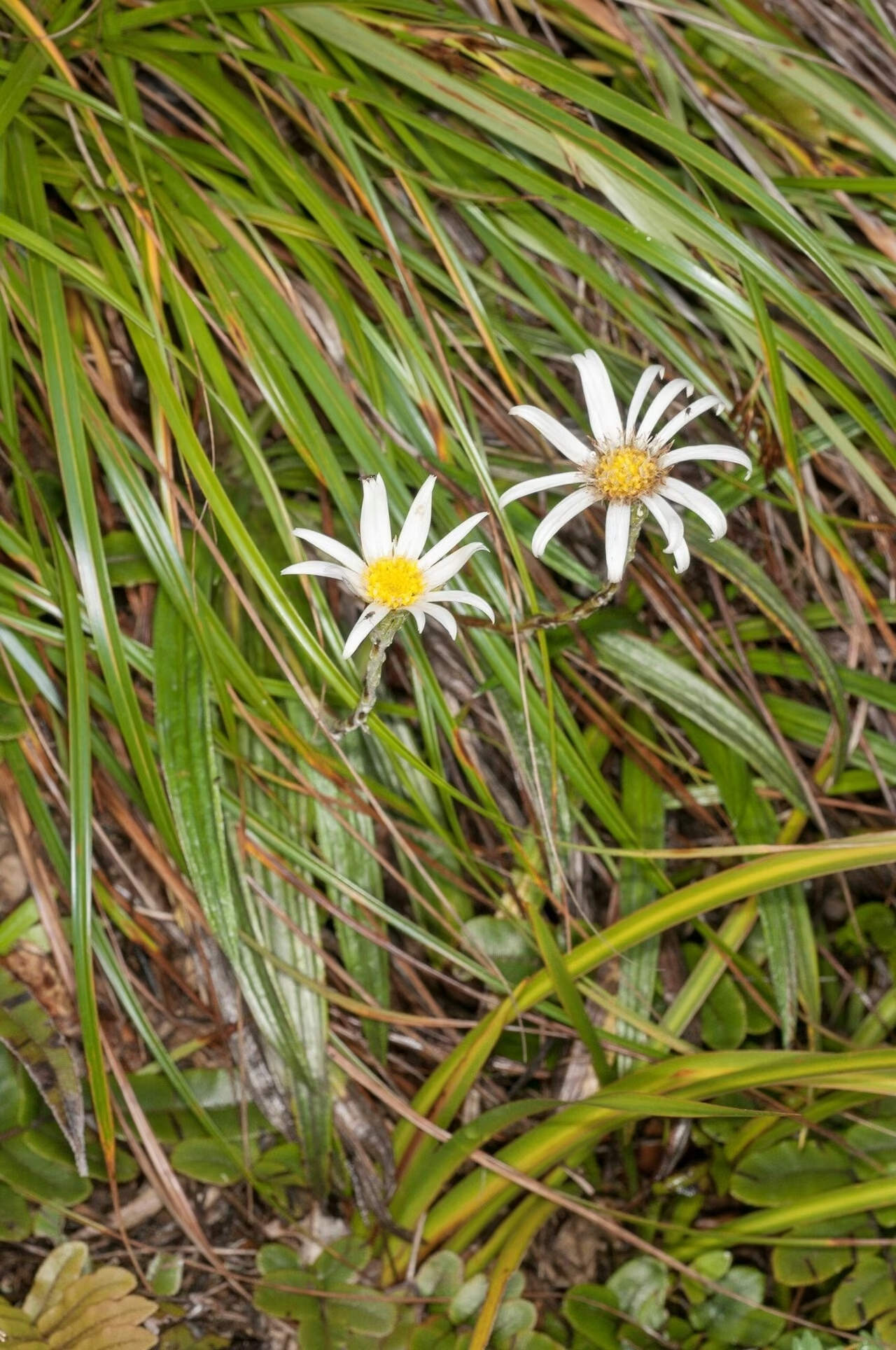
Celmisia graminifolia
Celmisia graminifolia
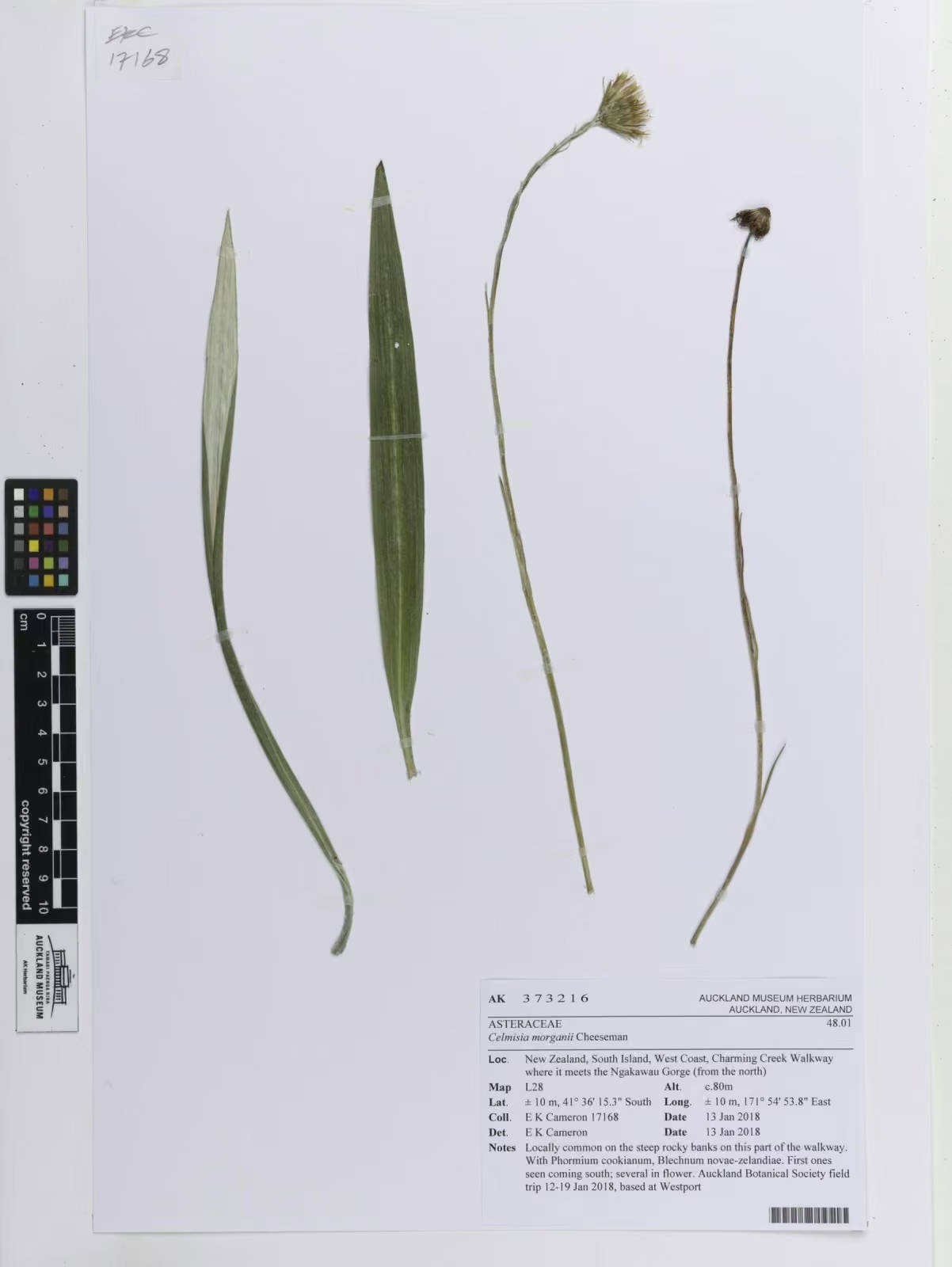
Ngakawau Gorge Daisy
Celmisia morganii
Plant Conservation
Celmisia densiflora is ranked Not Threatened (2023) and is widespread through the South Island ranges.
Protecting montane tussock grassland and herbfield from weeds and inappropriate development helps keep it common. Wild plants should not be collected.
Frequently Asked Questions
What does densiflora mean in Celmisia densiflora?
The Flora of New Zealand explains that densiflora refers to the many florets packed into each flower head of this mountain daisy.
How is Celmisia densiflora different from Celmisia parva?
Celmisia densiflora has larger leaves, 60 to 150 mm long and 15 to 40 mm wide, with more conspicuous teeth, while C. parva has leaves under 60 mm long with minute teeth.
Where can you see Celmisia densiflora?
It grows in montane to subalpine grassland, herbfield, fellfield and open shrubland along the South Island mountains from southern Marlborough and North Canterbury to northern Southland.
Sources and Further Reading
The botanical, growing, and conservation details for Mountain Daisy (Celmisia densiflora) on this page draw on the New Zealand plant references below. Consult them for full technical records and the latest distribution data.