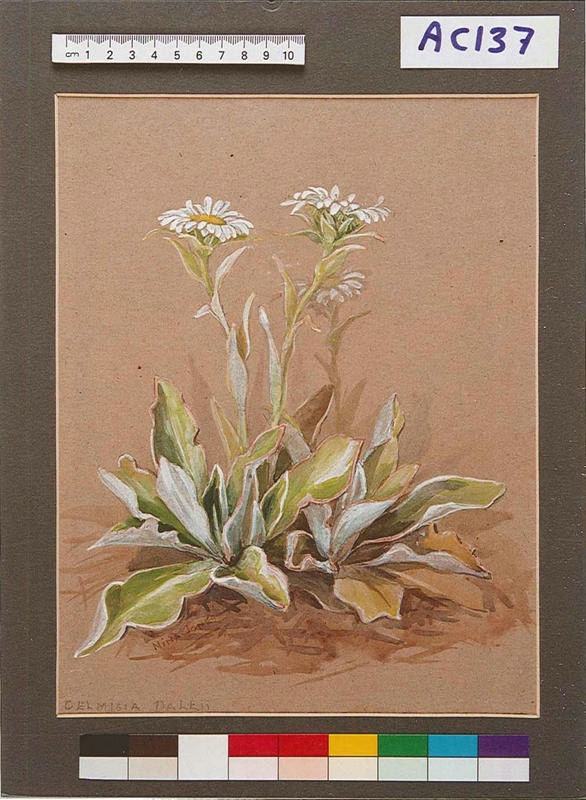
Dall's Mountain Daisy
Celmisia dallii
Last updated:
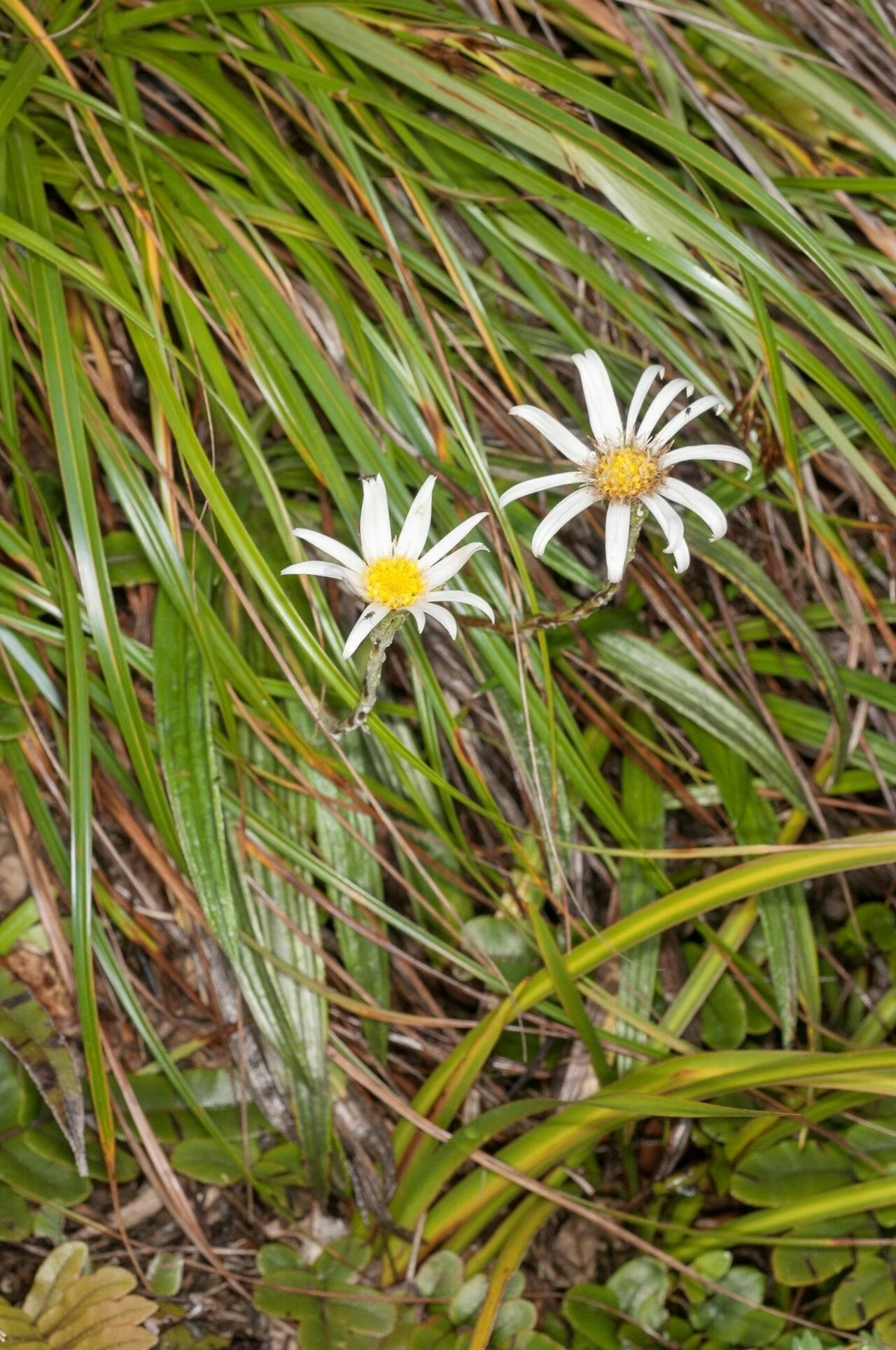
Dall's mountain daisy (Celmisia dallii) is one of the largest of New Zealand's mountain daisies, a robust tufted herb endemic to the mountains of North-West Nelson and south to about Westport. Its leathery leaves, 8 to 20 cm long, are glossy green above and felted white to buff beneath, and in summer stout flattened stems up to 45 cm tall carry white daisies 35 to 70 mm across. It grows in montane to subalpine grassland and herbfield, often on limestone and marble rocks and the soils derived from them. It is ranked Not Threatened, but it is a temperamental garden plant. Explore more native flowering plants in our native plant guide.
Plant Description
Celmisia dallii is a robust, tufted herb whose old leaf bases build a pseudo-stem that can reach 600 to 700 mm long. The leaves are thick and leathery, obovate-oblong to obovate-lanceolate, 80 to 200 mm long and 30 to 50 mm wide. Their upper surface is hairless with visible veins, while the underside is densely clad in a white to pale buff felt. The margins are slightly upturned and minutely toothed, and the plant is described as somewhat sticky (viscid).
The flowering stems (scapes) are stout and flattened, 150 to 450 mm long, and carry leaf-like bracts. Each bears a single flower head 35 to 70 mm across, with white ray florets about 15 mm long around a yellow disc. Flowering is from November to February, and the seed heads ripen between December and April.
It is allied to Celmisia hieraciifolia and C. holosericea, which also have a finely toothed leaf margin that is not hidden by hairs. Celmisia dallii is distinguished by its much larger overall size and by the leaf-like bracts on its scapes.
Quick Facts
| Scientific Name | Celmisia dallii |
|---|---|
| Height | Flowering stems 0.15-0.45 m; pseudo-stem up to about 0.7 m long |
| Spread | A large tufted rosette clump; spread not documented |
| Water Needs | Permanently moist but free draining |
| Light | Partial shade in cultivation; open grassland in the wild |
| Frost Tolerance | High; a montane to subalpine species |
| Salt Tolerance | Not documented; an inland mountain species |
| Growth Rate | Slow |
| Lifespan | Long-lived perennial |
Climate Best Suited to
Suits the cool, wet, westerly climate of the North-West Nelson mountains, with high rainfall, frequent cloud and cold winters. It struggles in warm, humid or dry lowland gardens.
Regional Suitability
| City | Climate Suitability |
|---|---|
| Auckland | Low |
| Wellington | Low |
| Christchurch | Low |
| Dunedin | Medium |
Plant Habitat
Celmisia dallii is endemic to the South Island and has a westerly distribution, mostly in the mountains of North-West Nelson and extending south to about Westport. The Flora of New Zealand cites the Golden Downs area near the headwaters of the Aorere River among early records.
It grows from the montane to the subalpine zone in grassland and herbfield. NZPCN notes it is often found on calcareous rocks and on soils derived from them, a feature of the marble and limestone uplands of Kahurangi National Park.
Growing Requirements
Soil Requirements
In the wild it favours soils over limestone and marble, which tend to be well drained but moist in this high-rainfall region. In cultivation it needs permanently moist yet free-draining soil.
- Gritty, free-draining mix that never dries out
- Tolerates calcareous (lime-rich) substrates, unlike many Celmisia
- Avoid heavy soils that stay waterlogged in winter
Light Requirements
NZPCN recommends a shaded site in cultivation, which keeps the roots cool, even though wild plants grow in open grassland and herbfield.
- Light shade or a cool aspect in lowland gardens
- Shelter from hot afternoon sun
Water Requirements
It comes from a very wet part of New Zealand and will not tolerate its roots drying out, but stagnant wet soil leads to rot.
- Water through dry spells
- Combine constant moisture with sharp drainage
Planting and Establishing
Plant in autumn or early spring into a cool, lightly shaded spot such as a south-facing rock garden, scree bed or raised bed with plenty of grit. Set the crown level with the surface and mulch with stone chips so the rosette sits dry while the roots stay moist.
It is occasionally available from specialist native plant nurseries. Because it is difficult to keep long term, a large pot or trough in a cool position, where conditions can be controlled, is a sensible way to grow it.
Ecological Role
Like other Celmisia, its large open flower heads are visited by insects that forage on daisy flowers in the mountains, and its achenes carry a pappus of hairs that aids wind dispersal. The particular pollinators of this species are not documented in the sources consulted.
As a long-lived rosette plant of herbfield and grassland, it contributes to the distinctive mountain daisy flora of the limestone country of North-West Nelson.
Uses & Significance
Garden Uses
A plant for keen alpine gardeners who can give it a cool, moist, well-drained site.
- Specimen in a shaded rock garden or scree
- Large trough or container planting
- Collections of New Zealand mountain daisies
Ecological Value
It is one of the characteristic large mountain daisies of North-West Nelson's montane and subalpine vegetation.
- Endemic to a limited region of the western South Island
- Part of the limestone and marble flora of Kahurangi National Park
- Provides summer flowers for alpine insects
Landscaping Uses
The broad, leathery rosettes with their pale undersides give a bold architectural effect among rocks, and the large white daisies stand well clear of the foliage in summer.
Combine it with smaller alpine plants and tussocks in a cool rock garden, leaving room around each rosette so it is not swamped or shaded too heavily by neighbours.
Seasonal Care Calendar
Spring
New leaves expand from the centre of the rosette as the soil warms.
- Top up stone mulch
- Check for slug damage on soft new growth
Summer
Flowering runs from November to February, with large white daisies on stout scapes.
- Keep the soil moist in dry weather
- Watch for seed heads ripening from December
Autumn
Fruiting continues into April, and fresh seed can be collected and sown.
- Collect ripe seed heads
- Remove spent scapes once seed is gathered
Winter
The plant rests as a dormant evergreen rosette.
- Ensure drainage stays clear
- Remove dead leaves that trap moisture around the crown
When to Prune and How Much
No regular pruning is needed. Cut spent flowering stems at the base after seed has been collected or once they brown.
Gently remove dead or rotting leaves from around the crown, as these can harbour fungal disease in humid conditions.
How to Grow Dall's Mountain Daisy
NZPCN advises that Celmisia dallii is best grown from fresh seed and can also be divided. Mountain daisy seed loses viability quickly, so it should be sown as soon as it is collected, or stratified in a fridge for a few weeks to mimic winter if sowing is delayed. Division gives a faster result but is only possible on established clumps that have formed more than one rosette. Seedlings and divisions both need cool, moist but well-drained conditions, and they dislike humidity and drying out equally. Expect slow progress, and keep plants in pots under shade until they are well rooted before planting out.
From Seed
Fruiting is from December to April. Collect seed heads when the pappus fluffs open and sow straight away. Many seeds in Celmisia heads are often empty, so sow thickly.
- Collect seed heads as they ripen in late summer and autumn
- Sow fresh seed on the surface of a gritty, moist seed mix
- Cover lightly with fine grit and keep in a cool, shaded place
- If sowing is delayed, stratify seed in the fridge for 1 to 3 months
- Prick out seedlings once they have a few true leaves
By Division
Older plants with several rosettes can be split. Do this in early autumn or spring when the weather is cool and the plant is growing.
- Lift the clump carefully, keeping as much root as possible
- Separate rosettes that each have their own roots
- Pot into a free-draining mix and keep shaded and moist
- Plant out once new roots have filled the pot
Pests & Diseases
No pests specific to this species are documented. Slugs and snails can damage young growth and seedlings, and in warm, humid conditions large-leaved Celmisia are prone to crown and root rot.
Good air movement, sharp drainage and removal of dead leaves are the best defences against fungal problems.
Cultural Significance
No traditional Māori name or use specific to Celmisia dallii is recorded in the sources consulted.
The species was described by John Buchanan, and the Flora of New Zealand records that it was named after Mr J. Dall, who collected the type specimens, which have not since been located. The genus name Celmisia refers to Kelmis, one of the Idaean Dactyls of Greek mythology.
Bonus Tip
Because Celmisia dallii grows naturally over limestone and marble, it is one of the few large mountain daisies worth trying where your soil or grit is lime-rich. Keep it in a cool, shaded spot and treat lingering summer humidity, not cold, as its main enemy.
Related Plants
Explore other native plants that share similar characteristics or habitats with Dall's Mountain Daisy (Celmisia dallii), offering further insights into New Zealand's diverse flora. These related species provide context and opportunities for complementary planting in your garden.
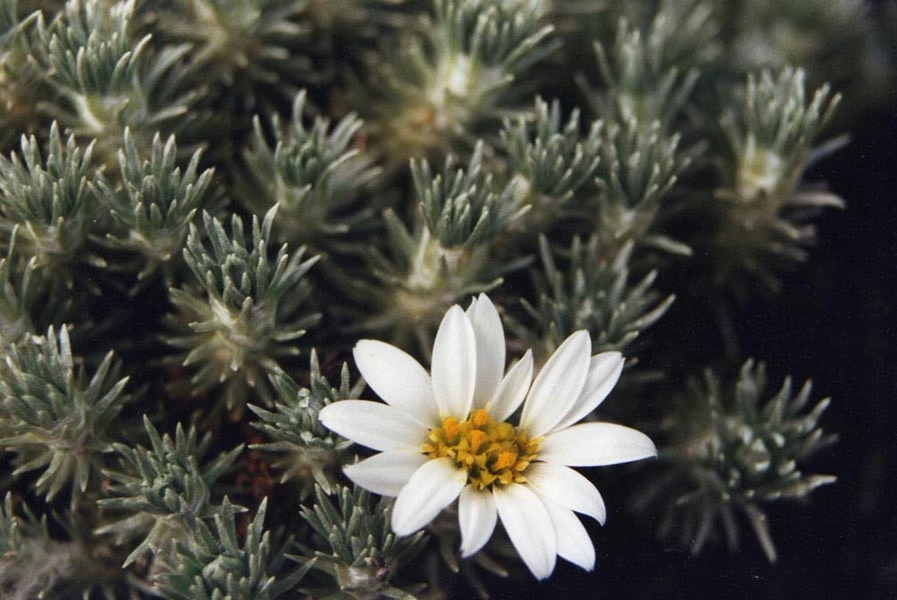
Silver Cushion Mountain Daisy
Celmisia argentea
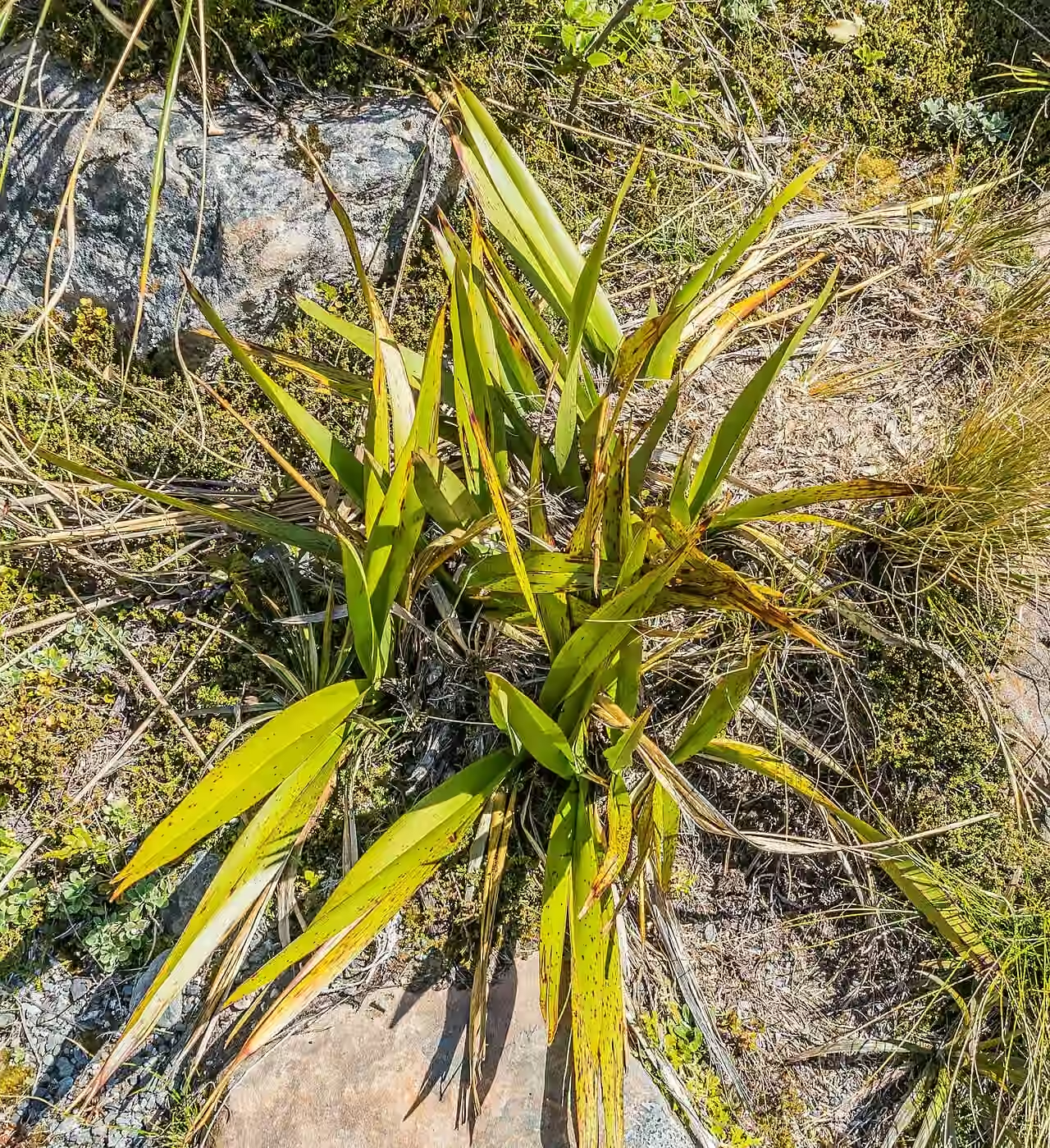
Armstrong's Mountain Daisy
Celmisia armstrongii
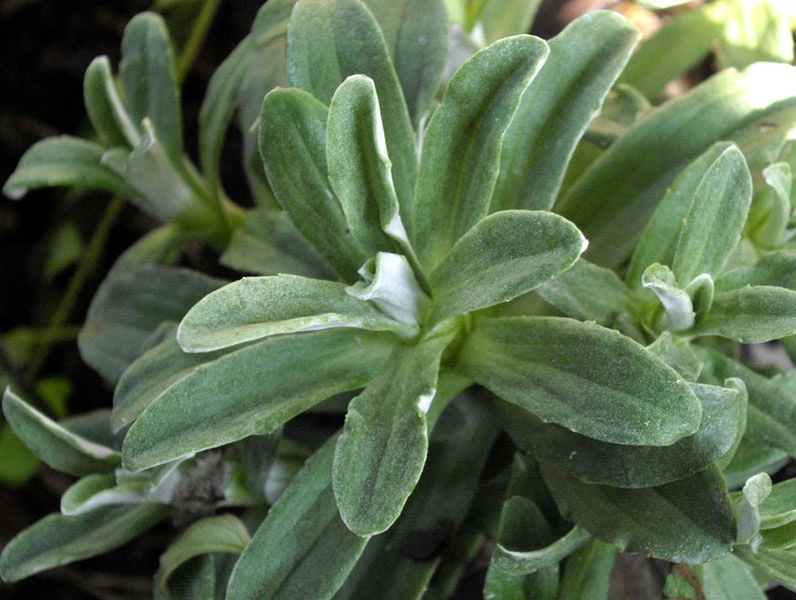
Common Shrub Mountain Daisy
Celmisia brevifolia
Celmisia clavata
Celmisia clavata
Celmisia densiflora
Celmisia densiflora
Celmisia dubia
Celmisia dubia
Gibbs's Mountain Daisy
Celmisia gibbsii
Celmisia graminifolia
Celmisia graminifolia
Plant Conservation
Celmisia dallii is ranked Not Threatened (2023) and has held that status in every assessment since 2004.
Much of its range lies within Kahurangi National Park. No specific threats are identified for this species, but plants should never be dug from the wild, and visitors should take care not to trample rosettes on limestone tops.
Frequently Asked Questions
Where does Celmisia dallii grow in the wild?
It is endemic to the western South Island, mostly in the mountains of North-West Nelson extending south to about Westport, in montane to subalpine grassland and herbfield.
How do you tell Dall's mountain daisy from similar Celmisia?
It is allied to Celmisia hieraciifolia and C. holosericea and shares their finely toothed leaf margin, but is much larger overall and has leaf-like bracts on its flowering stems.
Does Celmisia dallii grow on limestone?
Yes. NZPCN notes it is often found on calcareous rocks and on soils derived from them, such as the marble and limestone country of North-West Nelson.
Is Dall's mountain daisy easy to grow?
Not especially. It can be raised from fresh seed or division, but NZPCN describes it as difficult to maintain and best in shade with permanently moist, free-draining soil.
Sources and Further Reading
The botanical, growing, and conservation details for Dall's Mountain Daisy (Celmisia dallii) on this page draw on the New Zealand plant references below. Consult them for full technical records and the latest distribution data.