Armstrong's Mountain Daisy
Celmisia armstrongii
Last updated:
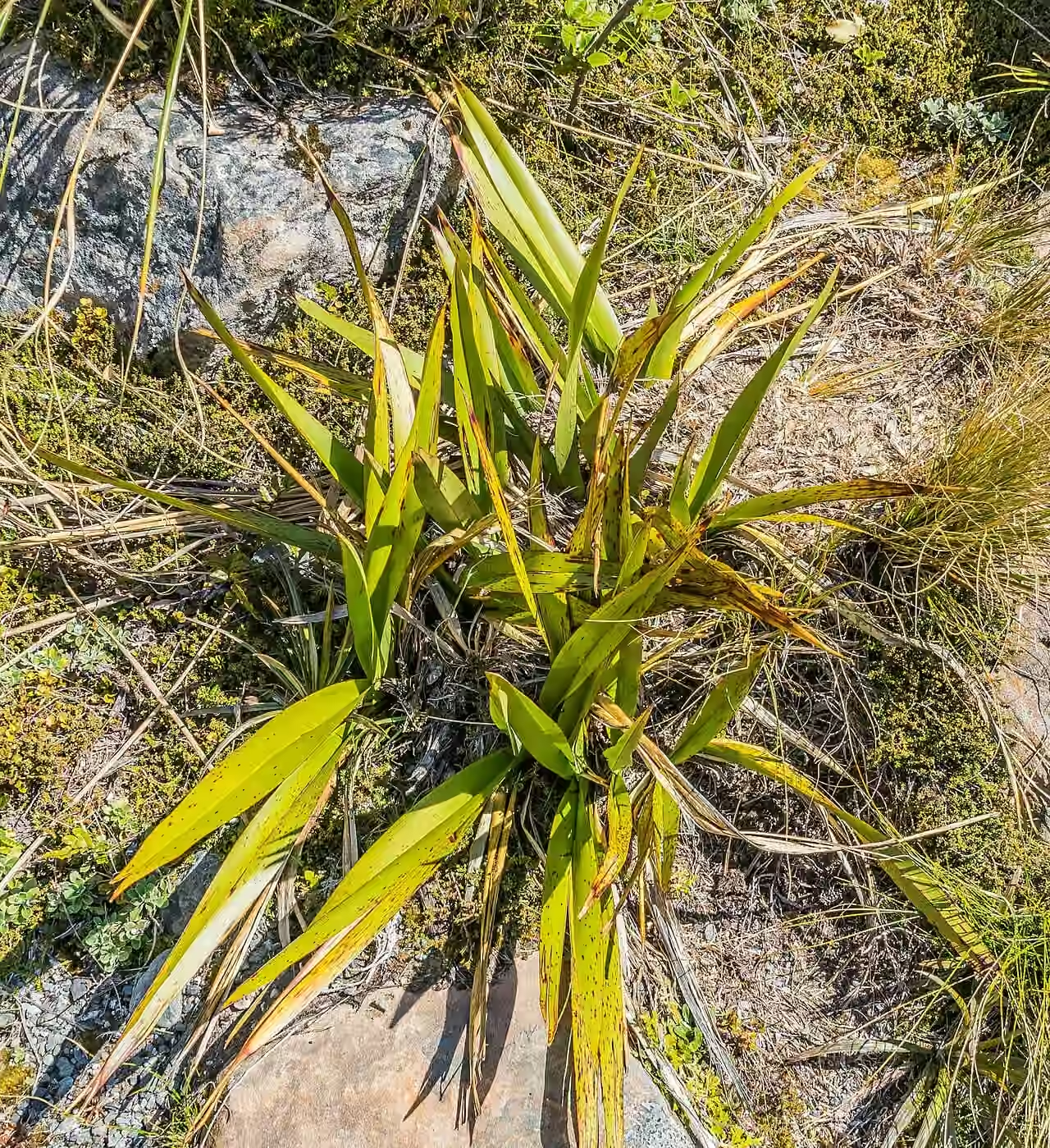
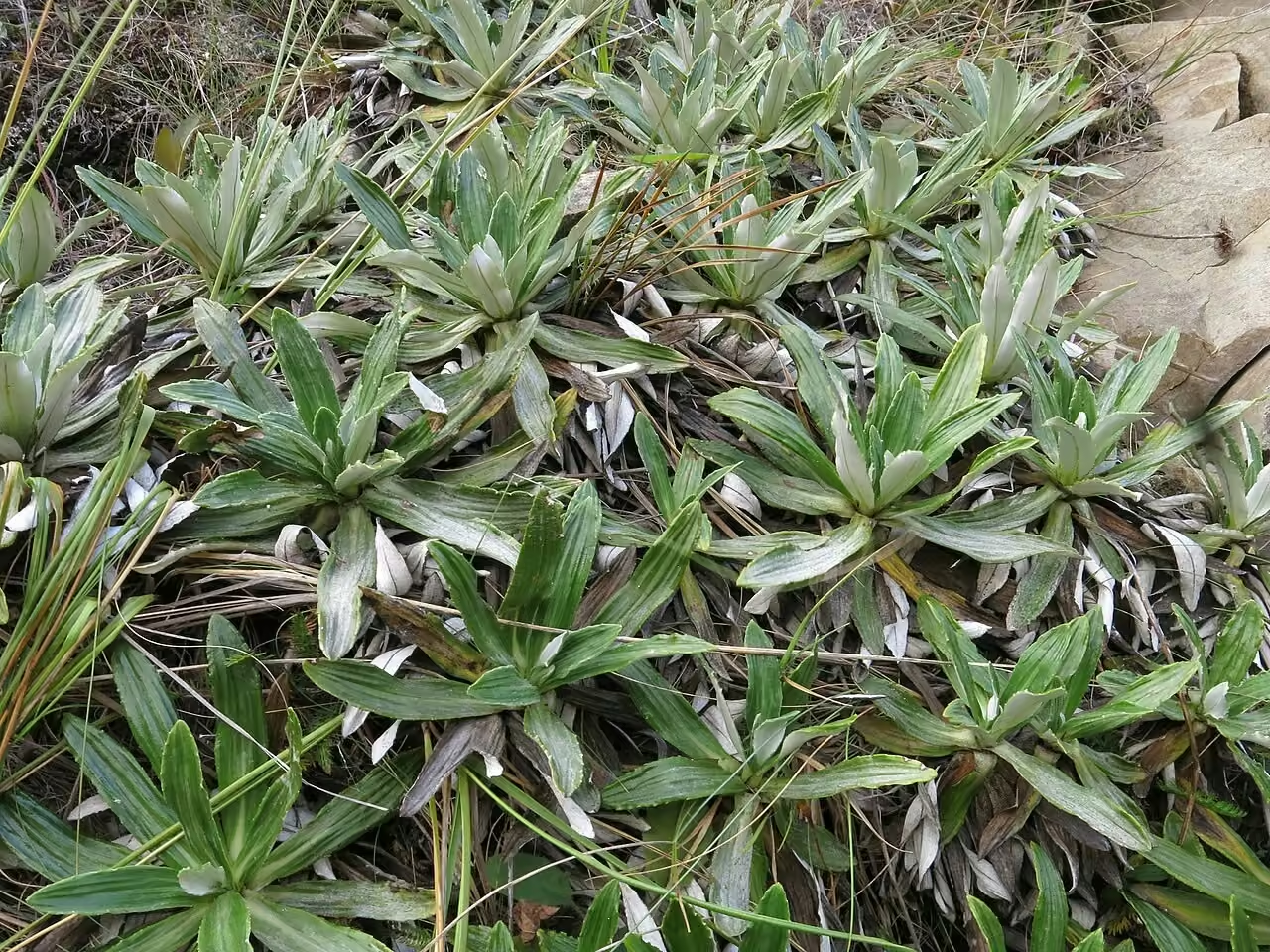
Armstrong's mountain daisy (Celmisia armstrongii) is a large-leaved alpine daisy endemic to the South Island, easily recognised by its stiff, bronze-green leaves marked with a bright orange-brown stripe along the midrib. It forms carpets or clusters of rosettes with leaves 12 to 40 cm long, and from November to February sends up stems to 35 cm tall carrying big white daisies with yellow centres. It grows in wet montane to alpine grassland and herbfield from North-West Nelson to near Lake Wakatipu, mostly west of the Main Divide. It is Not Threatened and one of the easier large celmisias to grow. Explore more native flowering plants in our native plant guide.
Plant Description
Celmisia armstrongii is a moderately stout, woody-based herb that forms irregular carpets or, less often, clusters of one to eight rosettes. The leaves are linear-oblong, 120 to 400 mm long and 10 to 20 mm wide, leathery, at first erect and then spreading. The upper surface is bronze-green with a conspicuous orange-brown strip along the midrib, and the underside is densely clothed in white tomentum.
Flowering stems reach about 35 cm and each carries a single large head with 100 to 120 white ray florets and around 130 yellow disc florets. It flowers from November to February and fruits from January to April. The achenes are spindle-shaped to cylindrical, 4 to 5 mm long and moderately to densely hairy, with a pappus that is carried by the wind.
It belongs to the Celmisia coriacea group of large-leaved mountain daisies. It is separated from Celmisia coriacea by its narrower leaves, under 20 mm wide, and the orange midrib stripe makes it one of the most recognisable members of the group.
Quick Facts
| Scientific Name | Celmisia armstrongii |
|---|---|
| Height | Leaves 12 to 40 cm; flower stems to 35 cm |
| Spread | Irregular carpets or clusters of up to eight rosettes |
| Water Needs | High; permanently moist soil |
| Light | Shade to semi-shade in gardens |
| Frost Tolerance | High; montane to alpine |
| Salt Tolerance | Low; a mountain species |
| Growth Rate | Slow to moderate |
| Lifespan | Long-lived perennial |
Climate Best Suited to
Suits cool, very wet mountain climates with high rainfall, frequent cloud and winter snow, such as the western side of the Southern Alps.
Regional Suitability
| City | Climate Suitability |
|---|---|
| Auckland | Low |
| Wellington | Medium |
| Christchurch | Medium |
| Dunedin | High |
Plant Habitat
Celmisia armstrongii is endemic to the South Island. It ranges from North-West Nelson south along the Southern Alps to Mt Bonpland near Lake Wakatipu, and is most abundant west of the Main Divide.
It is a montane to alpine plant of high rainfall areas, where it is common in wet grassland and herbfield. In places it forms extensive carpets among snow tussocks and other herbs.
Growing Requirements
Soil Requirements
NZPCN recommends permanently moist, free-draining, acidic soil, matching the leached mountain soils of the western ranges.
- Add peat, leaf mould or fine bark to increase acidity and moisture retention
- Include grit for drainage
- Avoid lime and heavy clay
Light Requirements
In gardens it is easily grown in shade, which keeps its roots cool and moist.
- Shade or semi-shade in lowland gardens
- Avoid hot, dry, sunny positions
Water Requirements
It needs a constant supply of moisture and will suffer if the soil dries.
- Water regularly through summer
- Mulch with gravel to retain moisture without rotting the crown
Planting and Establishing
Plant in autumn or early spring in a shaded, cool position such as the south side of a rock garden or a raised peat bed. Set the rosettes at soil level and firm gently.
Allow space for it to spread into a carpet of rosettes. It is occasionally available from specialist native plant nurseries; buy nursery-grown plants rather than collecting from the wild.
Ecological Role
Its large white daisies are visited by the native flies, bees and moths that pollinate many alpine flowers, although specific pollinators of this species are not documented. The wind-carried seeds can colonise open patches in wet grassland.
In western alpine herbfields it is a conspicuous member of the large-leaved Celmisia community and contributes to the dense ground cover that protects soils on steep, wet slopes.
Uses & Significance
Garden Uses
A striking foliage and flowering plant for cool, moist gardens, admired for its orange-striped leaves.
- Shaded rock gardens
- Raised peat beds
- Alpine and native plant collections
Ecological Value
An important component of western South Island alpine grassland and herbfield.
- Large flowers provide nectar and pollen for alpine insects
- Carpets of rosettes protect wet mountain soils
- Part of the diverse Celmisia flora of the Southern Alps
Landscaping Uses
Use its upright, sword-like bronze leaves as a textural feature in a cool rockery, contrasting them with small-leaved hebes, mosses and ferns. The white daisies lift the planting in early summer.
Planted in drifts in a moist, shady bed, it can recreate the look of a West Coast alpine herbfield.
Seasonal Care Calendar
Spring
New leaves emerge and flower buds form late in the season.
- Top up acidic mulch
- Watch for slugs on new growth
Summer
Flowering runs from November to February.
- Keep soil moist
- Deadhead if seed is not wanted
Autumn
Seed ripens from January to April.
- Collect and sow fresh seed
- Plant new rosettes
Winter
Rosettes persist through cold weather; in the wild they lie under snow.
- Ensure drainage remains good
- Remove dead leaves that trap moisture
When to Prune and How Much
No pruning is required. Remove spent flower stems at the base once flowering finishes.
Clear away old, dead leaves from around the rosettes to keep the crowns healthy.
How to Grow Armstrong's Mountain Daisy
Celmisia armstrongii is best grown from fresh seed, according to NZPCN, which recommends sowing immediately or stratifying the seed for one to three months. Established carpets with several rosettes can also be divided. Plants raised in cultivation should be kept in shaded, permanently moist conditions from the start, since young plants dry out quickly.
From Seed
Seed ripens from January to April. Fresh seed can be sown at once, or held moist and cold for one to three months to mimic a mountain winter before sowing in spring.
- Collect seed heads as the pappus fluffs out
- Either sow immediately or mix seed with damp sand and keep in a refrigerator for one to three months
- Sow on the surface of an acidic, free-draining seed mix
- Cover lightly with fine grit and keep evenly moist in shade
- Prick out seedlings into deep pots once they have a few true leaves
- Grow on in shade until well rooted before planting out
By Division
Rosettes in a carpet each develop their own roots and can be separated, which gives a mature-looking plant more quickly than seed.
Division is also the only way to keep a particularly fine form, for example one with an especially bright midrib stripe, true to type.
- Divide in early autumn or early spring
- Lift a section of the carpet with soil around the roots
- Separate rosettes that each have healthy roots
- Pot into acidic, gritty mix and keep shaded and moist until new growth appears
Pests & Diseases
Slugs and snails may chew young leaves and seedlings. In warm, humid lowland conditions crown rot can develop, especially if the plant is grown in sun and kept wet without good drainage.
NZPCN notes that it dislikes humidity, so good air flow is important in sheltered gardens.
Cultural Significance
No Māori name or traditional use is recorded specifically for Celmisia armstrongii. It was described by Donald Petrie in 1893 to 1894.
The name honours Joseph Francis Armstrong, a gardener and plant collector, or his son John Beattie Armstrong, both of whom collected plants in Canterbury and elsewhere in the late nineteenth century.
Bonus Tip
To show off the orange midrib stripe, plant it where low sun shines through or across the leaves, such as at the edge of a path in a shaded rockery that catches early morning light.
Related Plants
Explore other native plants that share similar characteristics or habitats with Armstrong's Mountain Daisy (Celmisia armstrongii), offering further insights into New Zealand's diverse flora. These related species provide context and opportunities for complementary planting in your garden.
Dodder Laurel
Cassytha paniculata
Downy Dodder Laurel
Cassytha pubescens
Adams's Daisy
Celmisia adamsii
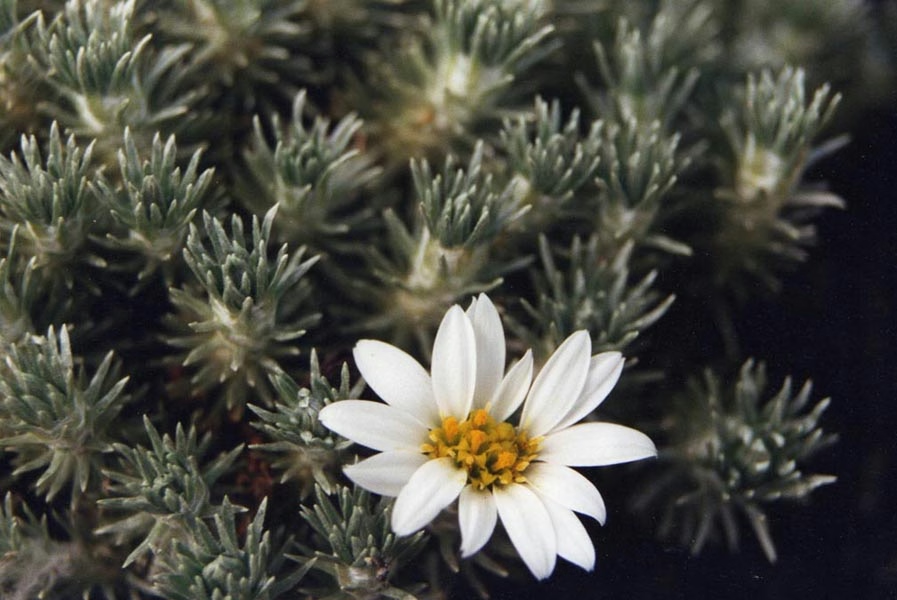
Silver Cushion Mountain Daisy
Celmisia argentea
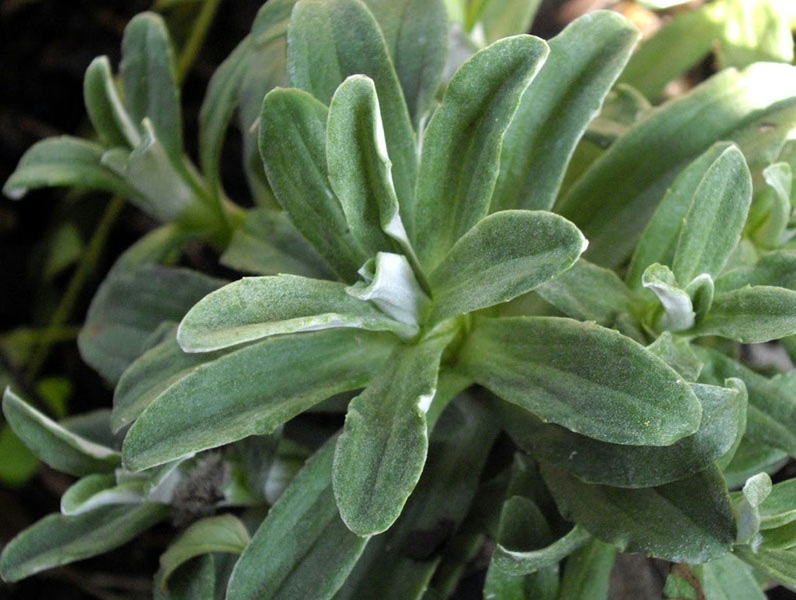
Common Shrub Mountain Daisy
Celmisia brevifolia
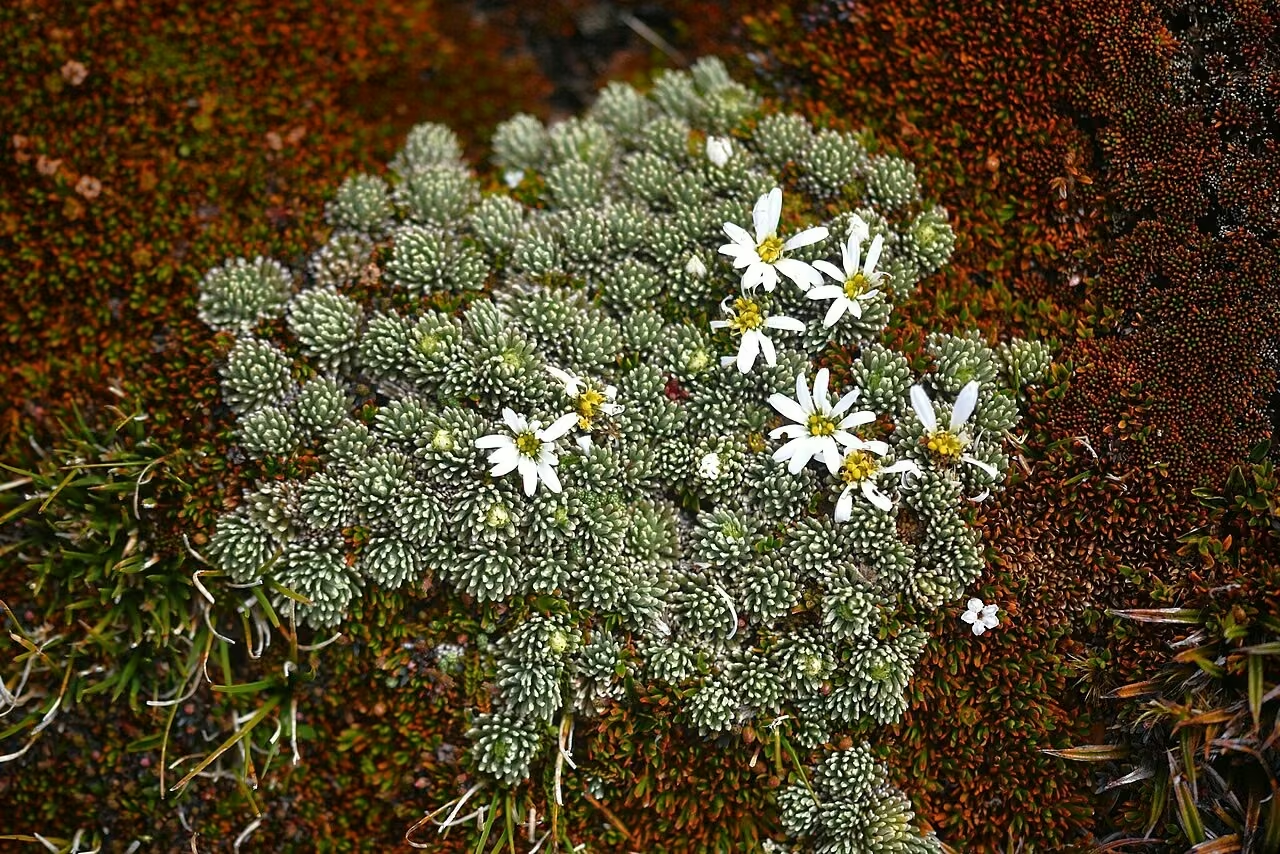
Celmisia clavata
Celmisia clavata
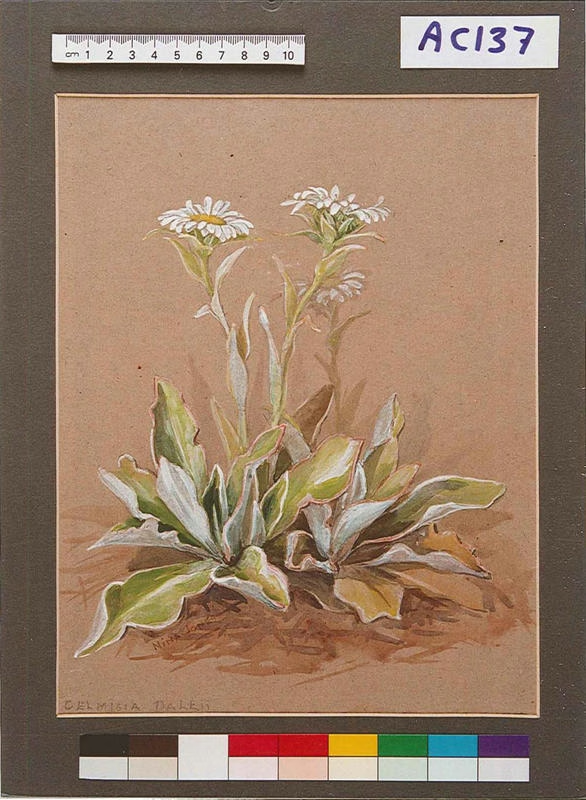
Dall's Mountain Daisy
Celmisia dallii
Celmisia densiflora
Celmisia densiflora
Plant Conservation
Celmisia armstrongii is ranked Not Threatened and has been at every assessment since 2004. Otago's 2025 regional assessment also rates it Regionally Not Threatened.
It is widespread and common in the wet western mountains, much of which lies within national parks and conservation land. Controlling browsing animals such as deer and chamois helps keep alpine herbfields healthy.
Frequently Asked Questions
How do you identify Celmisia armstrongii?
Look for long, narrow, leathery bronze-green leaves with a conspicuous orange-brown strip along the midrib and dense white tomentum underneath. It differs from Celmisia coriacea in having leaves narrower than 20 mm.
Where does Armstrong's mountain daisy grow?
It grows from North-West Nelson south to Mt Bonpland near Lake Wakatipu, mostly west of the Main Divide in high rainfall areas, in wet grassland and herbfield.
How do you grow Celmisia armstrongii from seed?
NZPCN advises sowing fresh seed immediately or stratifying it for one to three months, then growing seedlings in shaded, permanently moist, free-draining, acidic soil.
Who was Celmisia armstrongii named after?
It honours either Joseph Francis Armstrong (1820 to 1902), a gardener and plant collector, or his son John Beattie Armstrong (1850 to 1926).
Sources and Further Reading
The botanical, growing, and conservation details for Armstrong's Mountain Daisy (Celmisia armstrongii) on this page draw on the New Zealand plant references below. Consult them for full technical records and the latest distribution data.