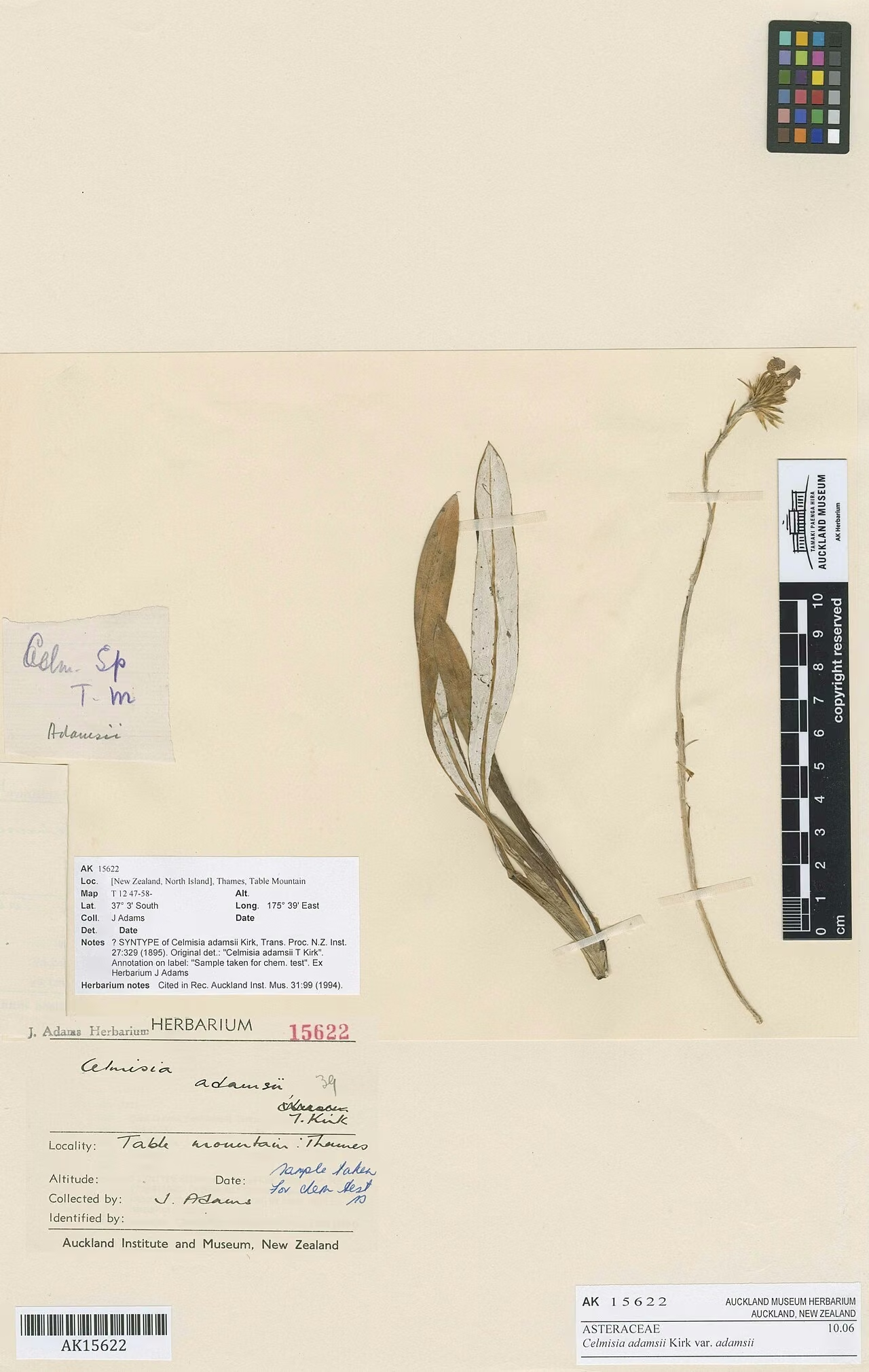
Adams's Daisy
Celmisia adamsii
Last updated:
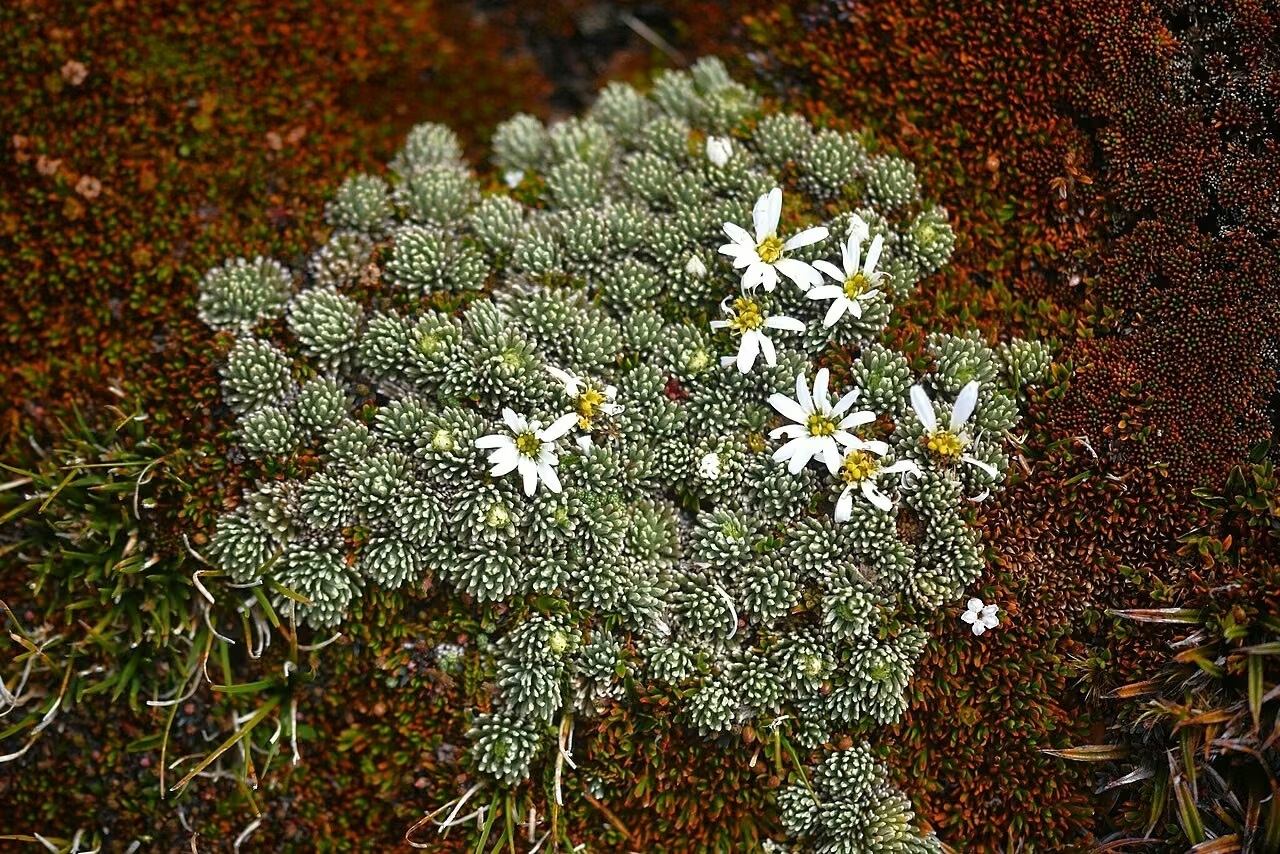
Adams's daisy (Celmisia adamsii) is a tufted mountain daisy endemic to the northern North Island, one of the few celmisias that grow well away from the alpine zone. It forms small clumps of narrow leaves 9 to 40 cm long, dark green above and white-woolly beneath, and from September to April produces white daisies 3 to 5 cm across on stems up to 40 cm tall. It clings to rock outcrops, cliffs and shaded gorge sides in the Coromandel Range, on Mt Pirongia and, as var. rugulosa, around Whangarei Heads. It is ranked At Risk - Naturally Uncommon. Explore more native flowering plants in our native plant guide.
Plant Description
Celmisia adamsii is a tufted herb with a simple or sparingly branched stock and a short pseudo-stem up to about 6 cm long formed by the overlapping leaf bases. The leaves are narrowly oblong-lanceolate to almost linear-oblong, usually 10 to 15 cm long but ranging from 9 to 40 cm, and 10 to 25 mm wide. They are somewhat leathery, acute and often finely pointed, dark green and nearly hairless above, with a soft white tomentum below.
The flower heads are borne singly on stems 15 to 40 cm tall and measure about 3 to 5 cm across, with white ray florets up to 25 mm long around a yellow disc. Flowering runs from September to April and fruiting from October to July. The seeds are small achenes with a pappus that carries them on the wind.
Two varieties are recognised. Var. rugulosa has generally narrower leaves with a more silvery upper surface than var. adamsii. Var. adamsii grades into Celmisia major var. major, and the relationships between these plants and C. graminifolia still need critical study.
Quick Facts
| Scientific Name | Celmisia adamsii |
|---|---|
| Height | Flowering stems 15 to 40 cm |
| Spread | Small clumps about 20 to 40 cm across |
| Water Needs | Moderate; moist but free-draining |
| Light | Semi-shade |
| Frost Tolerance | Moderate; grows on montane rock outcrops |
| Salt Tolerance | Low; an inland montane species |
| Growth Rate | Moderate |
| Lifespan | Perennial, often short-lived in cultivation |
Climate Best Suited to
Suits mild, humid, high-rainfall hill country of the northern North Island, on exposed but frequently misty rock outcrops rather than true alpine terrain.
Regional Suitability
| City | Climate Suitability |
|---|---|
| Auckland | Medium |
| Wellington | Medium |
| Christchurch | Medium |
| Dunedin | Medium |
Plant Habitat
Celmisia adamsii is endemic to the northern North Island. Var. adamsii ranges from Castle Rock above Coromandel south through the Coromandel Range to the Kauaeranga Valley, with an outlying population on Mt Pirongia (Hihikiwi and nearby high points) in the Waikato. Var. rugulosa is found further north, on Mt Manaia and the hills north of Whangarei Harbour.
It is a montane plant of river gorges, steep shaded slopes, rock outcrops, cliffs and rock tors where competing vegetation is sparse. These open rocky refuges are naturally scattered, which is why the species is uncommon.
Growing Requirements
Soil Requirements
It needs moist but very free-draining conditions. In the wild it roots into crevices and thin soils on volcanic rock.
- Use a gritty, humus-rich mix
- Avoid compacted or waterlogged soil
- A rockery pocket or raised bed works well
Light Requirements
NZPCN recommends semi-shade, reflecting its natural sites on shaded slopes and gorge walls.
- Morning sun with afternoon shade is ideal
- Hot, dry afternoon sun can scorch the leaves
Water Requirements
Keep soil evenly moist, especially in summer, but never soggy.
- Water during dry spells
- Good air movement helps, as it dislikes humid, stagnant air
Planting and Establishing
Plant in autumn or spring into a semi-shaded rockery, raised bed or large pot with gritty, free-draining mix. Set the crown at soil level and surround it with a gravel collar to keep the leaf bases dry.
Choose an airy position, since humidity is a problem. Because plants tend to be short-lived in gardens, keep some seedlings coming on as replacements.
Ecological Role
Like other celmisias, its open daisy flowers are visited by native insects such as flies, bees and small moths, although specific pollinators of this species have not been recorded. Its wind-dispersed seeds can reach new rock outcrops and cliffs.
It depends on open rocky habitat with little competition. On Mt Pirongia, NZPCN notes that shrubs and other vegetation have been closing over formerly open outcrops since intensive pest control began, showing how finely balanced its niche is.
Uses & Significance
Garden Uses
One of the most garden-friendly celmisias, suited to northern gardeners who struggle with alpine species.
- Semi-shaded rock gardens
- Large containers and troughs
- Collections of rare North Island plants
Ecological Value
It is a key member of the specialised rock outcrop flora of the Coromandel Range, Mt Pirongia and Whangarei Heads.
- Nectar and pollen for native insects
- Represents a northern outlier of a mainly southern alpine genus
- Indicator of healthy open outcrop habitat
Landscaping Uses
Use its strap-like dark green leaves with white undersides as a feature in a shaded rockery, among rocks and ferns. The tall white daisies stand above the foliage over a long season.
Combine with small ferns, Libertia and low hebes in a cool, airy corner. A group of three plants in a gravel-topped bed gives a natural look.
Seasonal Care Calendar
Spring
Flowering begins in September, with the first daisies opening above the leaves.
- Feed lightly with slow-release fertiliser
- Check for slugs on new leaves
Summer
Main flowering continues and seed starts to ripen.
- Keep soil moist during dry spells
- Collect seed as heads turn fluffy
Autumn
Late flowers can continue into April while fruiting carries on.
- Sow fresh seed immediately
- Plant new specimens while soil is warm
Winter
Plants rest as a clump of leaves.
- Ensure excellent drainage in wet weather
- Remove dead leaves that trap moisture
When to Prune and How Much
No pruning is required. Cut spent flower stems back to the base once seed has been collected or has blown away.
Remove dead or yellowing outer leaves to keep the crown dry and reduce rot.
How to Grow Adams's Daisy
NZPCN describes Celmisia adamsii var. adamsii as easily grown from fresh seed, which is the main method used. Plants are often short-lived in cultivation, so regular sowing keeps a collection going. Larger clumps with more than one crown can also be divided. Always raise plants from cultivated stock or seed collected with permission, as wild populations are naturally uncommon and some have been damaged by illegal collection.
From Seed
Fresh seed gives the best results. Seed ripens from October to July, so there is a long window for collection from garden plants.
NZPCN stresses fresh seed for this species, so sow promptly after collection rather than storing it. Germination times for Celmisia adamsii have not been published; be patient, keep the tray moist and shaded, and protect small seedlings from hot sun and slugs.
- Collect seed heads as they turn fluffy and the seed begins to release
- Sow straight away on the surface of a free-draining seed raising mix
- Cover lightly with fine grit
- Keep evenly moist in a cool, shaded, well-ventilated spot
- Prick out seedlings into individual pots when they have two or three true leaves
- Grow on in semi-shade before planting out
By Division
Clumps that have formed several crowns can be split in early autumn or spring.
- Lift the clump carefully with as much root as possible
- Separate crowns that each have their own roots
- Pot divisions into gritty mix and keep them shaded and moist until established
- Discard any crown showing soft or rotting tissue, since this spreads quickly in pots
Pests & Diseases
Slugs and snails can damage young leaves and flower buds, especially in damp shady gardens. Crown rot is the most common cause of loss, usually brought on by poor drainage or humid, still air.
In the wild, NZPCN notes that trampling and illegal collection have damaged some populations.
Cultural Significance
No Māori name or traditional use is recorded for Celmisia adamsii. The species is named after James Adams, a Thames schoolmaster and amateur botanist who explored the Coromandel flora with Thomas Cheeseman in the late nineteenth century.
Its presence on prominent peaks such as Castle Rock, Mt Pirongia and Mt Manaia makes it a familiar find for trampers who reach those rocky summits.
Bonus Tip
Because this daisy tends to be short-lived in gardens, sow a few fresh seeds every year or two so that young replacement plants are ready when older clumps decline.
Related Plants
Explore other native plants that share similar characteristics or habitats with Adams's Daisy (Celmisia adamsii), offering further insights into New Zealand's diverse flora. These related species provide context and opportunities for complementary planting in your garden.
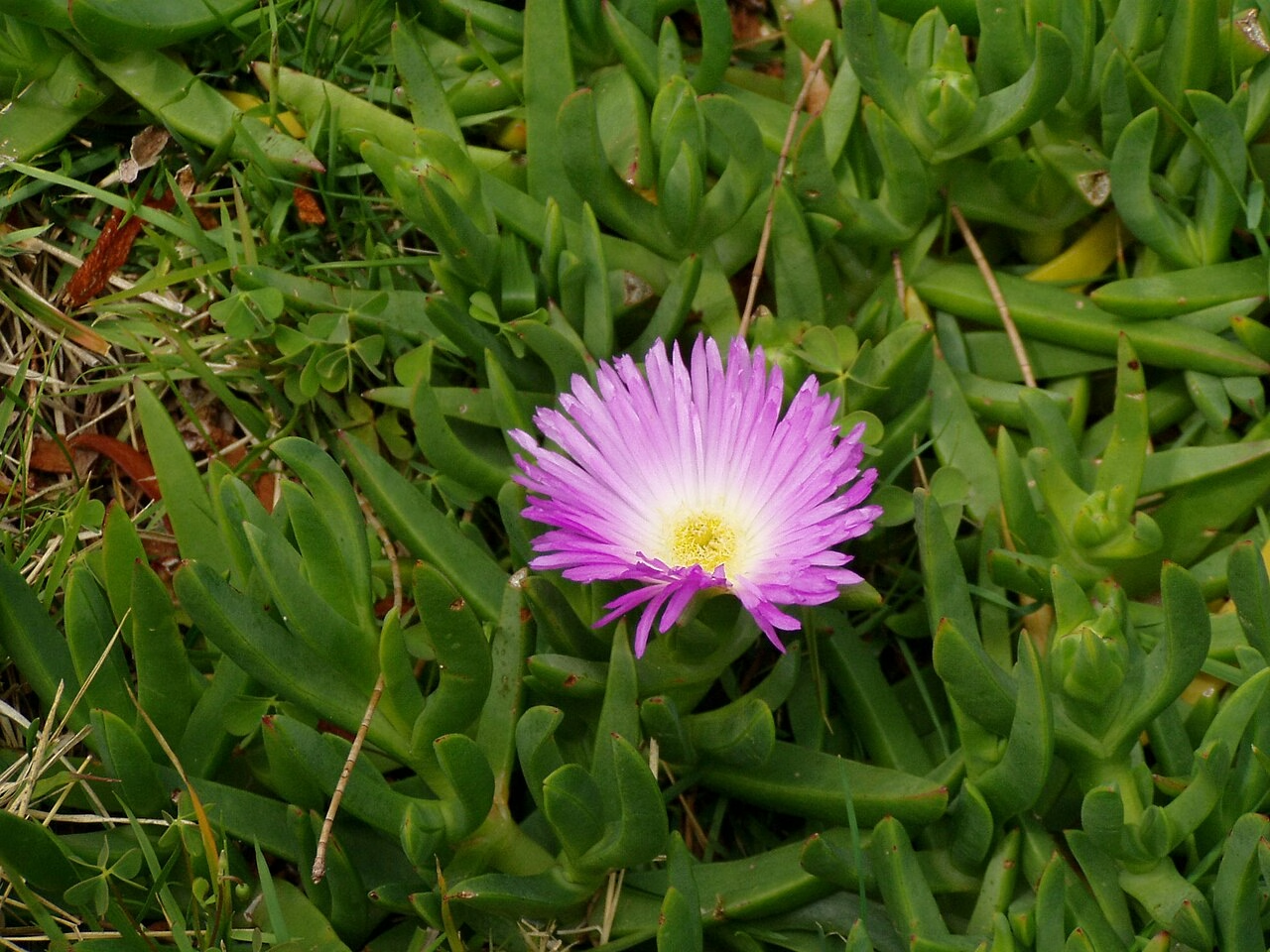
Pigface
Carpobrotus glaucescens
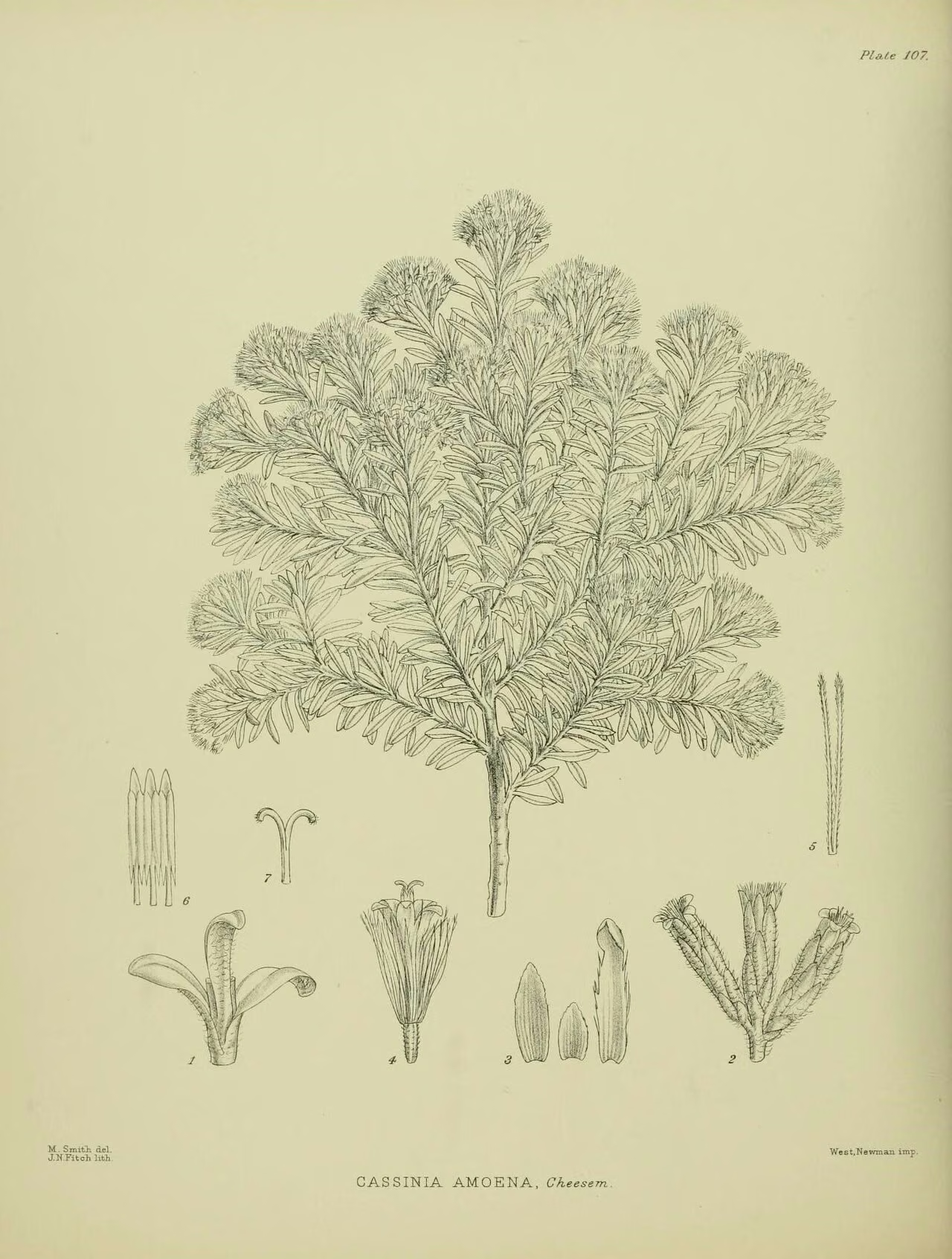
Cassinia amoena
Cassinia amoena
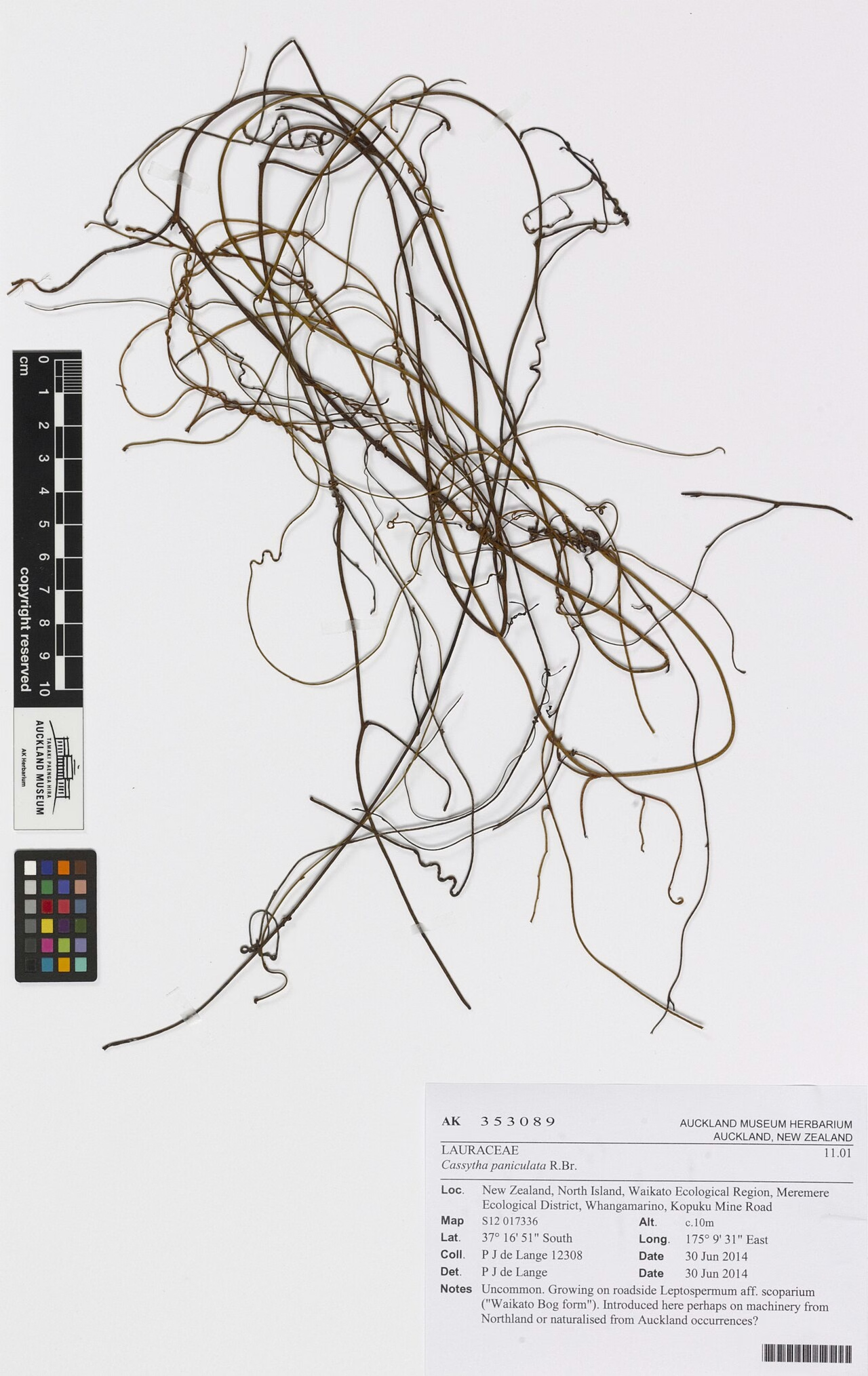
Dodder Laurel
Cassytha paniculata
Downy Dodder Laurel
Cassytha pubescens
Silver Cushion Mountain Daisy
Celmisia argentea
Armstrong's Mountain Daisy
Celmisia armstrongii
Common Shrub Mountain Daisy
Celmisia brevifolia
Celmisia clavata
Celmisia clavata
Plant Conservation
Var. adamsii is ranked At Risk - Naturally Uncommon (2023) with the qualifiers Sparse and Data Poor: Trend. It occurs naturally in small, scattered populations on rock outcrops. Most are secure, but some have been damaged by trampling and illegal collection, and the Mt Pirongia population is declining as vegetation encroaches on its open outcrops.
Staying on tracks at summit outcrops, never collecting plants from the wild and monitoring populations where succession is closing in all help to protect it.
Frequently Asked Questions
Where does Celmisia adamsii grow?
Variety adamsii grows from Castle Rock above Coromandel south to the Kauaeranga Valley and on Mt Pirongia, while var. rugulosa grows on Mt Manaia and the hills north of Whangarei Harbour.
Who is Adams's daisy named after?
It honours James Adams (1839 to 1906), an amateur botanist and headmaster of Thames High School who did botanical fieldwork with Thomas Cheeseman.
Is Celmisia adamsii easy to grow?
NZPCN describes var. adamsii as easily grown from fresh seed and one of the few celmisias that adapts well to cultivation, though it dislikes humidity and tends to be short-lived.
Why is Adams's daisy declining on Mt Pirongia?
NZPCN reports that after intensive pest control, other vegetation has been colonising the formerly open rock outcrops it needs, crowding out the Pirongia plants.
Sources and Further Reading
The botanical, growing, and conservation details for Adams's Daisy (Celmisia adamsii) on this page draw on the New Zealand plant references below. Consult them for full technical records and the latest distribution data.